
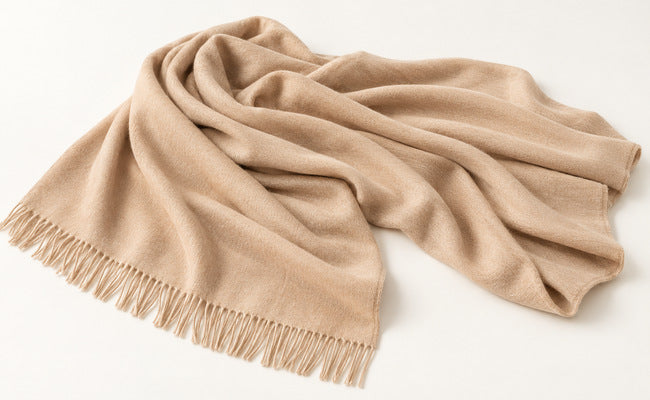
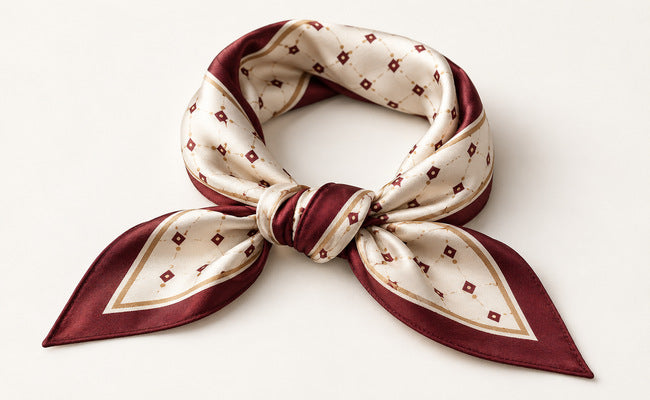

Cream and ecru shawls
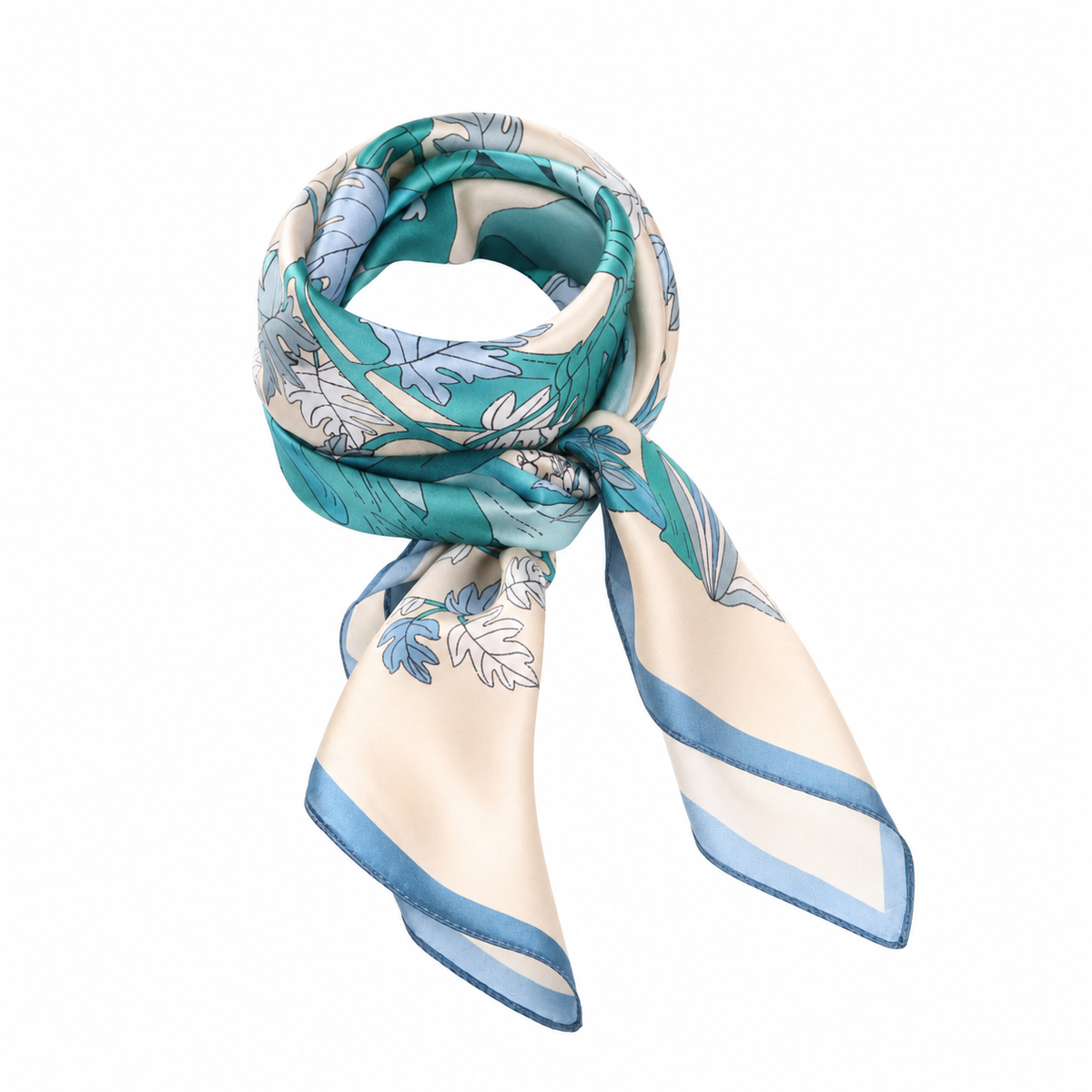
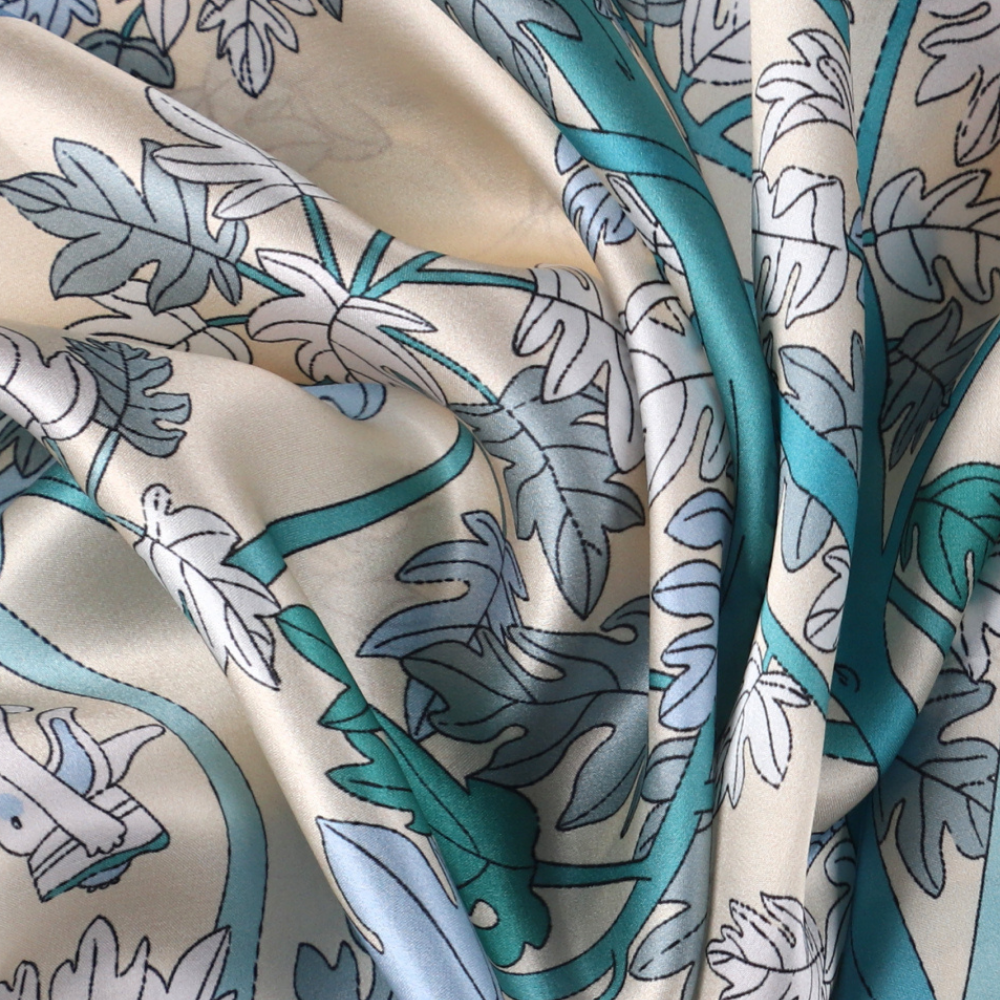
90×90 cm / 35×35 in
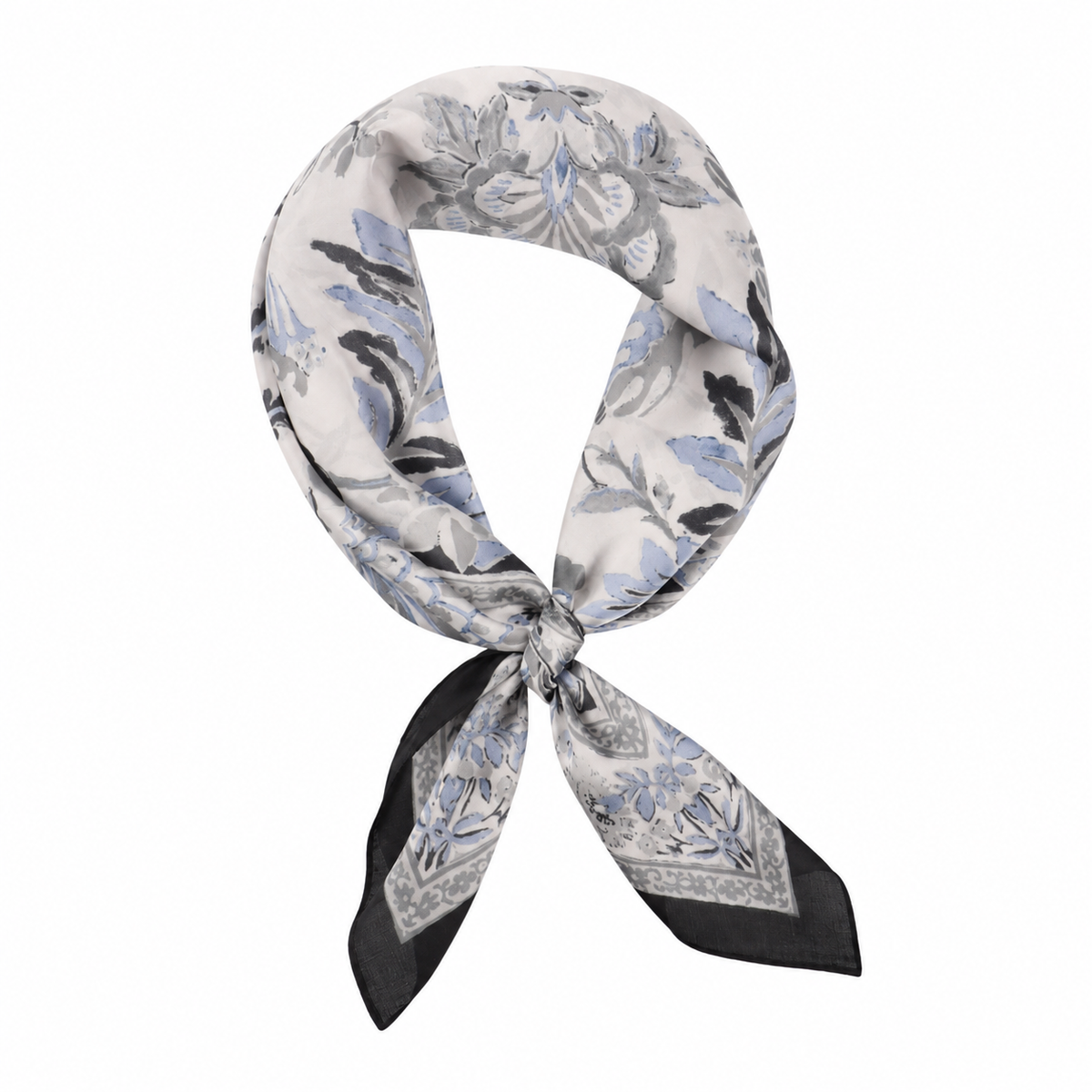
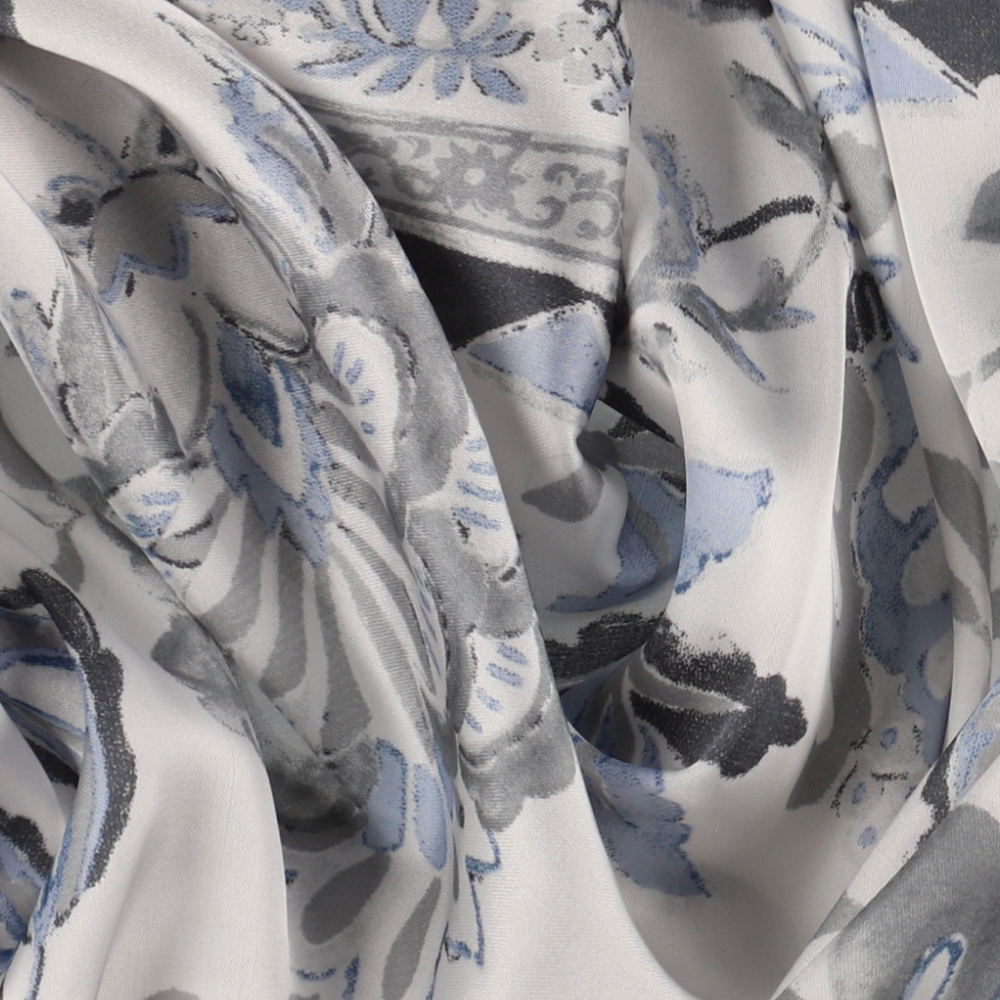
70×70 cm / 28×28 in
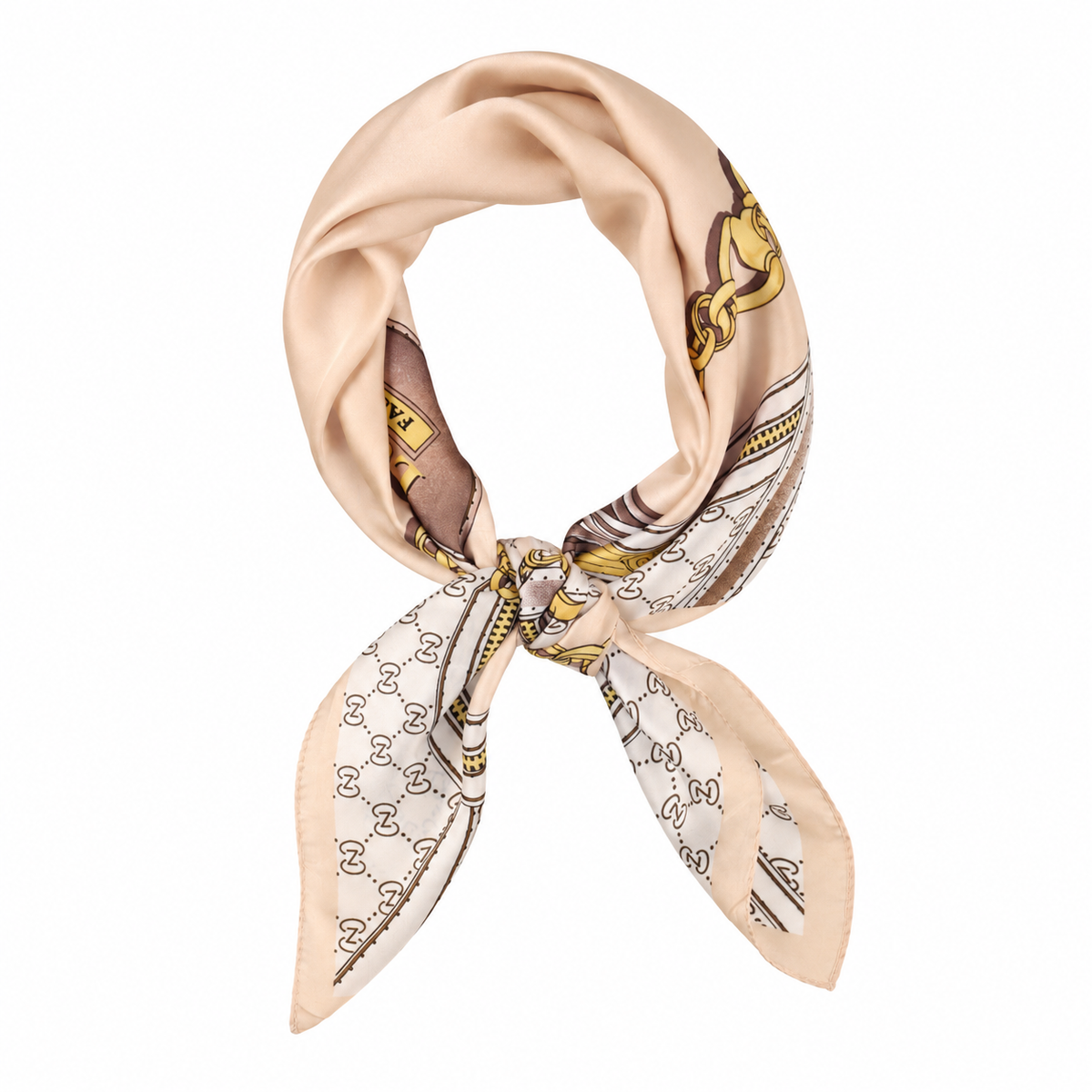
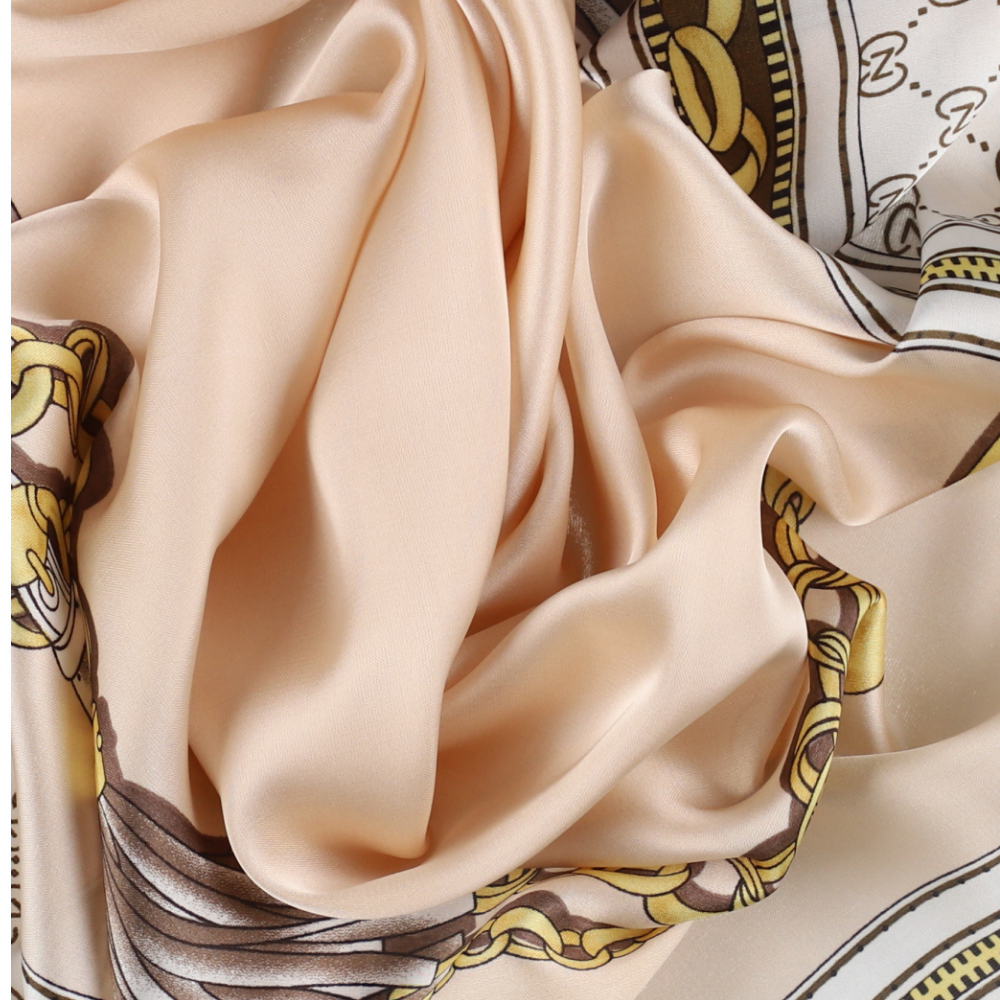
70×70 cm / 28×28 in
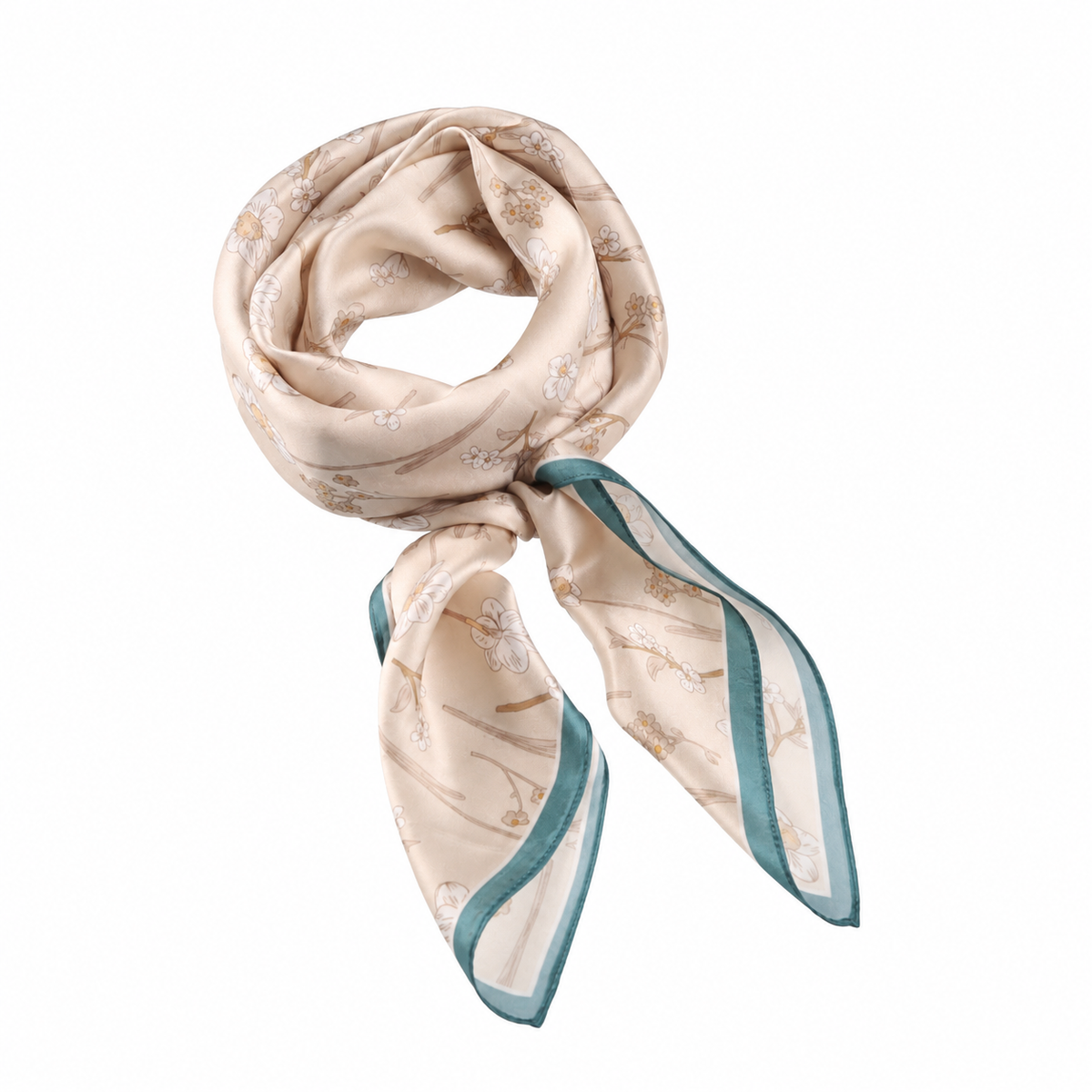
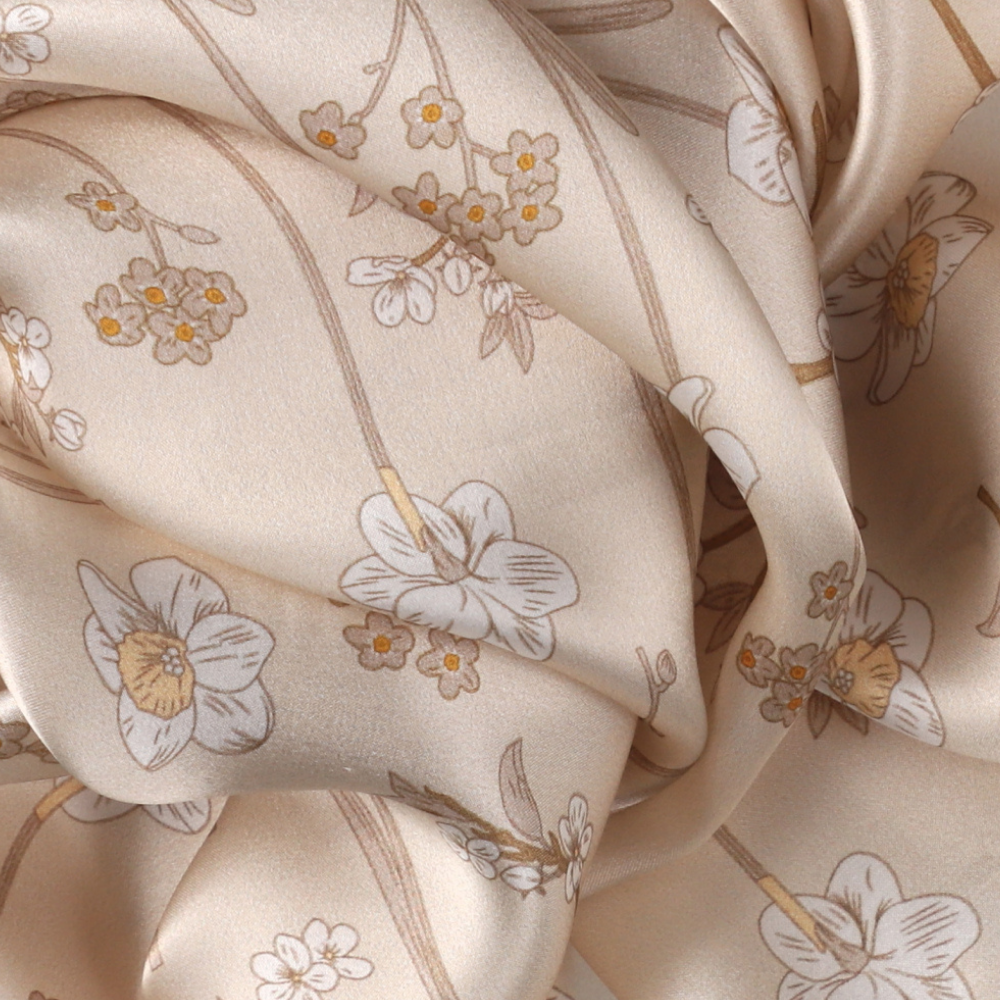
90×90 cm / 35×35 in
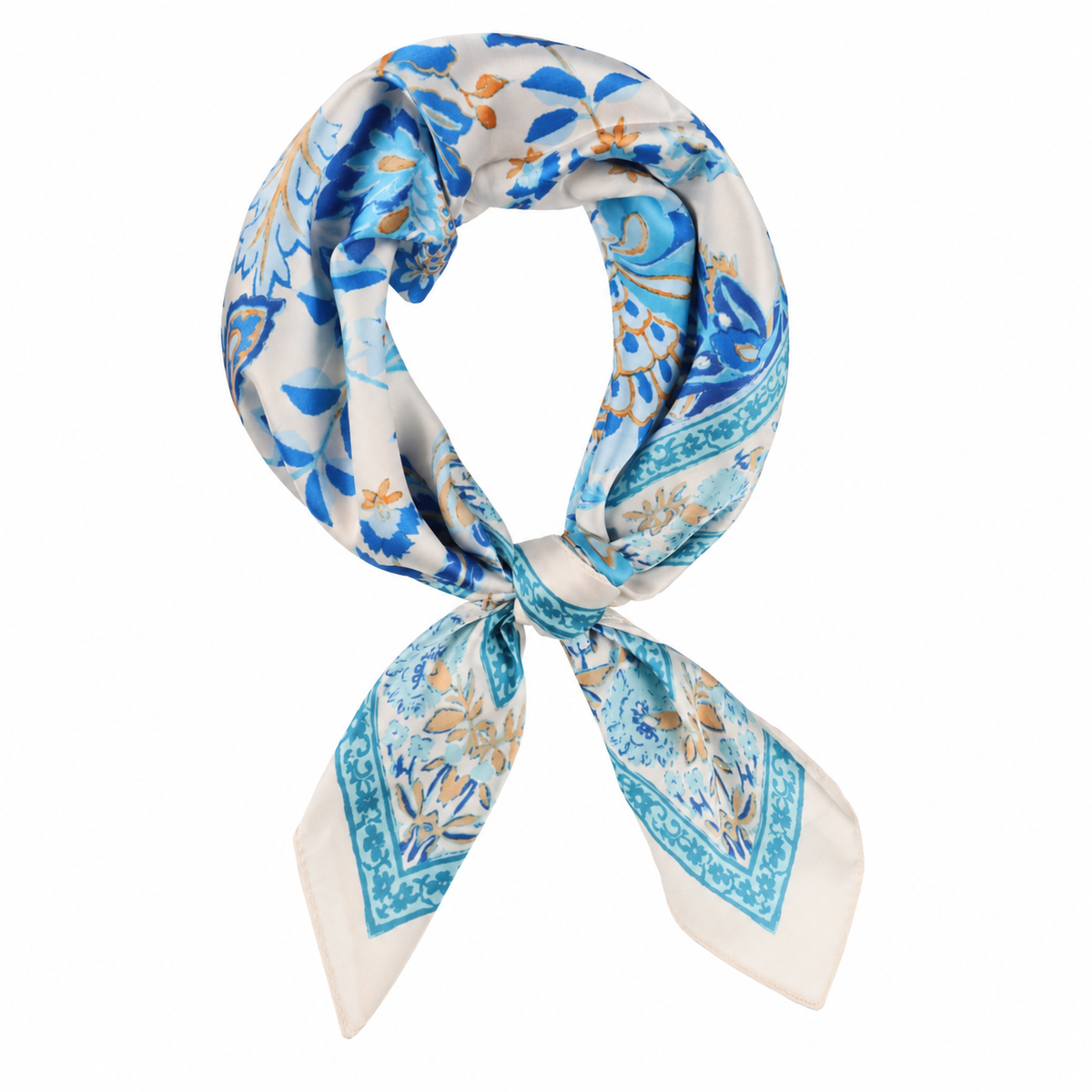
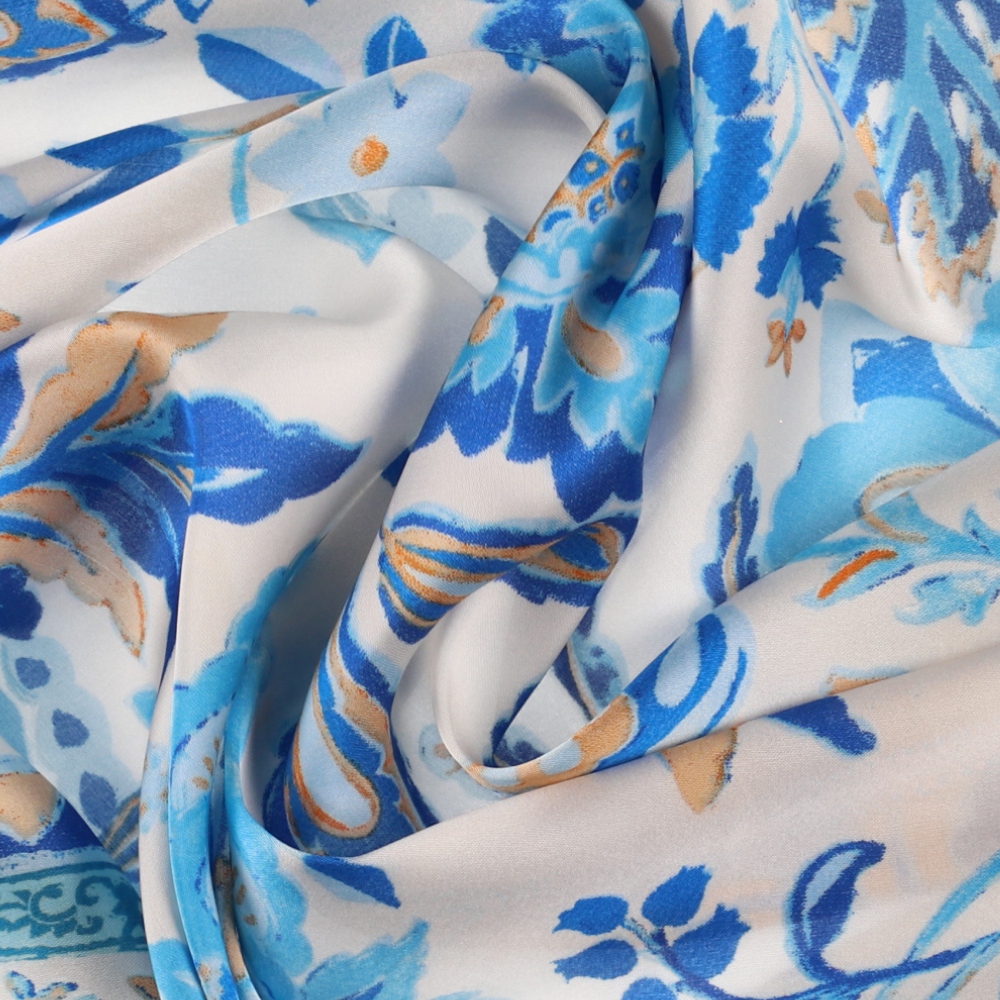
70×70 cm / 28×28 in
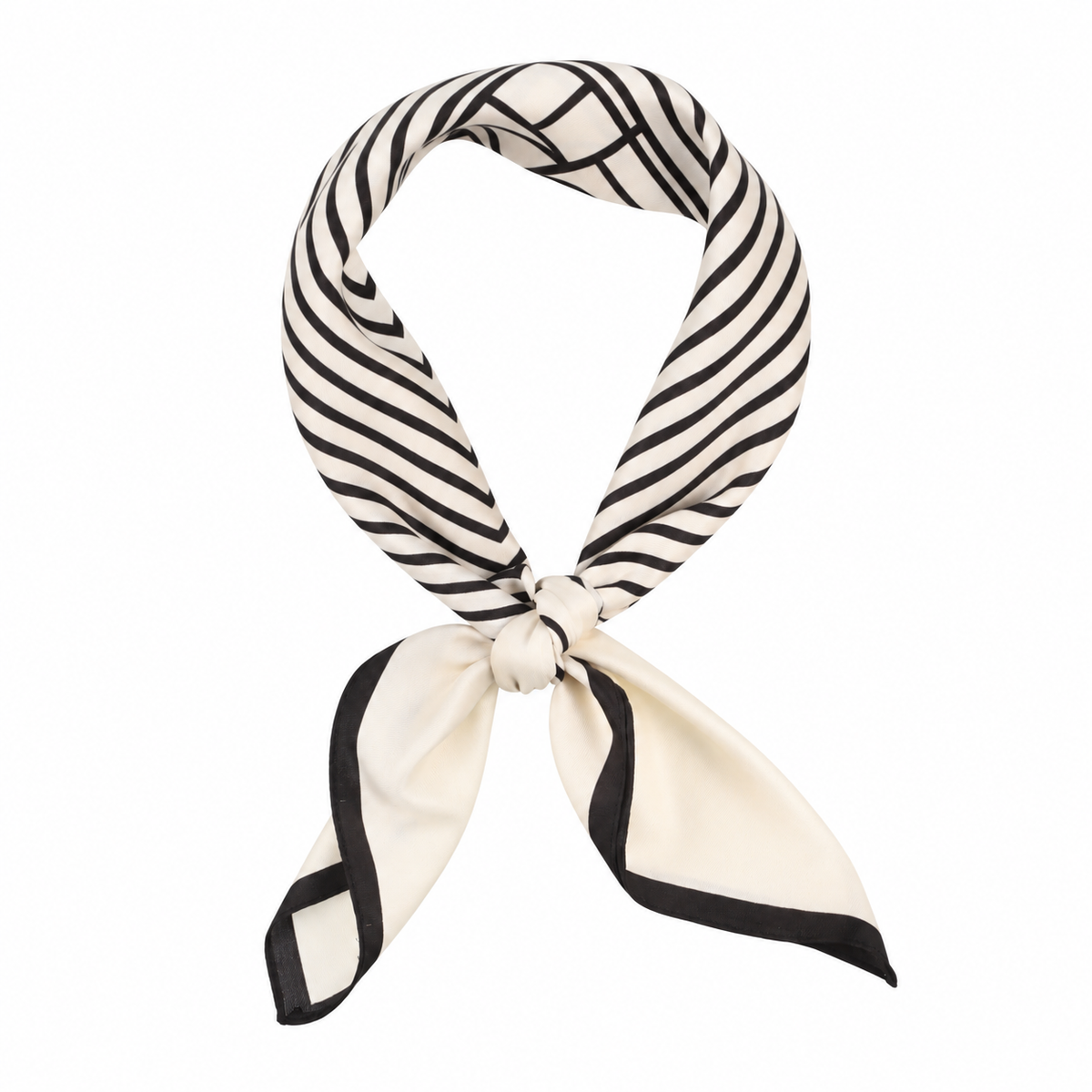
70×70 cm / 28×28 in
70×70 cm / 28×28 in
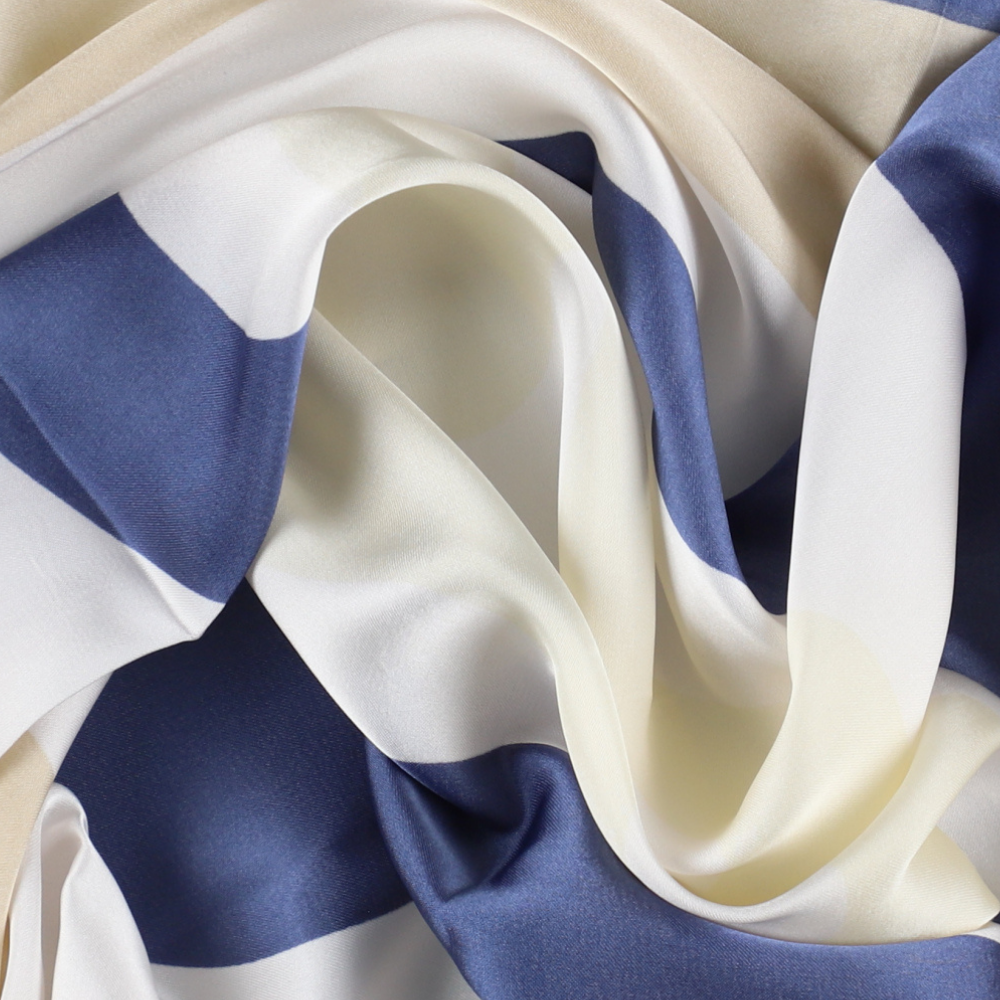
70×70 cm / 28×28 in
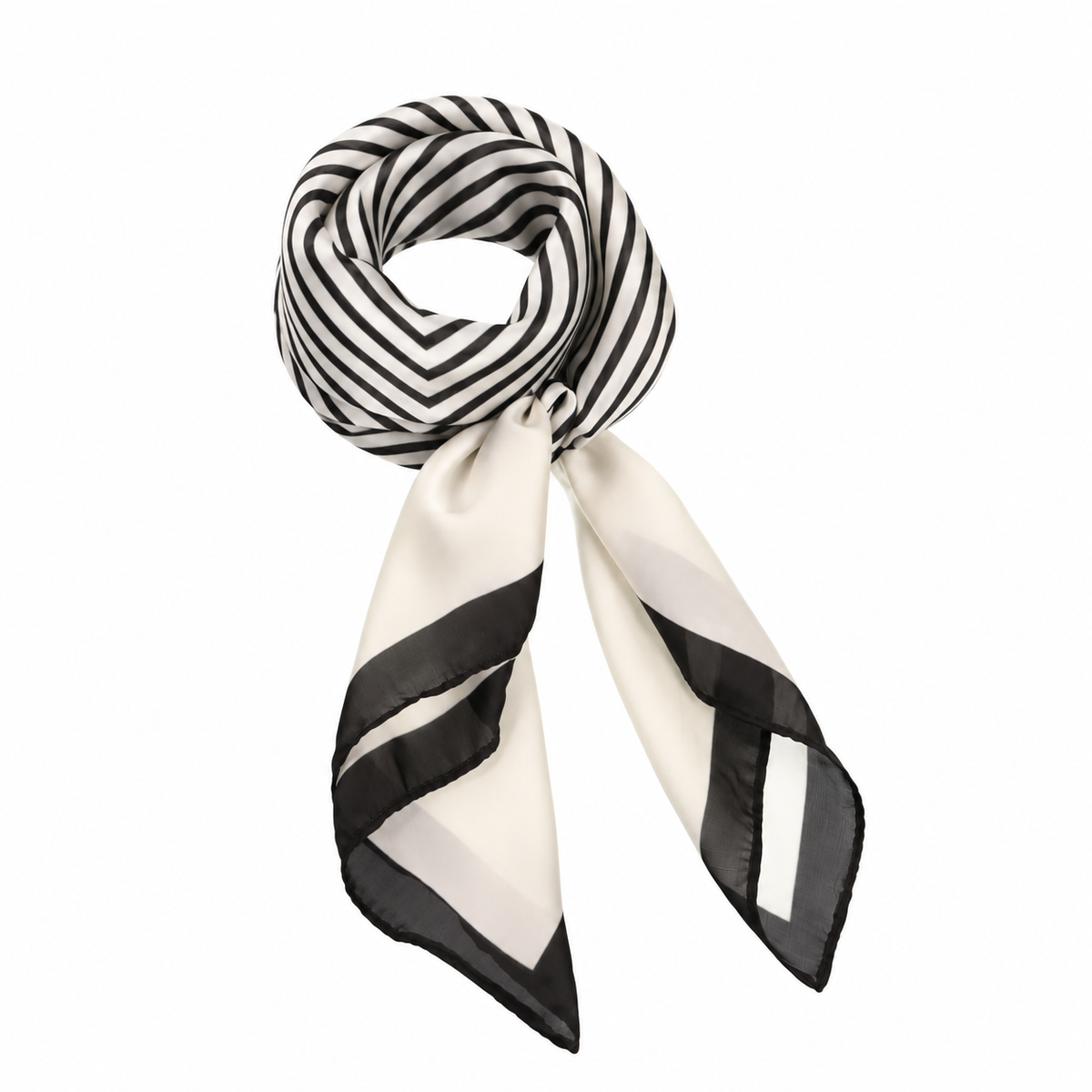
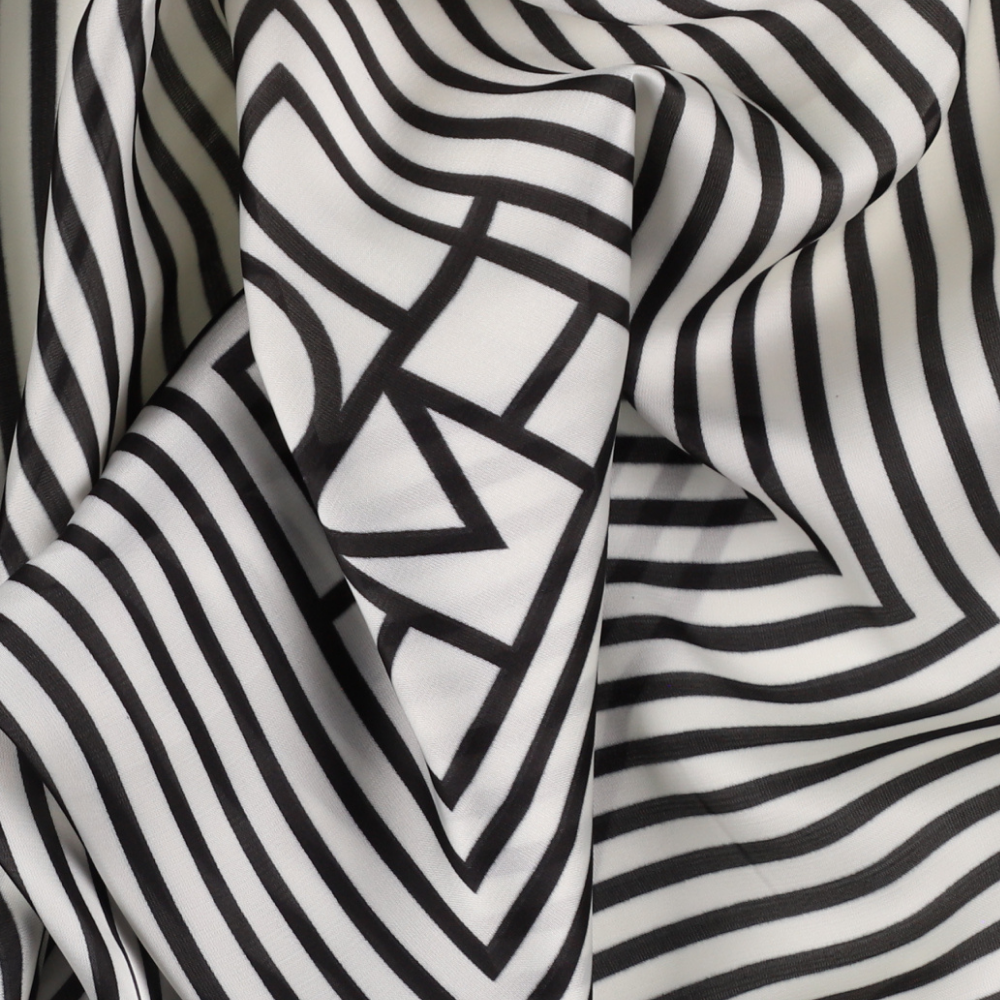
90×90 cm / 35×35 in
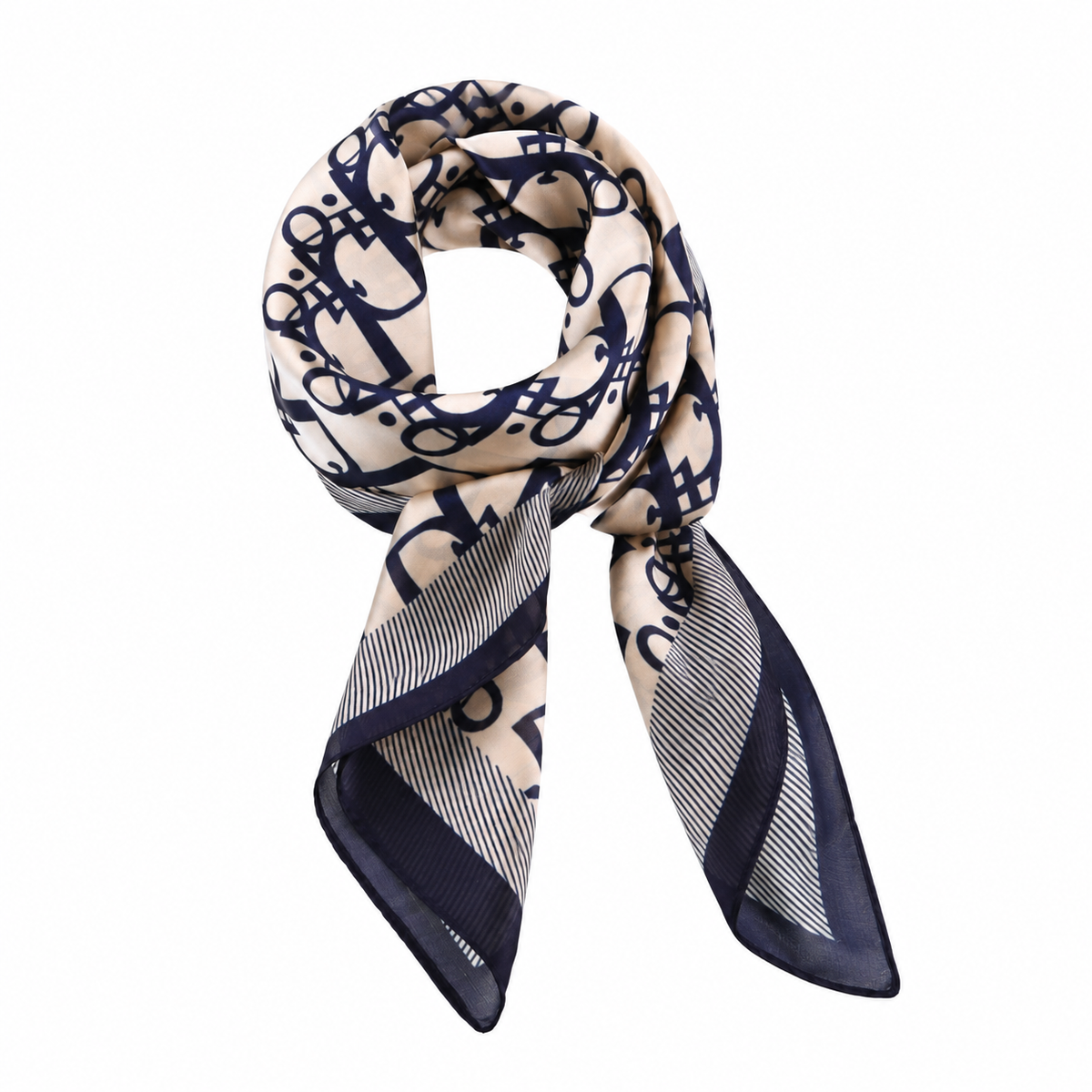
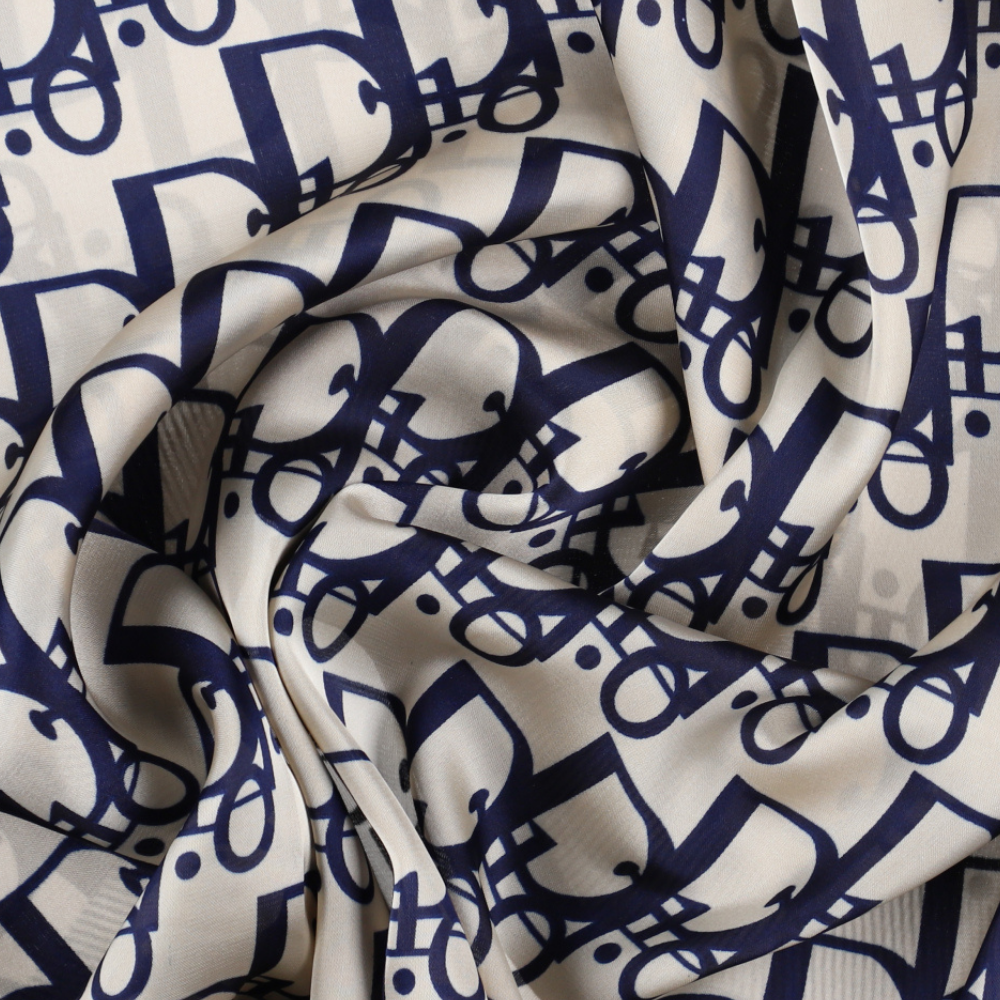
90×90 cm / 35×35 in
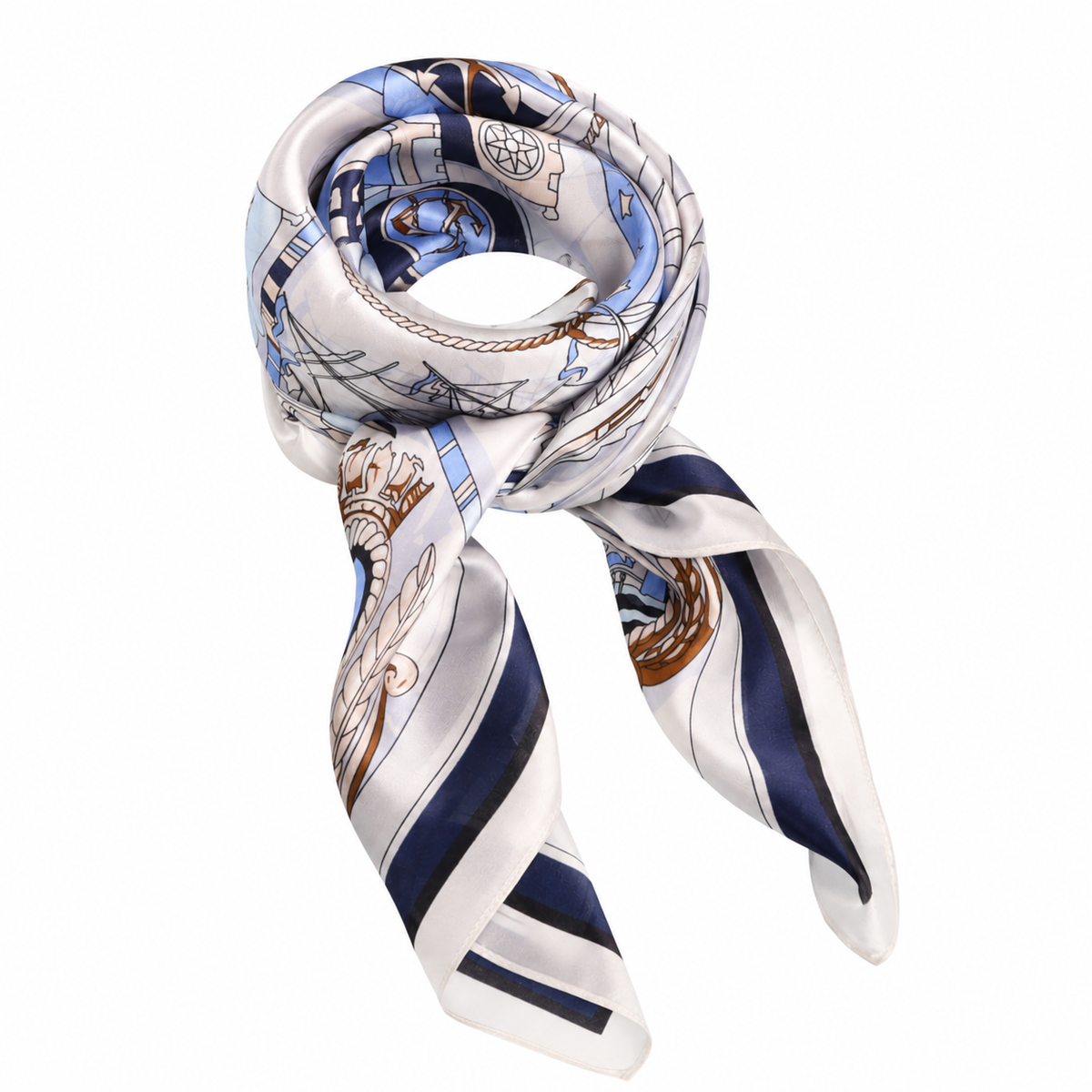
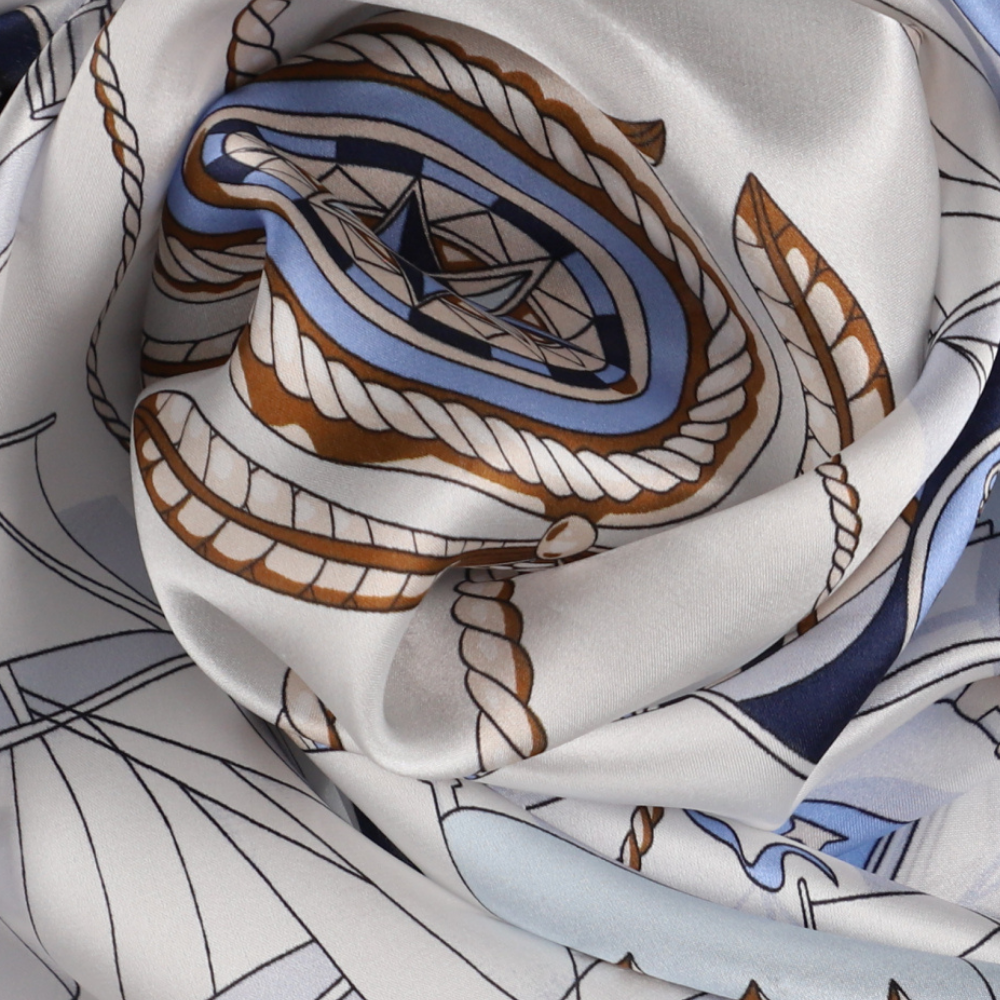
90×90 cm / 35×35 in
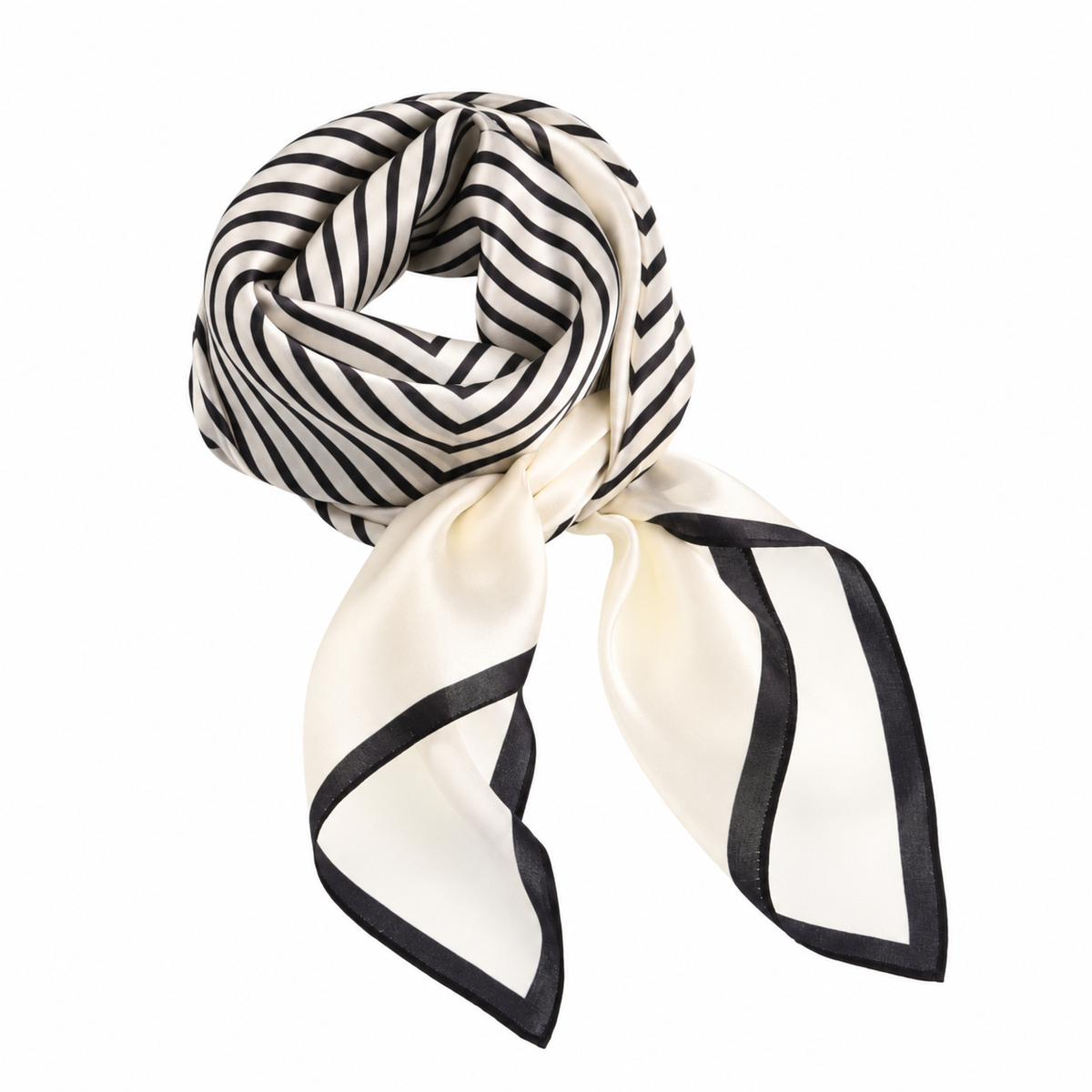
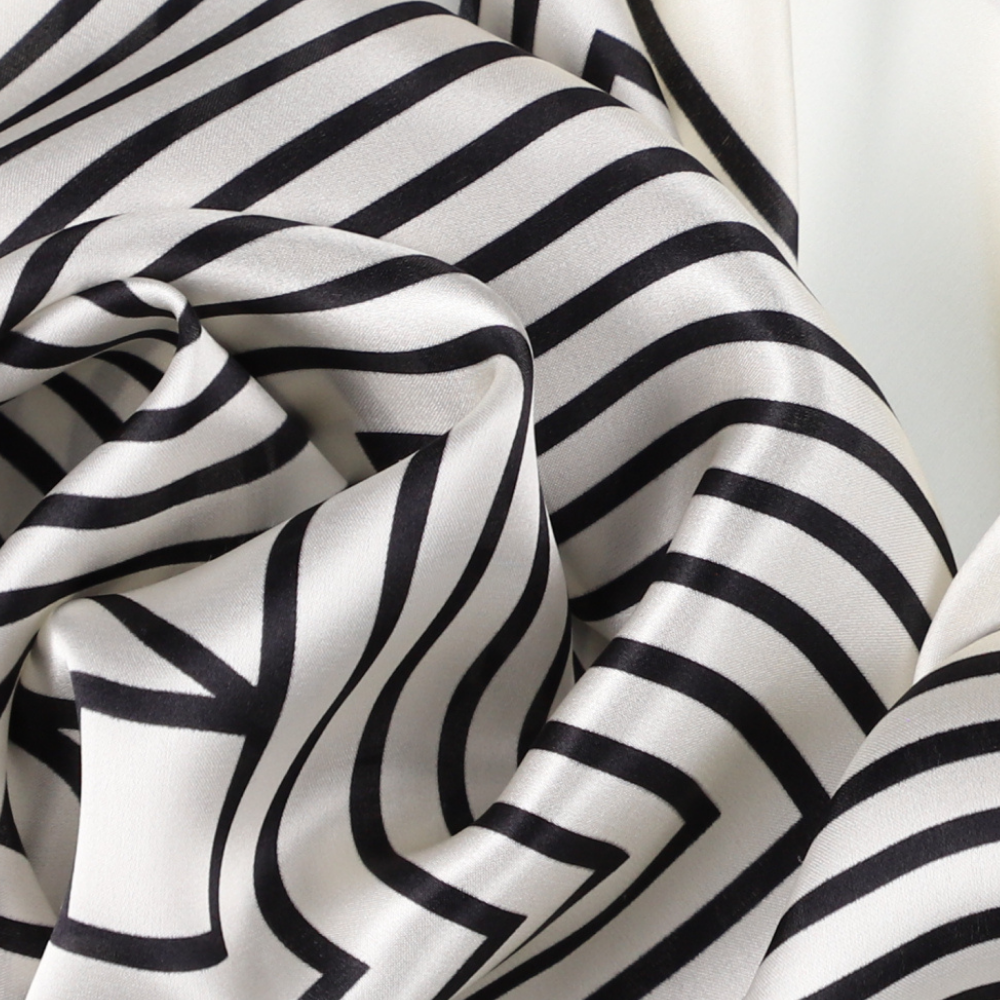
90×90 cm / 35×35 in
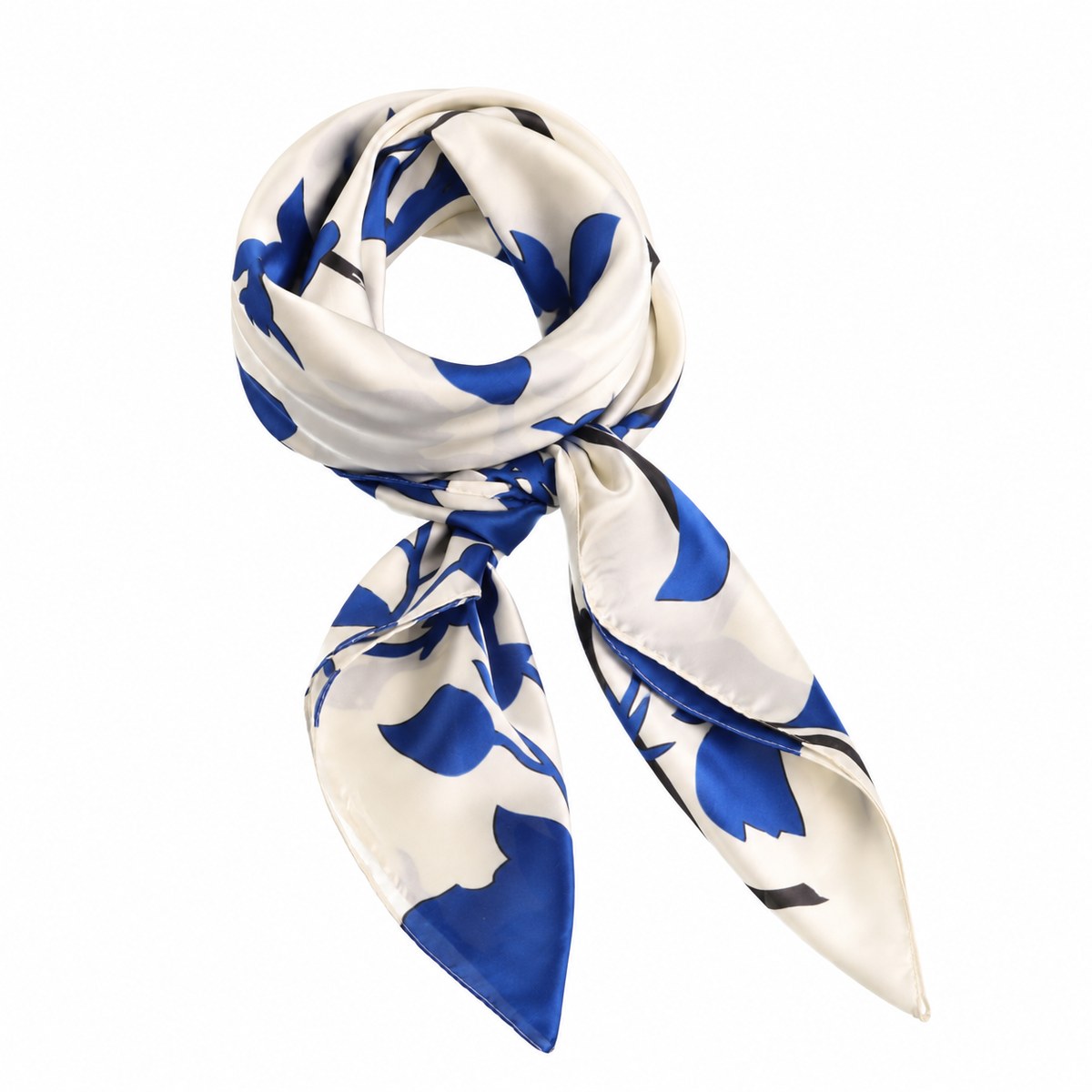
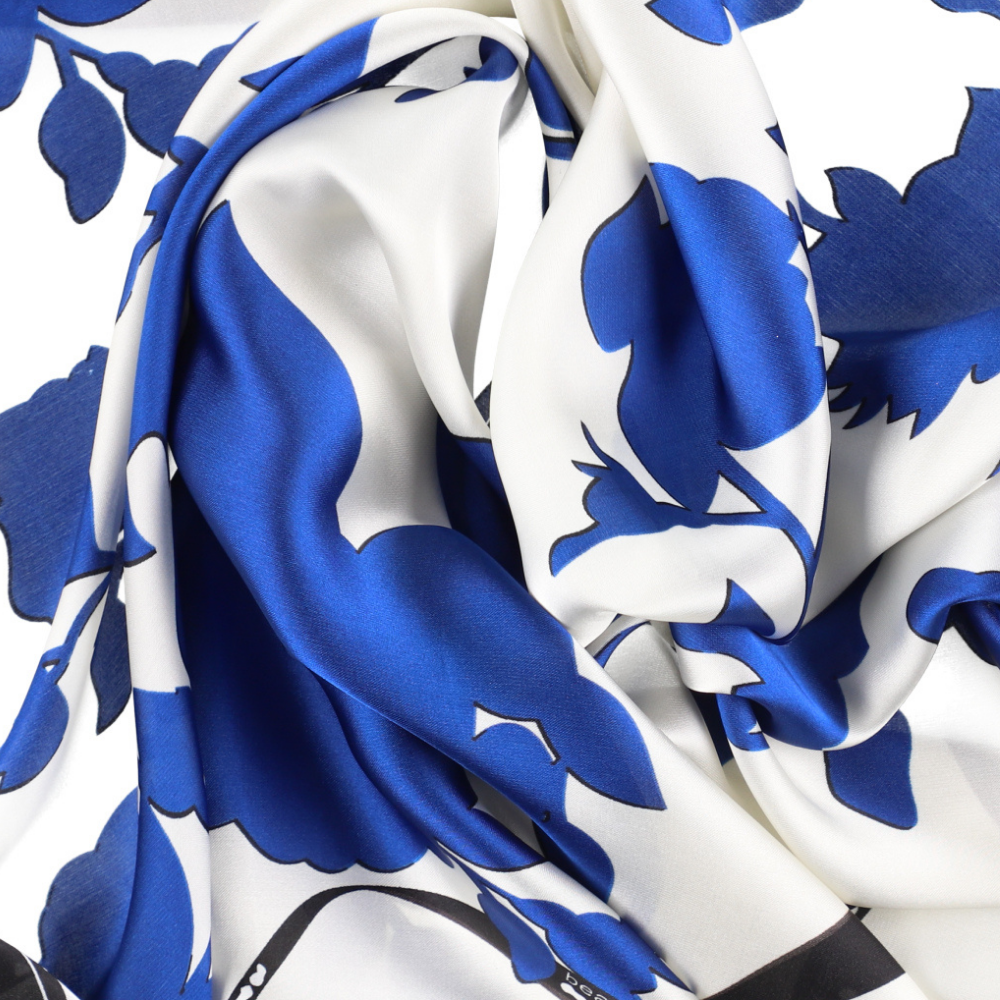
90×90 cm / 35×35 in
Cream shawl: how to choose and style this versatile accessory
What you'll find in the cream shawl collection
A cream shawl is a versatile wardrobe staple that complements various outfits, from a structured coat to a summer dress or a simple jeans-and-sweater combination. This collection gathers cream shawls in different materials, weights, and sizes: plain models with a clean drape, pieces with subtle embroidery or jacquard texture, and options finished with fringe or contrast borders.
Each product page lists the exact fibre composition and dimensions, so you can match a specific model to your wardrobe. The guidance below covers the general principles: which type suits which occasion, how to read material and shade differences, and what size delivers the drape you want.
Types of cream shawls
Cream shawls range from sheer, feather-light wraps to dense, full-coverage pieces. Thickness, texture, and dimensions determine where and how you wear them.
Light cream evening shawls
These are thin, often semi-transparent shawls made from fabrics like shadow silk lace, chiffon, or fine viscose. They carry a subtle sheen and sit flat against the body without adding bulk. Choosing a lightweight shawl style is ideal for warm weather events, where heavier fabric would feel uncomfortable.
Typical situations where a light cream evening shawl works well:
Over a sleeveless or strapless gown at a wedding reception or summer garden party. Luxury cashmere pashmina shawls are versatile for weddings, but a silk or lace option can feel even lighter.
As a shoulder cover in a church ceremony or formal restaurant where bare arms feel too casual.
Layered with metallic accessories (gold earrings, a delicate chain) to echo the shawl's warm undertone.
Vintage ecru crochet lace shawls often feature tassels, adding movement and visual weight to an otherwise minimal piece.
Cream shawls for outerwear
Larger, denser shawls in wool blends, cashmere, or heavier knits serve as a layering piece with coats and jackets. They wrap around the neck once or twice and still leave enough fabric to cover the chest.
A cream shawl against a dark wool coat in charcoal or navy creates a bright focal point at the neckline. Paired with a beige trench, it builds a tonal palette where texture rather than colour separates the layers. With a light puffer or shearling jacket, a cream shawl extends the same warm neutral down to the collar.
Width matters here. A shawl wider than about 80 cm drapes across both shoulders and works as a blanket wrap; a narrower piece (around 50 to 70 cm) loops and knots at the neck more neatly. If you plan to wear it under a coat, check that the folded width fits comfortably inside the collar without bunching.
Patterned and textured cream shawls
"Cream" does not mean plain only. Shawls in this range include tone-on-tone jacquard weaves, ribbed knits, embossed surfaces, and pieces with a contrast border in caramel, dusty rose, or soft brown.
A tonal pattern (cream on cream) adds depth to a monochromatic outfit without introducing a new colour. Textured shawls can add a contrast to smooth, sleek fabrics in an outfit, breaking the surface monotony of a silk dress or a polished blazer.
A darker contrast border or geometric motif brings the shawl closer to a statement accessory and pairs well with simple tops and jeans.
Ecru shawls can be made of shadow silk lace, creating an interplay of opacity and transparency that reads as pattern even without printed colour.
What to look for in a cream shawl
Material, shade, and dimensions are the three variables that determine how a cream shawl behaves on the body and in your wardrobe. The product page of each model carries the specifics; here is how to interpret them.
Material and feel
Common materials for cream shawls include cashmere, silk, and cotton, along with viscose, merino wool, alpaca, and various blends. Different fabrics can change the drape, warmth, and formality of a cream shawl.
Silk and silk-blend fabrics drape close to the body and carry a soft sheen, making them a natural fit for evening wear. They require gentle care (hand wash or dry clean in most cases).
Cashmere and fine wool provide warmth relative to their weight. A cashmere pashmina in soft cream feels light yet insulating; wool blends hold their shape better in wind.
Cotton and viscose breathe well and tolerate more frequent washing, but they insulate less when temperatures drop.
Fabric and texture influence both the warmth and the overall appearance of shawls. If the touch against bare skin matters to you (for example, over a strapless dress), check whether the fibre tends to prickle; cashmere and silk rarely do, while some untreated wools can.
Shade of cream and how it pairs with your wardrobe
Cream sits between white and beige on the spectrum, but individual shawls lean warmer (golden, buttery) or cooler (ivory, ecru). Cream shawls should match the undertones of the wearer's outfit for a harmonious look: a warm cream next to a cool grey blazer can feel disconnected, while the same shawl with a camel coat creates an easy tonal story.
Avoid pairing cream with stark white to prevent clashing in appearance; the white makes the cream look yellowed rather than warm. Cream pairs beautifully with rich jewel tones for an elegant look: emerald, sapphire blue, or burgundy next to cream creates a clear, polished contrast.
For a monochromatic set in cream, beige, and white, vary texture across each layer so the eye can distinguish them. The belted wrap style creates structure and definition for the wearer, turning a soft shawl into a more architectural element in a layered outfit.
Size, shape and drape
Common sizes for shawls include 180 × 70 cm and 90 × 90 cm, though the range extends in both directions. The width and length of a shawl should be considered to avoid overwhelming the wearer's frame: a petite build suits a narrower stole (around 50 to 70 cm wide), while a taller frame carries a full 90 to 100 cm wrap without the fabric swallowing the silhouette.
Rectangular shawls are the most versatile shape. A piece around 200 cm long can be doubled around the neck or spread flat across the shoulders. Square formats (70 × 70 cm or 90 × 90 cm) fold into triangles and work as a shoulder cover or headscarf. Check the product page for exact measurements, including whether fringe length is counted in the total.
A quick test: hold the shawl at arm's length and let it hang. If the fabric falls in a smooth curve, it will drape well over bare shoulders. If it holds its shape, it will knot and loop better at the neck.
How to choose the right cream shawl for you
Turn the features above into a decision. The cream shawl can be styled for both casual and formal occasions; the right pick depends on which occasion comes first.
Occasion and wearing style – For a wedding, christening, or theatre evening, lighter fabrics (silk, chiffon, fine cashmere) with a soft fall work best. Different draping methods can be used to transition a shawl from casual to formal looks: draped flat across both shoulders reads formal; looped once around the neck reads everyday. A plain cream shawl works well in professional settings and maintains a polished appearance.
Clothes you'll pair it with – Start from the coat, dress, or sweater you wear most often. If that piece is dark (navy, black, charcoal), a brighter cream adds contrast. If it is beige or camel, pick a cream a shade or two away so the shawl remains visible. Cream shawls are suitable for both formal and casual events; the garment you pair them with sets the register.
Comfort and care – Softer fibres like cashmere and silk feel amazing against the skin but need hand washing or dry cleaning. Blends with synthetic fibres tolerate machine wash more easily. Lighter shades of shawls can show makeup or dirt more easily than darker colors, so consider how often you are willing to clean the piece.
Level of visual impact – A smooth, solid cream shawl blends into the outfit. A model with fringe, a contrast border, or a textured weave becomes a visible accessory. Decide whether the shawl should recede or stand out, then choose accordingly.
Frequently asked questions about cream shawls
Below are answers to the most common questions buyers ask when picking a cream shawl.
When is a cream shawl a good choice instead of a jacket or bolero?
A cream shawl covers the shoulders without the rigidity of a structured garment. It suits transitional moments: a summer wedding where the evening cools down, a restaurant dinner where a blazer feels heavy, or a theatre visit where you want coverage without outerwear. Cream shawls can be styled as evening wraps or casual accessories depending on the fabric. At lower temperatures, layer the shawl under a coat; once you step indoors and remove the coat, the shawl stays on the shoulders and keeps the outfit complete.
How do I stop a cream shawl from blending into a light outfit?
Pick a cream shade that differs from the base garment: a warmer, buttery cream over a cool white blouse, or a slightly deeper ivory over a pale beige dress. Texture helps too; a ribbed or fringed shawl separates visually from smooth silk or cotton underneath. You can also anchor the shawl to accessories in a contrasting tone (caramel leather shoes, gold jewellery) so the layers read as distinct. Many shoppers find outfit ideas on Pinterest, where tonal layering with cream is a recurring search theme.
Will a cream shawl work with a dark coat or only with light colours?
Cream contrasts well with dark coats. A charcoal wool coat with a cream shawl and light gloves forms a cohesive set where the shawl brightens the neckline. With light or neutral coats, cream yields a quieter, monochromatic result. Both approaches work; the difference is contrast versus harmony. Some sellers and reviews recommend owning one of each weight so you can enter any weather situation with the right option.
How should I care for a cream shawl so it keeps its colour?
Always check the care instructions on the product page. General guidelines: wash cream items separately from strongly dyed fabrics to prevent colour transfer. Use cold water and a gentle detergent; skip bleach unless the label confirms it is safe. Store the shawl folded on a shelf or in a drawer rather than on a sharp hanger, which can snag delicate fibres. Keep it away from direct sunlight during storage, as UV exposure fades cream tones over time.
Explore cream shawls at UniqueYou
Start with the three decisions that matter most: material (light for evening, dense for outerwear), shade (warm cream or cooler ivory), and size (narrow stole or full shoulder wrap). Compare those against the coat, dress, or everyday outfit you plan to wear it with.
Browse the cream shawl collection to find the items that match your wardrobe. Check dimensions and composition on each product page, and take your time; the right cream shawl is the one you reach for repeatedly, not just once.
FINEST MATERIALS
Softness, comfort and attention to detail.

Express Delivery
Within 24 hours by courier to your home or a pickup point.

EASY RETURNS
Shop with confidence, with the option to return.

SECURE PAYMENTS
Choose your preferred payment method.