
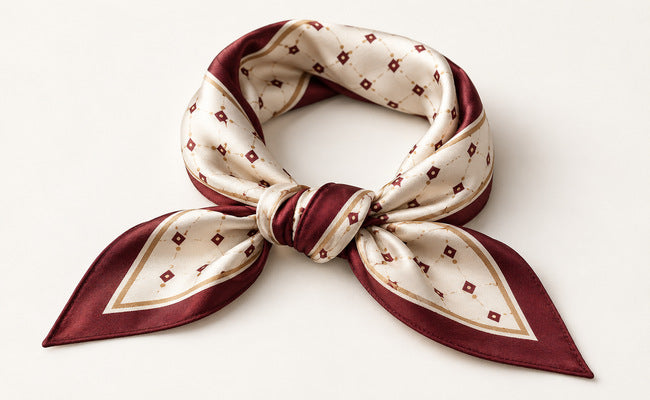

Wraps for dresses and weddings
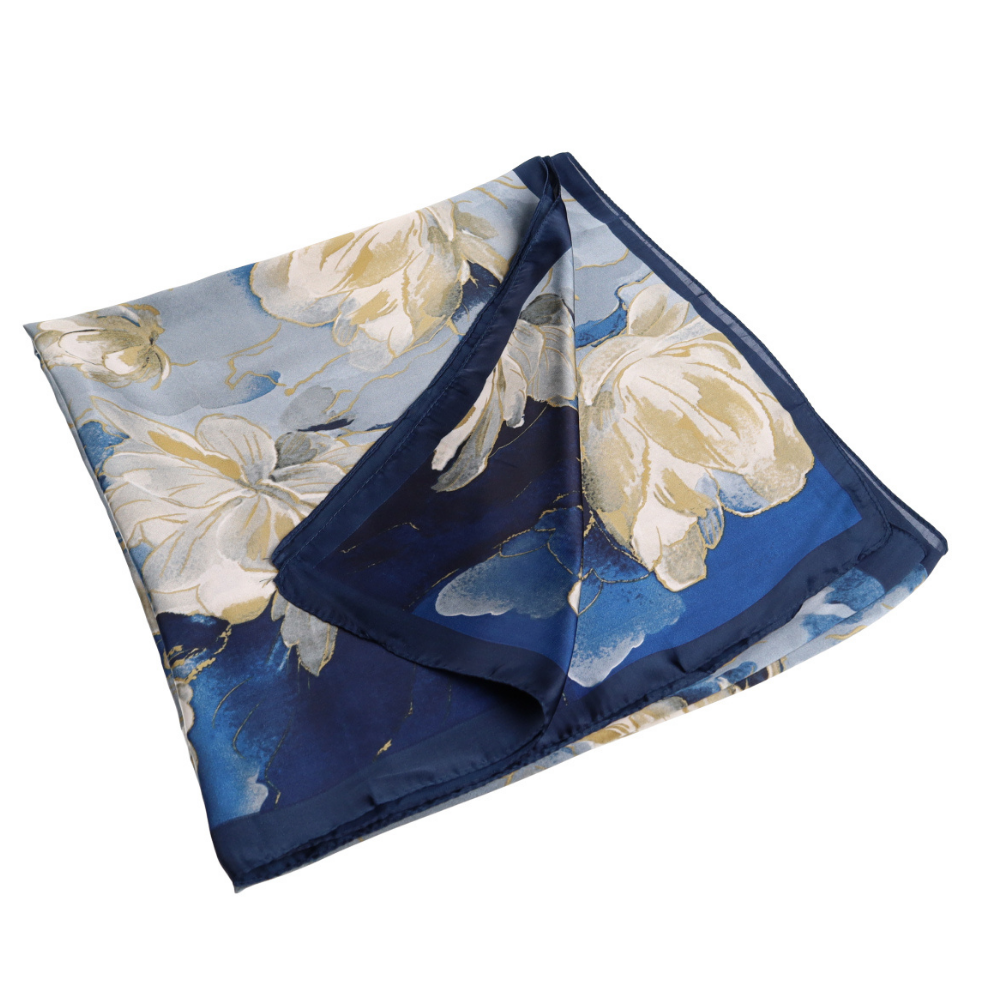
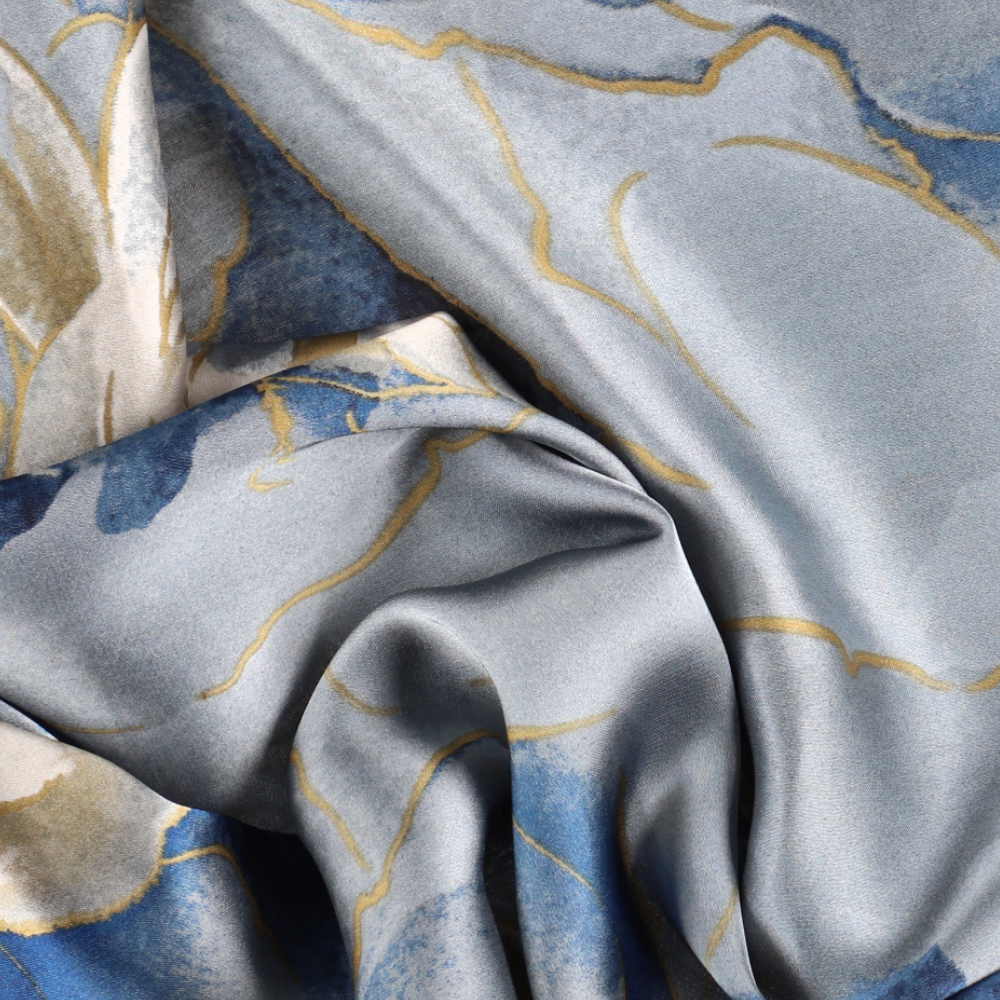
180×90 cm / 71×35 in
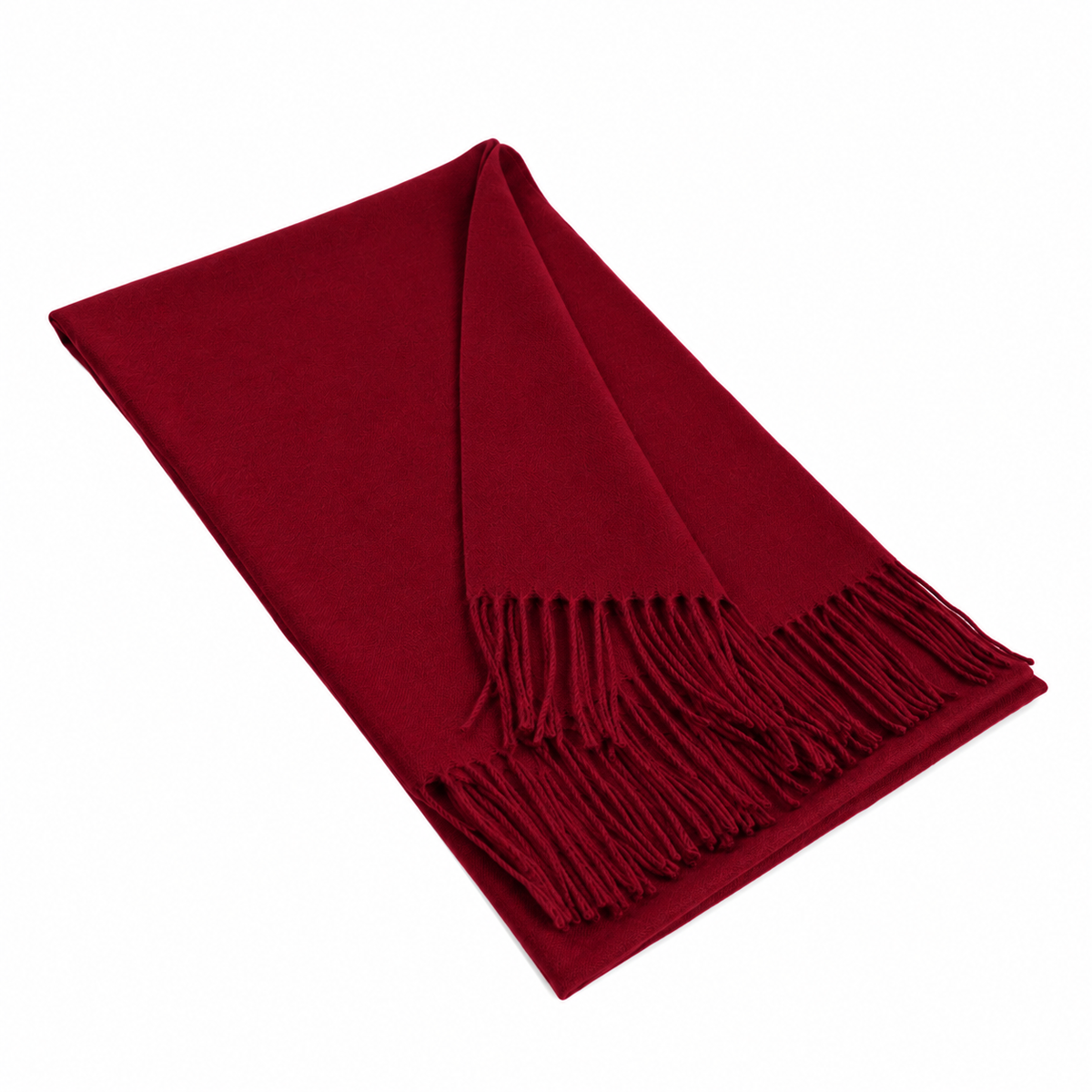
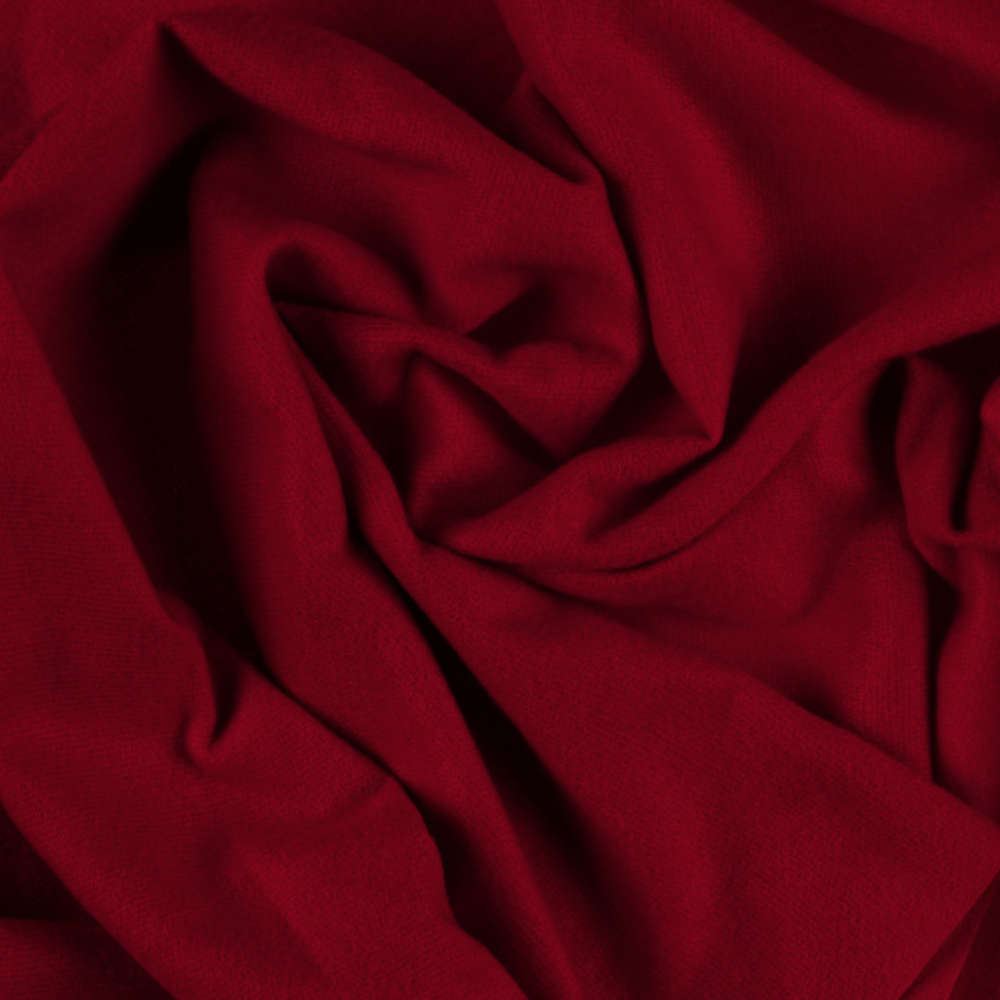
200×65 cm / 79×26 in
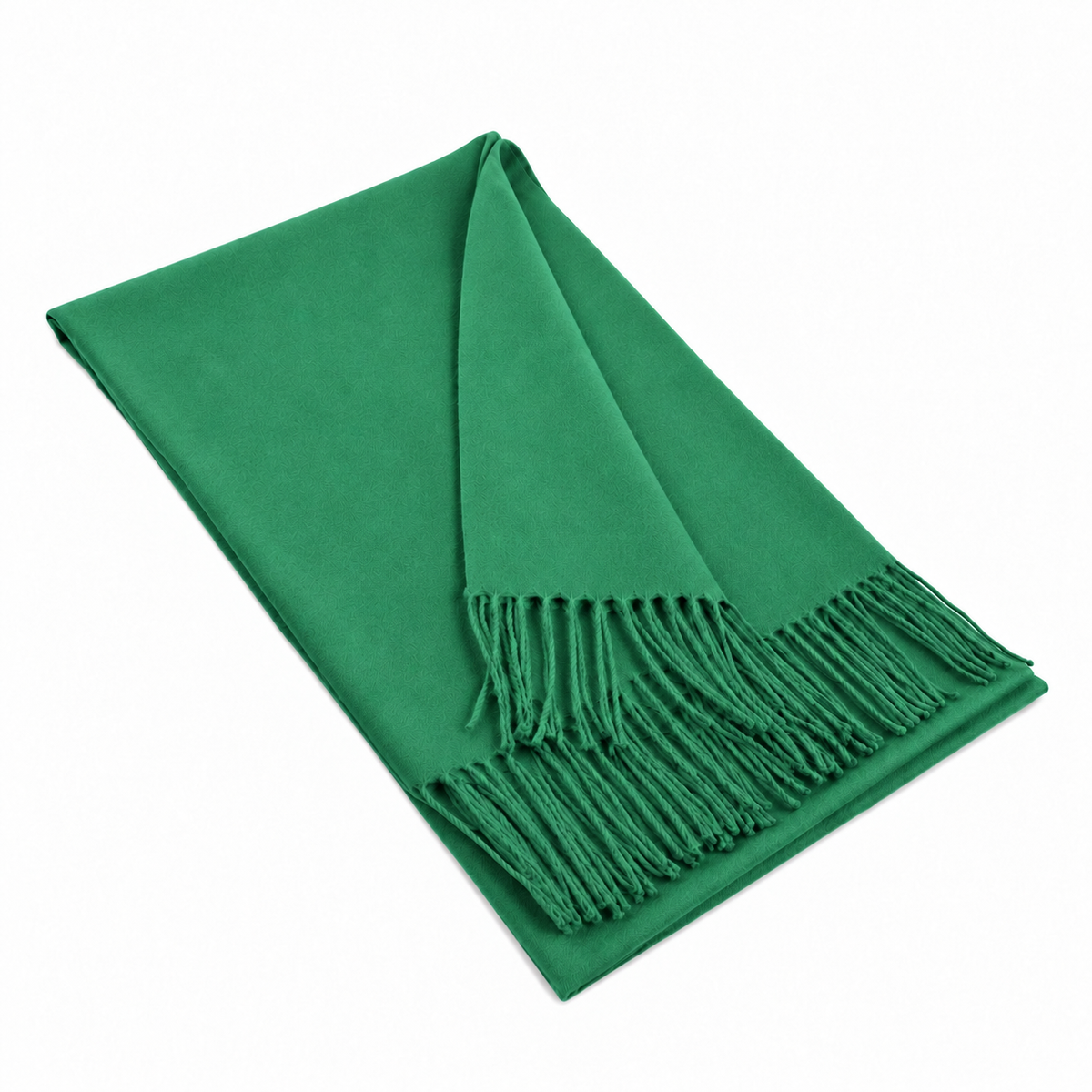
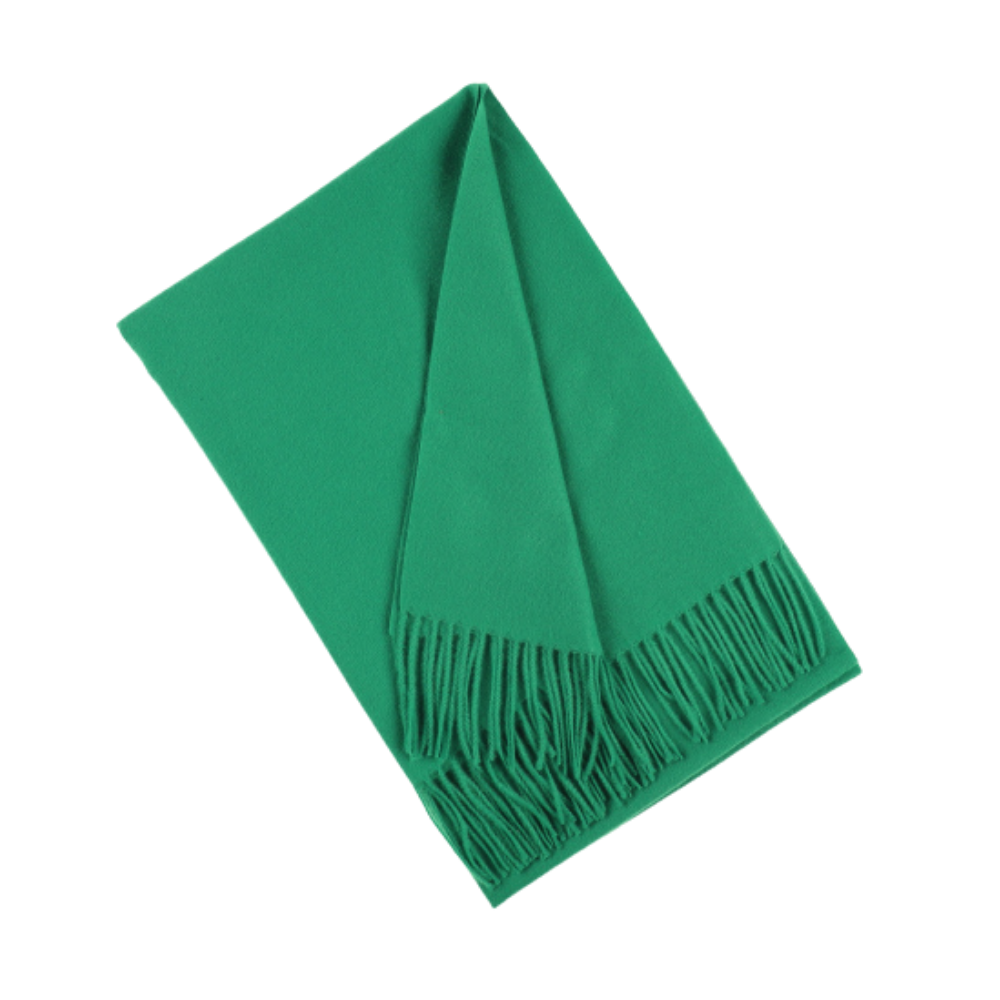
200×65 cm / 79×26 in
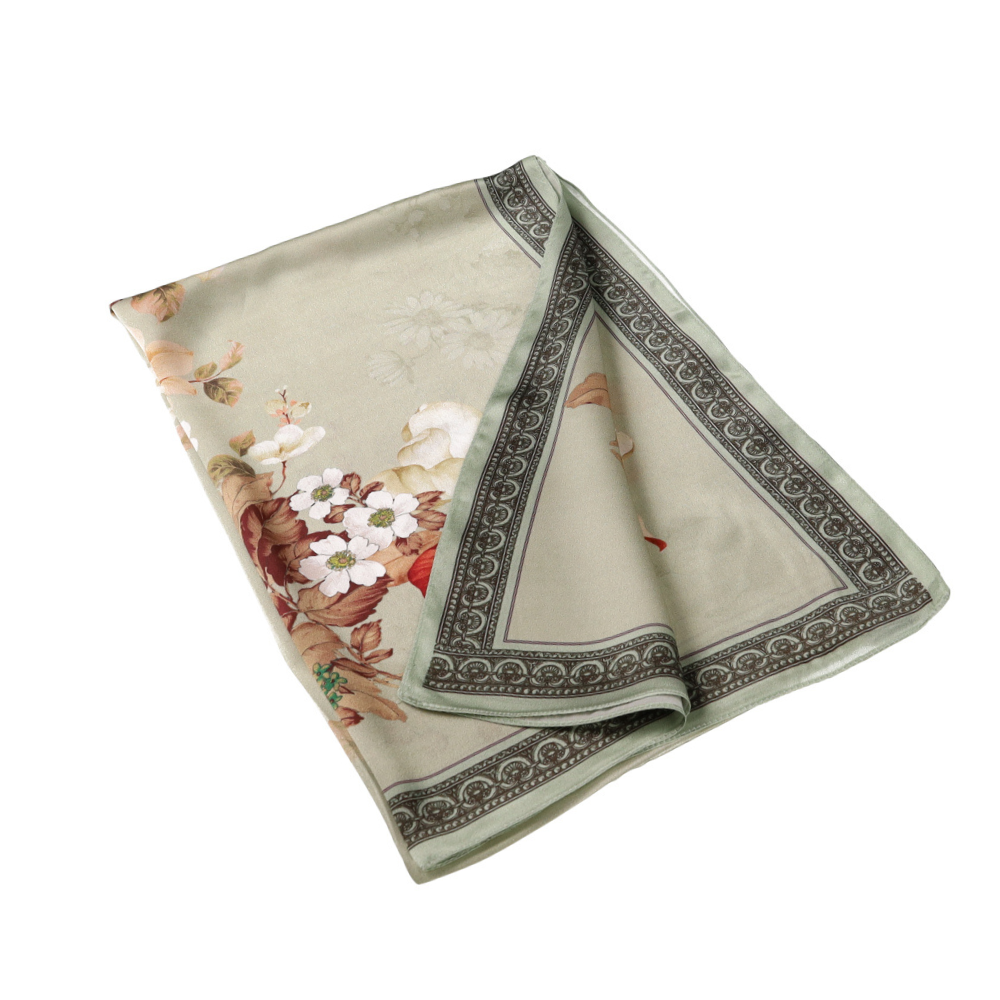
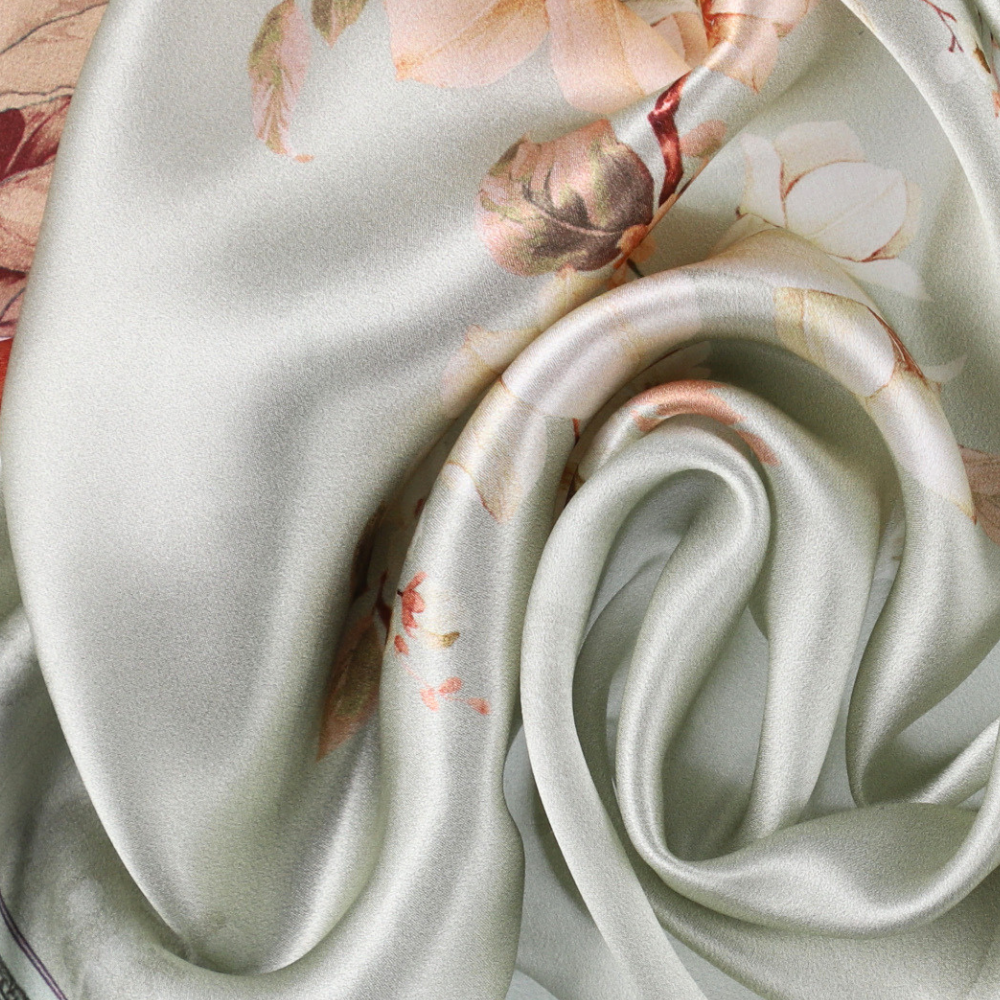
170×53 cm / 67×21 in
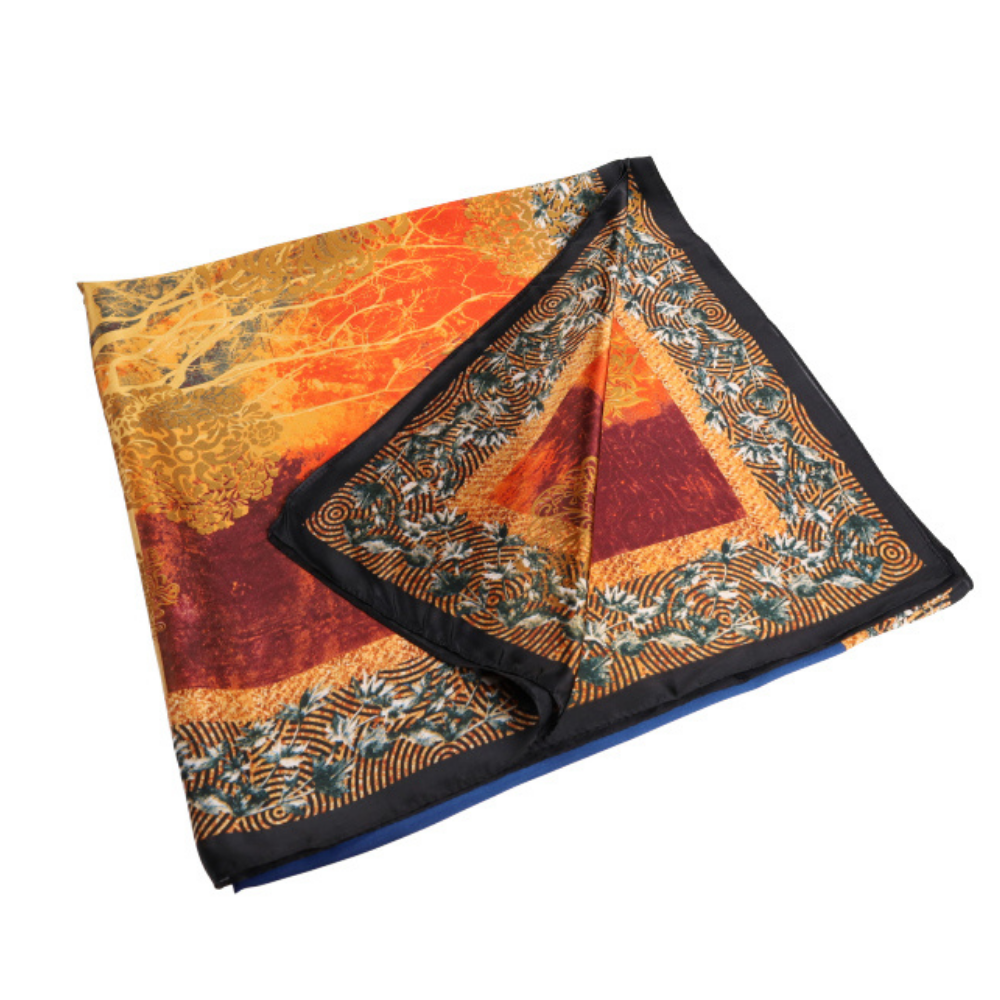
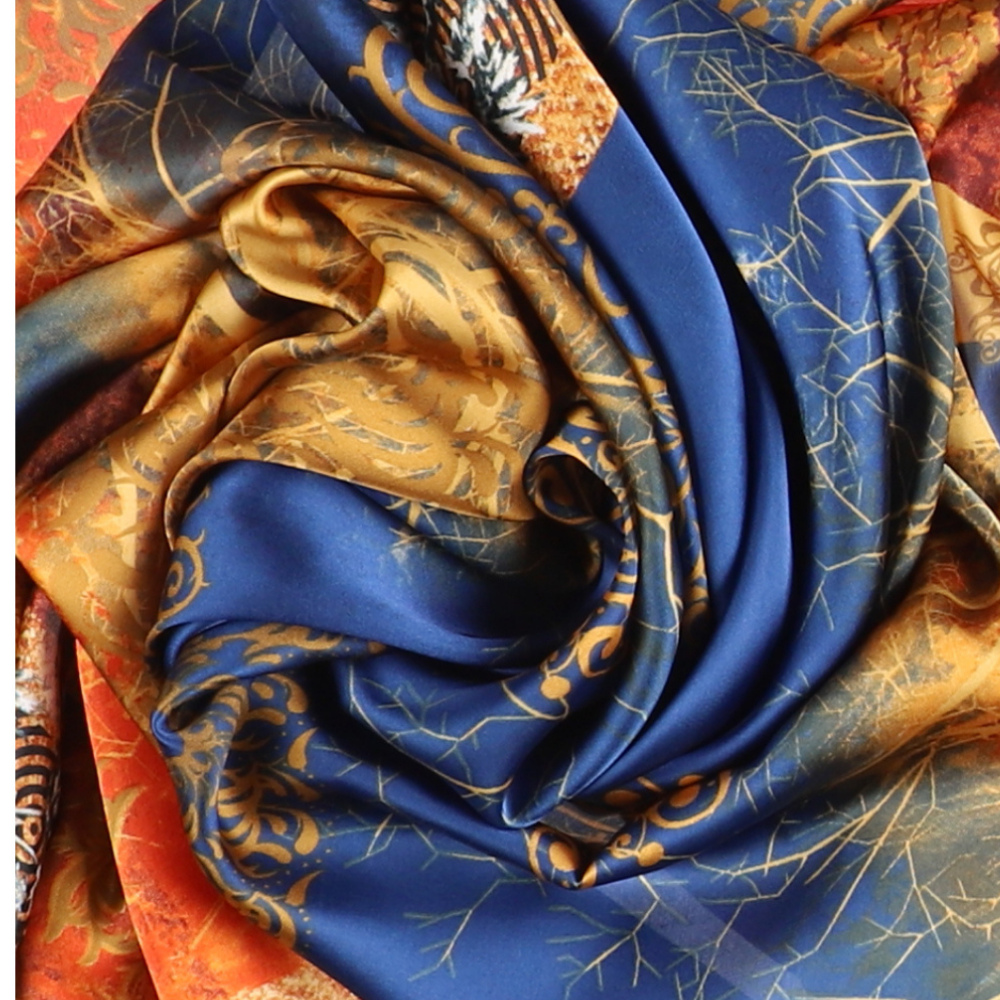
180×90 cm / 71×35 in
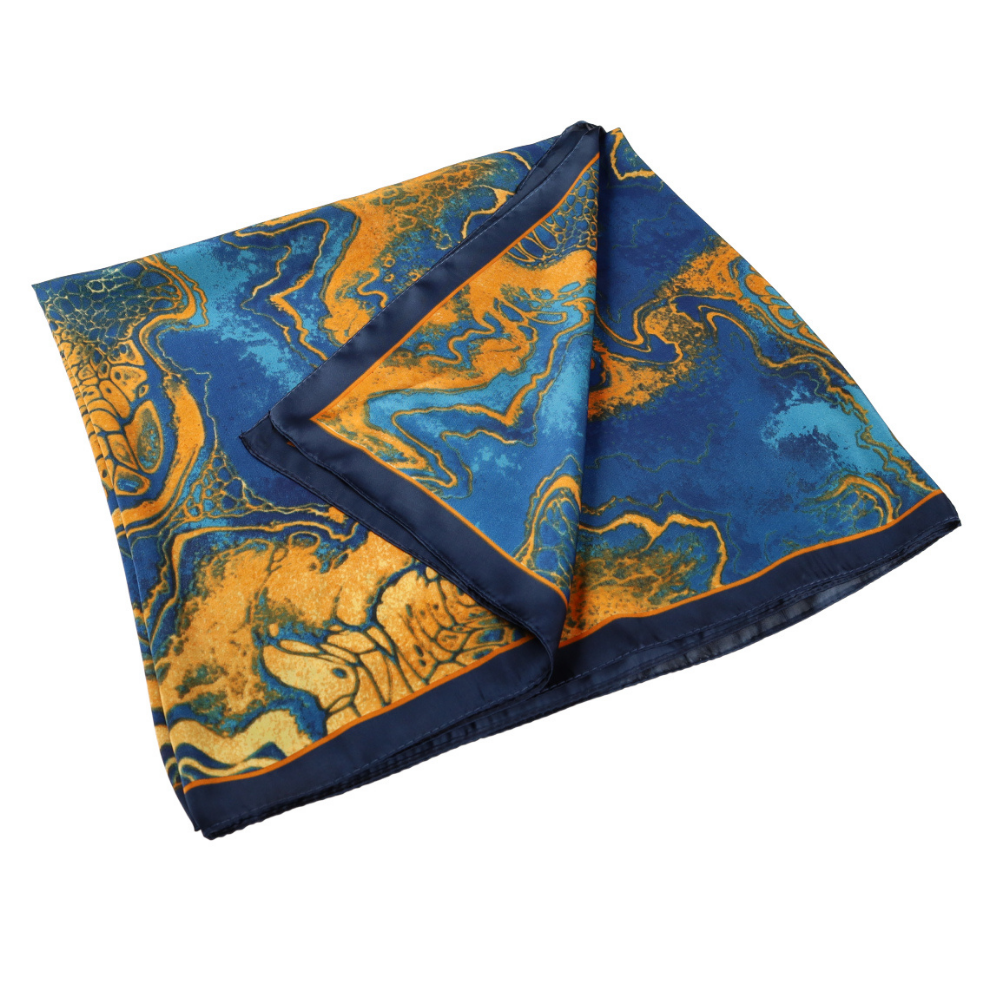
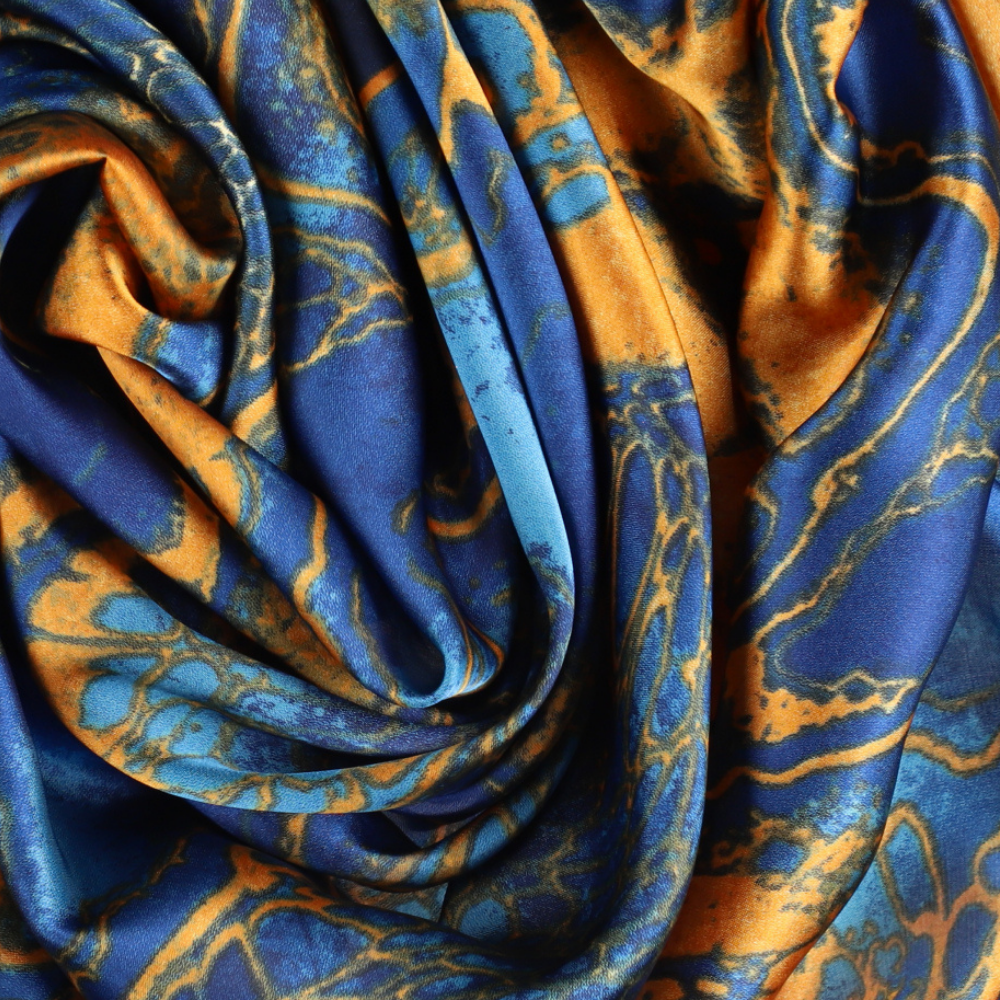
180×90 cm / 71×35 in
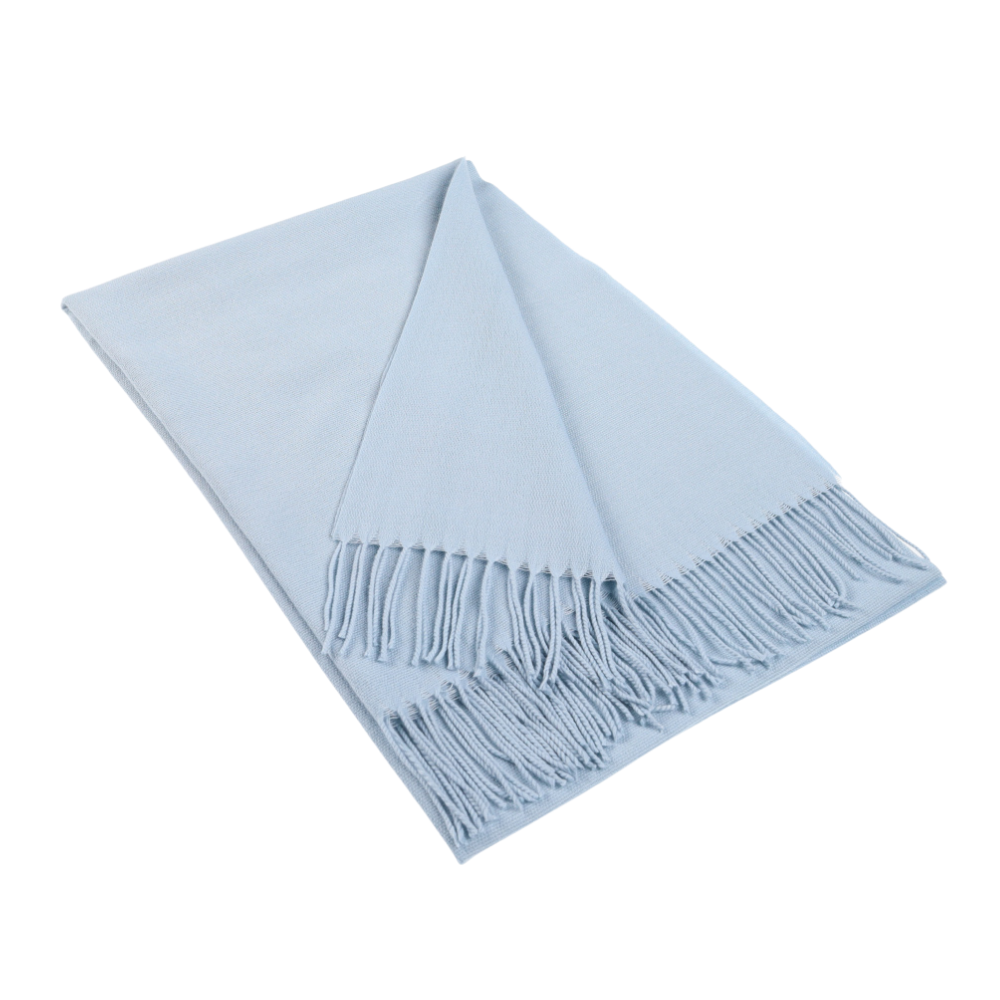
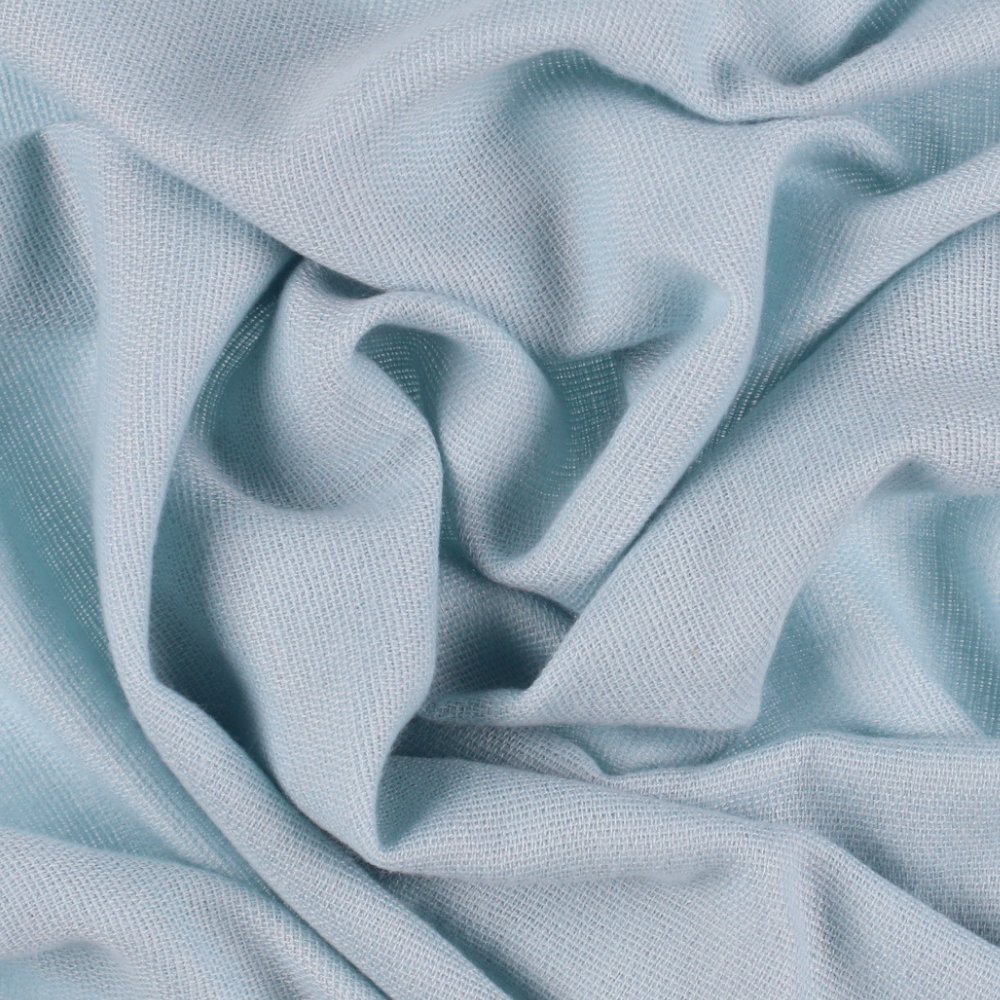
200×65 cm / 79×26 in
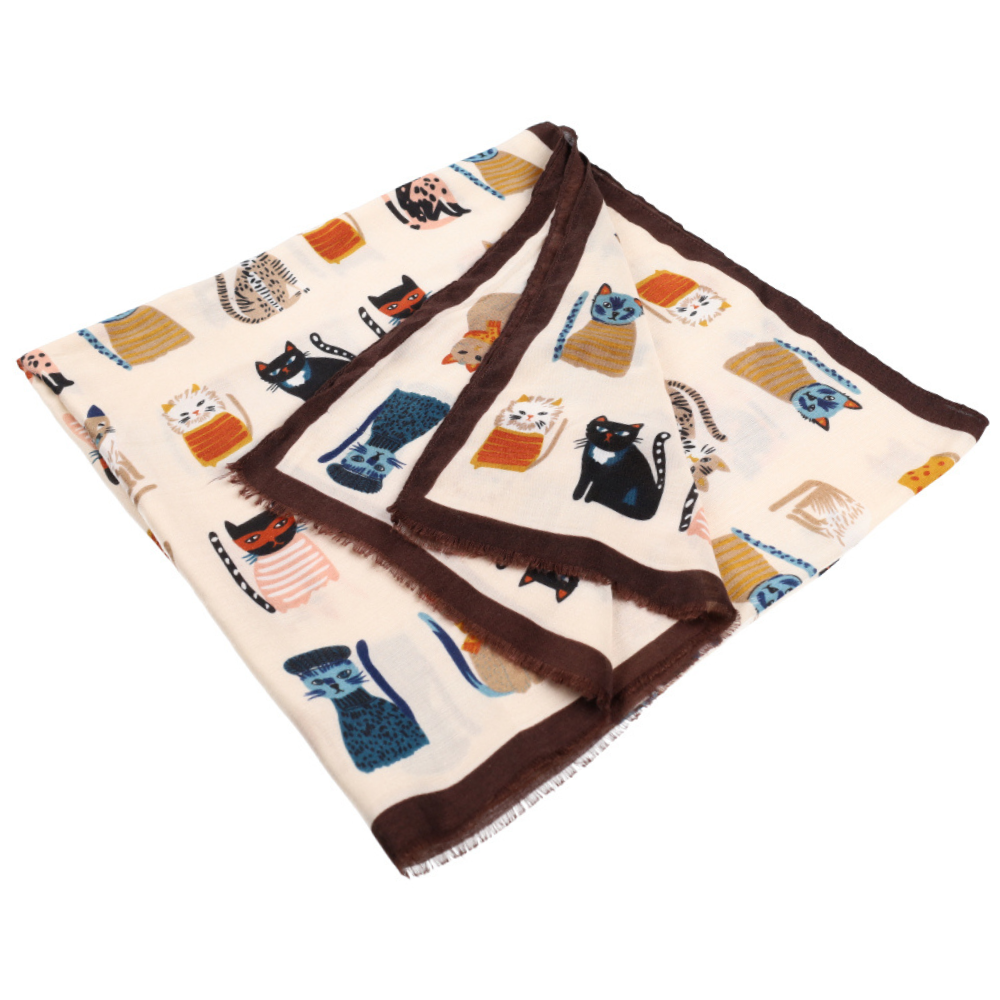
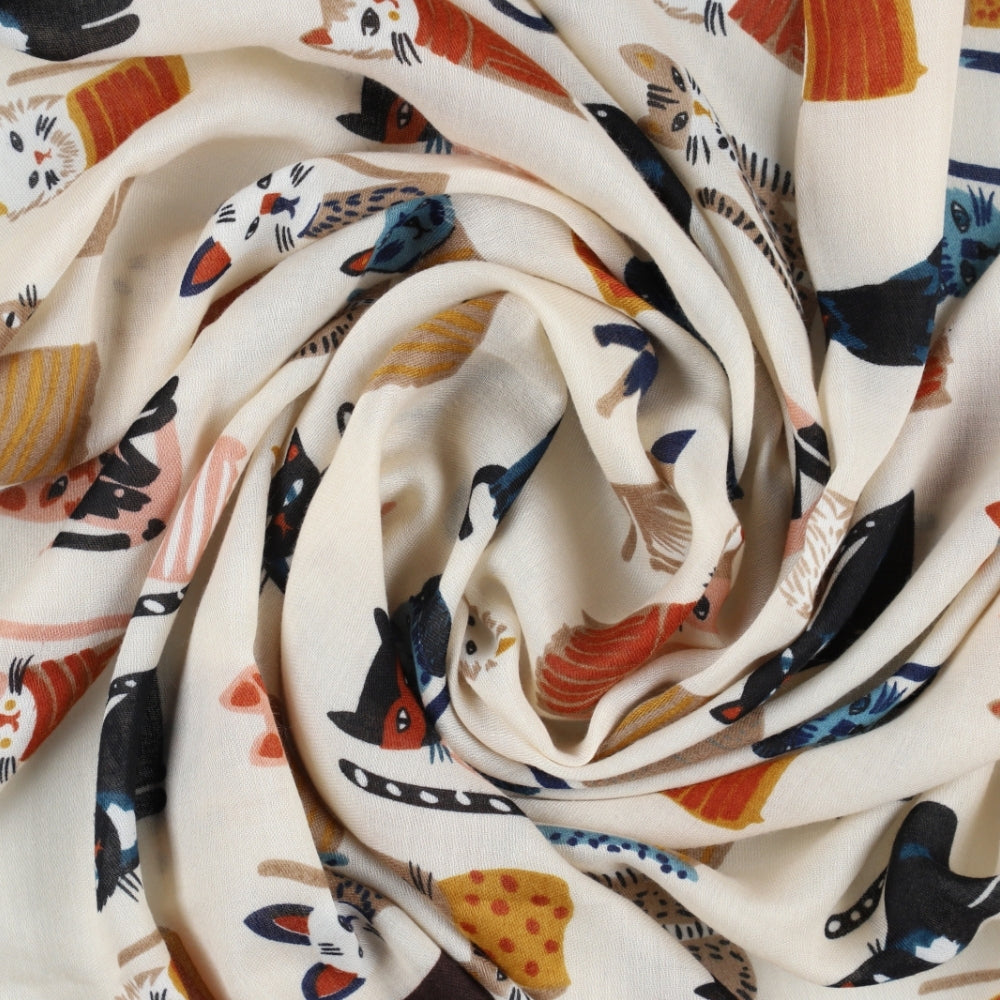
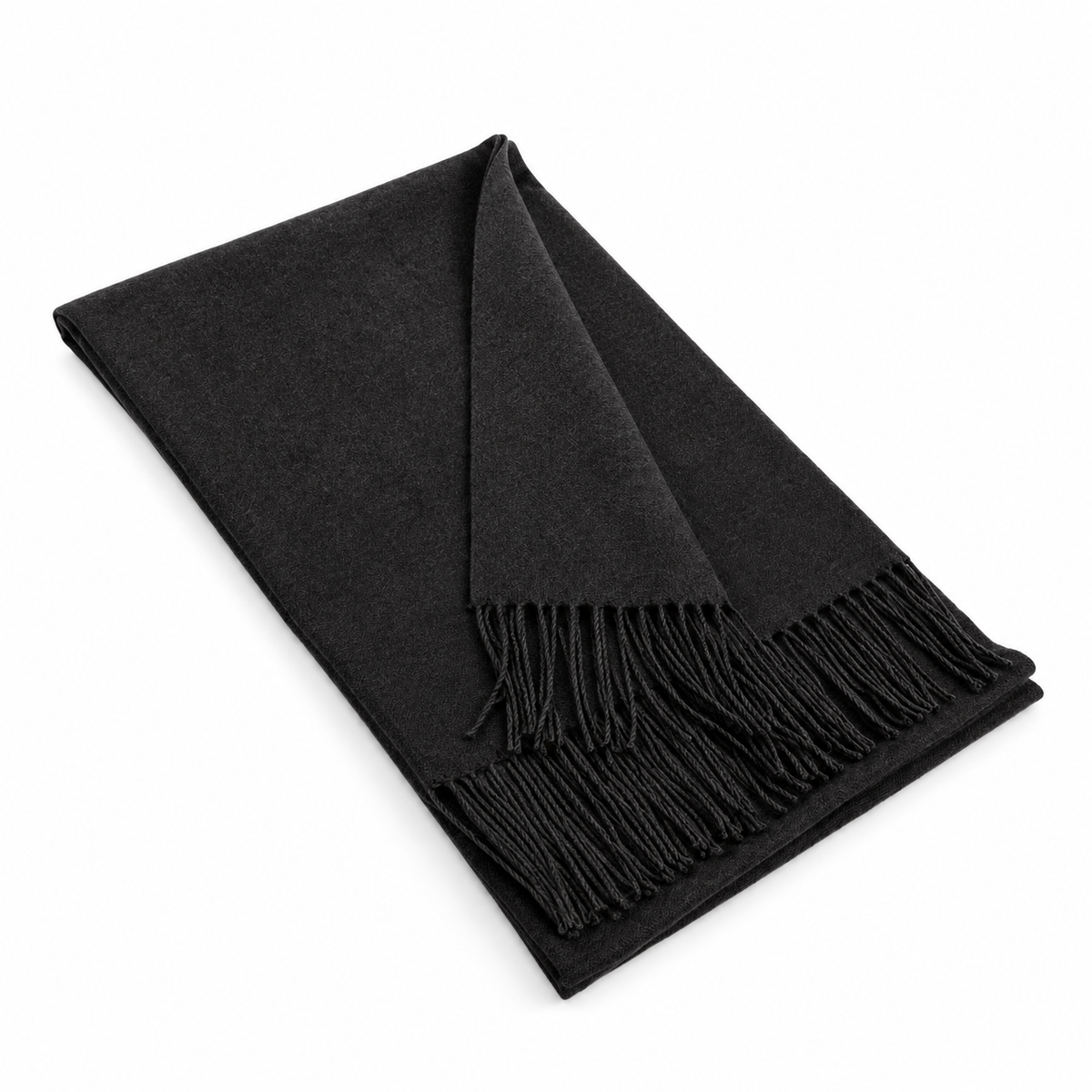
200×65 cm / 79×26 in


180×30 cm / 71×12 in
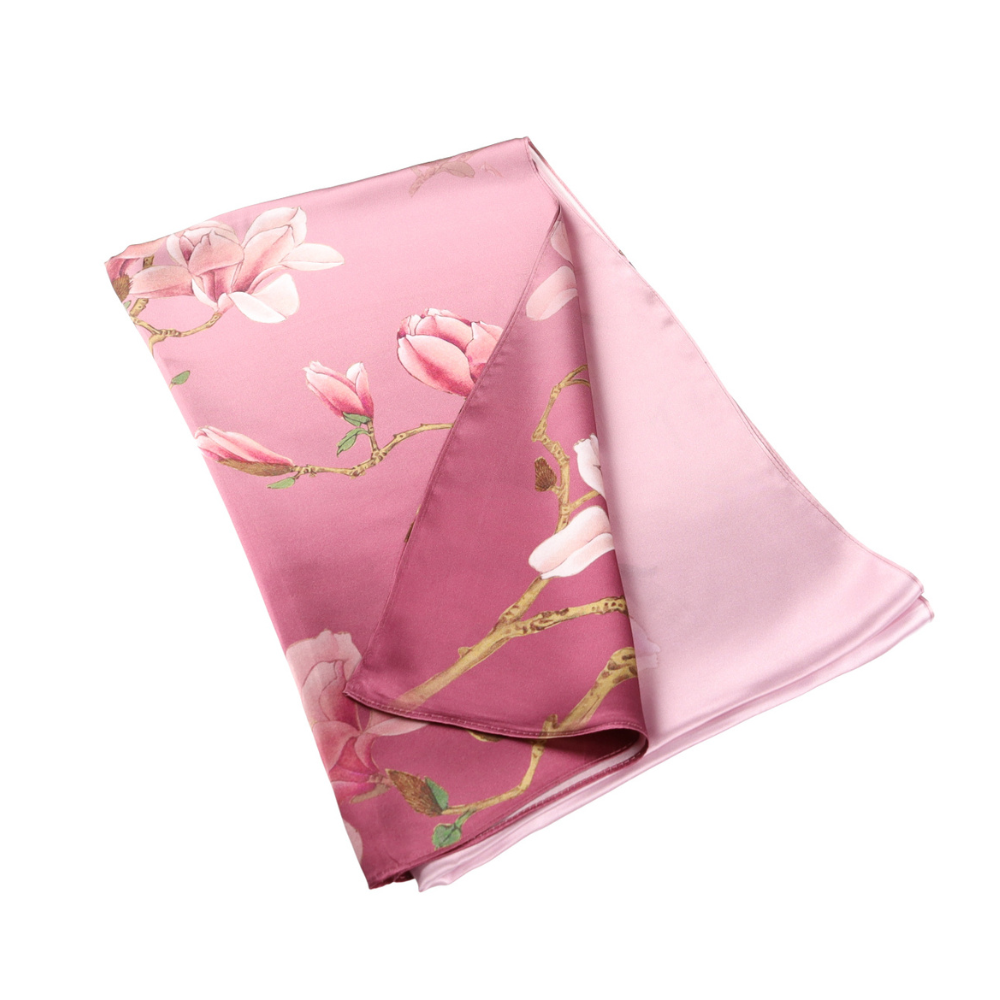
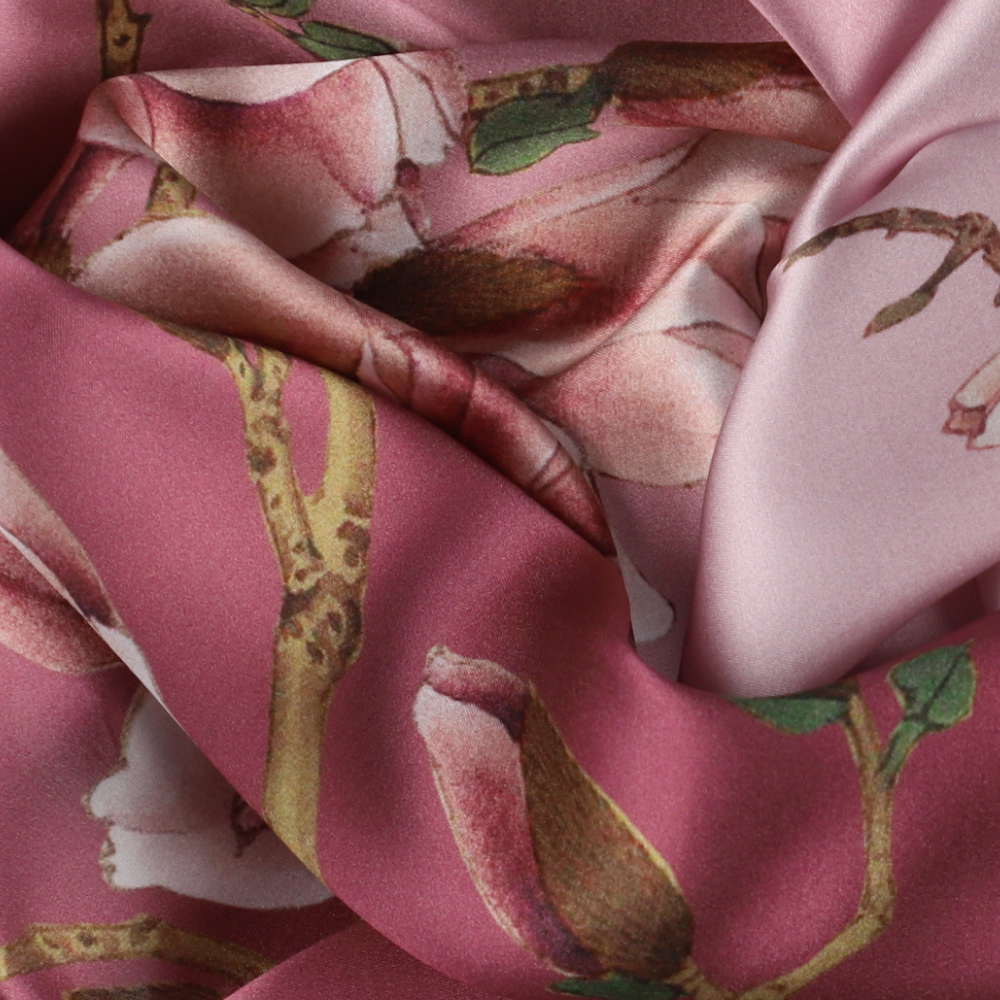
170×53 cm / 67×21 in
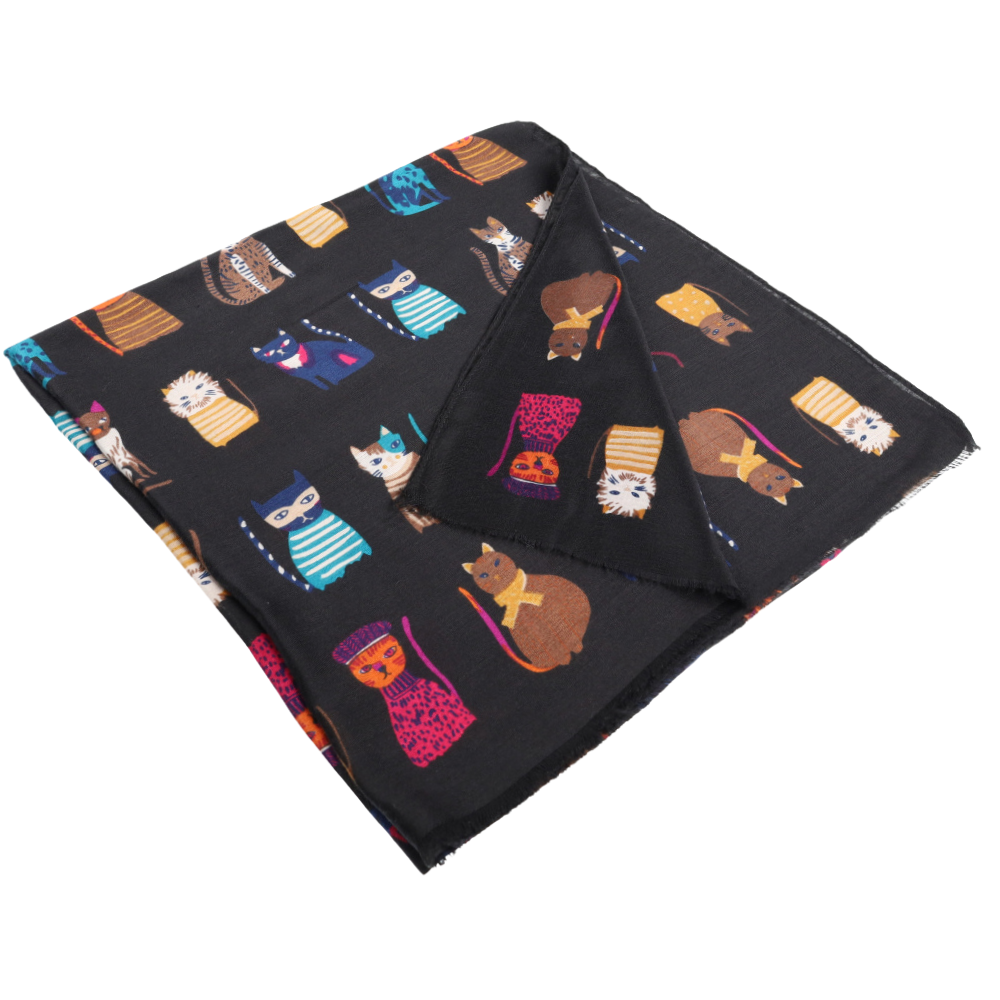
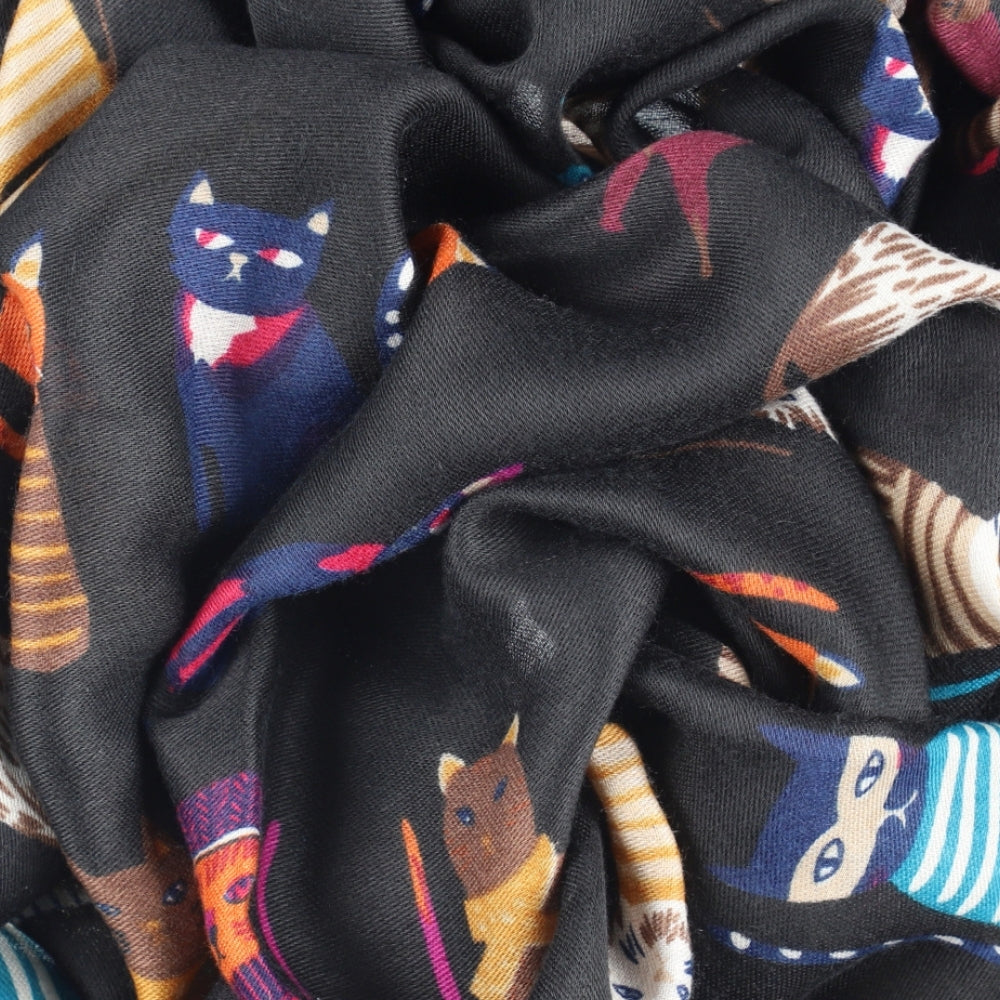
180×80 cm / 71×32 in
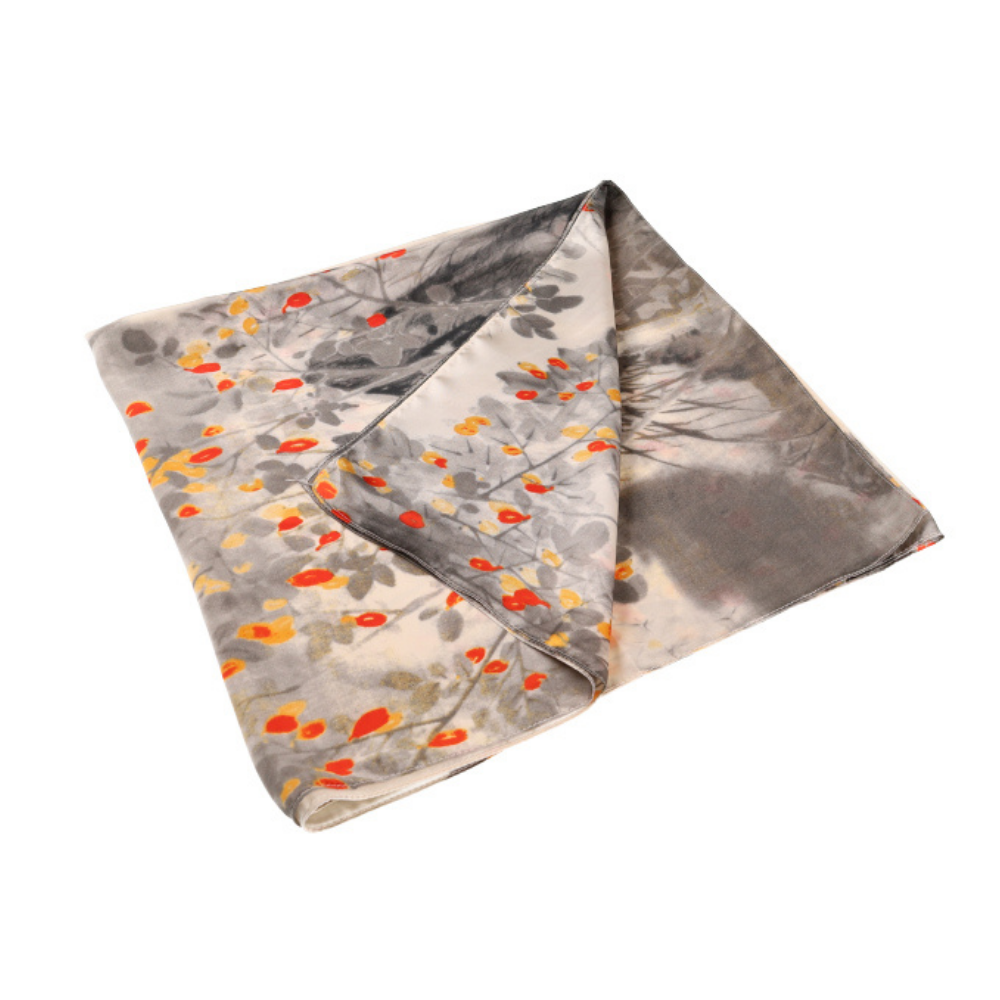
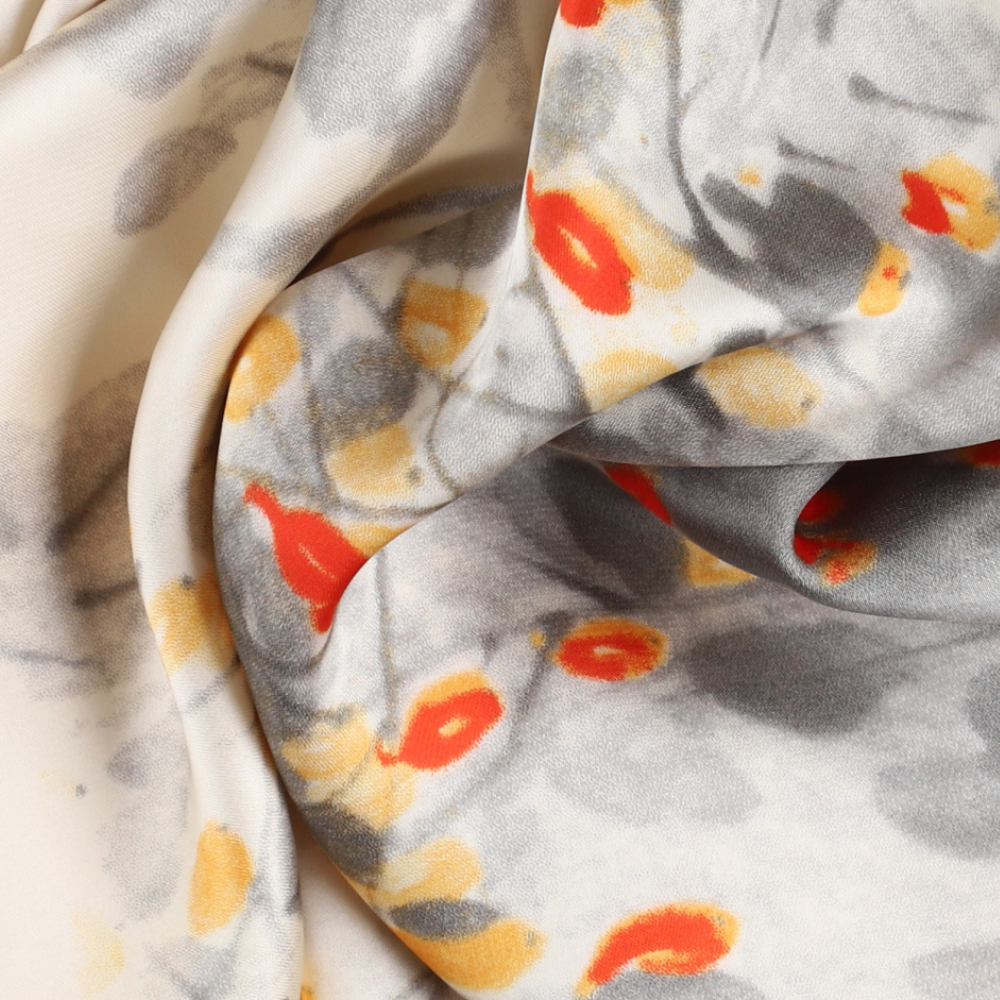
180×90 cm / 71×35 in
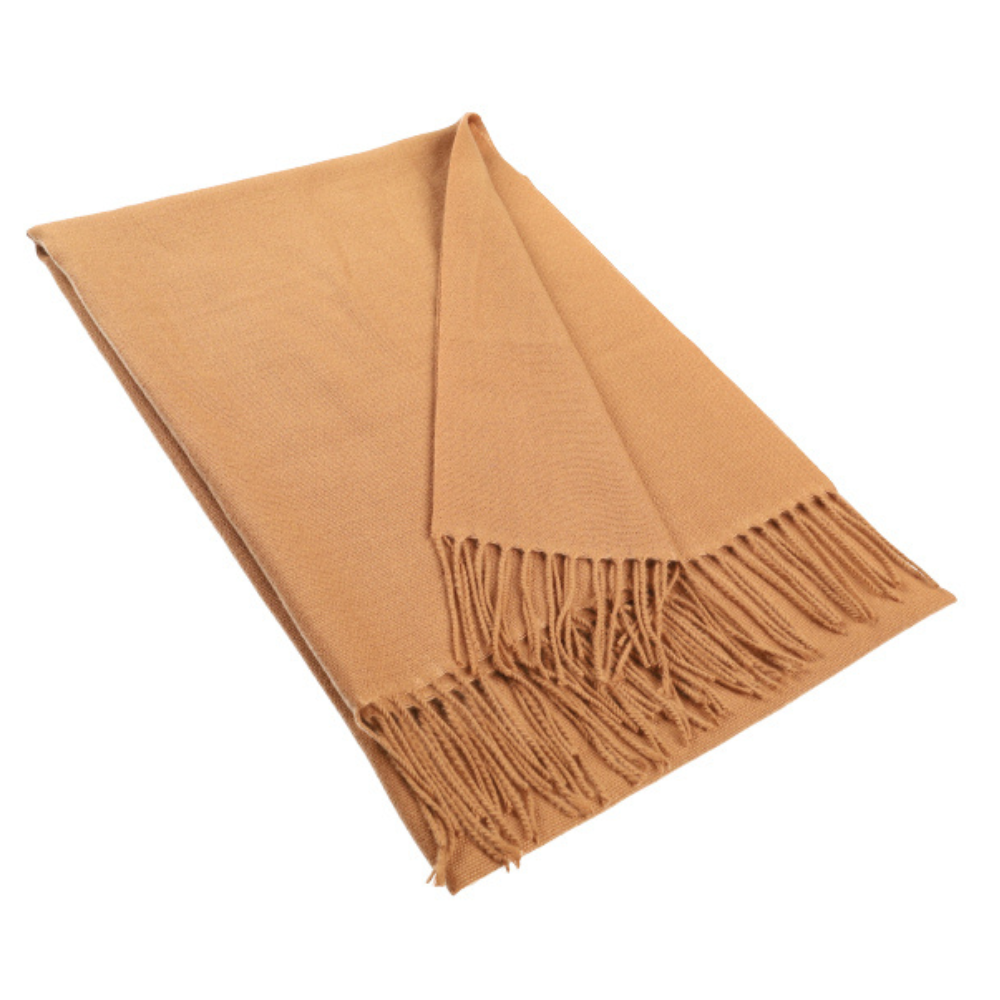
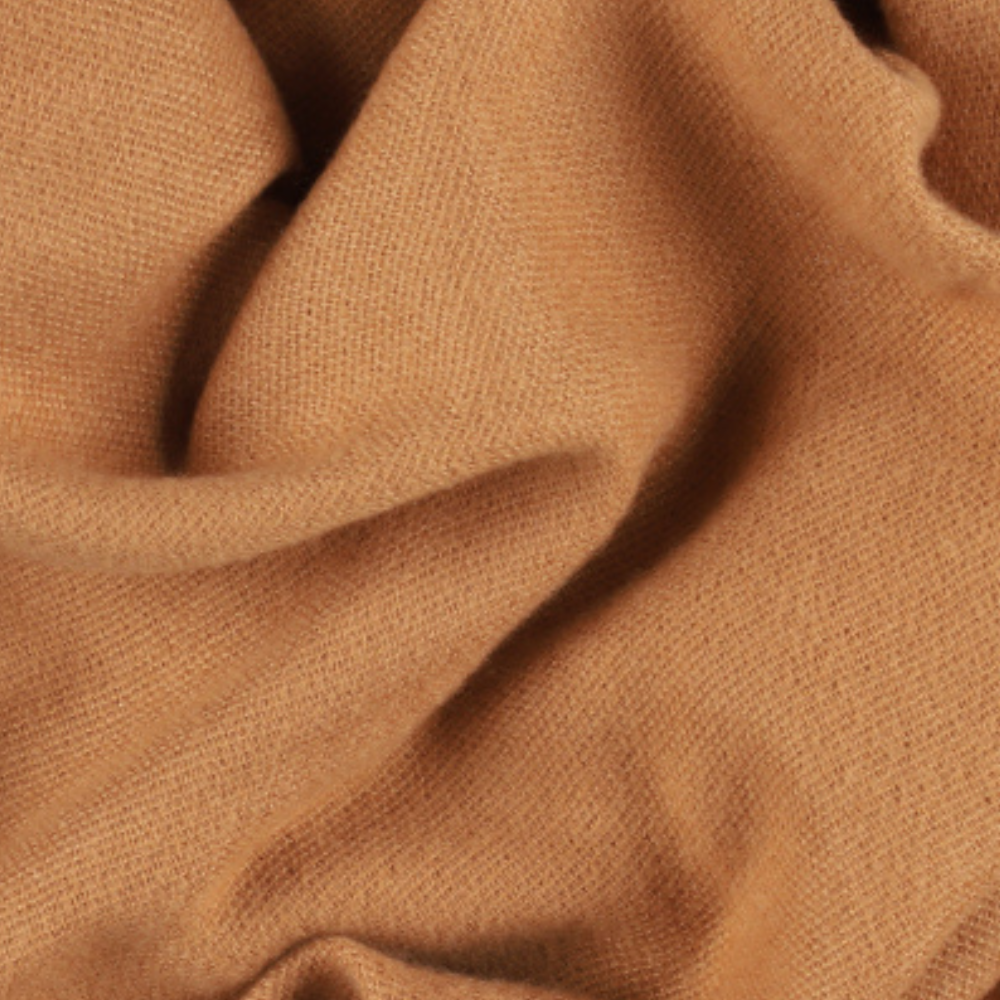
200×65 cm / 79×26 in
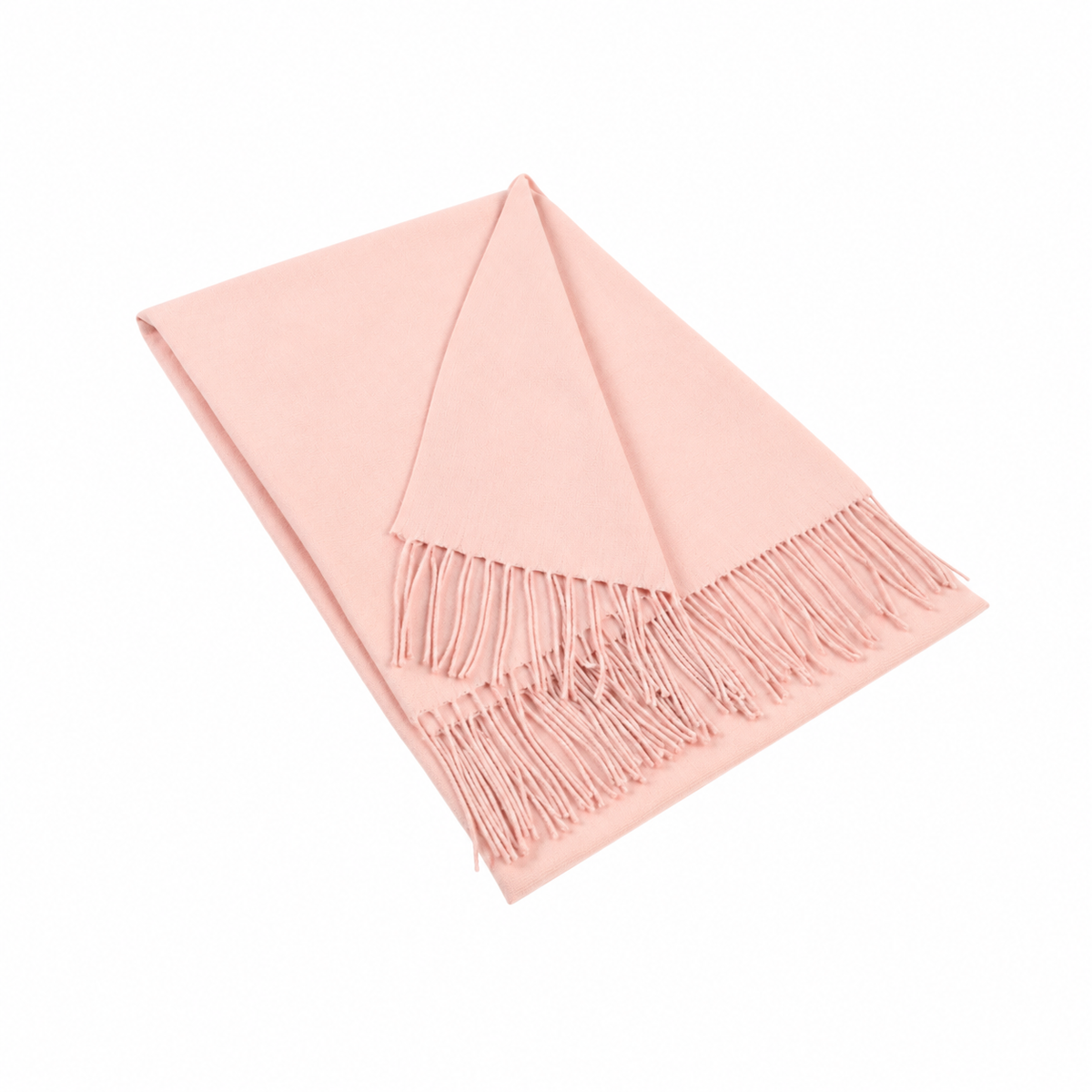
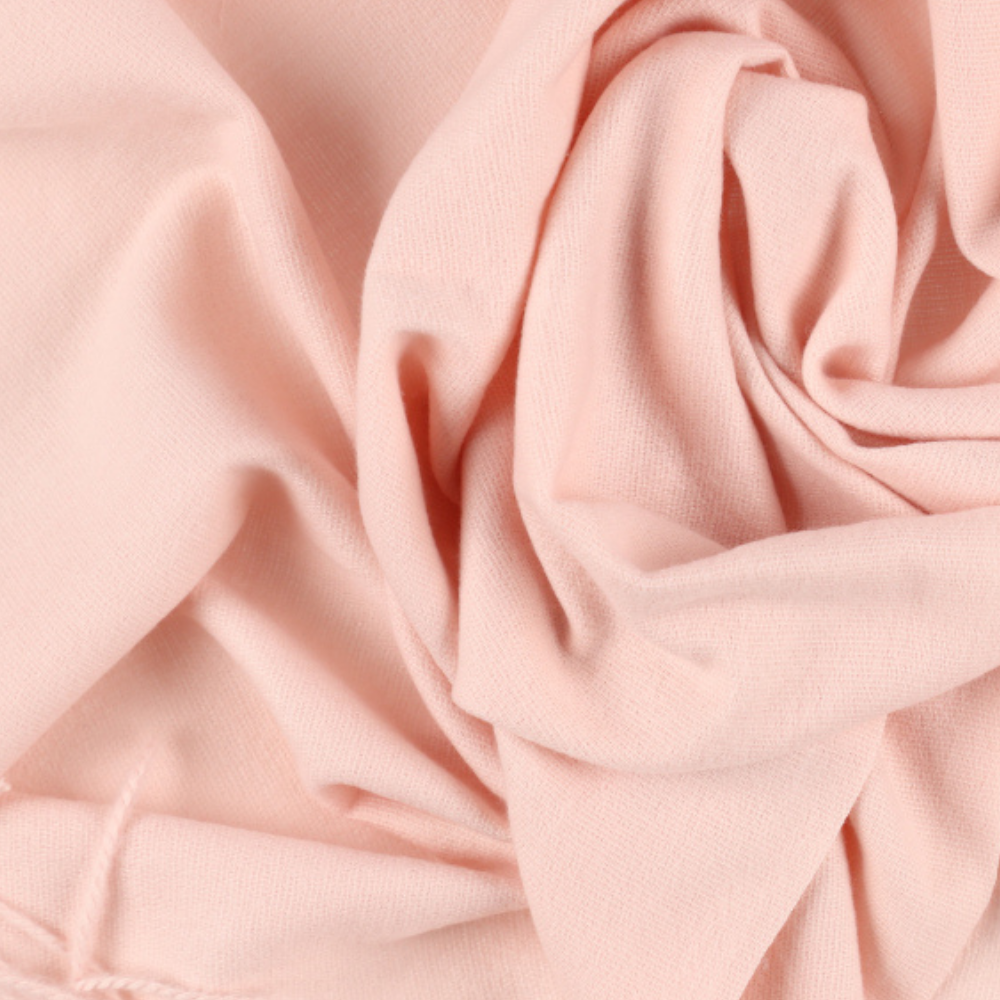
200×65 cm / 79×26 in
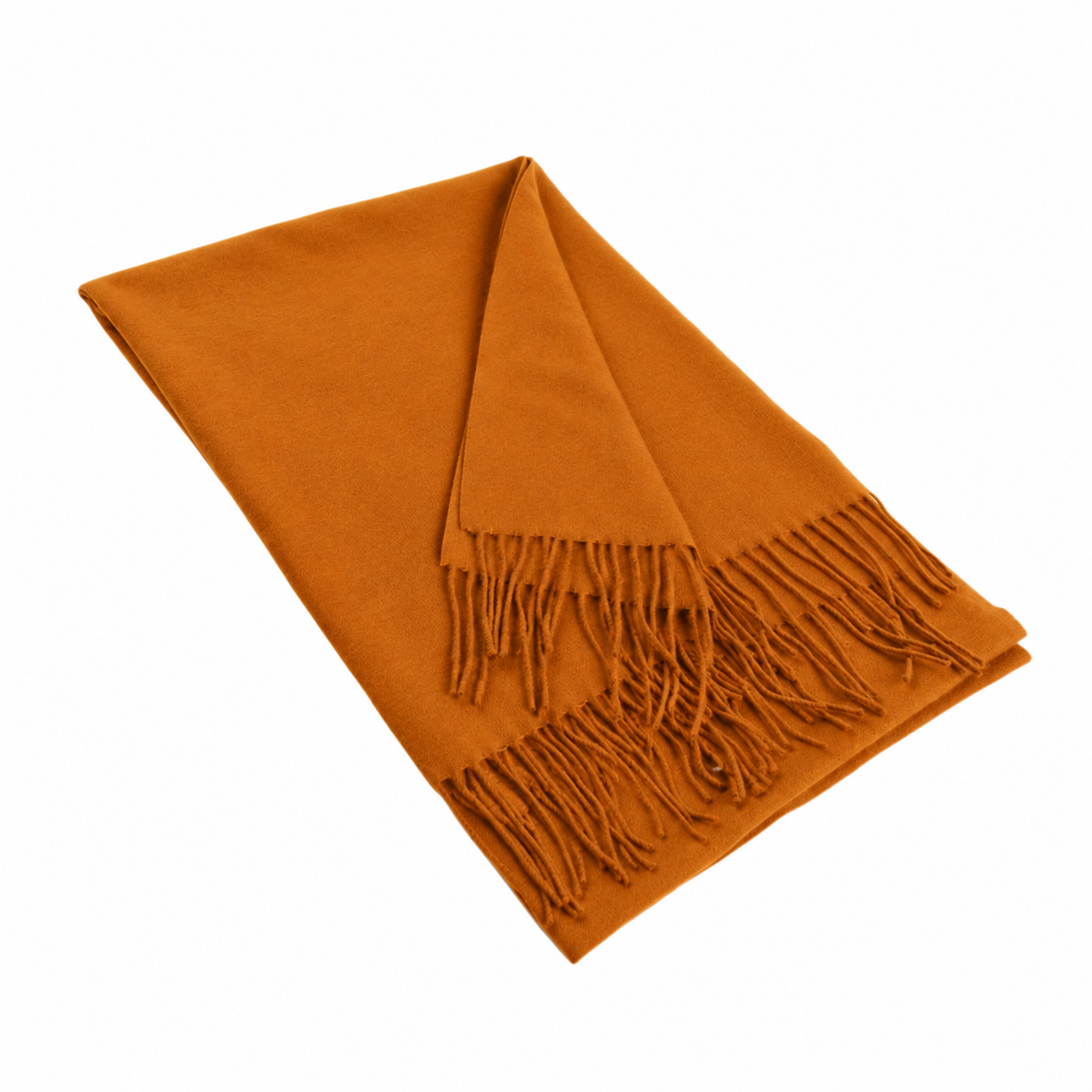
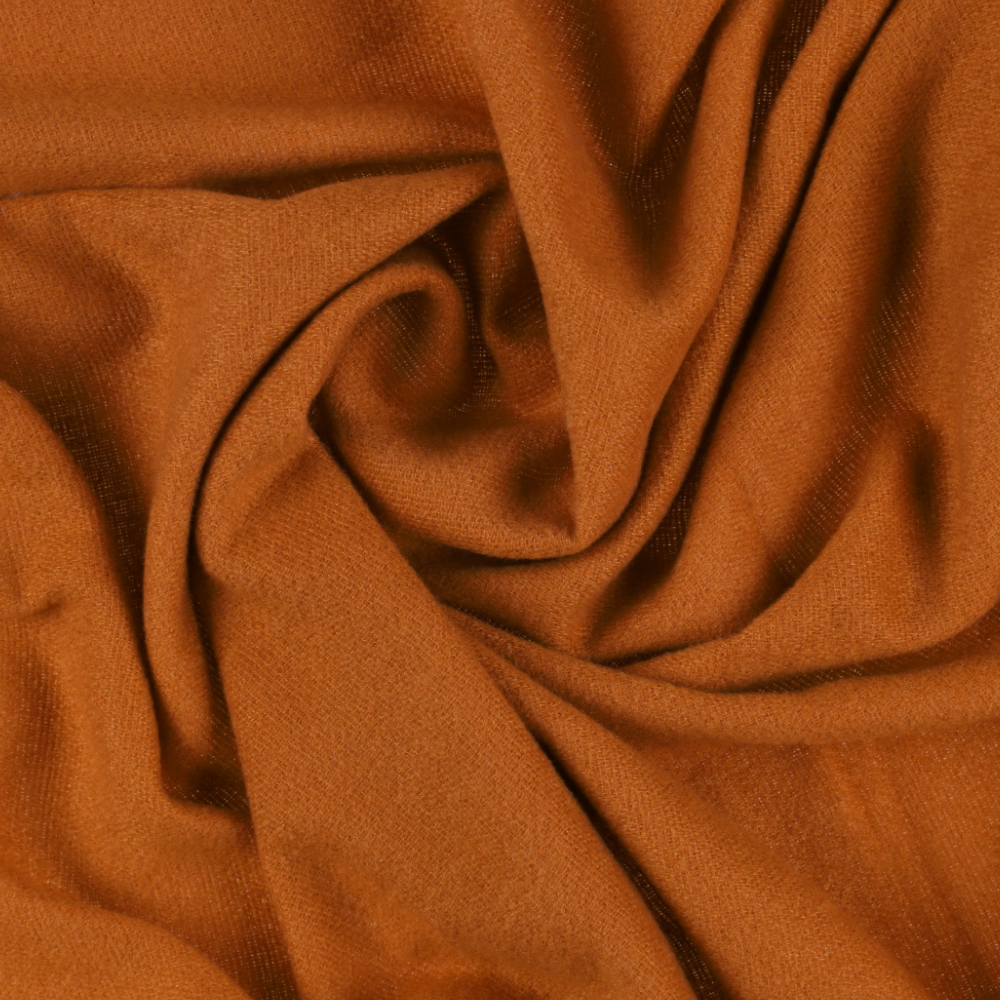
200×65 cm / 79×26 in
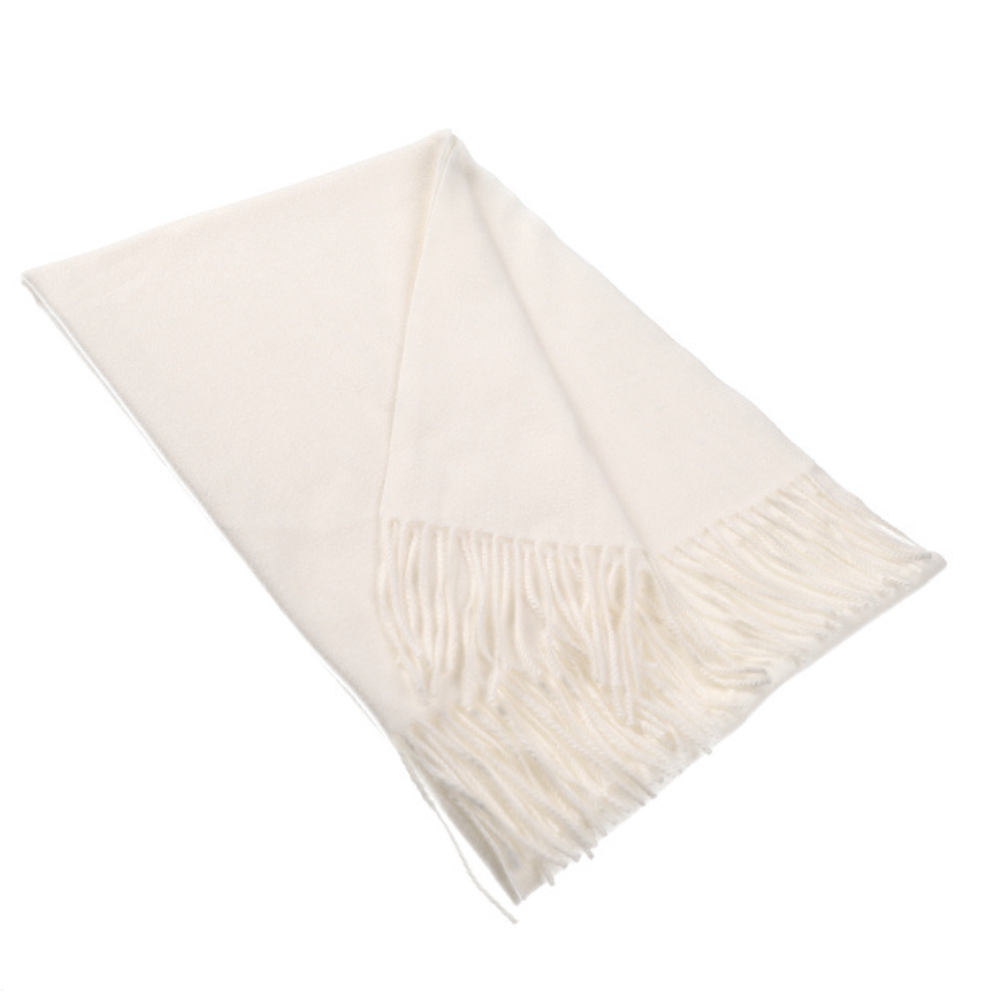
200×65 cm / 79×26 in
200×65 cm / 79×26 in
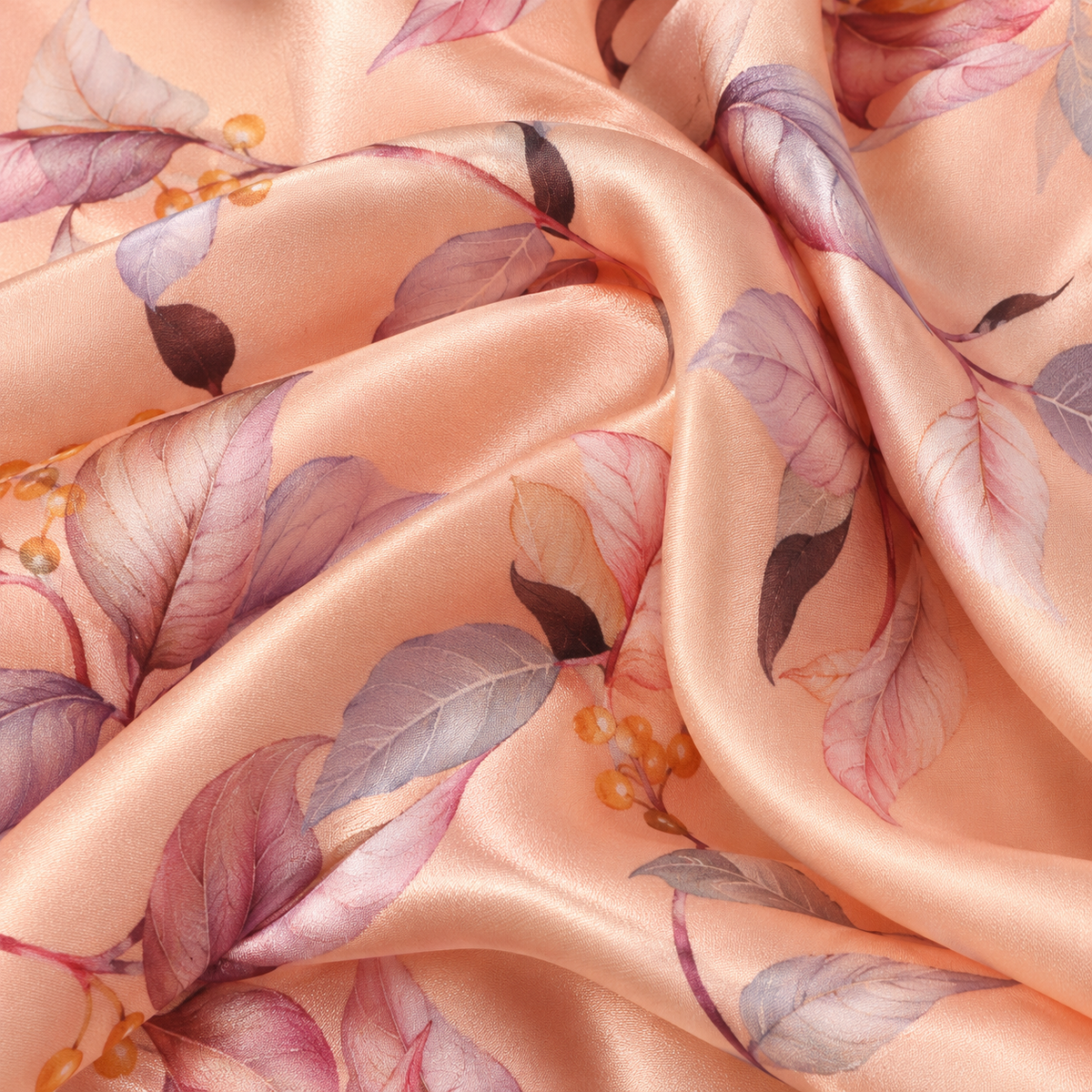
170×53 cm / 67×21 in
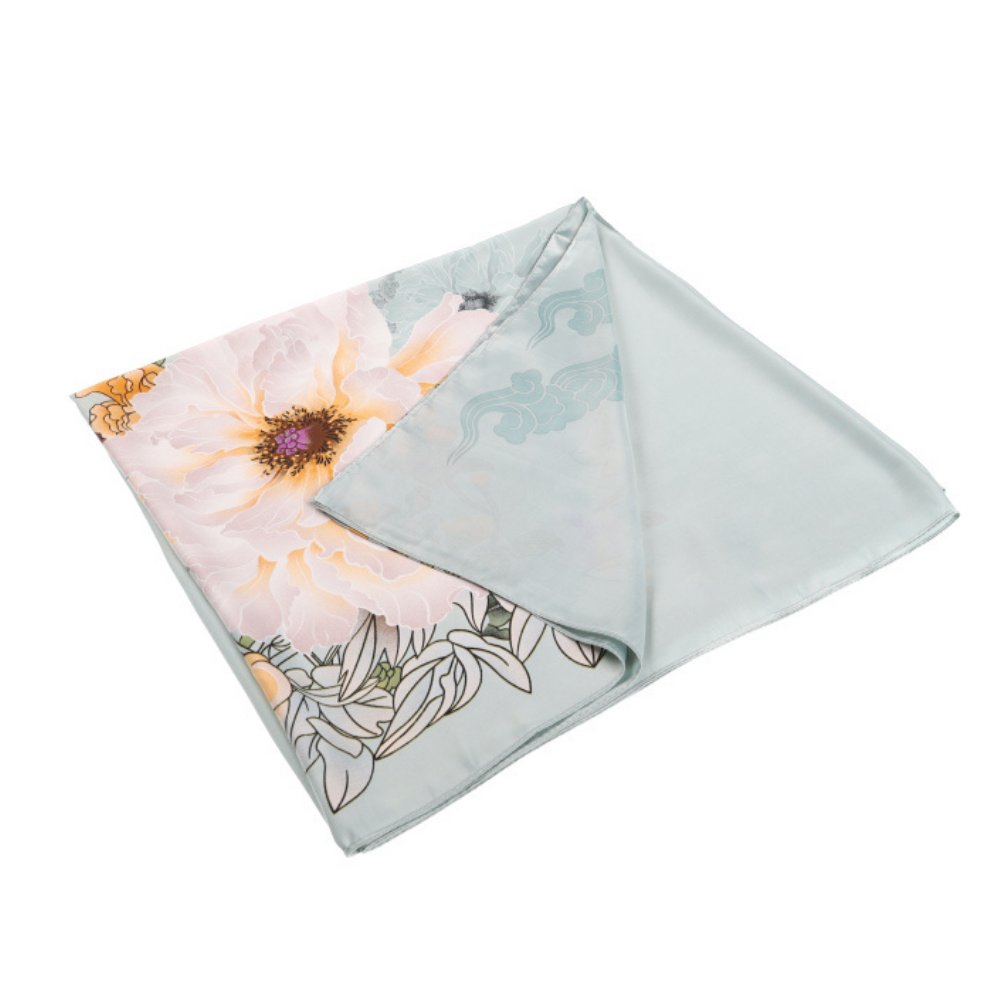
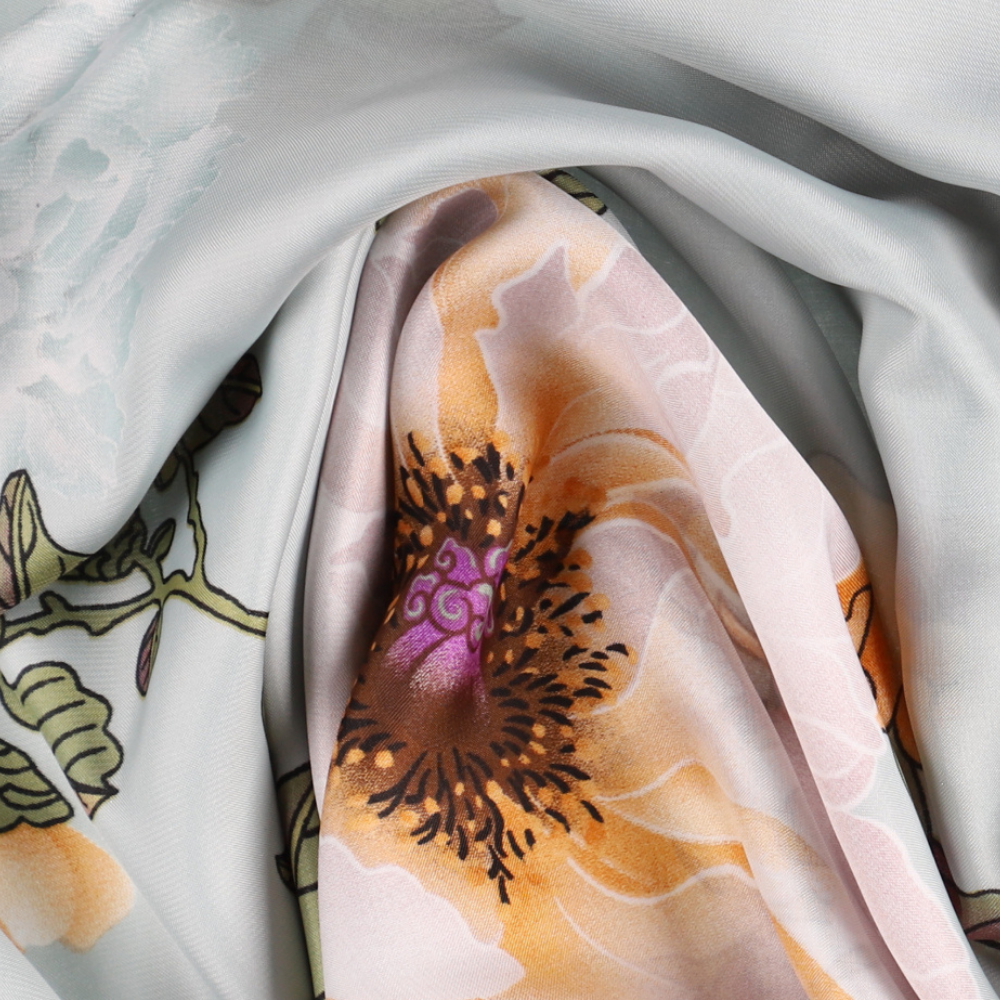
180×90 cm / 71×35 in
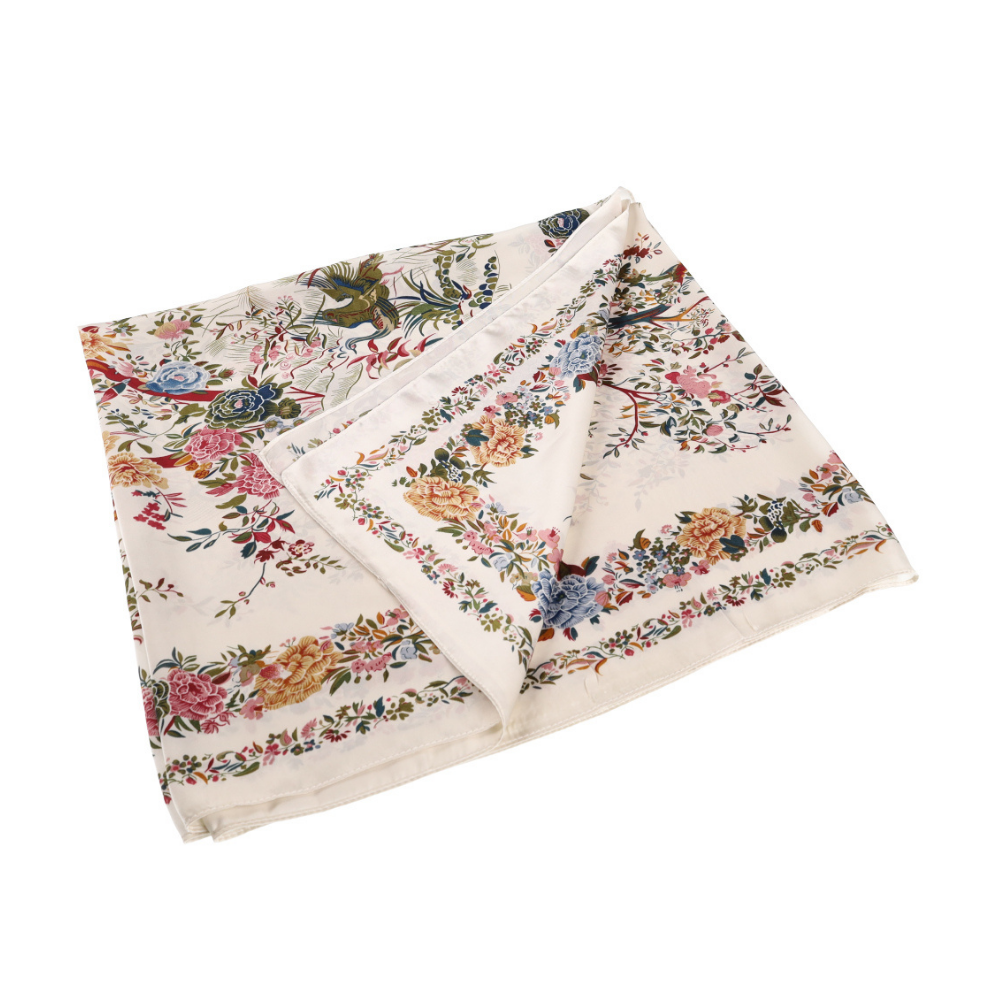
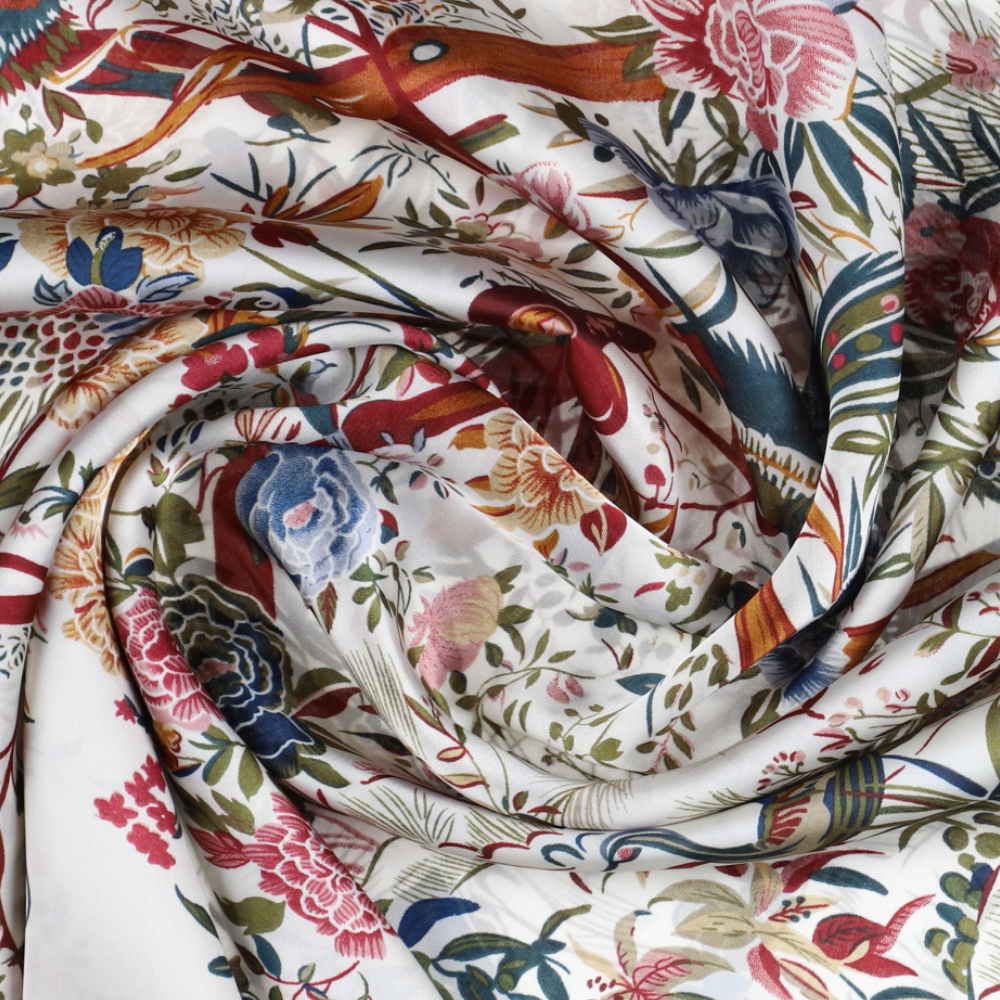
180×90 cm / 71×35 in
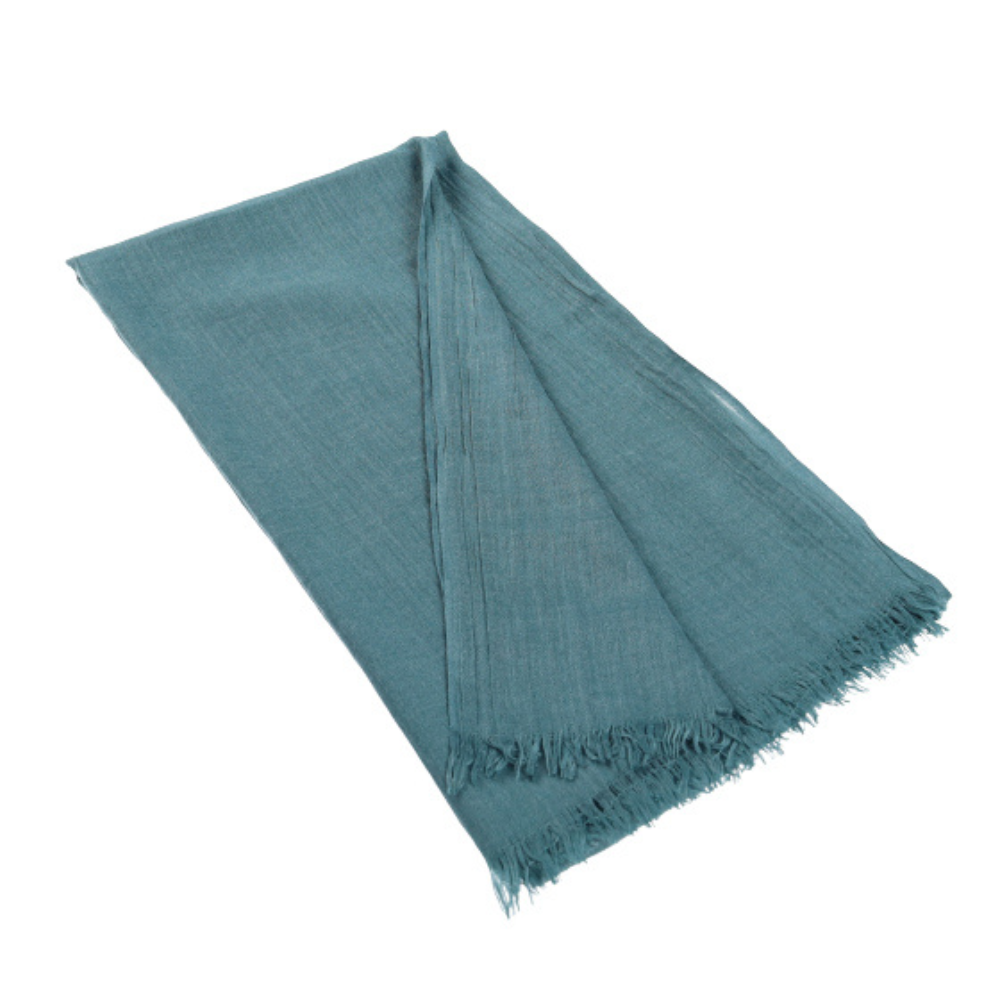
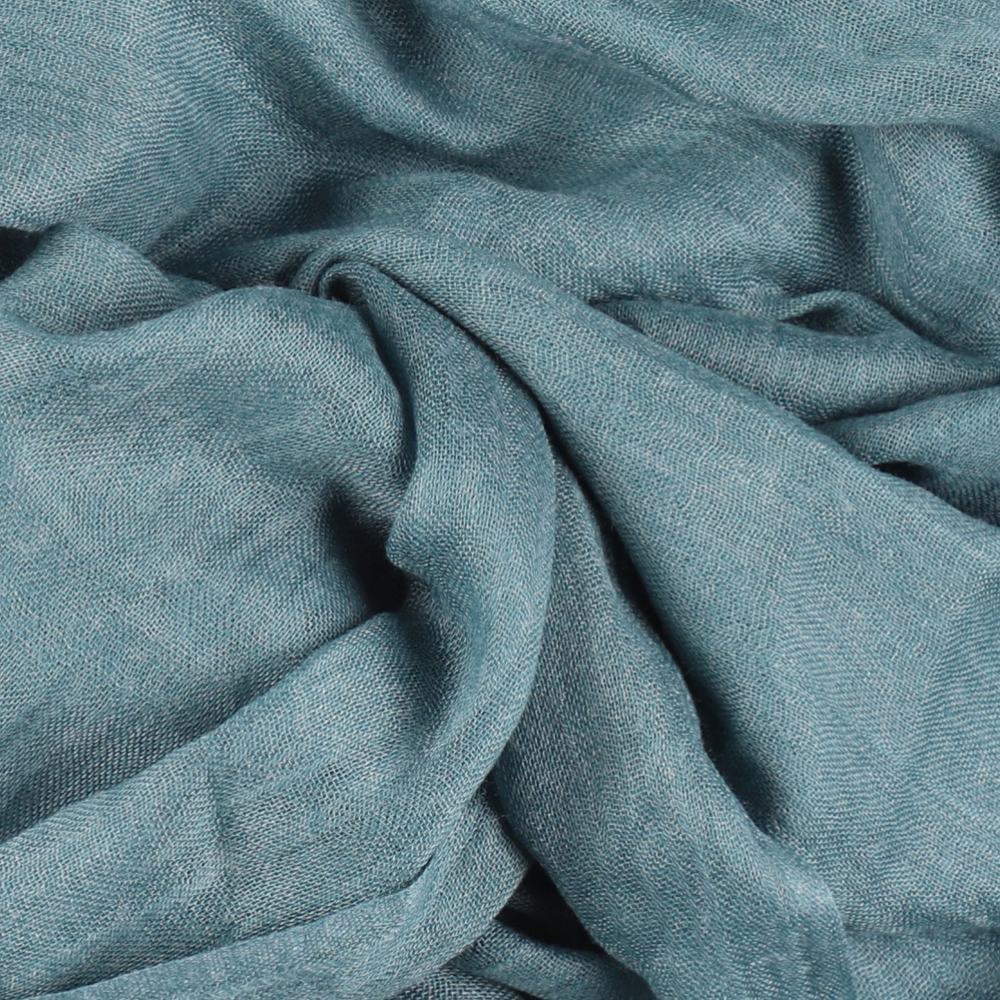
195×100 cm / 77×39 in
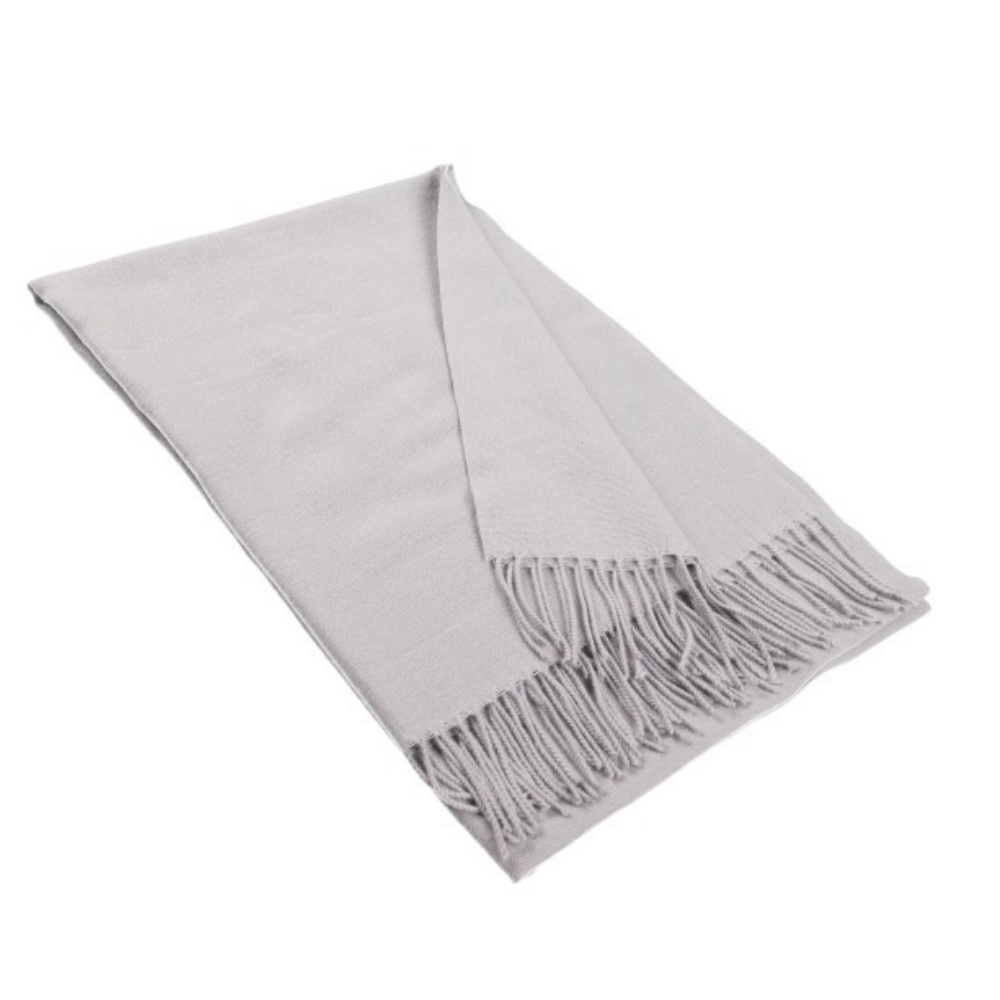
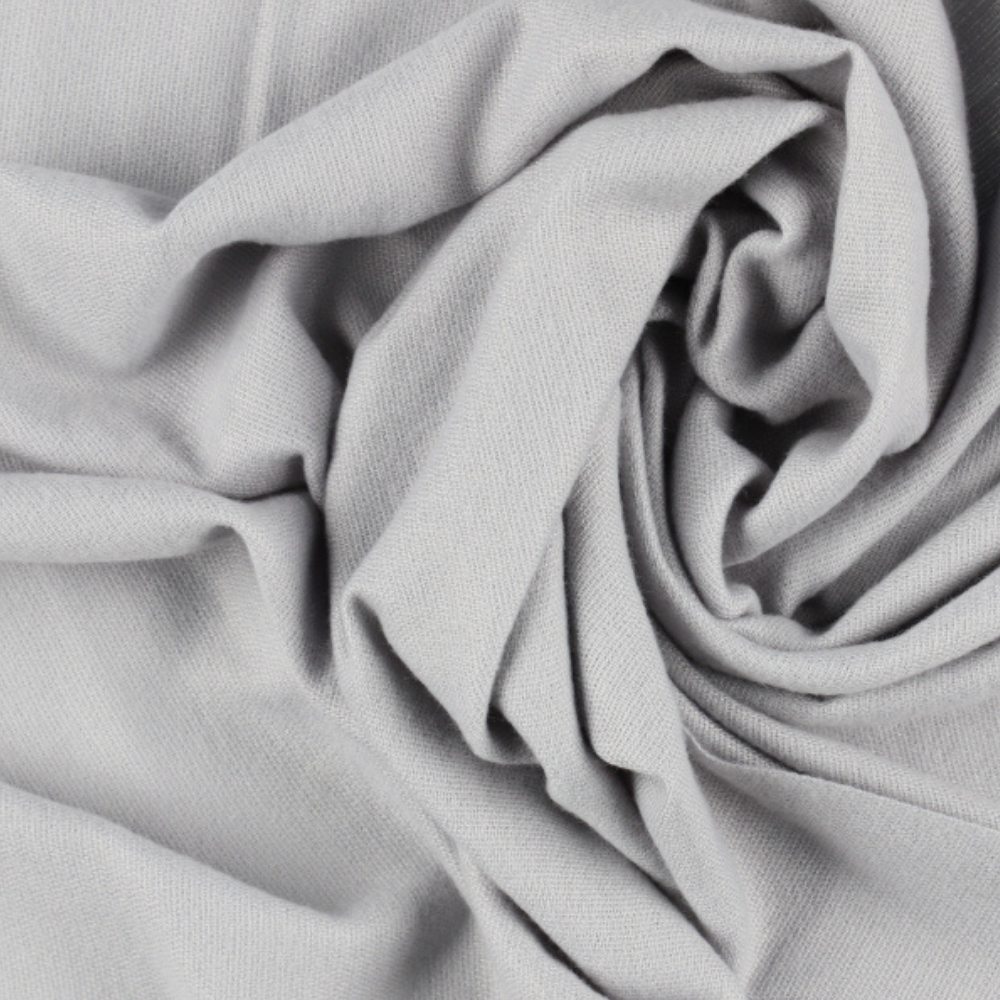
200×65 cm / 79×26 in
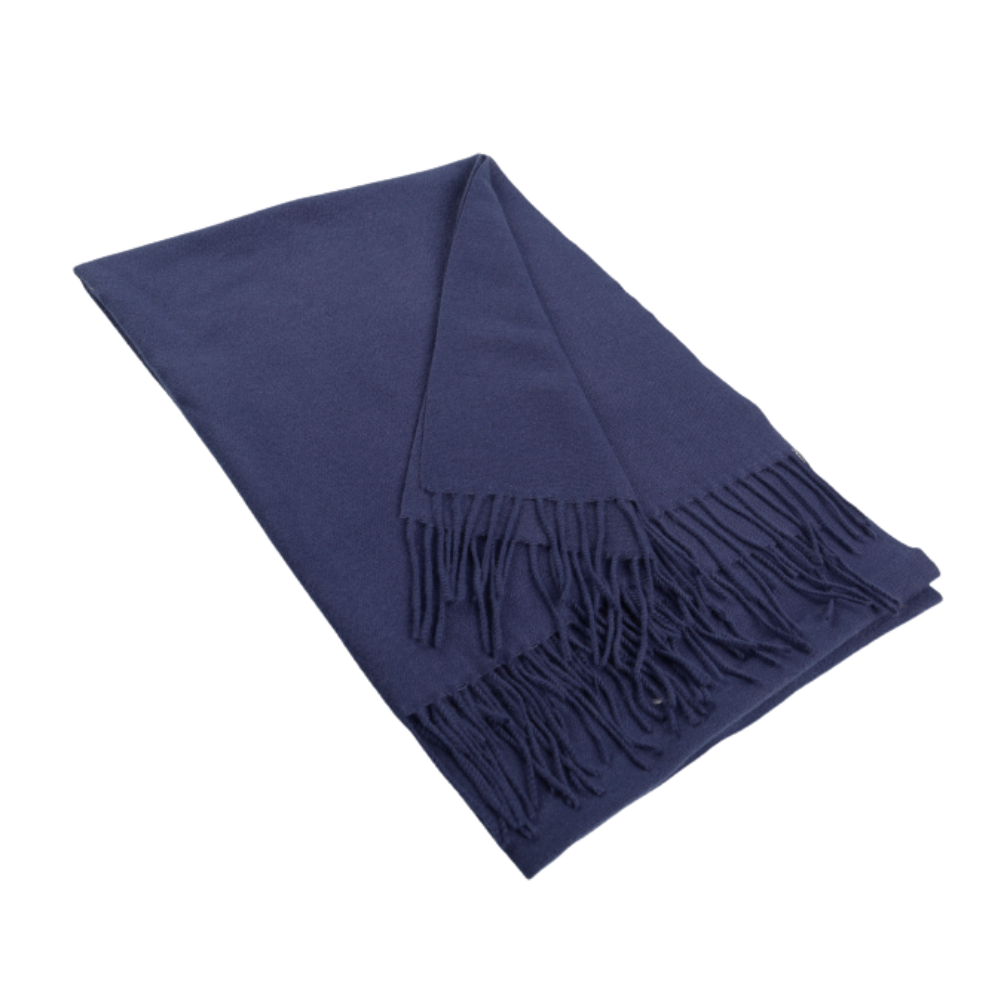
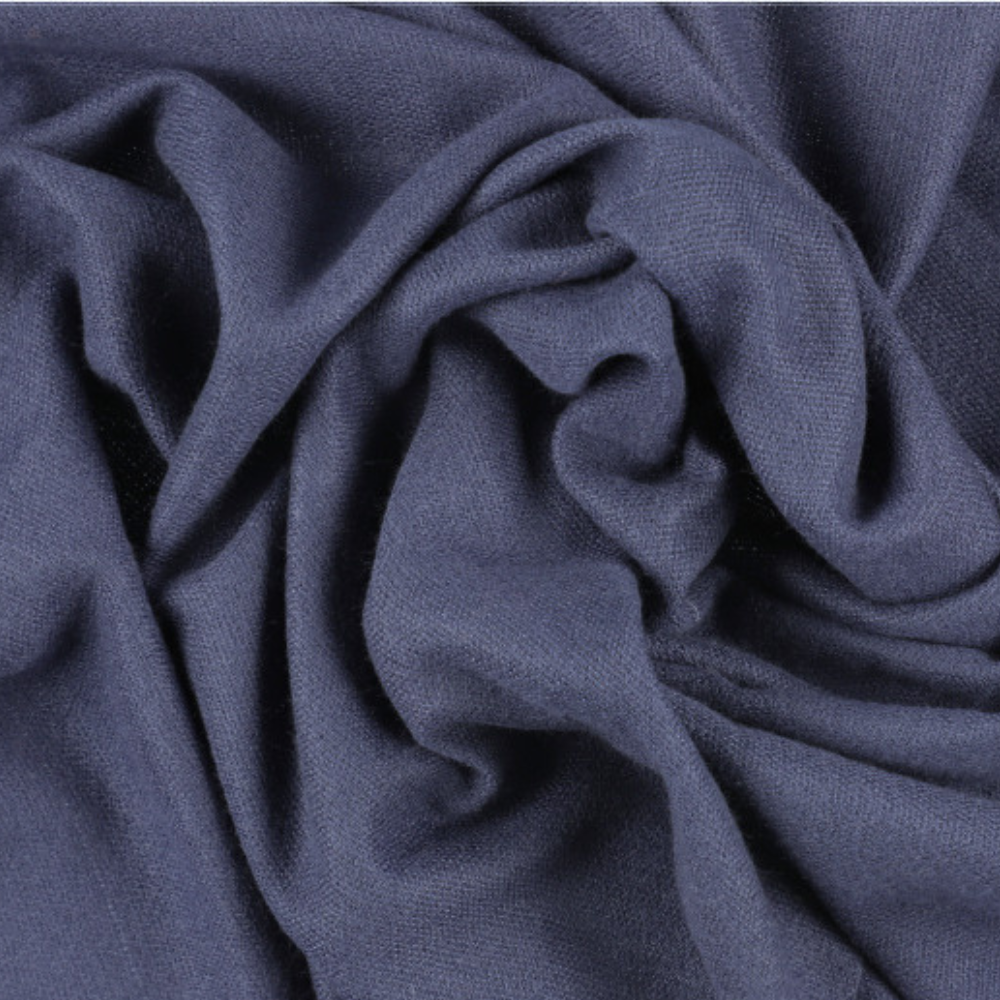
200×65 cm / 79×26 in
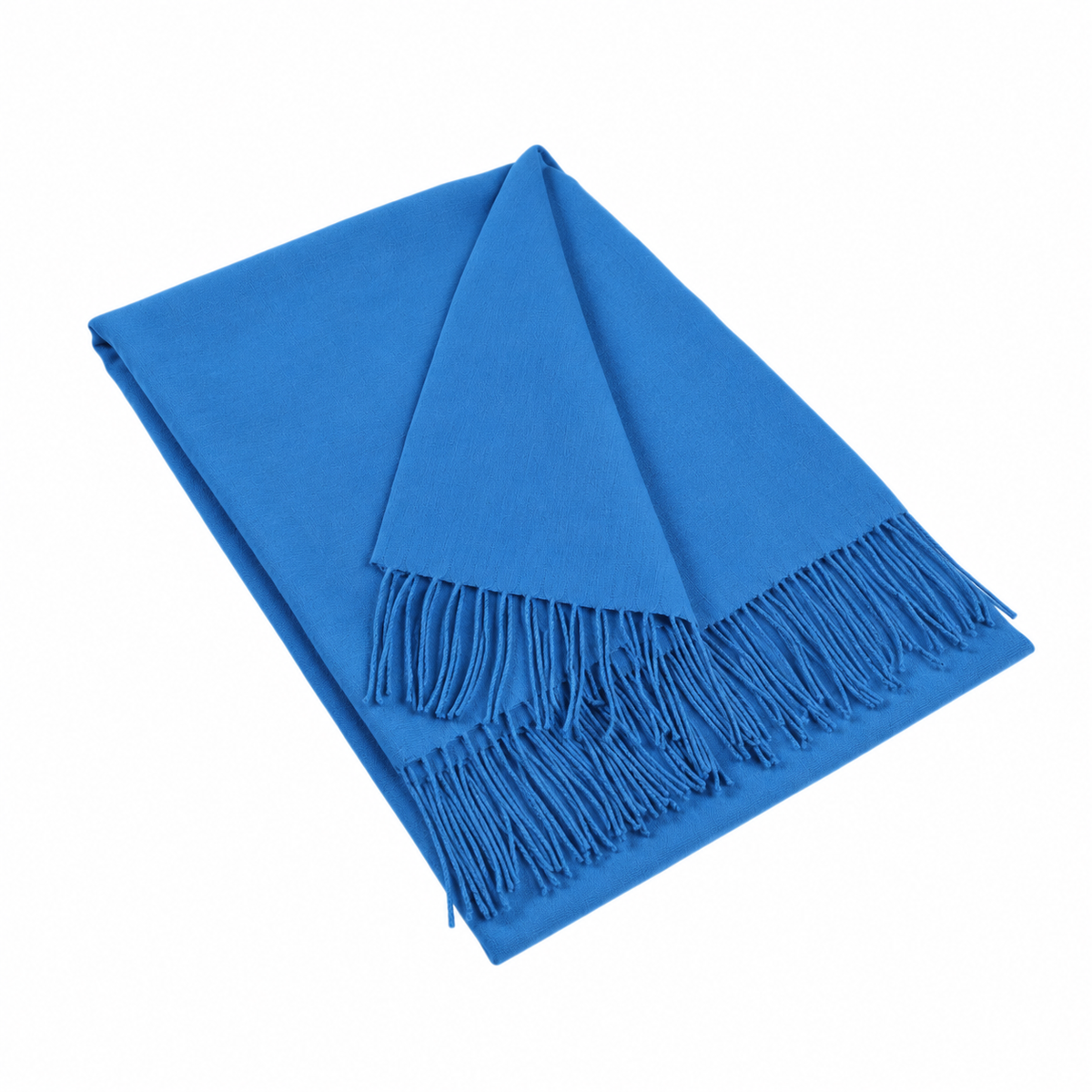
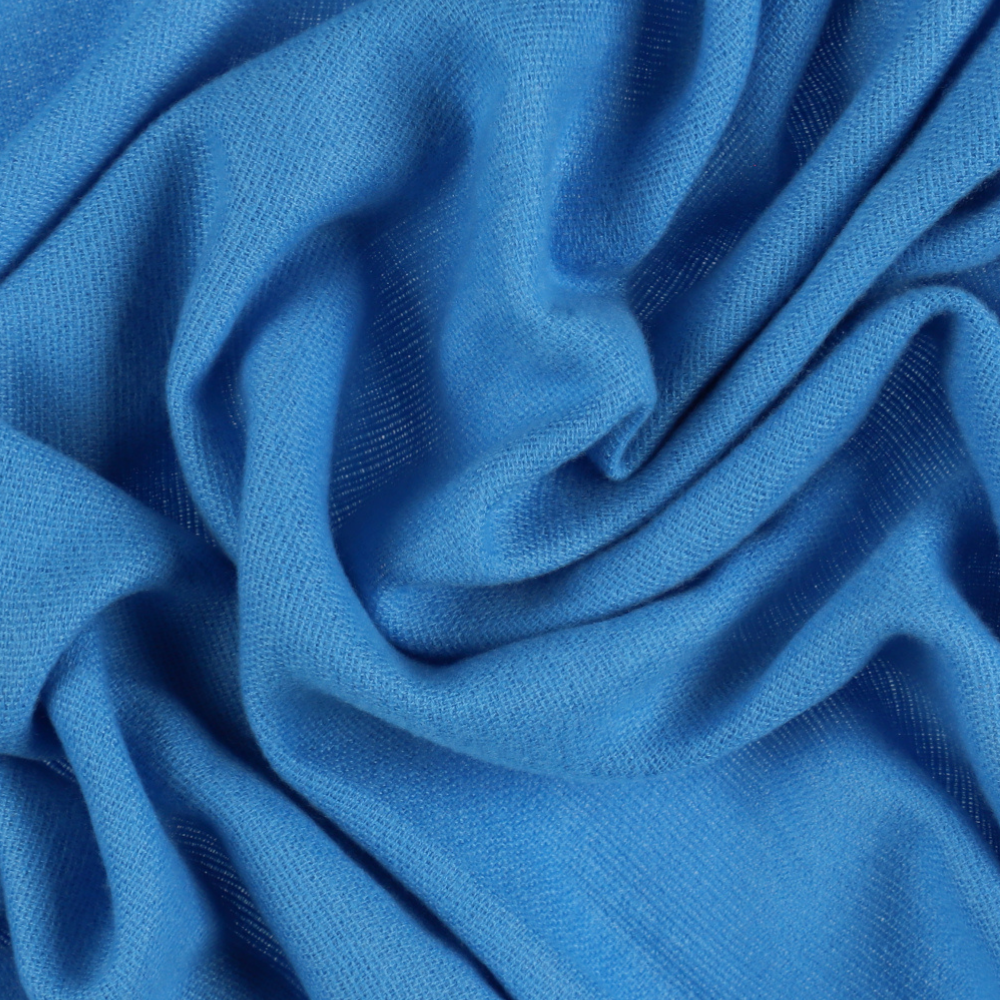
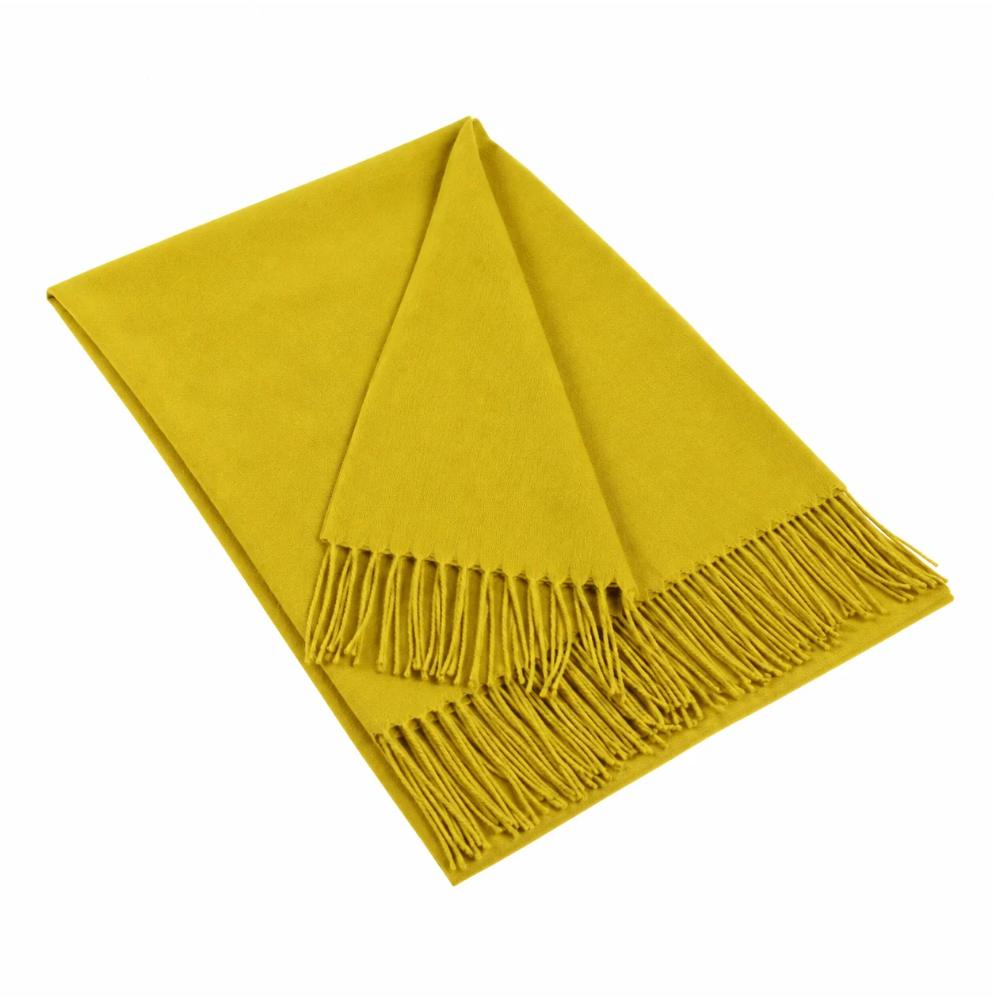
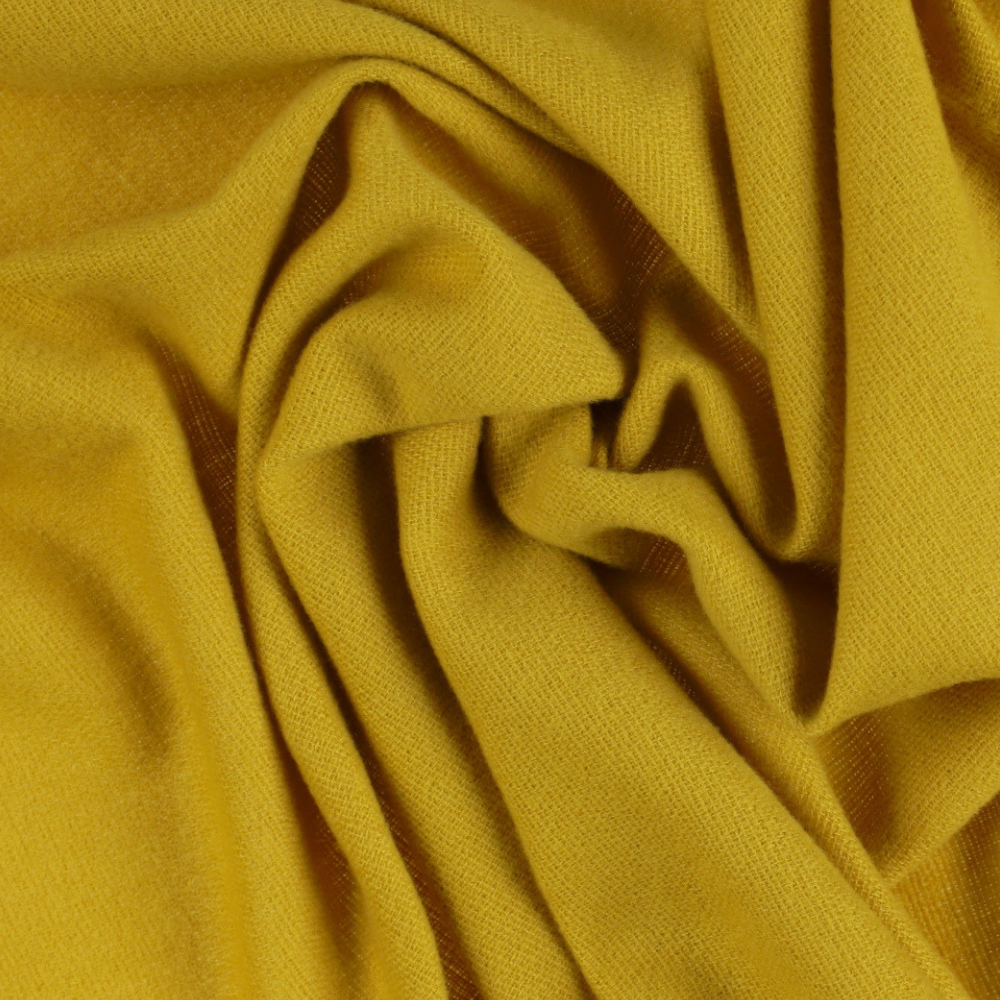
200×65 cm / 79×26 in
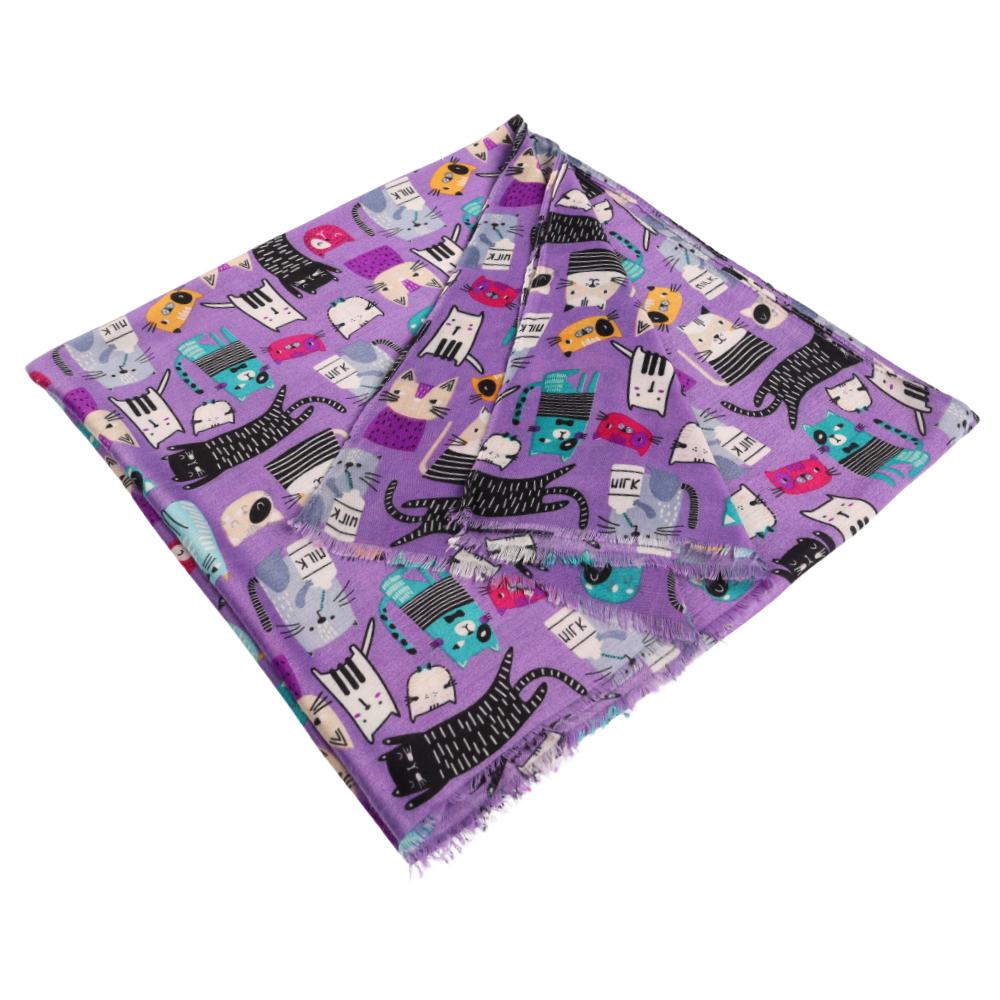
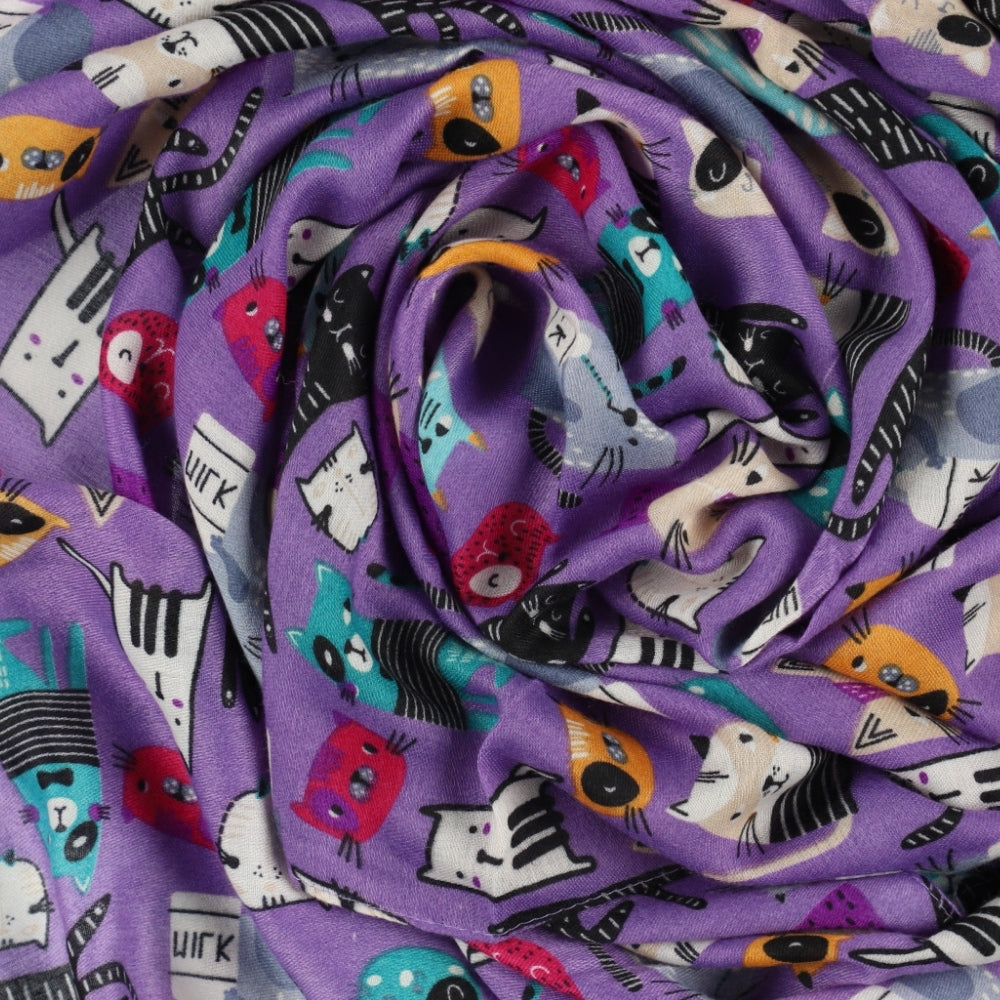
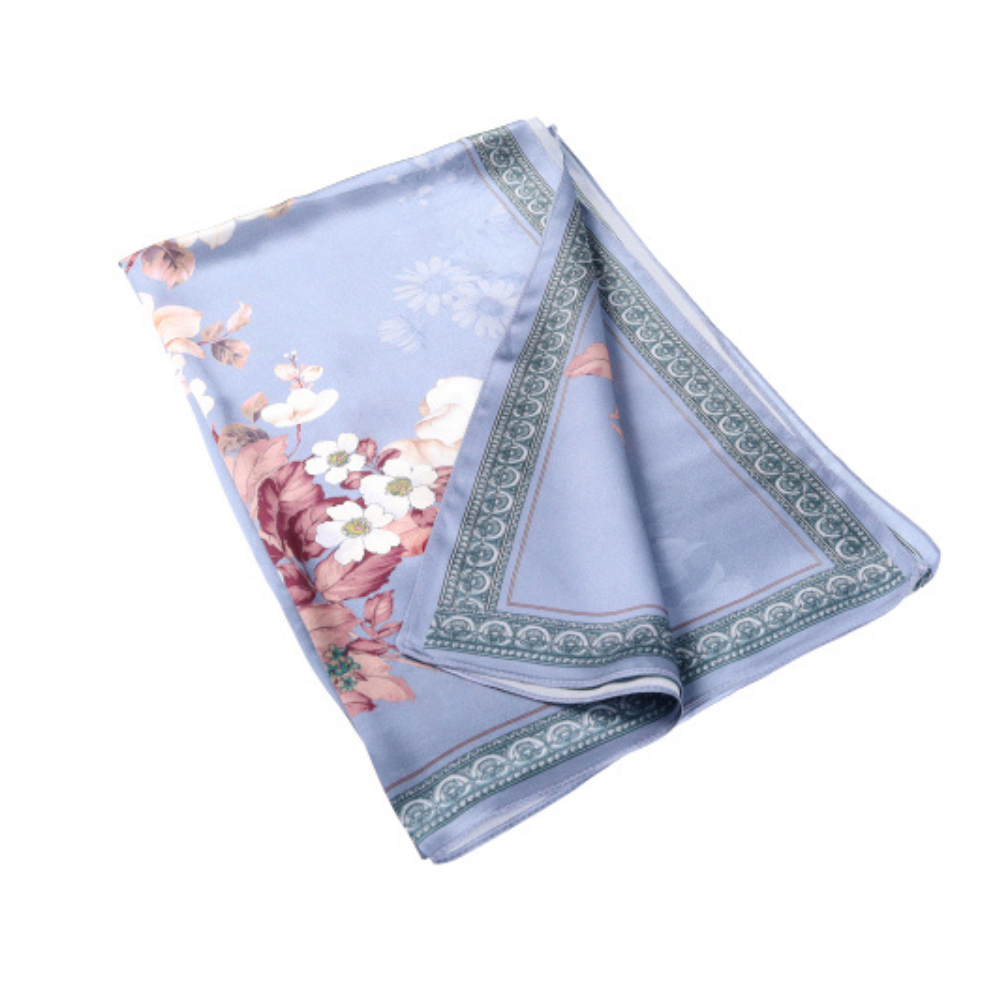
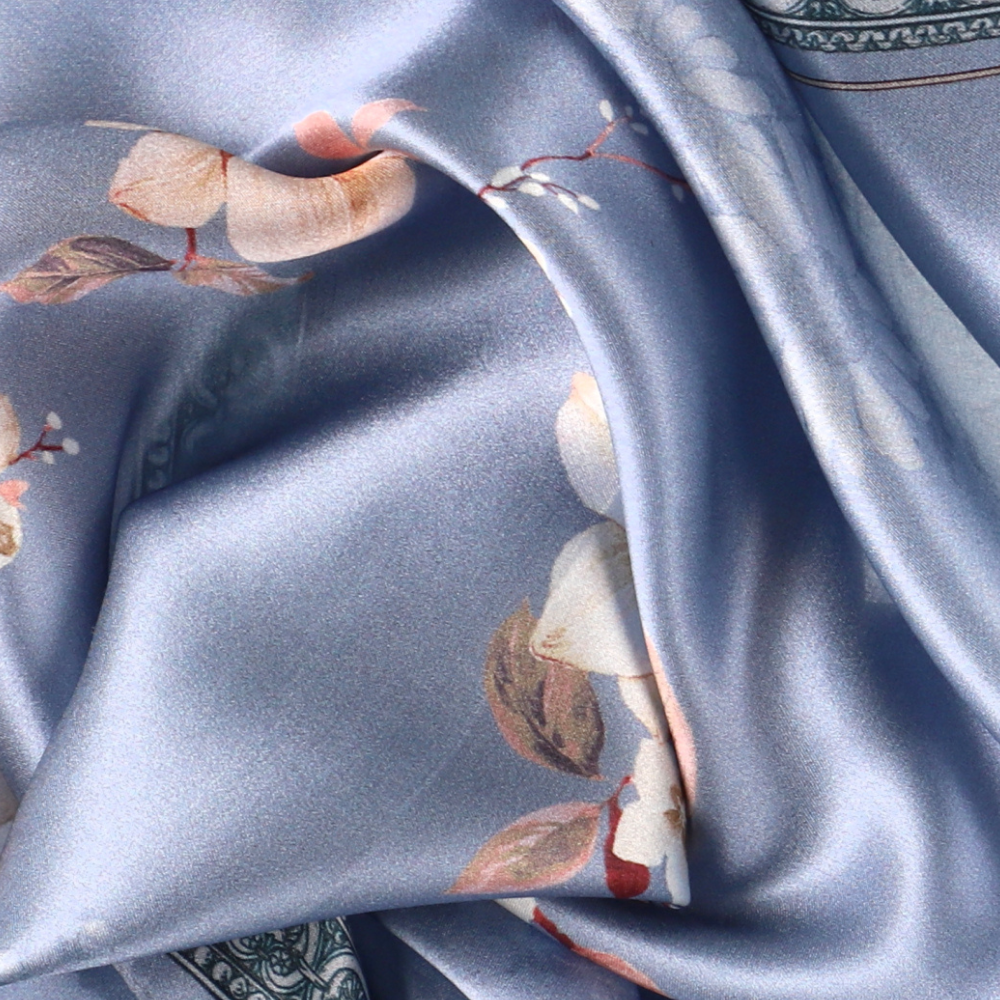
170×53 cm / 67×21 in
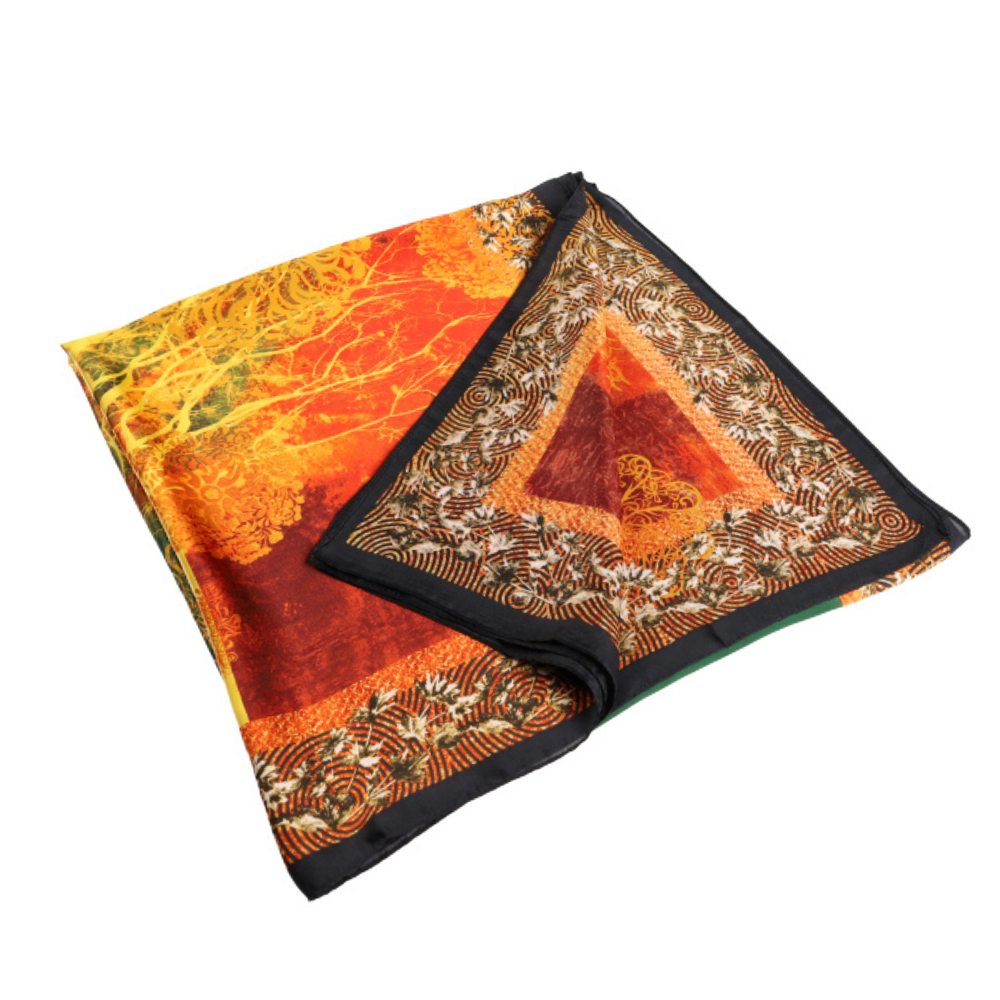
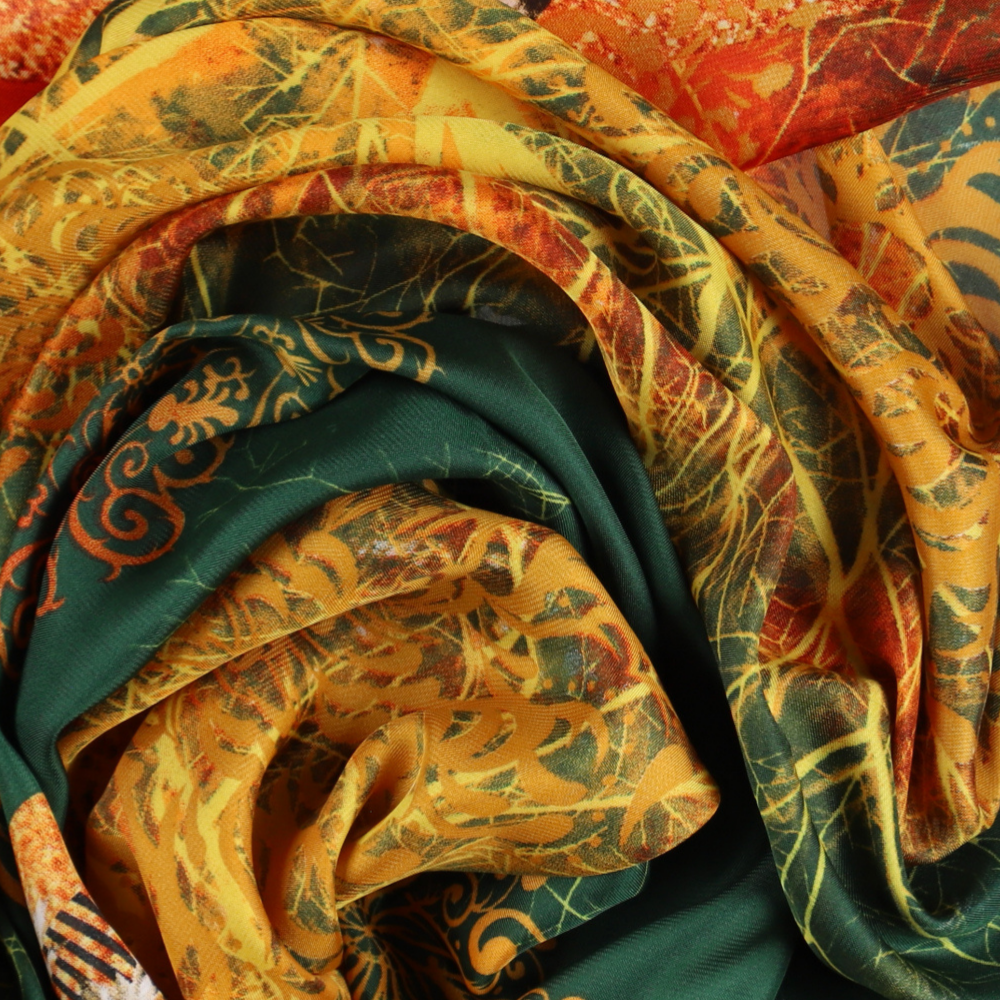
180×90 cm / 71×35 in
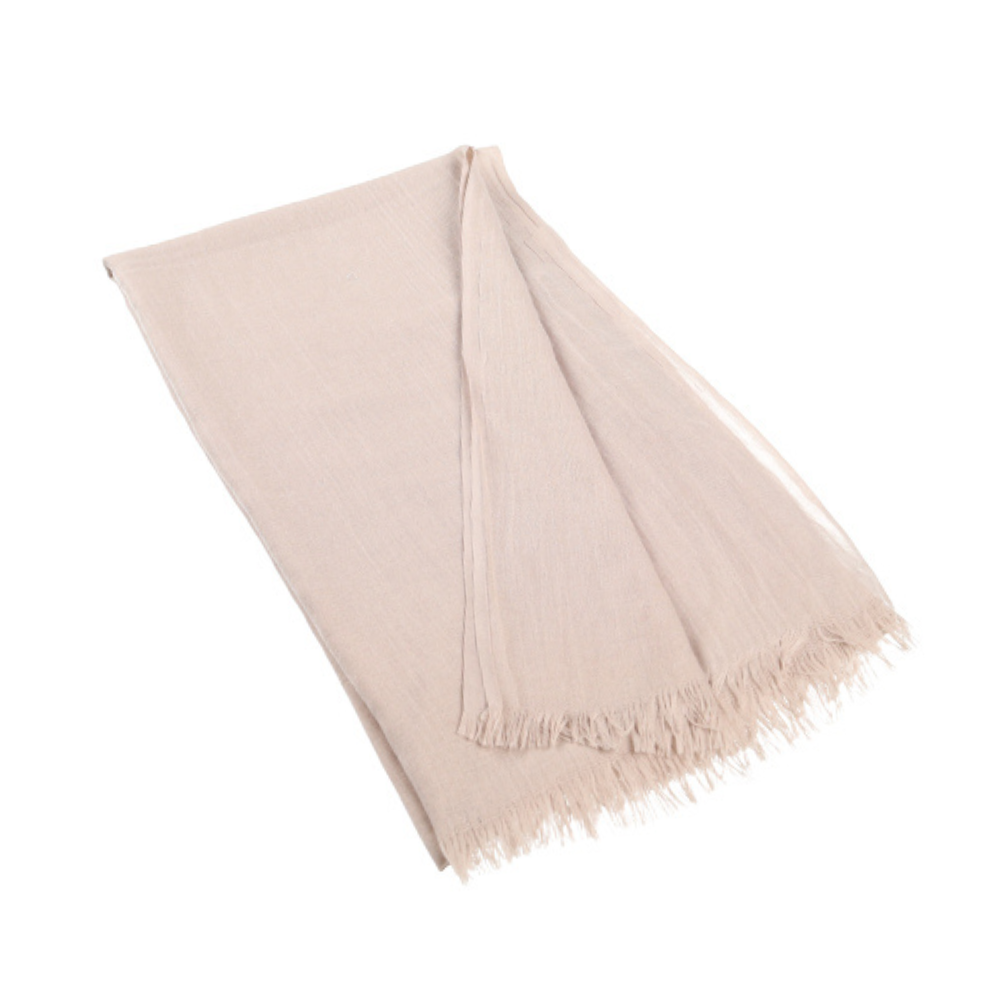
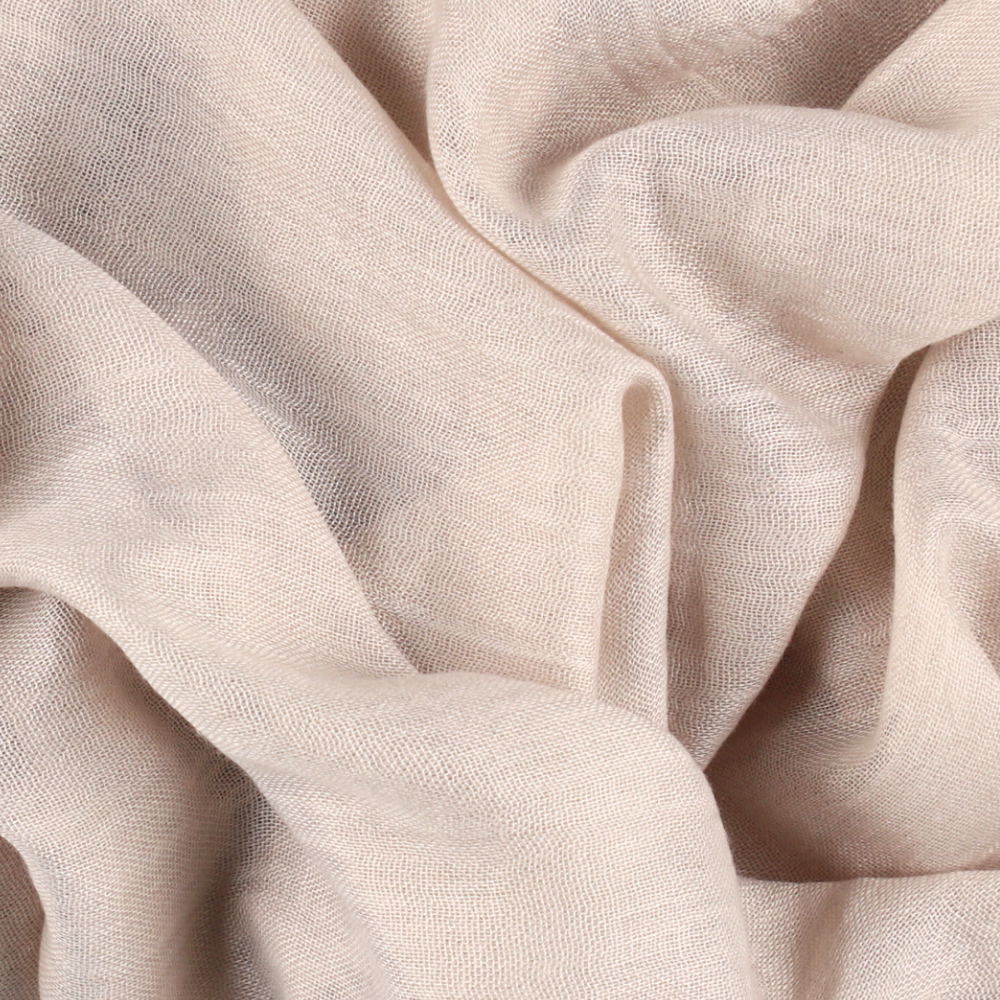
195×100 cm / 77×39 in
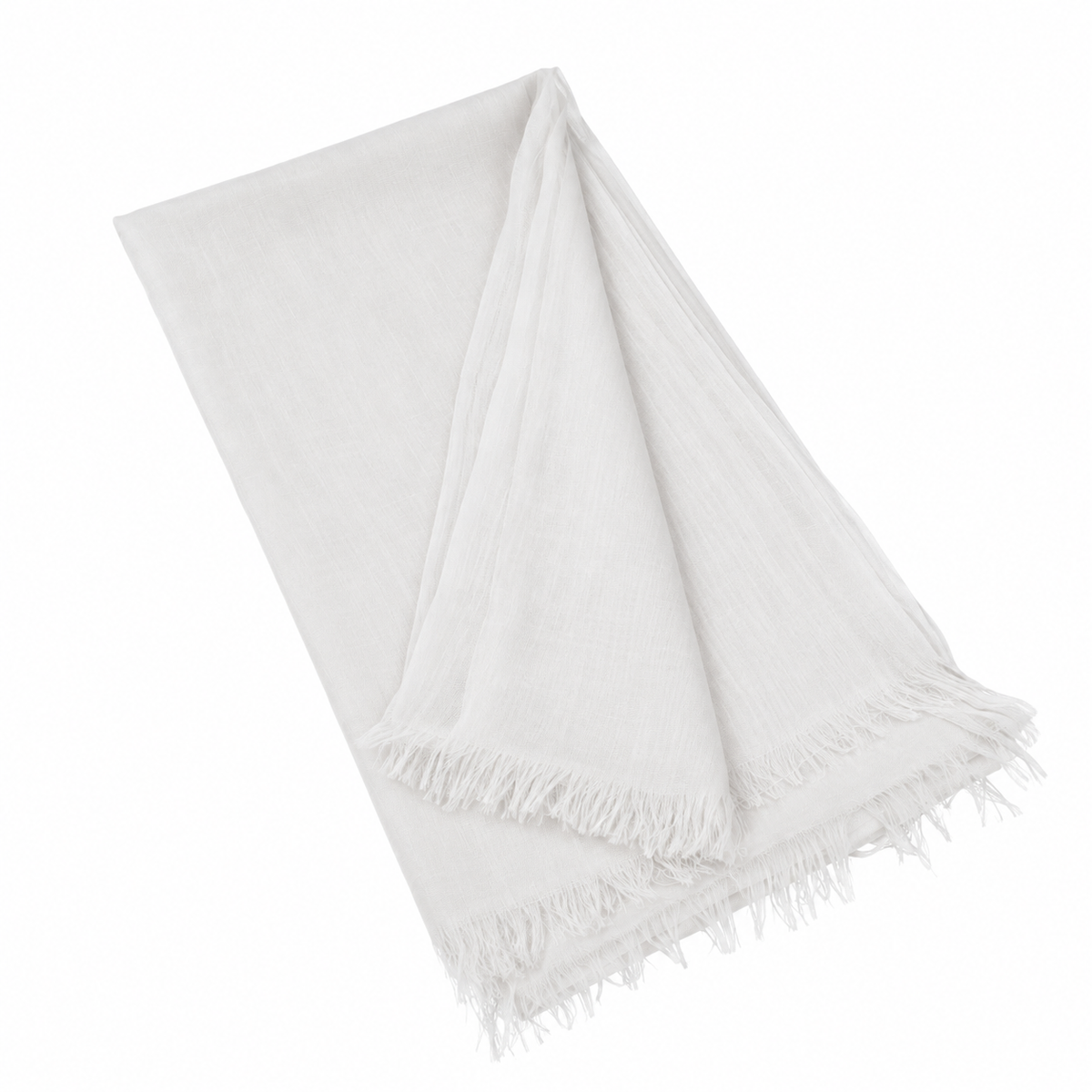
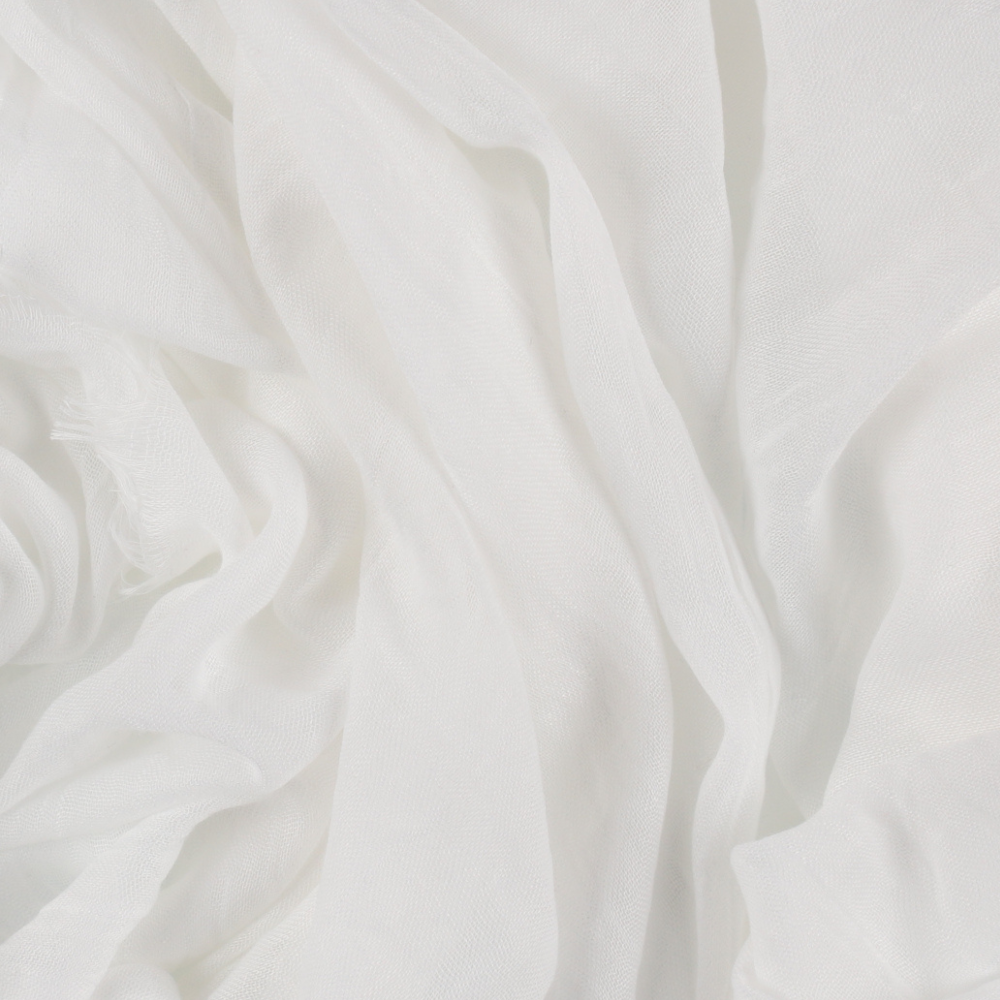
195×100 cm / 77×39 in
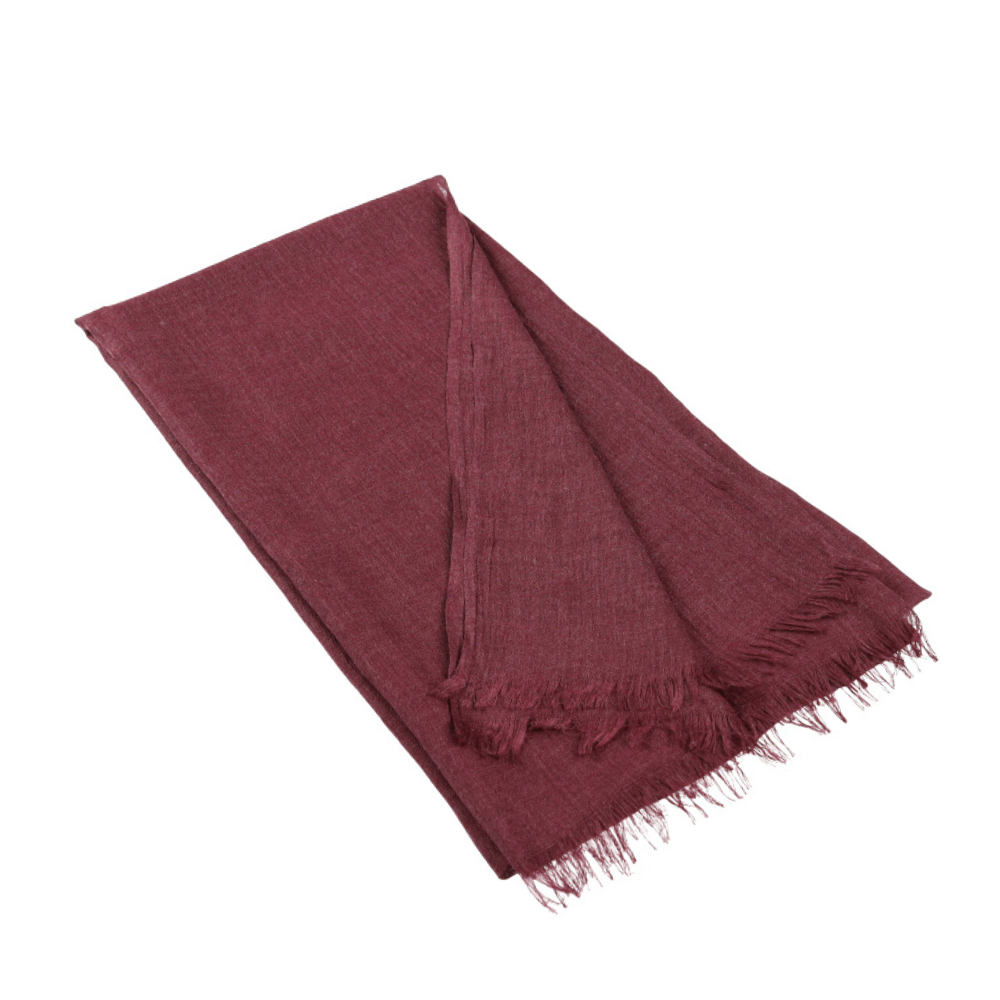
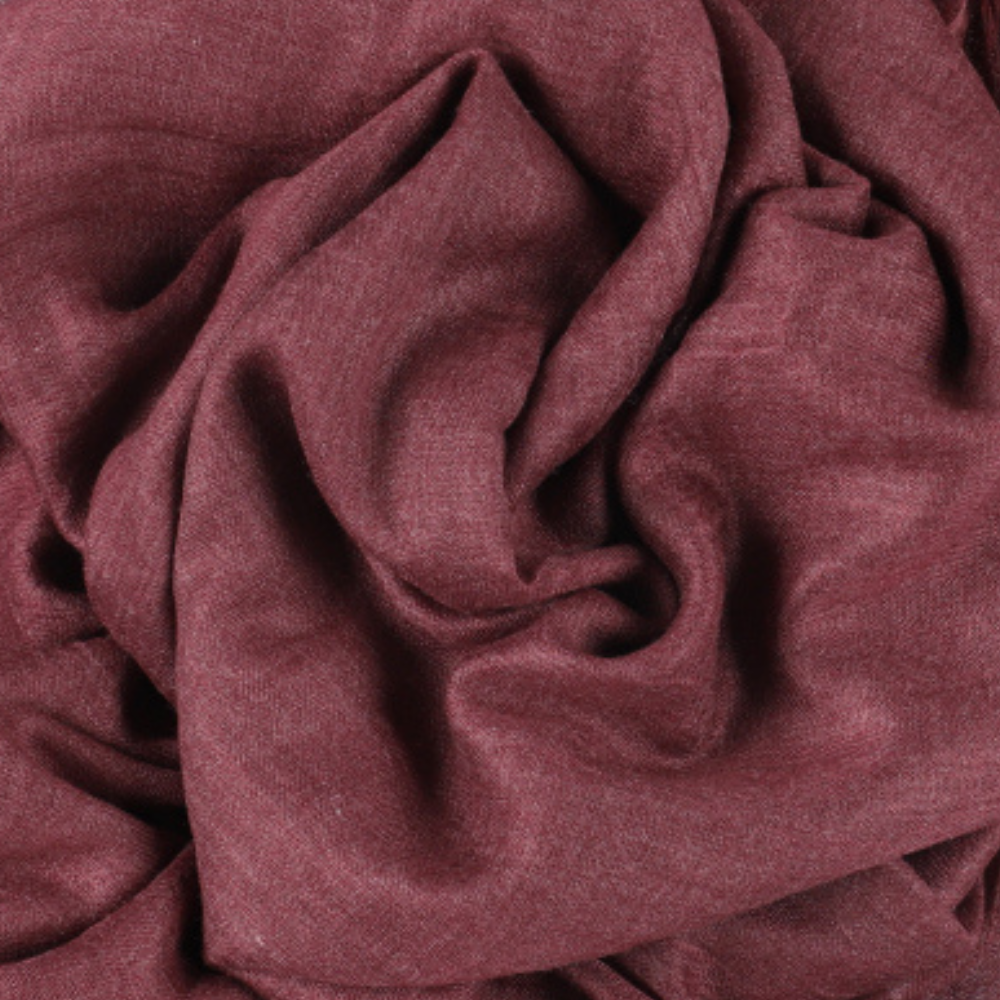
195×100 cm / 77×39 in
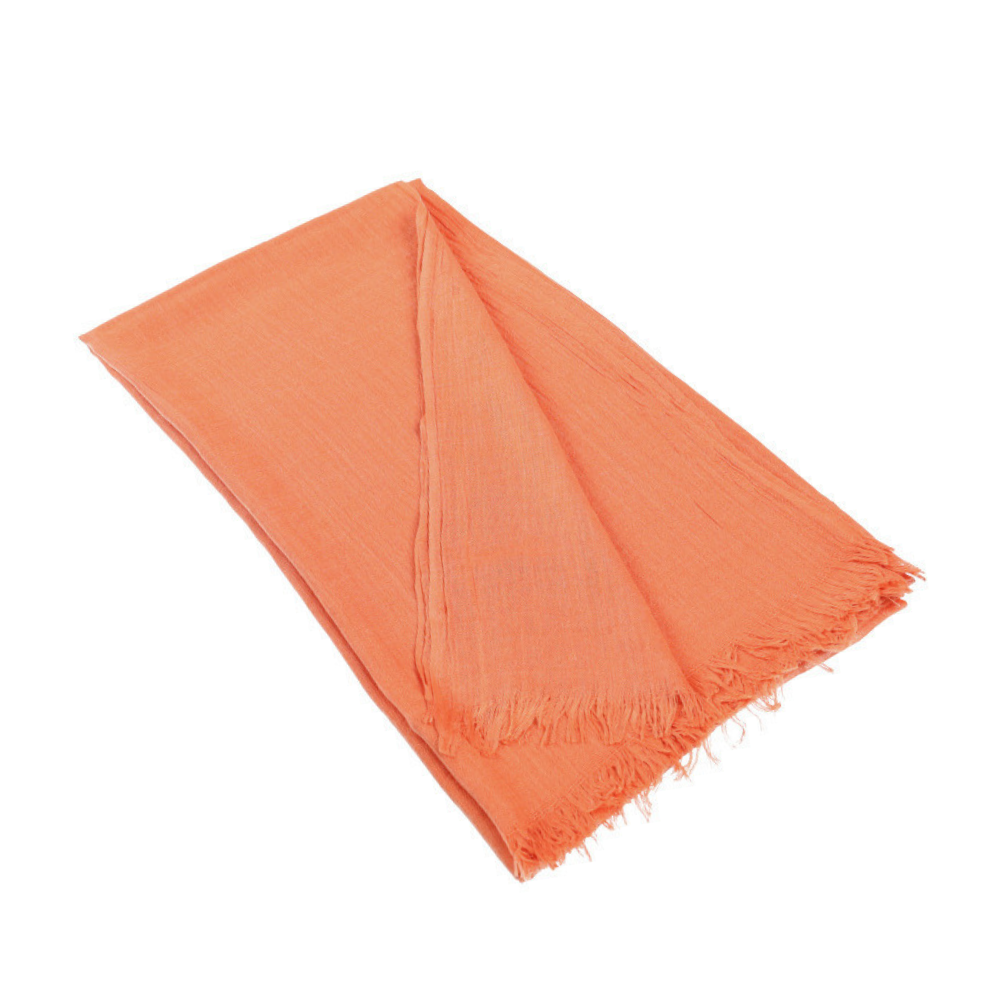
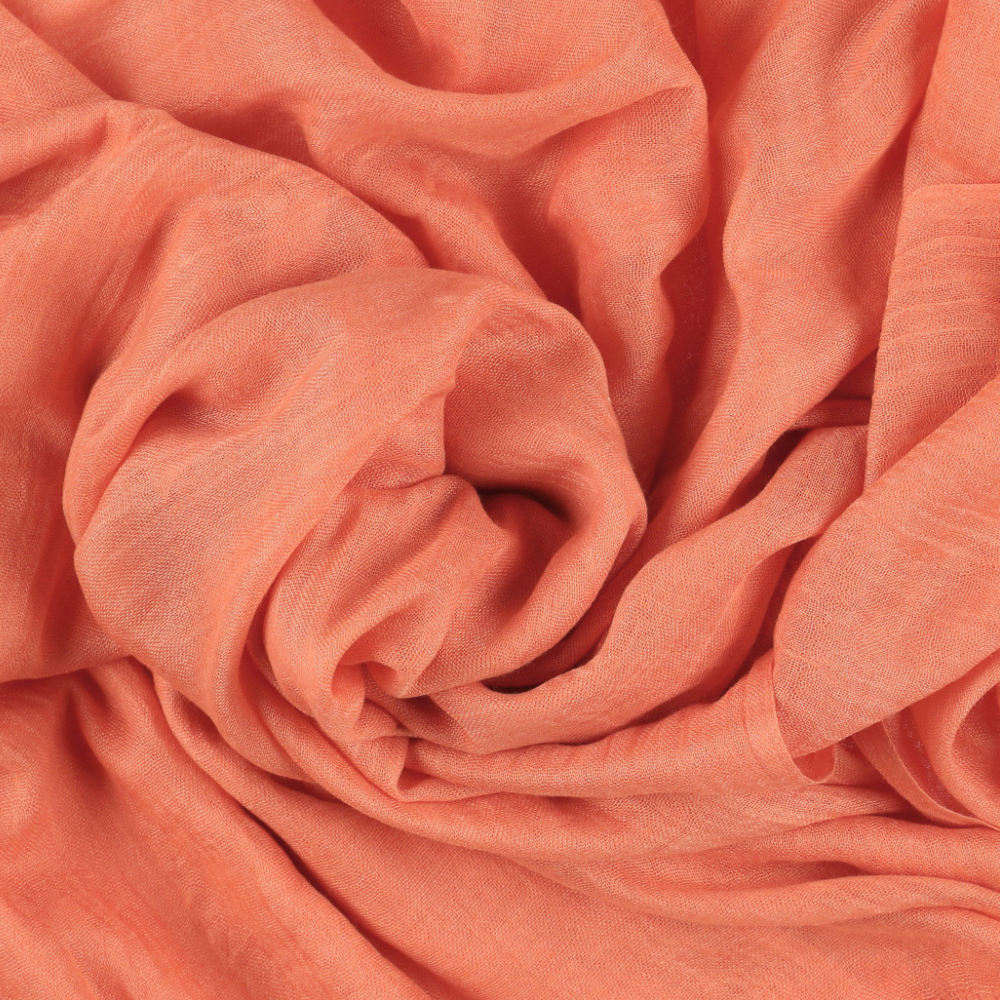
195×100 cm / 77×39 in
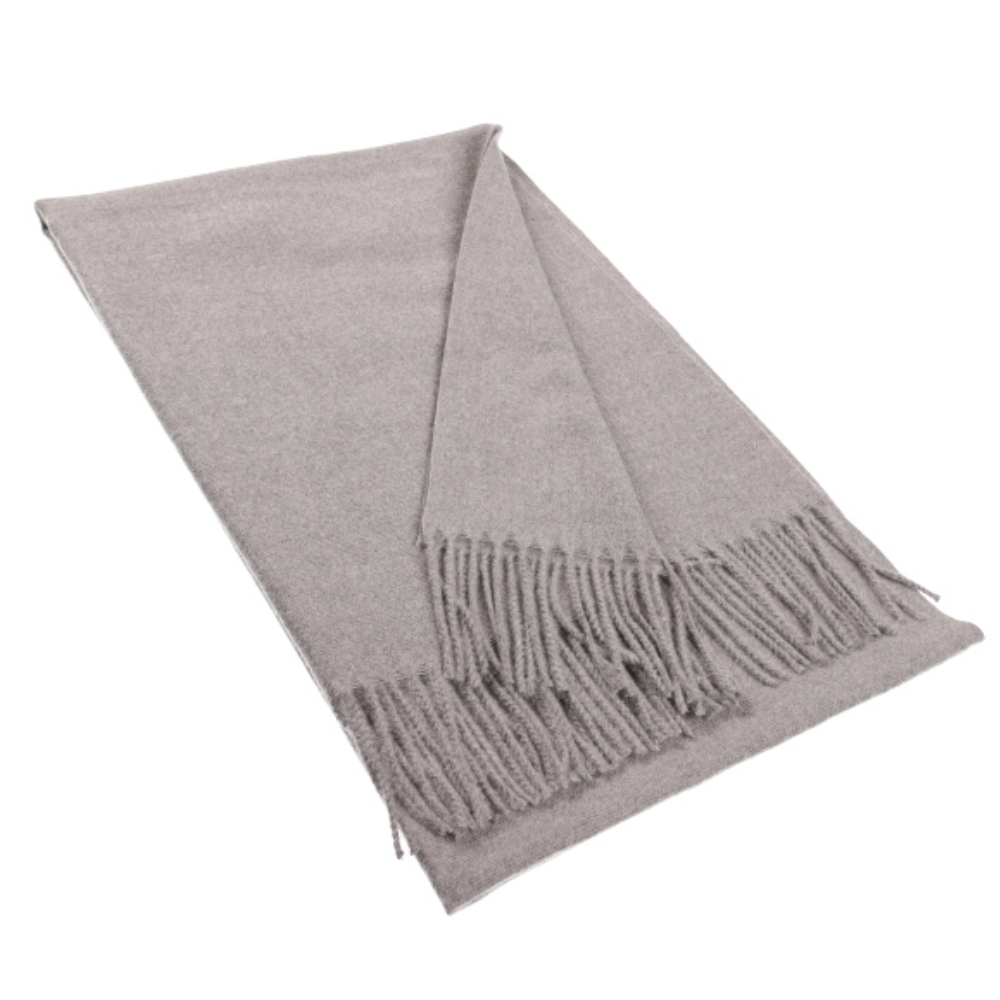
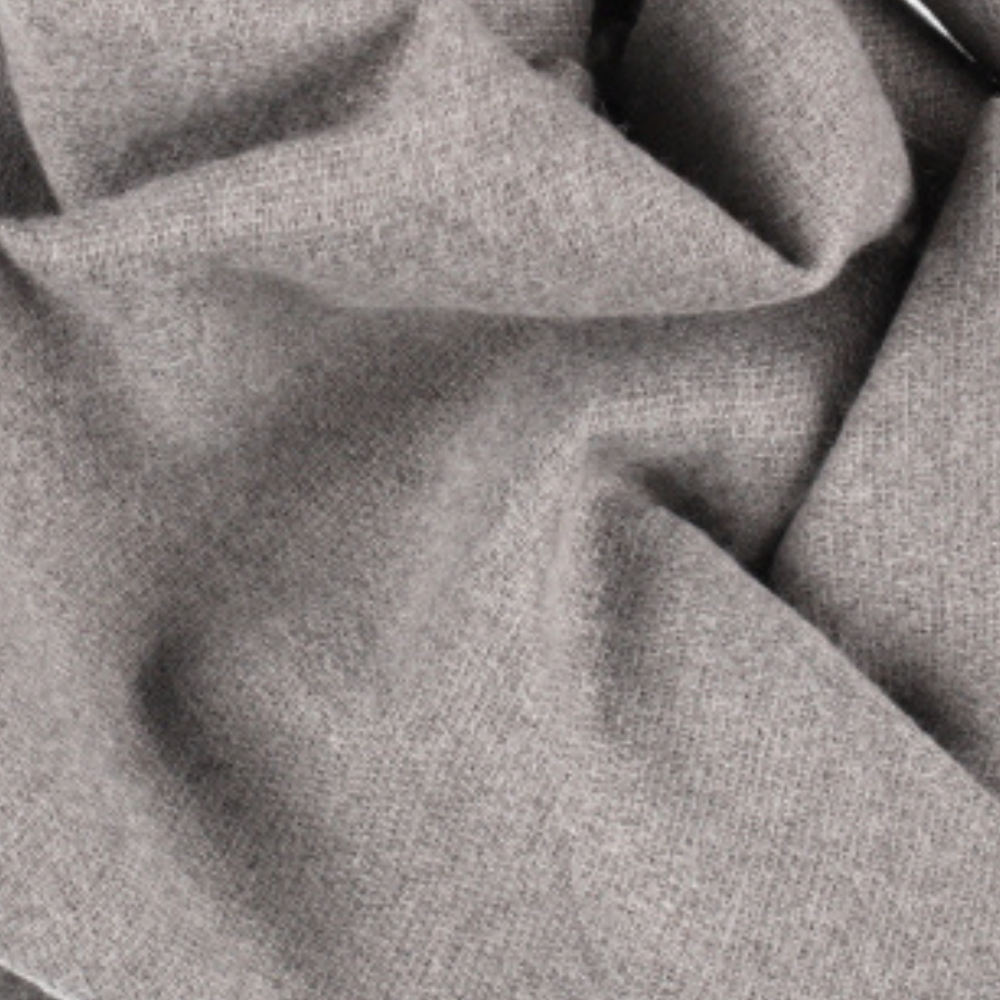
200×65 cm / 79×26 in
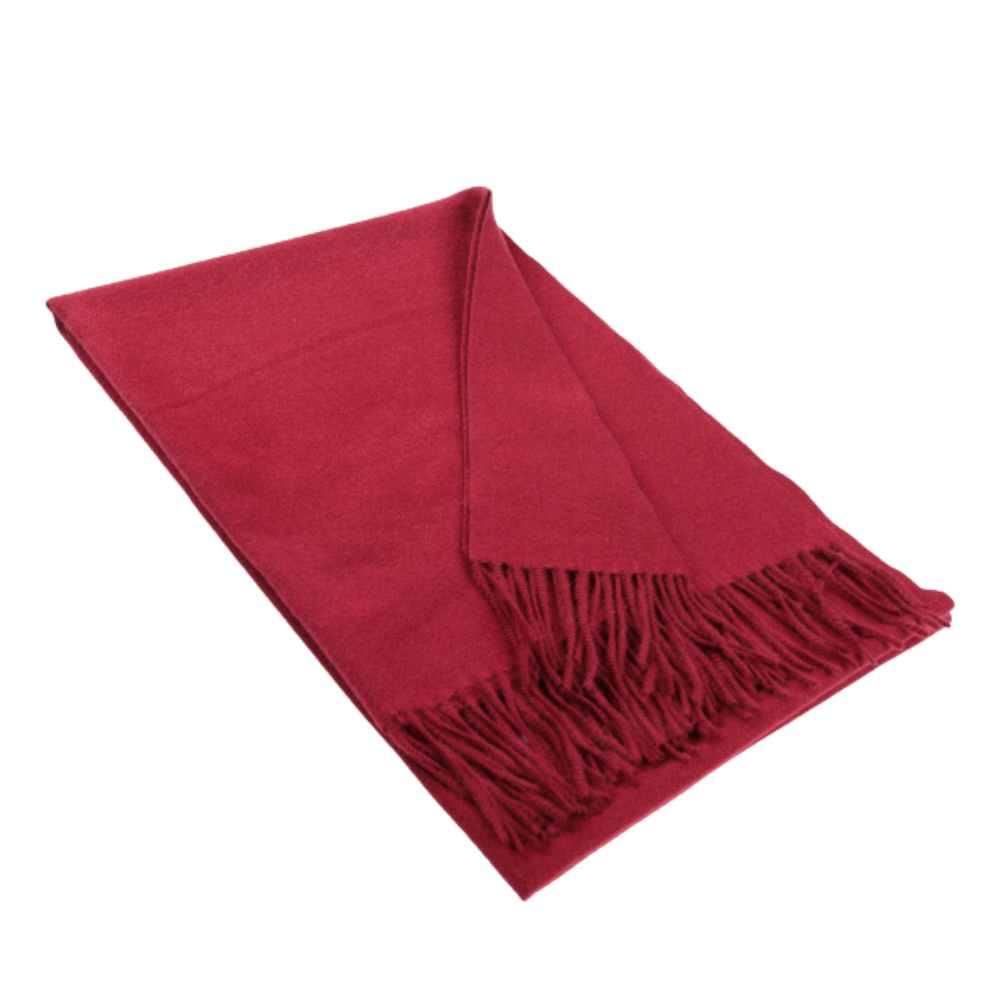
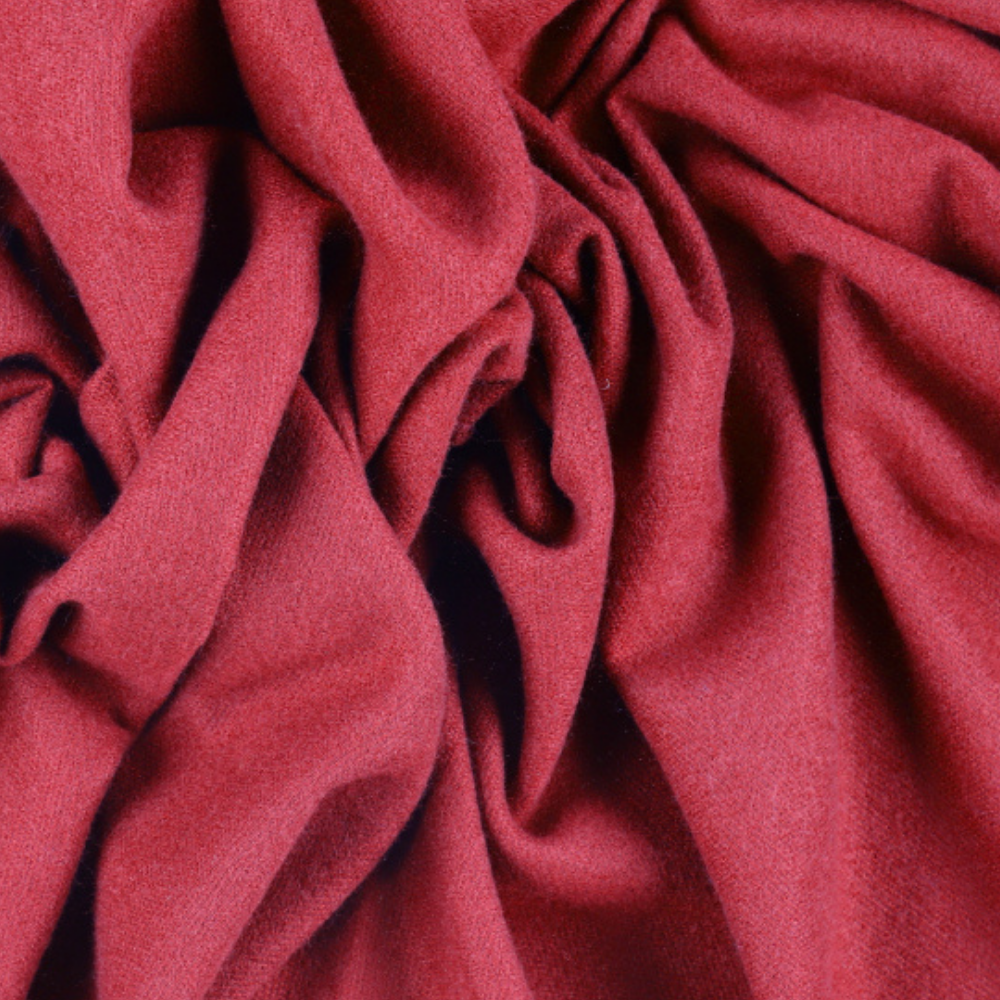
200×65 cm / 79×26 in
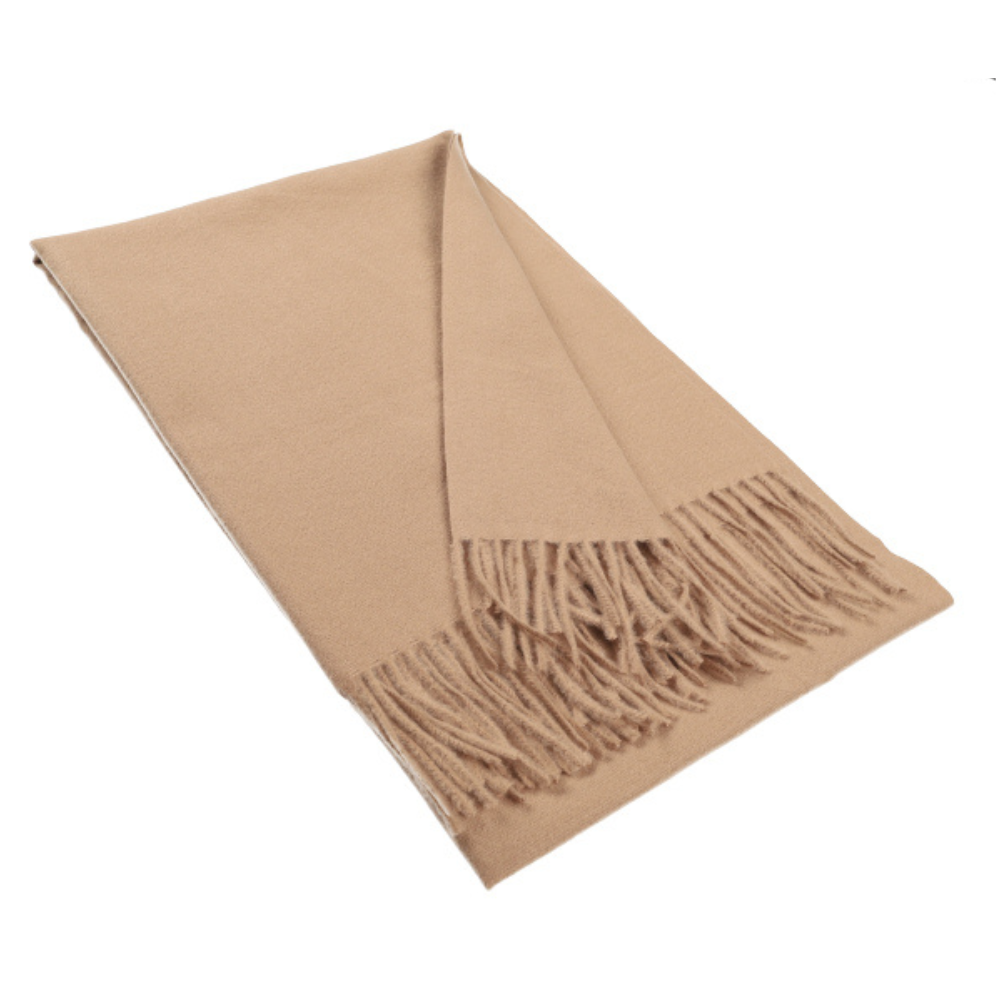
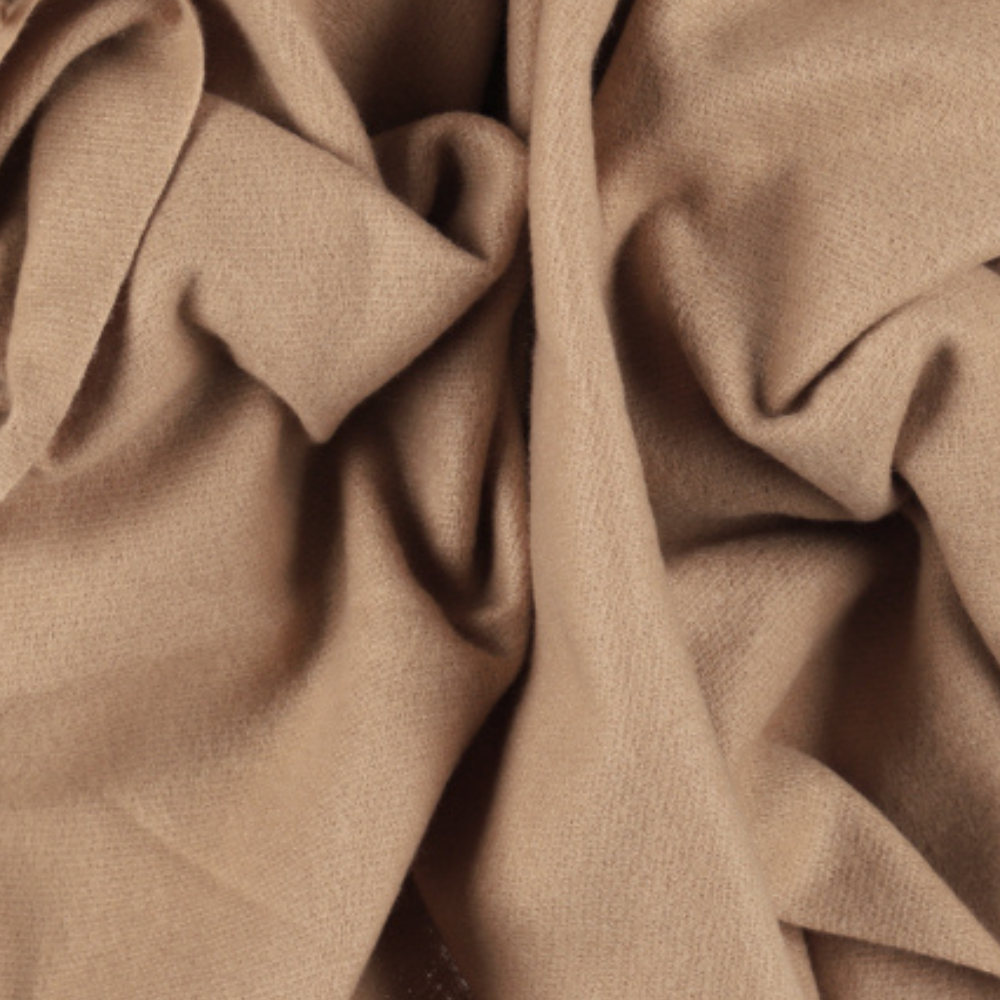
200×65 cm / 79×26 in
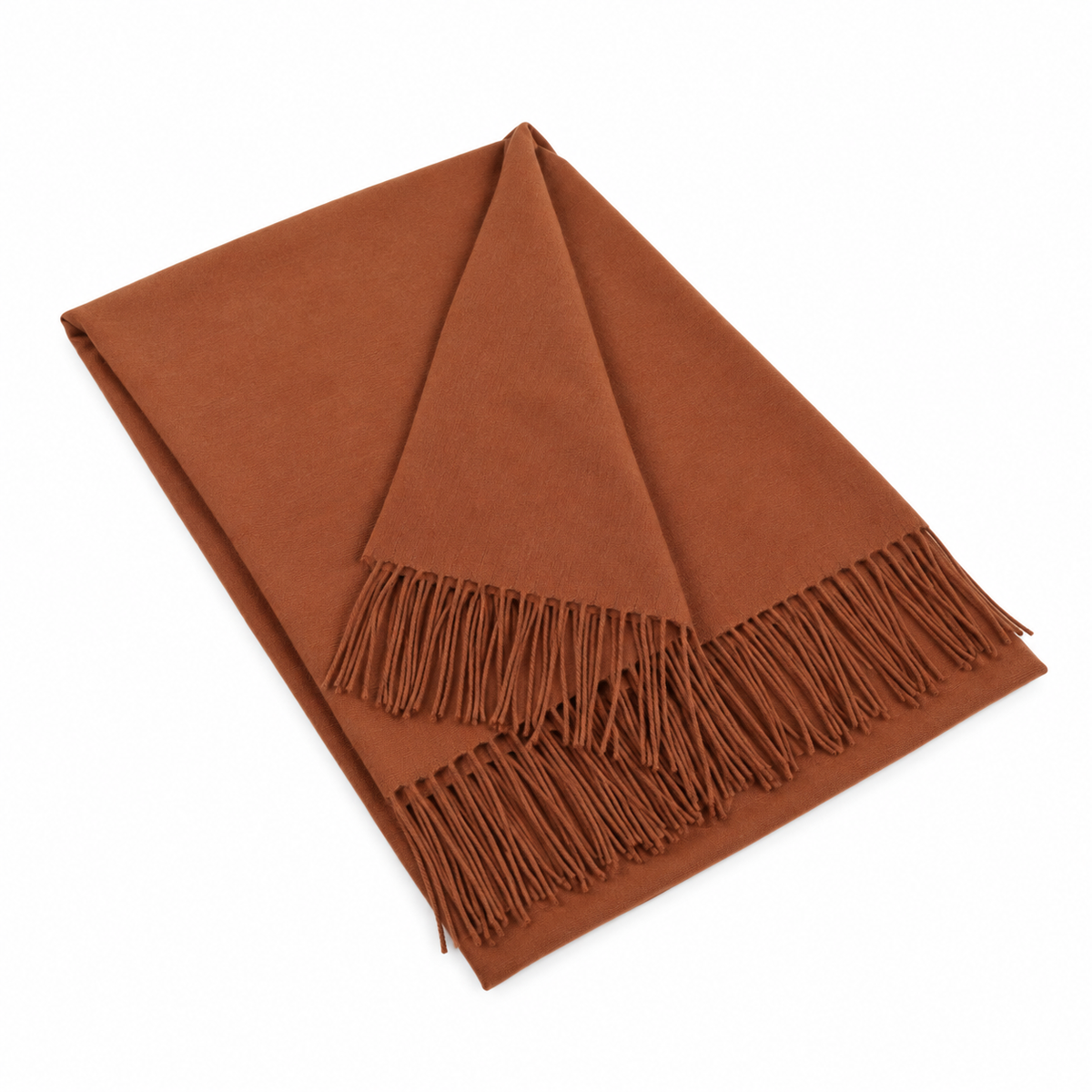
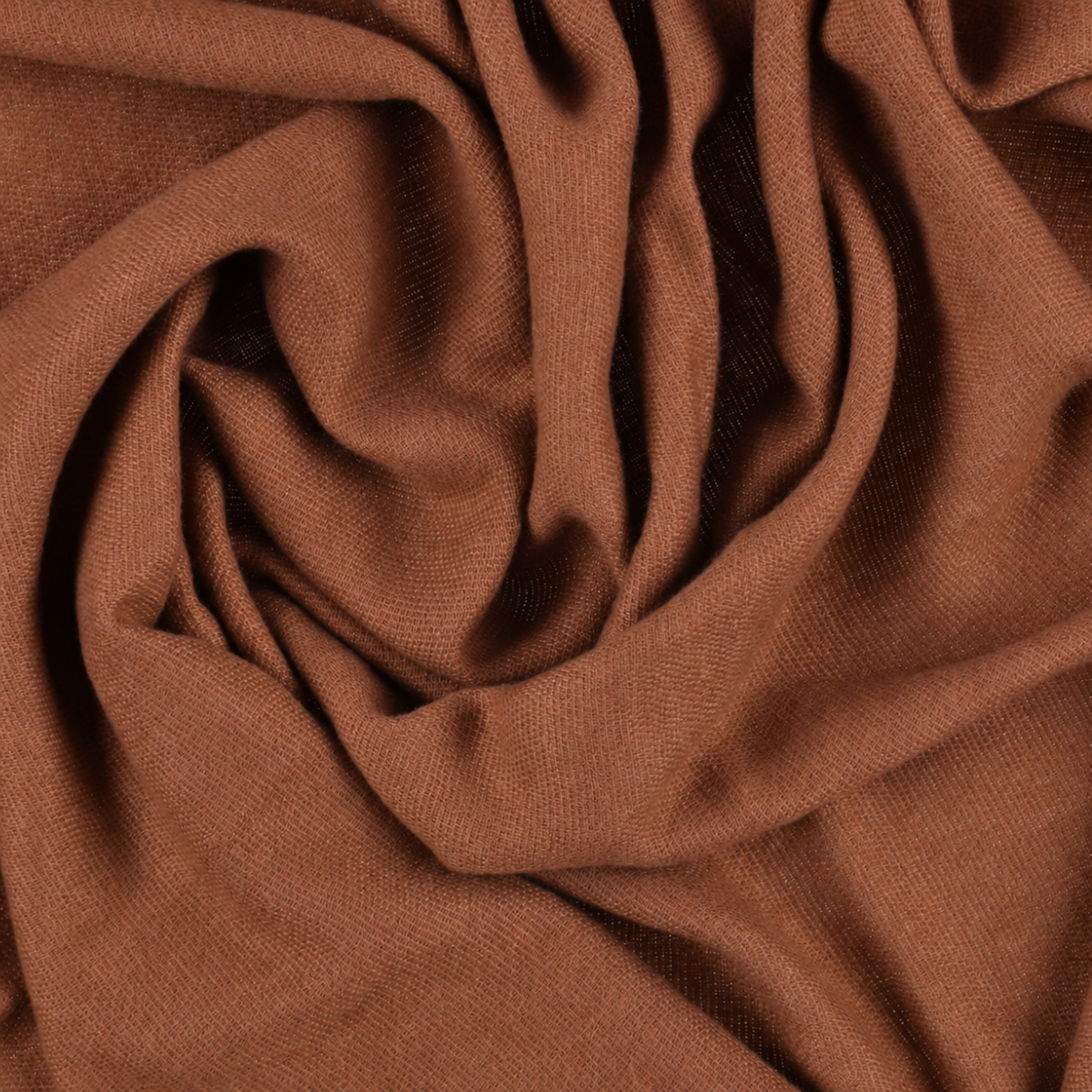
200×65 cm / 79×26 in
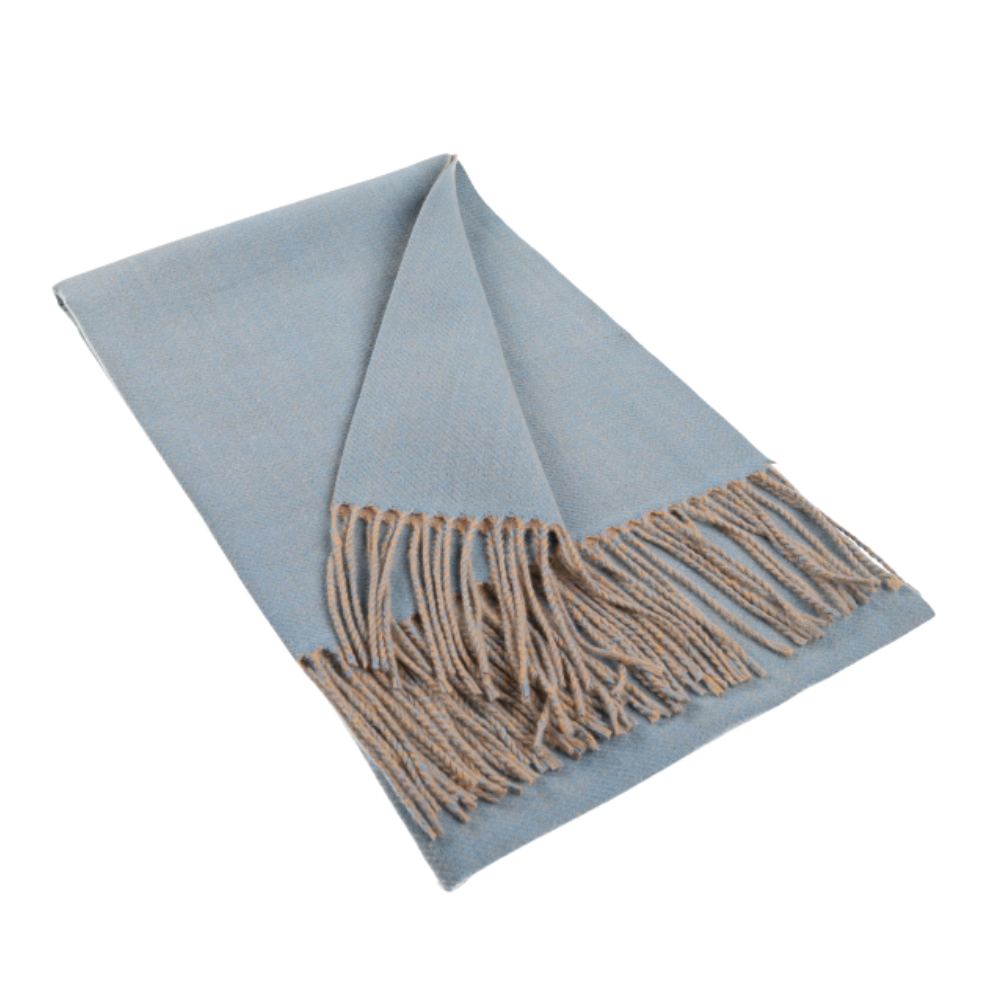
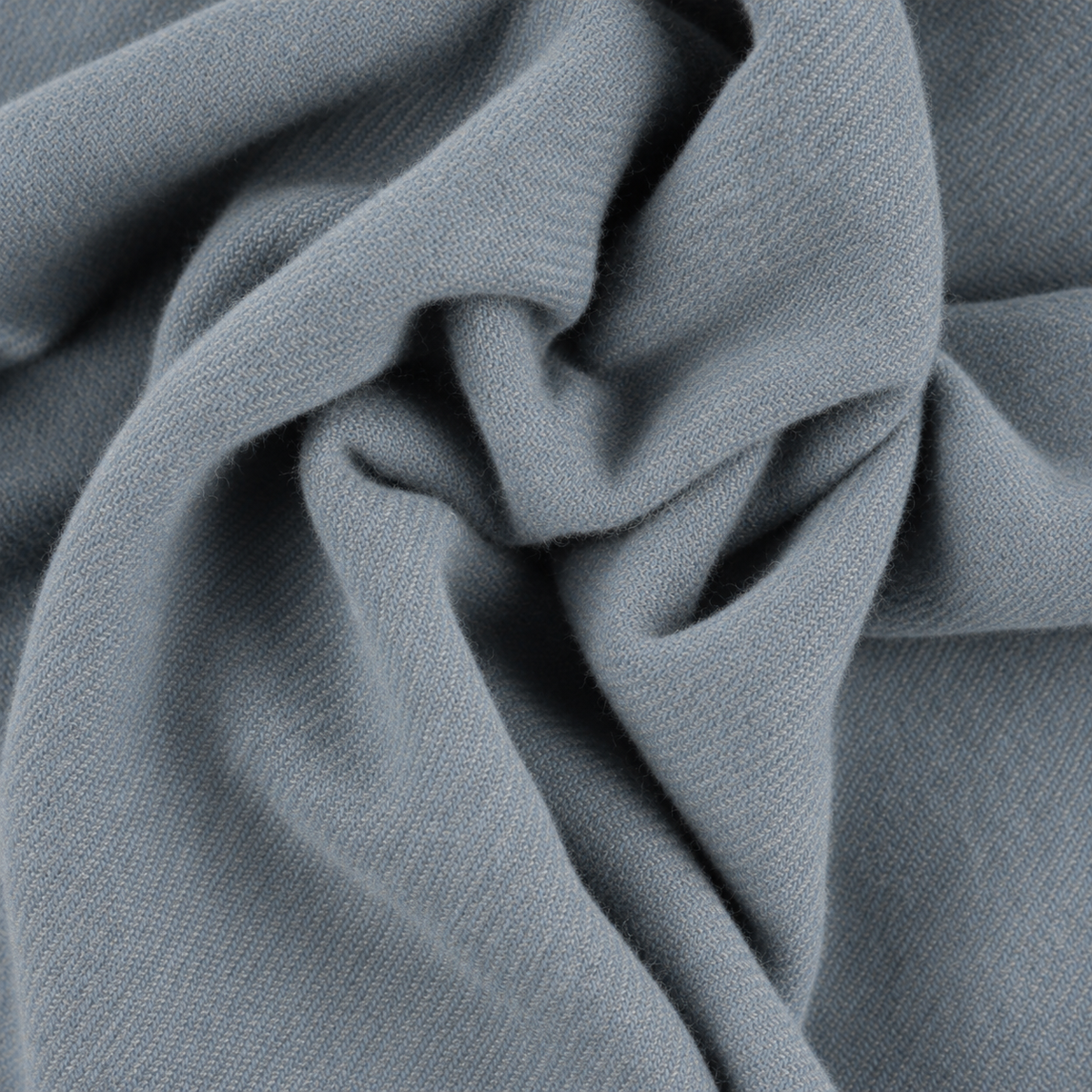
200×65 cm / 79×26 in
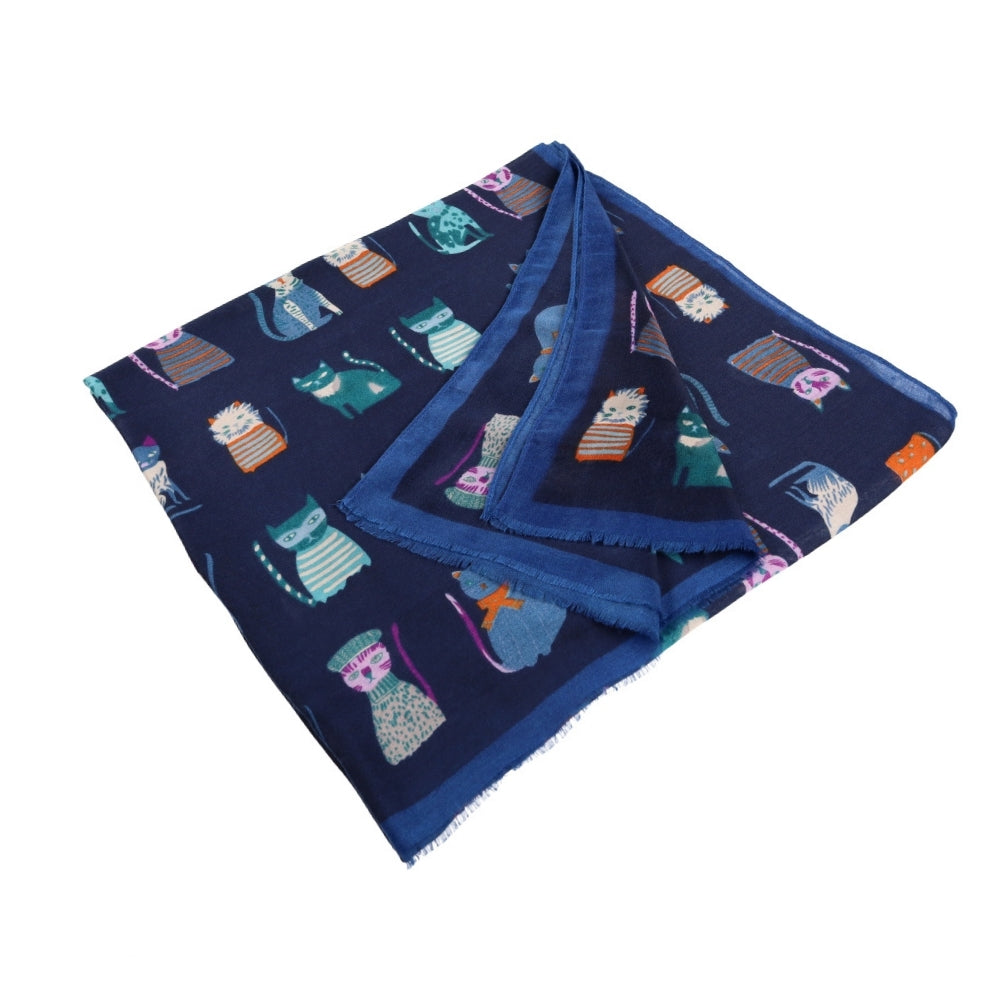
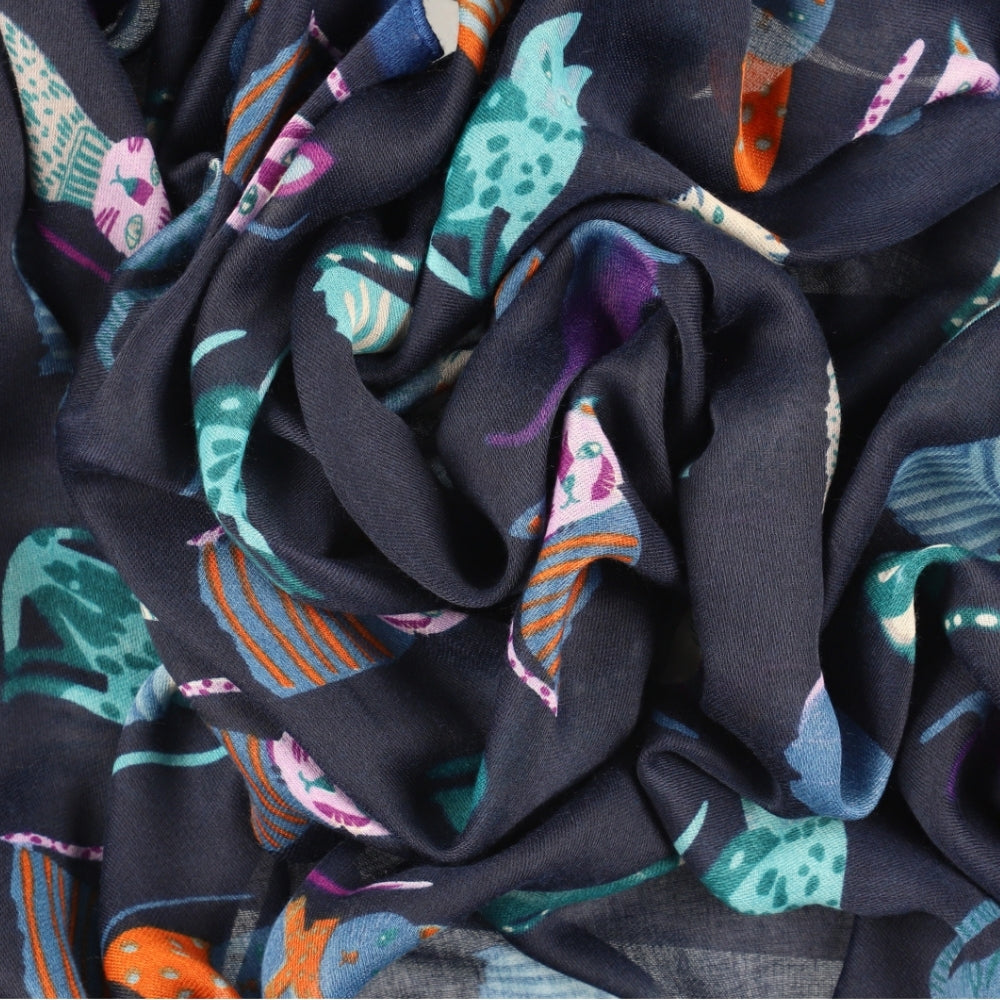
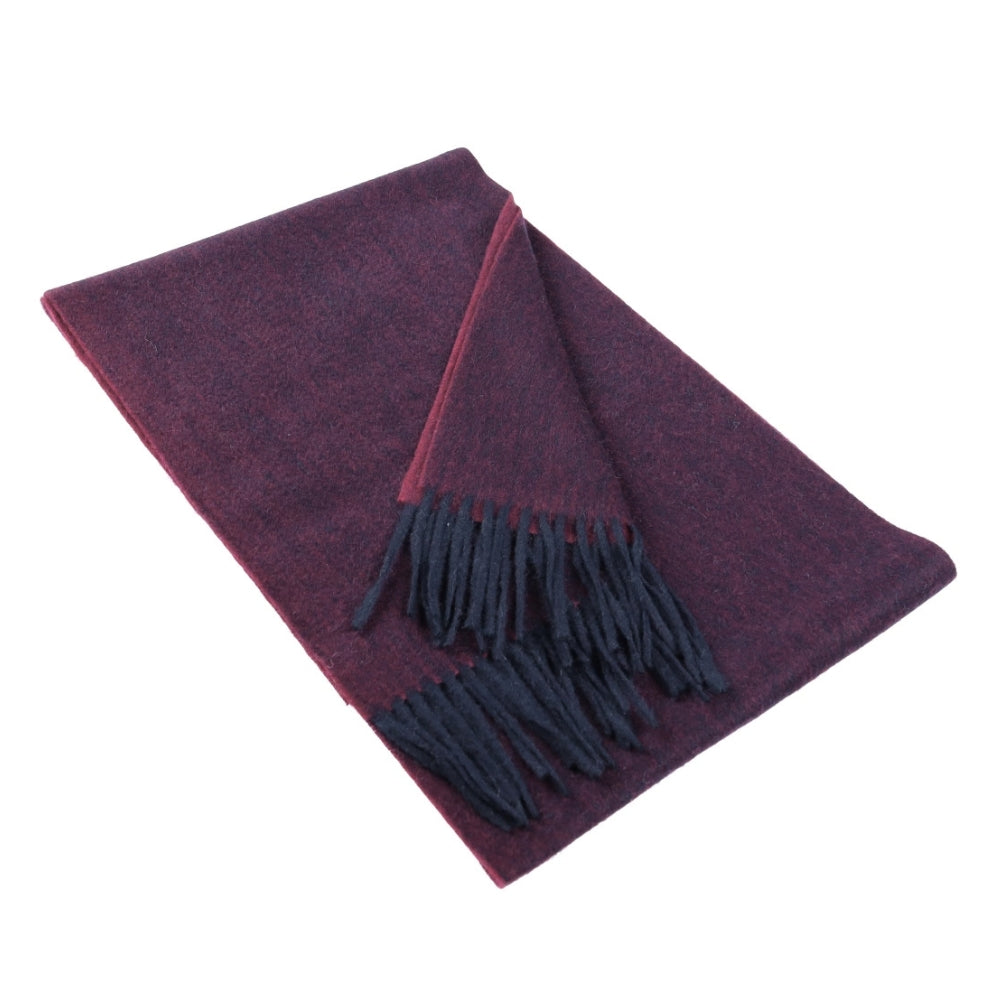

180×30 cm / 71×12 in


180×30 cm / 71×12 in
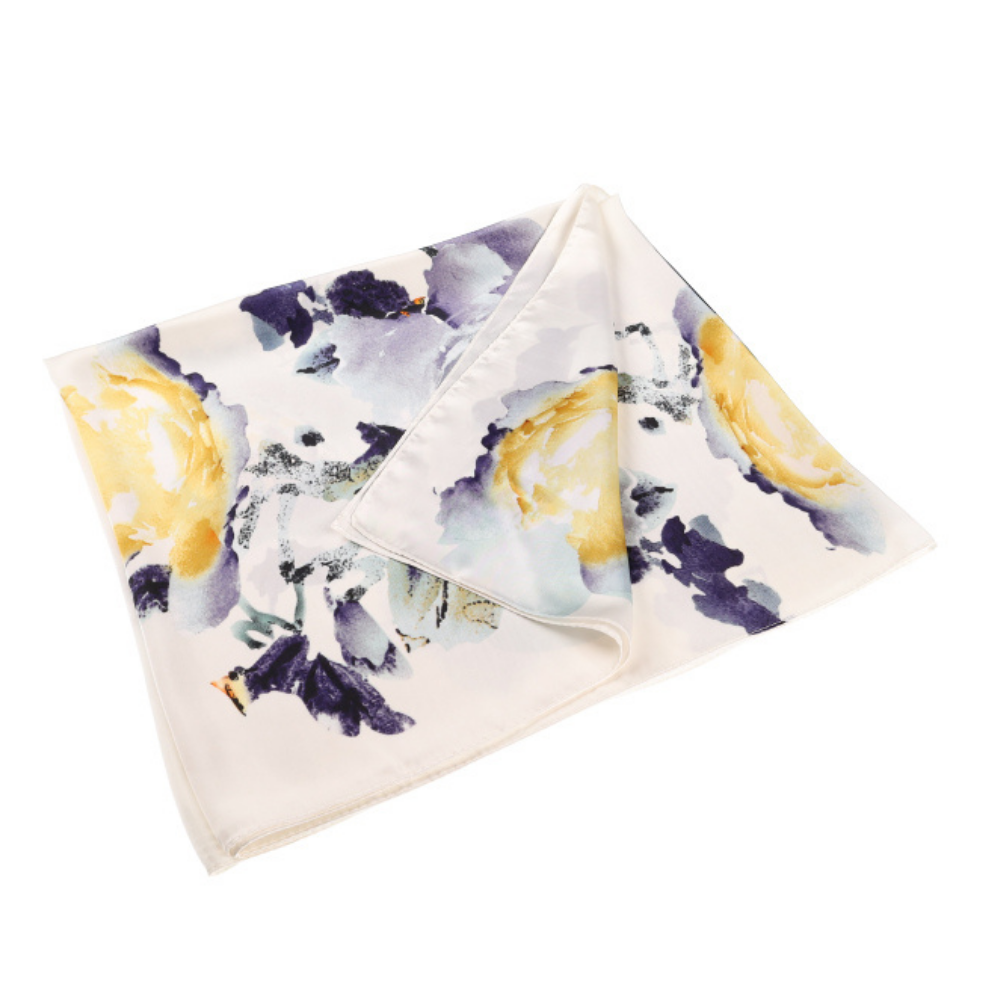
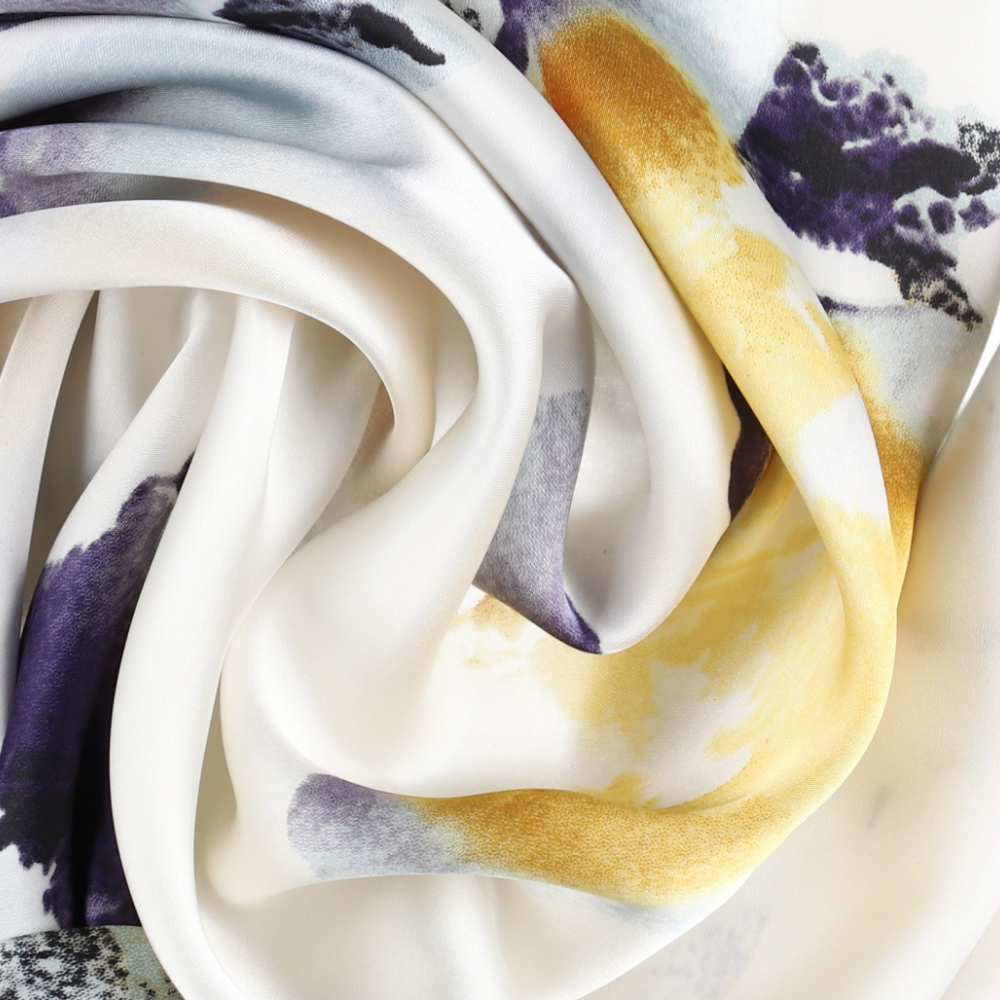
180×90 cm / 71×35 in
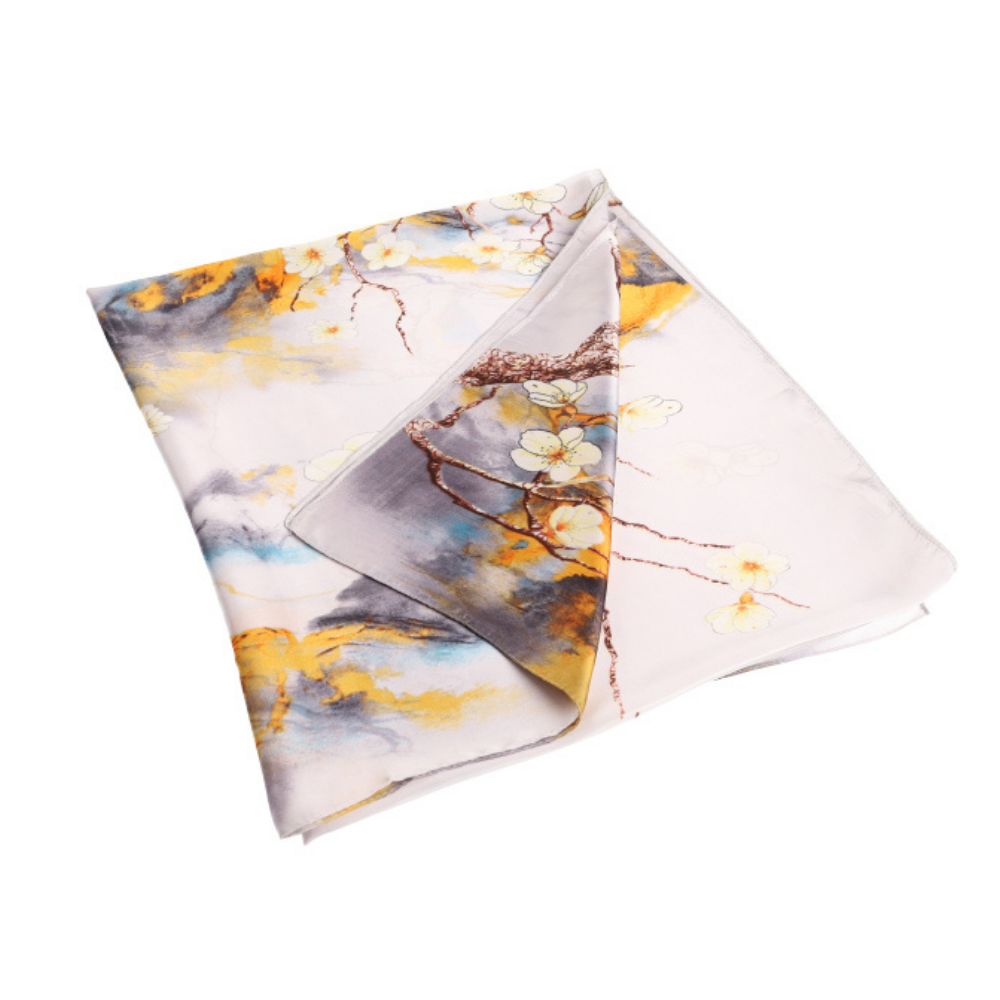
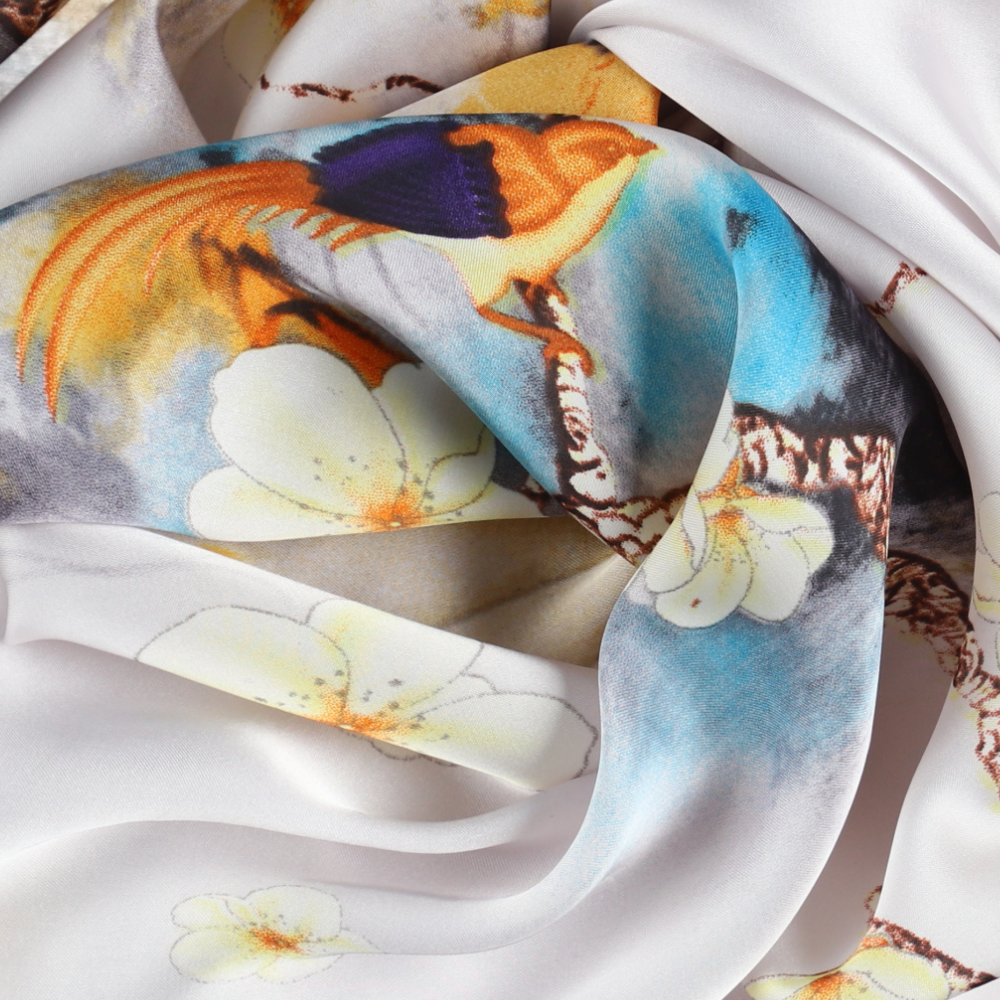
180×90 cm / 71×35 in
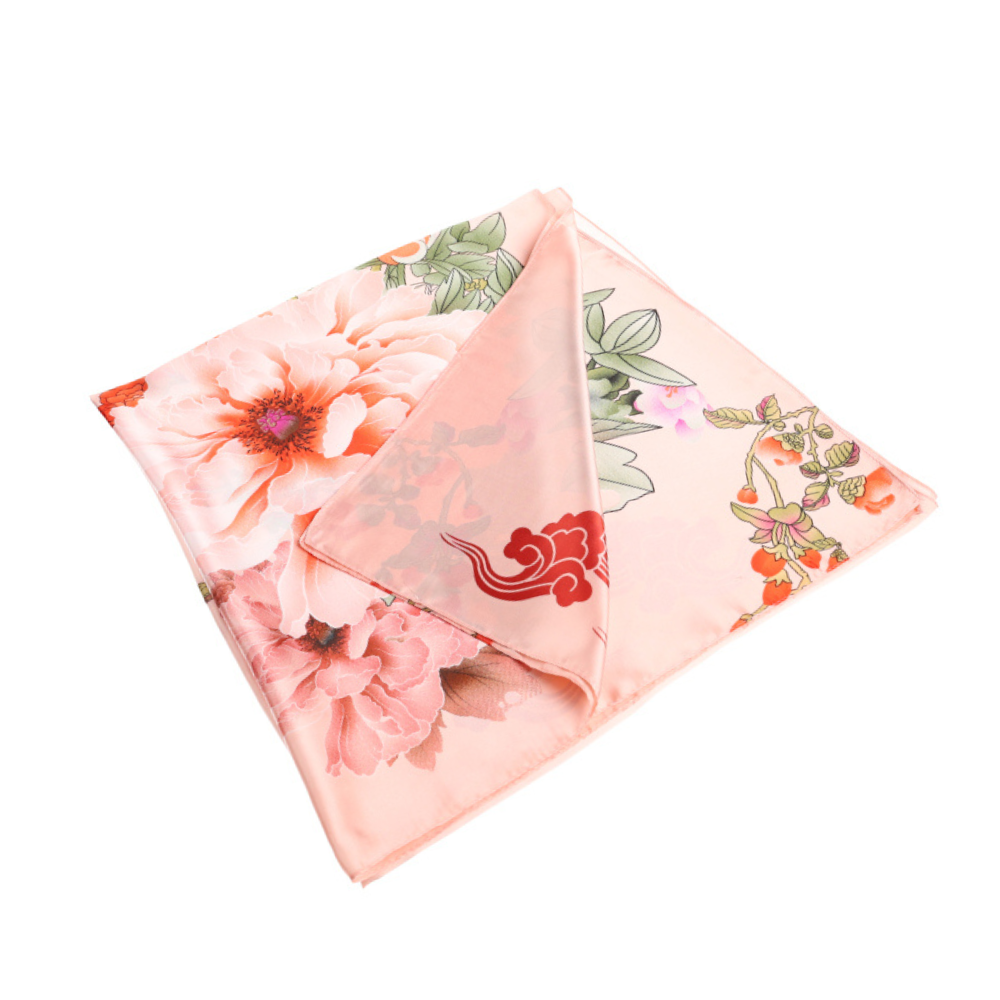
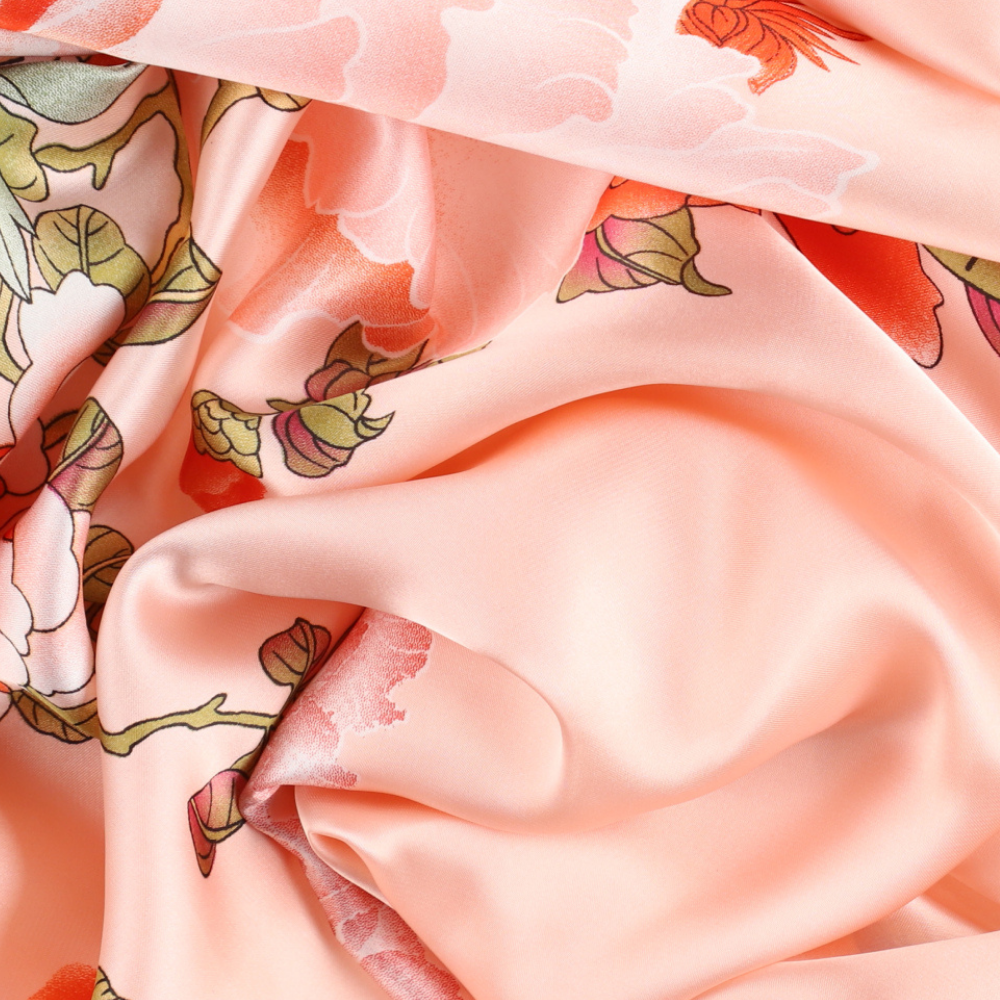
180×90 cm / 71×35 in
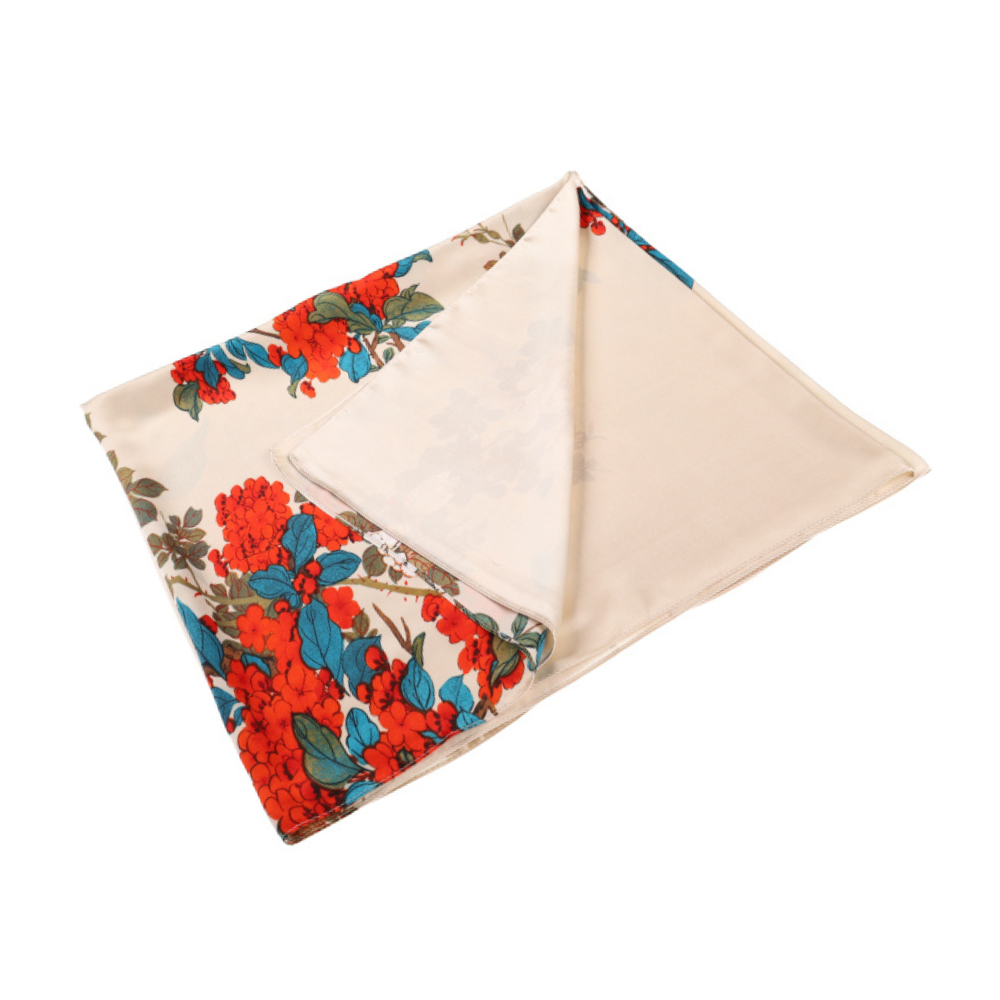
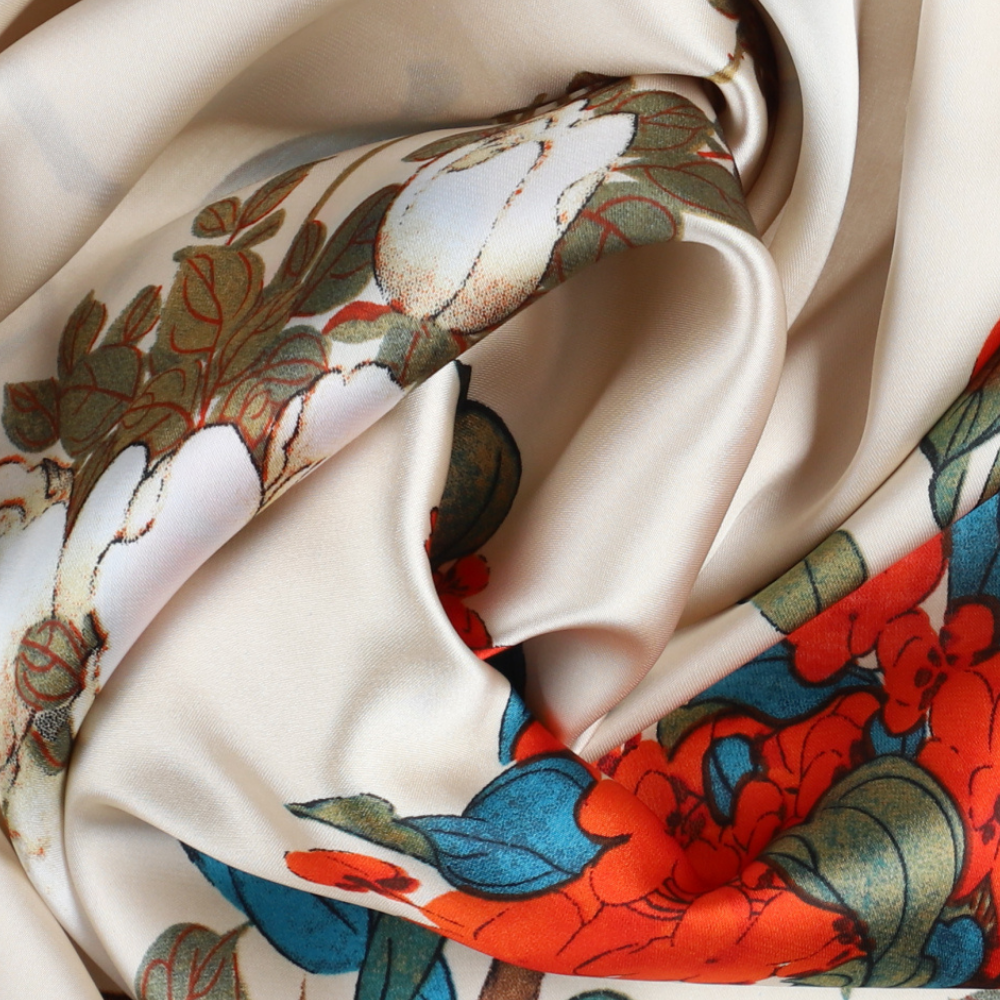
180×90 cm / 71×35 in
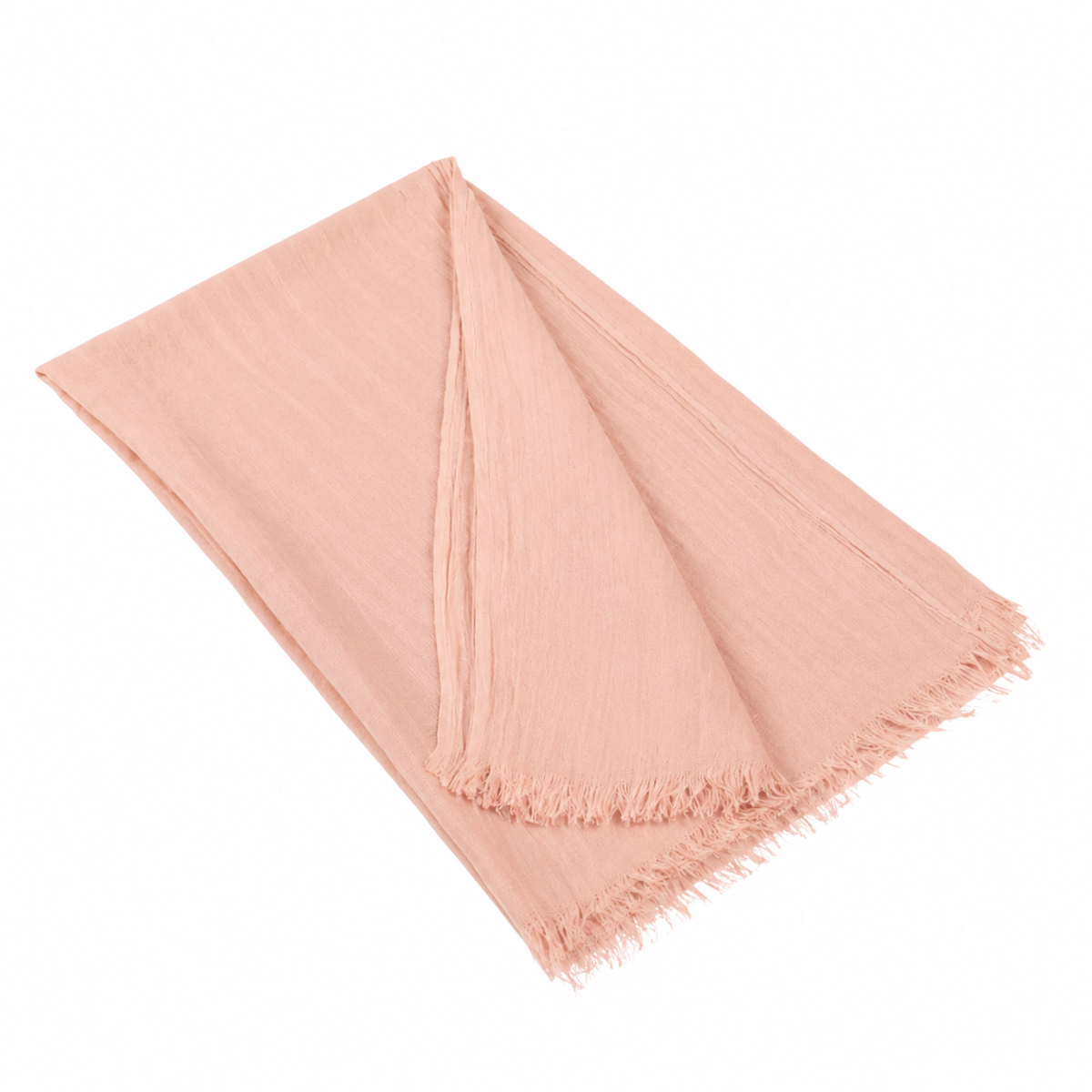
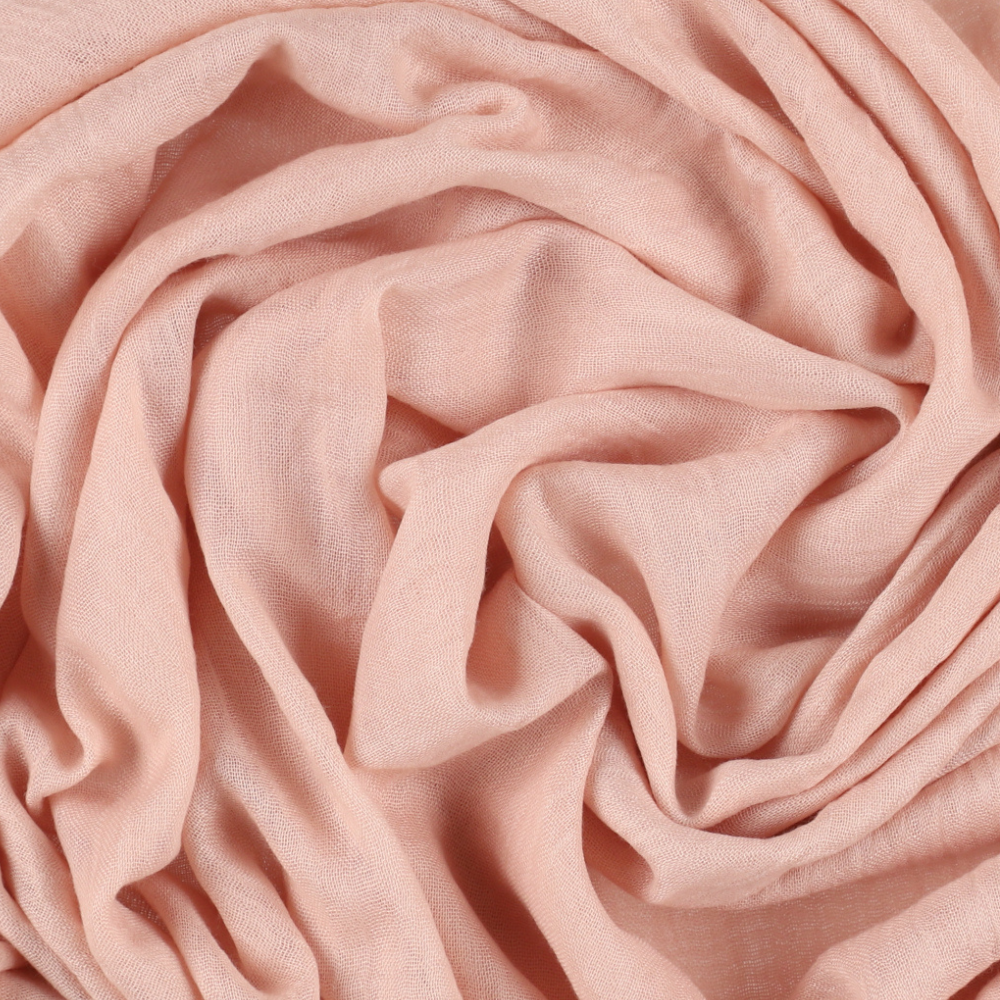
195×100 cm / 77×39 in
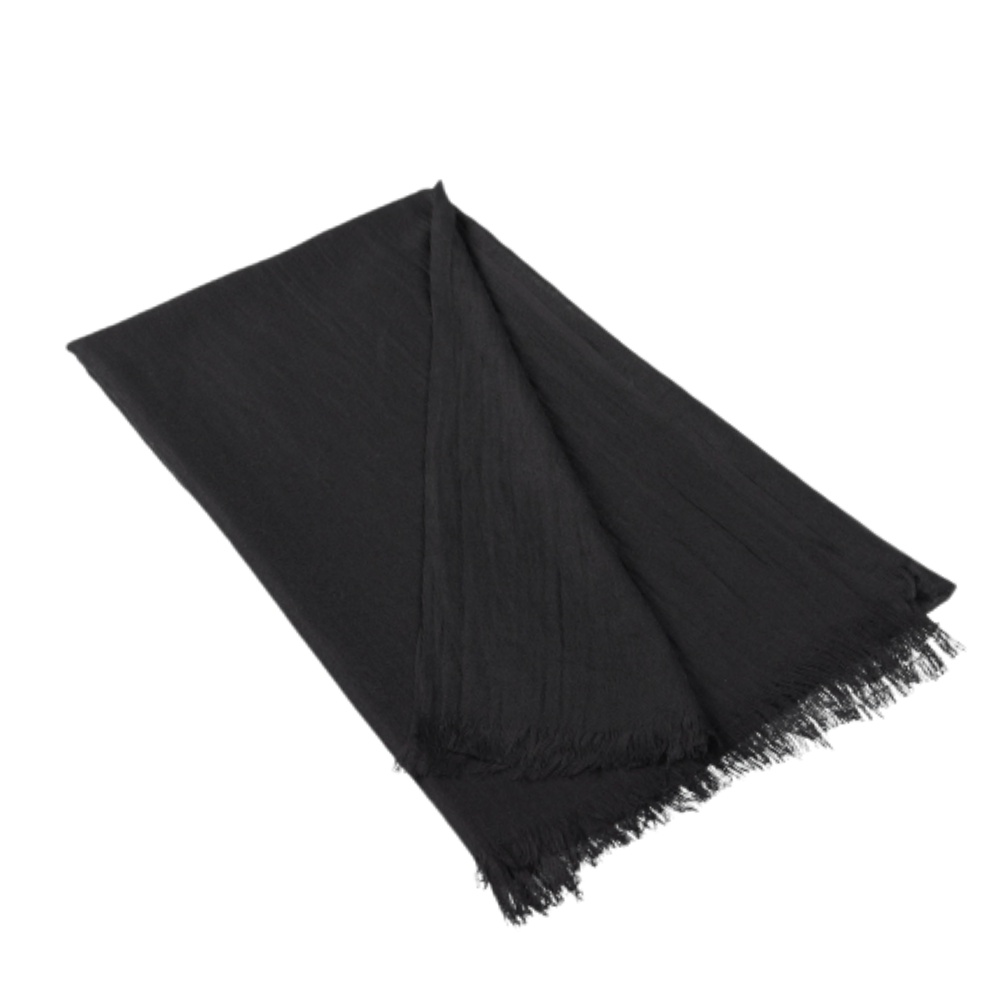
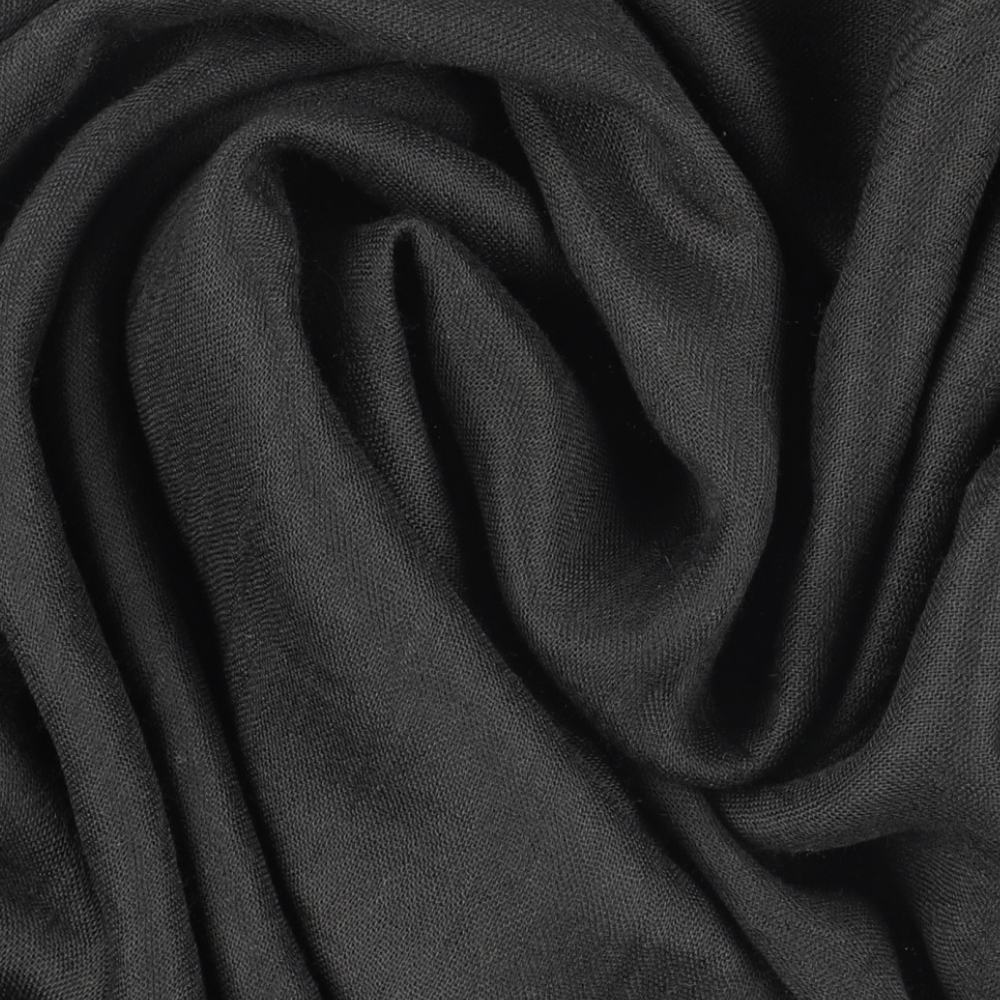
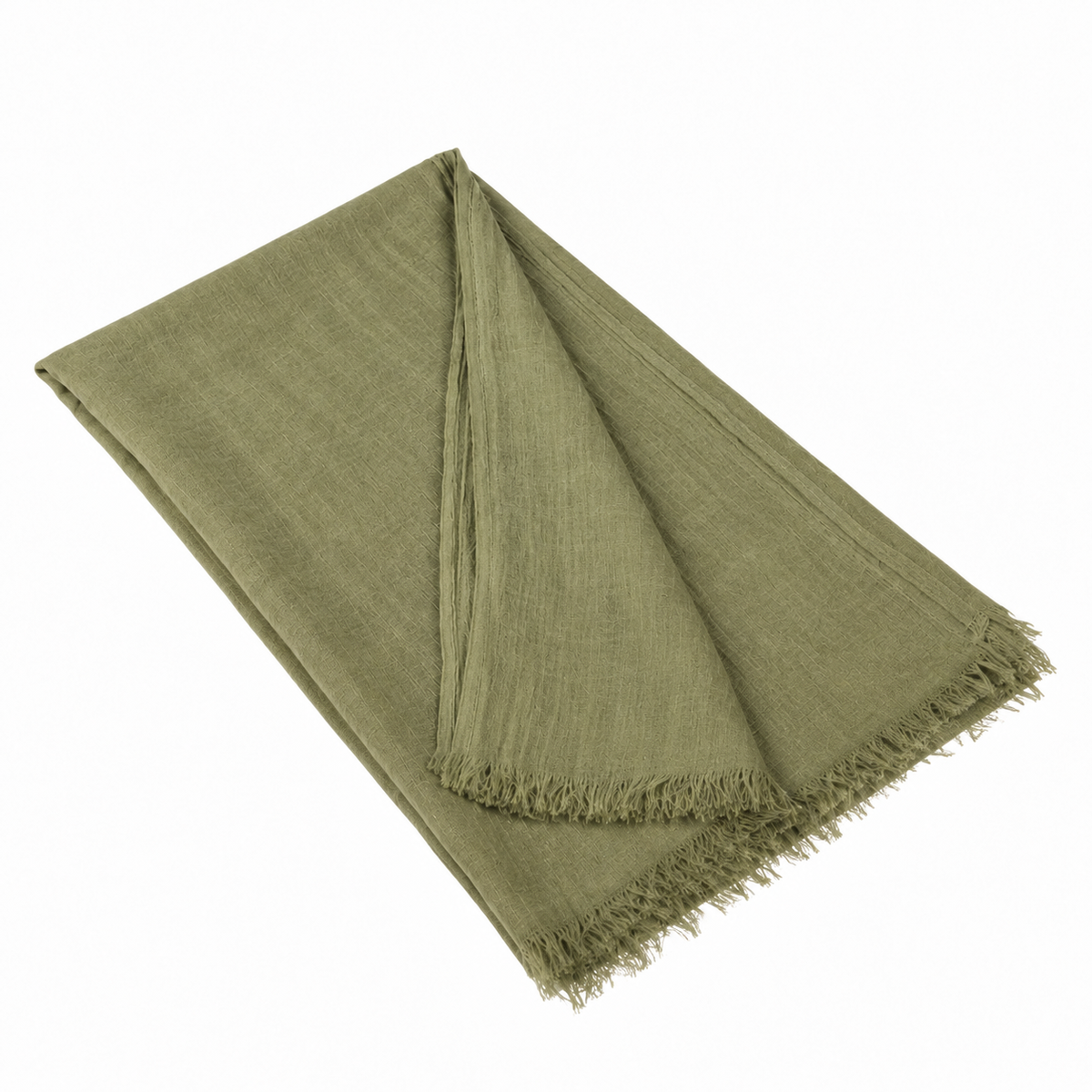
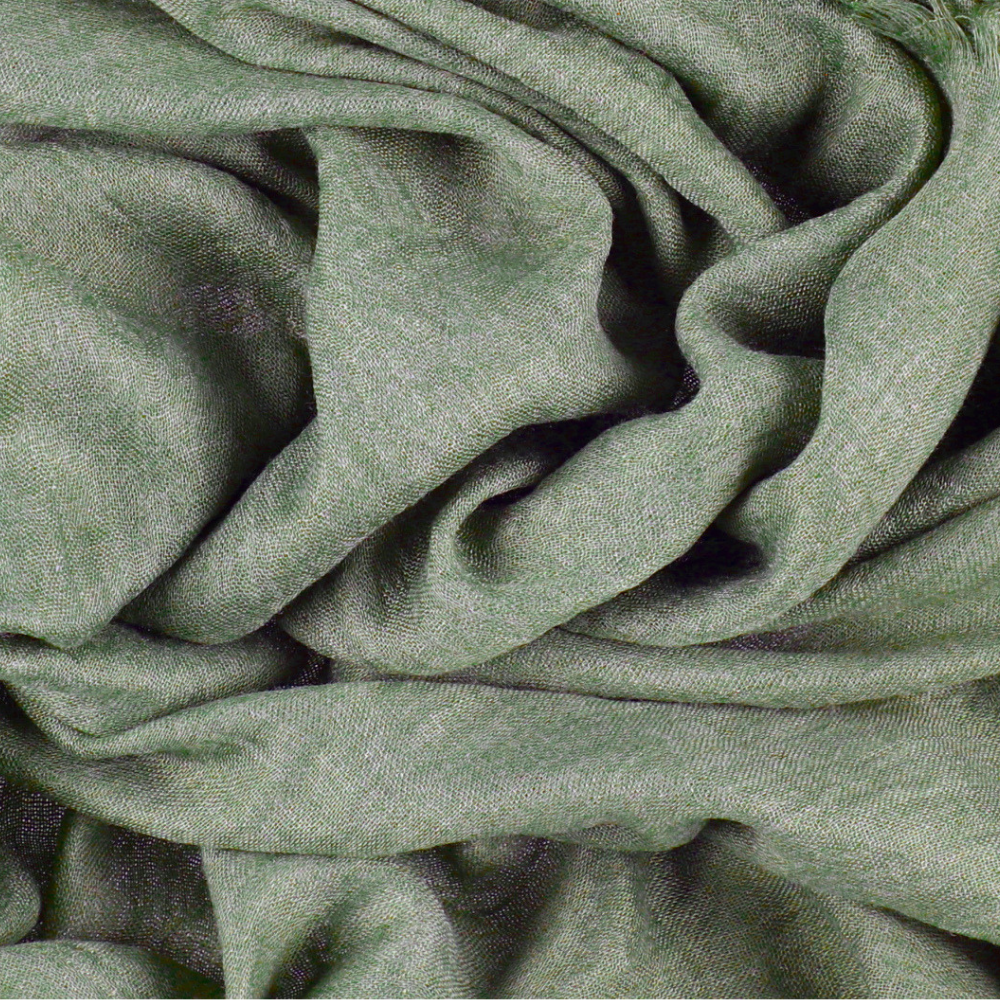
195×100 cm / 77×39 in
Wraps for Dresses: How to Choose the Right Cover-Up
Wraps for dresses: what you'll find in this guide
Choosing the right wrap for a dress means matching fabric weight, size and colour to a specific neckline, occasion and season. This guide covers the types of wraps for dresses you'll find in the UniqueYou collection, from sheer chiffon evening wraps to warm cashmere shawls, and explains how each one sits over different dress silhouettes. By the end you'll know which fabric, size and colour to choose so the wrap complements the dress rather than competing with it.
Types of wraps for dresses
Not every wrap behaves the same way over a dress. Shape, fabric and size determine whether a piece works with a slip dress, a lace evening gown or a structured knit dress.
Light evening wraps for cocktail and black-tie dresses
Chiffon and organza wraps are sheer enough to let the dress show through while softening a bare shoulder line. Chiffon, woven from high-twist crepe yarns at roughly 30 to 70 g/m², falls in fluid folds against the body. Organza sits at about 20 to 40 g/m² but uses low-twist filament yarns, so it holds a crisper, more sculpted shape. Chiffon and organza wraps are ideal for summer weddings and warm evenings, where warmth is unnecessary and the goal is a delicate veil of fabric over strappy cocktail dresses, satin slip dresses or sequinned gowns. Classic picks for evening wear include black, navy, silver and champagne; on bare shoulders these colours read as refined, and over a dress with sleeves they add a layer of texture without bulk.
Warm wraps for dresses on cooler days
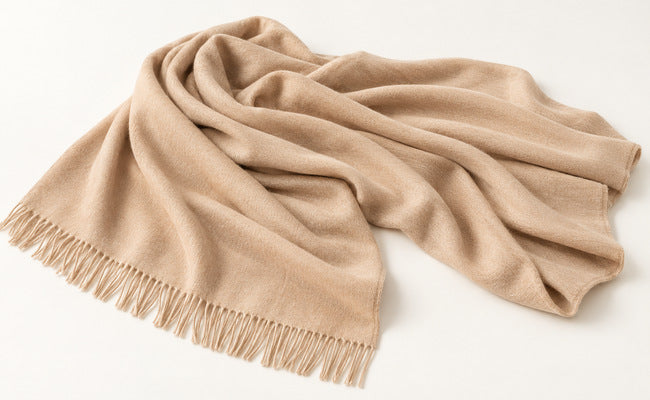
Wool, cashmere and wool-blend wraps keep you warm while still reading as dressy. Cashmere wraps provide warmth and elegance for evening wear; a high-quality cashmere fibre of 12 to 14 microns delivers softness that sits comfortably against bare skin. GSM determines how much insulation you get: 180 to 250 g/m² covers moderate climates and indoor venues; 250 to 350+ g/m² handles outdoor winter ceremonies. Wearing shawls in these weights can enhance style and add comfort during colder seasons, especially over long-sleeve knit dresses, midi sweater dresses or winter wedding guest outfits.
A standard stole of roughly 180 × 70 cm covers upper arms and back over a fitted dress. Elemento shawls, which measure 125 cm by 200 cm and are crafted from a blend of merino wool and cashmere, offer still more coverage for women who want the wrap to double as a throw during an outdoor reception.
Pashmina-style stoles for wedding and party dresses
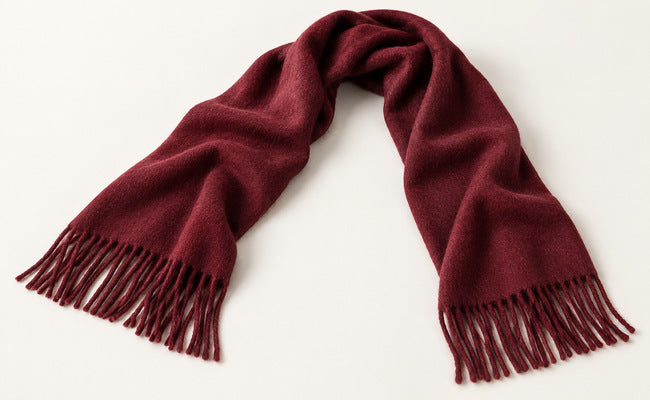
A rectangular stole is one of the most worn wrap shapes for wedding-guest dresses, bridesmaid dresses and simple sheath dresses. The term "pashmina" refers to the fibre (fine cashmere from Changthangi goats or similar breeds), not the size or shape; what matters is the actual dimensions and weight. A classic stole folded lengthwise over the shoulders creates a neat band of about 35 cm across the back; tied loosely in front or draped low over the arms, it changes the silhouette without hiding it.
Soft neutrals (ivory, blush, stone) pair with bridal and pastel dresses. Bolder tones, such as emerald or burgundy, accent plain navy or black dresses and give guests a way to add colour without changing the outfit.
Silk and satin wraps for special-occasion dresses
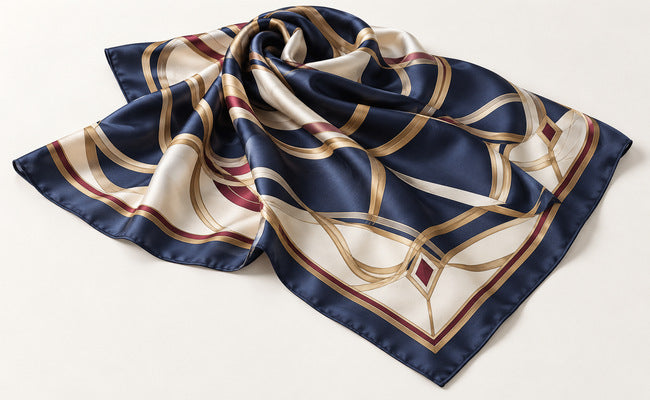
Silk or satin shawls complement formal evening gowns, even in colder weather, because the sheen catches light in a way that reads as occasion-appropriate. Satin is a weave, not a fibre: silk satin has deeper lustre; polyester satin mimics the effect at a lower price but breathes less. Both drape smoothly but tend to slide off shoulders, so a brooch or a textured dress fabric underneath helps the wrap stay in place.
These wraps are more about look and drape than warmth. They suit indoor events, summer evenings, galas and theatre. A silk wrap can either match the dress tone-on-tone or introduce a contrasting jewel-like colour; the glossy finish amplifies whatever shade you choose.
Patterned wraps to transform simple dresses
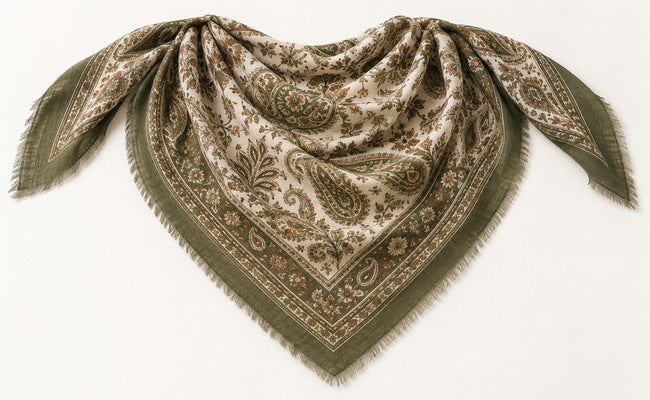
A floral, geometric or abstract-print wrap can change the character of a plain dress you already own. Choosing textures and colours of wraps can enhance overall outfit cohesion when you pick a shade that appears in the print; for example, a wrap in dusty rose that picks up one of the smaller tones in a multi-colour floral dress.
With a very ornate or embellished dress, a calmer, less busy wrap prevents the patterns from competing. Fringed edges add a casual or bohemian note; raised weave borders or jacquard textures lend richness without requiring a print.
What to look for in wraps for dresses
The right wrap depends on fabric weight, size, colour and how the piece sits against the dress neckline and back. These are the attributes worth checking before you purchase.
Fabric and seasonality
Lightweight fabrics such as chiffon, viscose and some silks suit spring and summer dresses and indoor events. Wool and cashmere wraps are better for autumn and winter outfits. UniqueYou offers products made from silk, cashmere, and wool; within a single category you'll find several fibres, so "wrap for dresses" doesn't mean one standard thickness. Lilly shawls, for example, are made from 100% baby alpaca wool, which insulates without the bulk of sheep's wool. Liberty shawls feature 100% baby alpaca wool and 100% silk, combining warmth with a subtle sheen.
Check composition on the product page, because warmth and drape depend on the exact fibre blend and weave, not on the category name alone.
Size and coverage over the dress
Standard dimensions for dress wraps fall into three broad groups. A stole of about 180 × 70 cm covers shoulders and upper arms without overwhelming a fitted silhouette. A 70 cm stole offers a narrower drape than a 90 cm wrap; that wider option provides more fabric for coverage and can be folded or bunched for different looks. Oversized shawls (120 × 250 cm and above) give generous drape but may hide a waistline or fitted bodice.
Before buying, consider how far the wrap should fall relative to the dress waistline and skirt volume. A long wrap end hanging past the hip can elongate a silhouette; one that stops at the waist keeps the eye on the dress.
Colour: matching, toning and contrast
Three strategies work consistently. Same-colour matching (navy wrap with navy dress) creates a streamlined, monochromatic look. Close tones (dusty rose wrap with burgundy dress) add depth without disruption. Deliberate contrast (emerald wrap with black dress) makes the wrap the focal point. Match the wrap's colour to your outfit for a cohesive look, or pick one element to coordinate with: shoes, clutch or jewellery, rather than all at once.
UniqueYou's selection includes both calm neutrals and stronger colours, so the reader can decide whether the dress or the wrap carries the visual weight.
Finish and detailing
Fringing, subtle sheen, matte weave and delicate border prints each change how the wrap reads next to a particular dress fabric. A matte cashmere wrap with simple edges will not compete with a lace bodice; a glossy silk wrap with an embroidered border will. For heavily embellished or lace dresses, simpler edges and discrete patterns keep the outfit balanced. For minimalist dresses, richer textures or a patterned wrap add the interest the dress omits.
The visible detail also depends on how you fold the wrap: a broad drape shows borders and fringe; a narrow band across the shoulders hides them.
Comfort and ease of wearing
Light wraps can add elegance without hiding dress details, but very slippery fabrics (silk satin, polished viscose) slide off bare shoulders unless secured with a pin or knot. Consider your neckline when choosing a wrap: strapless dresses need a wider wrap that can be pulled higher, while crew-neck dresses hold a draped wrap in place more naturally.
Some women prefer slightly textured weaves because they grip the dress fabric and stay put without continuous adjustment. Before the event, try a few simple arrangements in front of a mirror, especially with airy or slippery materials.
How to choose the right wrap for your dress
Pairing wraps with dresses depends on occasion, dress silhouette, and the look desired. These criteria narrow the options fast:
Neckline and back of the dress – Strapless and spaghetti-strap dresses work well with wider wraps (90 cm or more) that can be pulled higher on the shoulders. Choose a wrap based on sleeve style and dress back; dresses with interesting back detail look better with wraps worn lower or draped to one side, so the design stays visible.
Occasion and dress code – Sheer, lightweight organza or silk scarf wraps add a delicate touch to sundresses and summer wedding guest dresses. Faux-fur stoles add glamour for winter weddings and formal events. Structured blazers or cropped jackets create a modern editorial look for work events or gallery openings.
Temperature and venue – Outdoor time (church steps, garden photos, terrace) demands wraps with real warmth: wool, cashmere or baby alpaca at 200 g/m² or above. Indoor-only events can be covered by sheers or silks under 100 g/m².
Role at the event – Brides and main celebrants often want wraps close in tone to the dress; guests can safely choose stronger contrasts or printed wraps that double as a personal style statement.
How much attention you want on the dress – If the dress itself is the star, pick a calm, tone-matched wrap. If the base dress is simple and you'd like the accessory to stand out, a bolder colour or a patterned wrap shifts the focus. Choosing the right wrap can elevate your outfit from simple to finished.
Frequently Asked Questions about wraps for dresses
These are the questions UniqueYou customers ask most often when browsing wraps for dresses.
What size wrap works best over a sleeveless dress?
A classic rectangular wrap around 180 × 70 cm usually gives enough fabric to cover shoulders and upper arms without overwhelming the dress. A 70 cm stole provides a narrower drape, which suits petite frames and fitted silhouettes. A 90 cm wrap provides more fabric for coverage and works better over broader shoulders or when you want the wrap to stay in place without constant readjustment. Smaller scarves can add colour at the neckline but won't function as a cover-up, and very large blanket wraps may hide a fitted silhouette entirely.
Which wrap fabrics are suitable for a summer wedding dress or guest dress?
Silk, viscose and other airy weaves that don't add bulk work best for warm-weather weddings. Lightweight organza or silk scarf wraps add a delicate touch to sundresses and bare-shoulder guest dresses. Semi-sheer options in chiffon (30 to 70 g/m²) soften a bare shoulder line without providing real warmth, which is the point in summer.
How do I choose the colour of a wrap for a patterned dress?
Pick a wrap in one of the smaller or quieter tones appearing in the dress pattern. For instance, if a floral dress features coral, cream and sage, a sage wrap ties the outfit together without repeating the dominant coral. If the dress print is already expressive, a neutral wrap in beige, grey or soft ivory lets the pattern speak. Choosing textures and colours that echo one element of the dress keeps the overall look cohesive.
Can I wear the same wrap with different dresses?
A well-chosen neutral or favourite accent-colour wrap works with multiple dresses across seasons. A mid-range size (around 180 × 70 cm) in a versatile fabric such as fine merino-cashmere blend or baby alpaca can be worn as an evening cover-up over a cocktail dress and as a daytime shawl with jeans or a blazer. Draping methods can vary to enhance movement or create elegance with wraps, so the same piece looks different depending on how it is arranged.
How should I style a wrap so it doesn't hide the front of my dress?
Drape the wrap lower on the arms so it rests at the elbows, tie it loosely at the back, or wear it asymmetrically over one shoulder. Each position keeps the neckline and any decorative details of the dress visible. Practise in front of a mirror before the event to discover which arrangement works with the specific weight and size of your wrap.
Explore wraps for dresses at UniqueYou
Start from your actual dress: its colour, neckline and the occasion you're dressing for. Then browse the UniqueYou collection by fabric and shade; you can compare airy wraps for summer dresses with warmer shawls for autumn and winter outfits. Check product details, size and composition on individual pages to see how each wrap will sit over the dress you have in mind.
FINEST MATERIALS
Softness, comfort and attention to detail.

Express Delivery
Within 24 hours by courier to your home or a pickup point.

EASY RETURNS
Shop with confidence, with the option to return.

SECURE PAYMENTS
Choose your preferred payment method.