
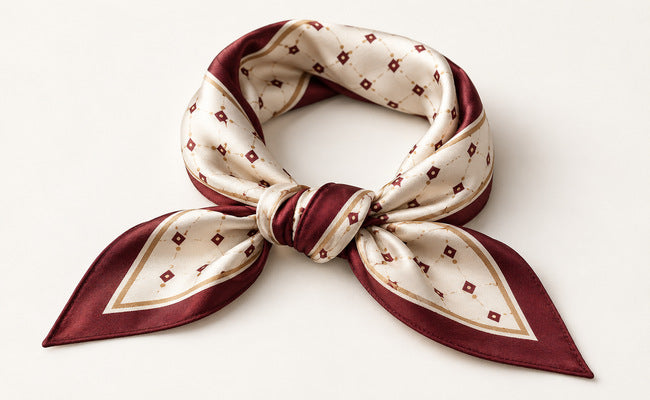

Lightweight scarves
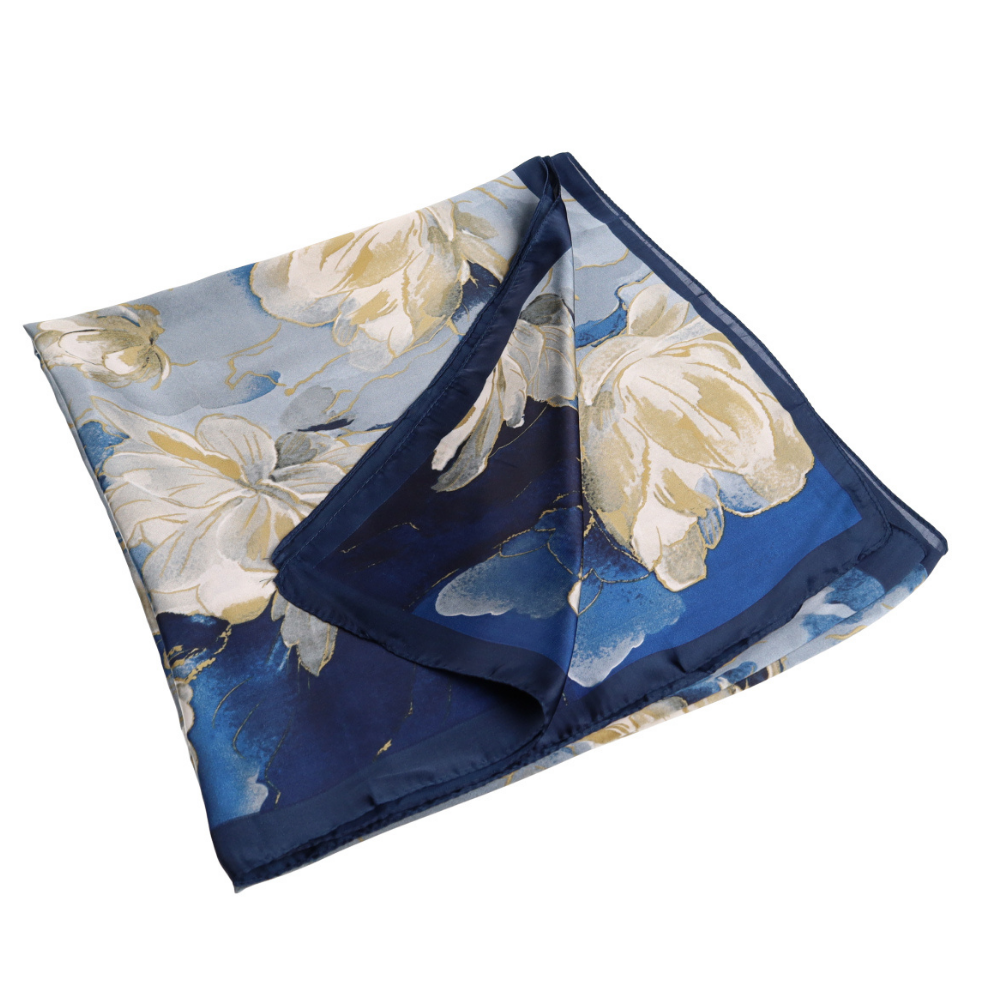
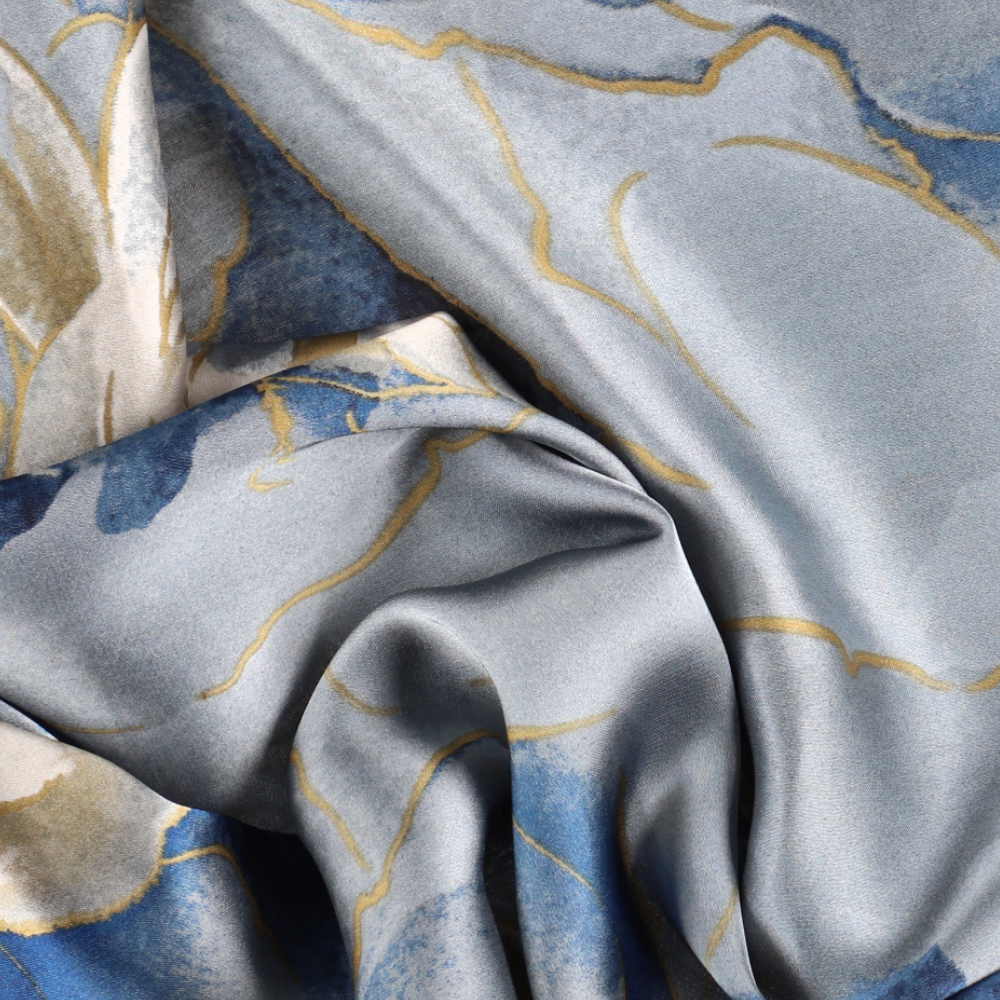
180×90 cm / 71×35 in
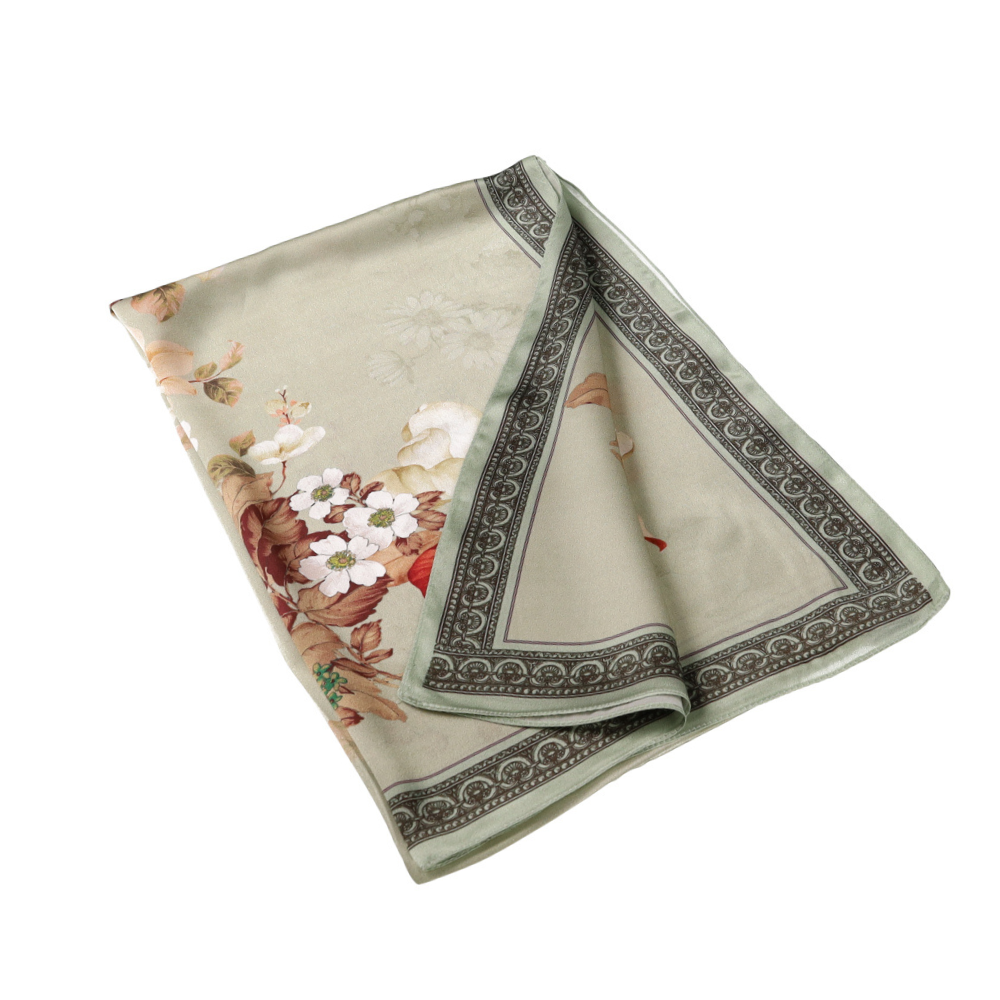
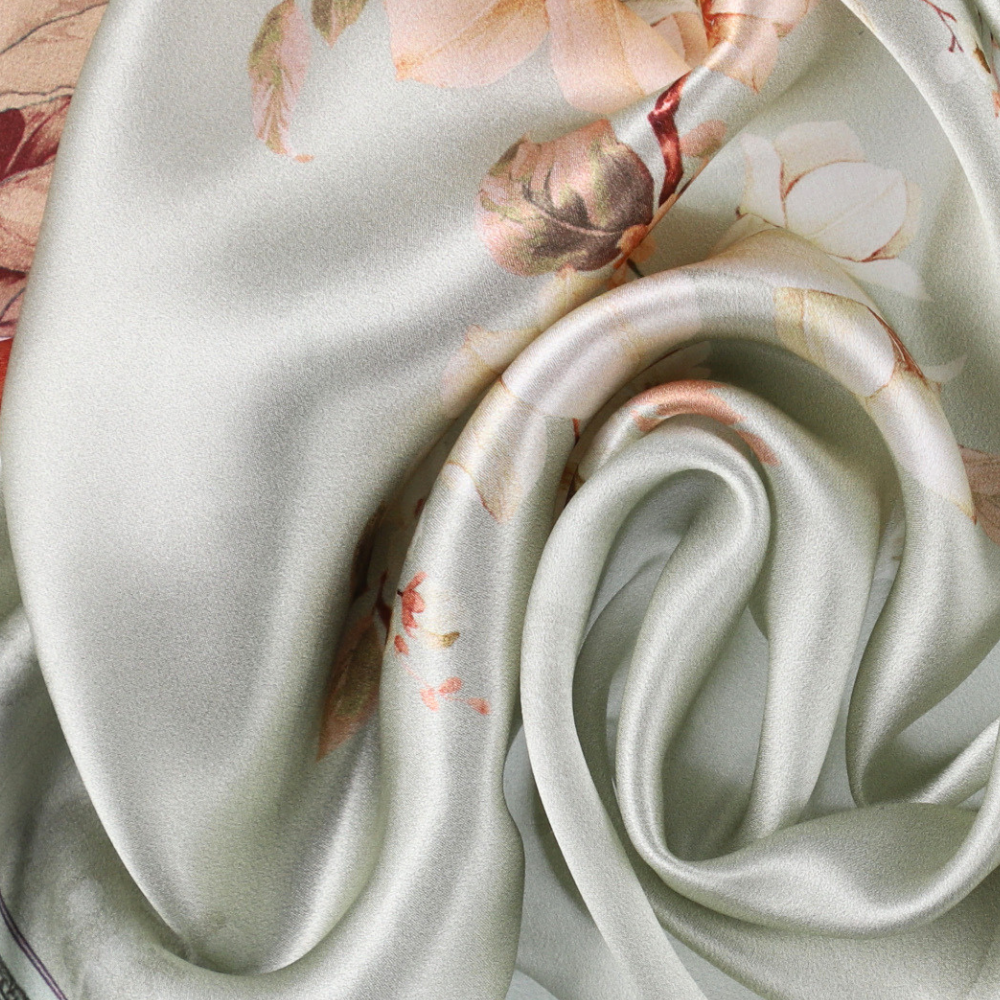
170×53 cm / 67×21 in
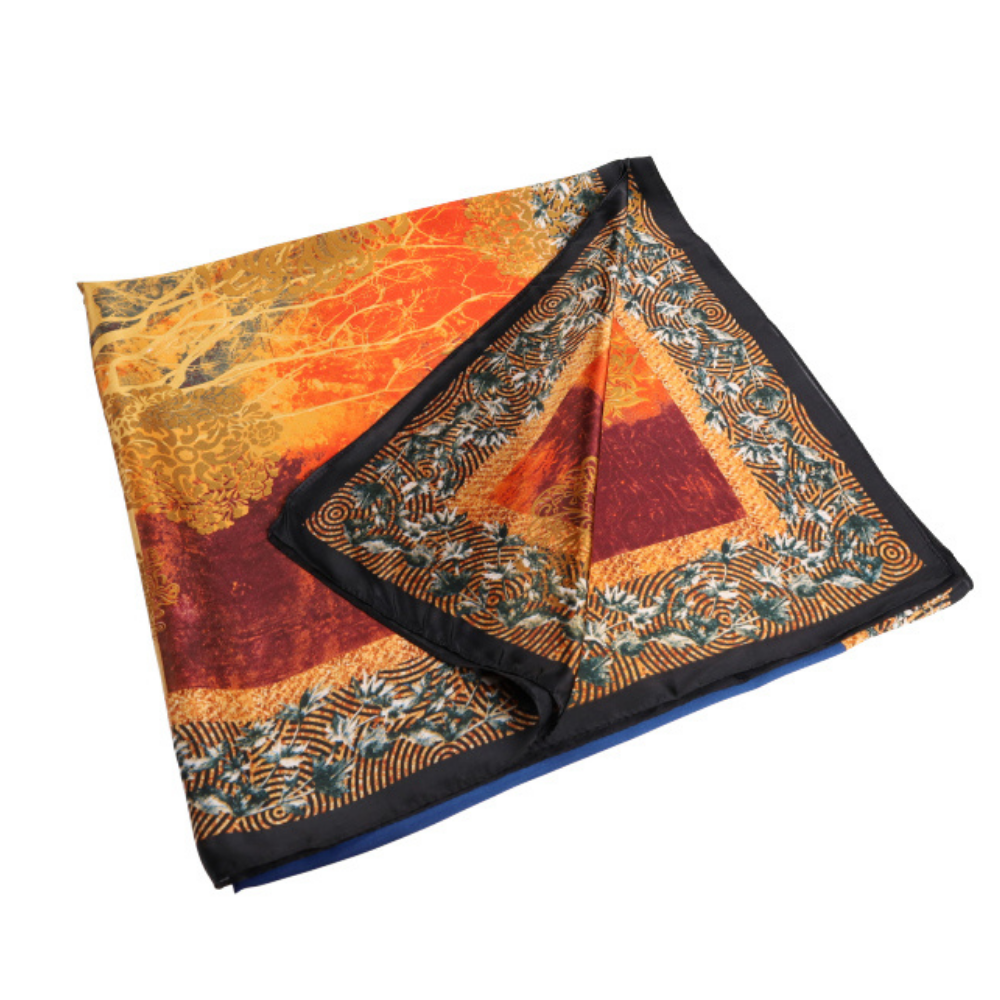
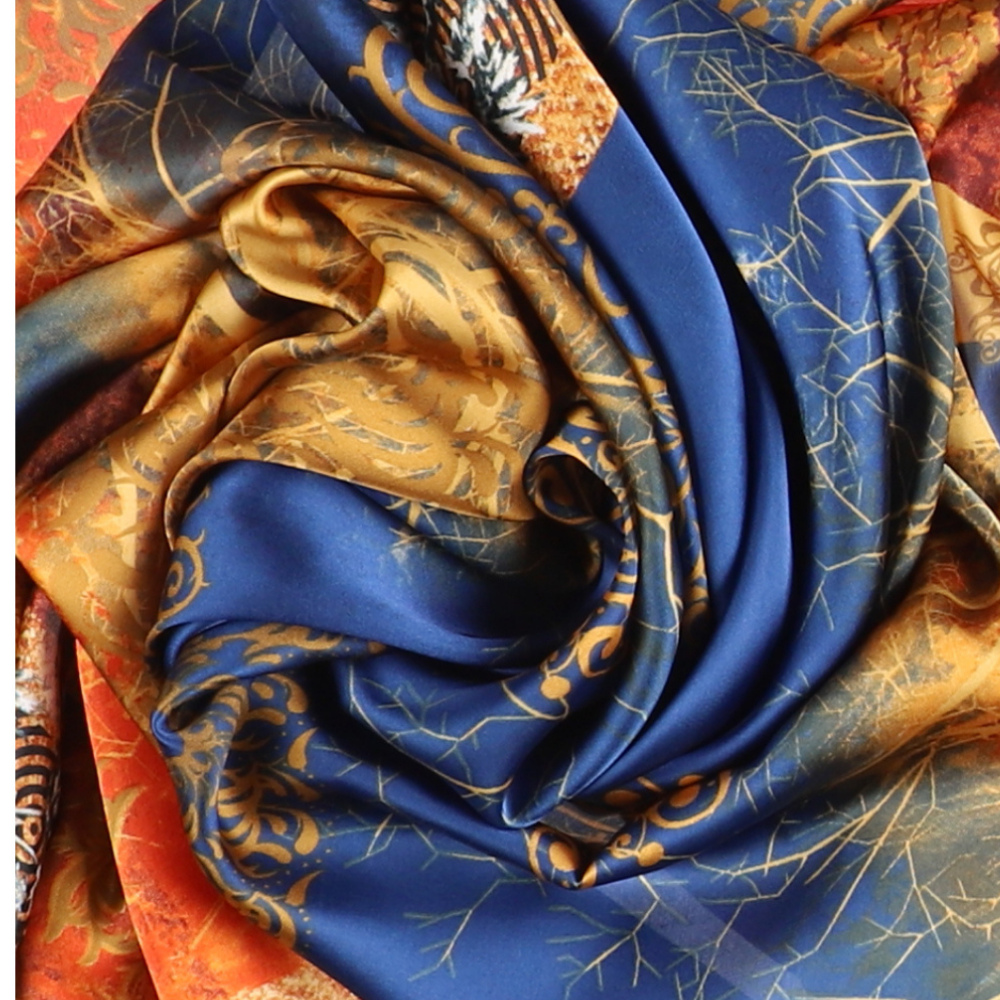
180×90 cm / 71×35 in
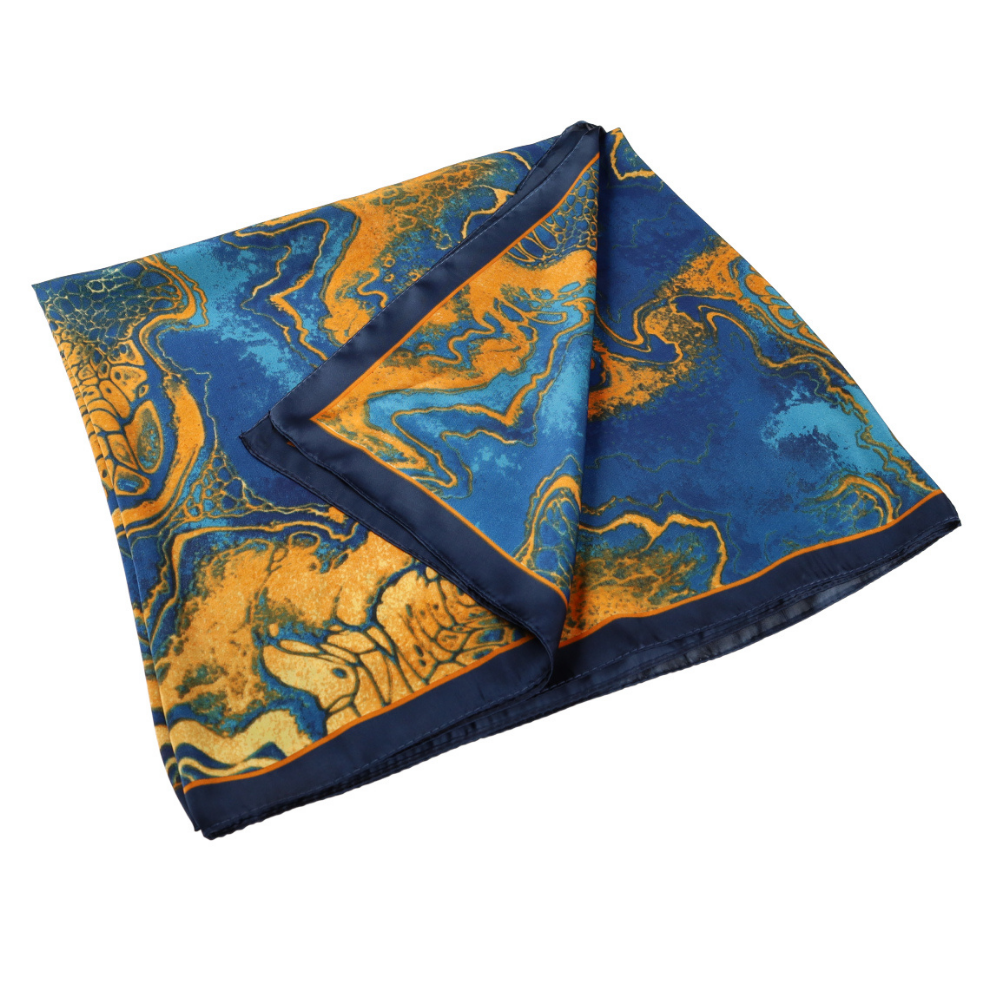
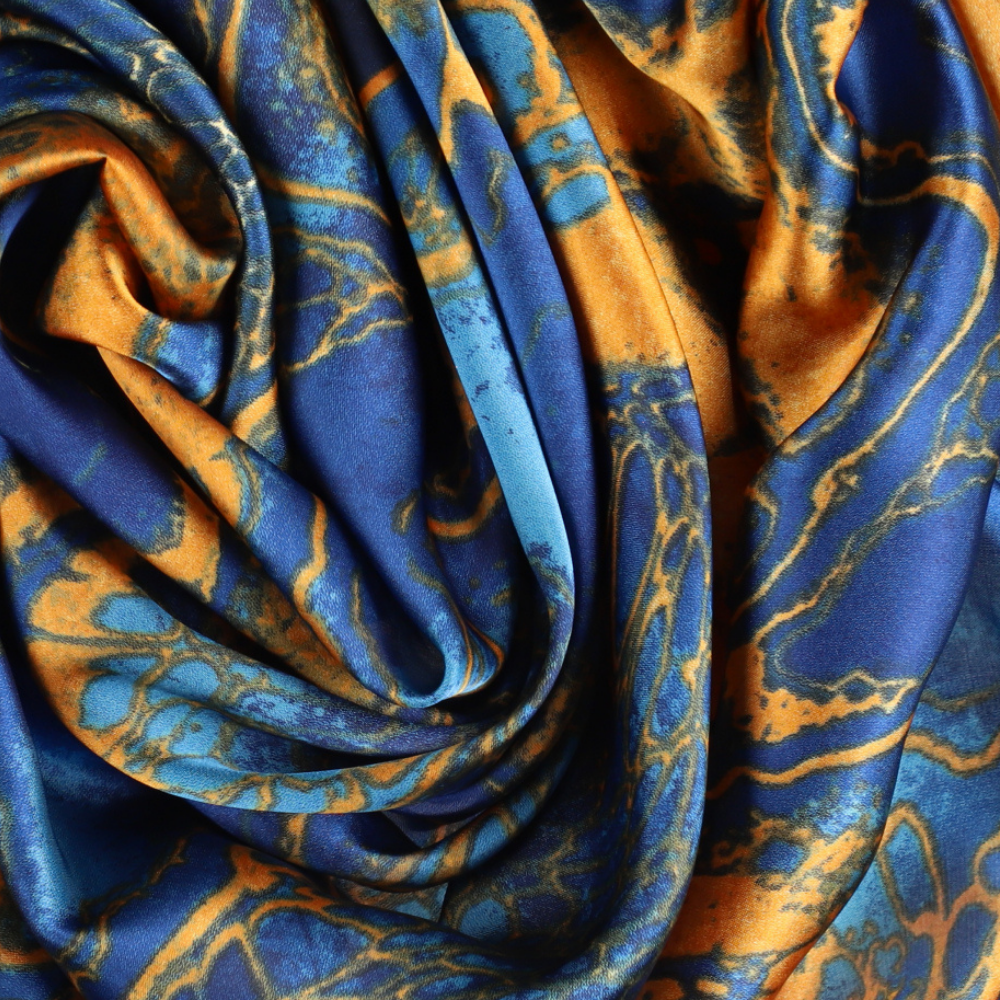
180×90 cm / 71×35 in
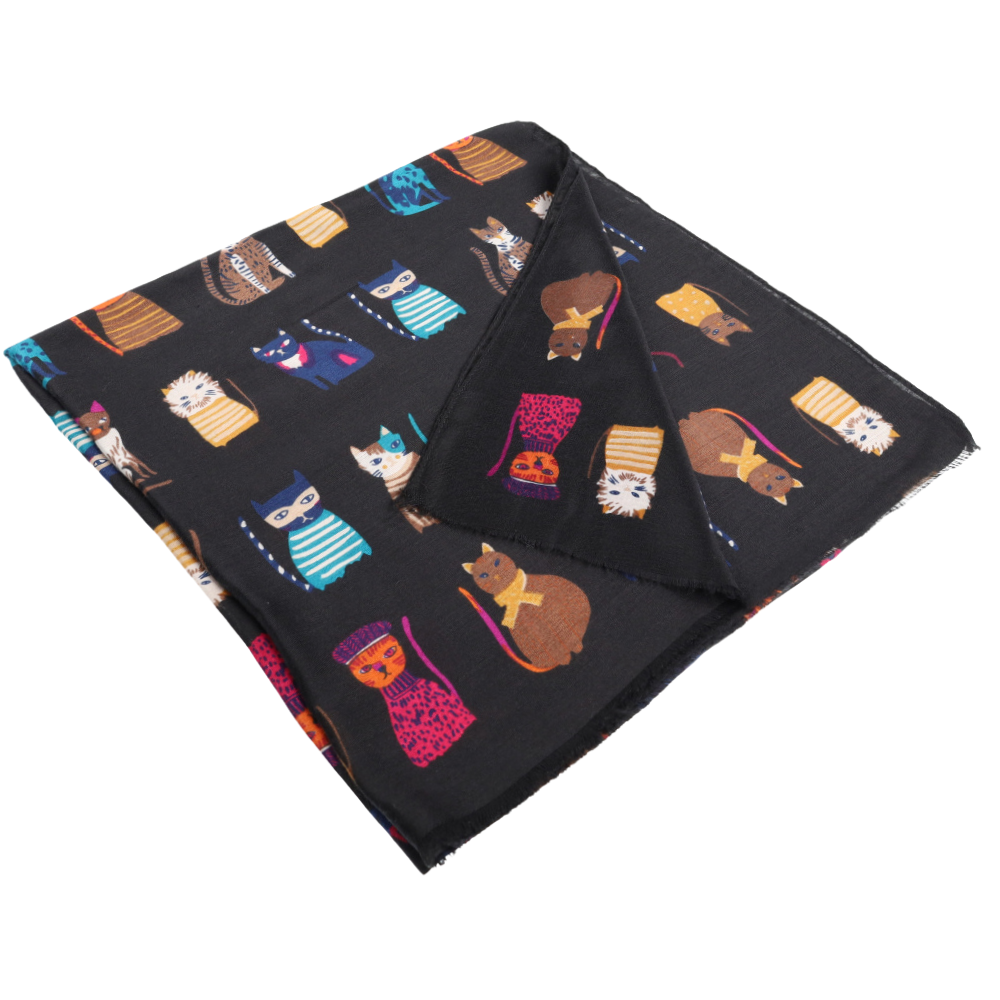
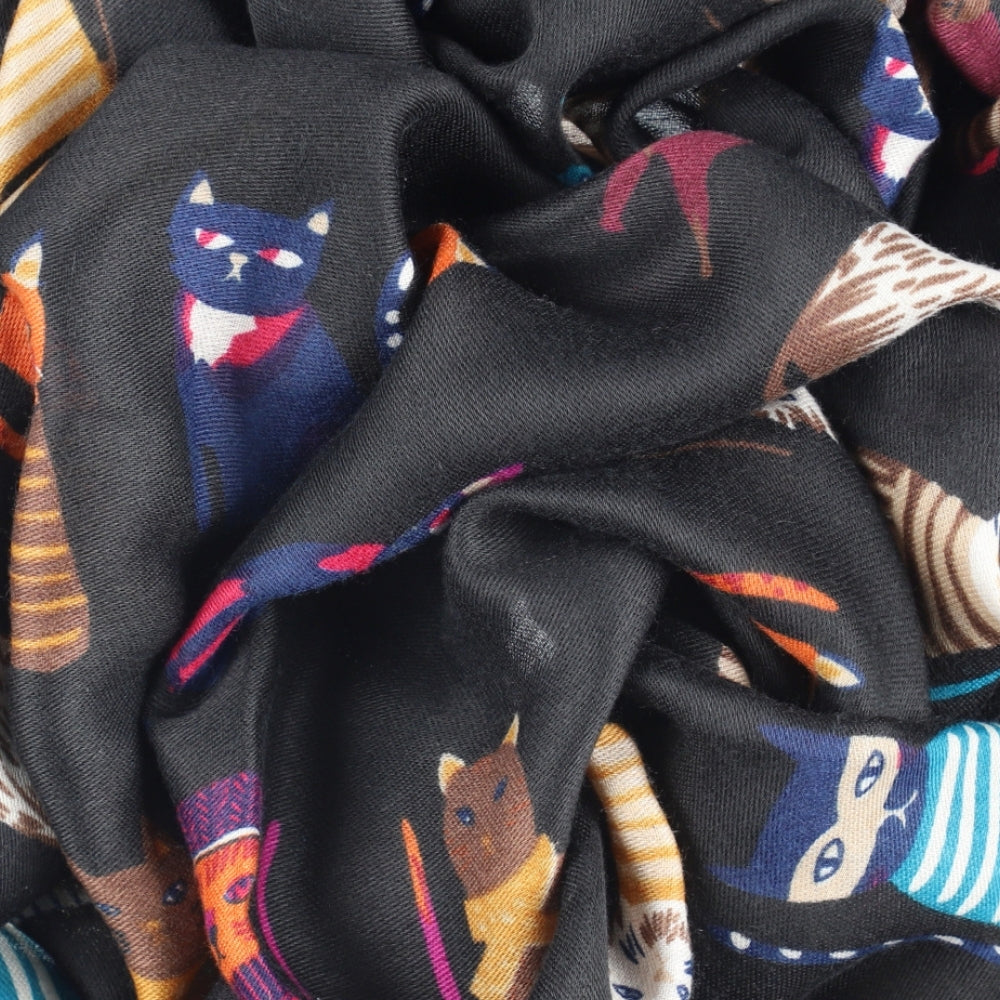
180×80 cm / 71×32 in
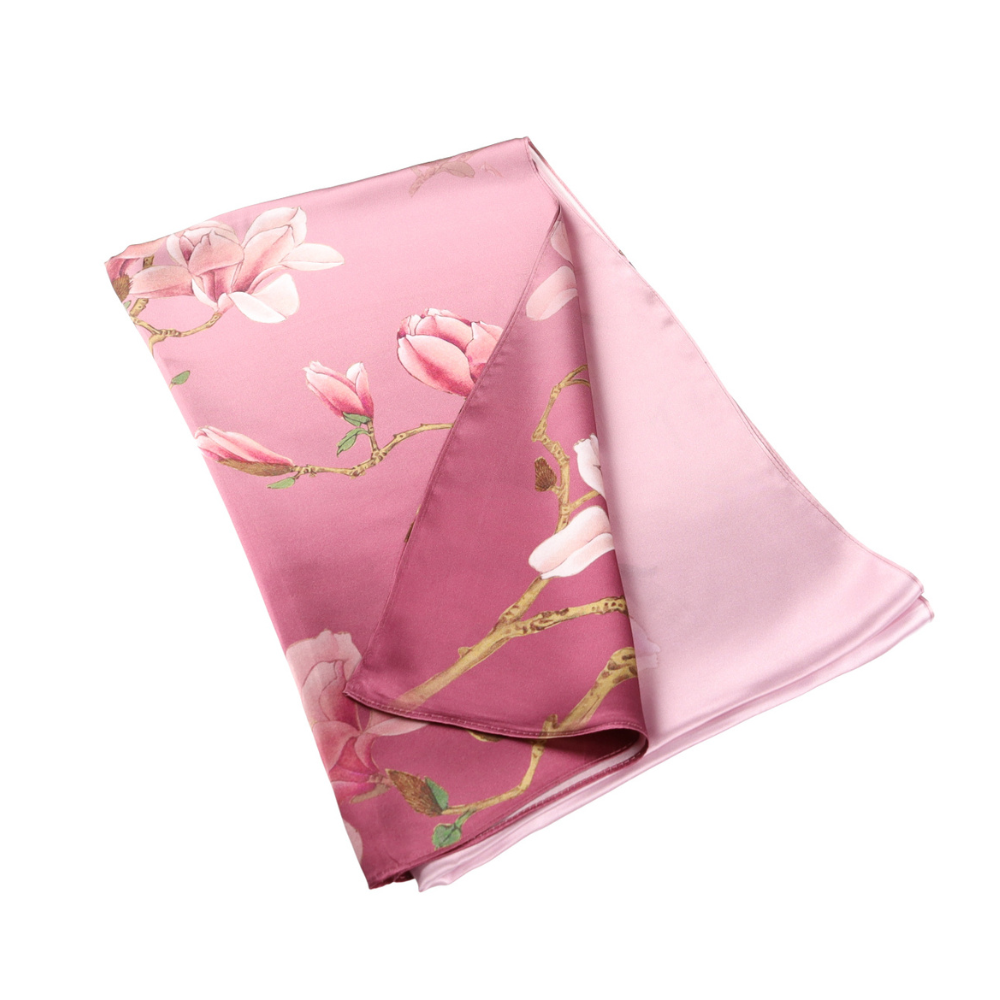
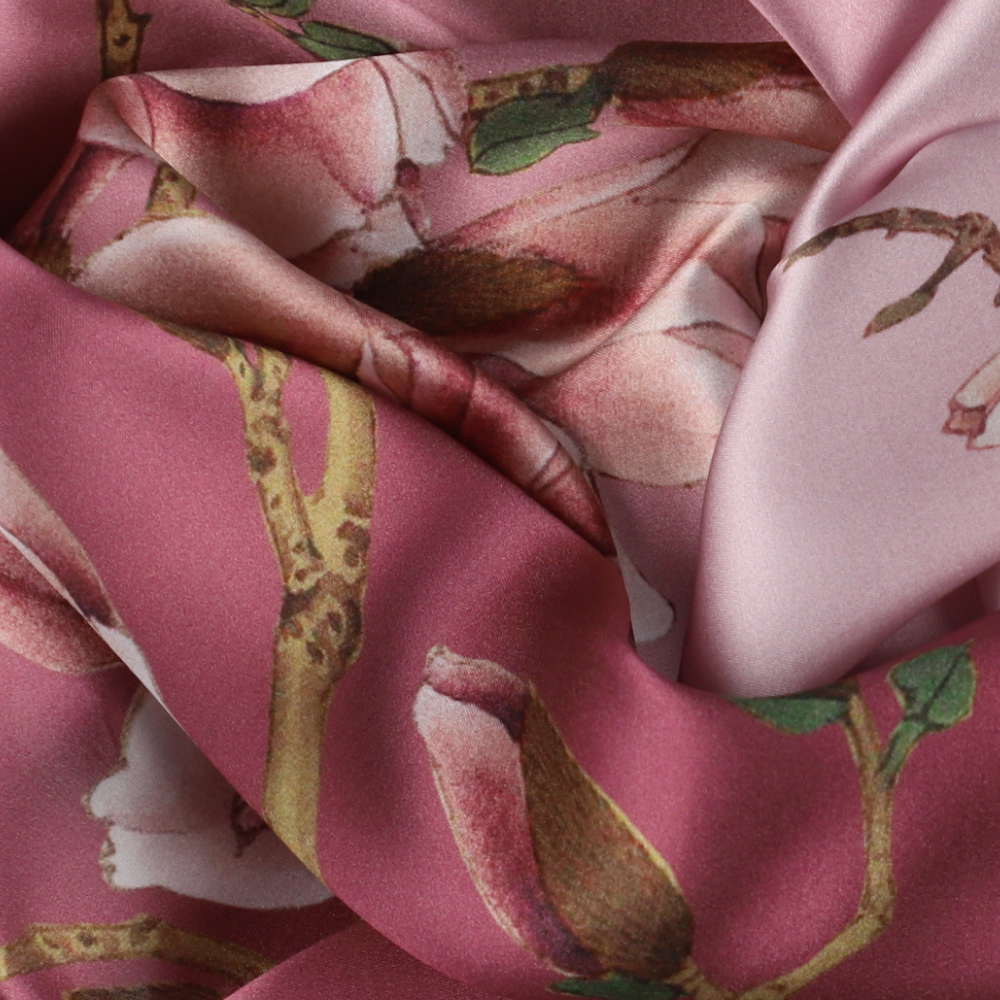
170×53 cm / 67×21 in
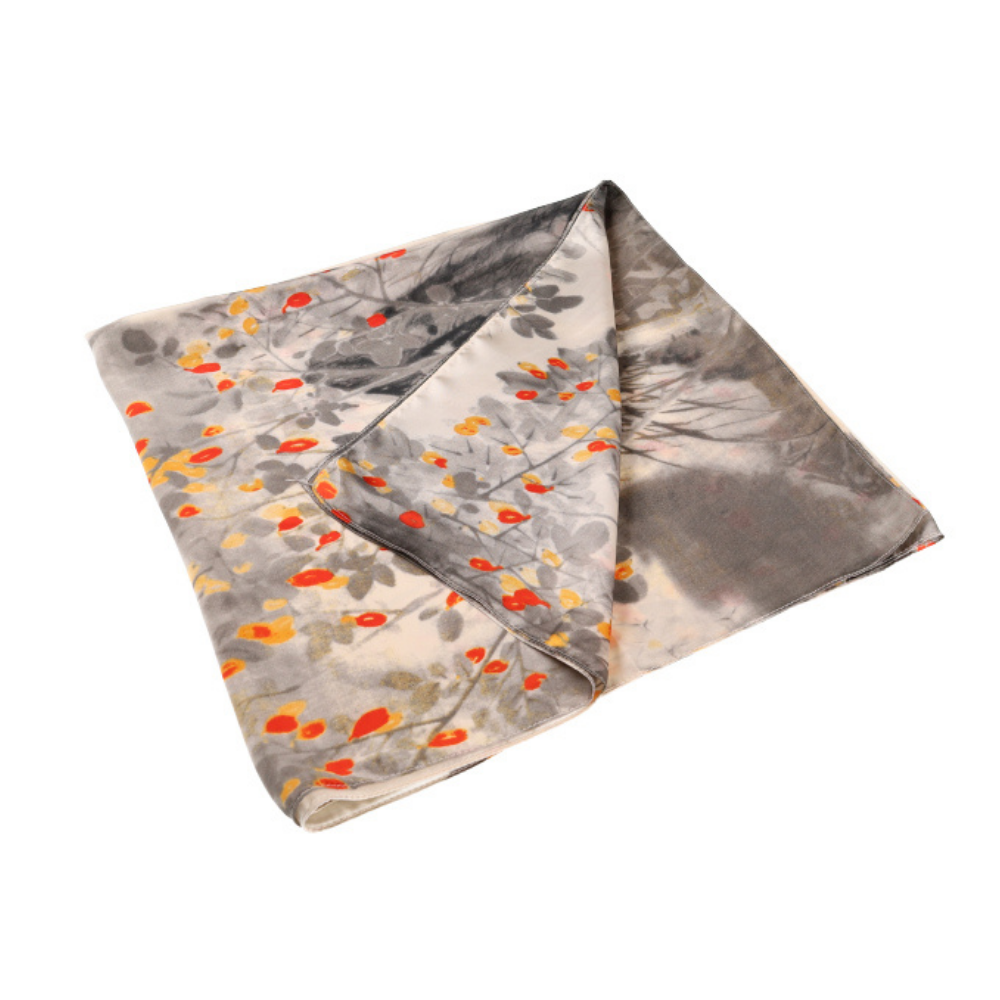
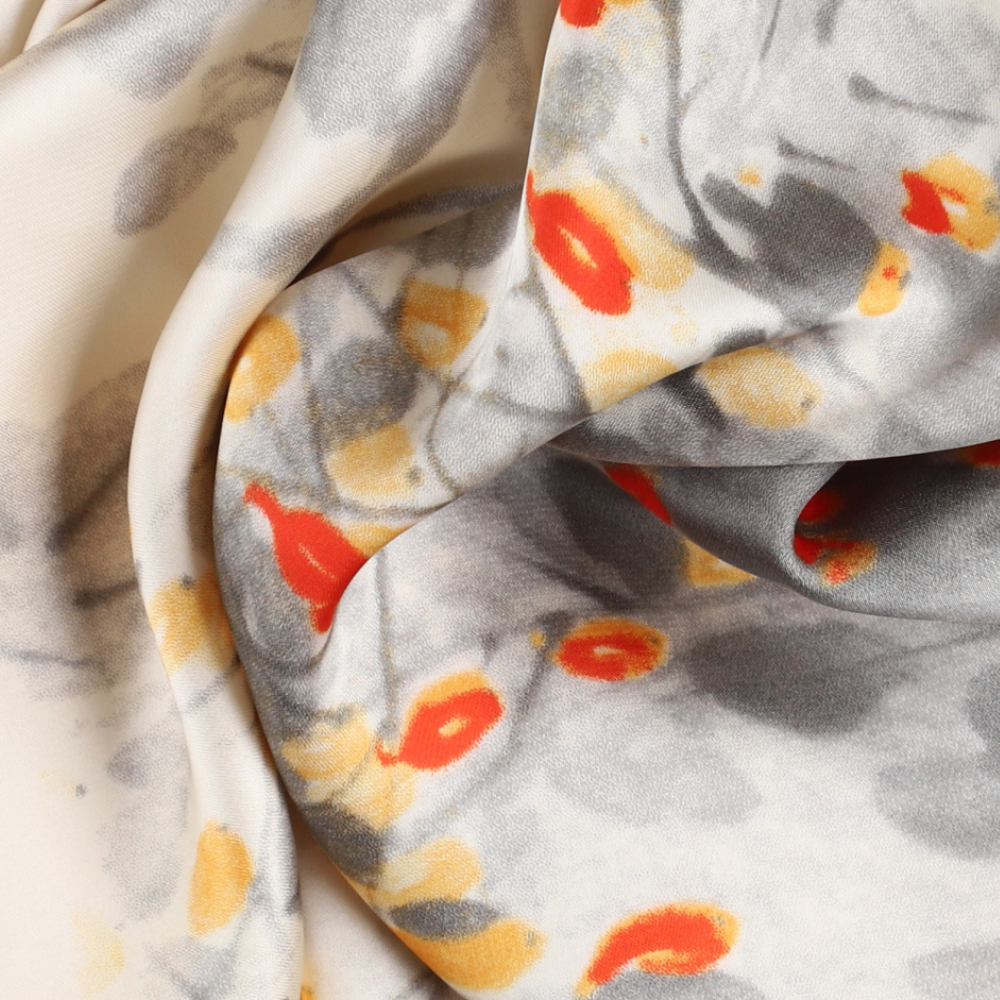
180×90 cm / 71×35 in
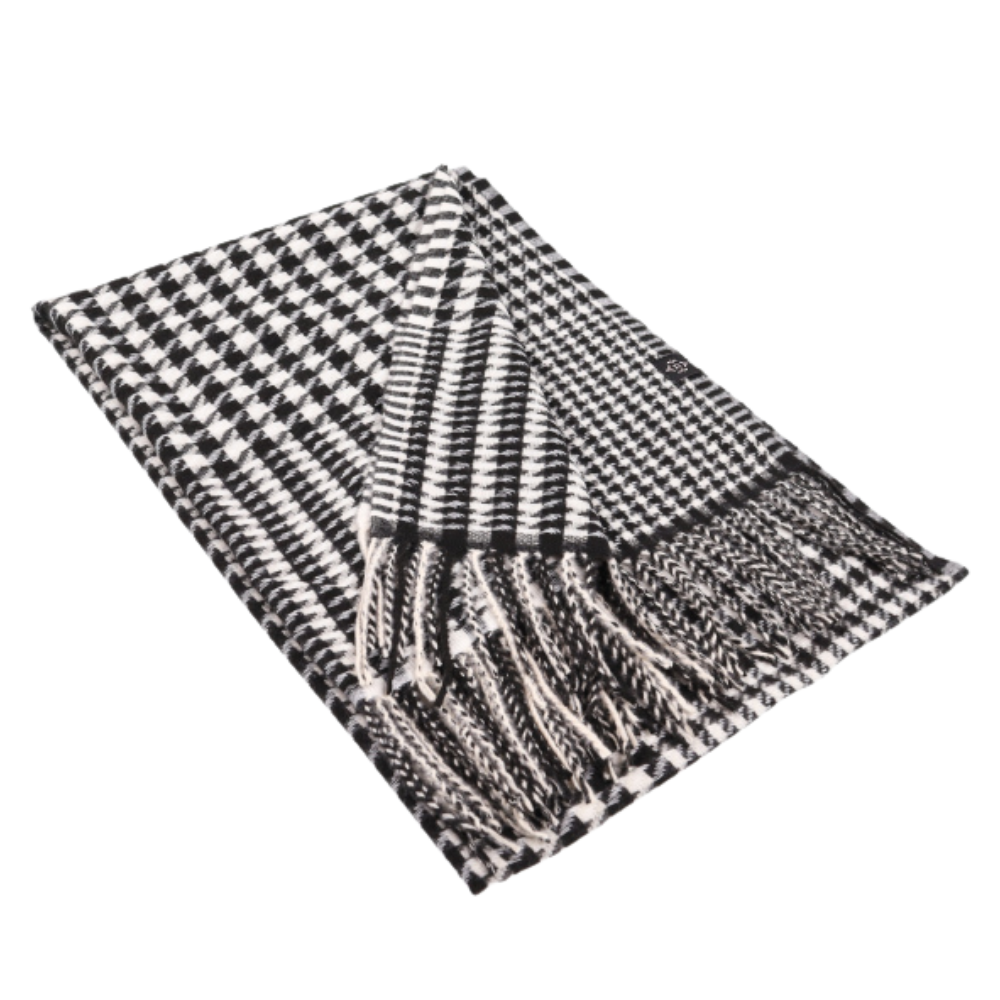
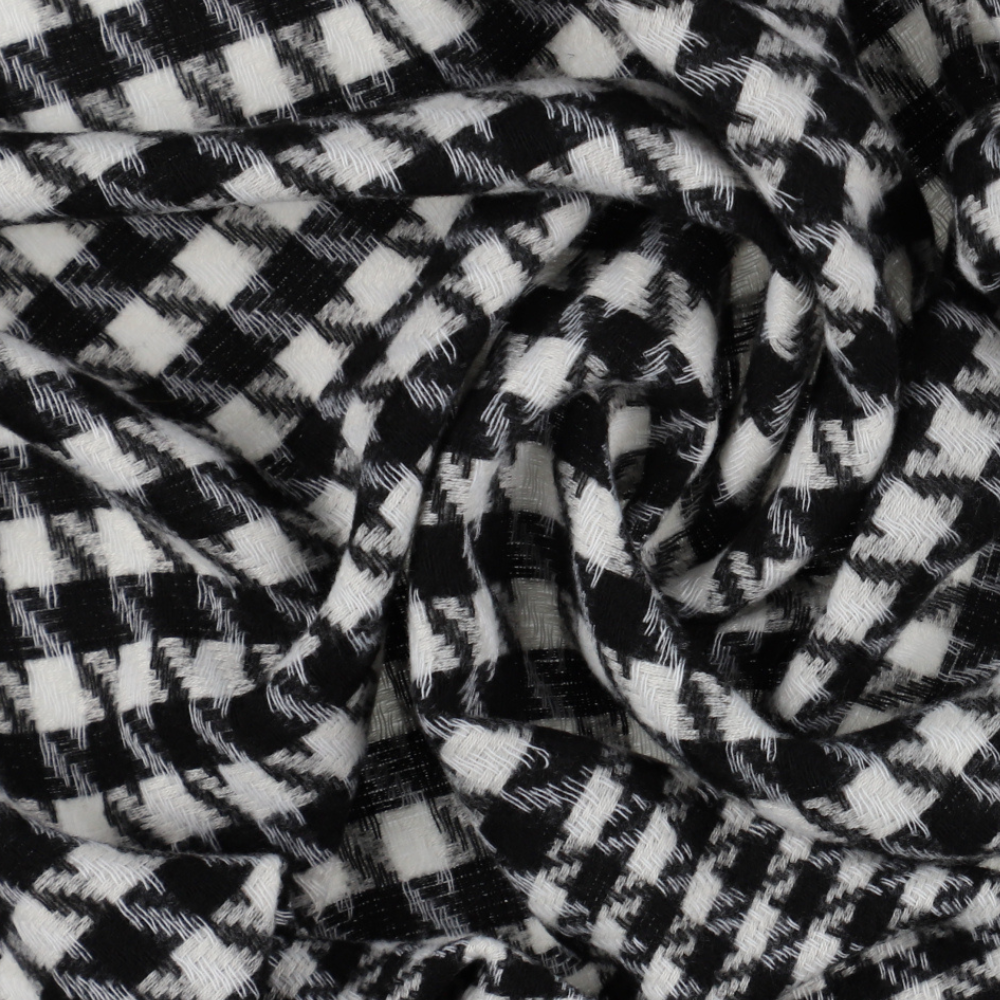
200×70 cm / 79×28 in
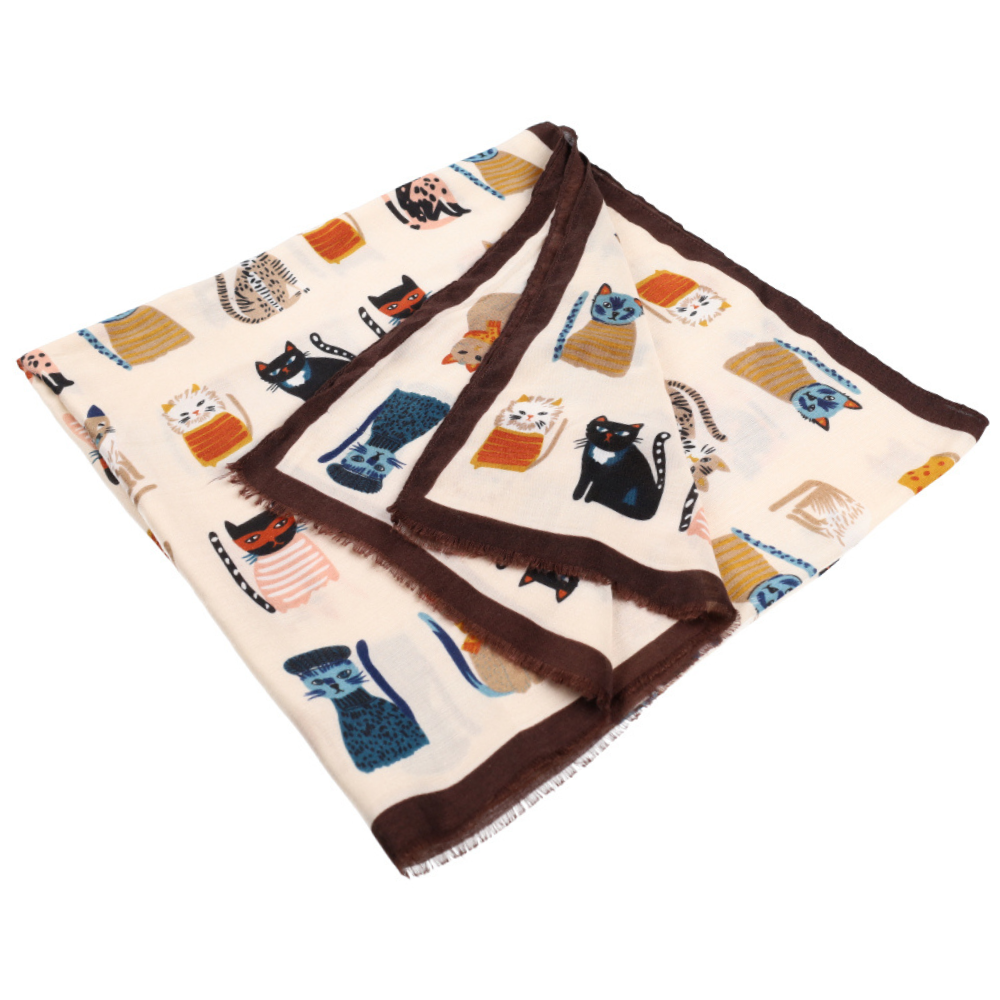
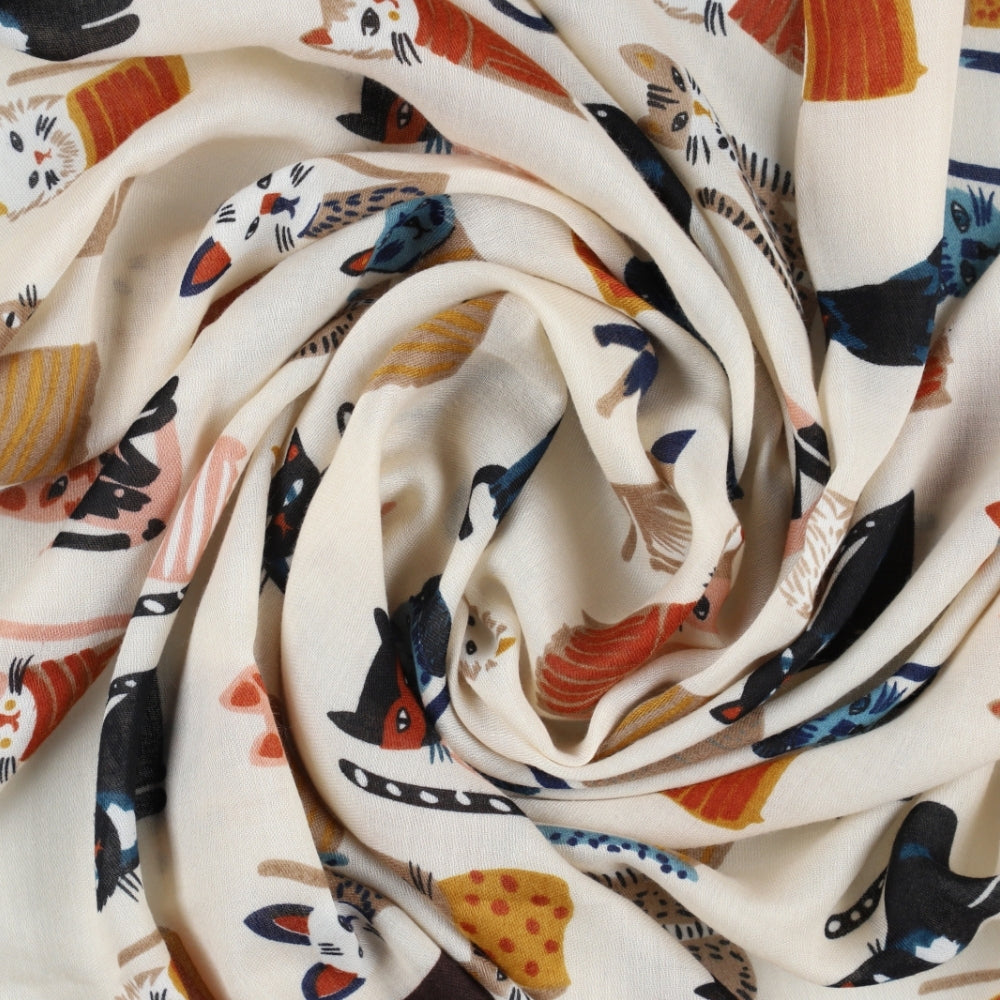
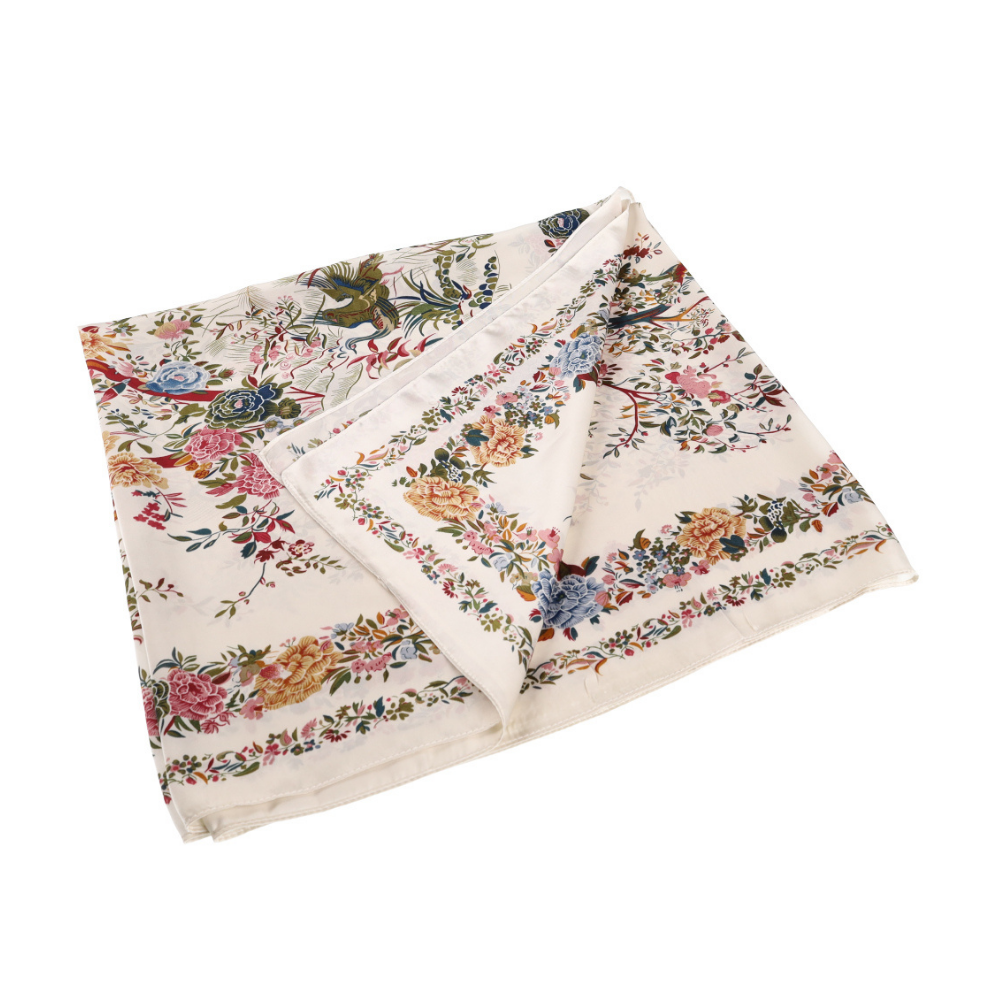
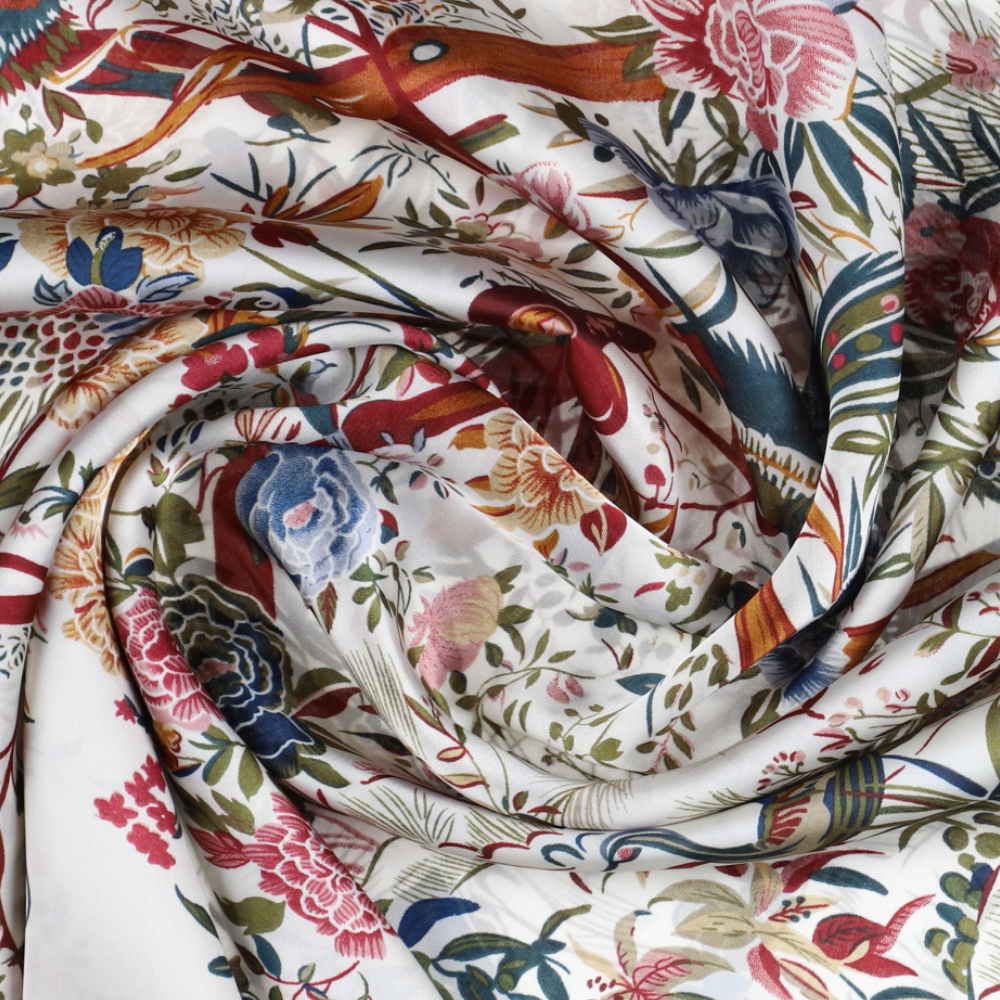
180×90 cm / 71×35 in
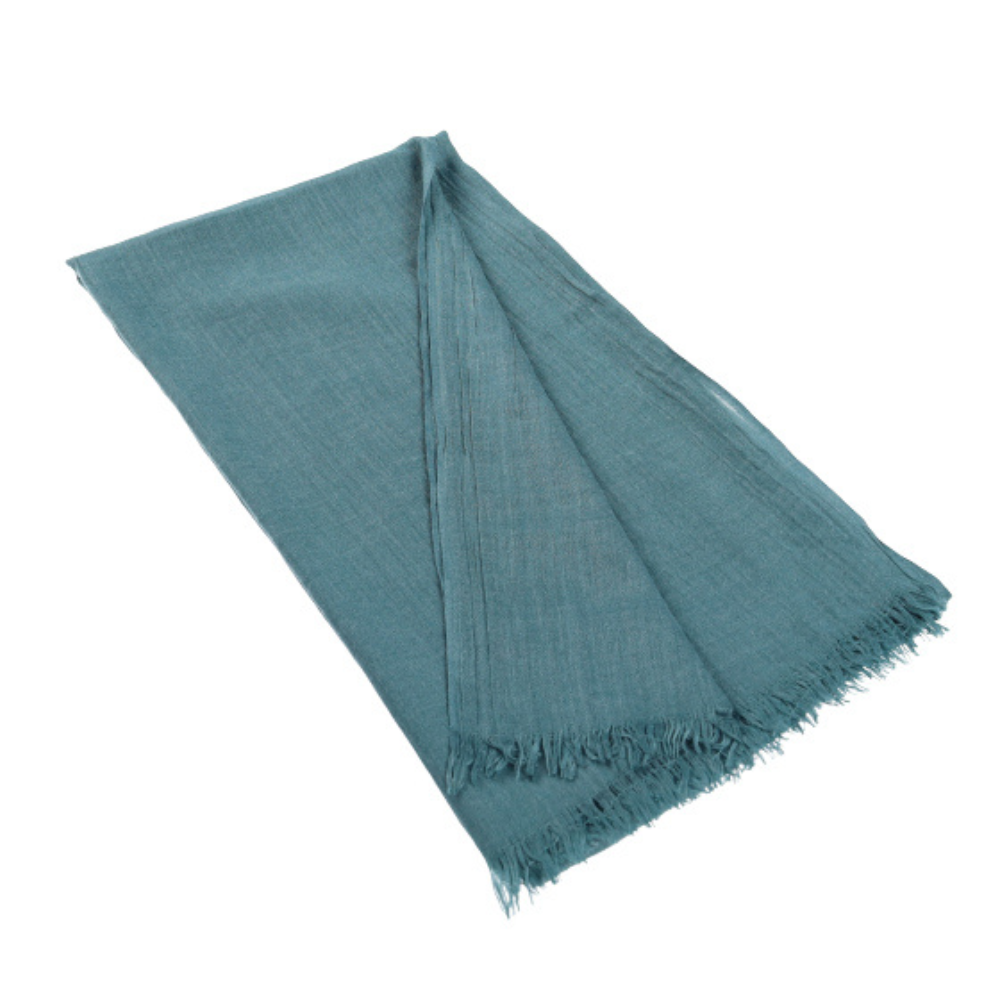
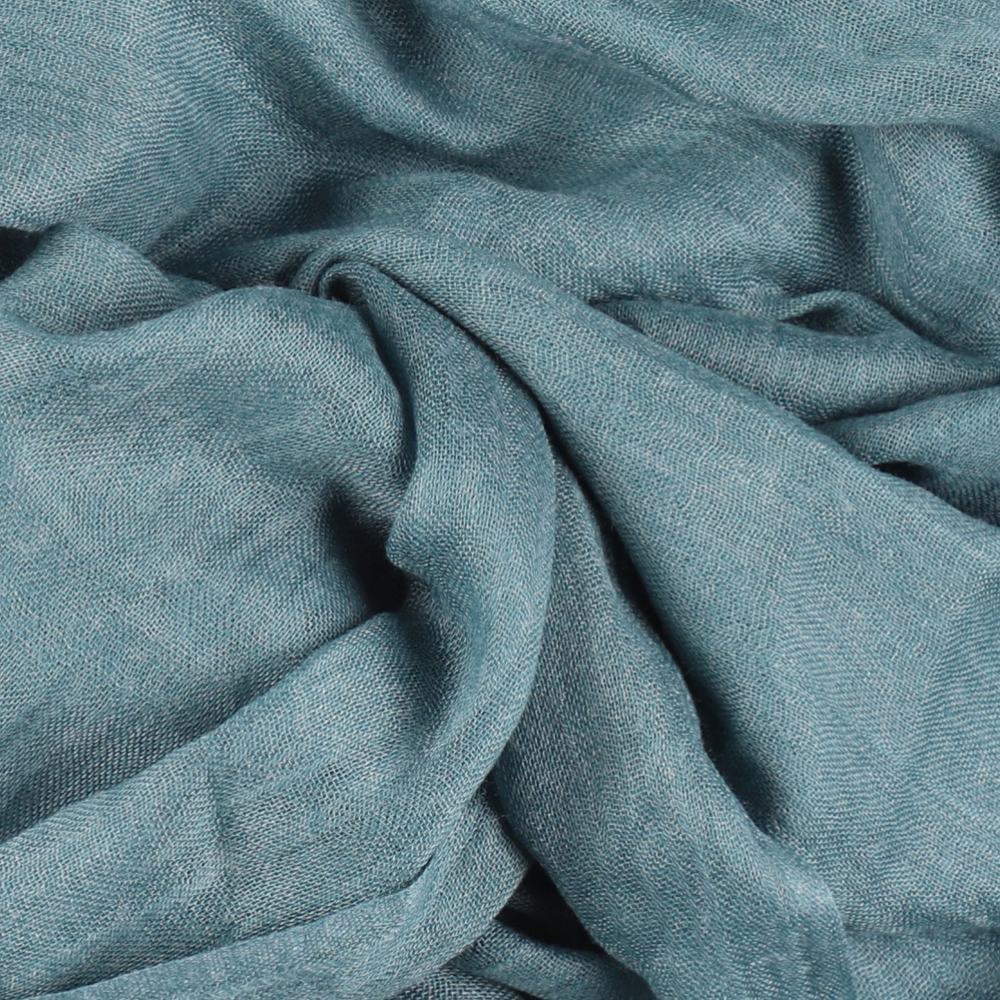
195×100 cm / 77×39 in
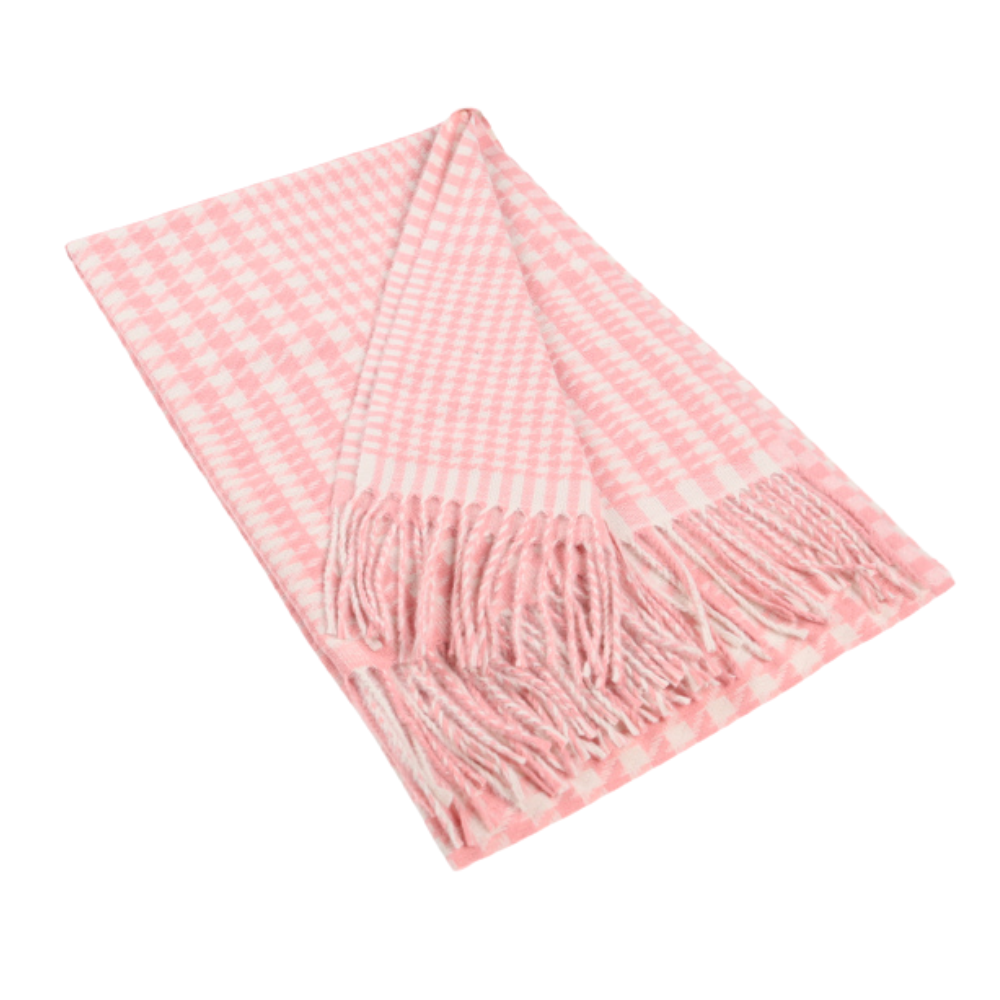
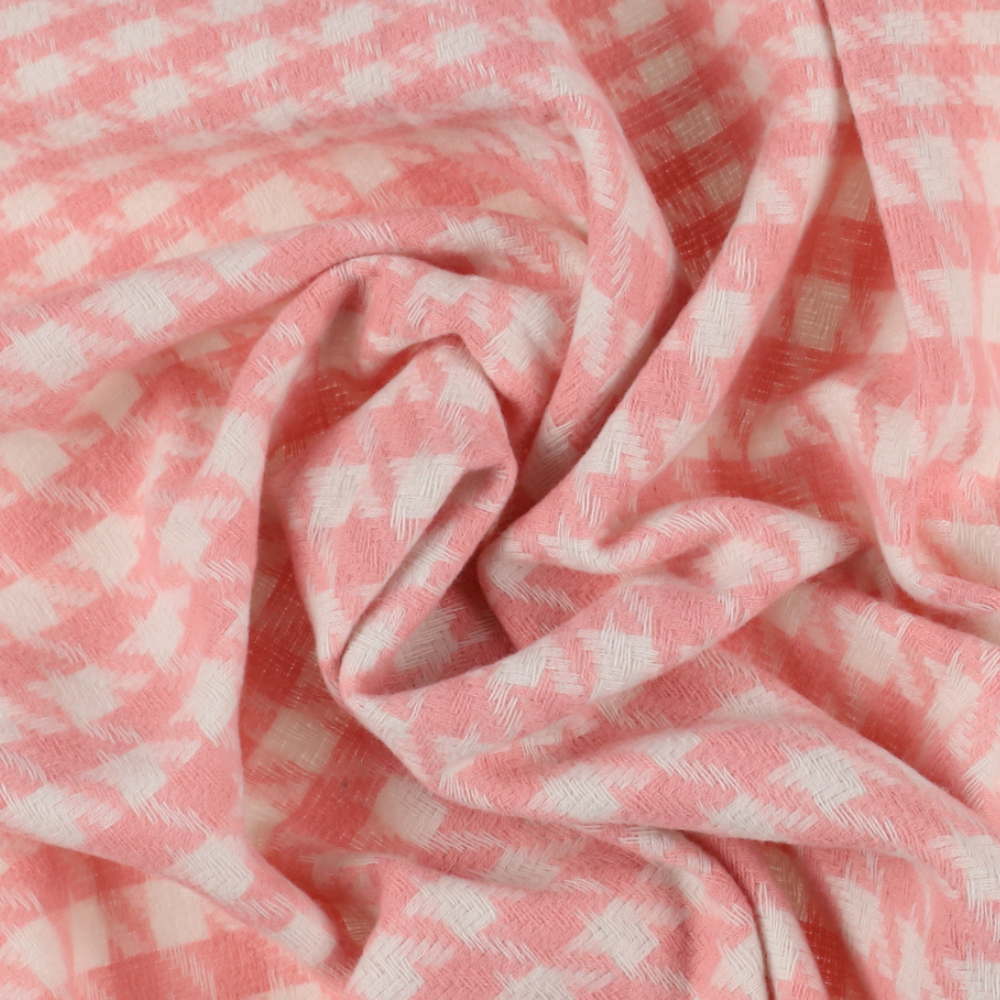
200×70 cm / 79×28 in
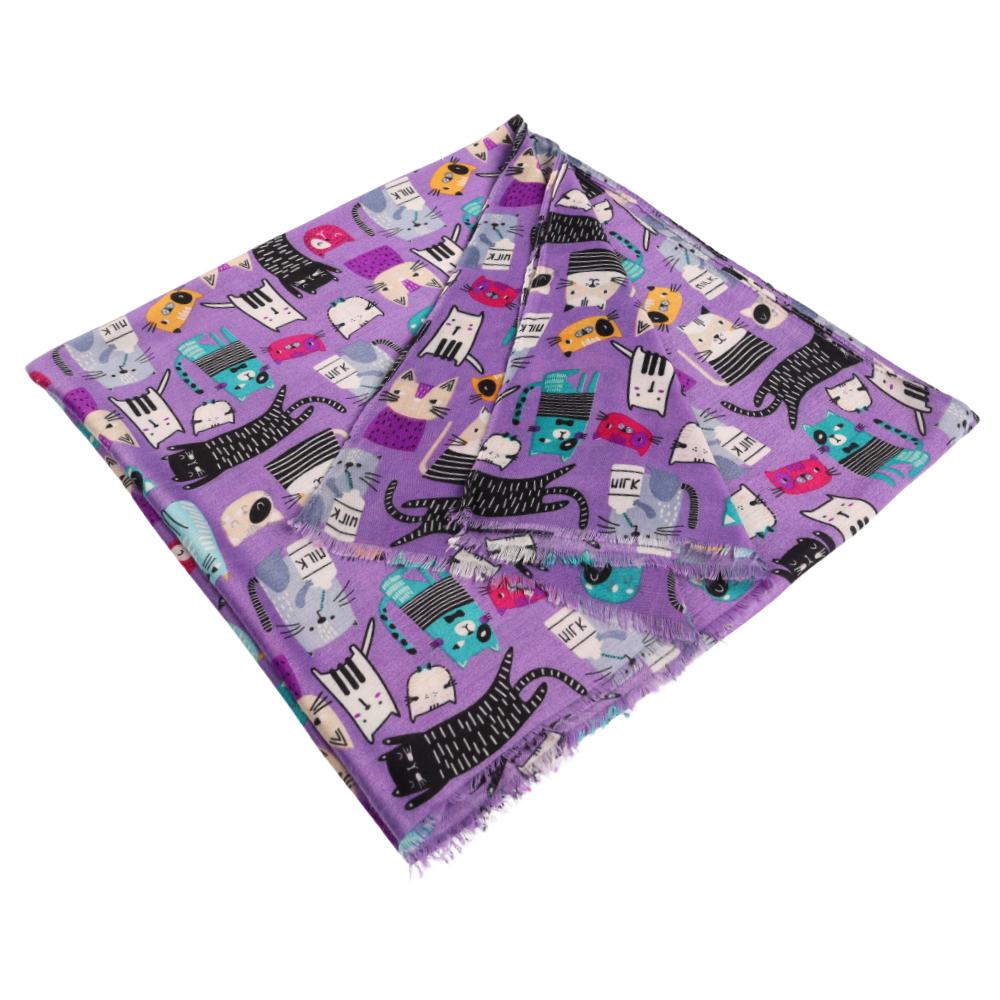
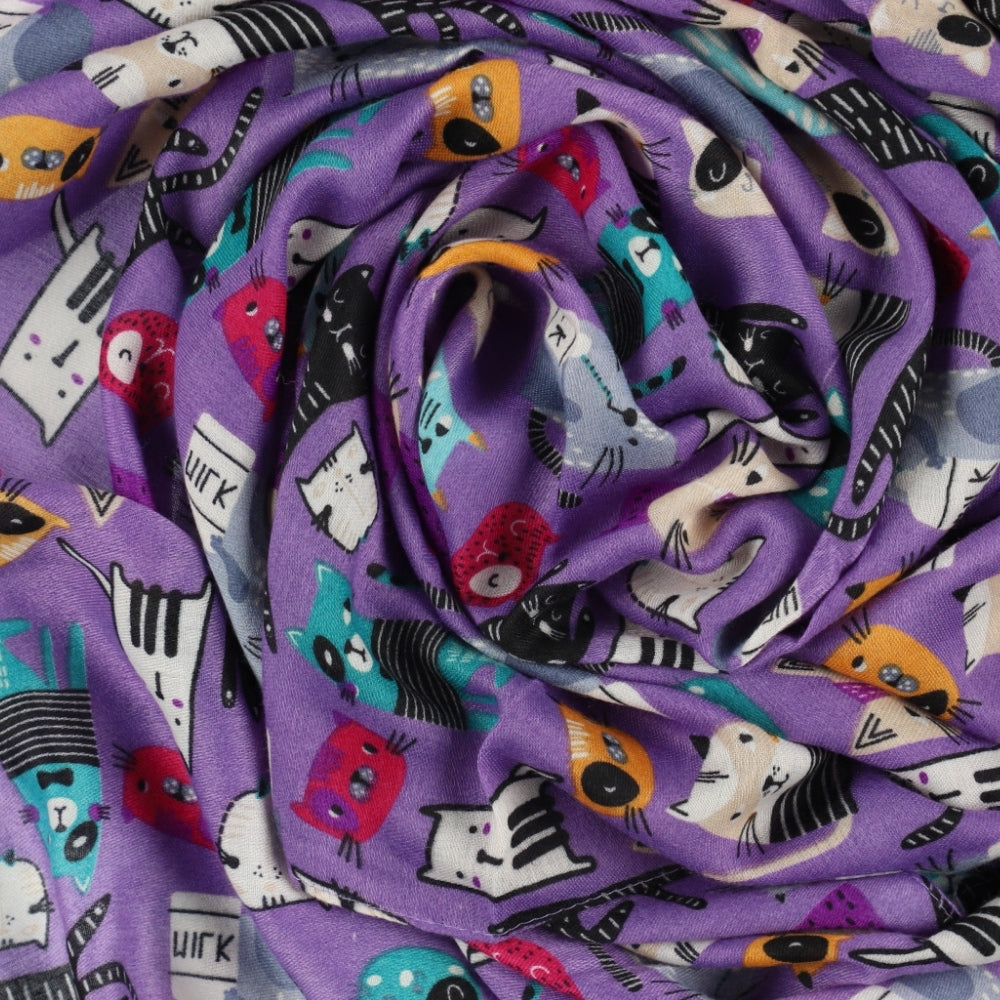
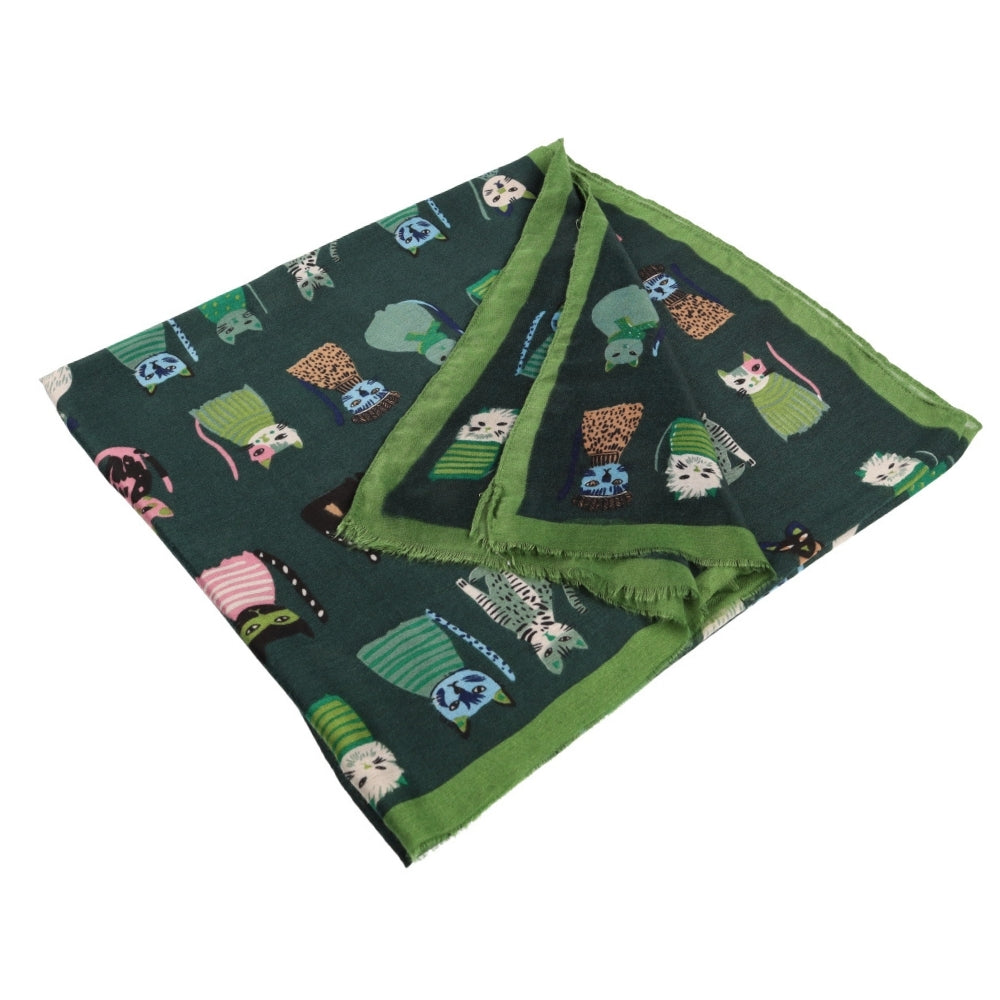
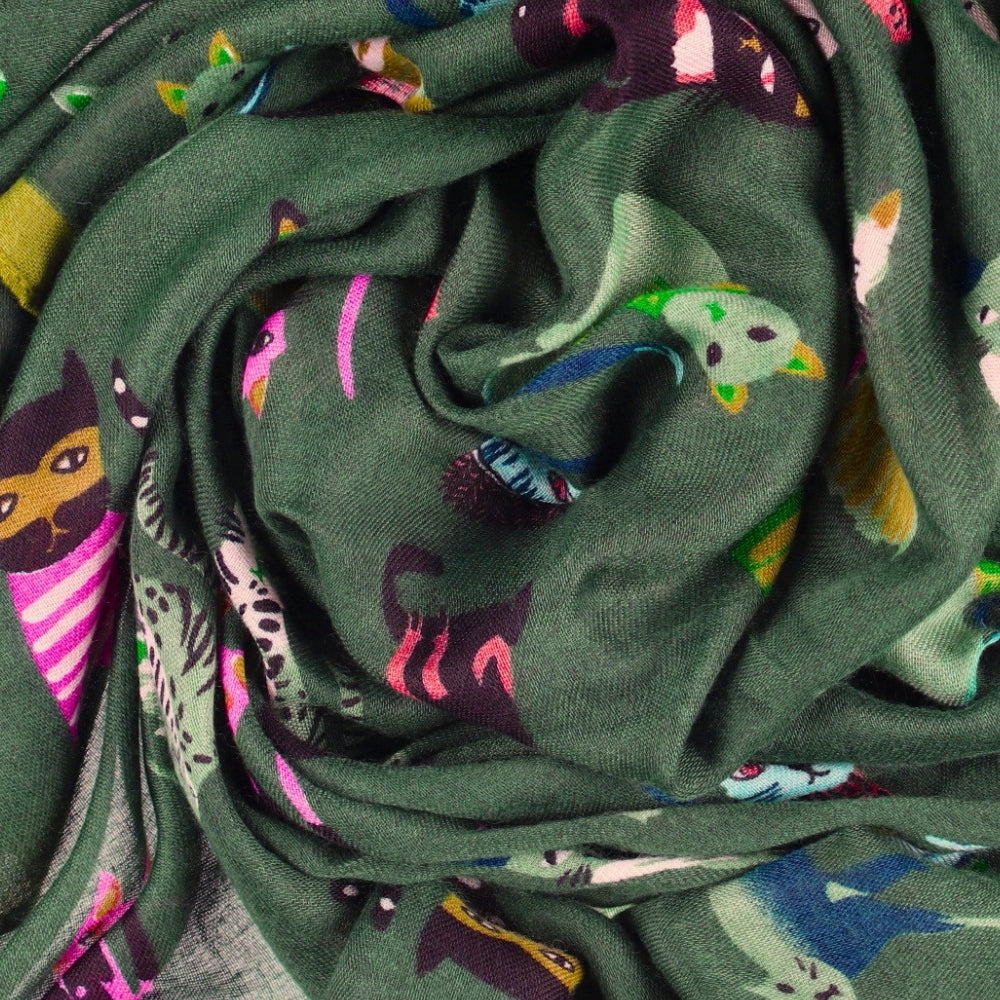
180×80 cm / 71×32 in
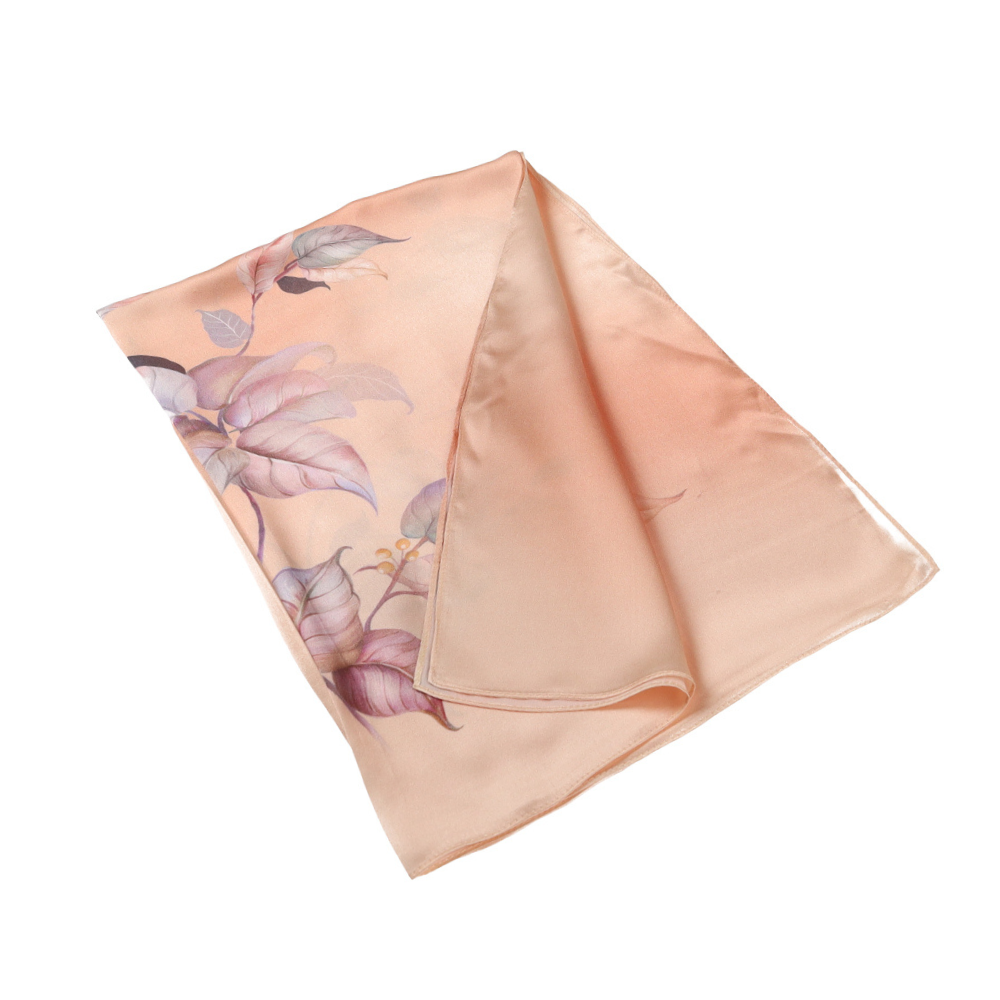
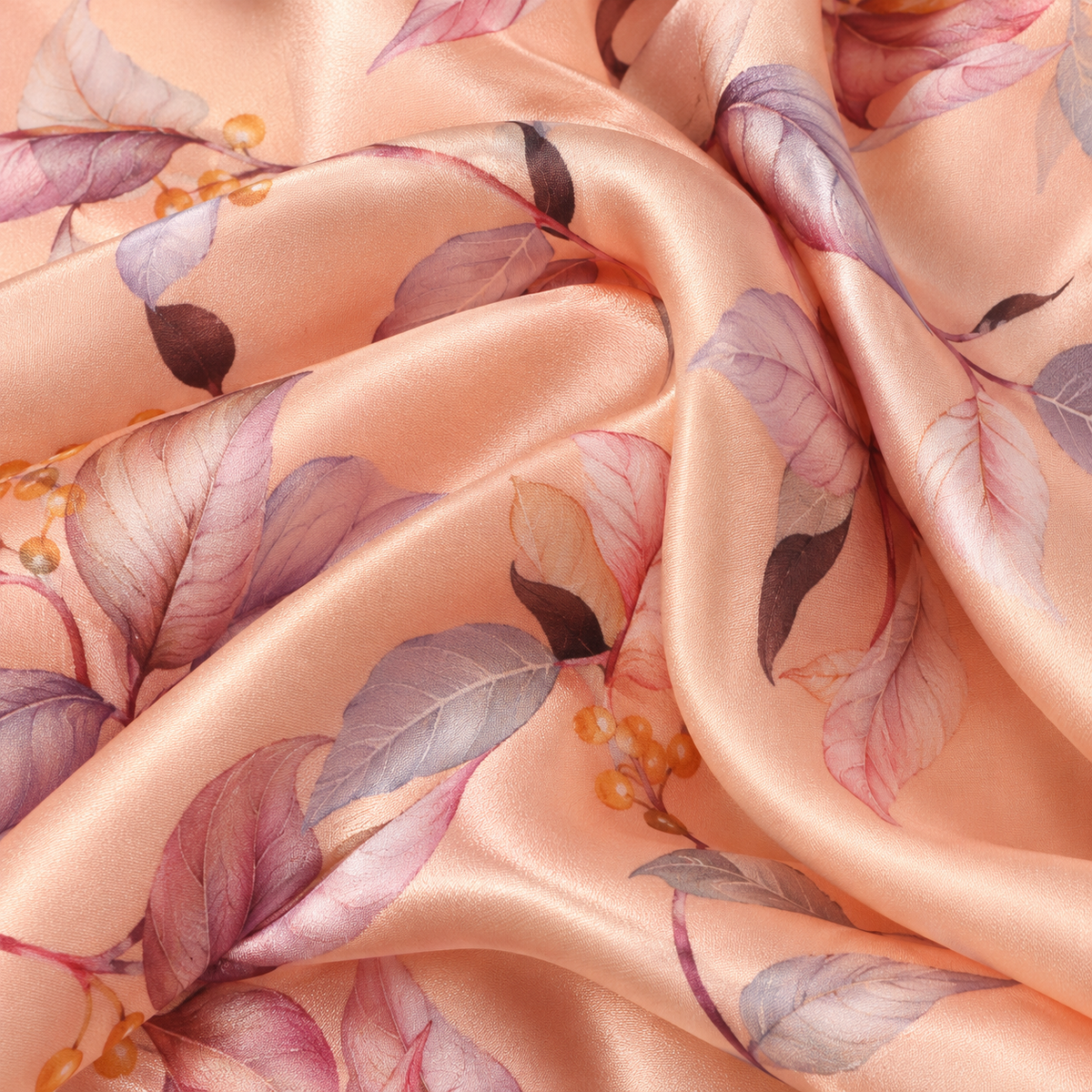
170×53 cm / 67×21 in
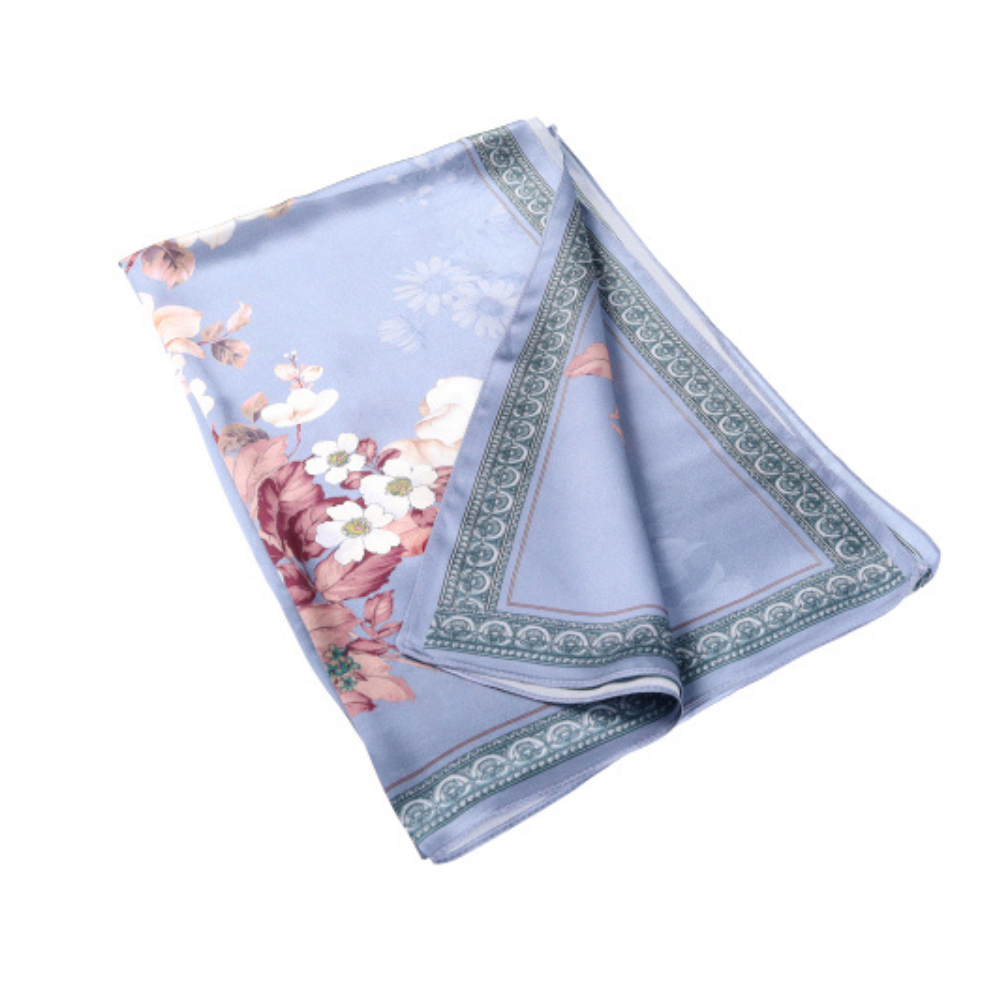
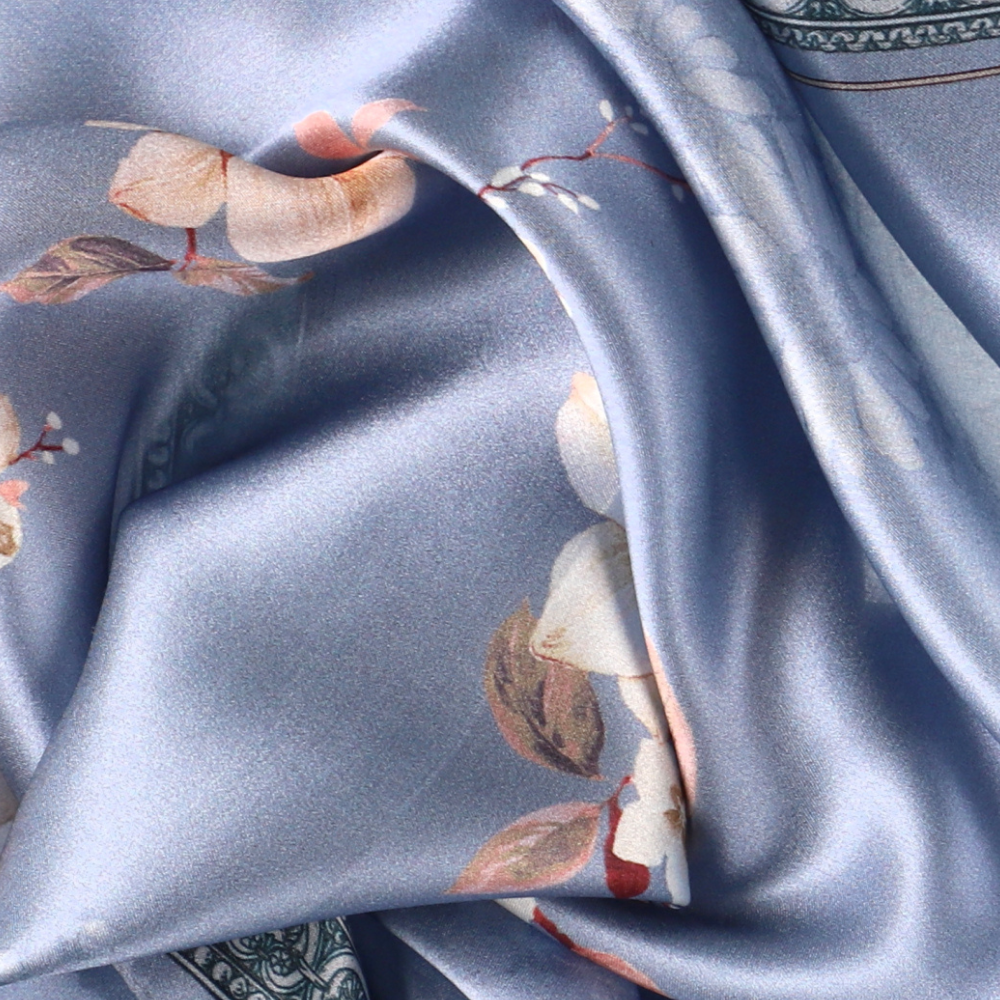
170×53 cm / 67×21 in
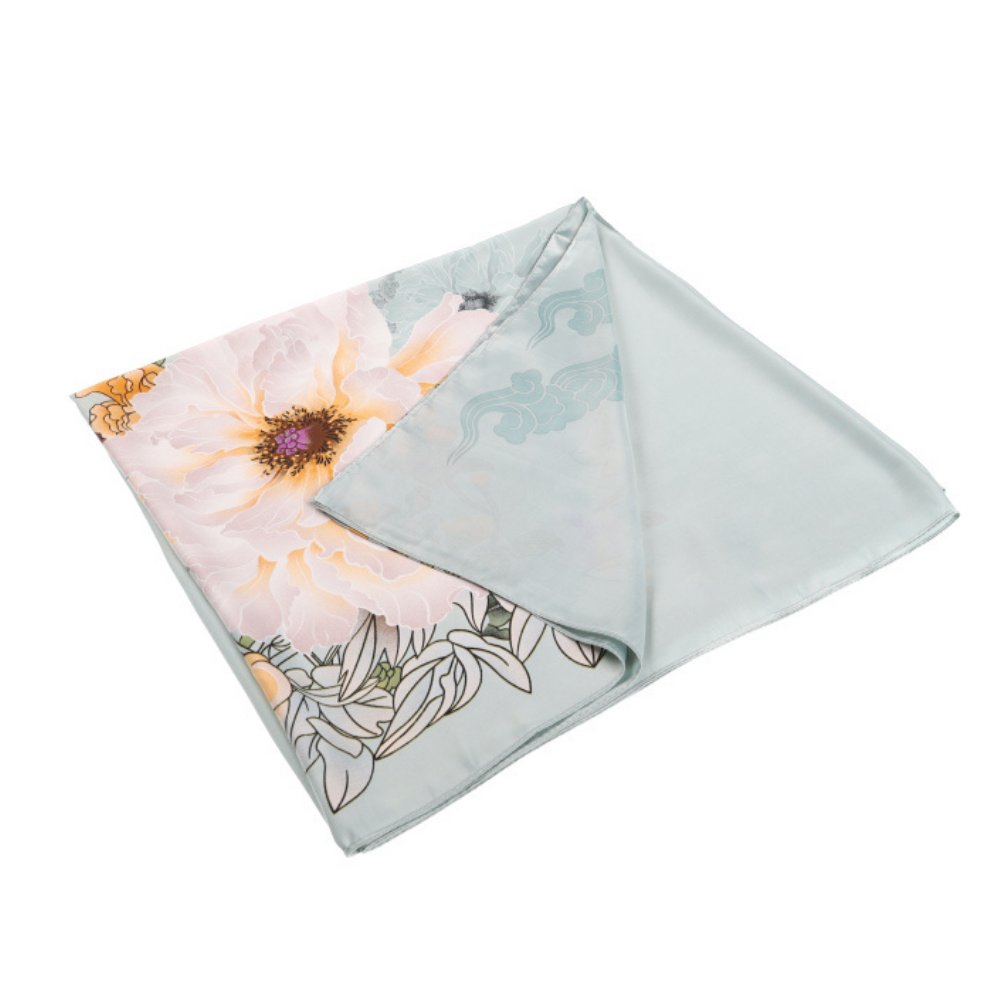
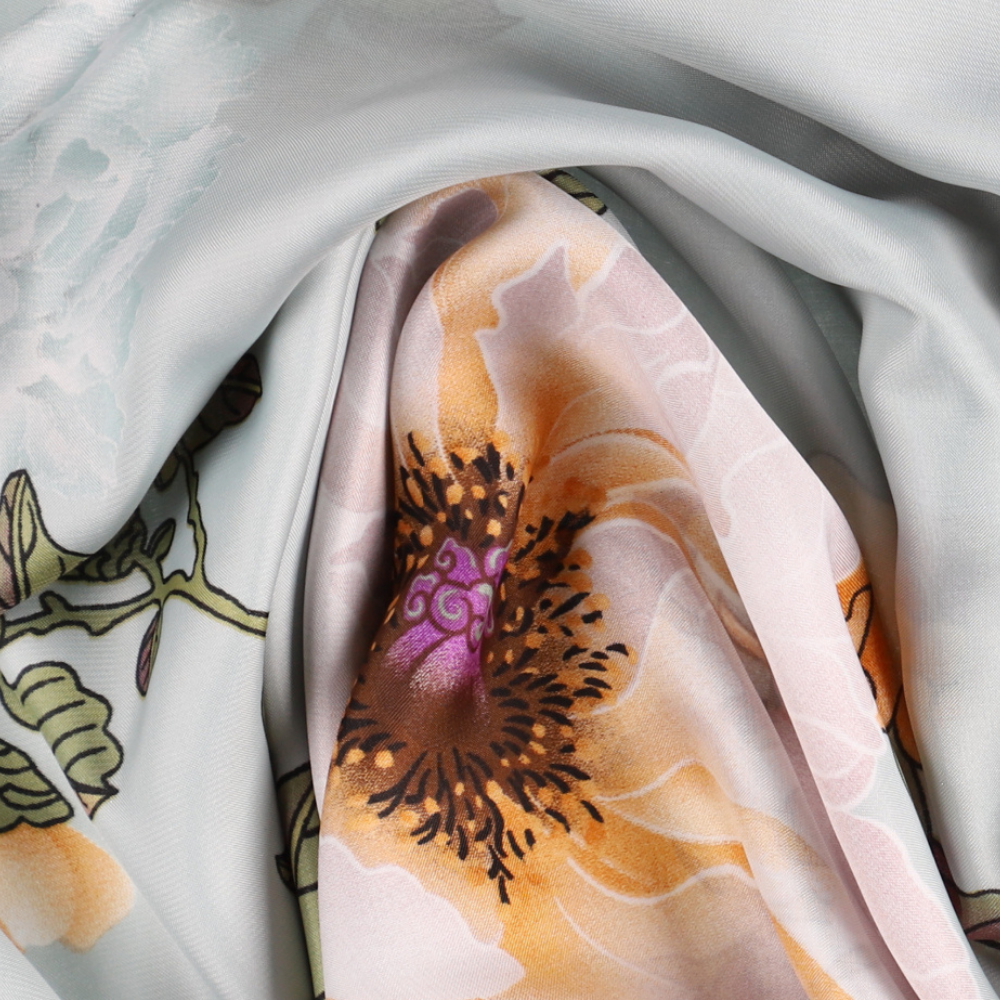
180×90 cm / 71×35 in
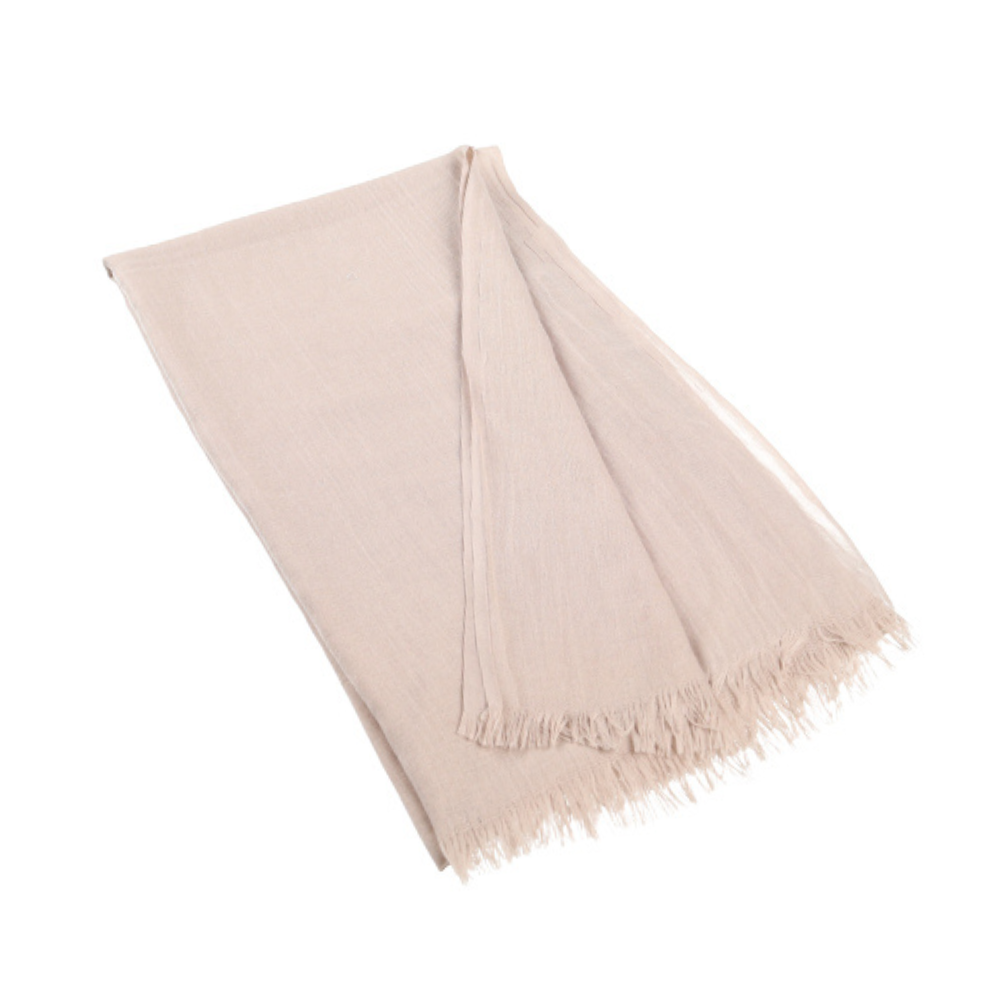
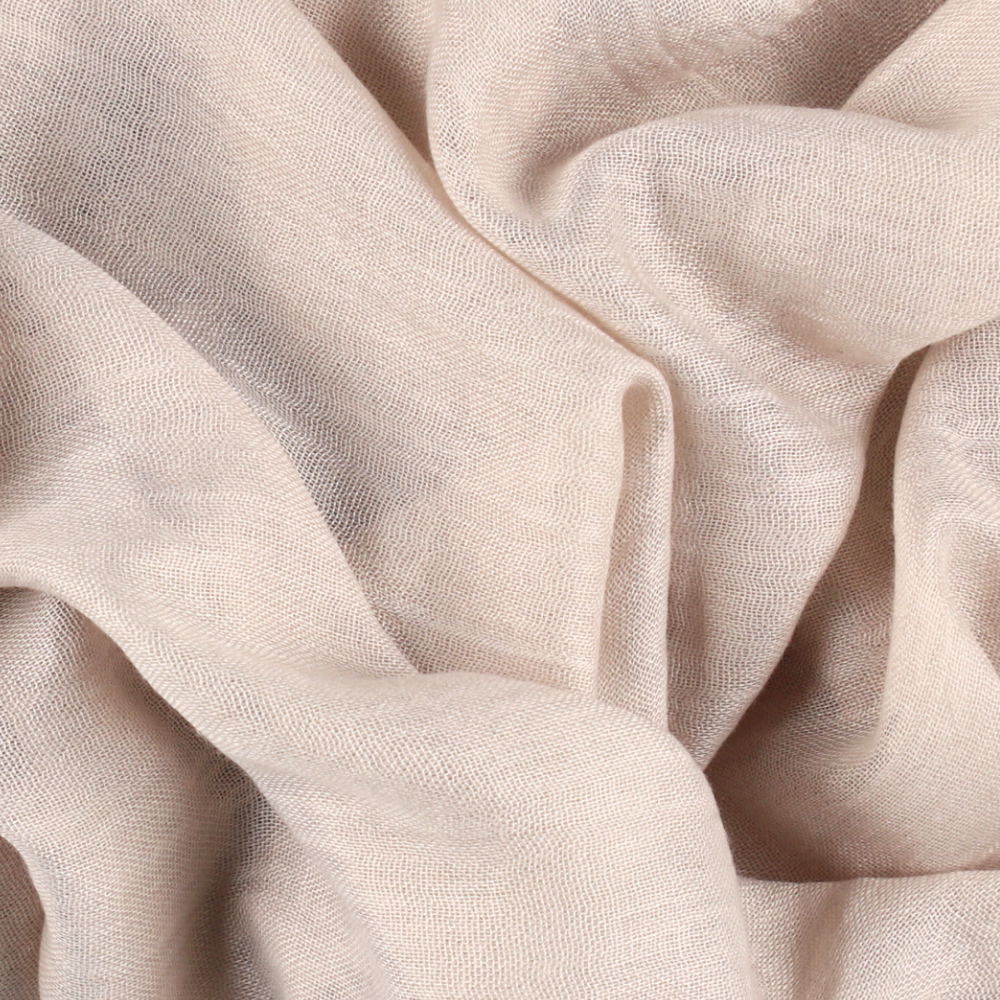
195×100 cm / 77×39 in
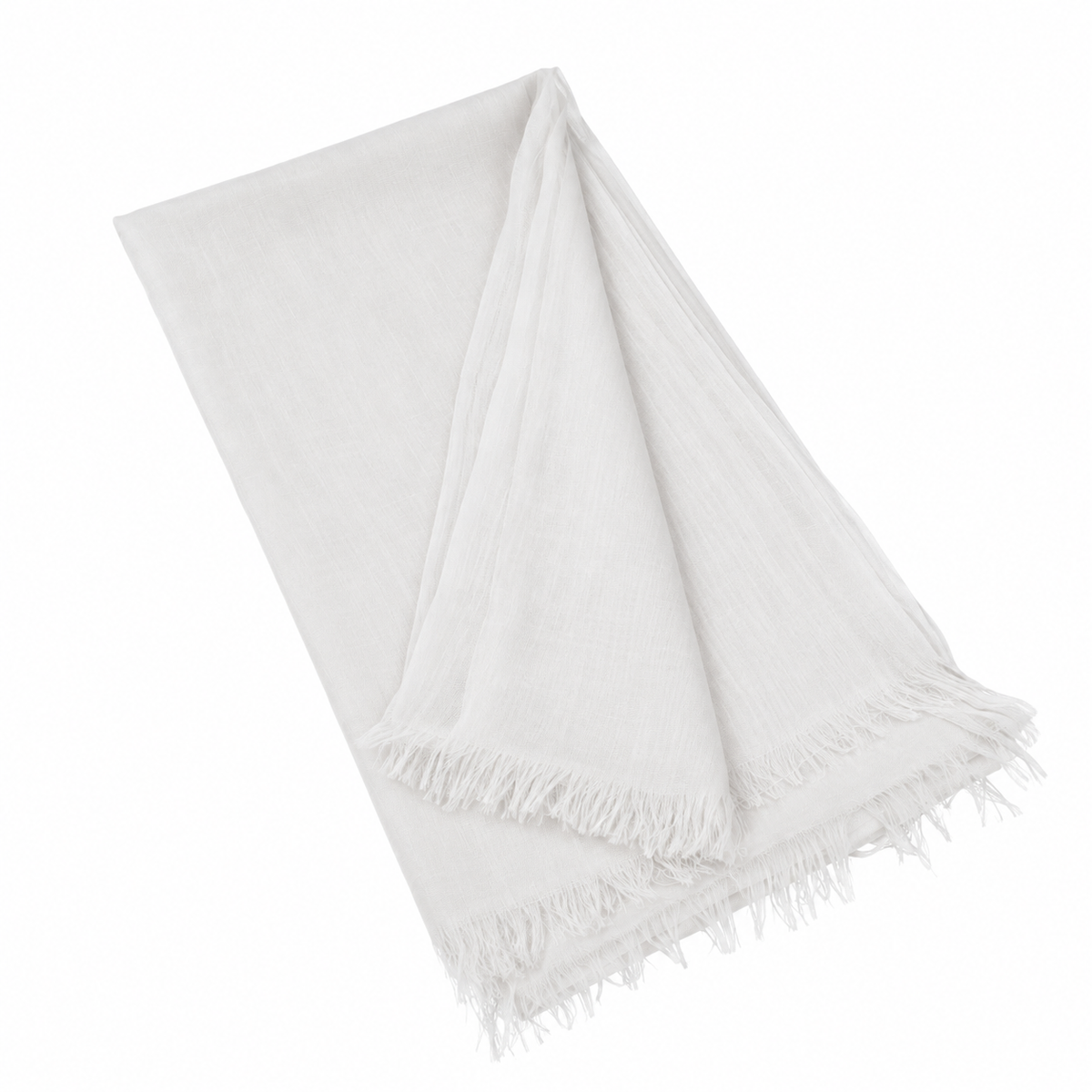
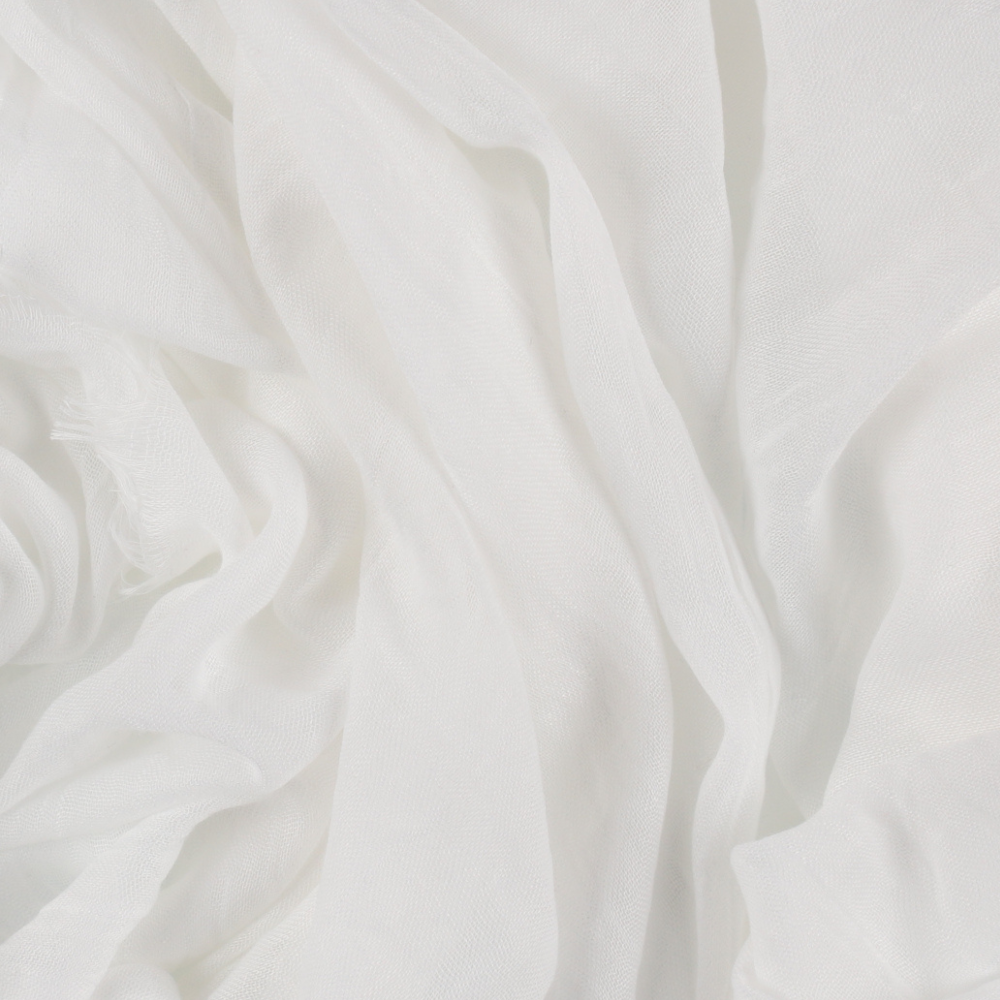
195×100 cm / 77×39 in
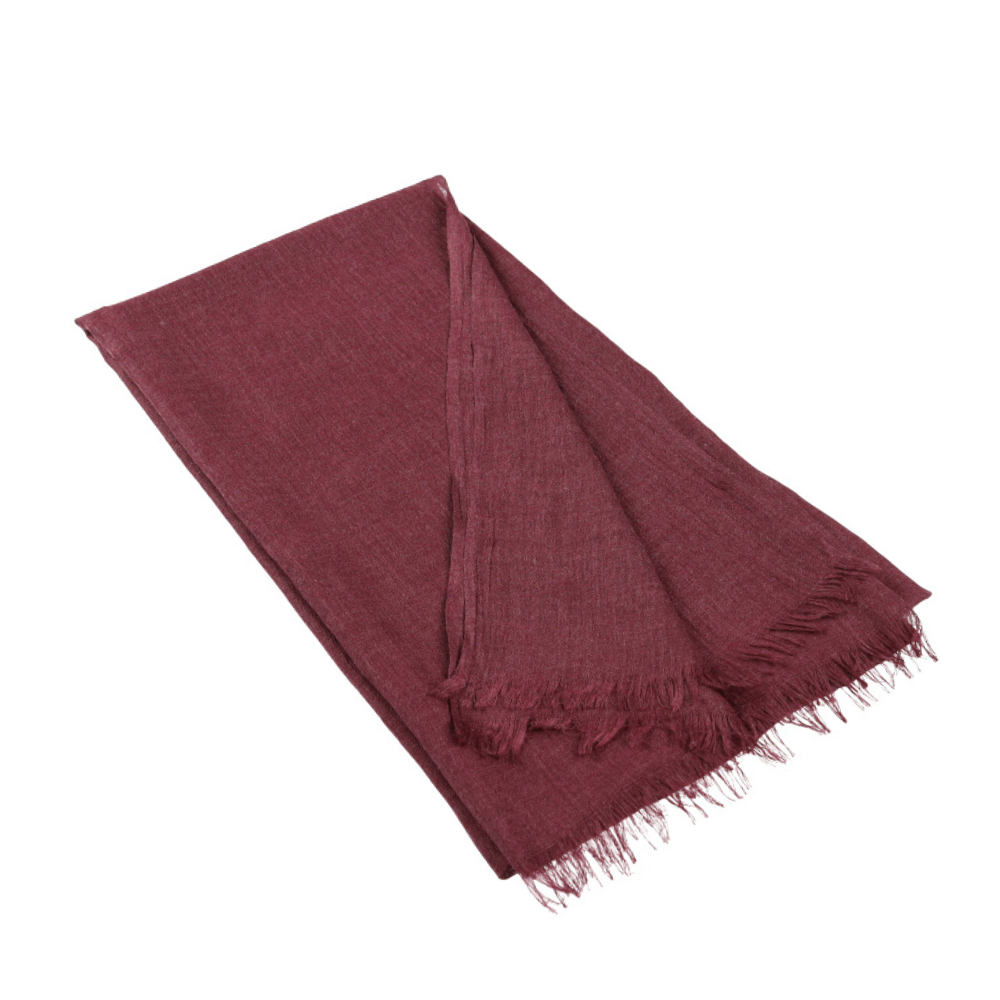
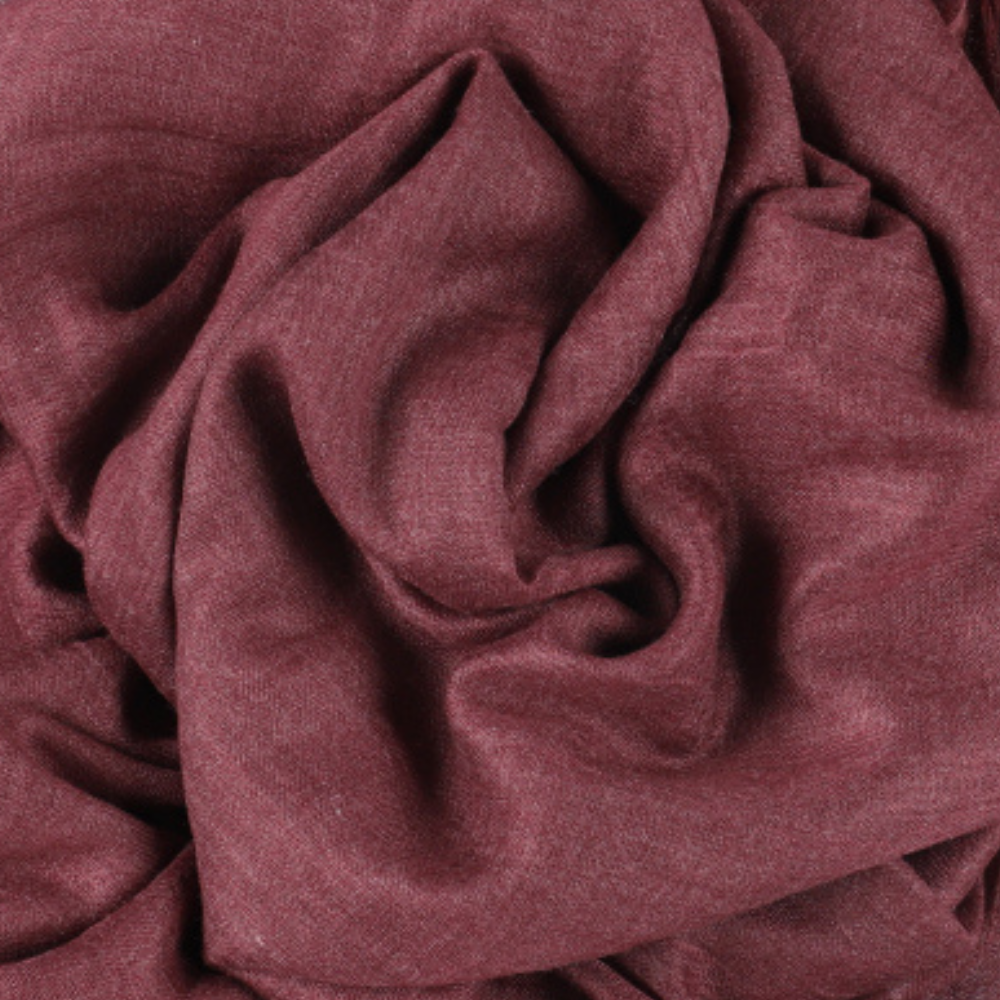
195×100 cm / 77×39 in
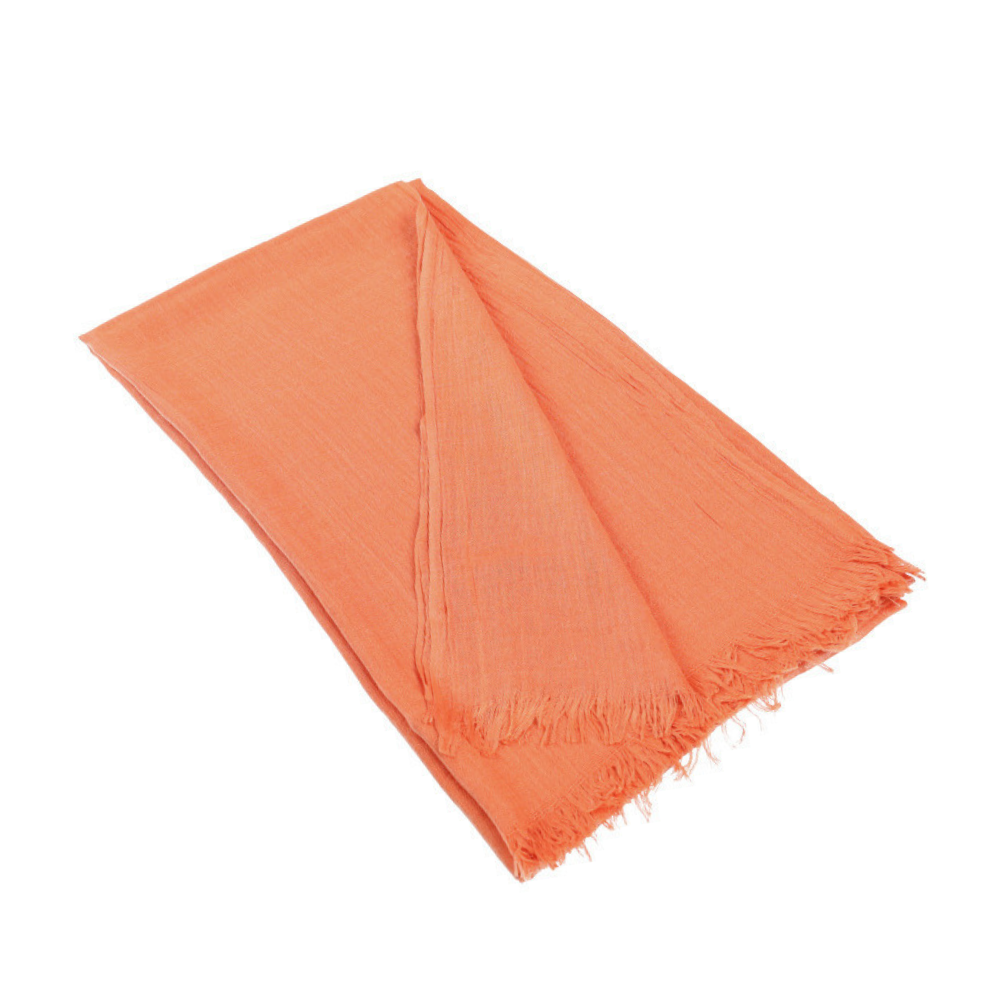
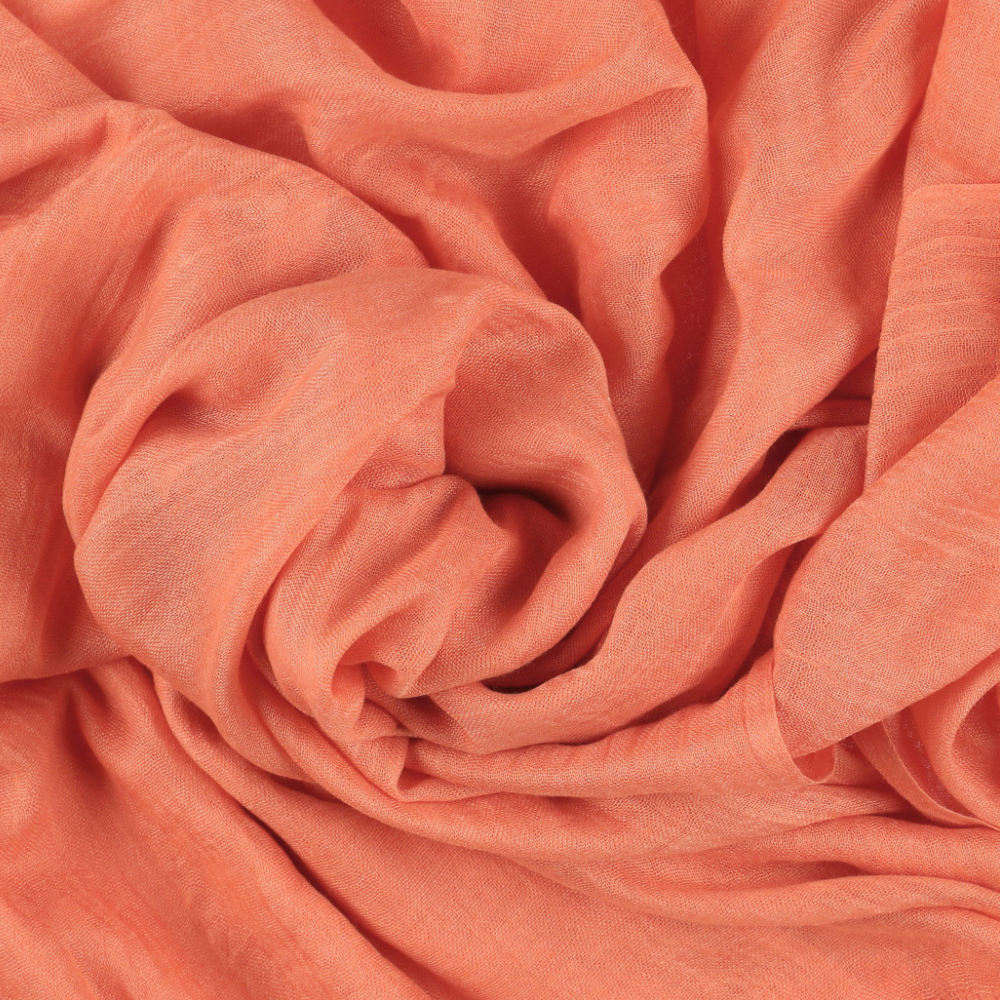
195×100 cm / 77×39 in
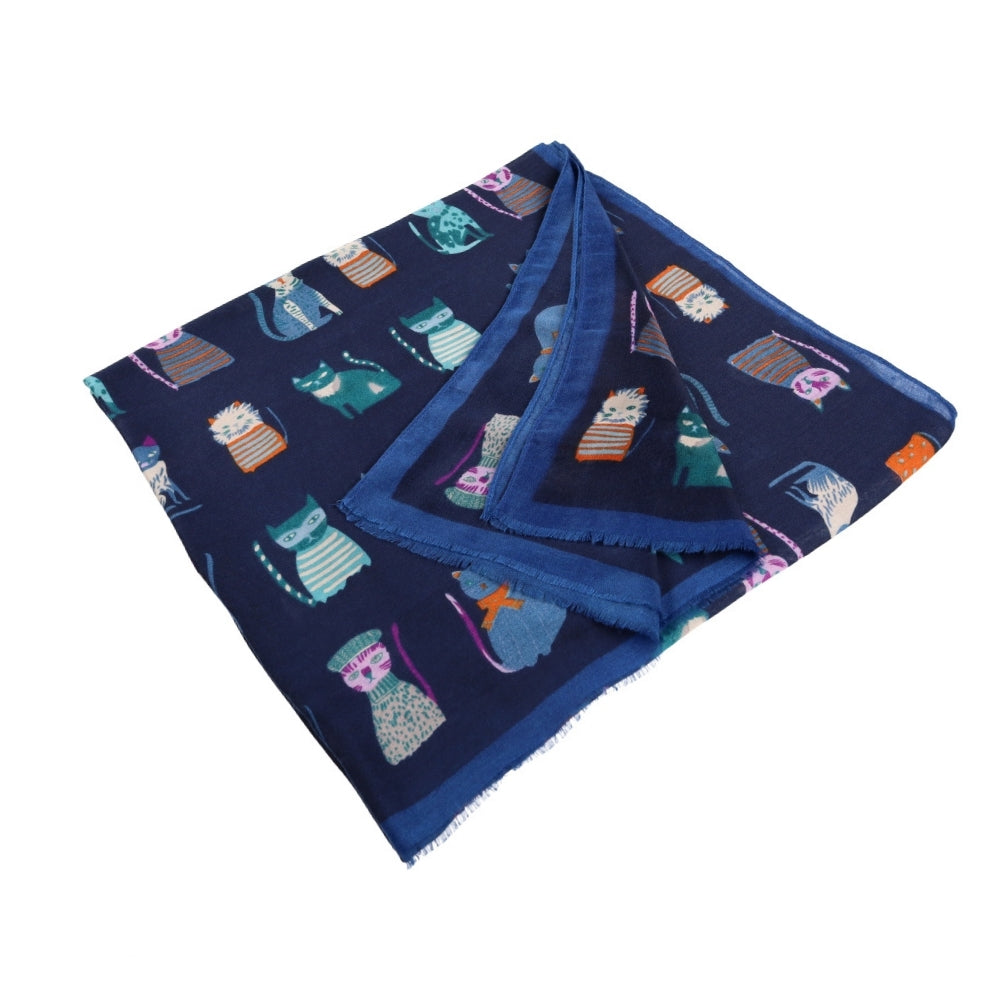
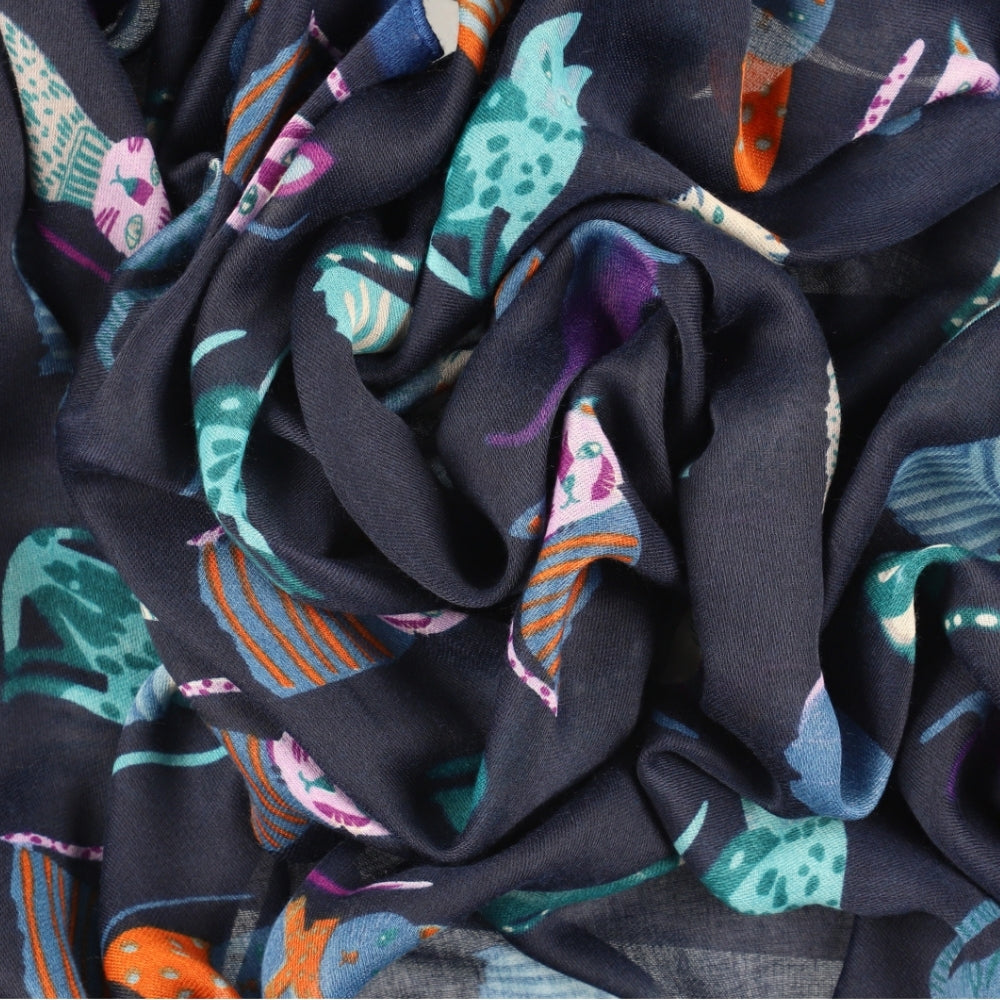


180×30 cm / 71×12 in
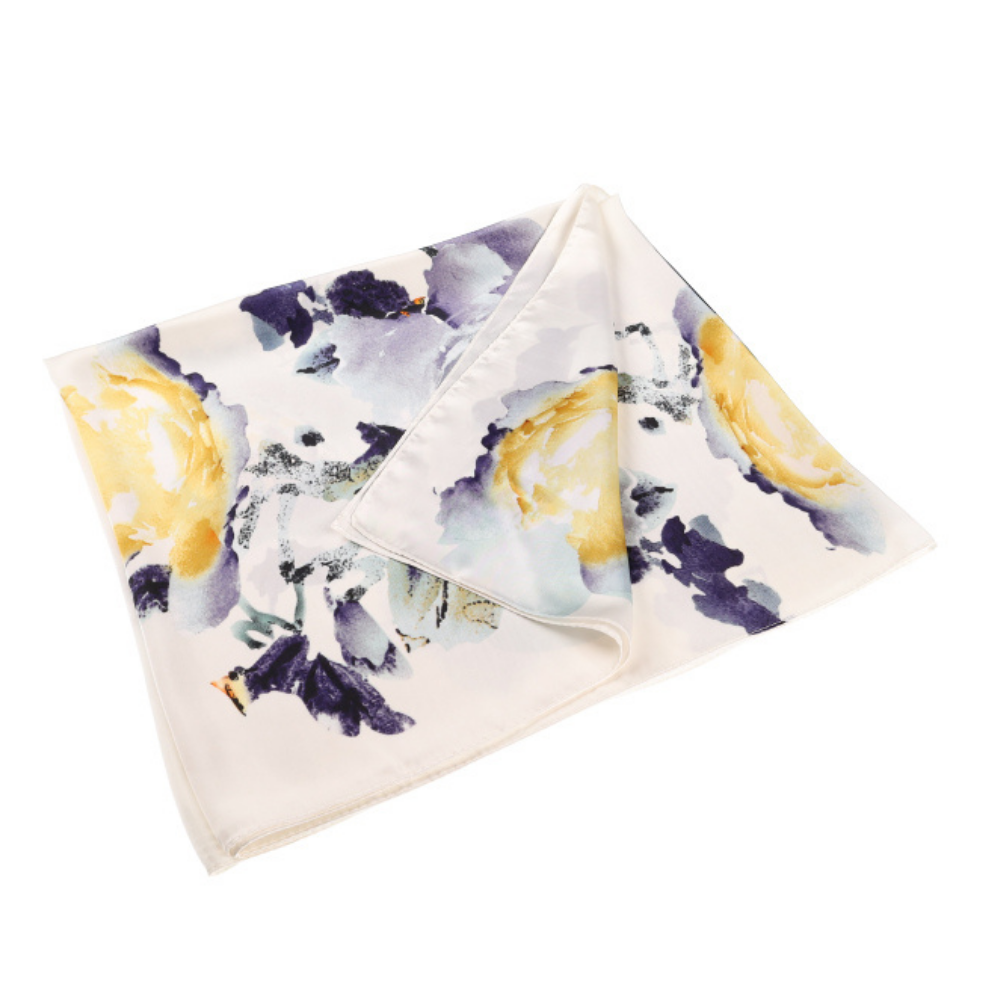
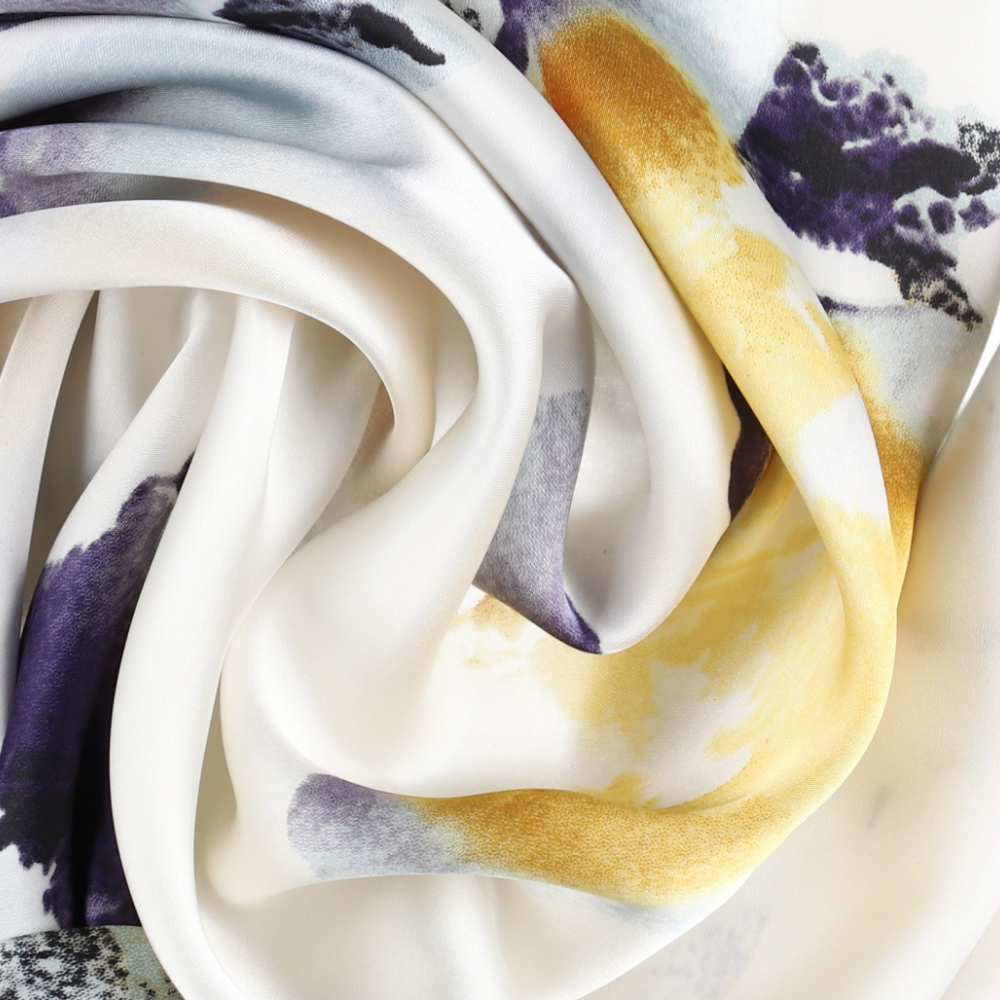
180×90 cm / 71×35 in
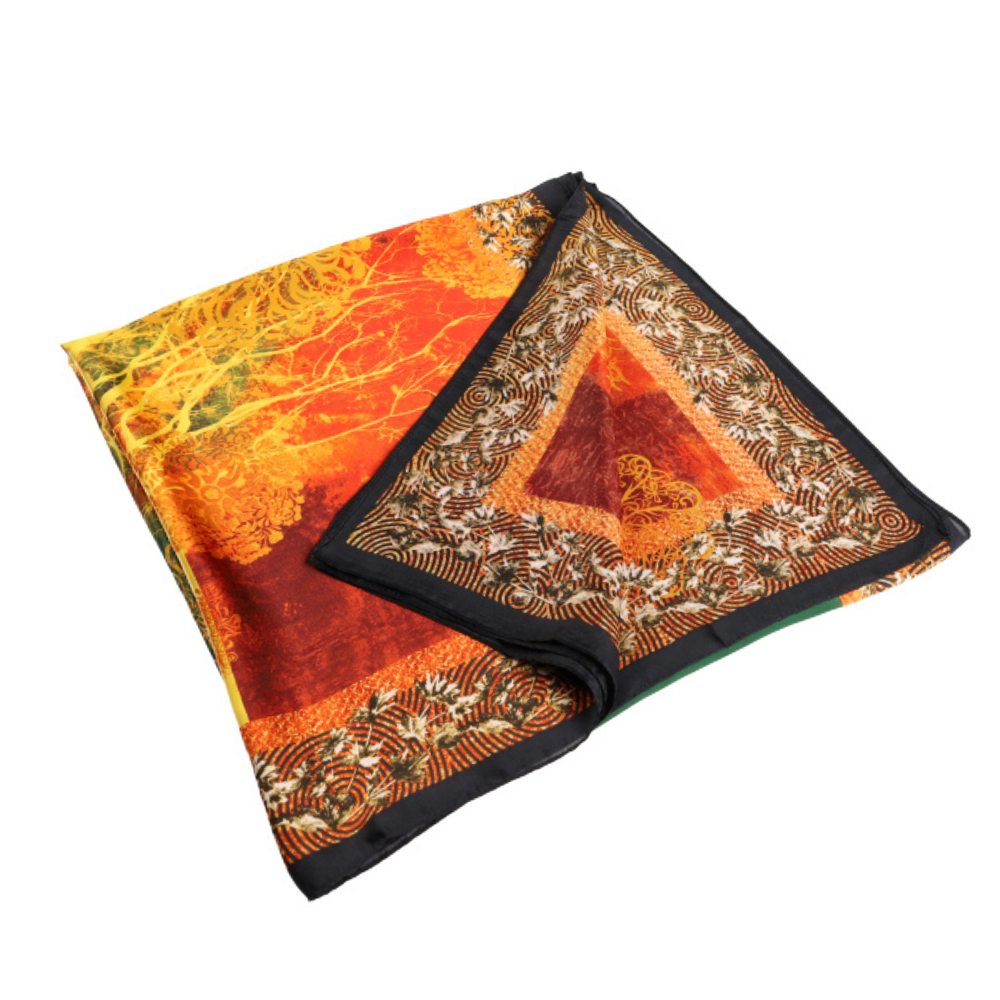
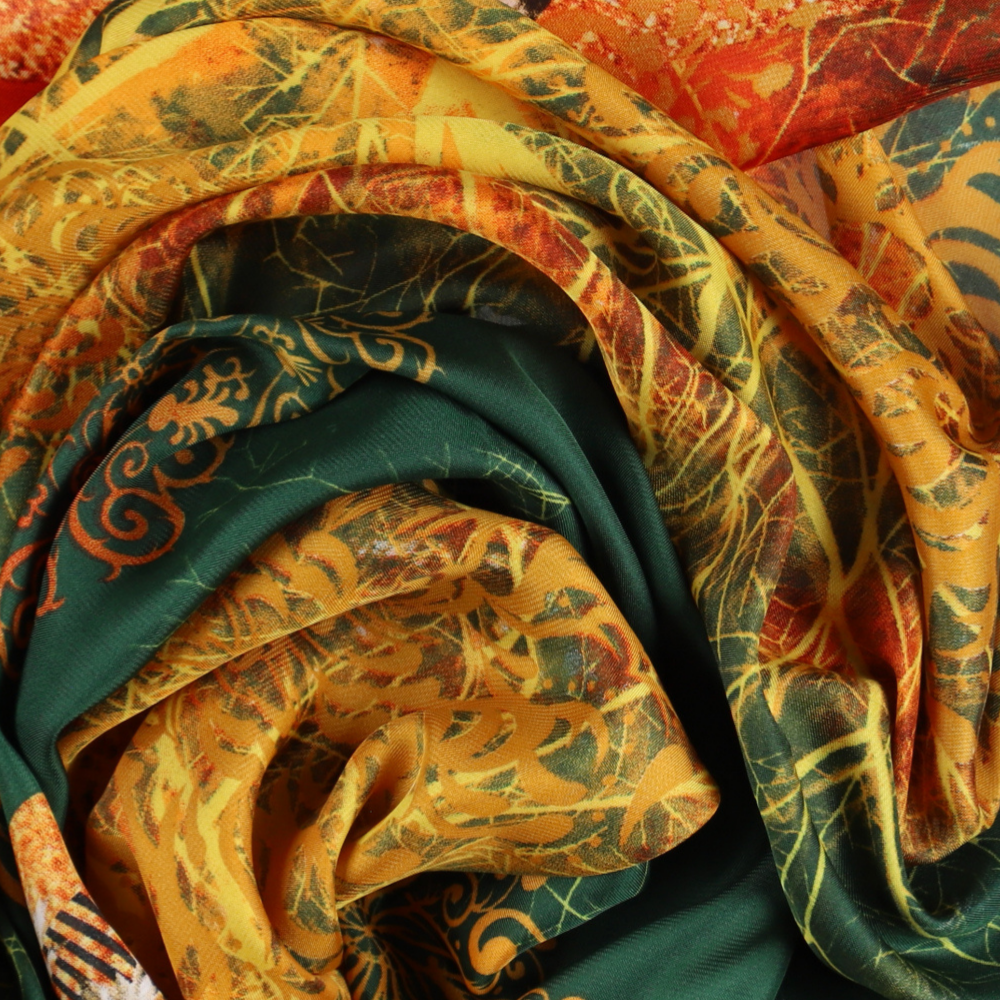
180×90 cm / 71×35 in
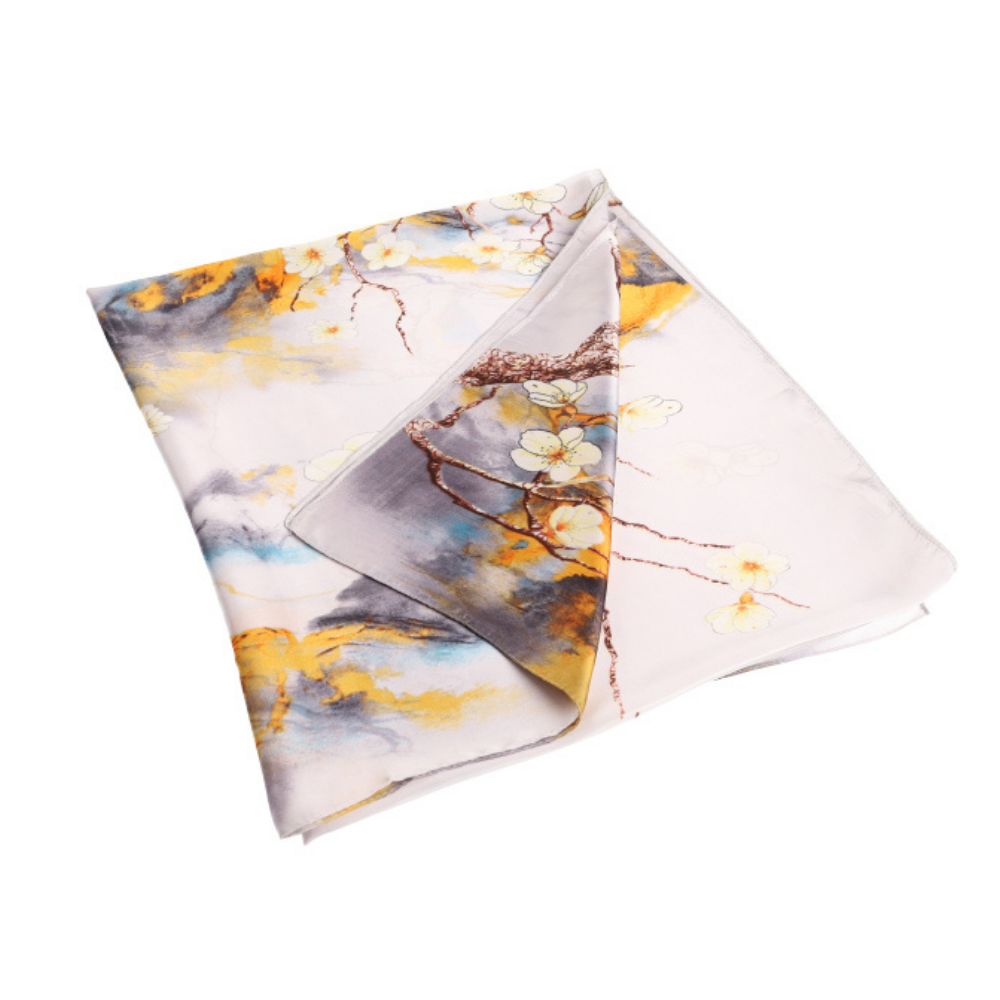
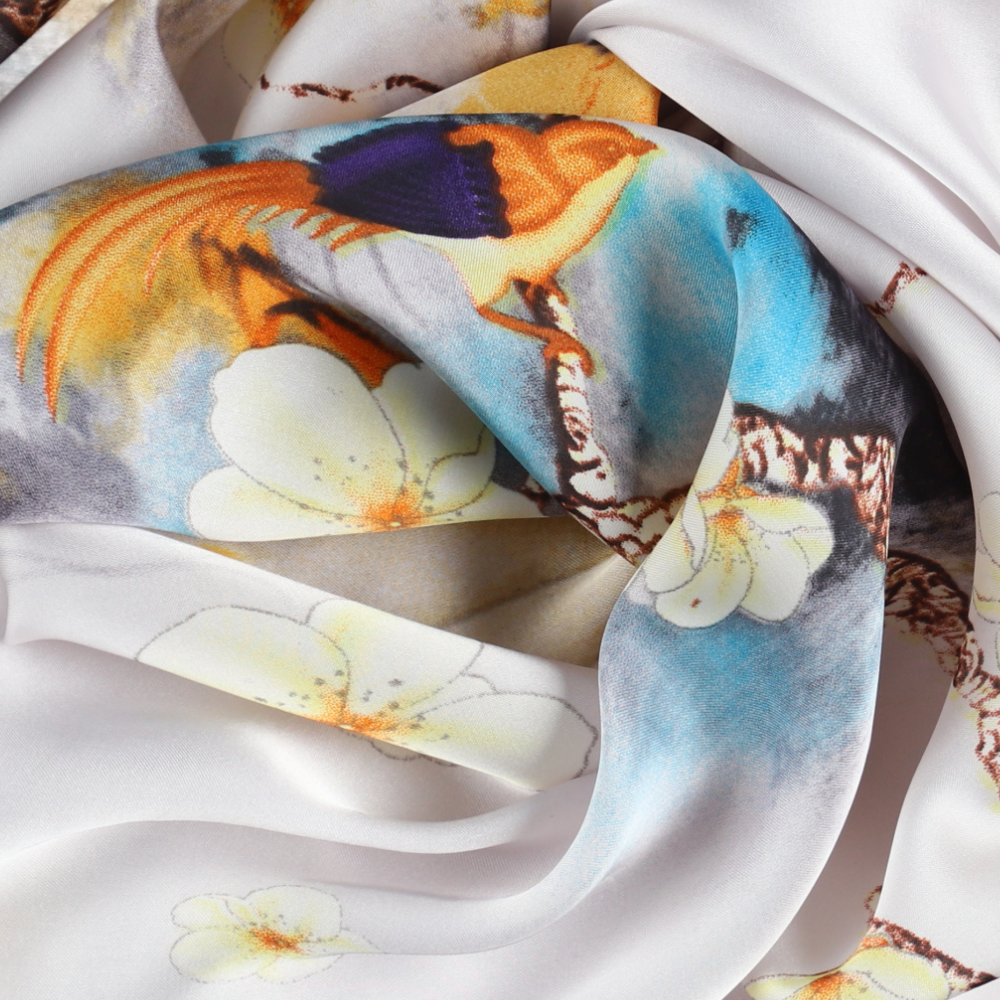
180×90 cm / 71×35 in
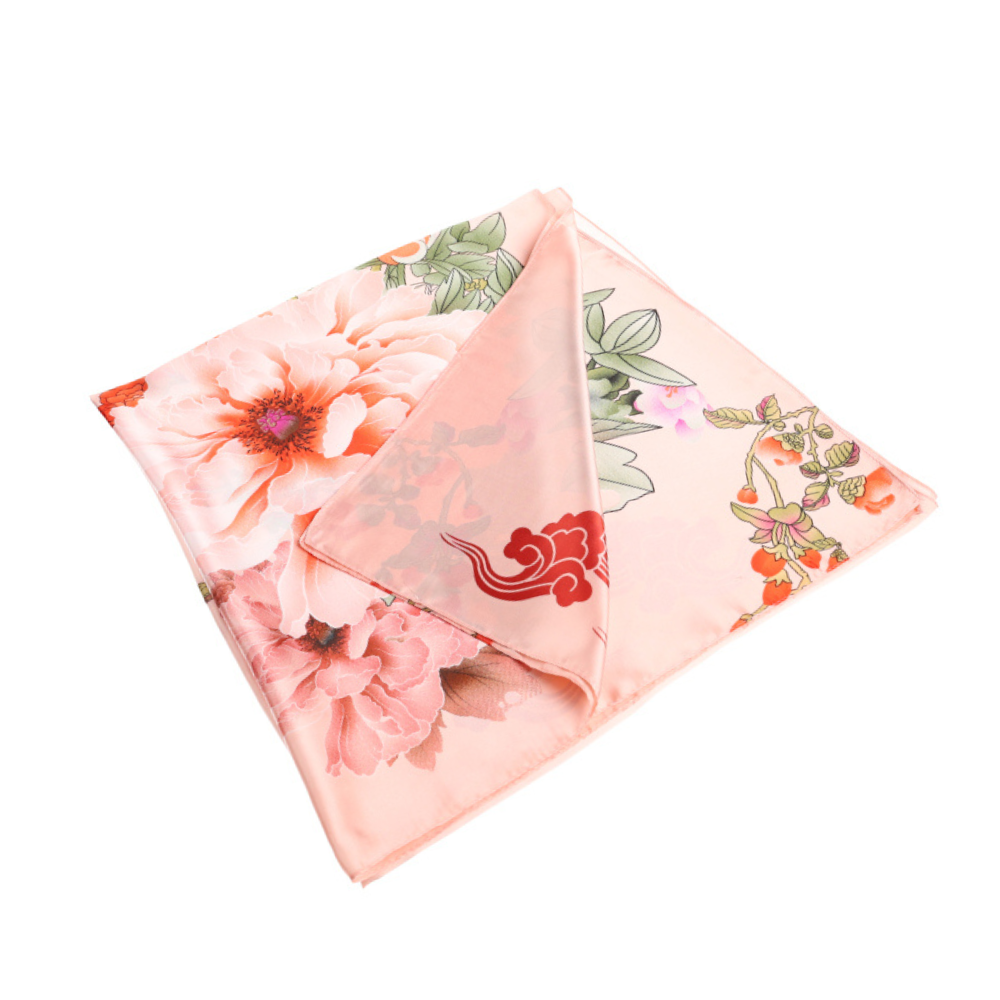
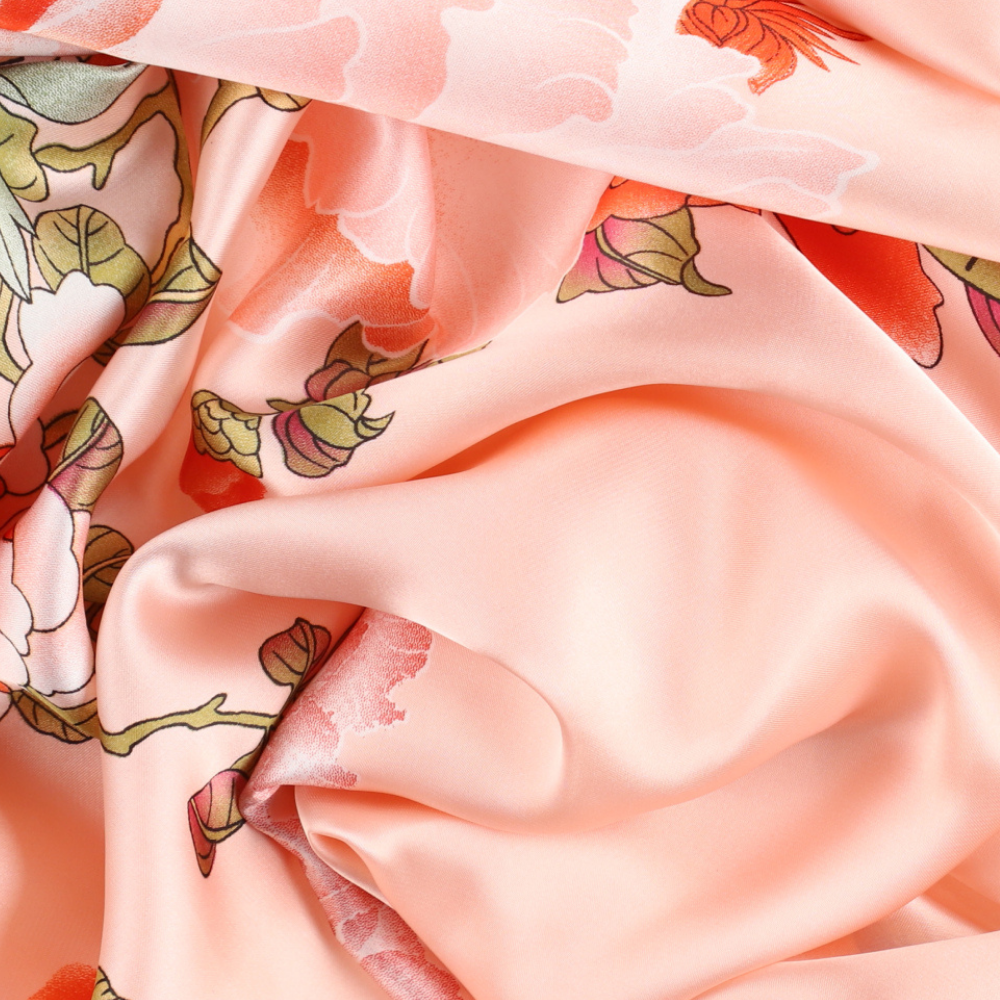
180×90 cm / 71×35 in
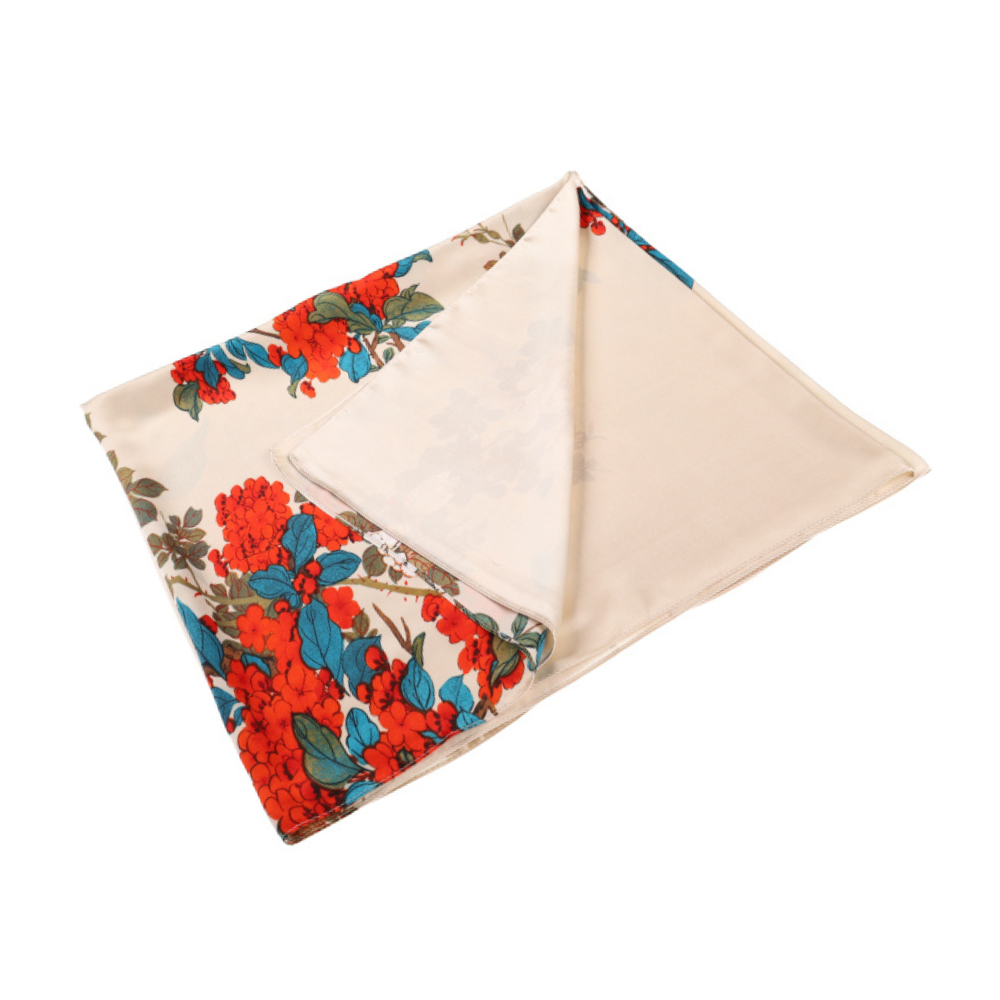
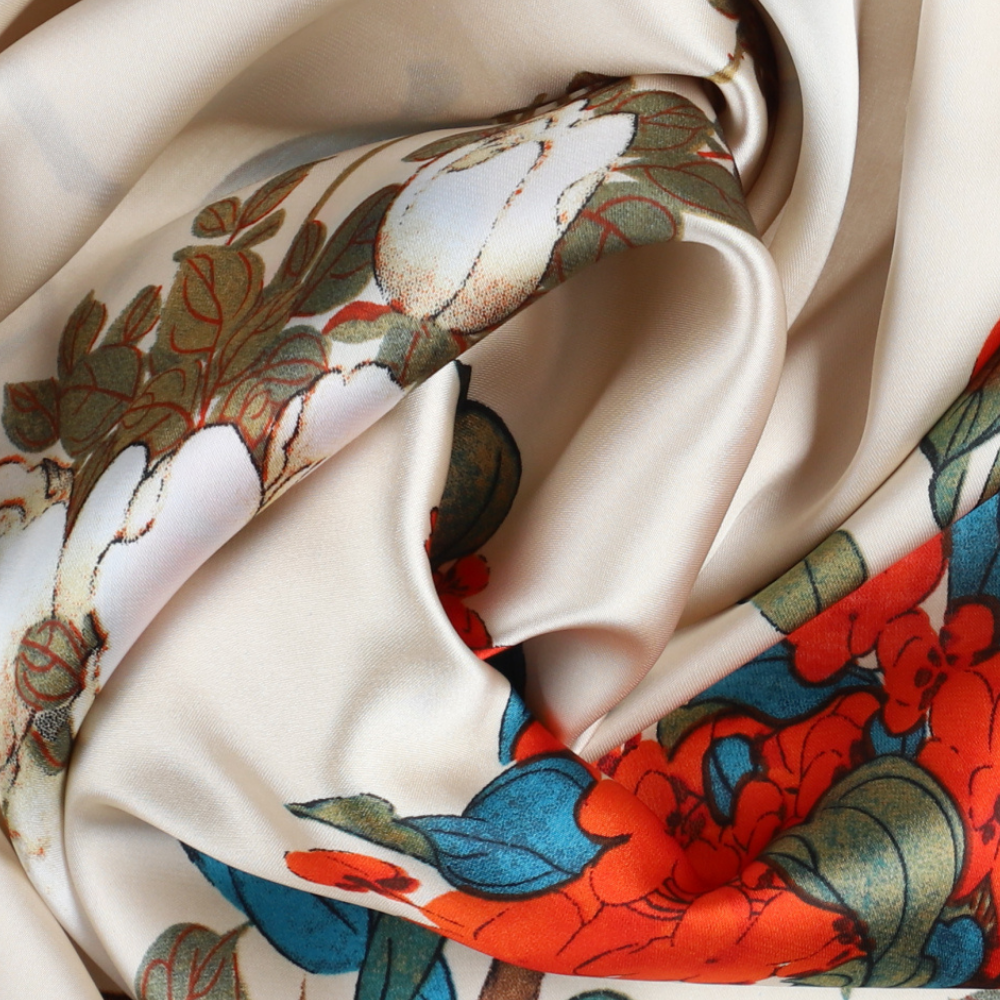
180×90 cm / 71×35 in
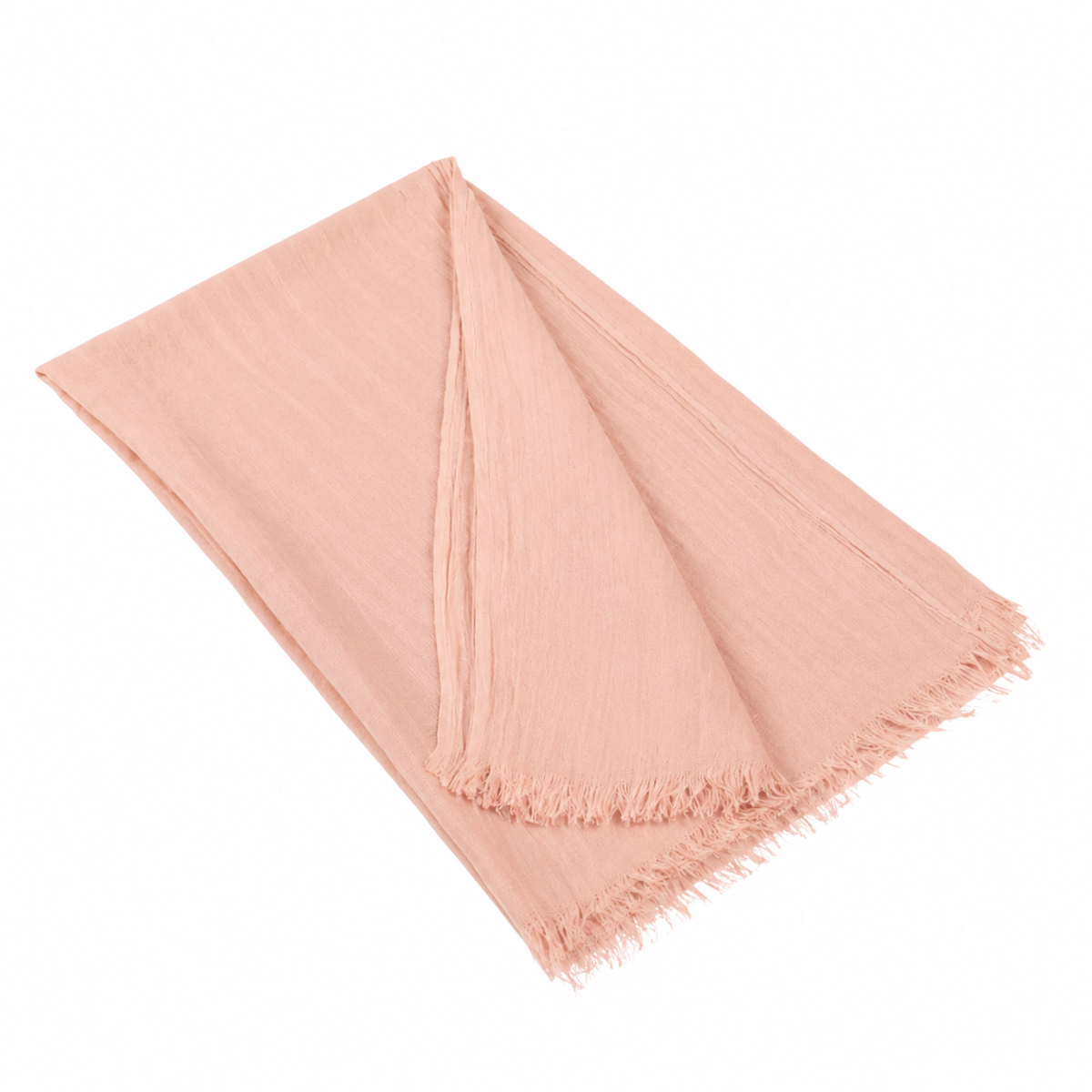
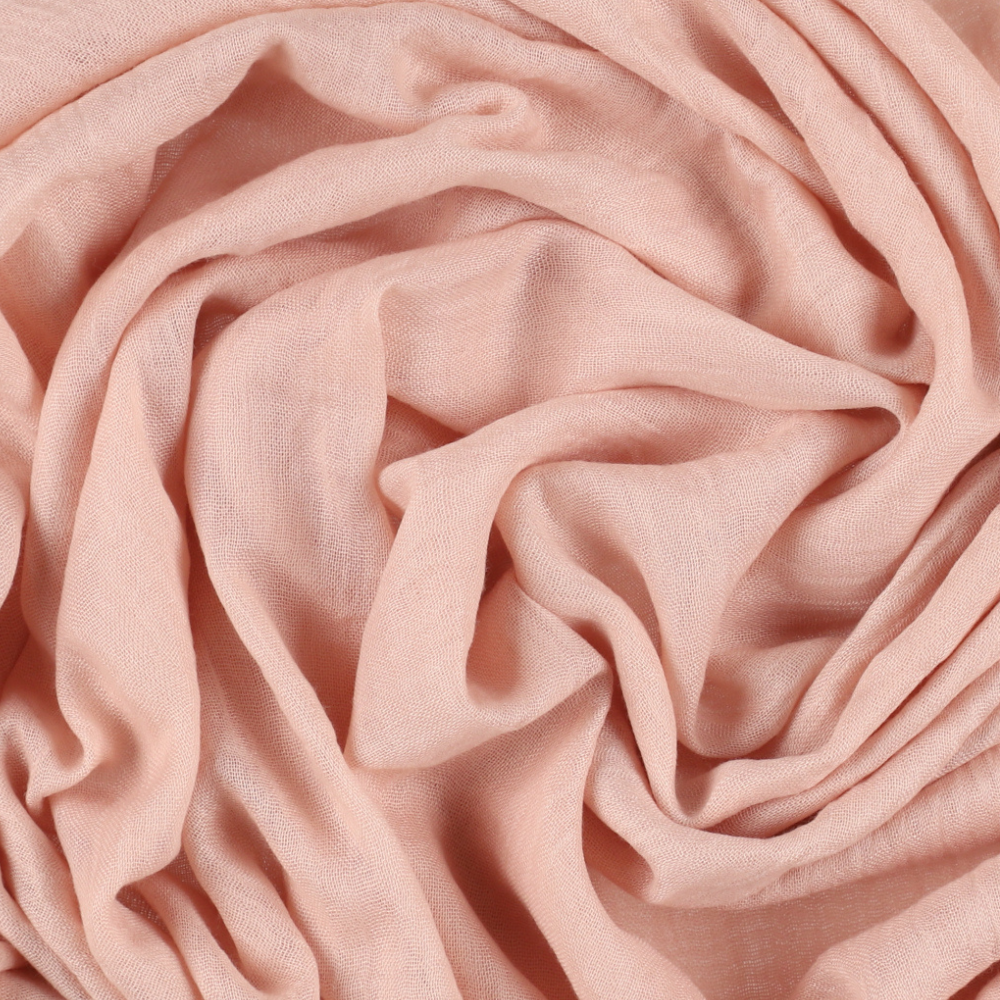
195×100 cm / 77×39 in
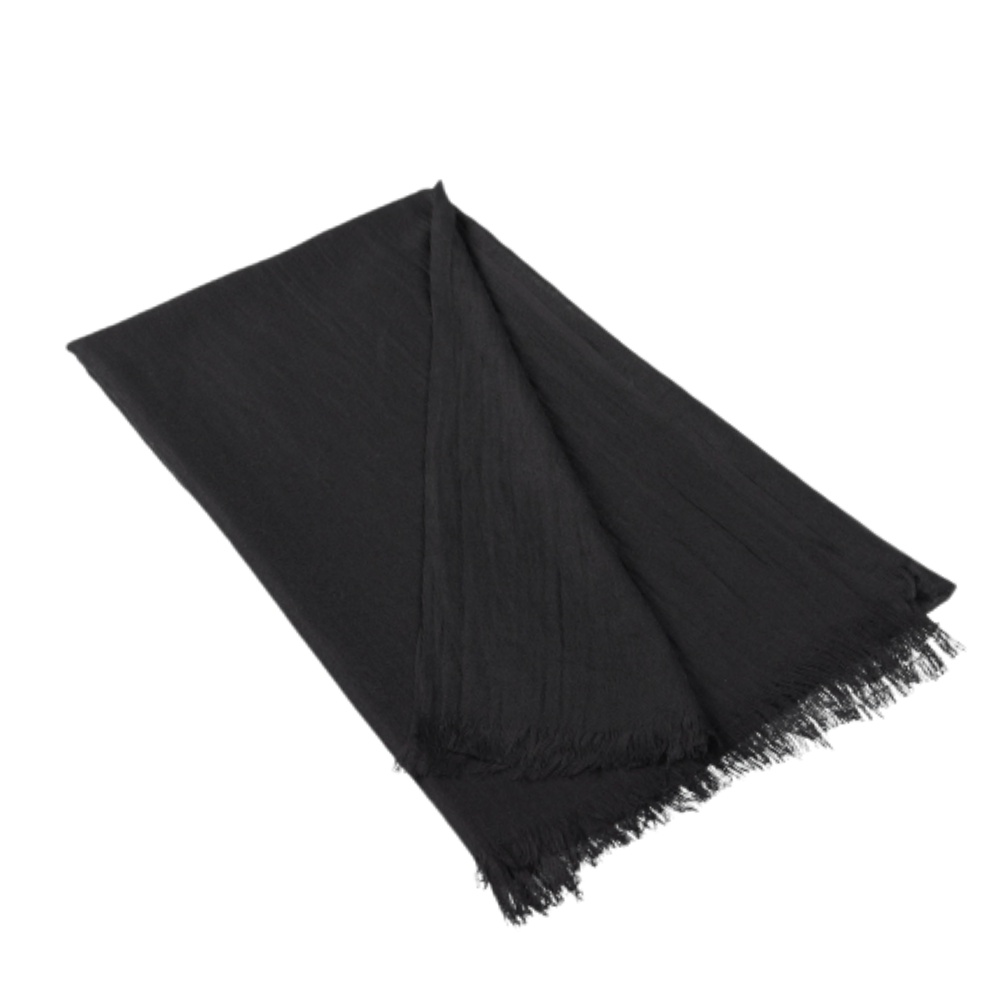
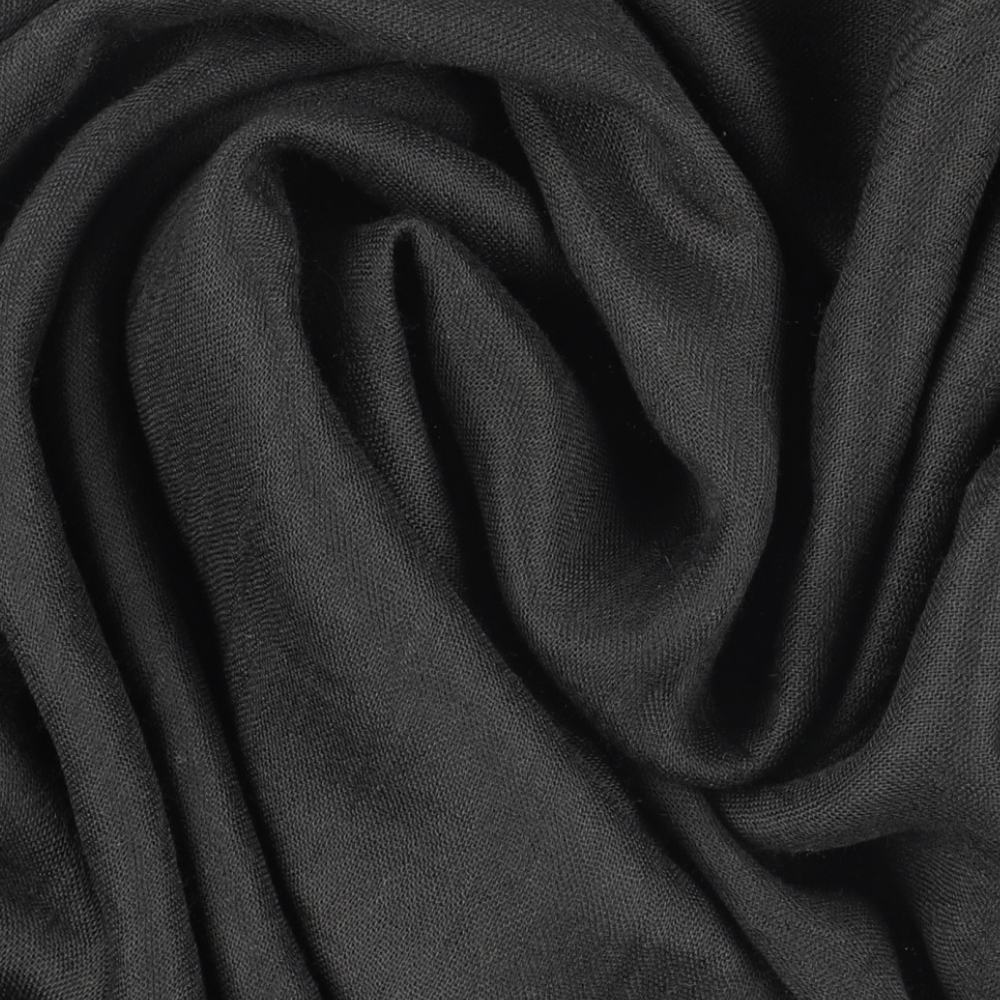
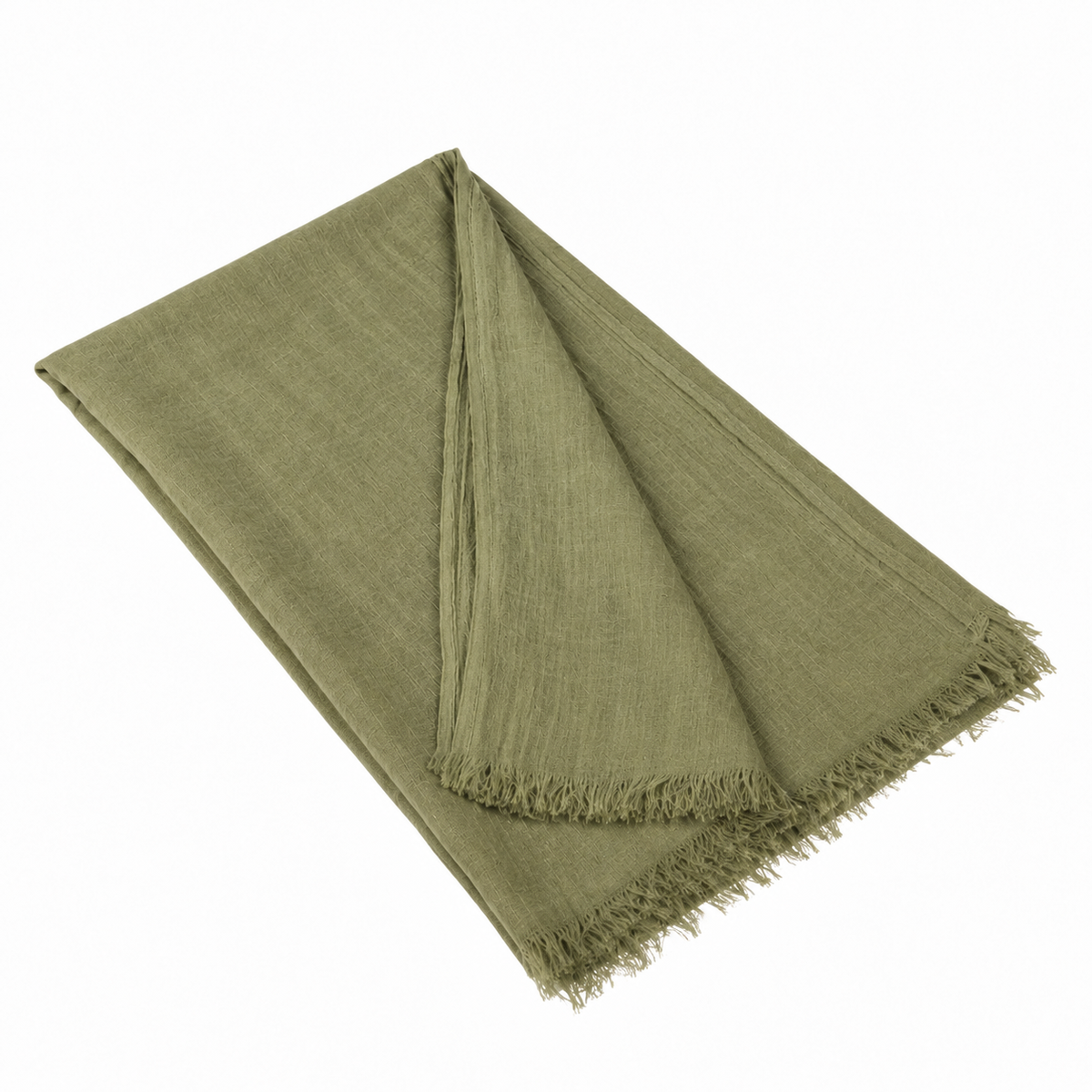
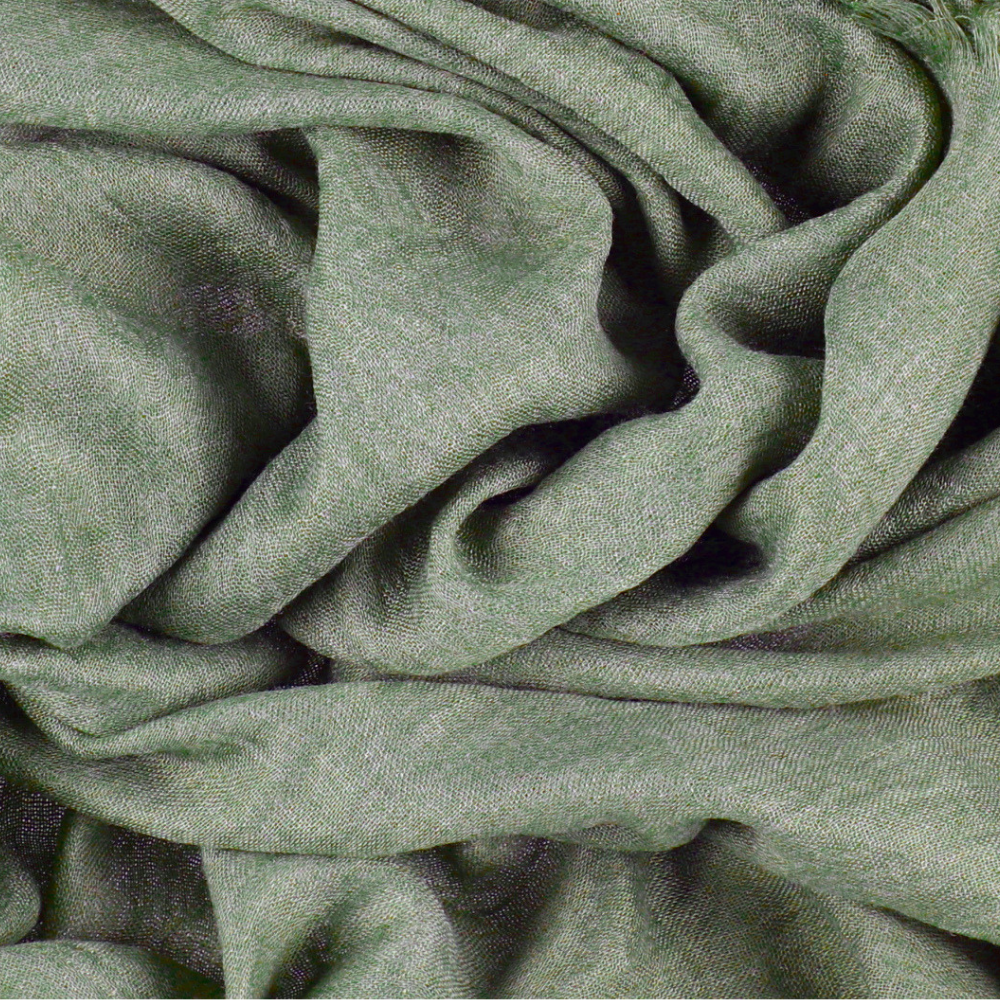
195×100 cm / 77×39 in
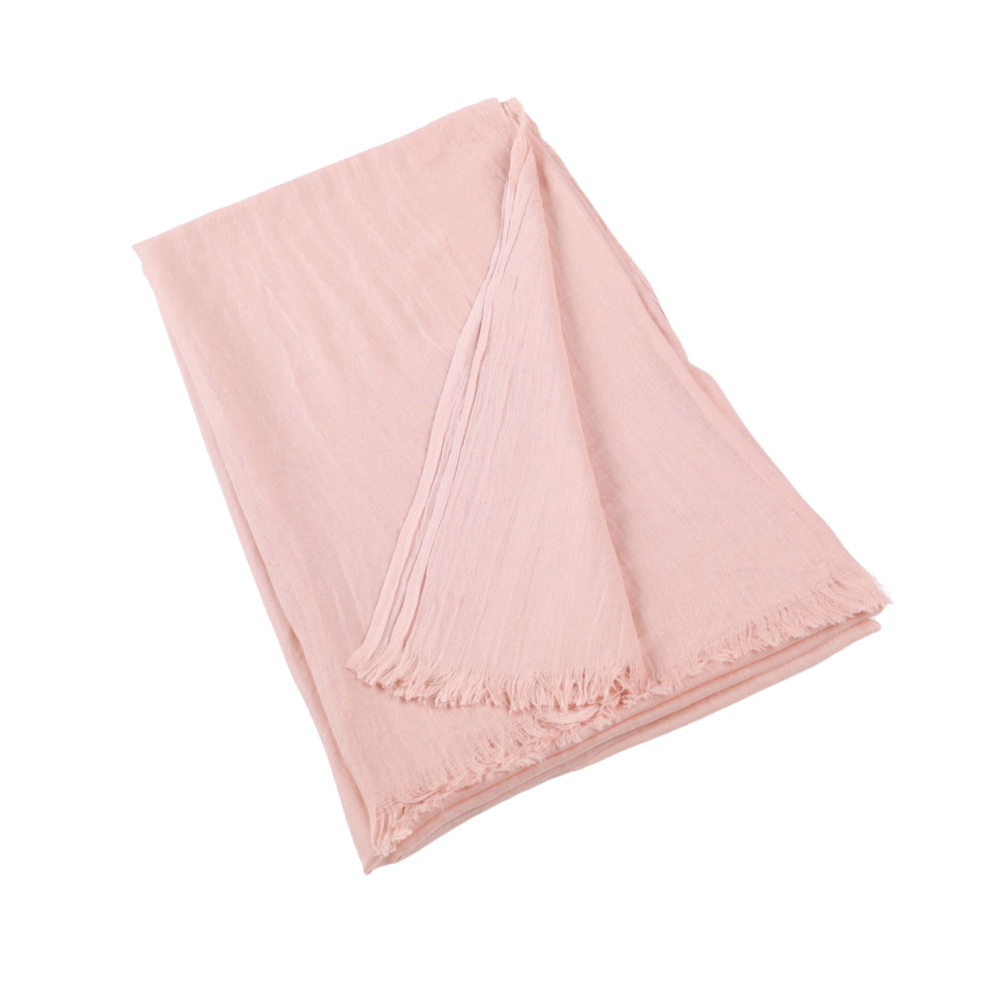
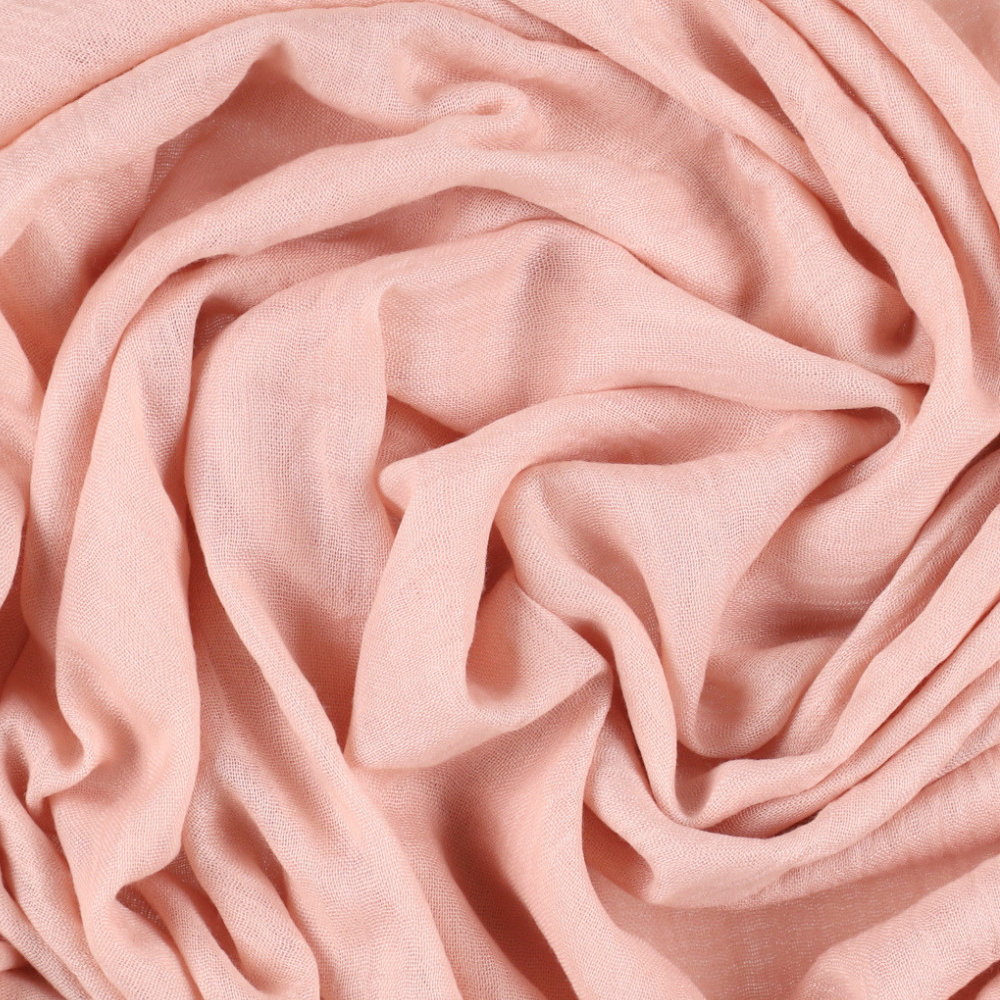
195×100 cm / 77×39 in
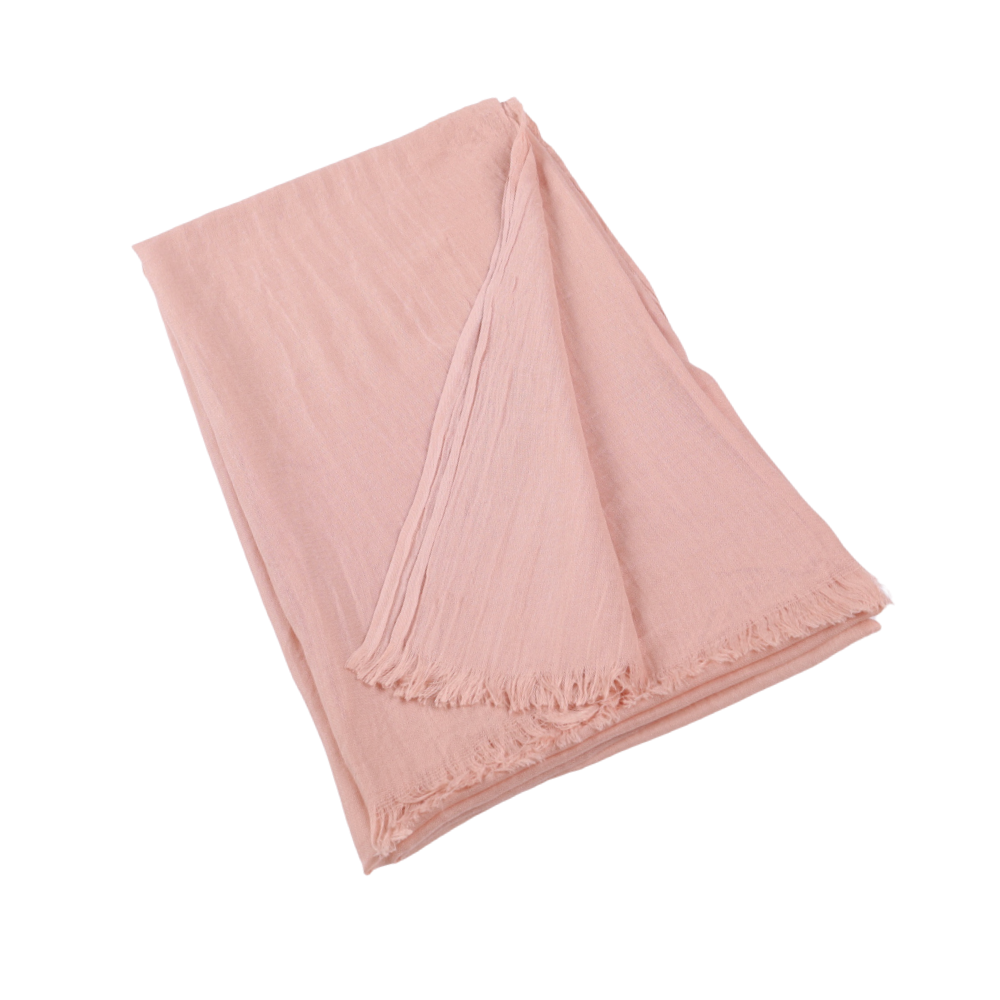
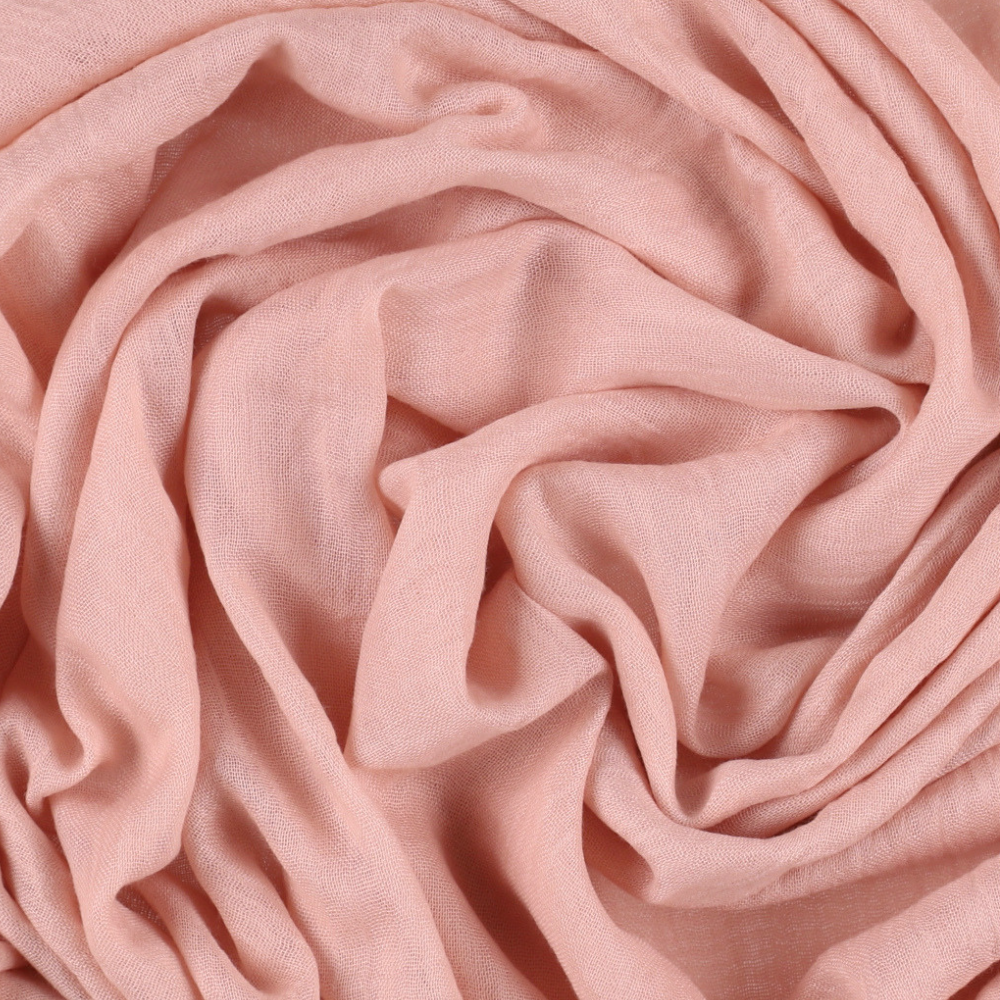
195×100 cm / 77×39 in
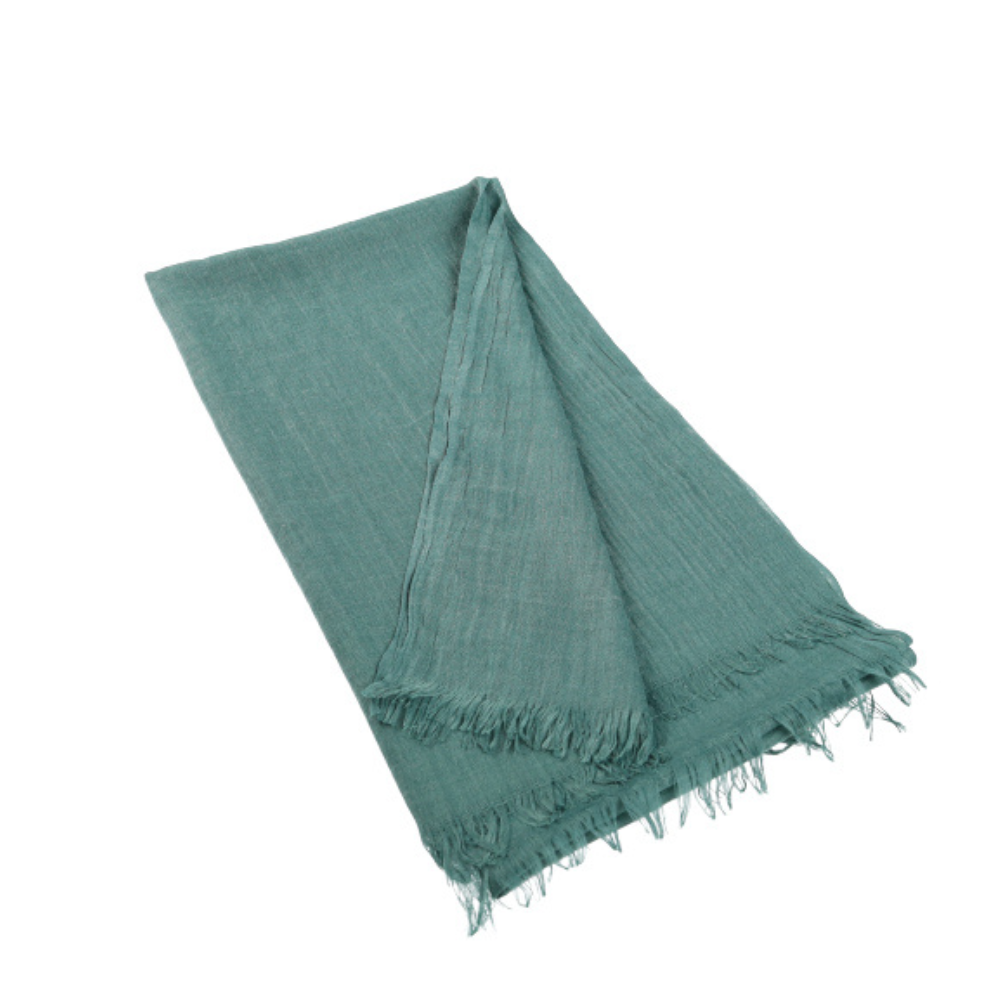
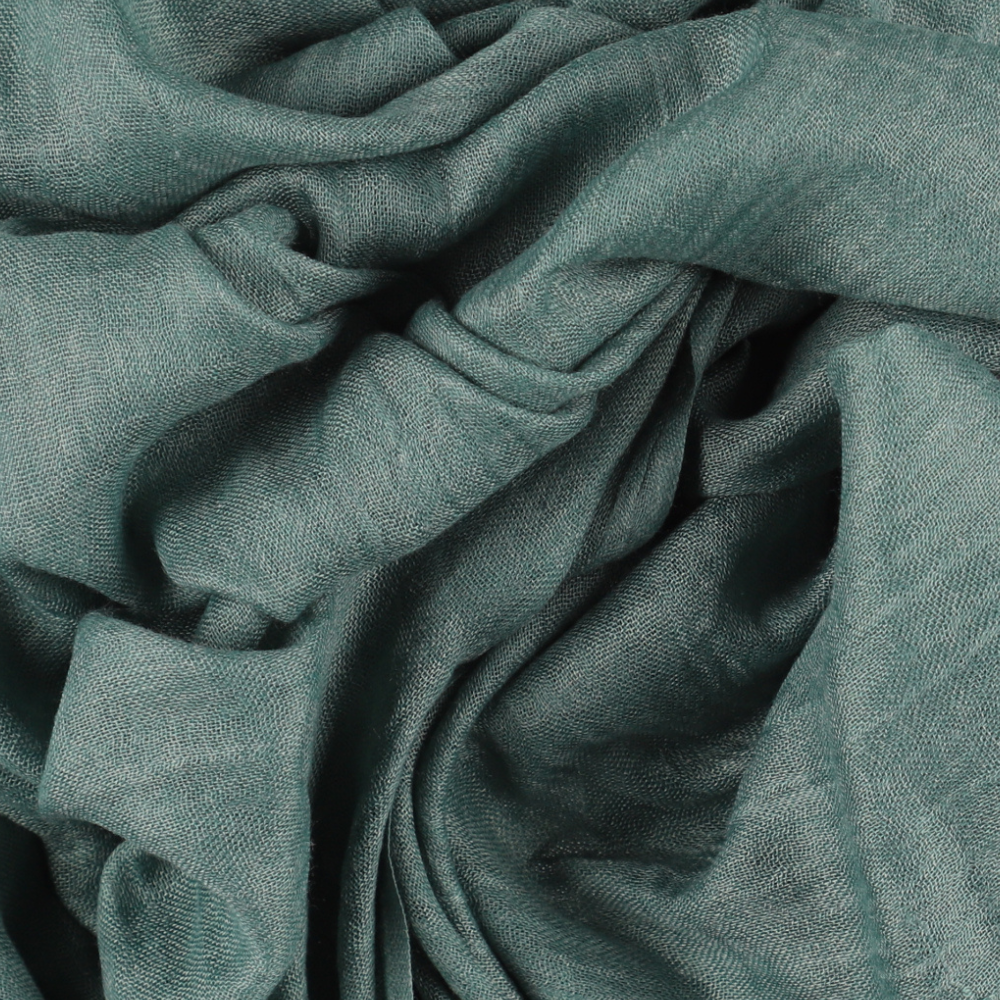
195×100 cm / 77×39 in
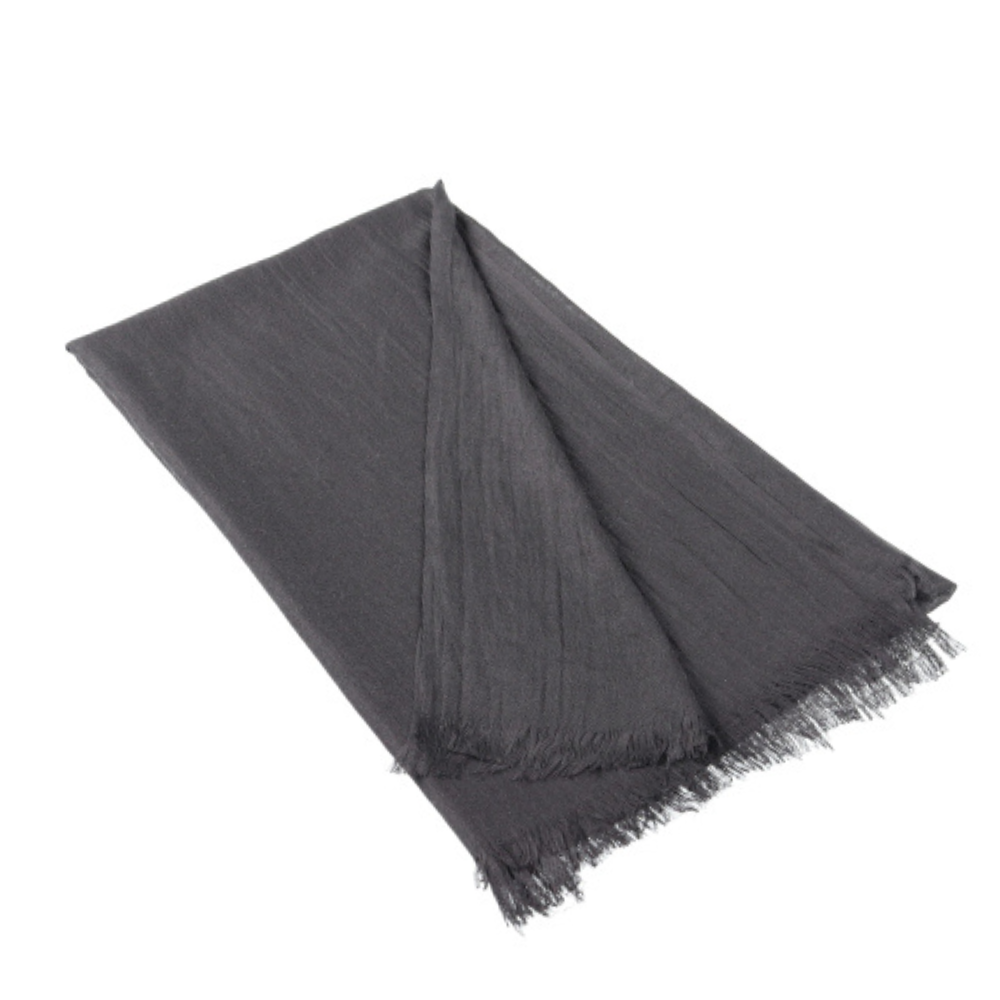
195×100 cm / 77×39 in
195×100 cm / 77×39 in
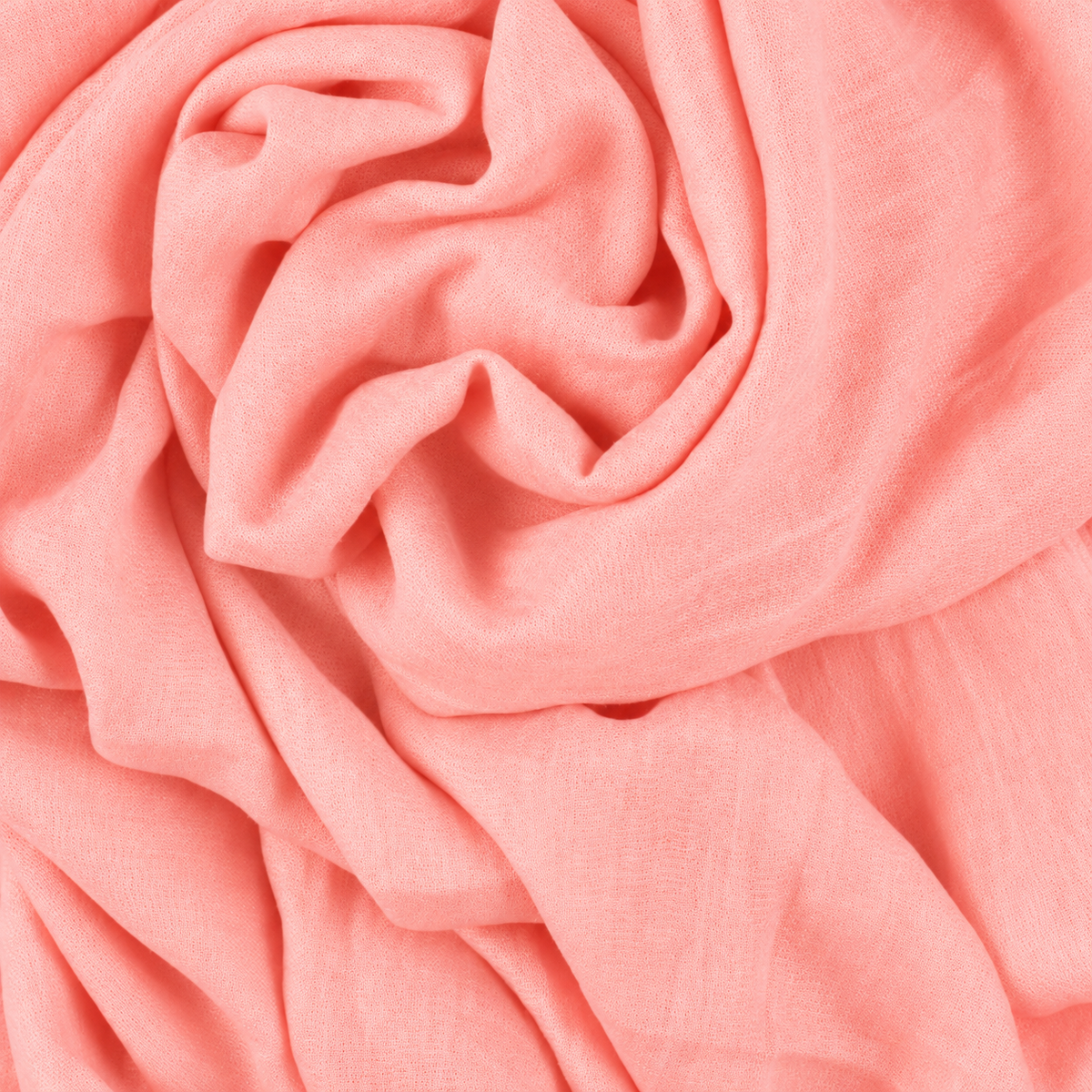
195×100 cm / 77×39 in
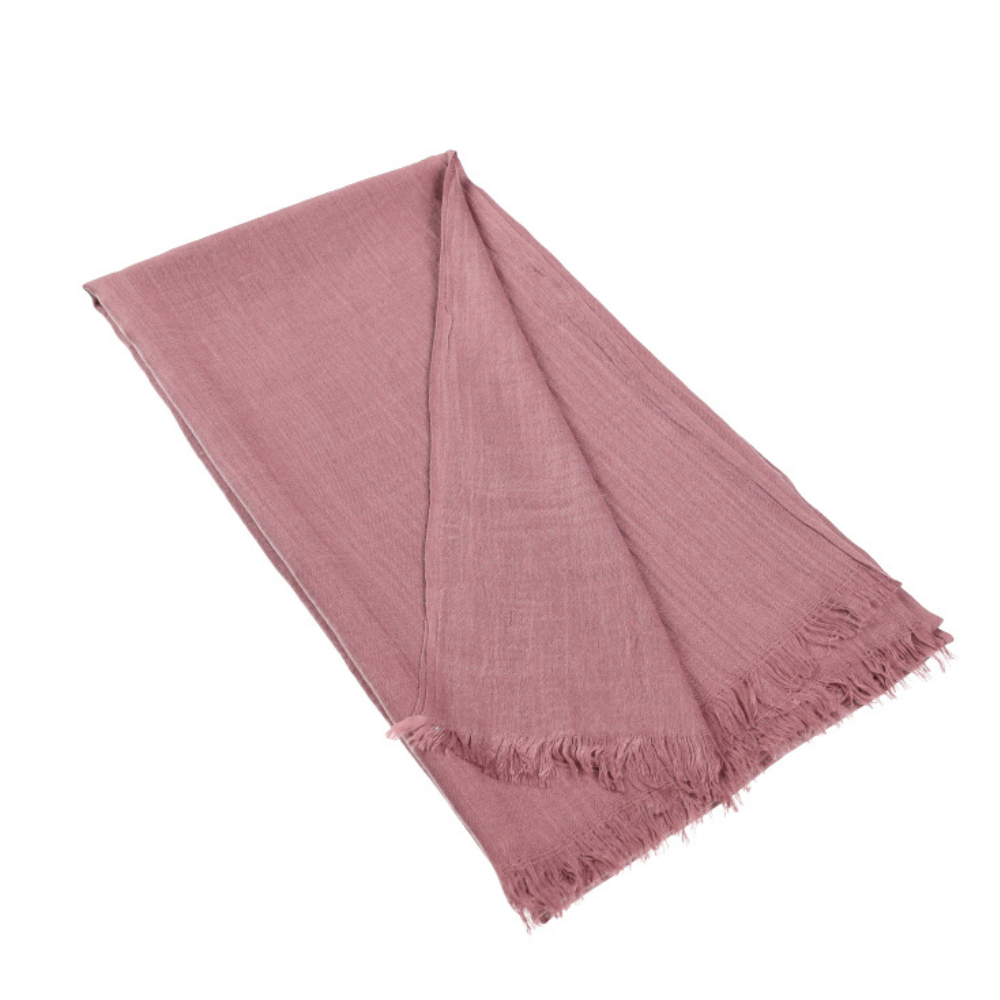
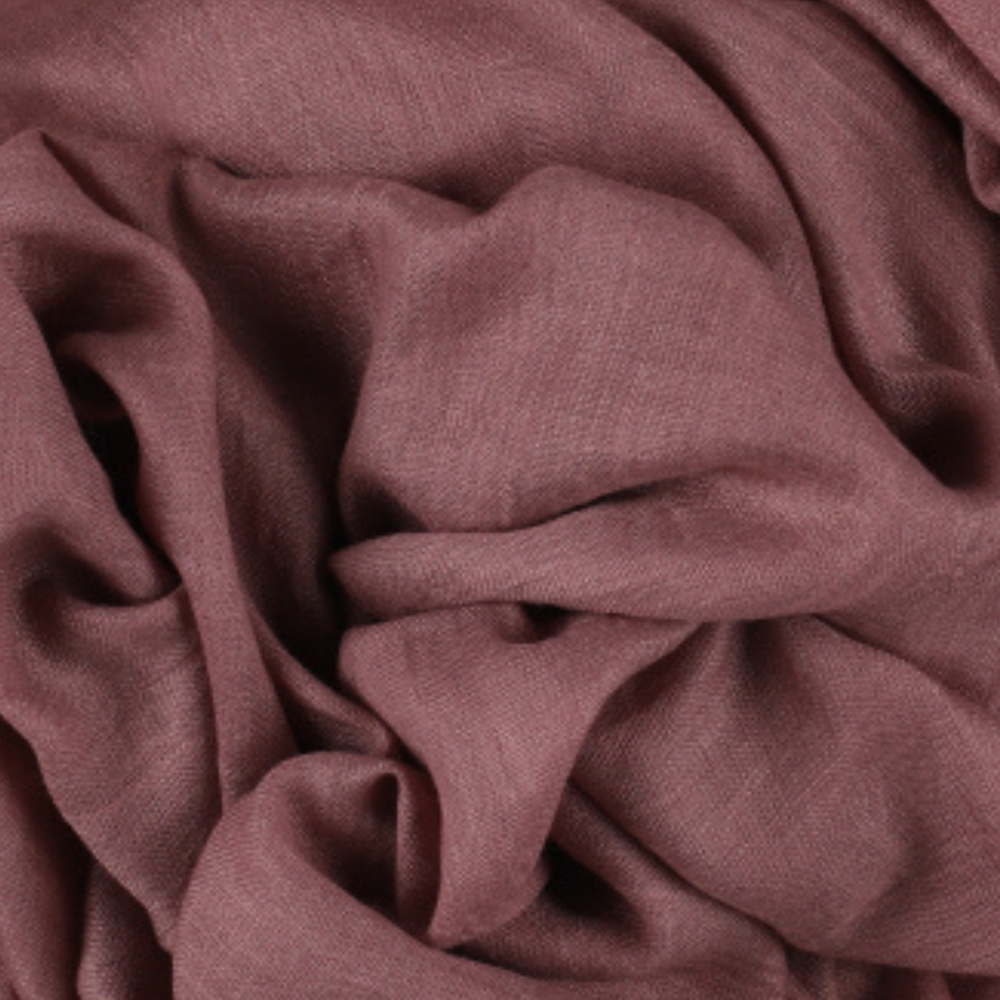
195×100 cm / 77×39 in
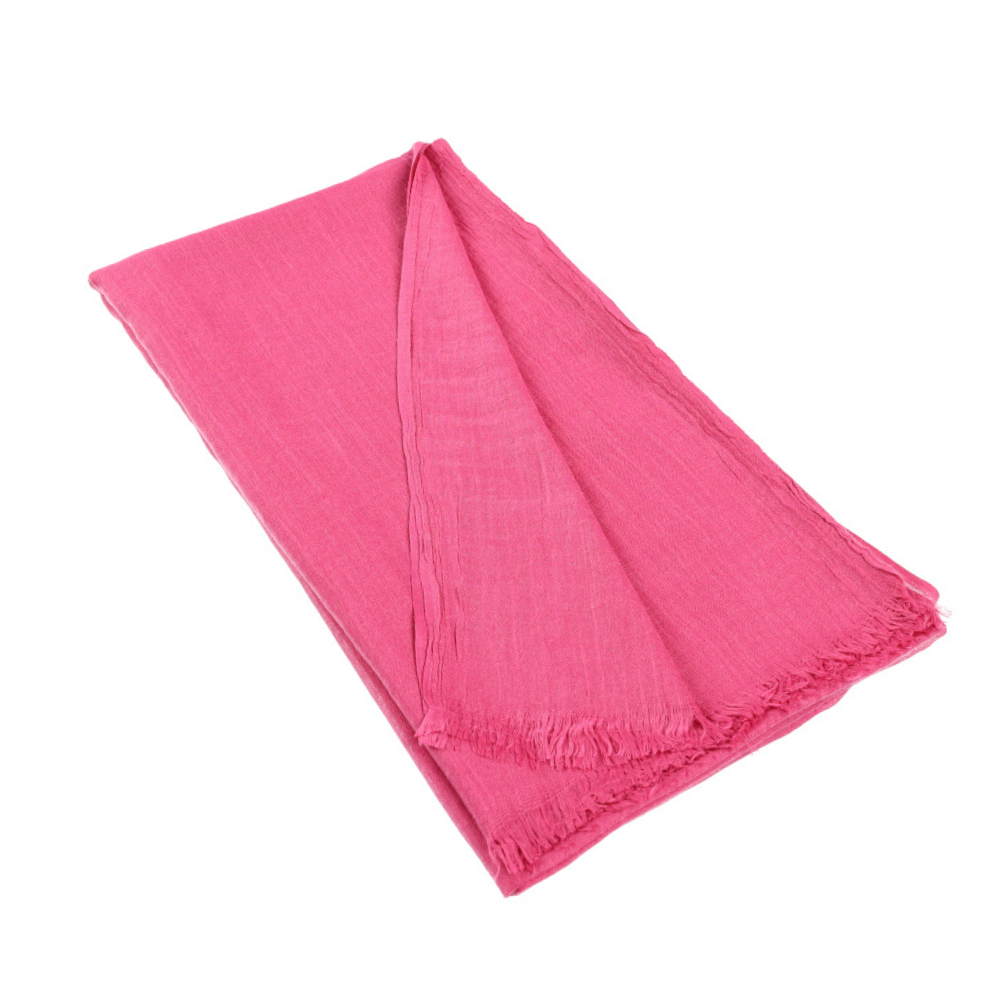
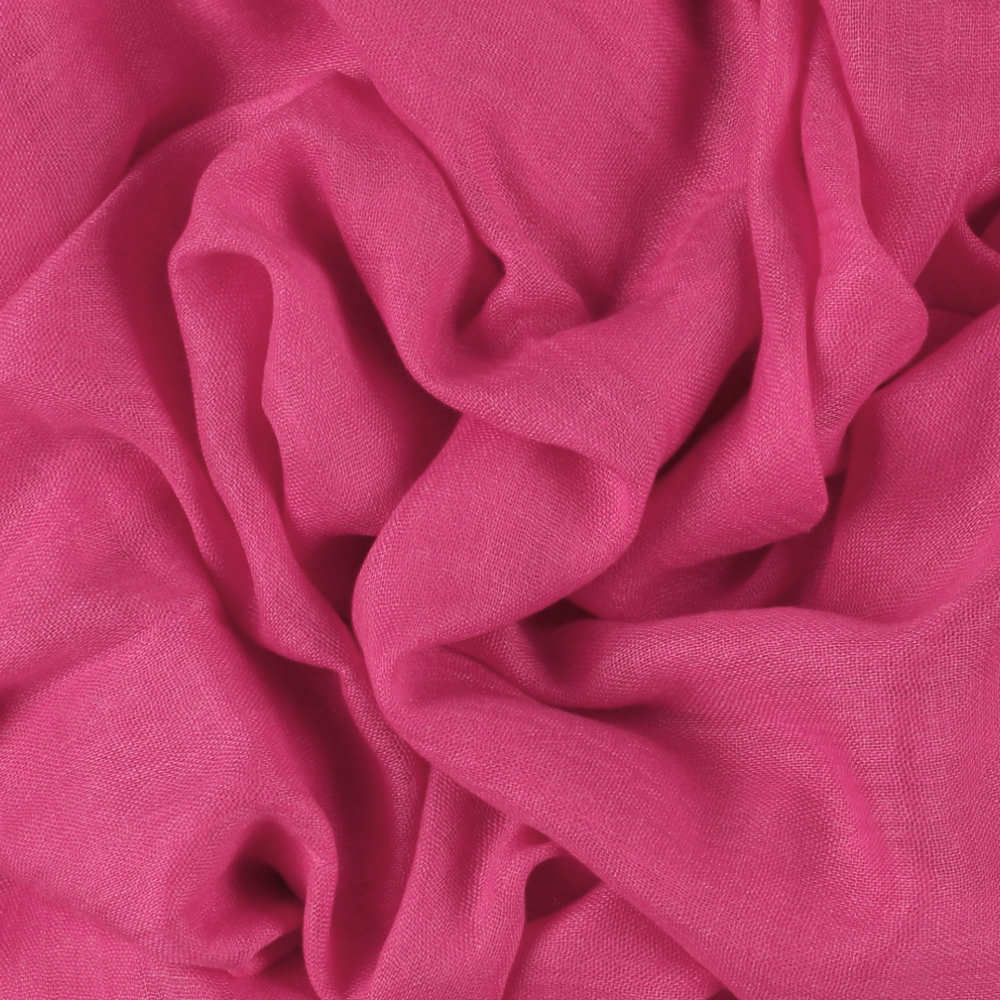
195×100 cm / 77×39 in
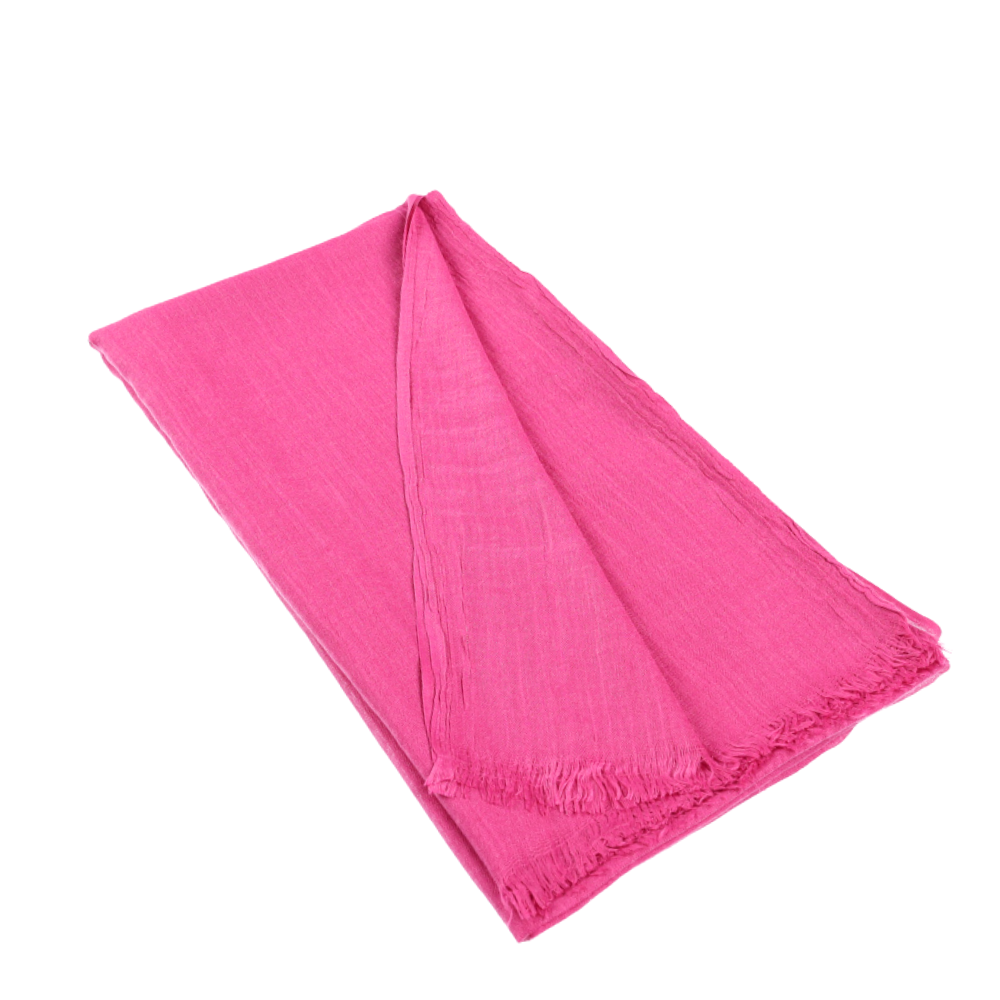
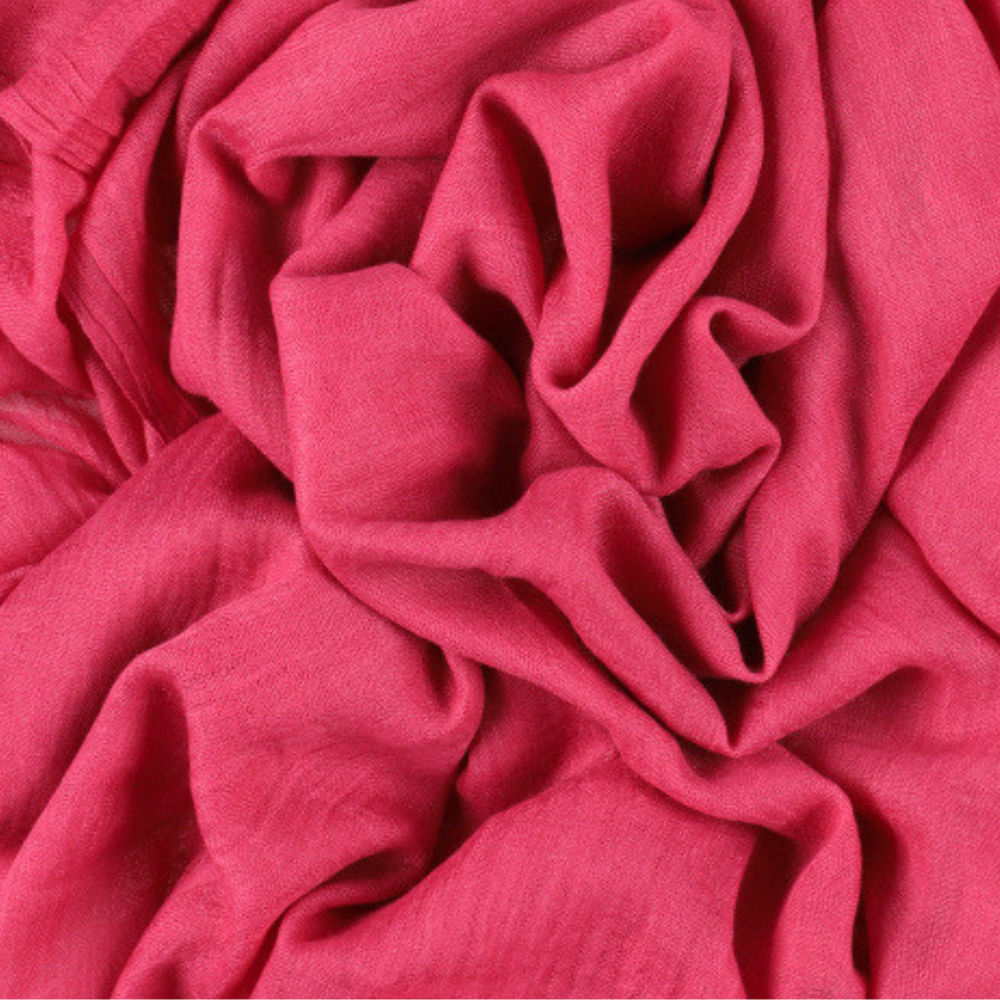
195×100 cm / 77×39 in
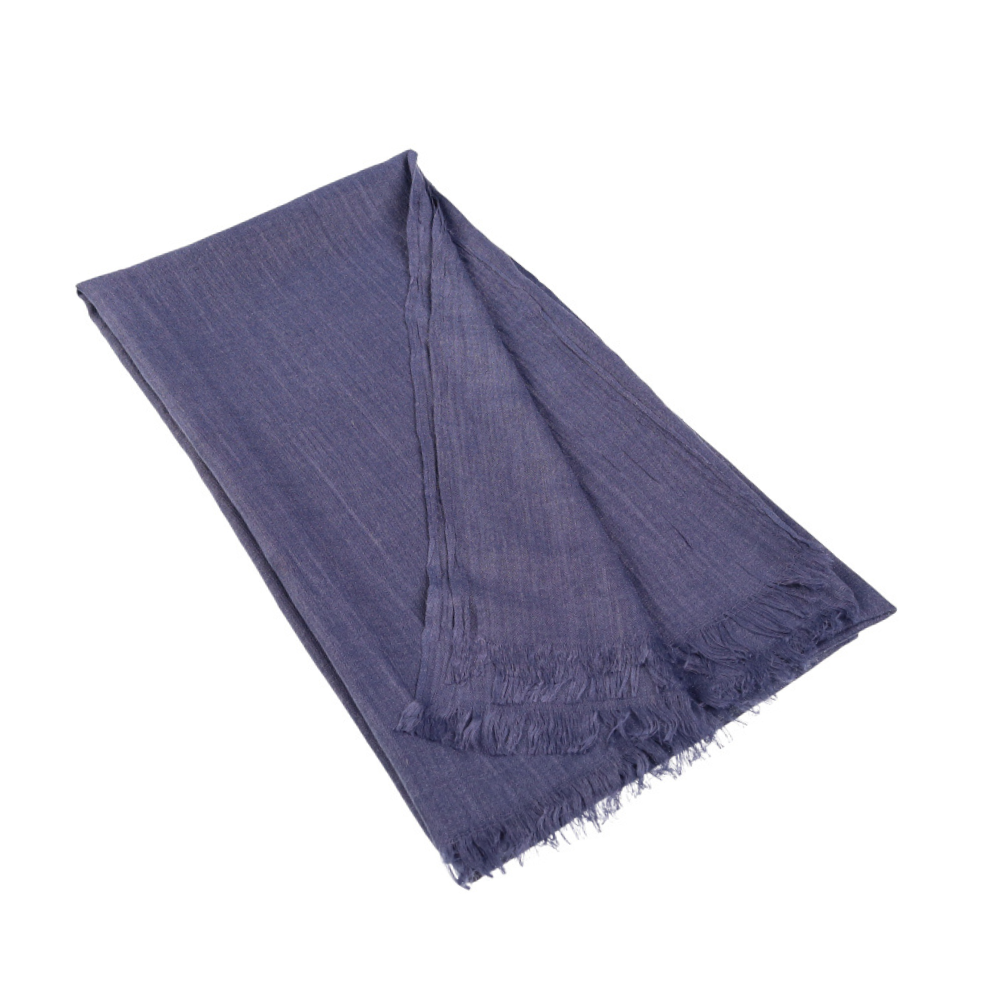
195×100 cm / 77×39 in
195×100 cm / 77×39 in
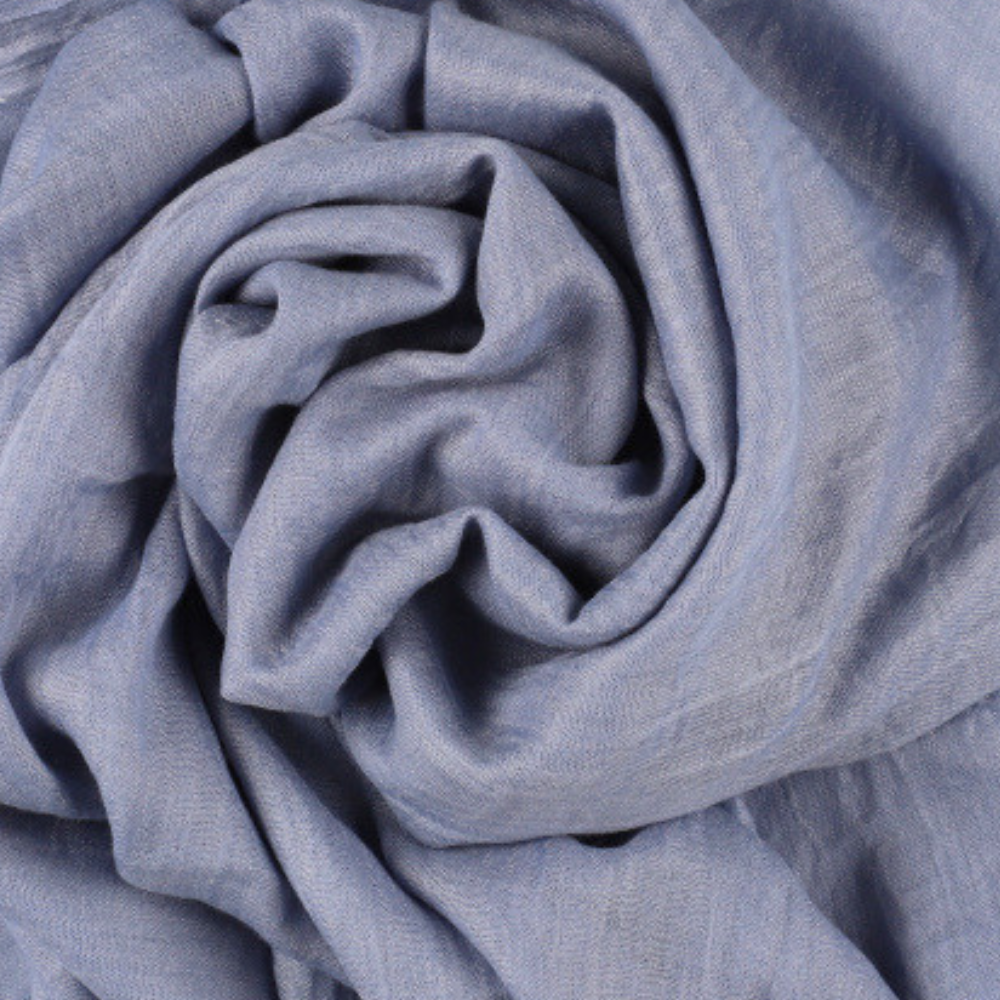
195×100 cm / 77×39 in
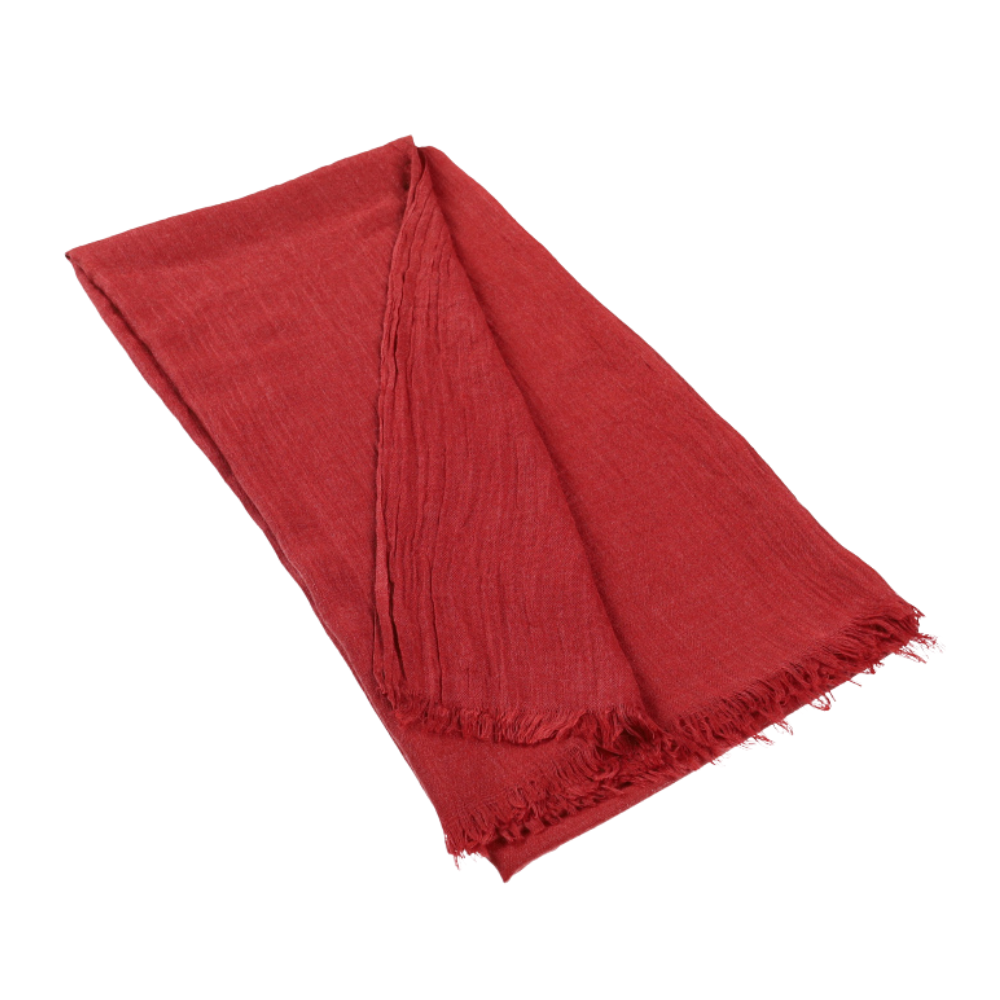
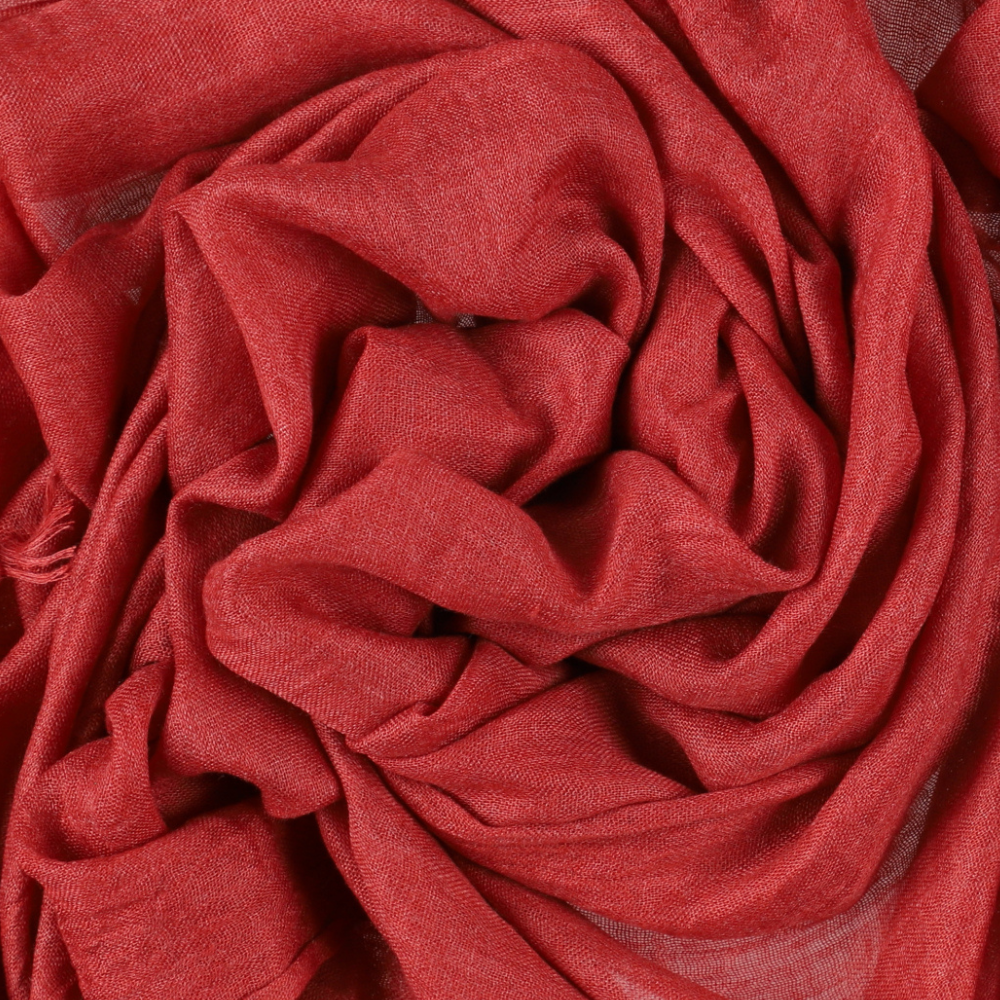
195×100 cm / 77×39 in
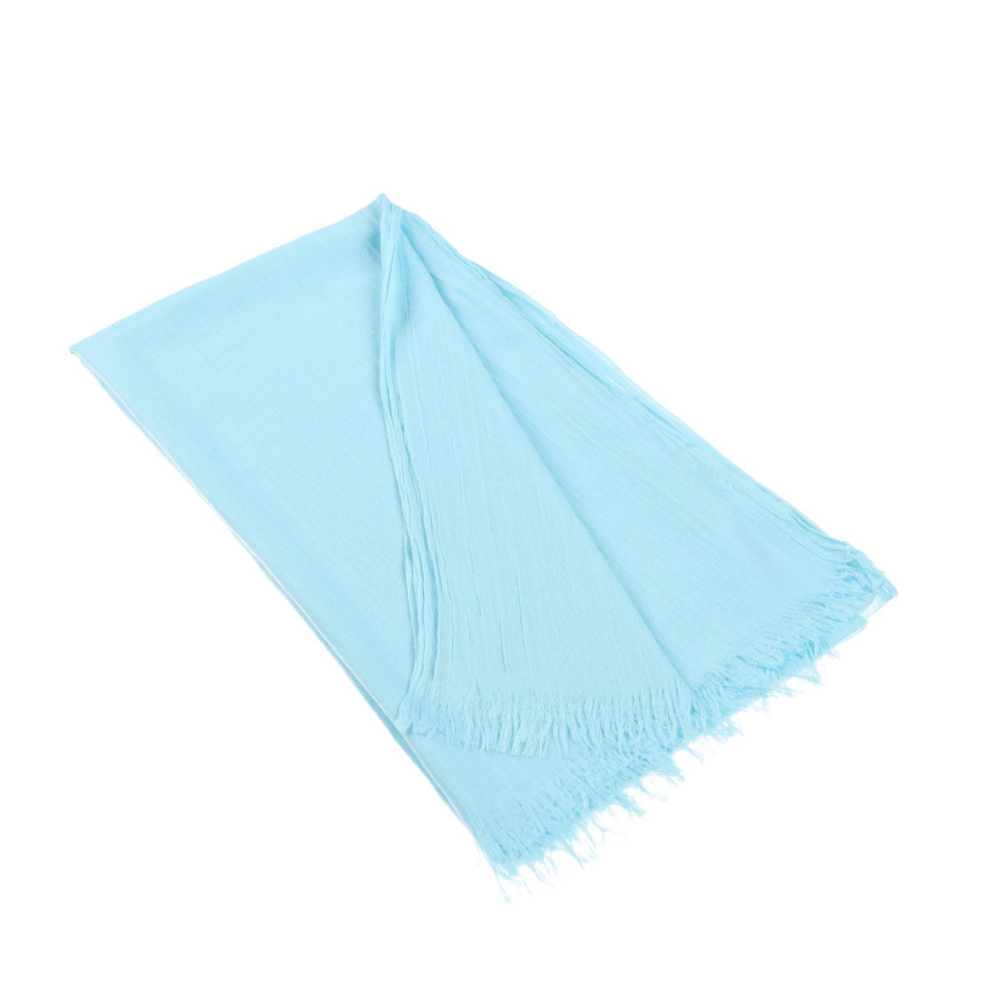
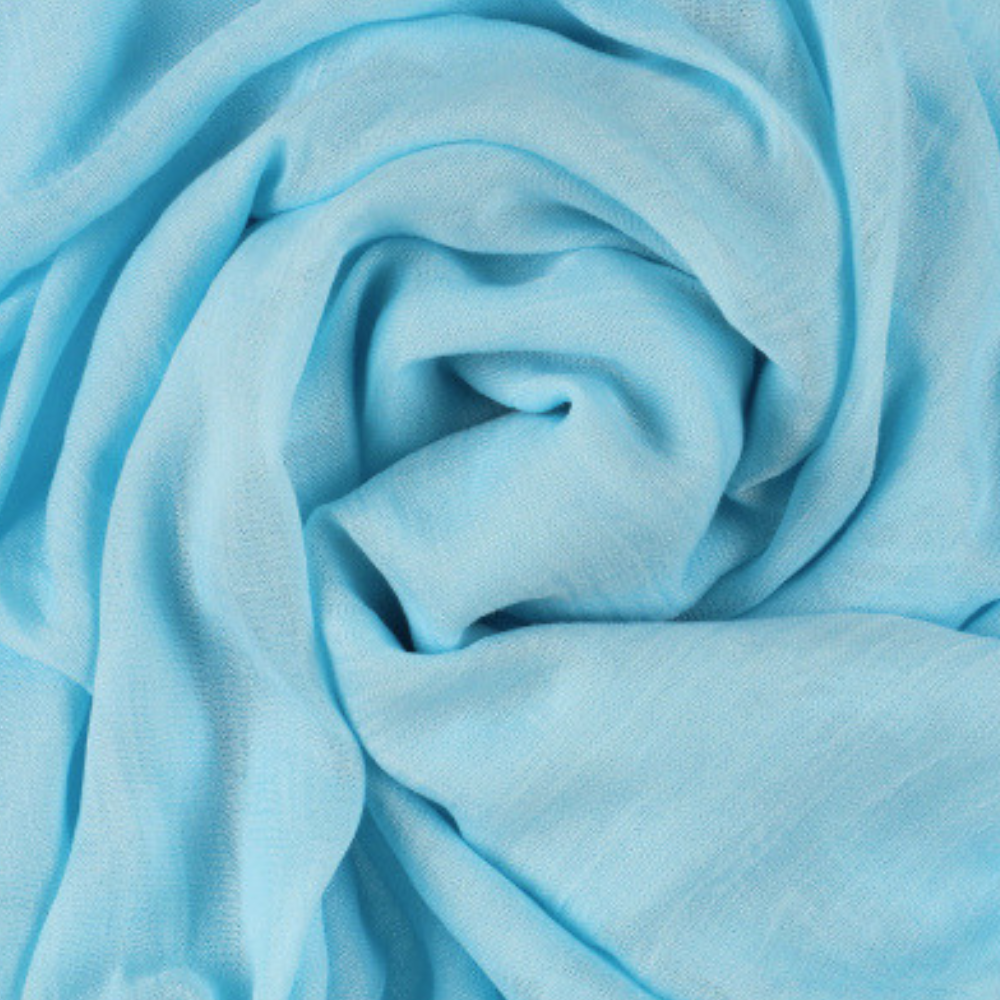
195×100 cm / 77×39 in
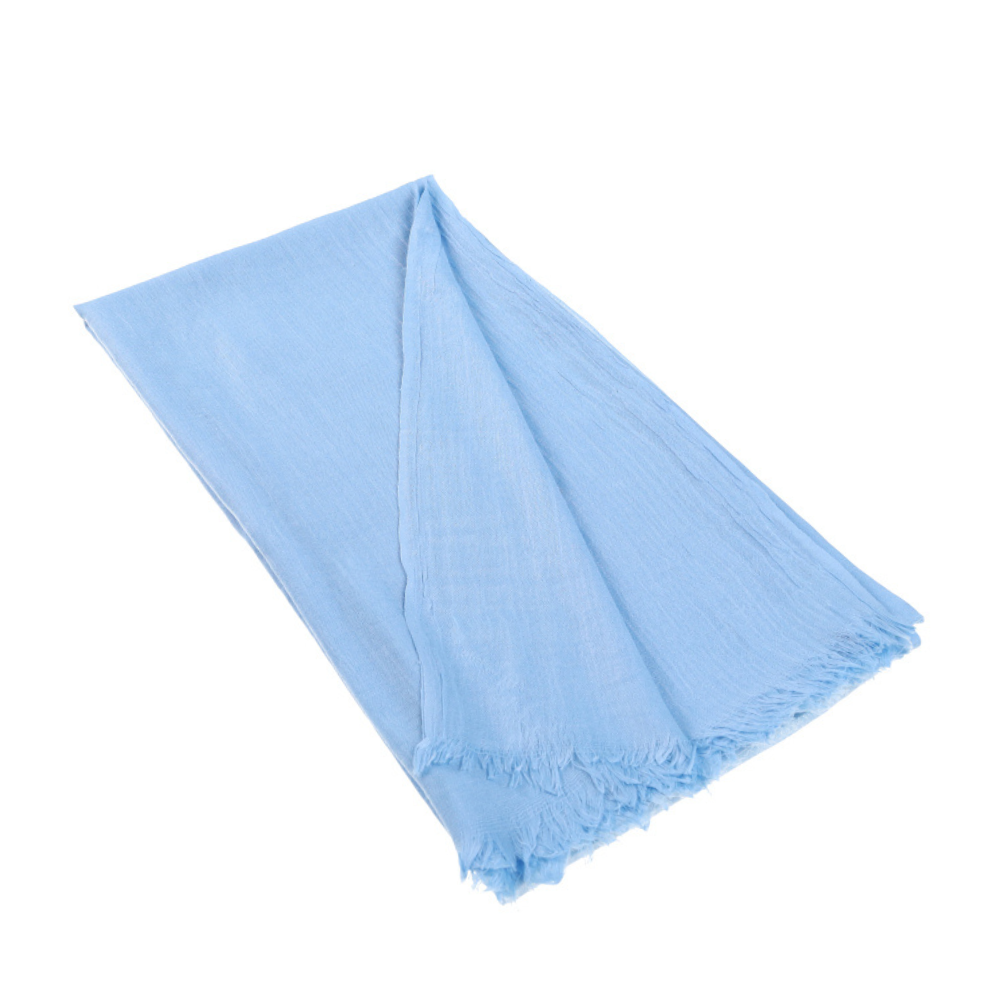
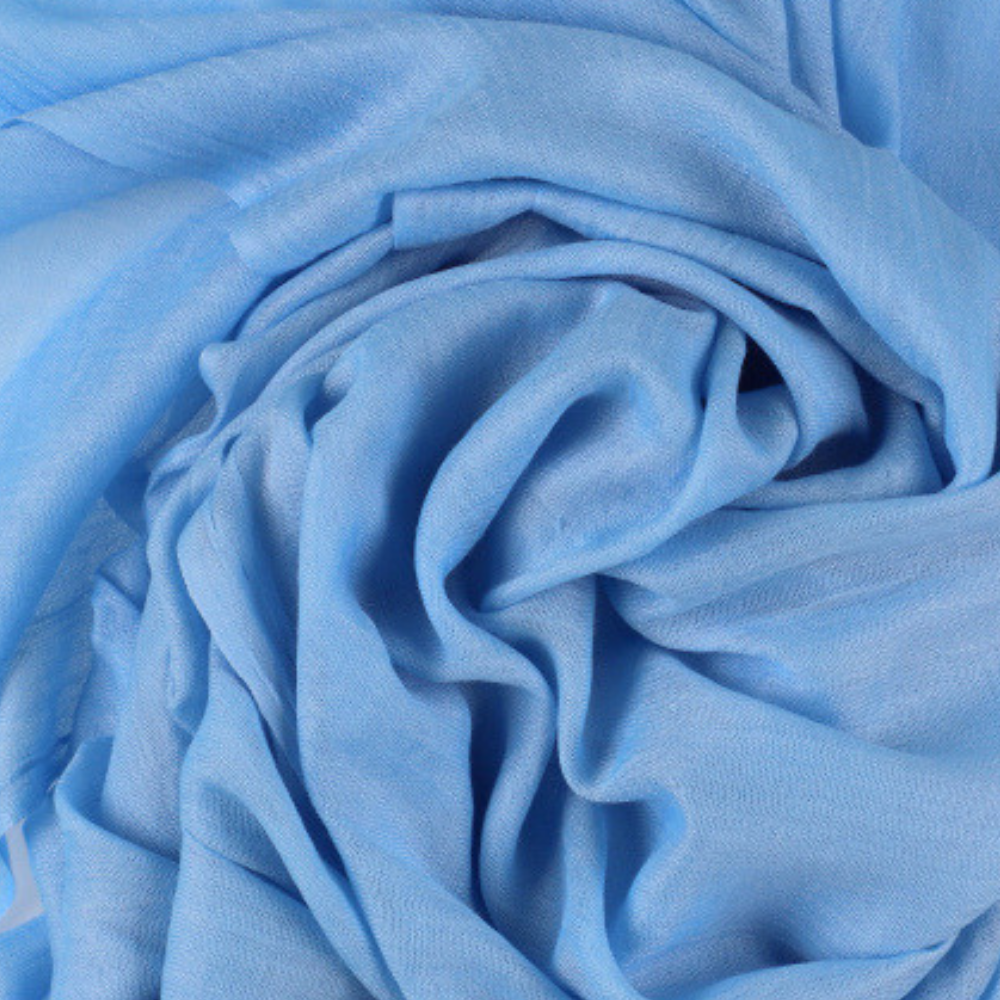
195×100 cm / 77×39 in
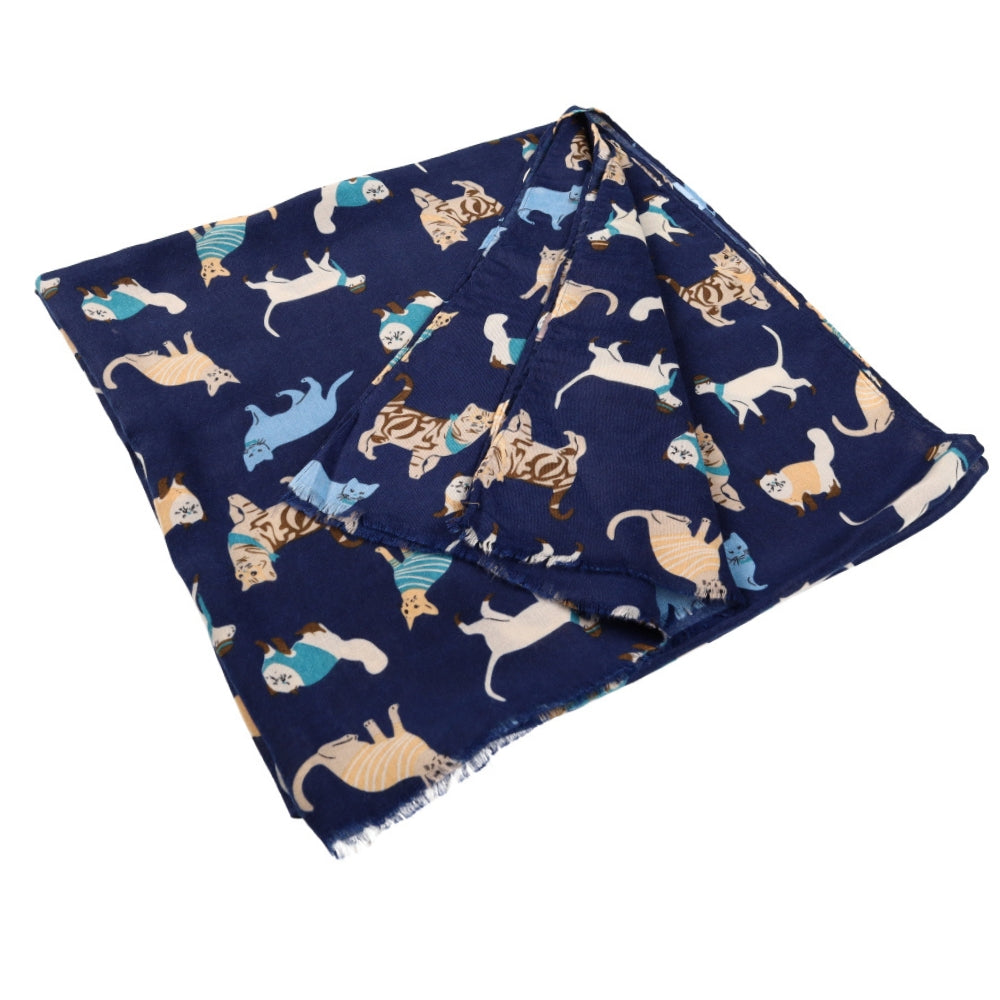
Lightweight scarf – how to choose and style it
Lightweight scarf: what you'll find in this collection
This collection gathers lightweight scarves and shawls in thinner, breathable fabrics – from viscose blends and cotton to silk and fine wool – designed to add style and sophistication to your outfits from spring through early autumn and in heated interiors during winter. The range includes airy versions of classic scarves, stoles and larger wraps, all built to sit comfortably around the neck and on the shoulders without adding bulk. You can use filters on each page for colour, material and size, while this guide will help you choose which lightweight scarf will work best with your coats, dresses and everyday looks.
Types of lightweight scarf
Lightweight scarves differ mainly by size, shape and the way they sit on the body. Understanding these distinctions makes it easier to find the right options for your wardrobe.
Long rectangular lightweight scarf
These are classic, elongated scarves – common scarf sizes include 180 × 70 cm – which can be wrapped once or twice around the neck or worn loose along the front of a coat. They pair naturally with trench coats, straight wool coats and simple blazers, providing a soft layer that doesn't feel heavy. This format is practical for everyday wear with jeans, shirts and knitwear, because it can be styled in several simple knots and folds – making it a reliable finishing touch for almost any outfit.
Lightweight stole / wrap for the shoulders
Wider, lighter models that can cover the shoulders and upper arms are ideal over dresses, sleeveless tops or evening outfits. They work beautifully for weddings, dinners and summer events where you need a delicate cover rather than thick warmth. The effect depends on width and length – some wraps fall almost to mid-thigh, while others create a smaller frame around the neckline, letting the cut of your dress remain visible.
Lightweight square scarf
Square scarves can be folded diagonally into a triangle or into a narrow band, worn close to the neck. Scarves come in various styles, including square scarves and neckerchiefs, and square formats are among the most versatile. They suit shirts, V-neck jumpers and blazers, adding colour near the face without creating a large volume of fabric. Smaller sizes can also be tied on a bag handle or worn as a hair accessory, provided the dimensions allow it.
Lightweight infinity scarf (loop)
Looped scarves sewn into a circle are simply twisted and put over the head – no knotting required. They are convenient for commuting and weekend wear, because they stay in place under a coat or jacket without constant adjusting. Even in a thin weave, a looped scarf gives a soft frame around the neck when you wear a lighter parka or denim jacket, keeping the look neat and effortless.
What to look for in a lightweight scarf
With ladies scarves in lighter fabrics, the key elements to evaluate are fabric composition, size, drape and colour – not only the pattern itself.
Fabric and breathability
It's worth checking the composition on each product page. The best materials for lightweight scarves in warm weather include linen, cotton, silk, and modal – and each feels different on the skin. Linen promotes natural airflow and is considered one of the coolest plant-based fibres; it is highly breathable and absorbs moisture quickly, making it excellent for warmer days. Silk is a natural temperature regulator that feels cool to the touch, while silk chiffon is exceptionally light and sheer, ideal for dressing up a summer outfit. Modal or Tencel fibres are soft and highly breathable, derived from sustainably harvested wood pulp – a good option if you value both comfort and sustainability. Cotton voile and gauze are lightweight and breathable fabrics that sit easily on bare skin or over a blouse.
Breathable fabrics enhance comfort and prevent the trapping of heat in scarves, which is especially important in heated rooms and during the spring–summer season. Prioritising weave over thickness maximises scarf ventilation: compare how transparent or dense the fabric looks in photos, as this often signals how warm or cool the scarf will feel.
Size, shape and how the scarf sits
Dimensions define how many times you can wrap the scarf around your neck and whether it can cover your shoulders. Scarves can be worn around the neck or on shoulders, but the proportions have to match the intended style. A longer but narrow scarf will behave quite differently than a shorter but wide stole – check both length and width before you choose. Imagine the scarf with a specific coat or dress from your wardrobe to judge if the proportions will feel balanced and flattering.
Drape, texture and overall feel
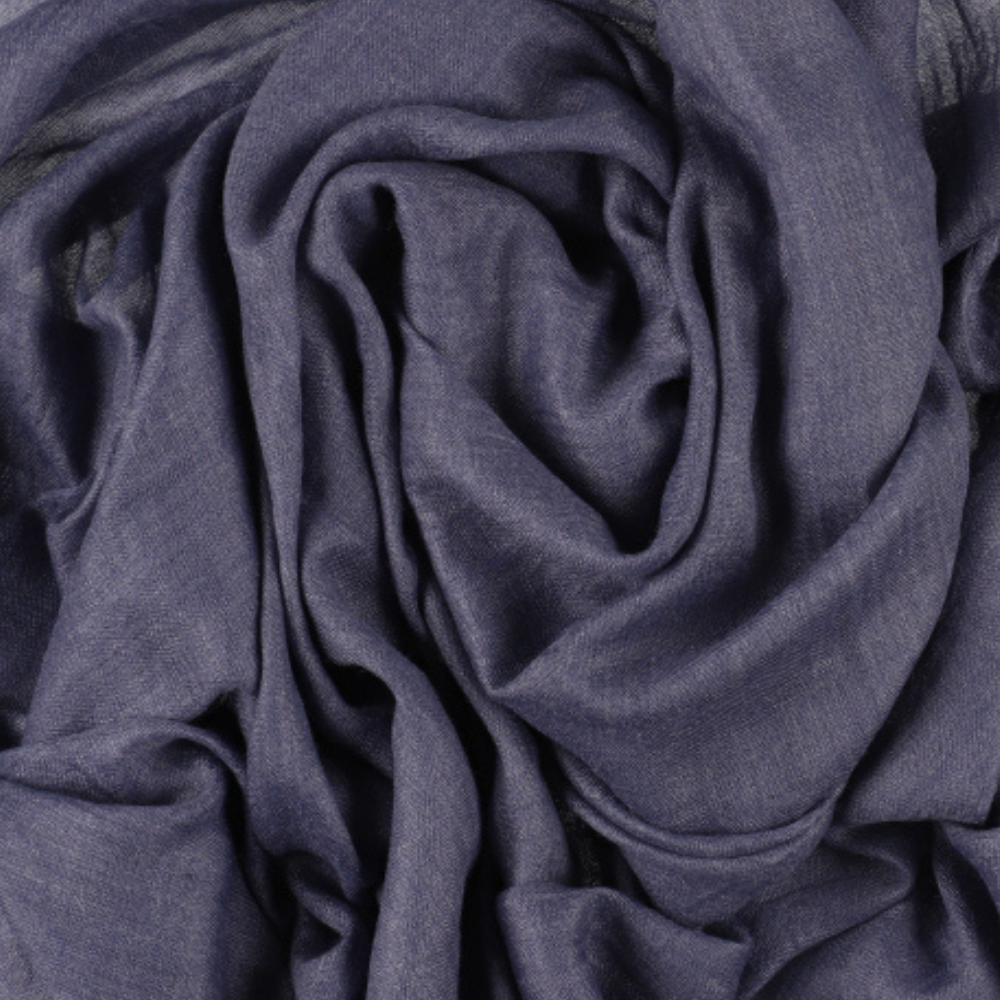
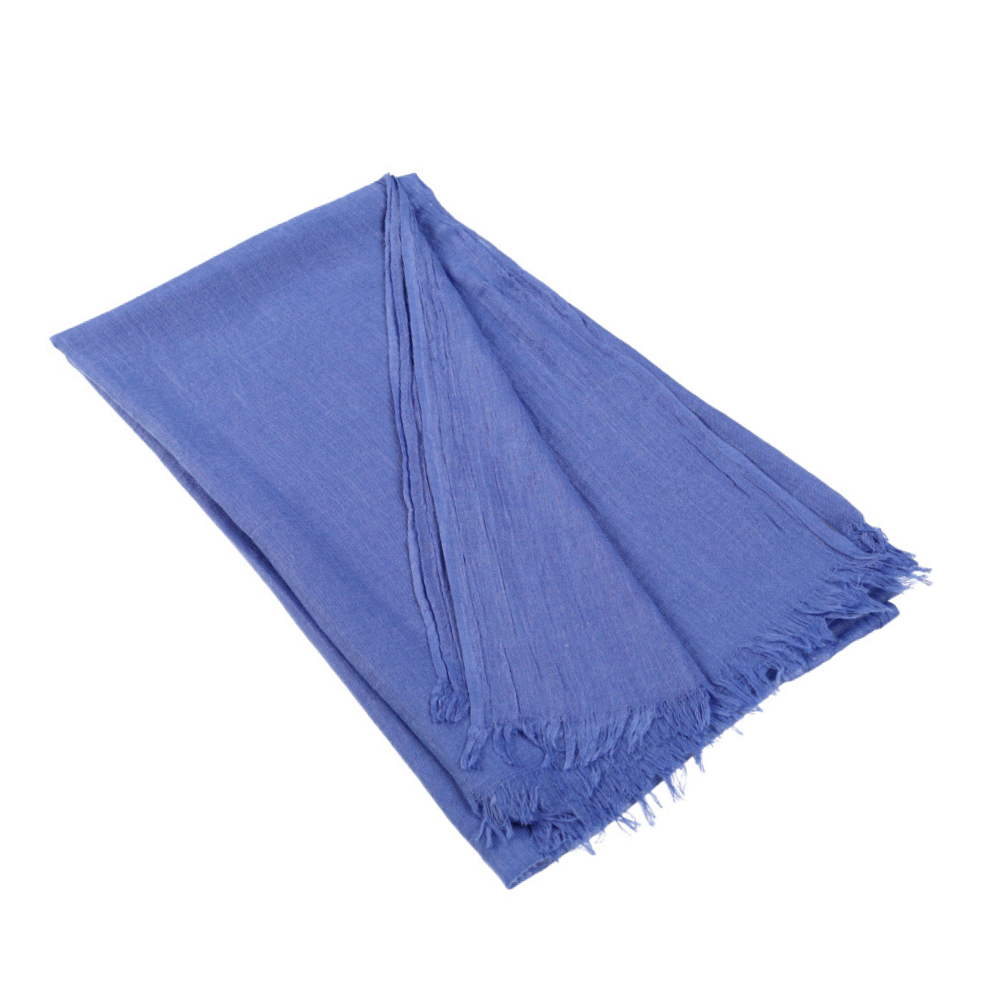
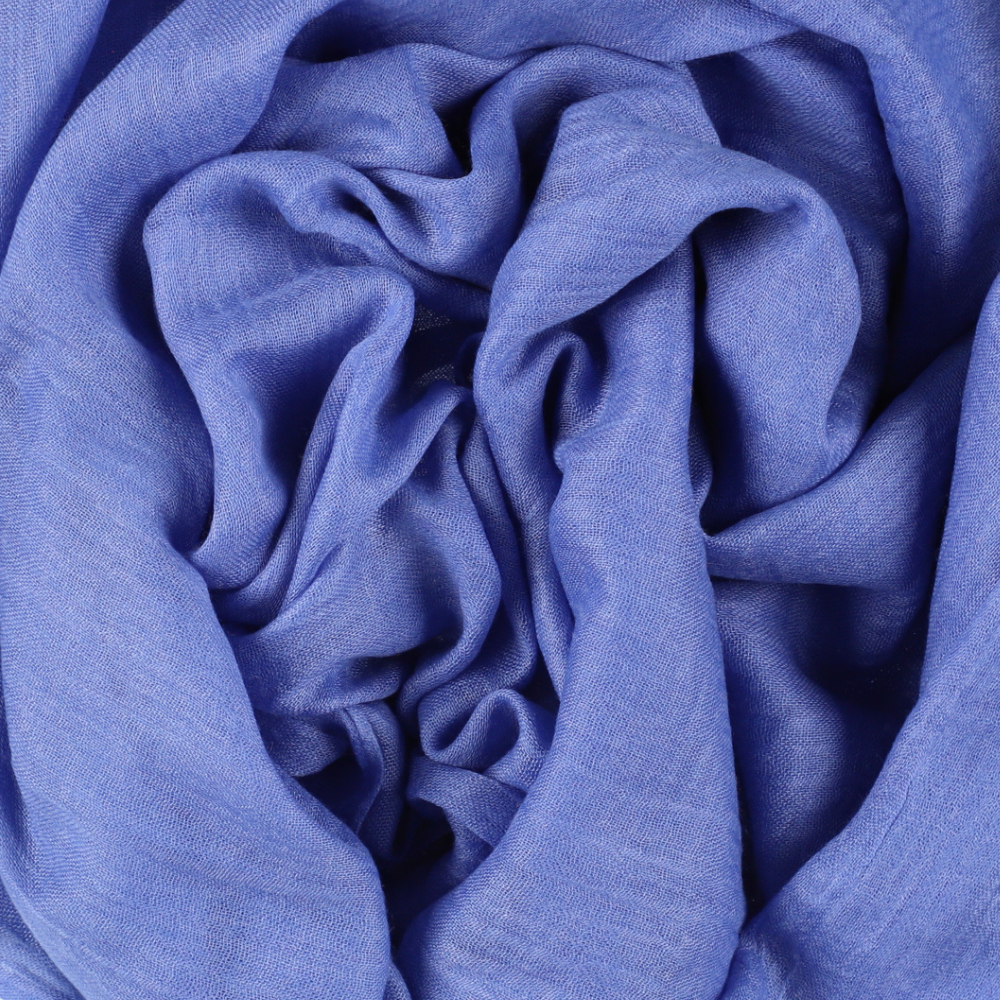
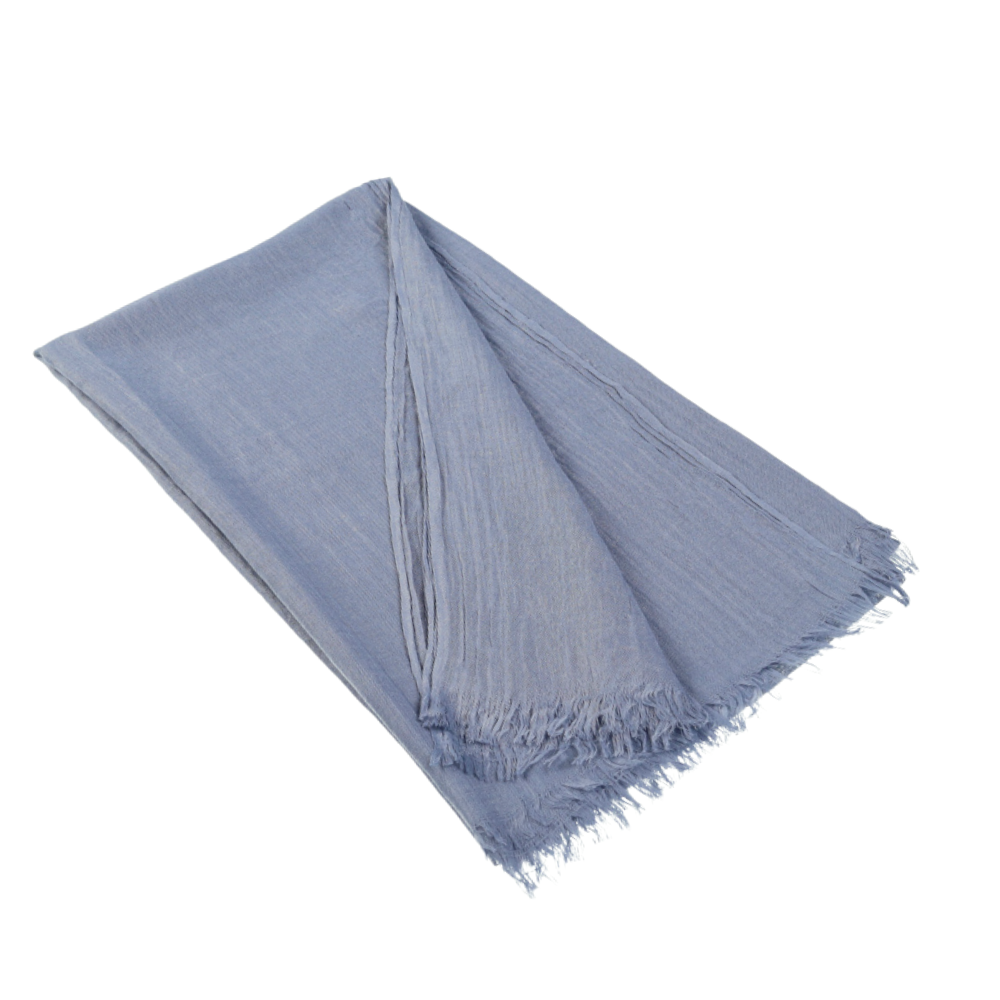
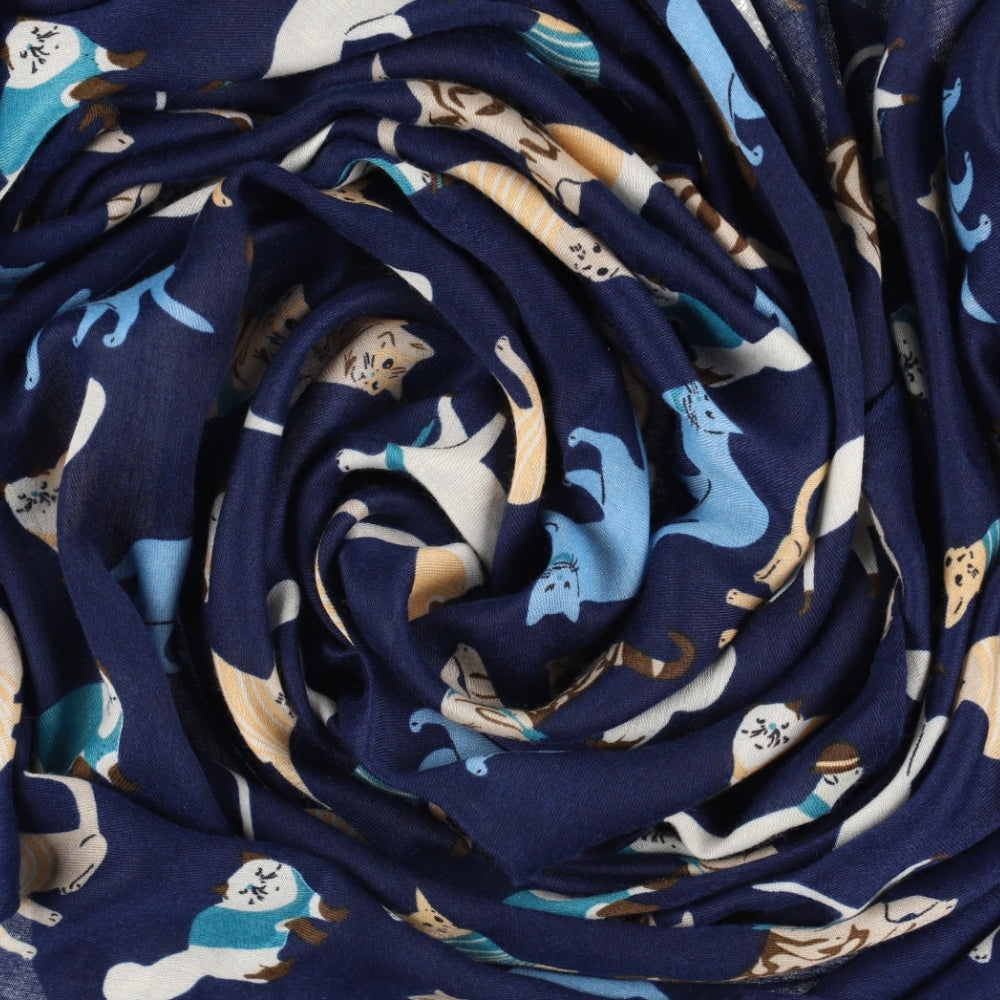
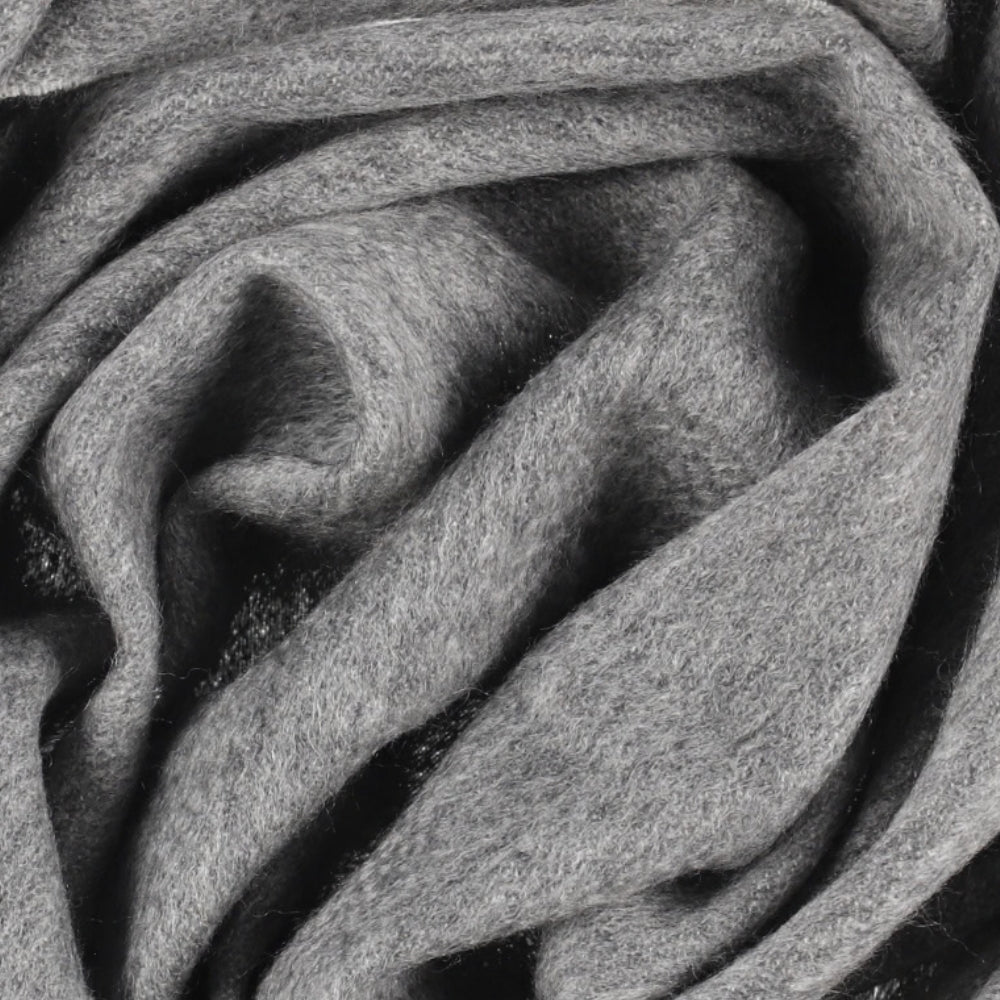
Look at how the fabric falls in product photos: does it form soft folds, stay more structured, or hold a light crease? A very fluid, silky scarf creates subtle waves around the neckline, whereas a slightly stiffer weave keeps a clearer line along the lapels. Lightweight scarves are often made from materials like silk and viscose, and these tend to drape beautifully with minimal effort. Delicate textures – for example a light crinkle or open weave – can add interest to plain outfits without relying on a strong print, making the scarf a quiet but effective style element.
Colour, print and how they work with your wardrobe
Choose colours that either repeat tones already in your wardrobe – beige, navy, black, grey – or deliberately add contrast, such as coral against a beige trench. Lightweight scarves come in various colours and patterns to match outfits, from muted neutrals to expressive shades. Patterned women's scarves are useful with plain tops and dresses, while solid-colour scarves calm more detailed prints. In this selection you'll find both subtle accents and bolder statement pieces, so you can decide whether the scarf blends quietly or becomes the central point of the look.
Season and occasions
"Lightweight" doesn't always mean strictly summer. Lightweight scarves can be worn in multiple seasons – many models work in early spring, autumn or indoors during the colder months, and they are ideal for layering with various clothing styles. For everyday commuting you may want a slightly denser weave, while for summer holidays or evening events very airy fabrics are usually more comfortable. Match the scarf not only to the weather, but also to typical occasions: office days, weekend city walks, holidays, weddings or dinners. And when winter arrives, chunky knitted scarves provide warmth on cold days, while your lightweight pieces continue to serve indoors or under heavier coats.
How to choose the right lightweight scarf
A few simple questions about use, clothes and preferred effect make the selection much easier. Women's scarves add depth to an outfit when the choice is intentional rather than random.
How and where you'll wear it most often - for work, softer, office-friendly colours and moderate sizes keep the edit polished; brighter prints or larger wraps suit weekends, holidays and special occasions.
Which clothes you want to pair it with - coats and trench coats usually like longer rectangular scarves, while dresses and sleeveless tops often work better with lightweight stoles. They are ideal for layering, so think about the garments you reach for most.
Your comfort around the neck - if you don't like bulk, pick thinner fabrics and narrower shapes; if you enjoy a more visible frame, look at wider models you can drape over the shoulders.
Care and practicality - some materials require gentler washing or steaming; check care instructions on each product page before deciding, so the scarf stays beautiful after multiple wears.
Frequently asked questions about lightweight scarves
Is a lightweight scarf warm enough for spring and autumn?
It depends on the fabric and weave. A thin wool or wool-blend scarf gives noticeably more warmth than a very sheer viscose or silk option. Lightweight scarves enhance outfits with style and sophistication while offering just enough coverage for milder days, city commuting and time spent mostly indoors. Check material details for specific models in the collection instead of assuming the same warmth across all accessories.
How do I style a lightweight scarf with a coat without overwhelming the outfit?
Choose a scarf whose width doesn't completely cover the lapels – one or two loose wraps around the neck are usually enough. Let the ends fall straight down the front with a single wrap for a cleaner line, especially with buttoned coats and trench coats. Try the scarf at home with the coat you wear most often to see which knot feels most comfortable and balanced.
Can I wear a lightweight scarf to a formal event?
Absolutely. A delicate stole or wrap can complement cocktail dresses and evening outfits, especially when you choose a colour that echoes the dress or shoes. Women's scarves can be stylish accessories for formal occasions – size should allow you to cover your shoulders while still showing the cut of the dress. Softer, more elegant fabrics such as silk blends or smooth weaves are good options for such events.
How should I care for a lightweight scarf so it keeps its shape?
Always follow the care symbols given for each product – some scarves can be hand-washed, others may need delicate machine cycles. Dry flat or over a wide hanger to avoid stretching thin fabrics, and store them folded rather than tightly knotted. Steaming or low-temperature ironing on the reverse usually helps smooth out folds without flattening the natural drape.
Browse lightweight scarves at UniqueYou
The right lightweight scarf depends on fabric, size and how you plan to wear it – from everyday outfits with jeans to dresses and trench coats. Explore the collection, compare colours, prints and dimensions, and find one or two scarves that naturally fit into your existing wardrobe. Every order is a step toward a more versatile, personal look.
FINEST MATERIALS
Softness, comfort and attention to detail.
Express Delivery
Within 24 hours by courier to your home or a pickup point.
EASY RETURNS
Shop with confidence, with the option to return.
SECURE PAYMENTS
Choose your preferred payment method.