
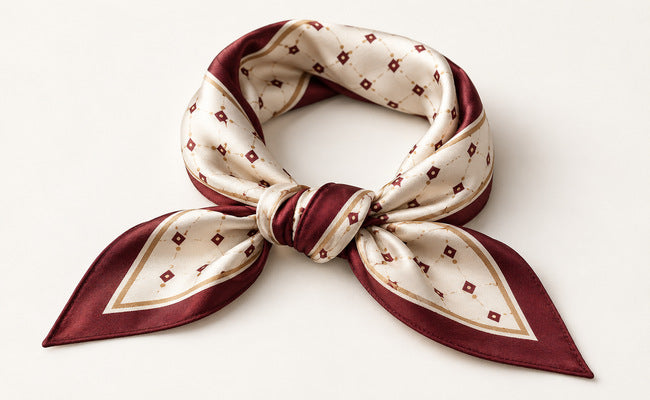

Square grey scarves
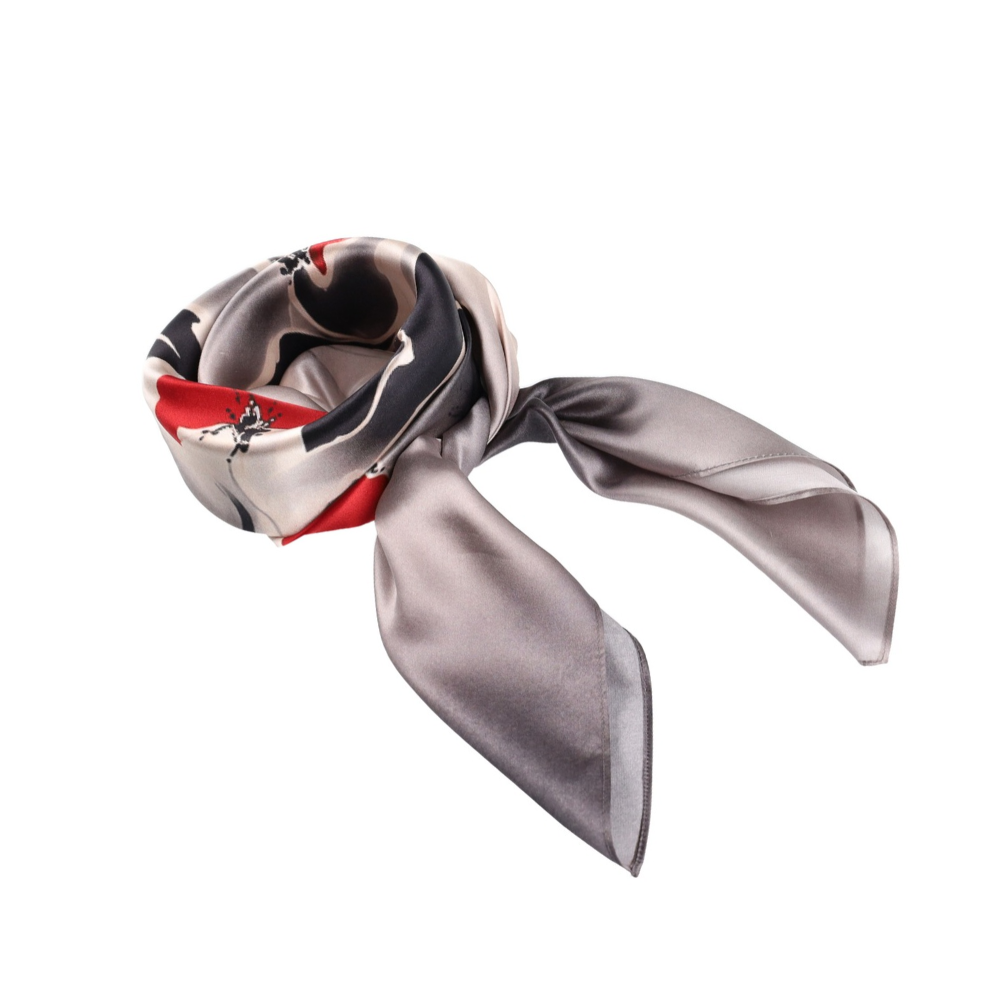
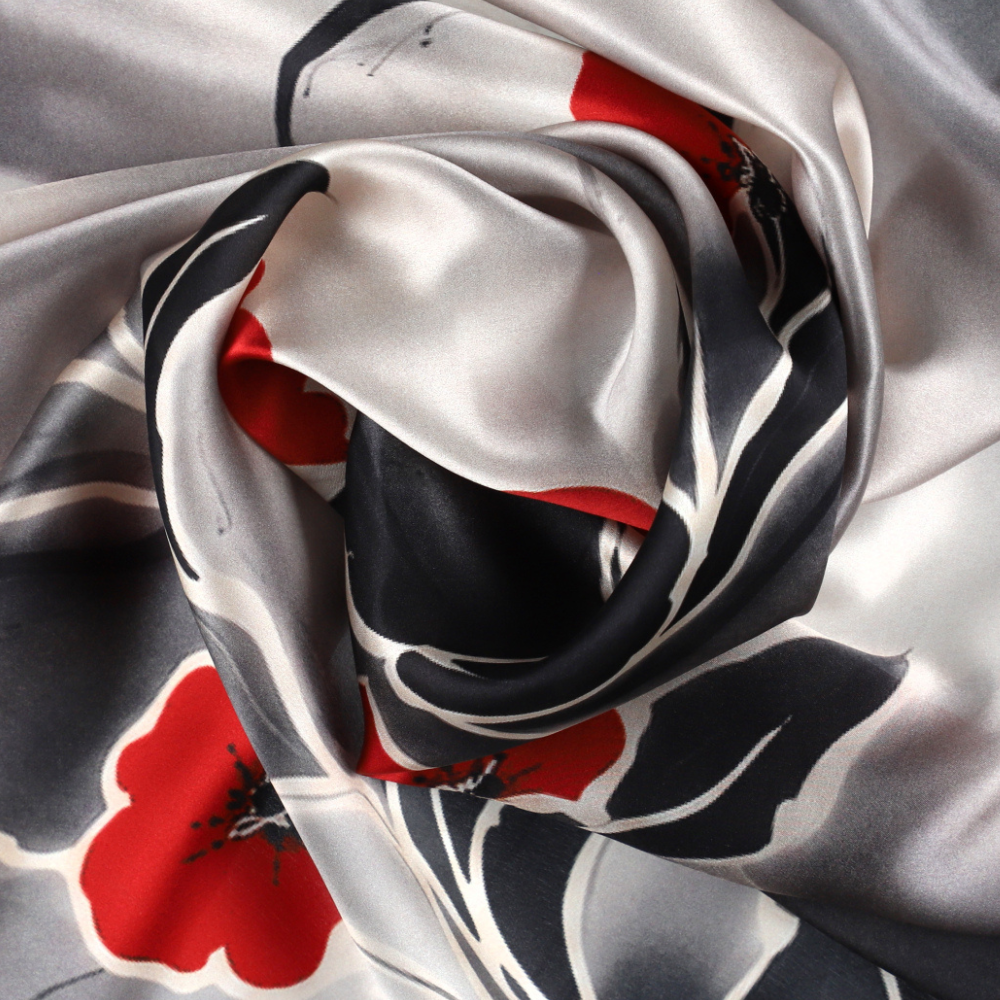
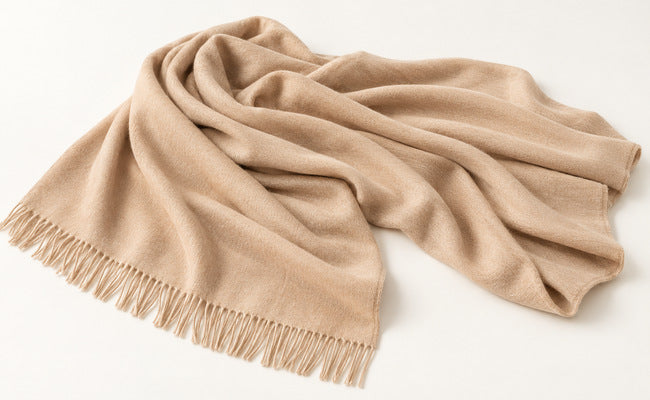
90×90 cm / 35×35 in
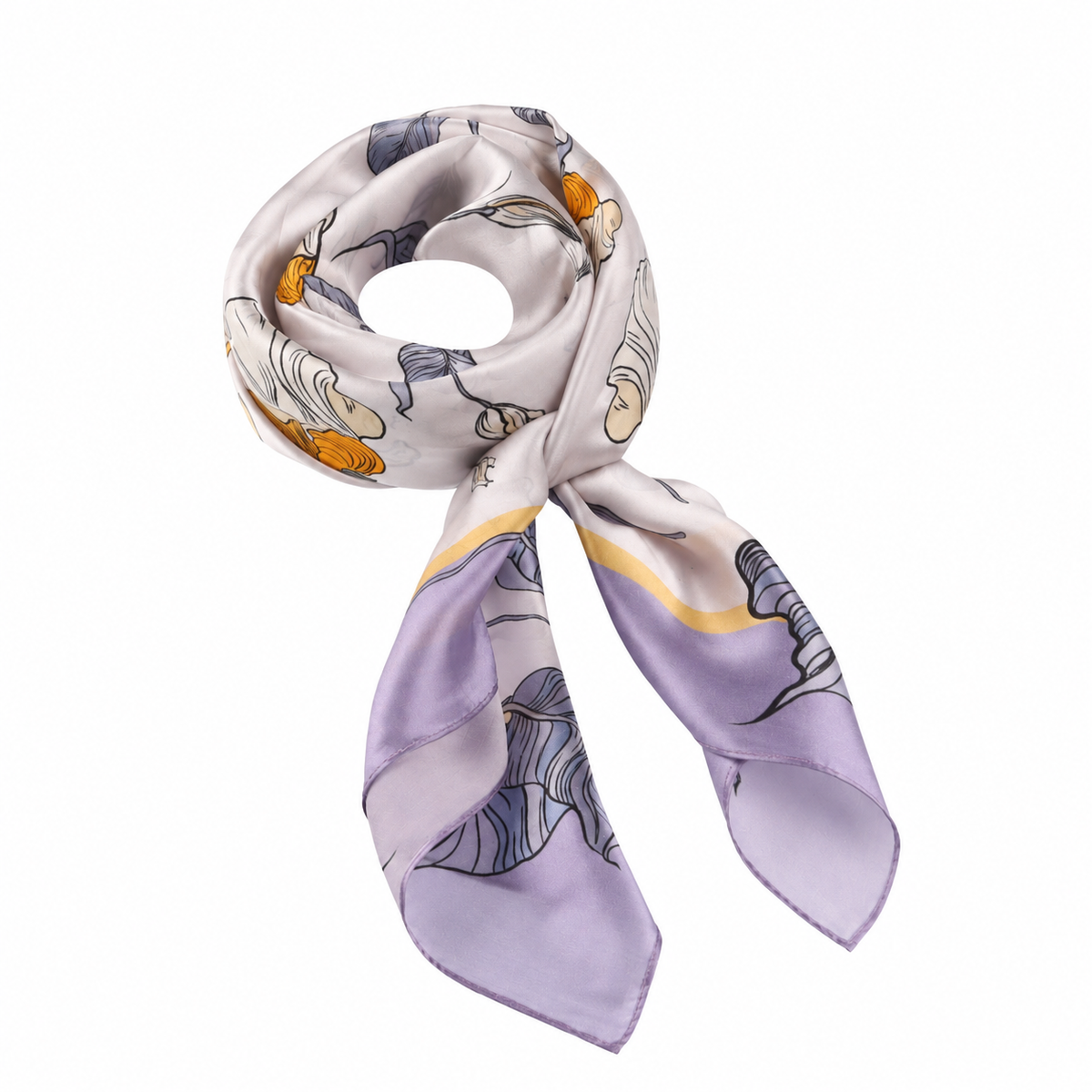
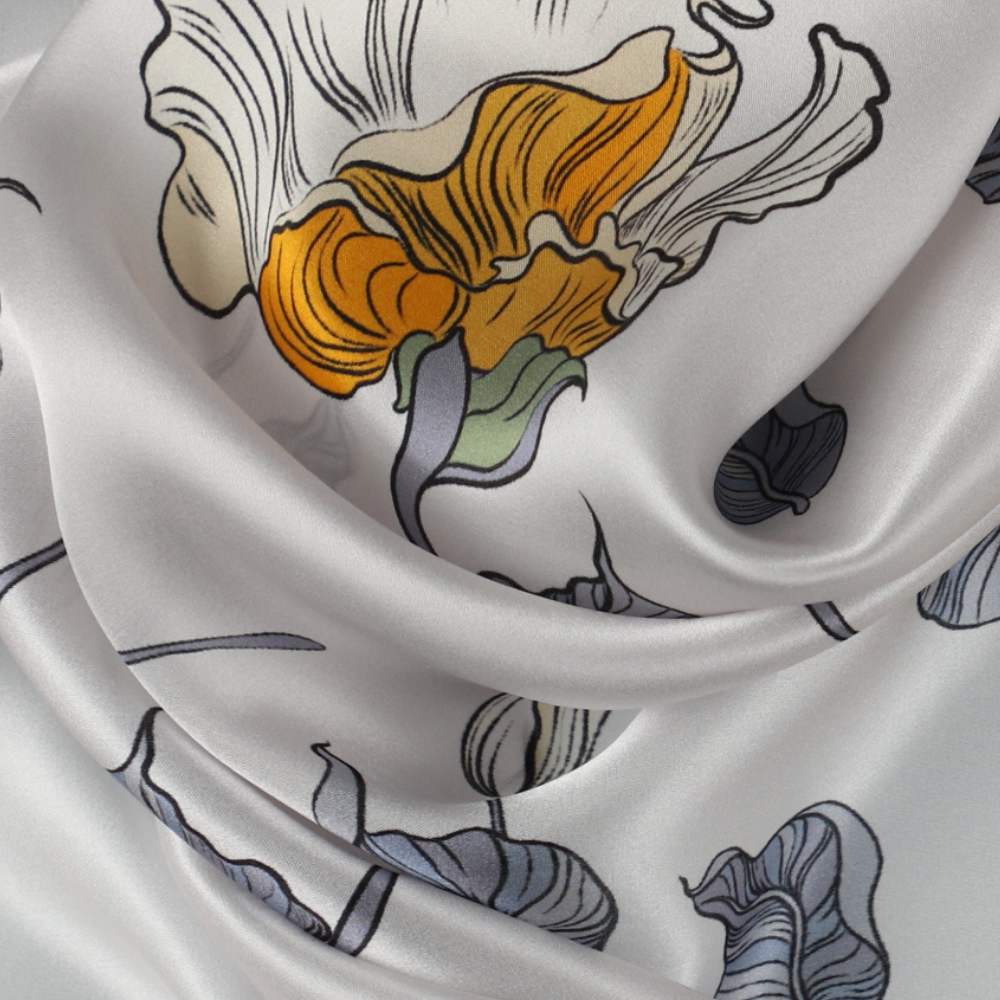
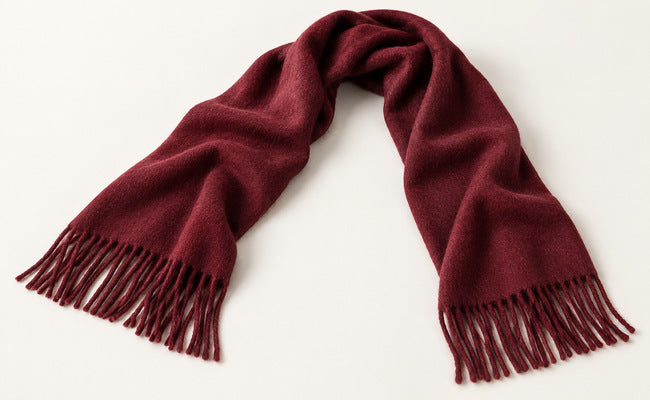
90×90 cm / 35×35 in
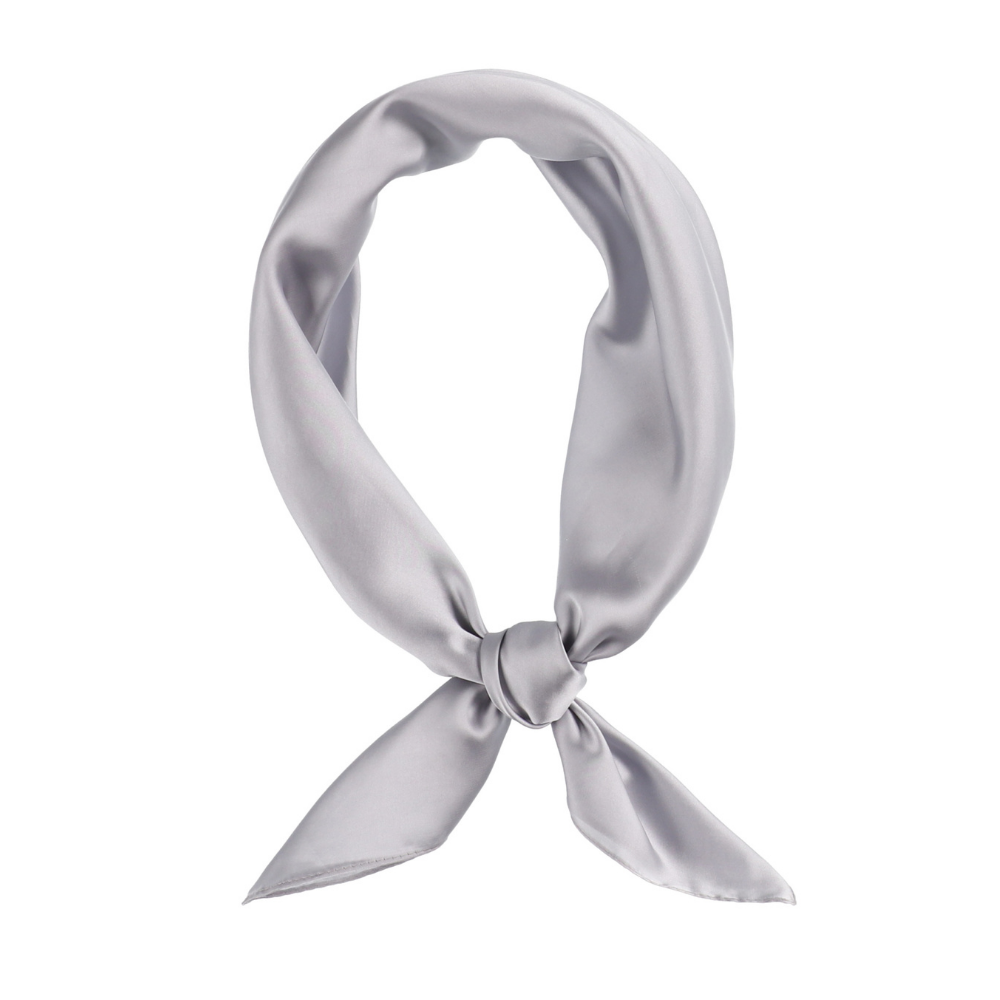
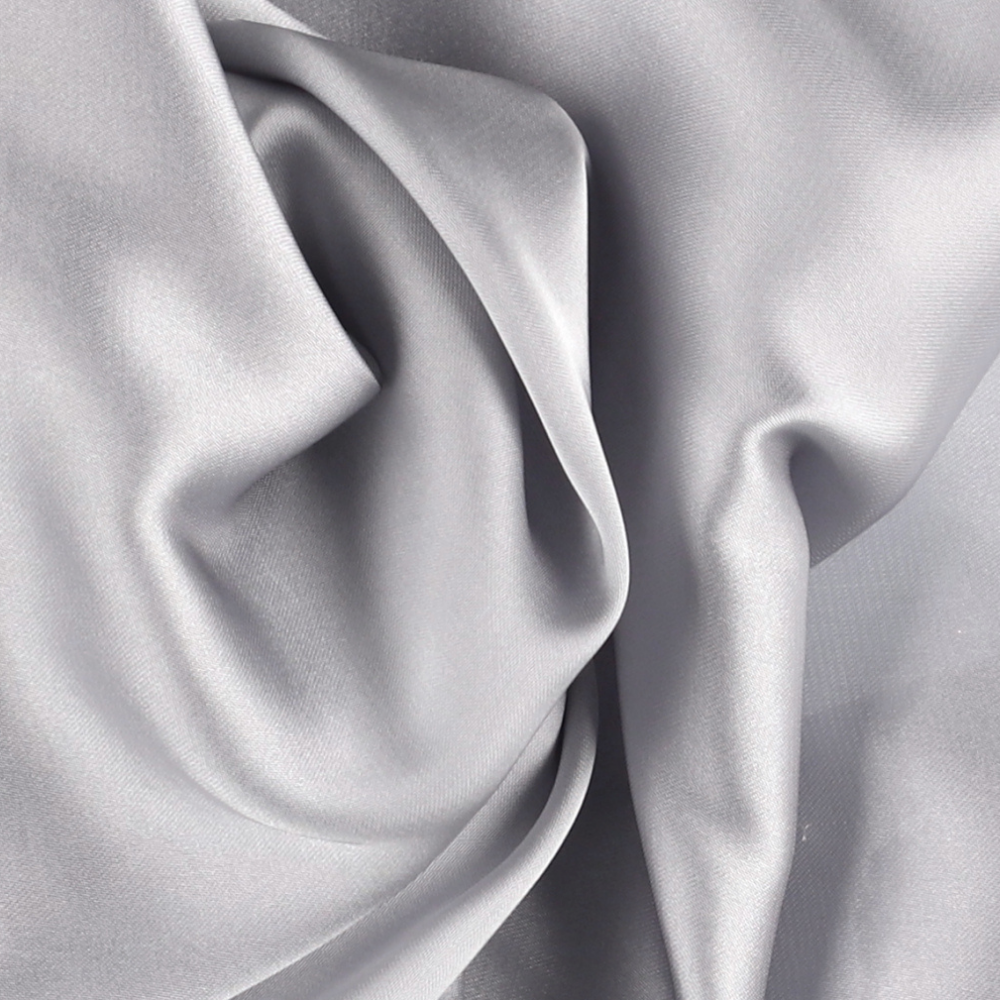
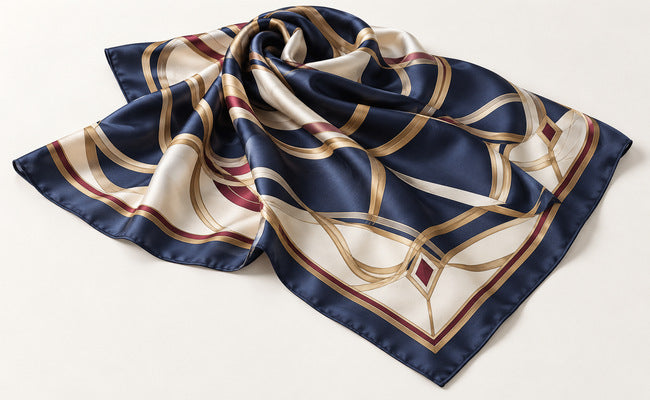
70×70 cm / 28×28 in
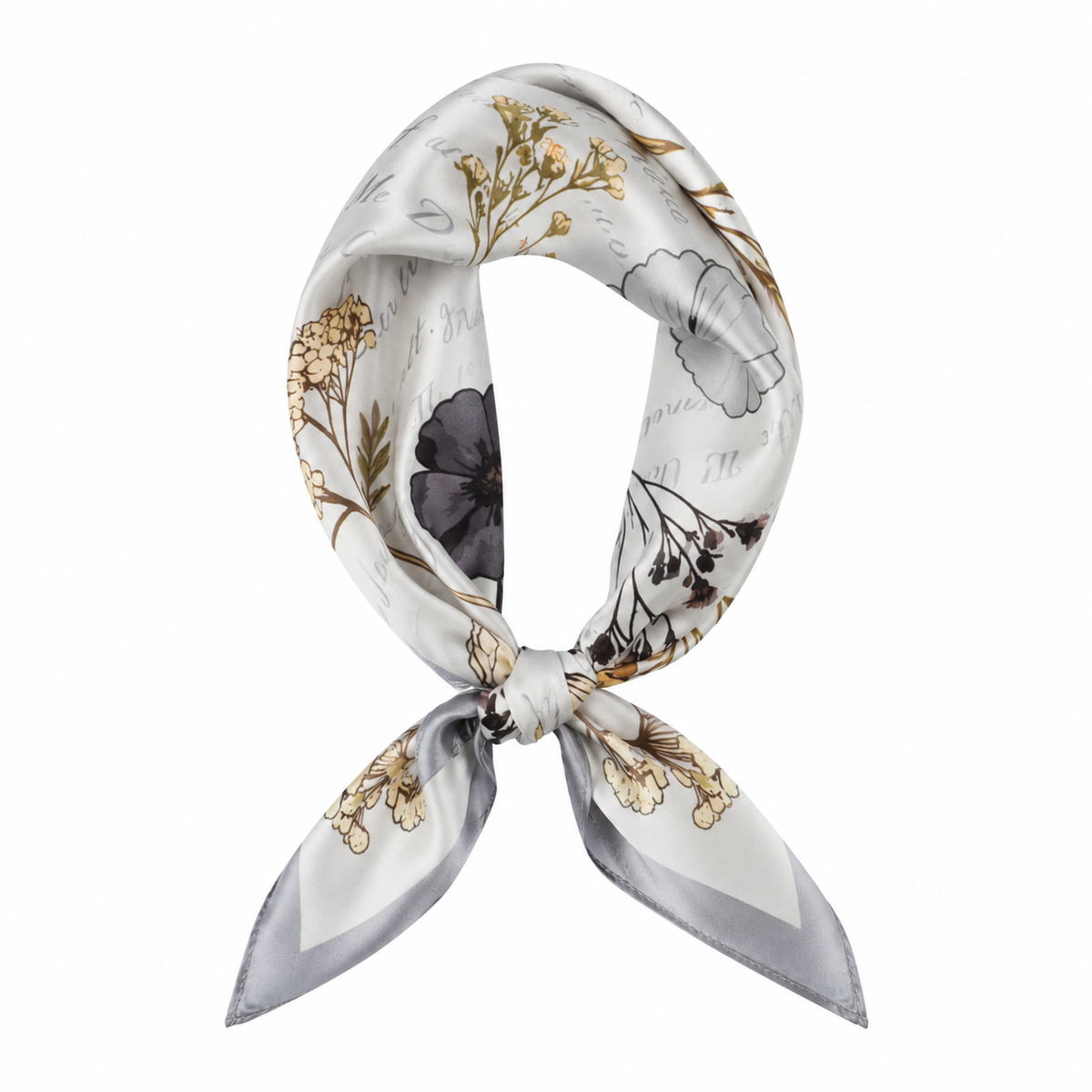
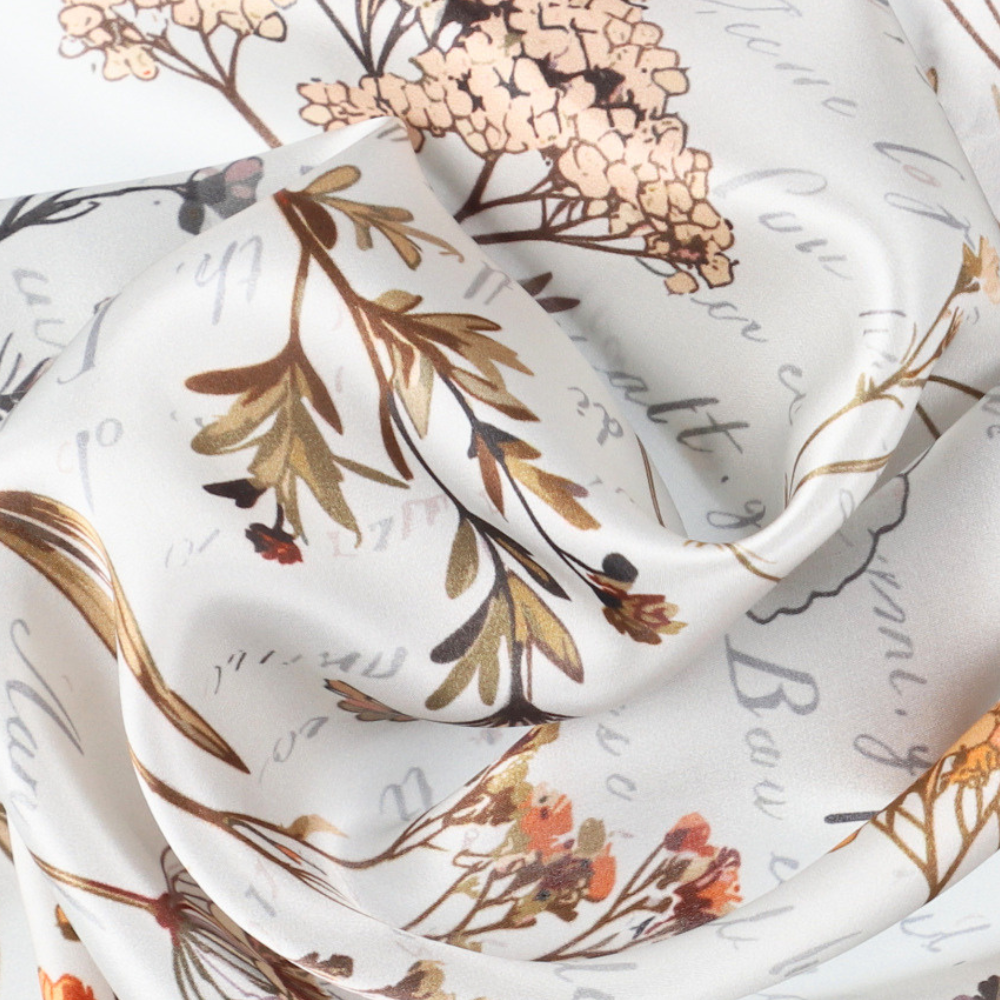
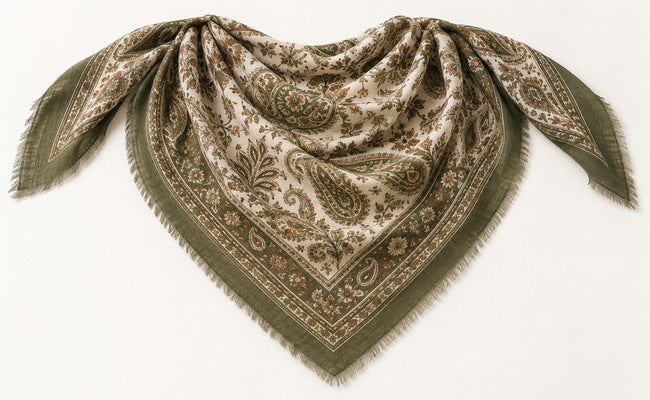
53×53 cm / 21×21 in
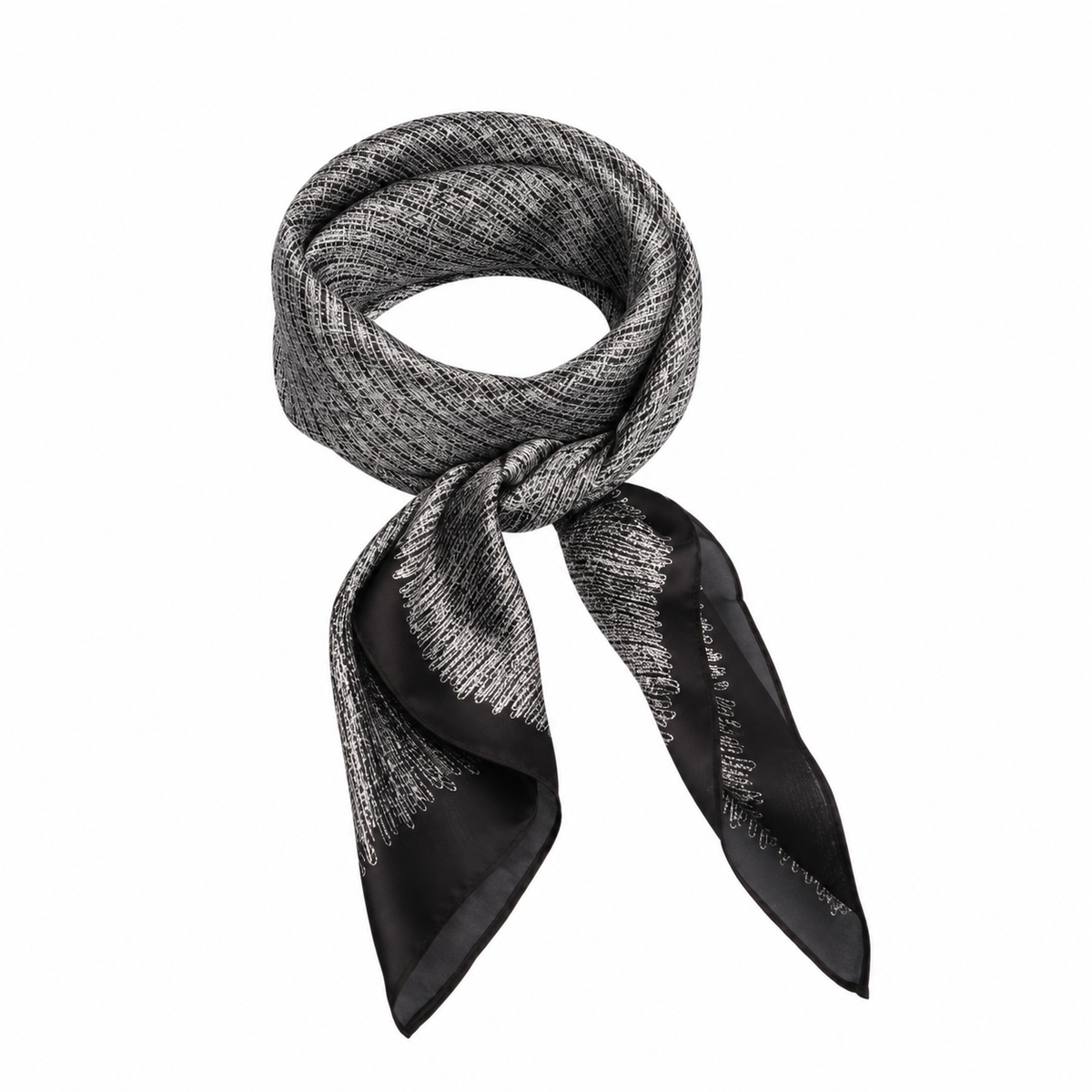
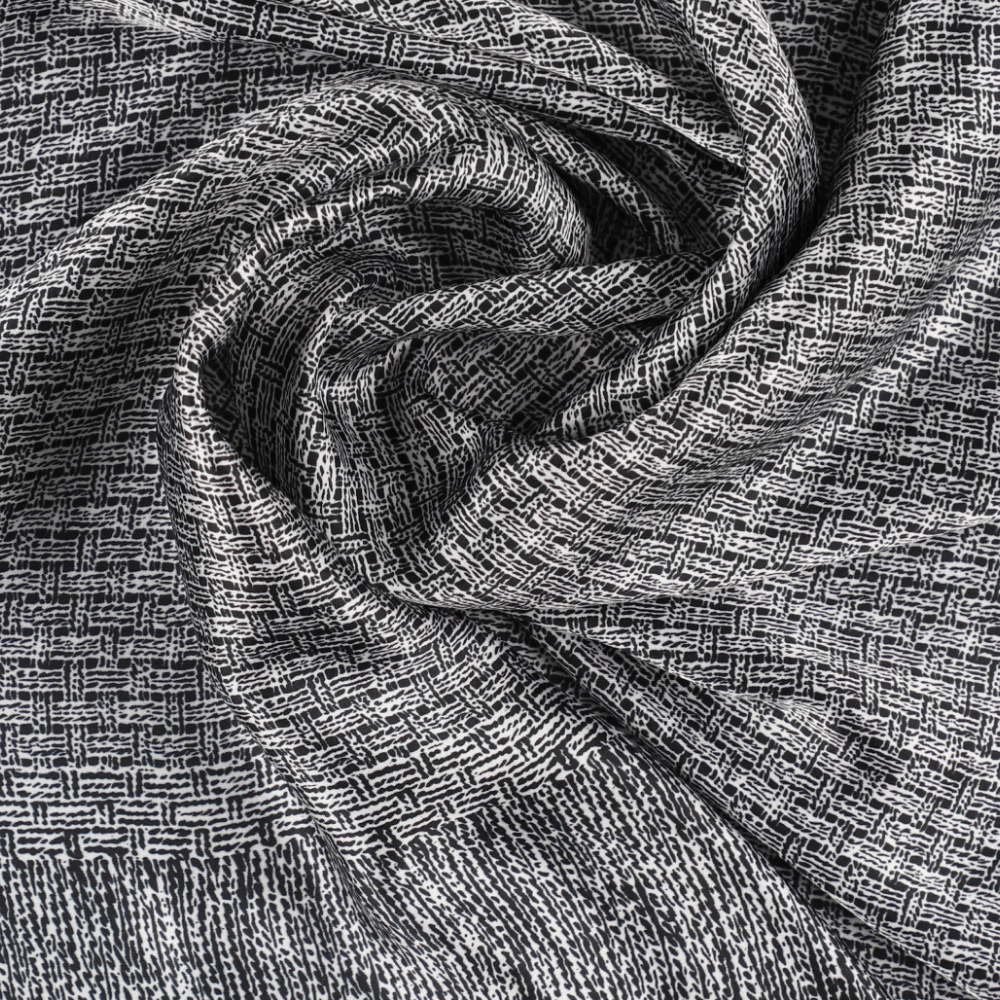
90×90 cm / 35×35 in
Grey Square Scarf – How to Choose and Style This Versatile Accessory
A grey square scarf is one of the most adaptable accessories you can own - it works with blazers and trench coats, dresses down with a T-shirt, and layers under a winter coat without clashing. Whether you're looking for a small neckerchief in dove grey or a large charcoal square you can drape over your shoulders, this collection brings together square scarves in various grey tones, sizes, and materials. Below you'll find a breakdown of the types available, the features that matter most when choosing, and practical guidance on matching size and shade to your wardrobe.
Types of Grey Square Scarf
Grey square scarves differ mainly by size, material, and whether they carry a pattern or stay plain. Understanding these distinctions helps you narrow your choice quickly - here are the key types to consider.
Small Grey Neckerchief (around 50 × 50 cm)
A small grey square scarf - sometimes called a neckerchief - is designed for subtle detail rather than coverage. At roughly 50 × 50 cm per unit, it ties into a compact knot at the neck, wraps neatly around a wrist, loops through a handbag handle, or tucks into belt loops for a quiet accent. This format won't cover your shoulders, but it adds a polished touch to casual outfits without introducing bulk. If you prefer accessories that stay close to the collar and don't compete with your outfit, this is the size to start with.
Classic Grey Square Scarf (around 70 × 70 cm)
A 70x70cm square scarf is versatile for styling and sits comfortably at the centre of the range. Folded on the diagonal it forms a neat triangle you can tie at the front, side, or back of the neck - the classic triangle front-tie pairs well with various outfits, from open-collar shirts to crew-neck knits. This is a practical everyday size: enough fabric to be visible near the face, light enough to wear under a coat lapel without bunching. Grey scarves in this format can add a polished touch to casual outfits and equally hold their own with tailored pieces.
Large Grey Square Scarf (from approx. 90 × 90 cm)
A 90cm x 90cm square scarf is ideal for versatile styling options. Beyond the standard neck knot, a larger scarf can be draped over shoulders for a sophisticated look - useful on cooler evenings with a dress or when you want a soft layer over a blazer. Charcoal grey creates a sophisticated and dramatic look in this format, especially against lighter tops. If you enjoy leaving long ends trailing over the front of a trench coat, or wrapping the scarf loosely for warmth, this larger size gives you the material to do it.
Plain vs Patterned Grey Square Scarves
Plain grey square scarves act as a neutral foundation - grey can work as a neutral background to tone down bright colors, making a solid scarf the natural partner for printed blouses and patterned dresses. Patterned grey scarves reverse the dynamic: square scarves can enhance outfits with elegant patterns and colors, working best against simple, single-colour clothing. The scale and pattern of a grey scarf should match its visual weight - a fine geometric on a small scarf stays subtle, while a bold floral on a 90 cm square becomes the focal point. When a pattern includes an accent colour, repeating that shade in your top or lipstick ties the outfit together.
What to Look For in a Grey Square Scarf
When choosing a grey square scarf, four attributes shape both how it looks at the neck and how it feels to wear all day: material, shade, size, and finish. The sections below unpack each one in practical terms.
Material and Feel
Choosing the right material affects warmth and style for scarves. Silk scarves hold crisp folds and feature a subtle sheen - that quality makes them a strong match for blazers and formal shirts. Silk feel scarves are lightweight and easy to style, sitting flat under collars without adding volume. Cotton blends are breathable and suitable for everyday wear, giving a more relaxed, matte texture that pairs naturally with denim and knitwear. Cashmere scarves are soft and warm for colder weather, with a gentle lustre that reads as understated luxury. Wool scarves provide warmth and durability without bulk, making them reliable for autumn and winter layering. Viscose and modal blends can approximate the drape of silk at a lighter price point, though they may wrinkle more across a long day. For detail on the exact composition of each unit, check the individual product cards.
Shade of Grey and Colour Undertones
Grey covers a wide spectrum, and the undertone matters as much as the darkness. Light grey pairs well with pastel and white outfits, brightening the area around the face - think dove or silver tones with a lighter, cooler lean. Mid-greys are the most adaptable, sitting comfortably with both warm and cool wardrobes. Charcoal and graphite build strong contrast against white shirts and pale coats, lending outfits a sharper edge. Some greys carry warm undertones (a hint of beige or taupe) that complement caramel, tan, and brown pieces, while cooler greys with a blue or violet cast suit navy, black, and stark white. Pashmina Love features a stunning silver grey square scarf that illustrates how a lighter cool-toned grey can feel both fresh and refined. When a patterned scarf introduces a second colour - rose, teal, navy - try to echo that colour elsewhere in your outfit for cohesion.
Size and Proportions
Dimensions determine how much fabric sits at the neck after folding and how long the trailing ends will be. A grey square scarf measures 70x70 cm for versatile styling in most everyday situations: folded diagonally, it creates a triangle with enough length to tie a neat knot and leave visible ends. A smaller 50 × 50 cm square produces a compact knot ideal for collar-level detail, while a 90 × 90 cm square gives surplus fabric you can arrange across the shoulders or fan out over the front of a coat. If you already own a scarf you like, comparing its measurements with these standard sizes is a quick way to gauge what will feel right.
Finish and Details
Edge finish affects how knots look and how the scarf frames your neckline. A hand-rolled hem - where artisans fold and stitch the border by hand - creates a soft, slightly raised edge that catches light and adds definition, a hallmark of higher-end silk squares. Machine-rolled or overlocked edges sit flatter and tend to be more durable through repeated wear and washing. Some models feature a contrasting border or fine piping; when you fold the scarf diagonally, that border becomes a visible line across the triangle, adding a subtle design element. How much of the finish you see depends on your folding style - a narrow band shows less edge detail than a loose triangle drape.
How to Choose the Right Grey Square Scarf
Below are the key criteria to weigh before picking a grey square scarf - think of them as filters that help you match the accessory to the outfits you already reach for.
Style and purpose - For formal or office settings, a smooth, darker grey scarf in silk or a refined blend pairs naturally with structured pieces. Blazers and trench coats pair well with various scarf styles, but a medium-toned, lightly patterned square often looks most intentional. For weekend and casual wear, a soft matte fabric in a lighter shade keeps things relaxed. The French neck-scarf offers a refined touch to casual outfits, while the belted wrap creates a structured, high-fashion silhouette when you want more drama.
Preferred size - If you dislike excess fabric at the neck, a small neckerchief or the classic 70 × 70 cm square will feel comfortable. If you want the option to drape grey scarves around your neck for elegance or occasionally cover your shoulders, look for 90 × 90 cm or larger.
Shade of grey vs your wardrobe - Light ash and silver tones lift beige trench coats and pastel knits; graphite and charcoal sharpen black coats and white shirts. Warmer greys with a taupe undertone complement caramel, brown, and olive pieces, while cooler greys lean toward navy and black. Hermès offers grey silk scarves with various styling options as a high-end reference, but the principle is the same at every price: match the grey's temperature to the colours you already wear.
Material - Silk and silk-feel fabrics suit all-day wear against a collar; cashmere and wool blends add warmth for colder months. Cotton blends breathe well in spring and summer. Each touch feels different against the skin and hair, so consider what you'll be wearing underneath. Check the product card for exact composition.
Role in the outfit - If the grey square scarf should be a quiet backdrop, choose a plain, mid-tone model. If it should draw the eye, opt for a contrasting pattern or a scarf that pairs grey with an accent colour. Grey scarves can be styled with various outfits - the question is whether you want the scarf to lead or support.
Frequently Asked Questions
Answers to the most common questions about grey square scarves - practical, concise, tied to real sizes and uses.
Which size of grey square scarf should I choose for everyday wear?
A 70 × 70 cm square is widely considered the most versatile for daily use - it folds into a neat triangle, ties several ways, and works with shirts, coats, and T-shirts without excess bulk. A smaller unit around 50 × 50 cm stays more discreet, while a 90 × 90 cm square doubles as a light shoulder wrap. Marks & Spencer has a dedicated section for grey scarves that illustrates how mid-sized squares remain the bestselling everyday format.
How can I style a grey square scarf with a blazer or coat?
Fold the scarf diagonally, tie it in a loose knot at the front, and let the triangle sit over the lapels - this works with both blazers and open trench coats. For a slimmer look, roll the folded scarf into a narrow band and tuck it under a shirt collar. With a wider-collared coat, arrange the triangle flat across the chest for maximum visibility. A medium 70 × 70 cm size usually gives the best proportions under structured outerwear.
Does a grey square scarf suit both warm and cool outfits?
Yes, but undertones matter. Cooler greys - those with a blue or silver cast - sit naturally alongside black, white, and navy. Warmer greys with beige or taupe notes blend with browns, camels, and olive. Before ordering, review the product photos against garments of a similar colour temperature to check harmony.
Can I wear a grey square scarf all year round?
Many lighter-weight grey scarves - silk, cotton blends, viscose - work comfortably in every season: under a coat in winter, over a trench in spring, loosely knotted with a T-shirt in summer. Heavier cashmere or wool pieces are better suited to autumn and winter. Check the product description for fabric weight and seasonal guidance.
How should I care for my grey square scarf to keep its colour and shape?
Start with the care label or product-card instructions. As a general rule, delicate materials benefit from hand washing in cool water with a gentle detergent. Avoid wringing or prolonged soaking - lay flat or hang to dry. Store scarves loosely folded rather than crumpled to preserve edges and colour. Machine-hemmed edges tolerate laundering better than hand-rolled finishes, which deserve gentler handling. All rights to specific care instructions remain with the manufacturer, so always defer to those first.
Browse Our Grey Square Scarves
A grey square scarf can serve as either a quiet neutral or a defining accent - it all depends on the size, shade, and pattern you choose. Take a moment to compare the dimensions and tones in this collection against the coats, blazers, and everyday tops you reach for most. The right grey square scarf is the one that fits your style with the quality and comfort you'll want to wear again tomorrow.
FINEST MATERIALS
Softness, comfort and attention to detail.

Express Delivery
Within 24 hours by courier to your home or a pickup point.
EASY RETURNS
Shop with confidence, with the option to return.
SECURE PAYMENTS
Choose your preferred payment method.