
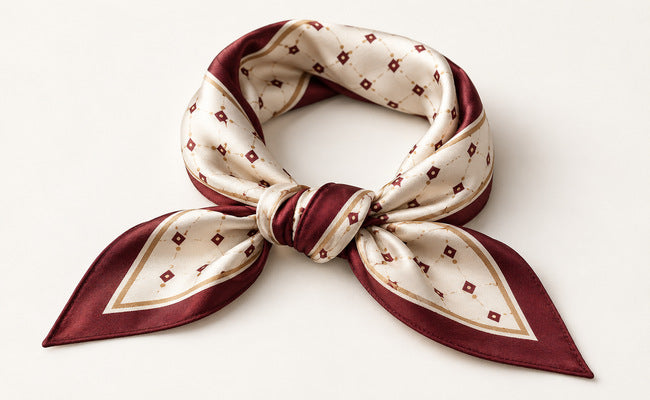

Neckerchiefs for hair
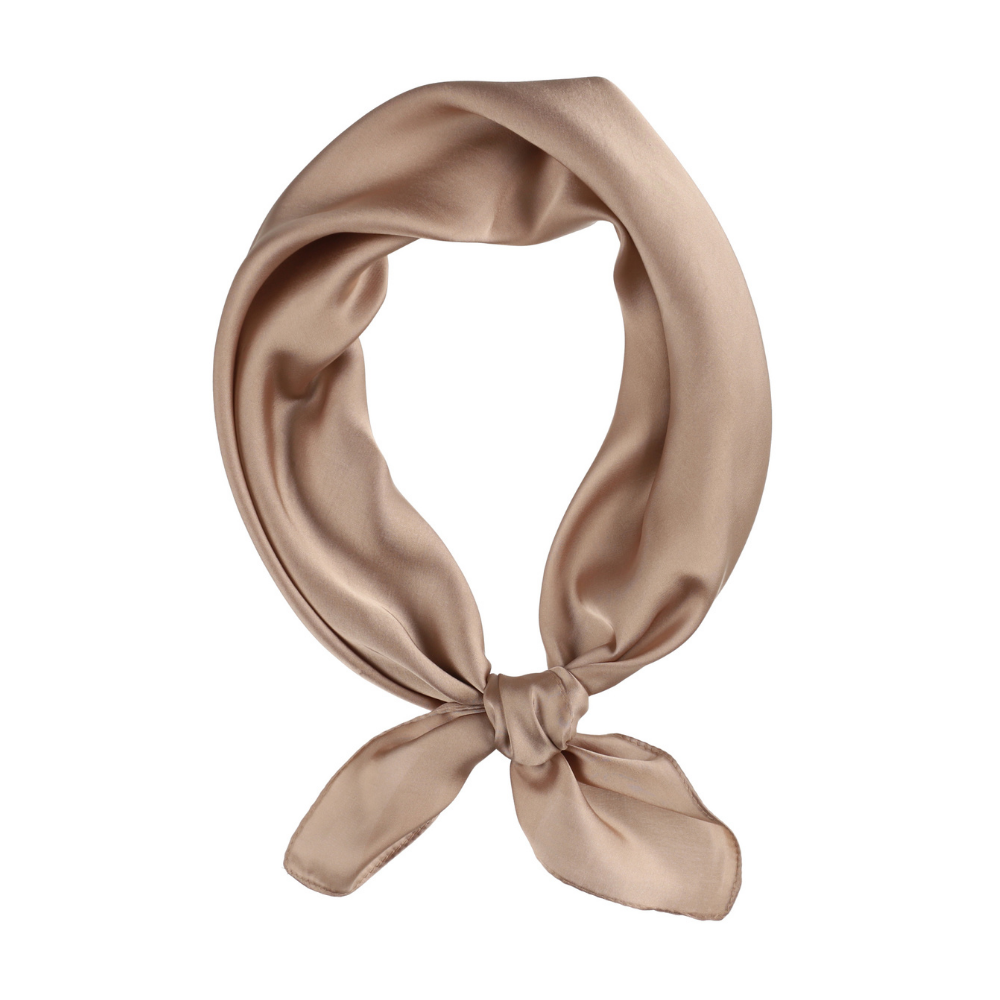
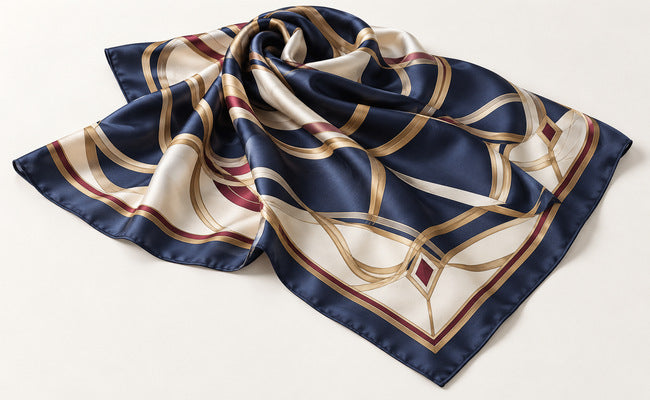
70×70 cm / 28×28 in
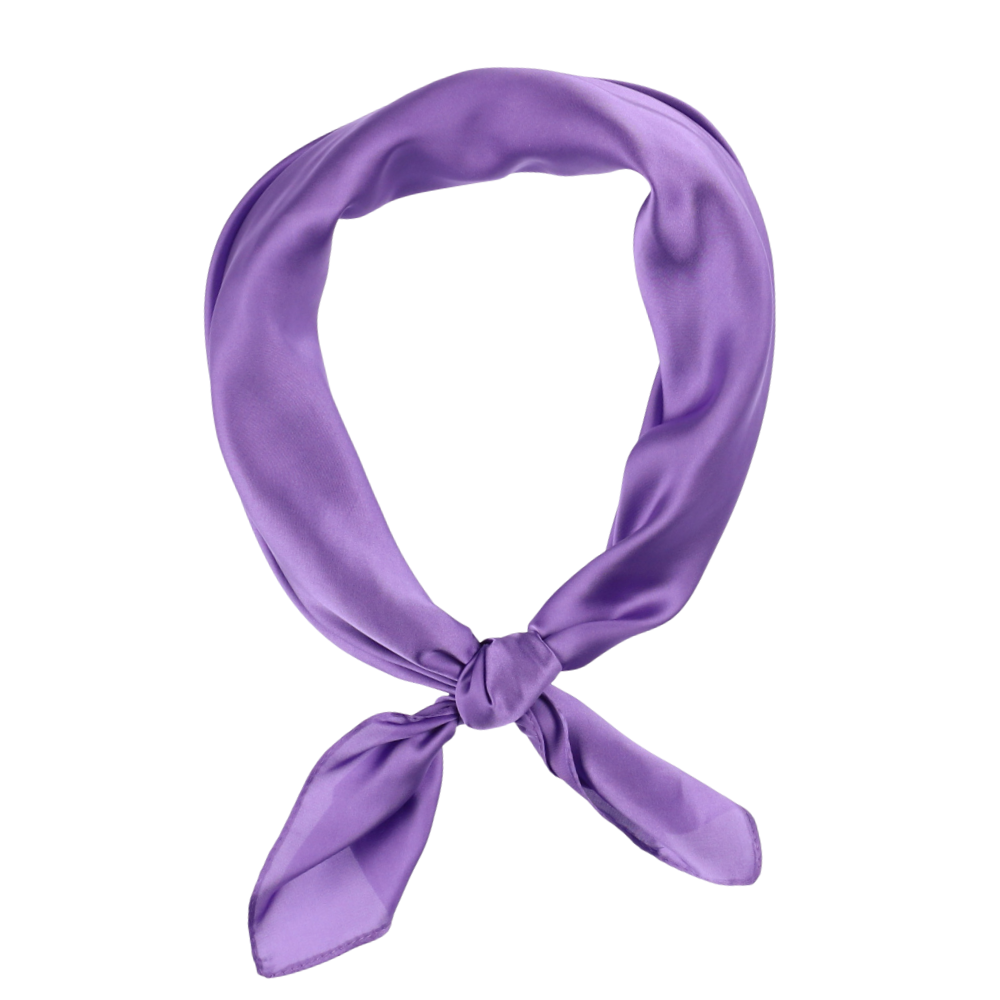
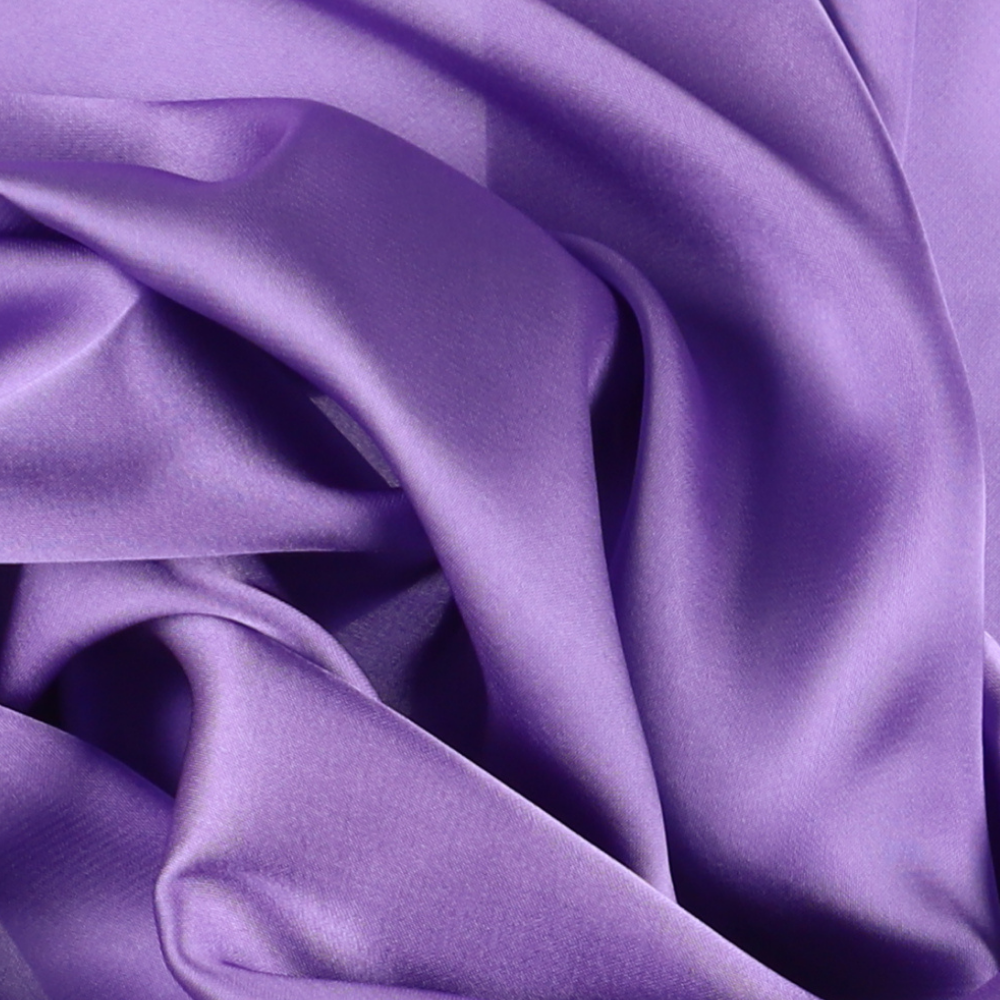
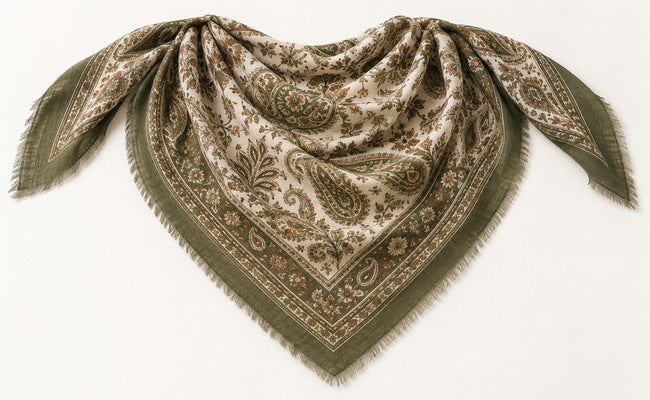
70×70 cm / 28×28 in
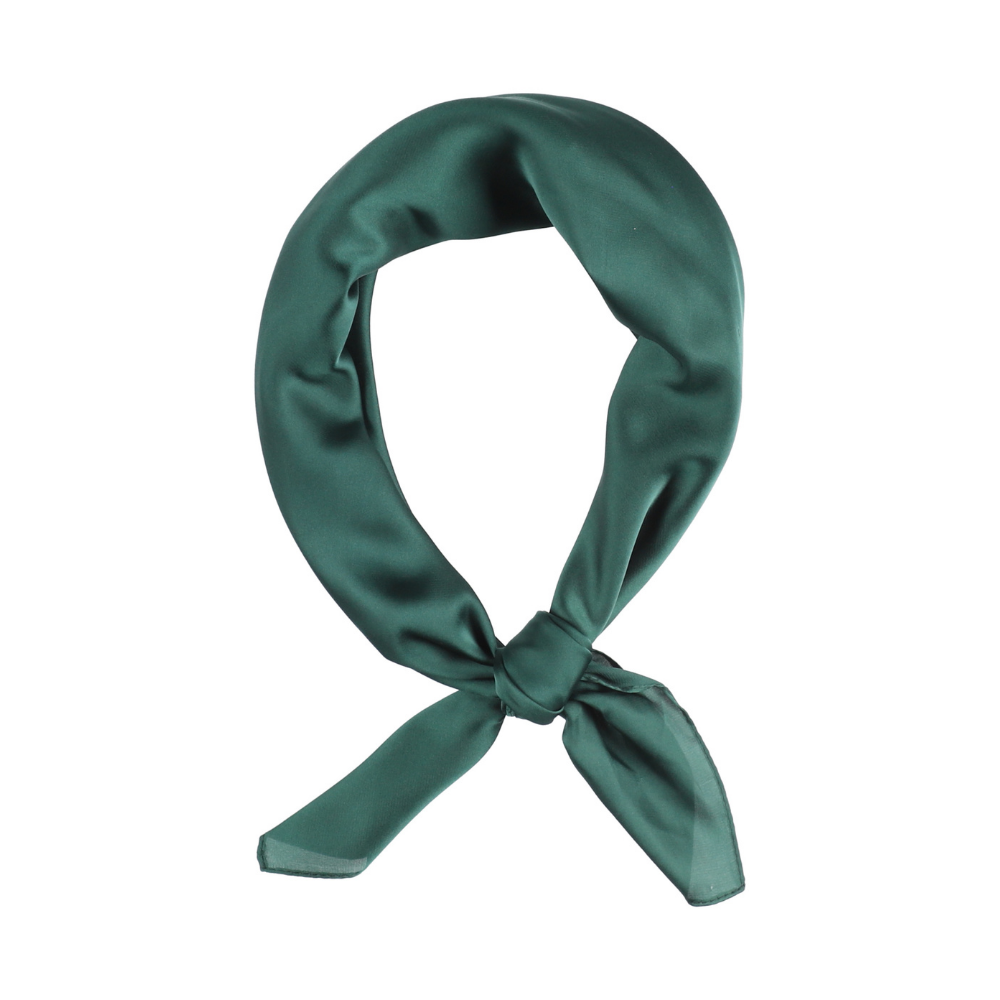
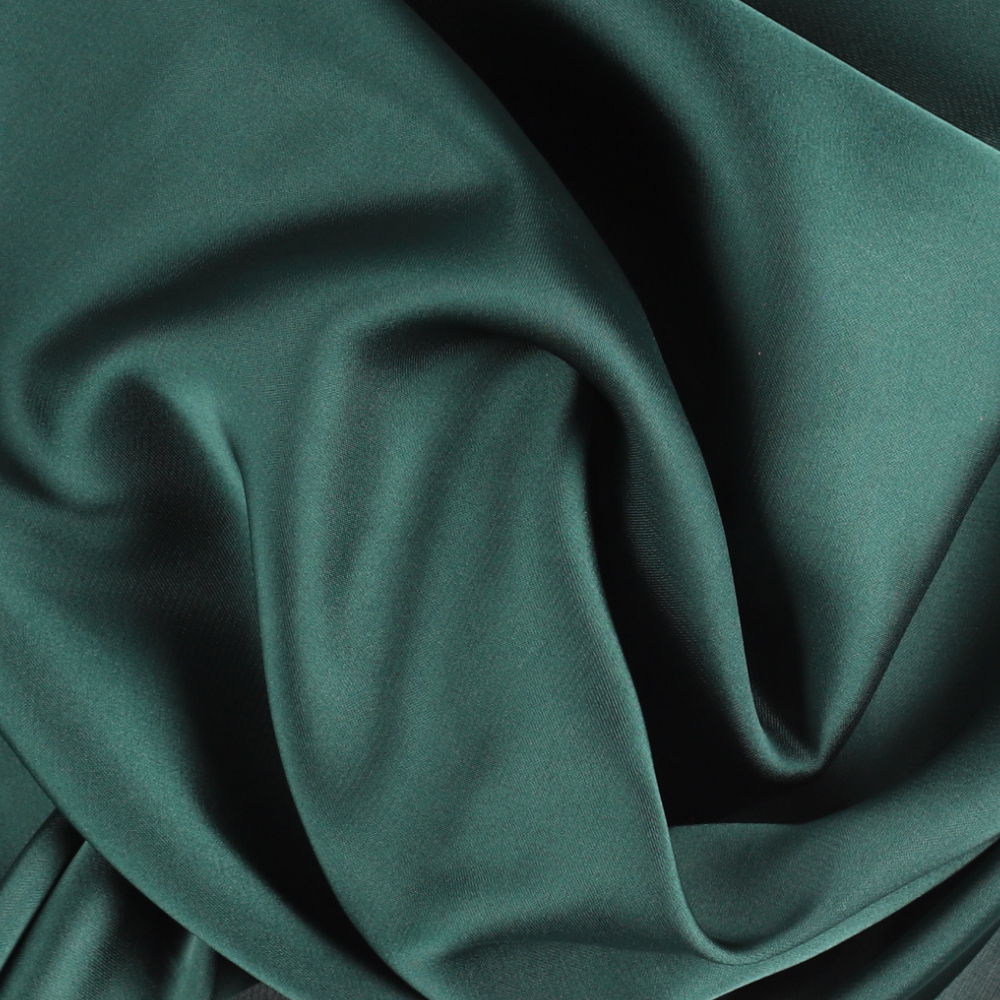
70×70 cm / 28×28 in
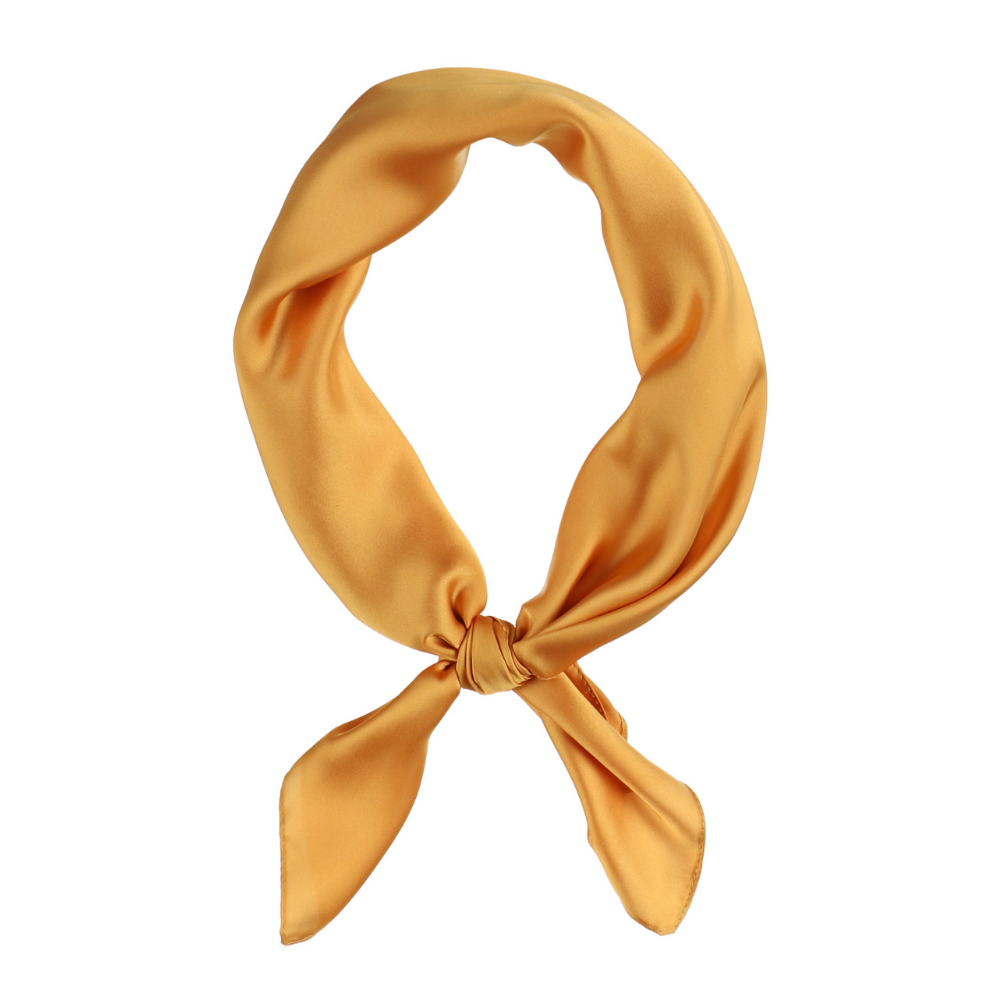
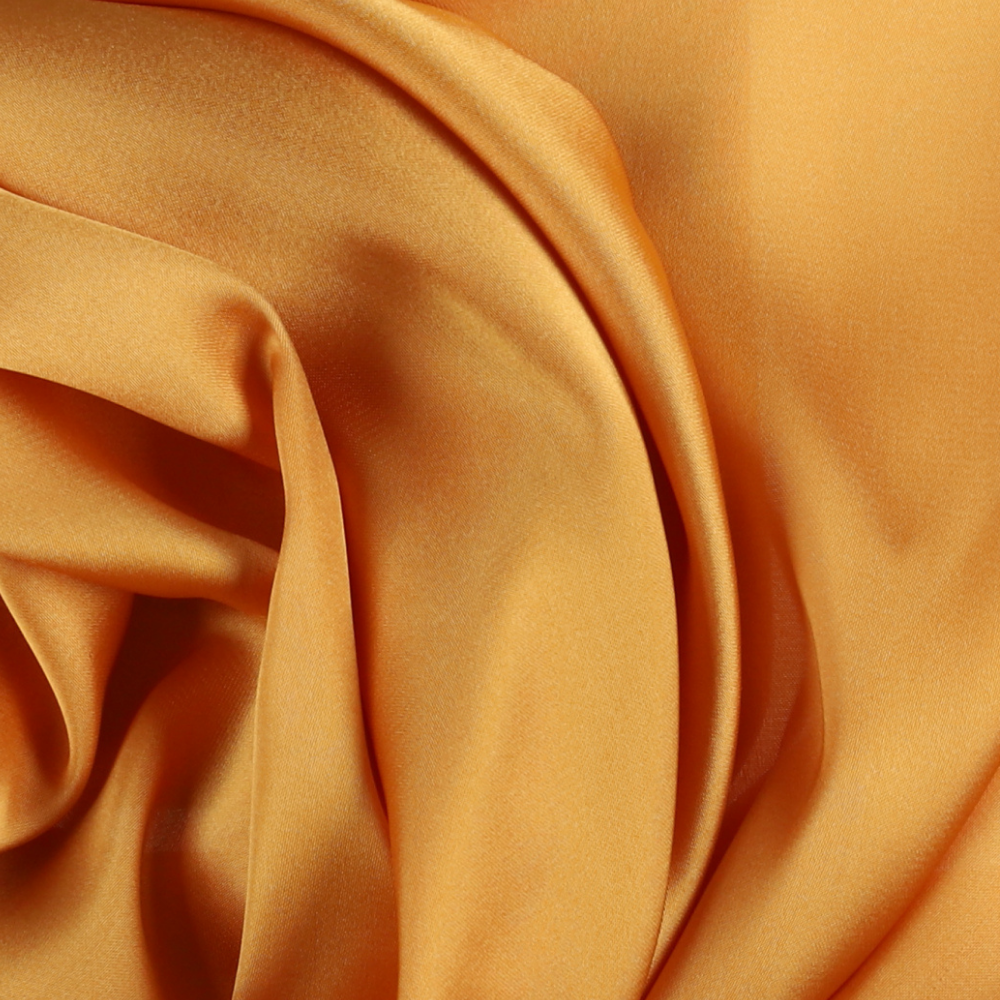
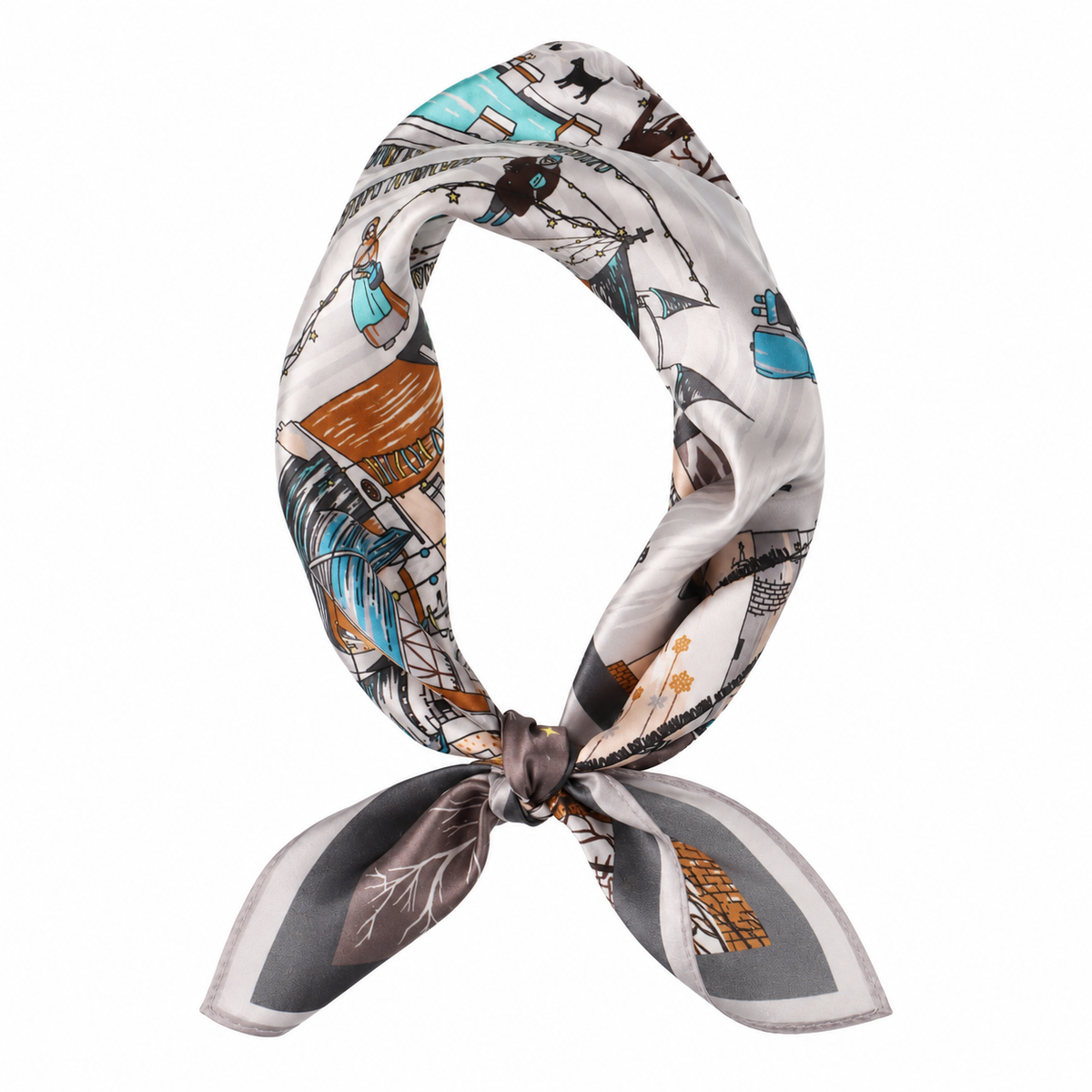
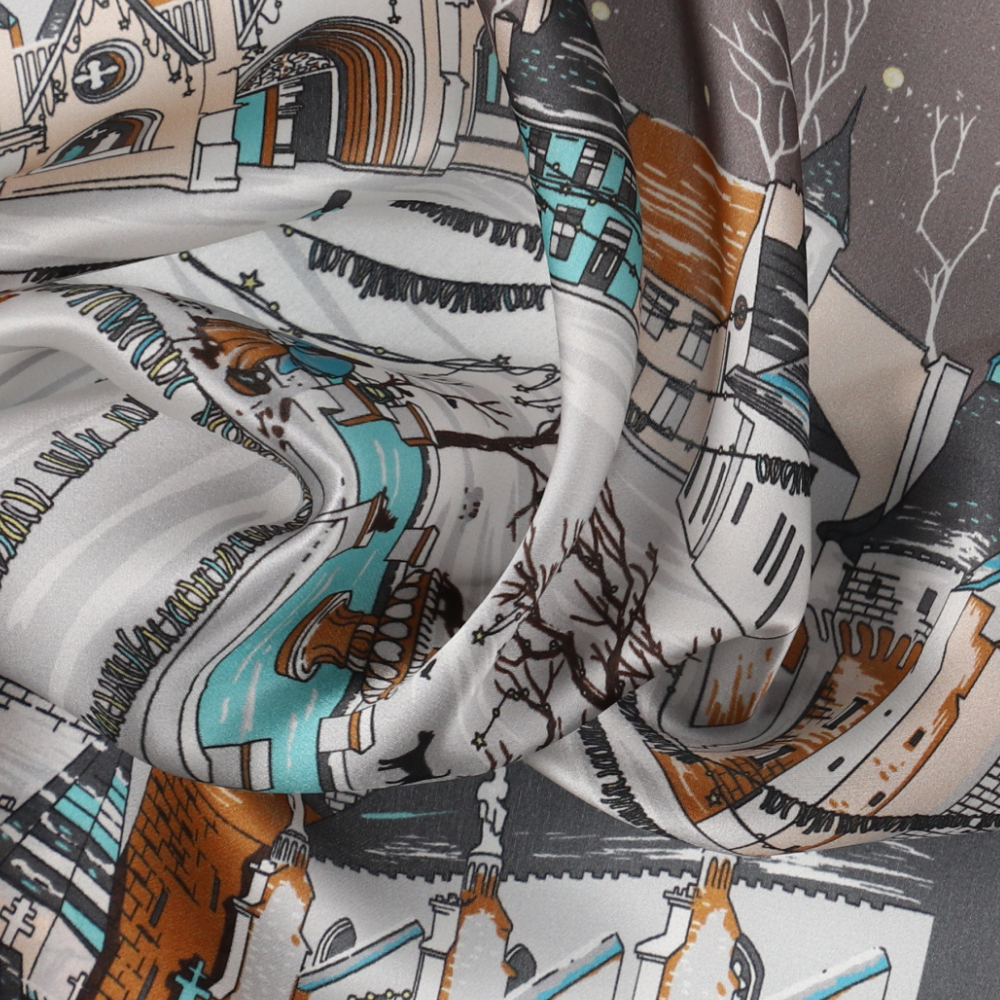
53×53 cm / 21×21 in
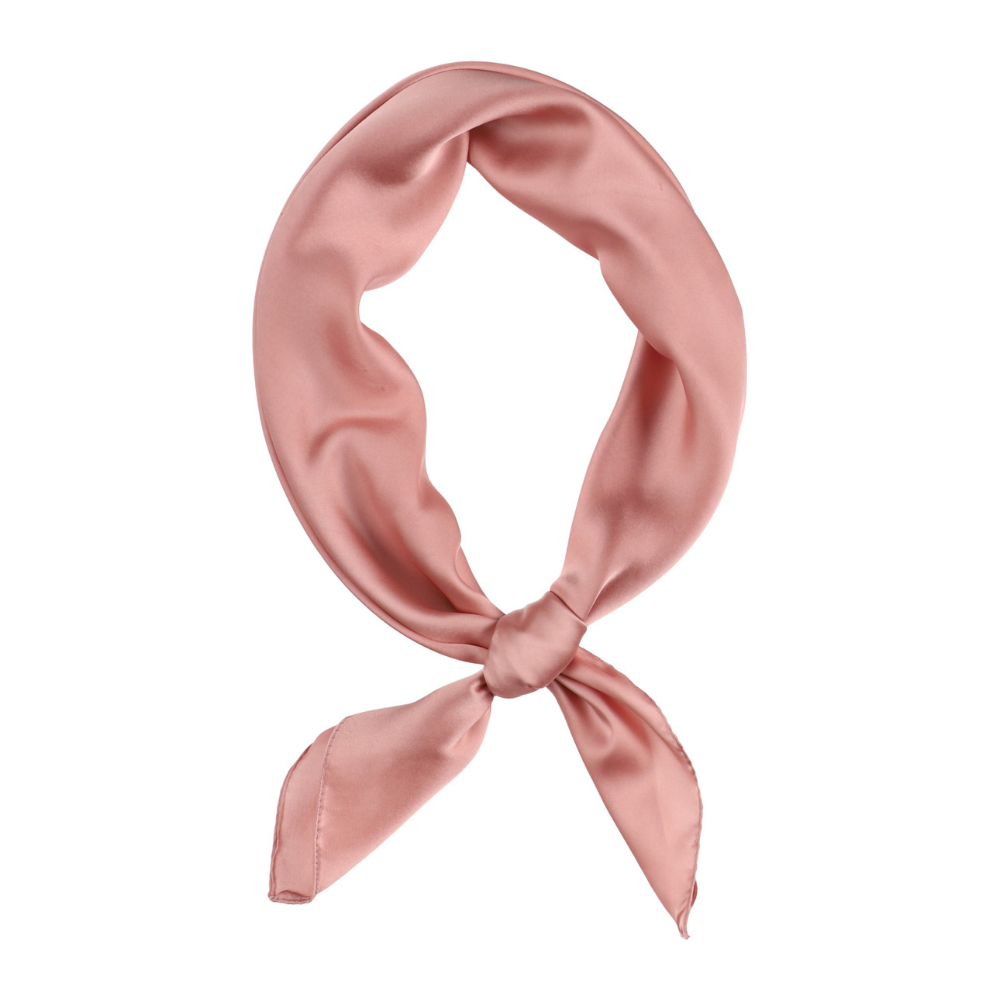
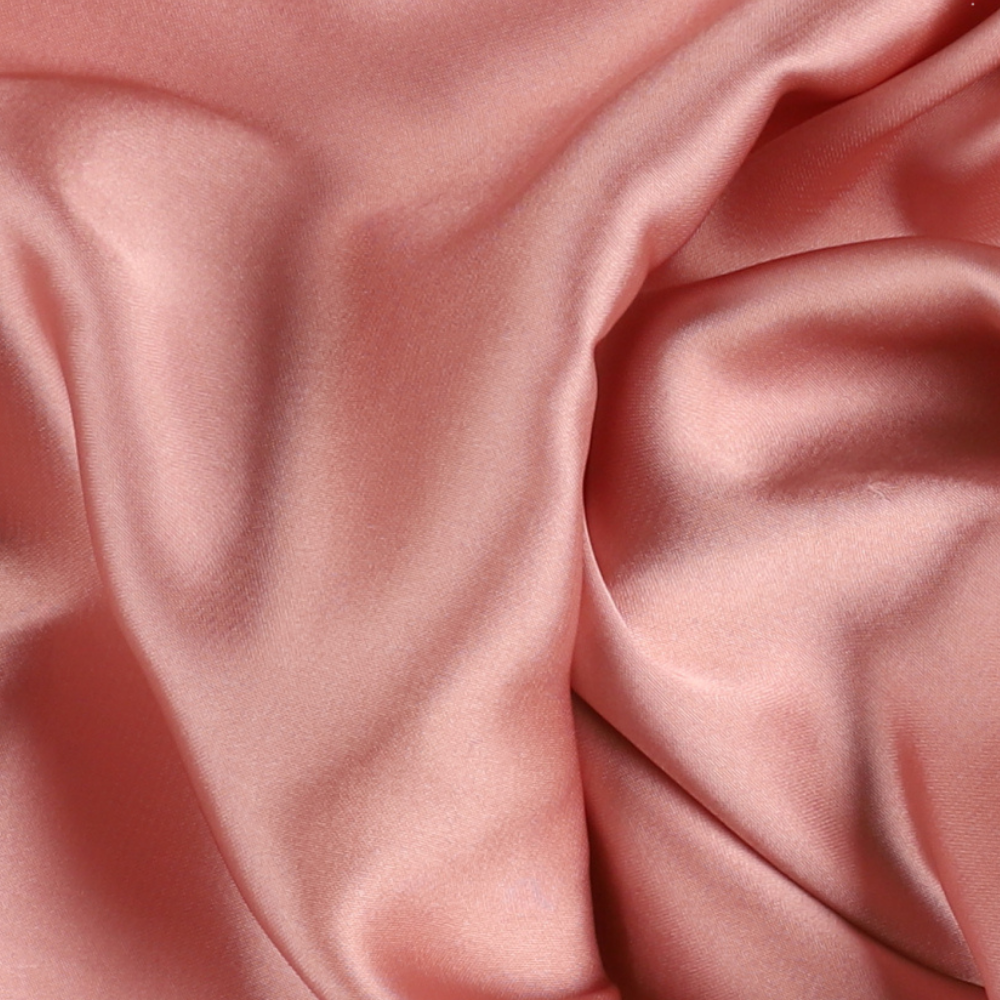
70×70 cm / 28×28 in
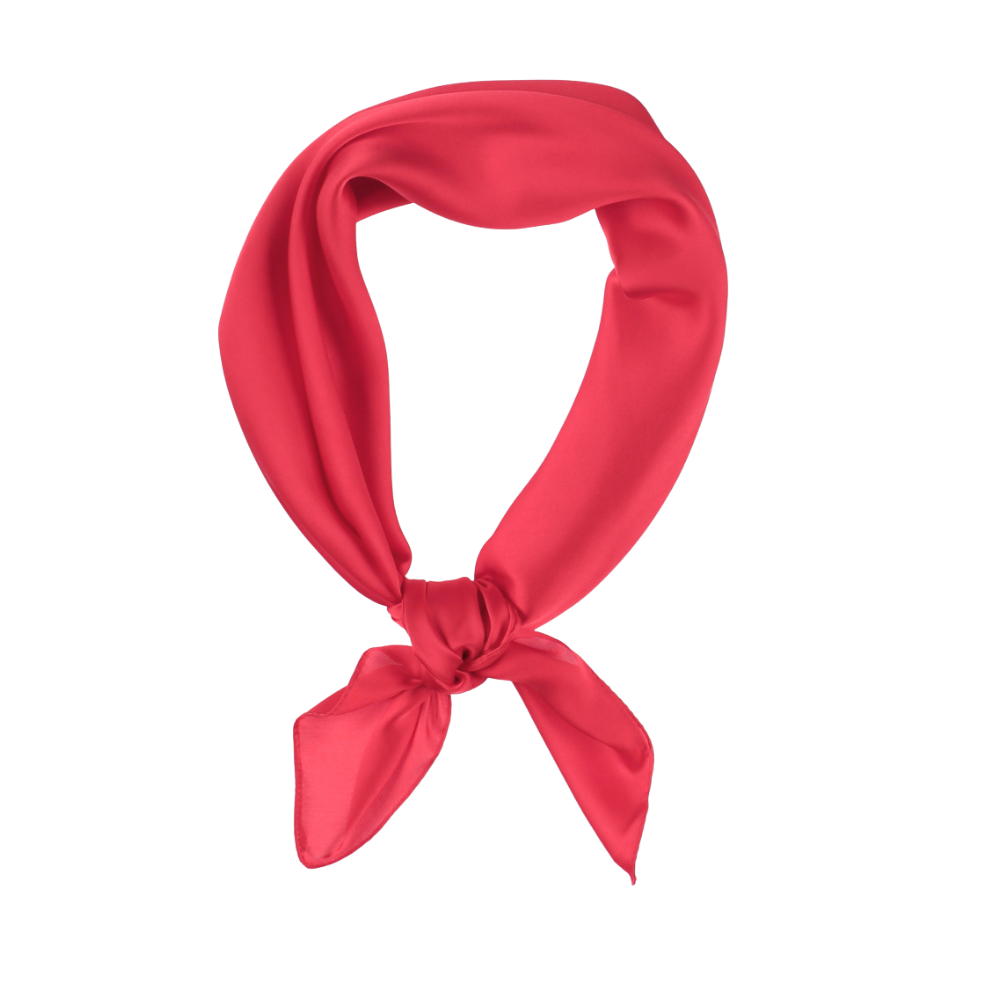
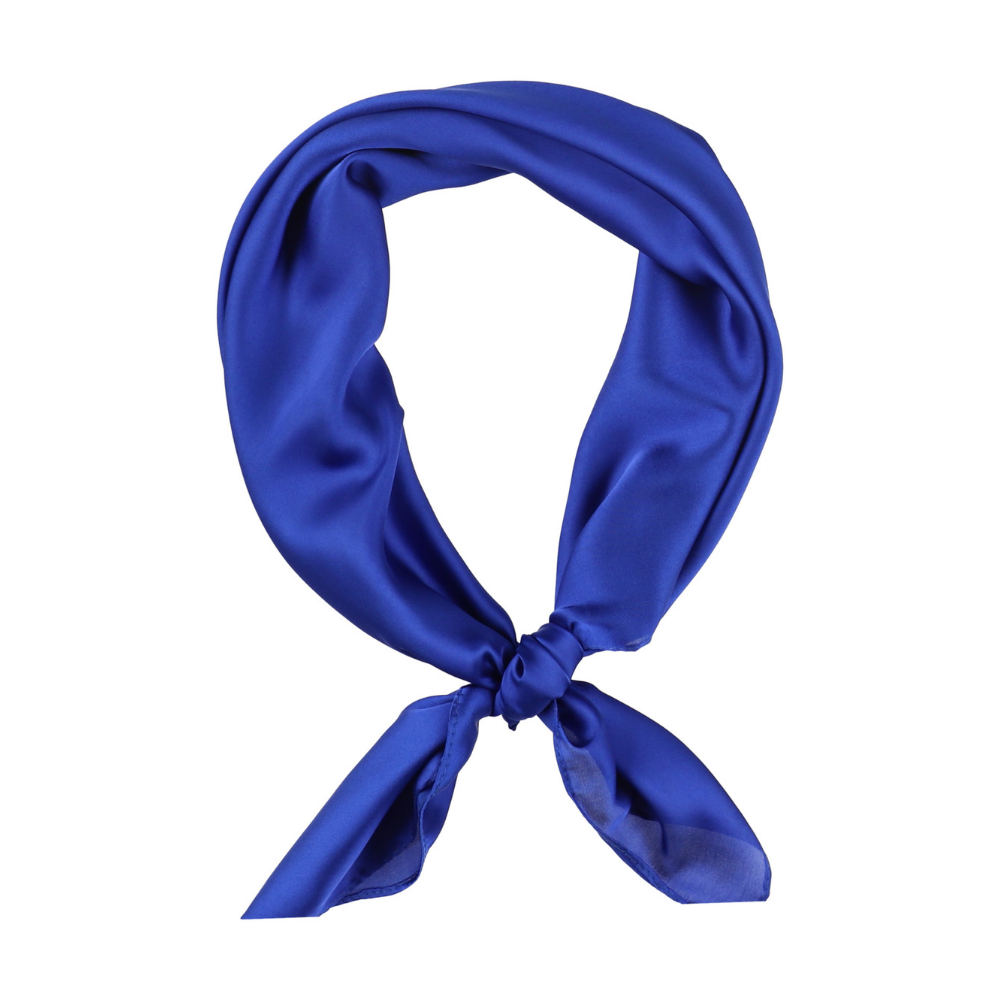
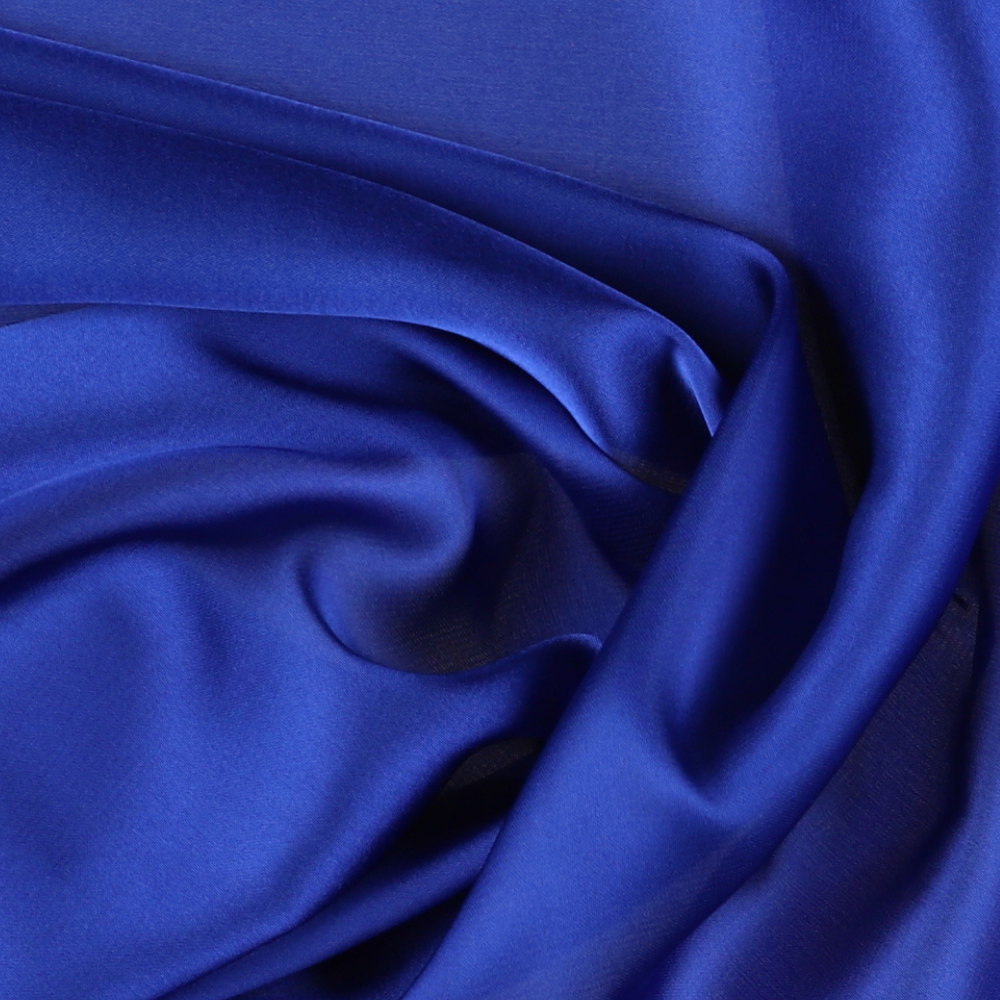
70×70 cm / 28×28 in
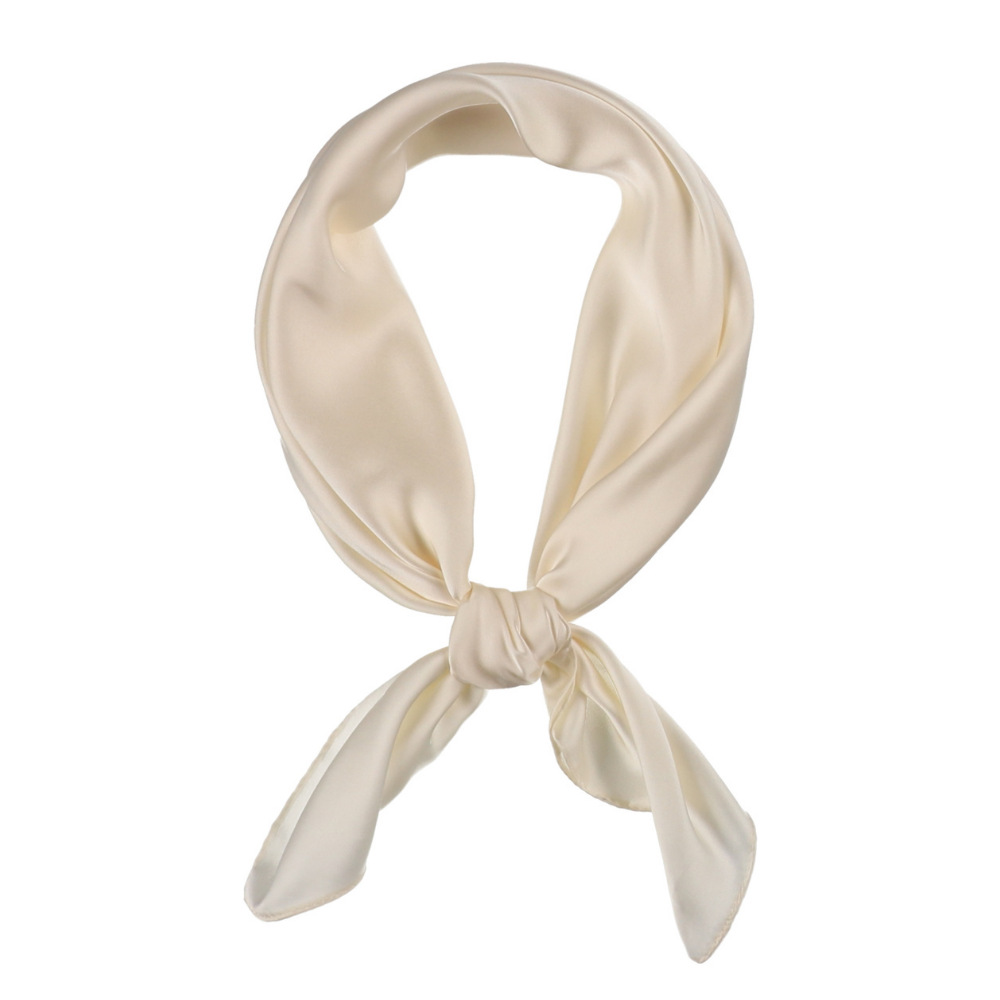
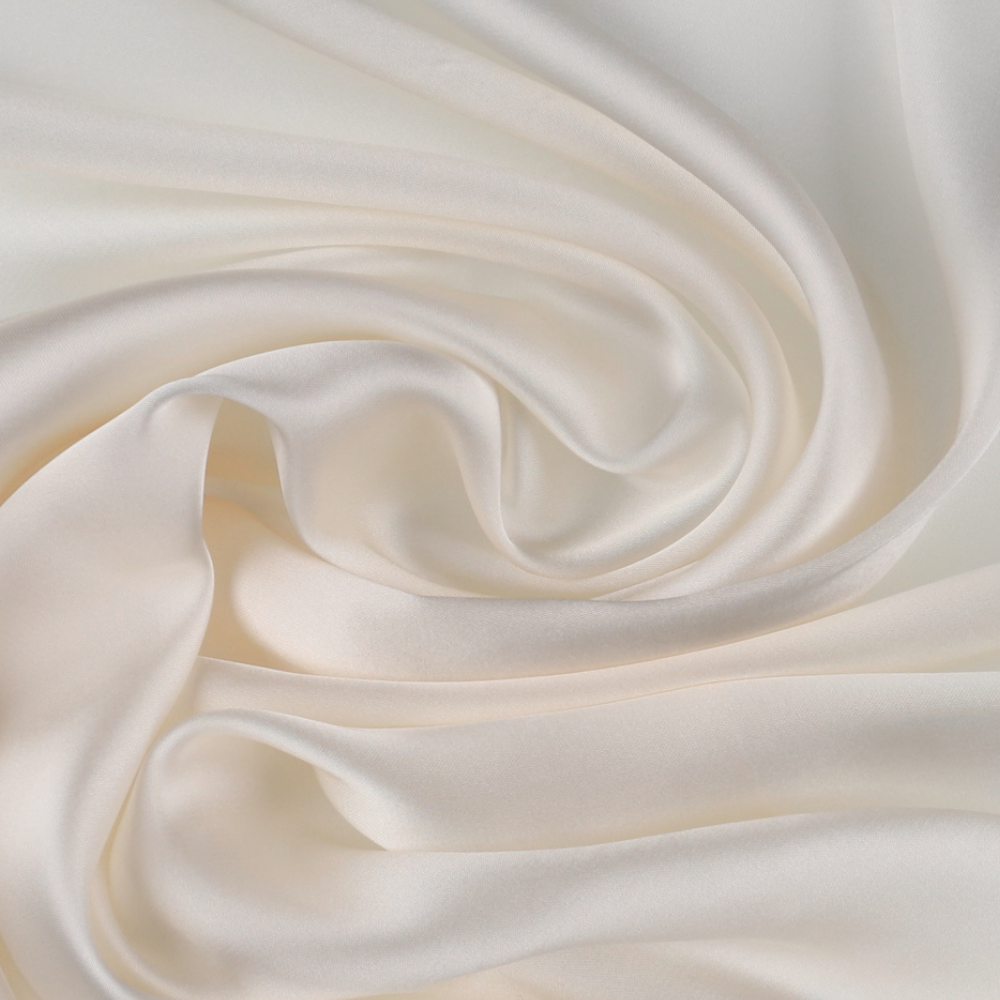
70×70 cm / 28×28 in
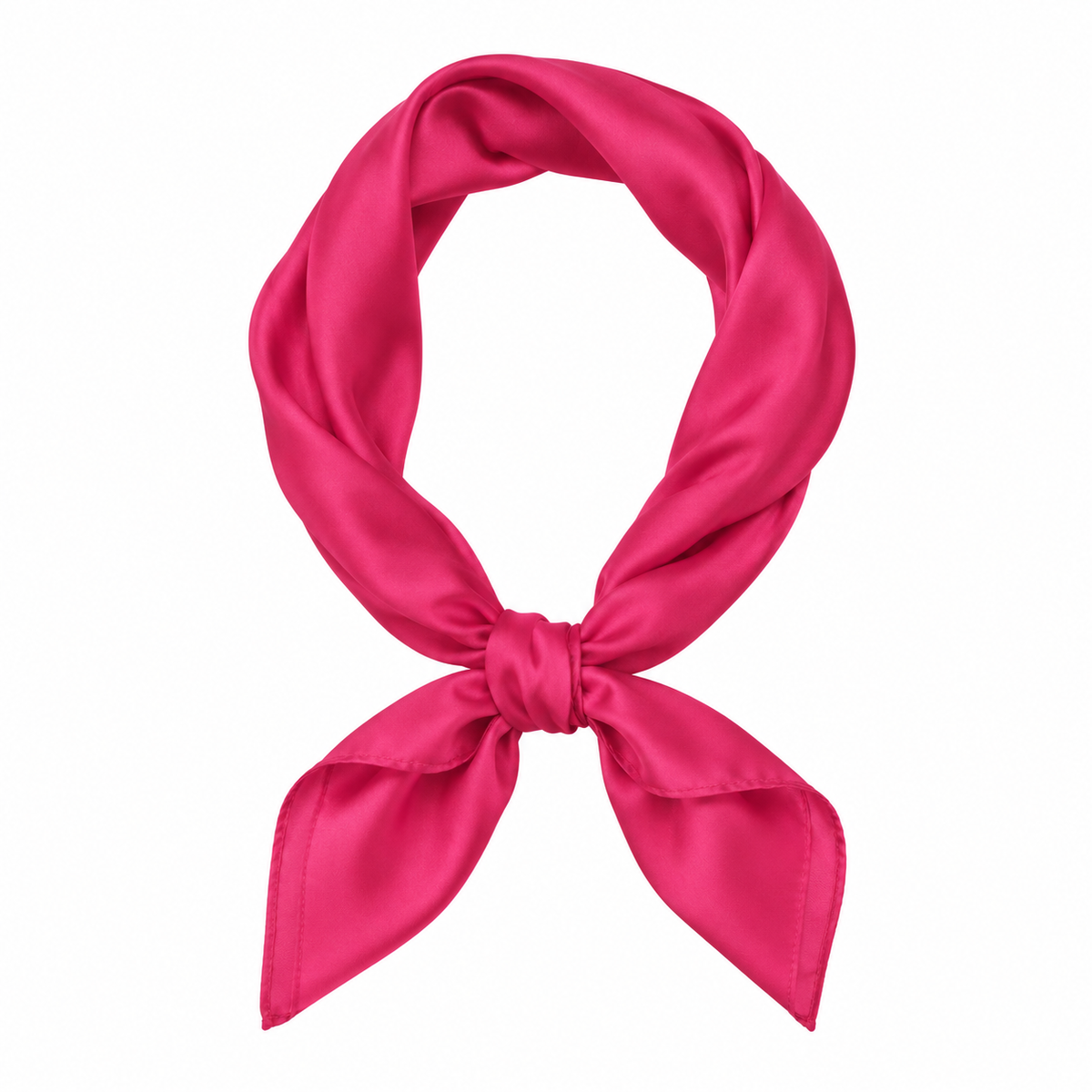
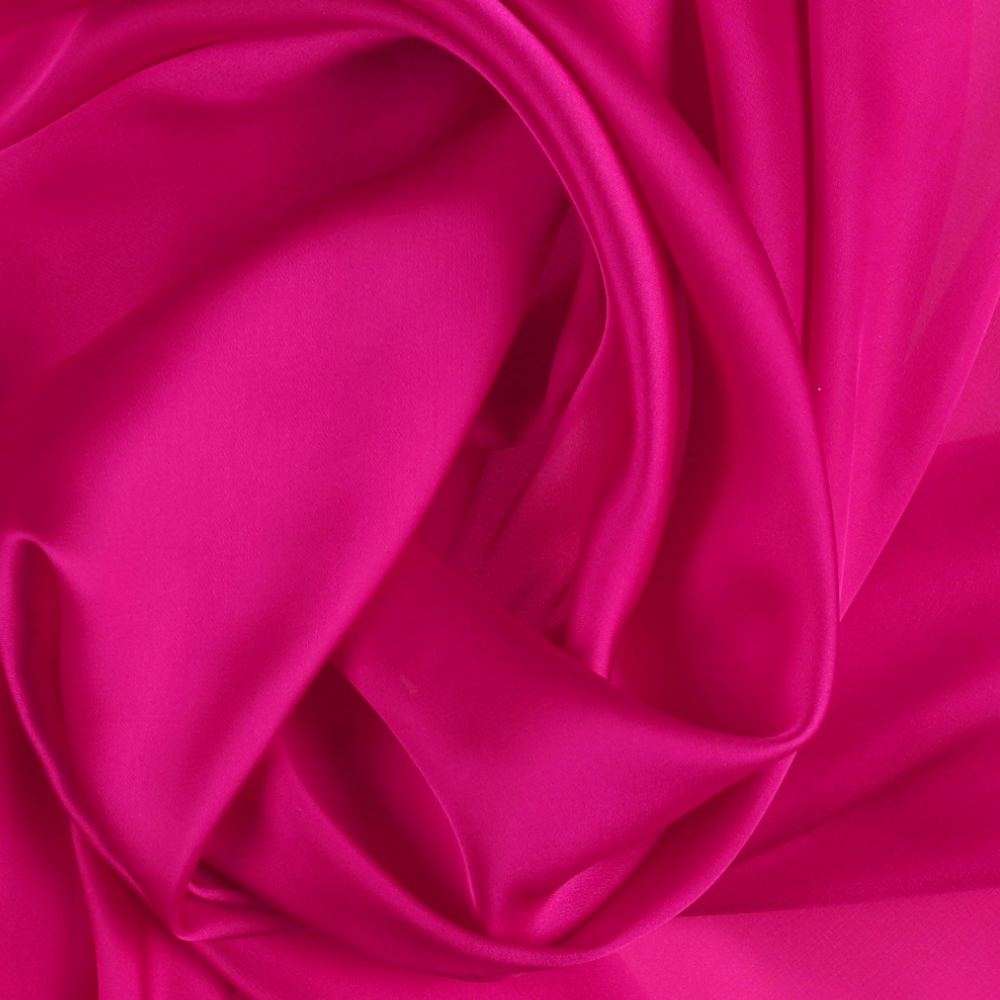
70×70 cm / 28×28 in
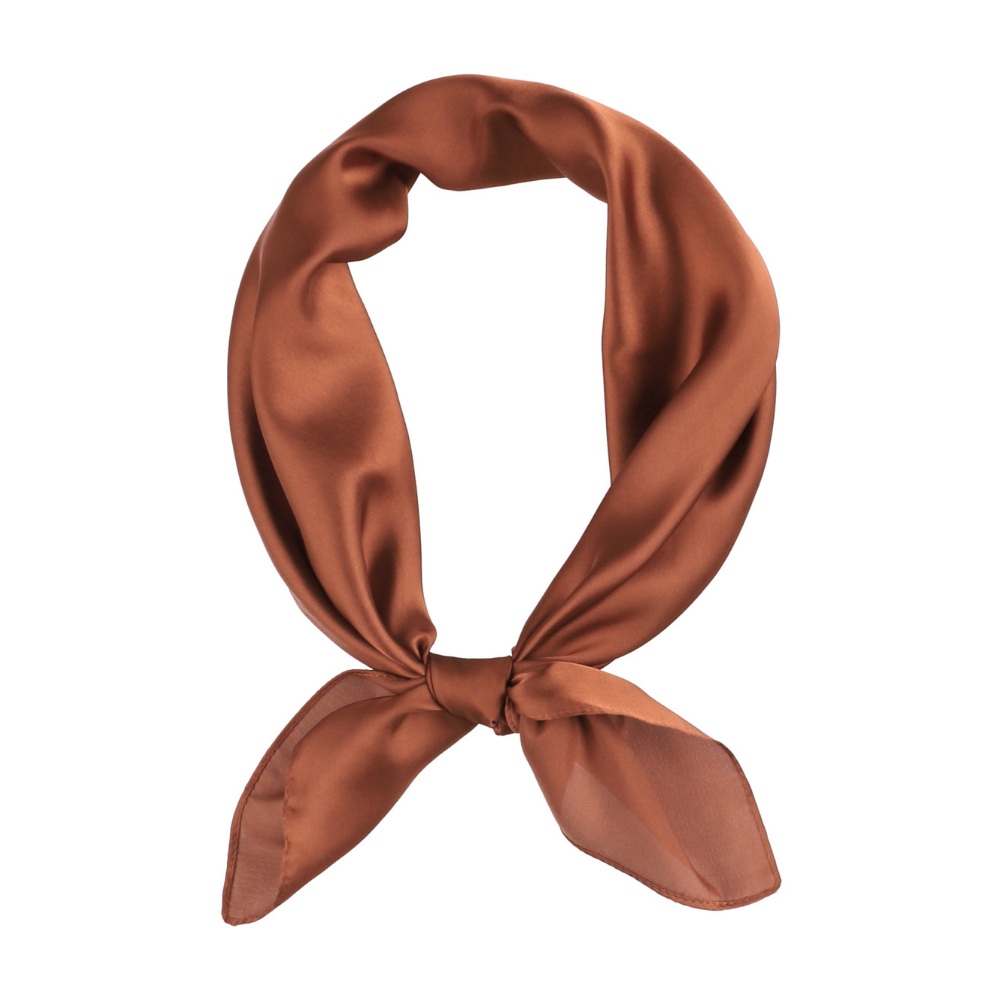
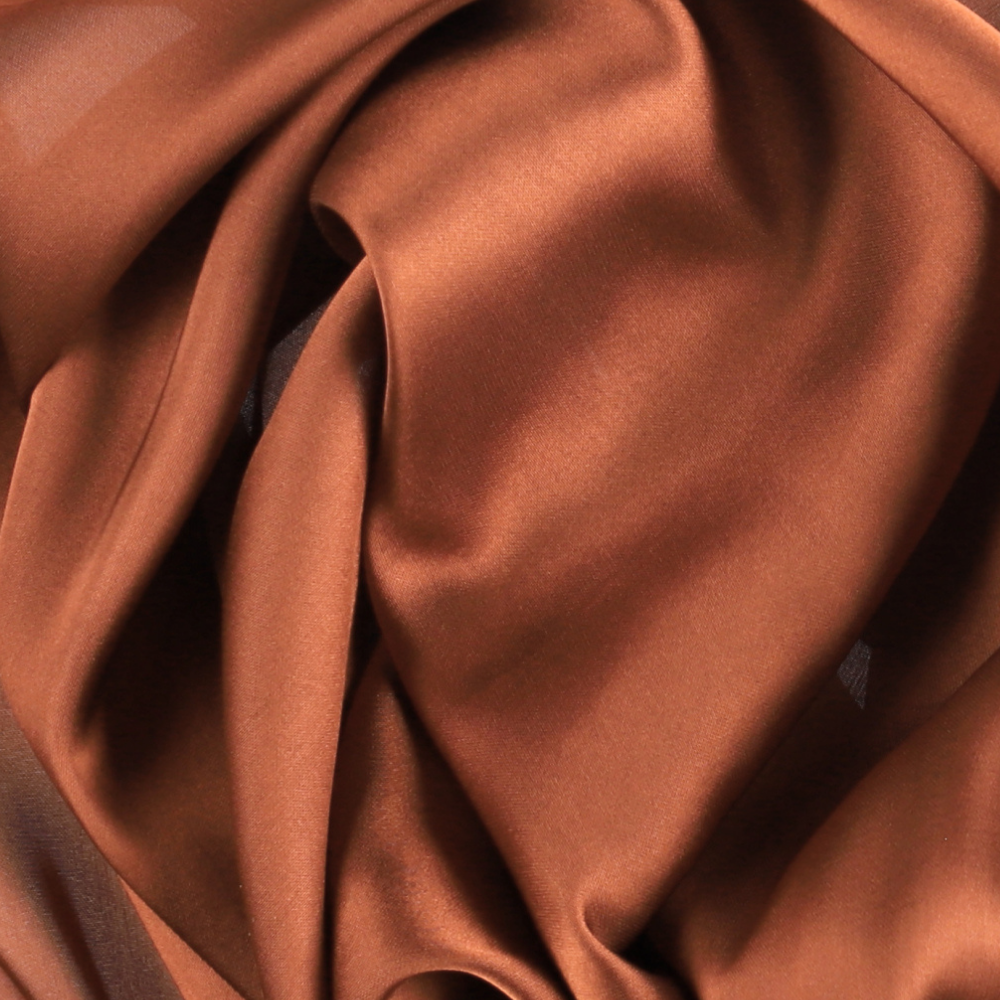
70×70 cm / 28×28 in
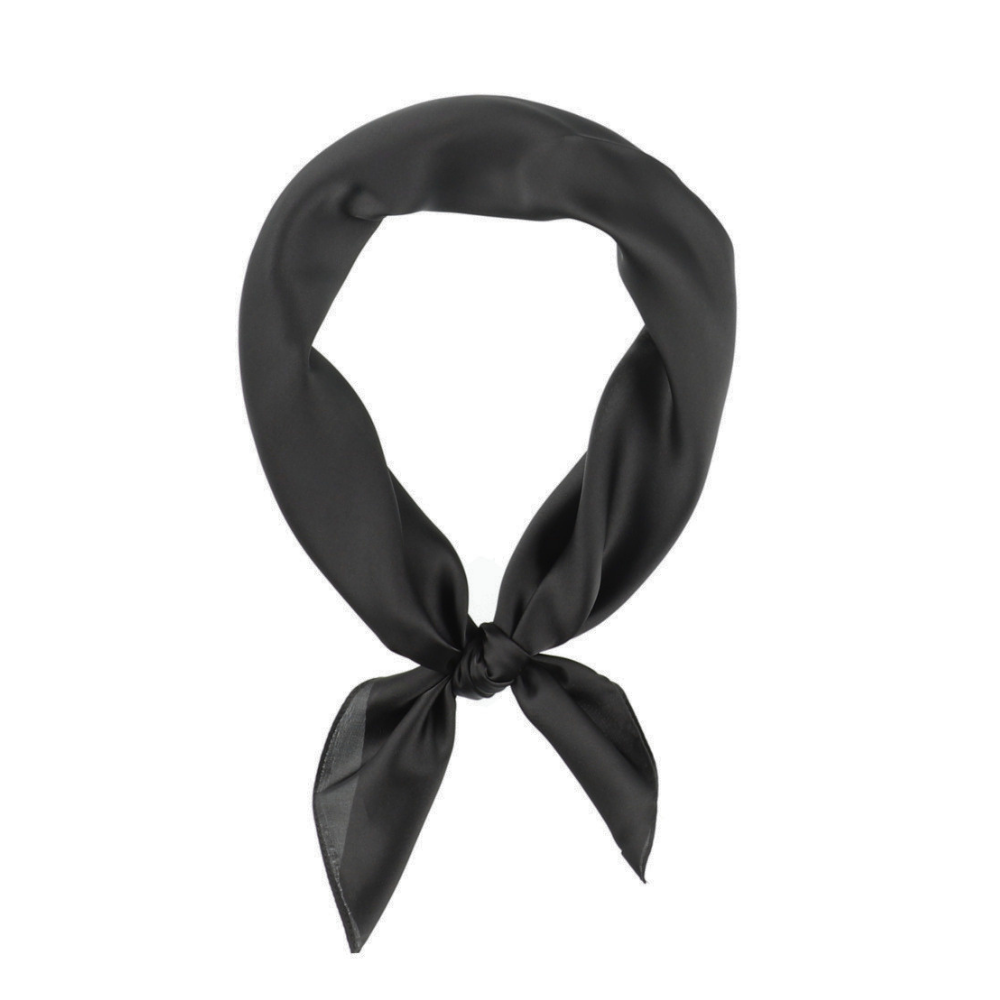
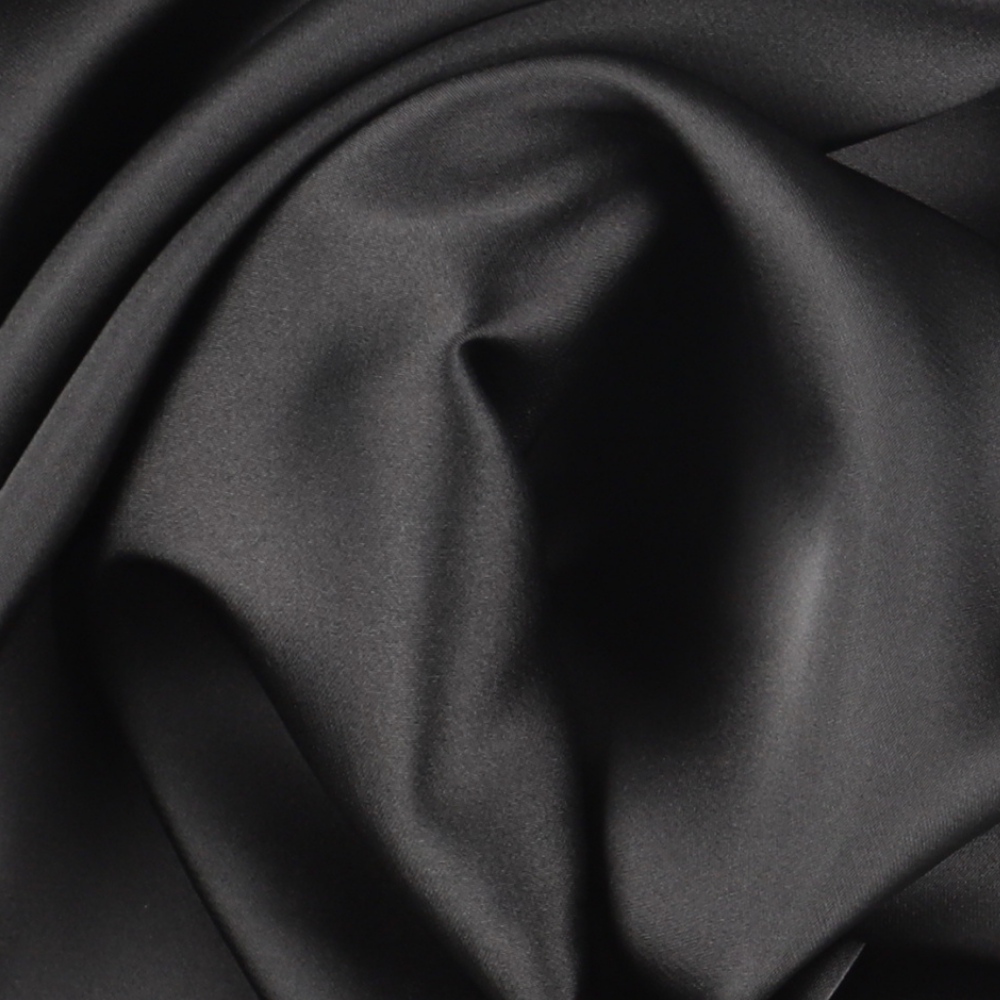
70×70 cm / 28×28 in
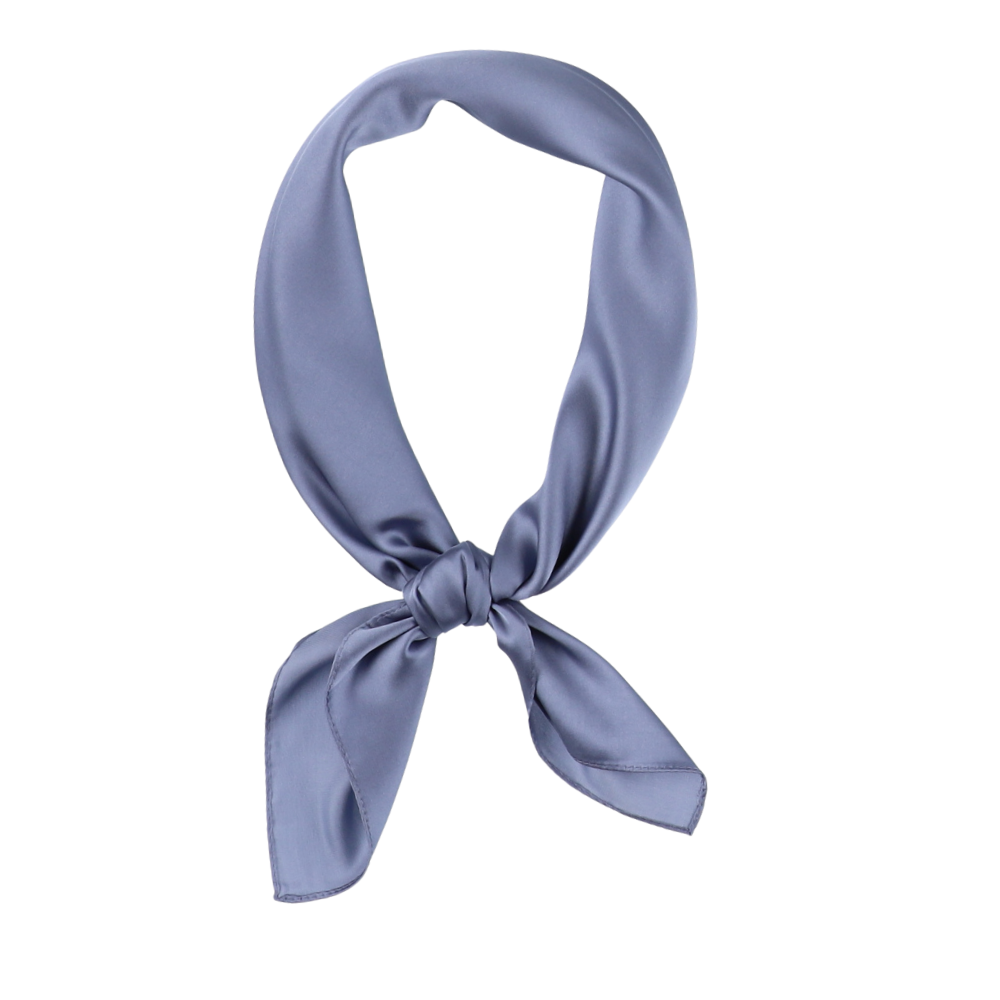
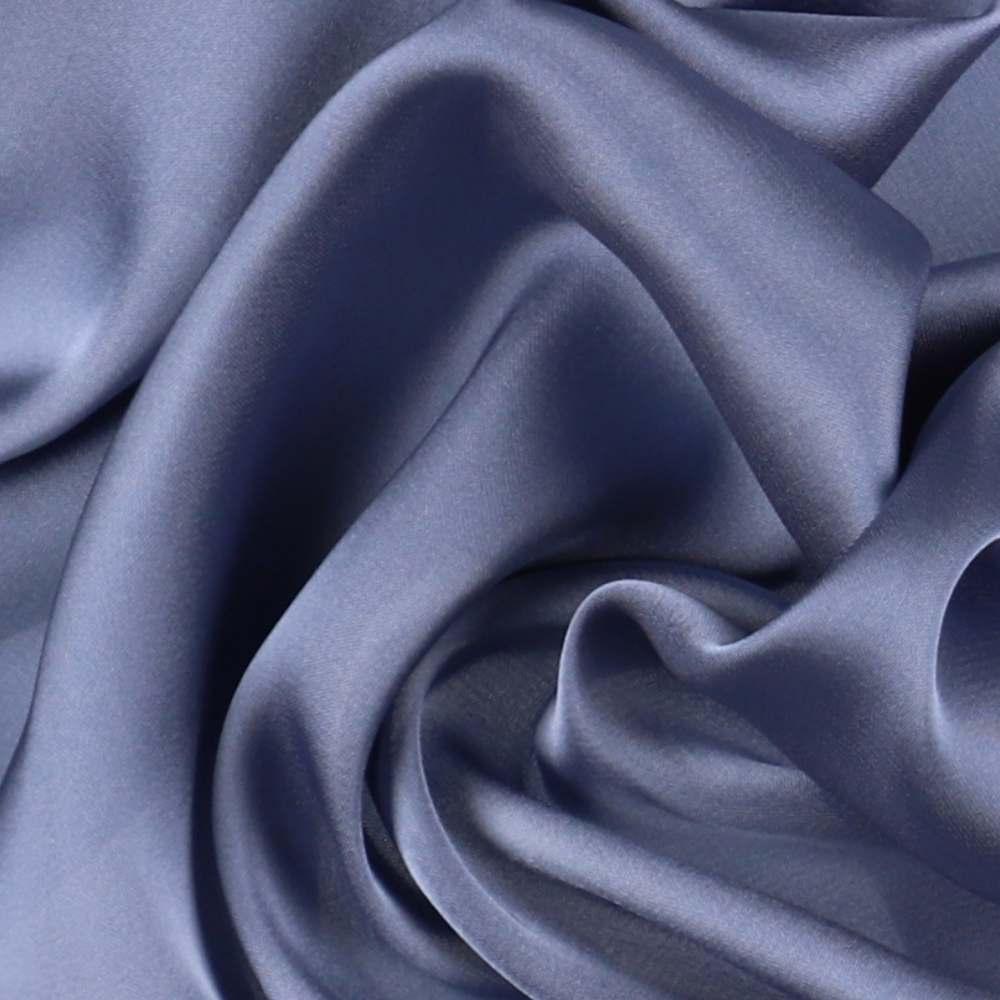
70×70 cm / 28×28 in
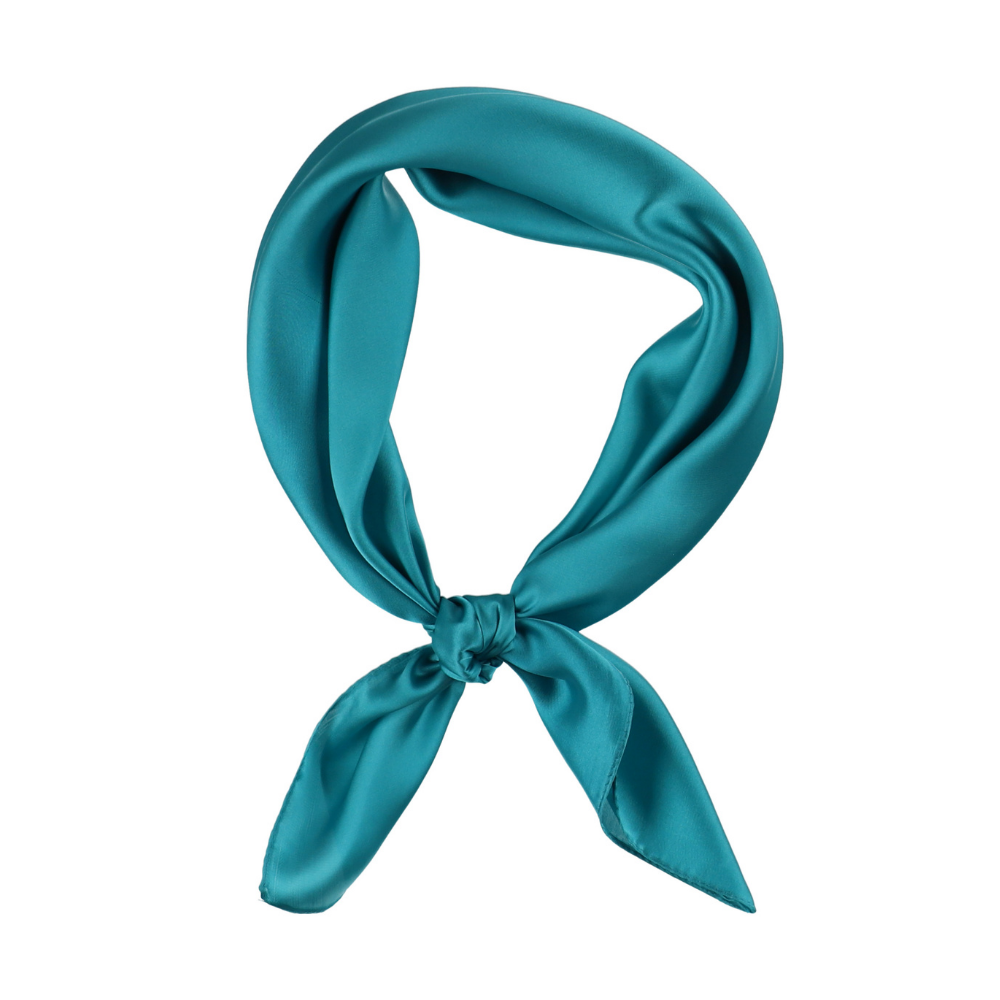
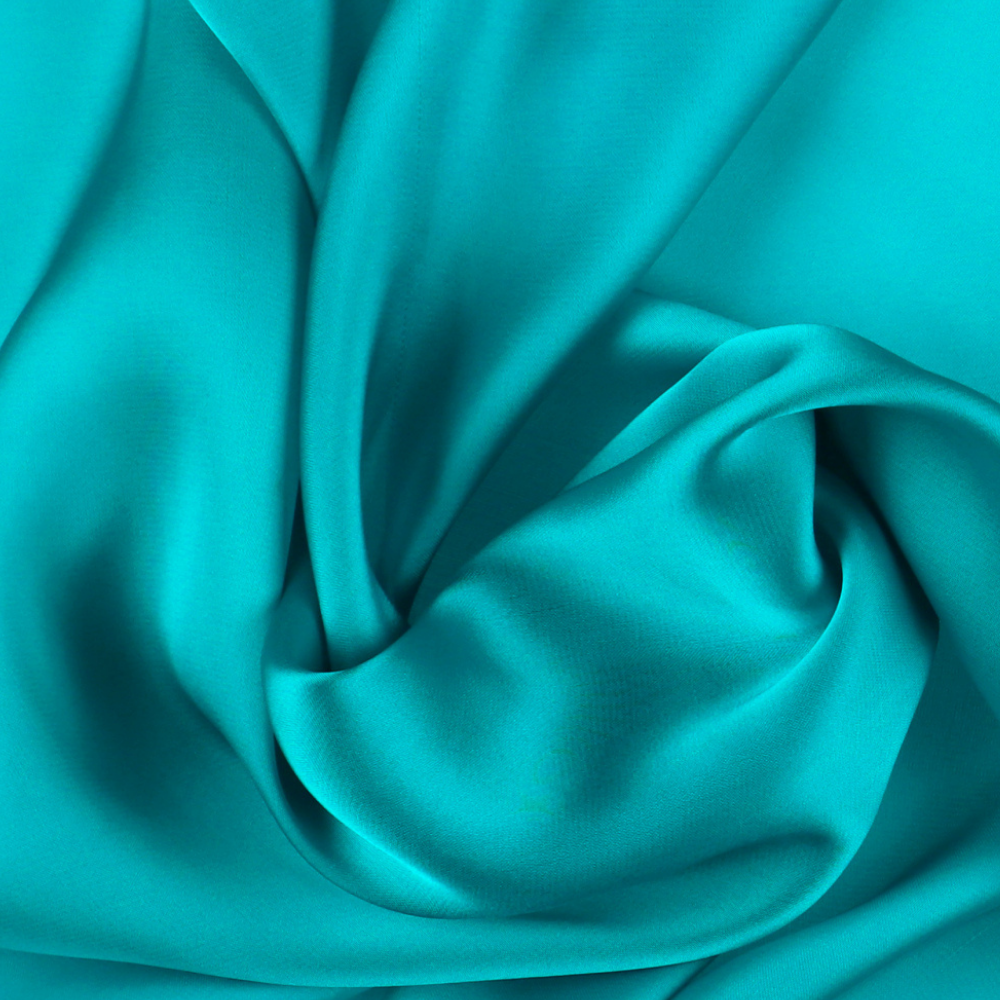
70×70 cm / 28×28 in
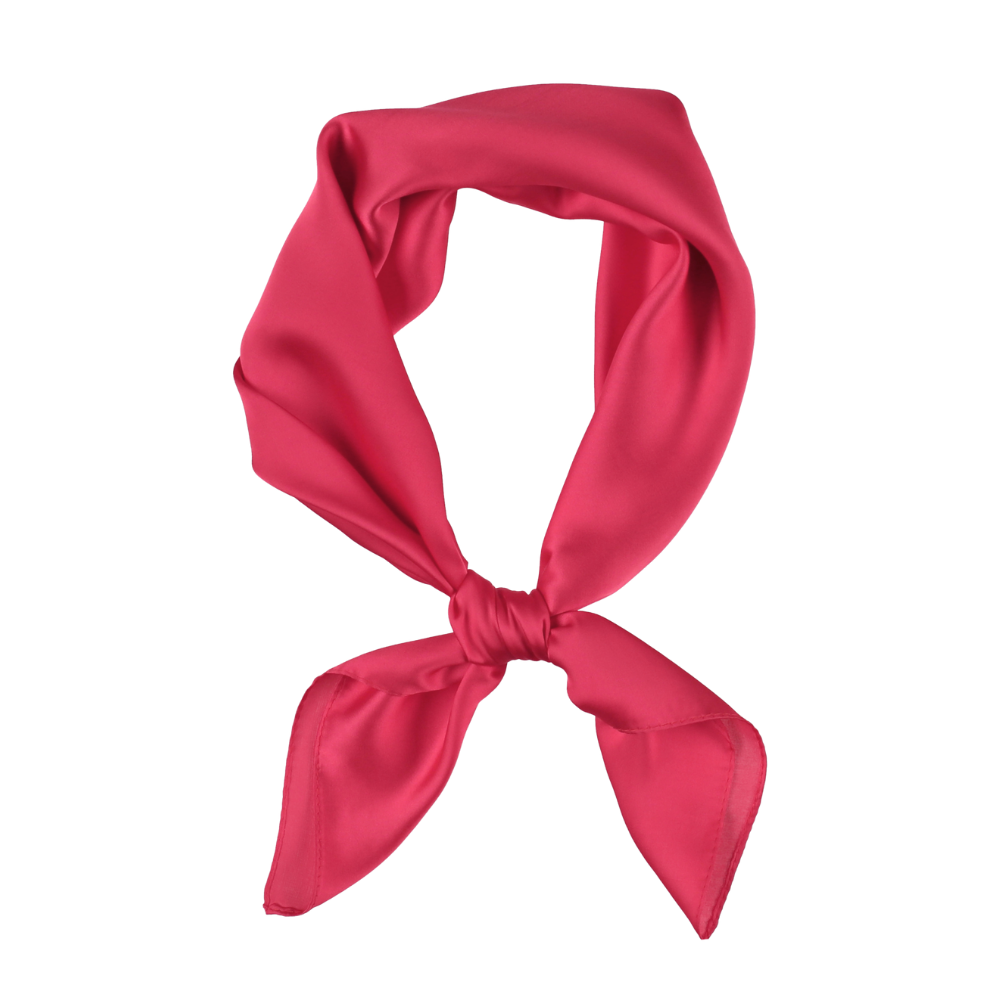
70×70 cm / 28×28 in
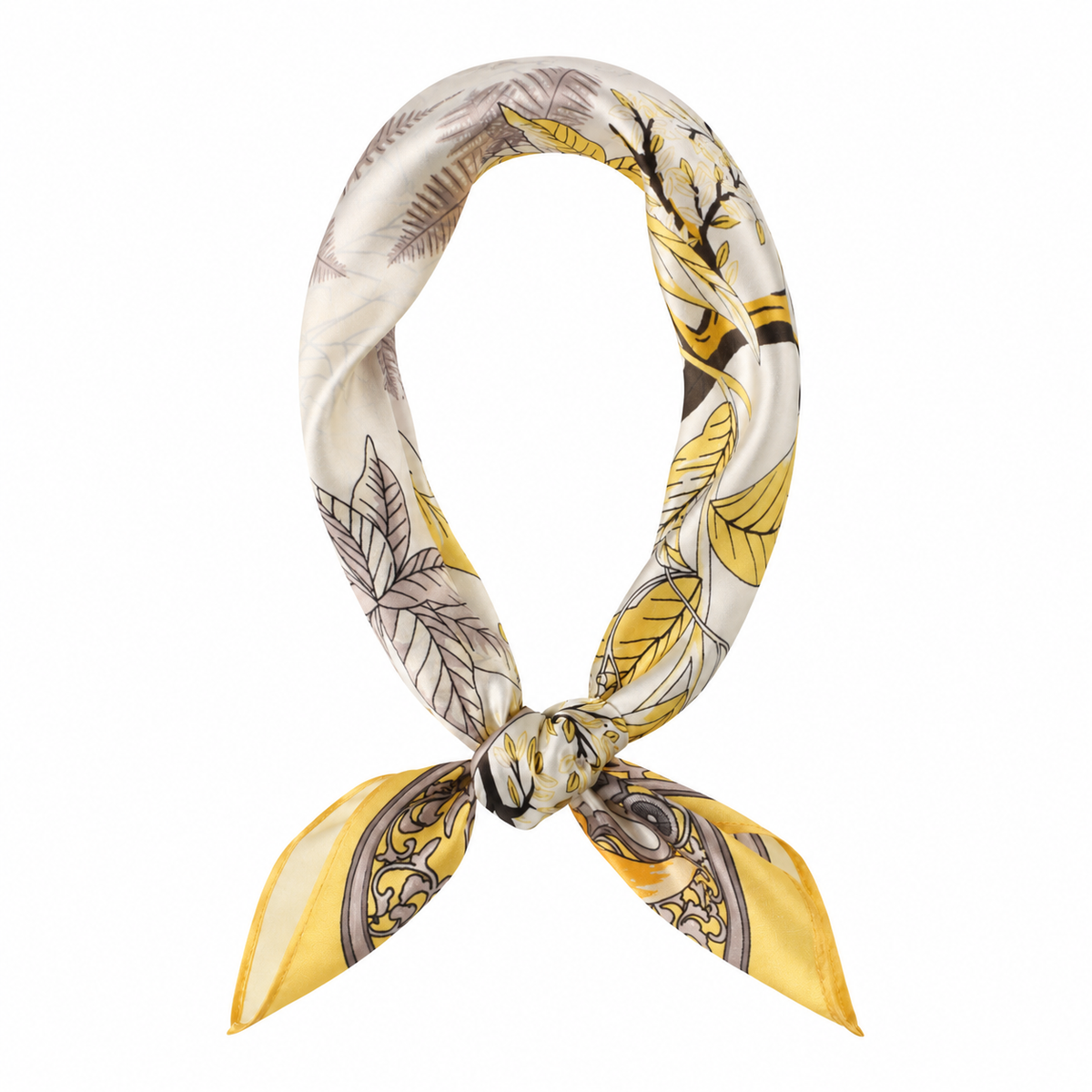
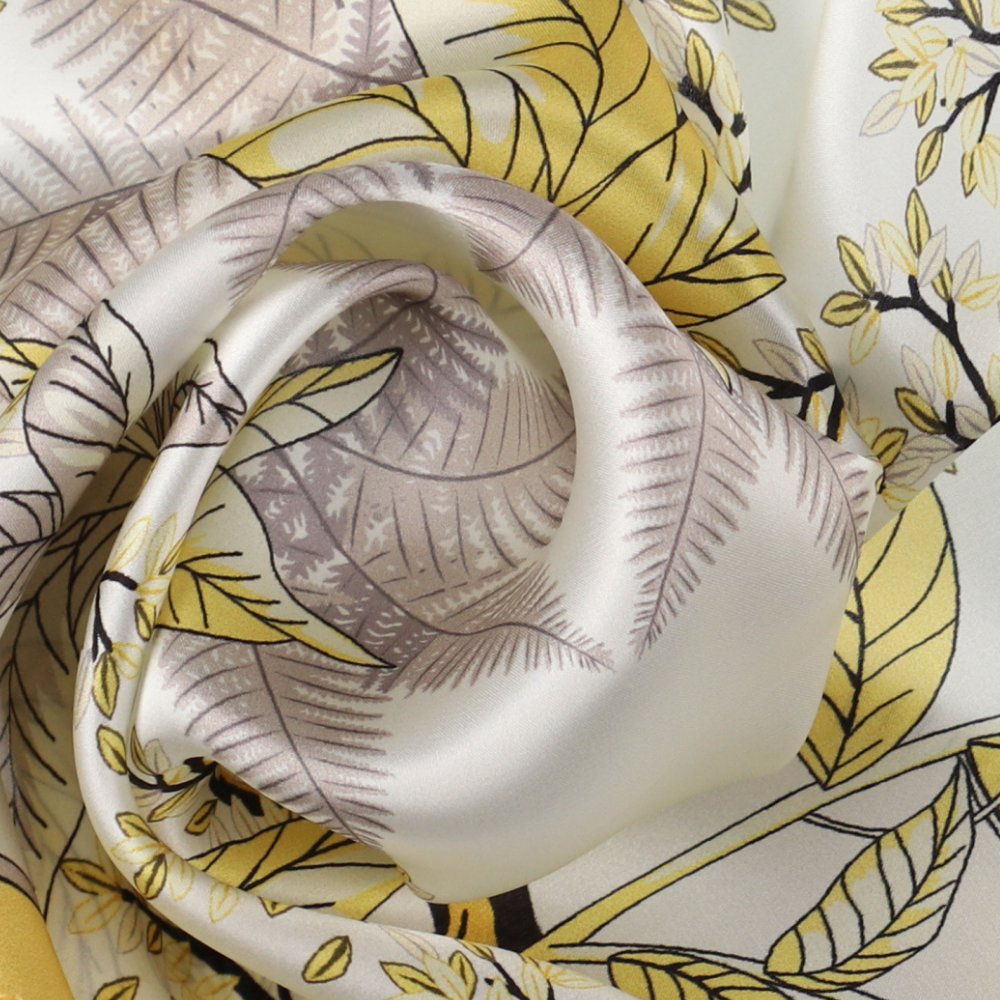
53×53 cm / 21×21 in
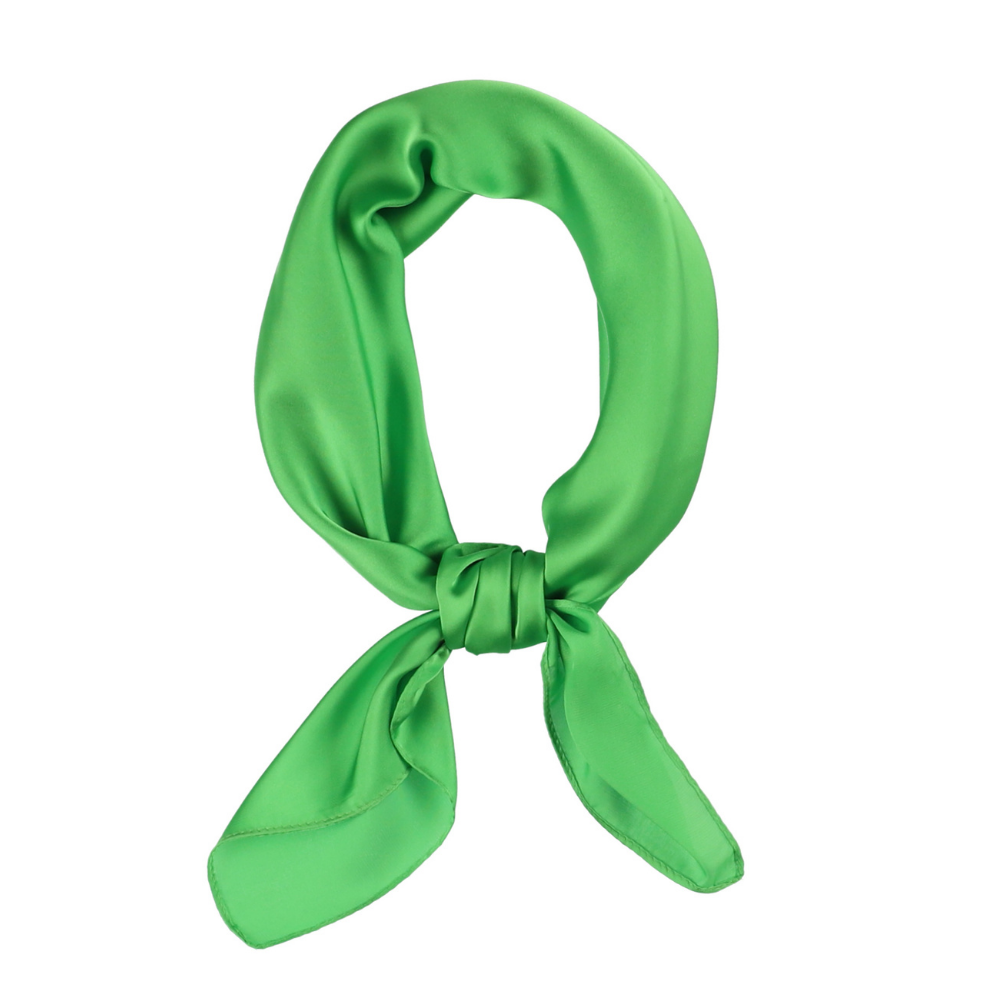
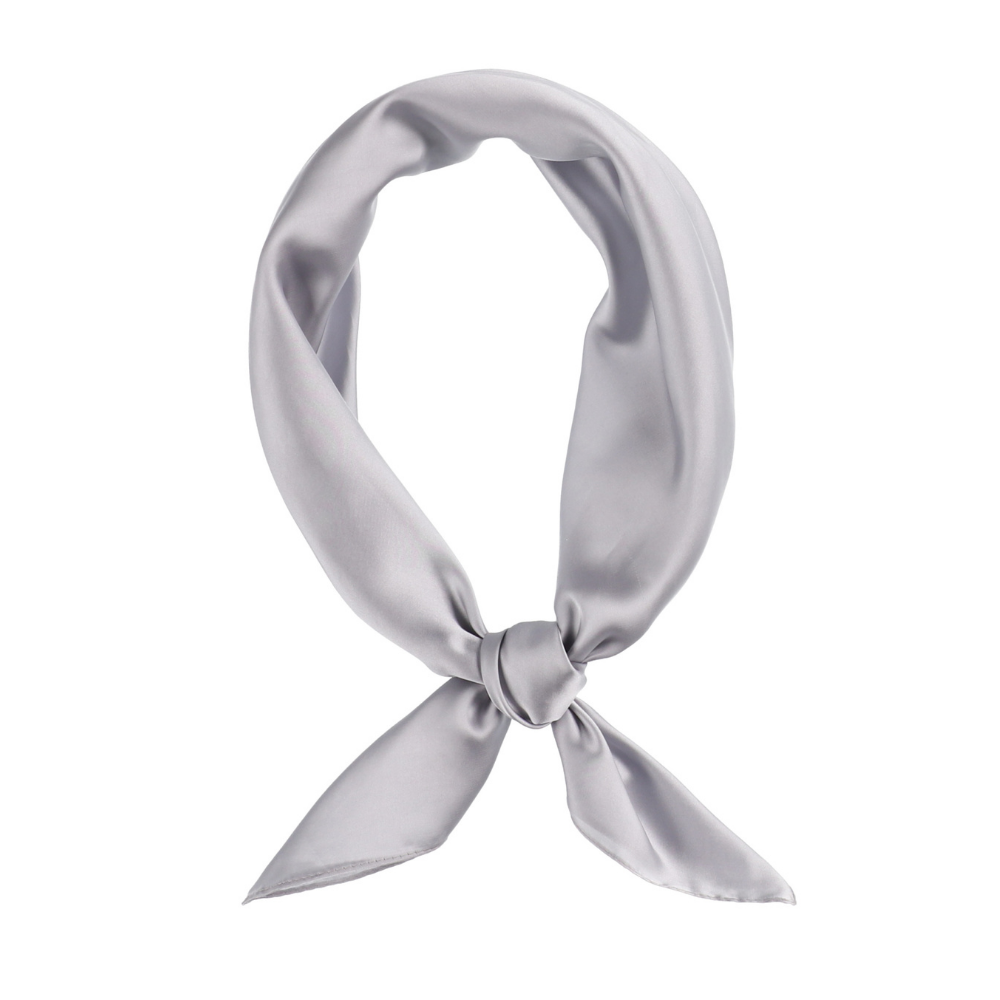
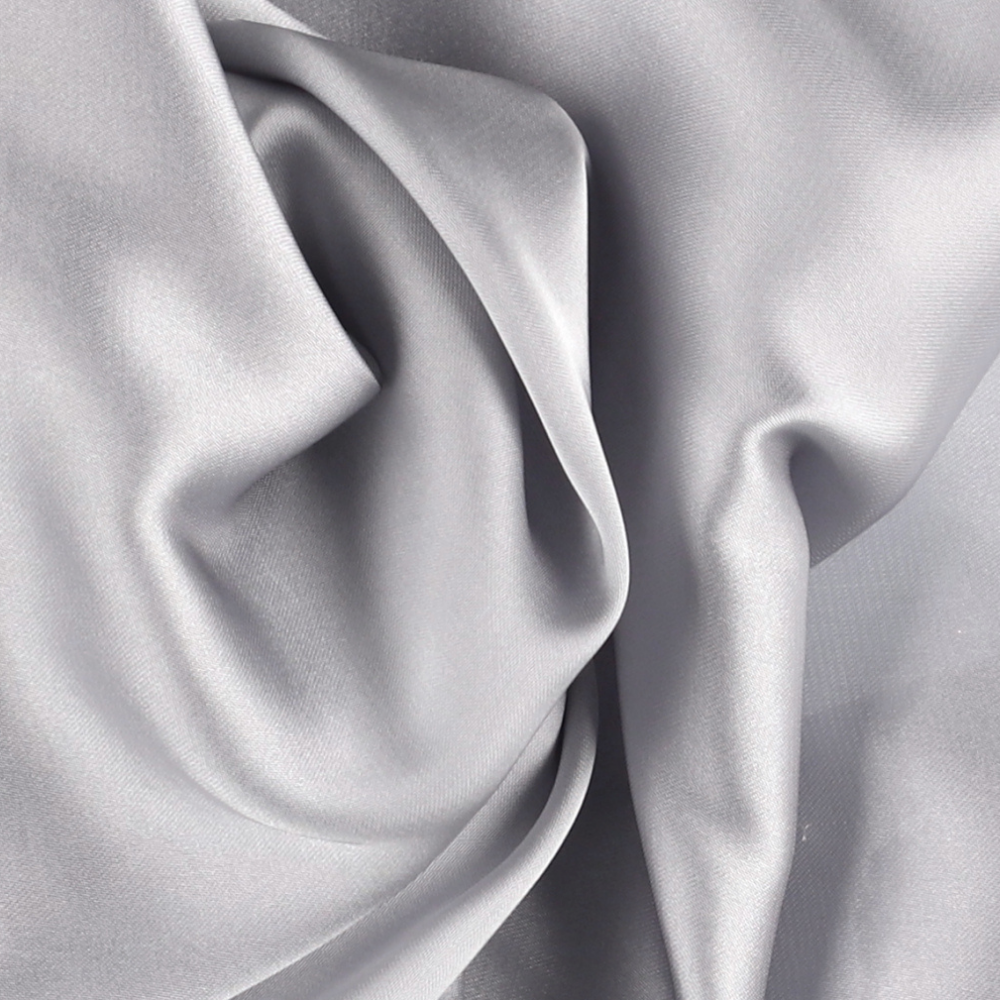
70×70 cm / 28×28 in
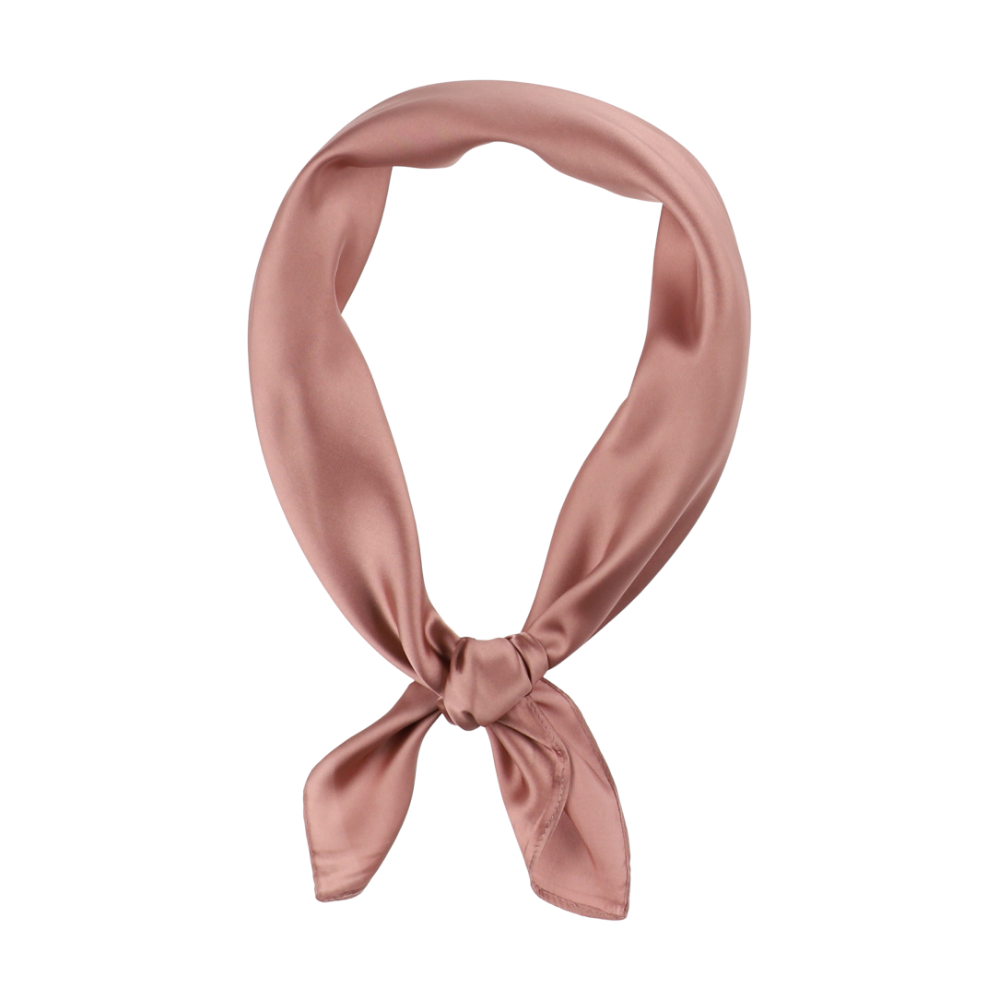
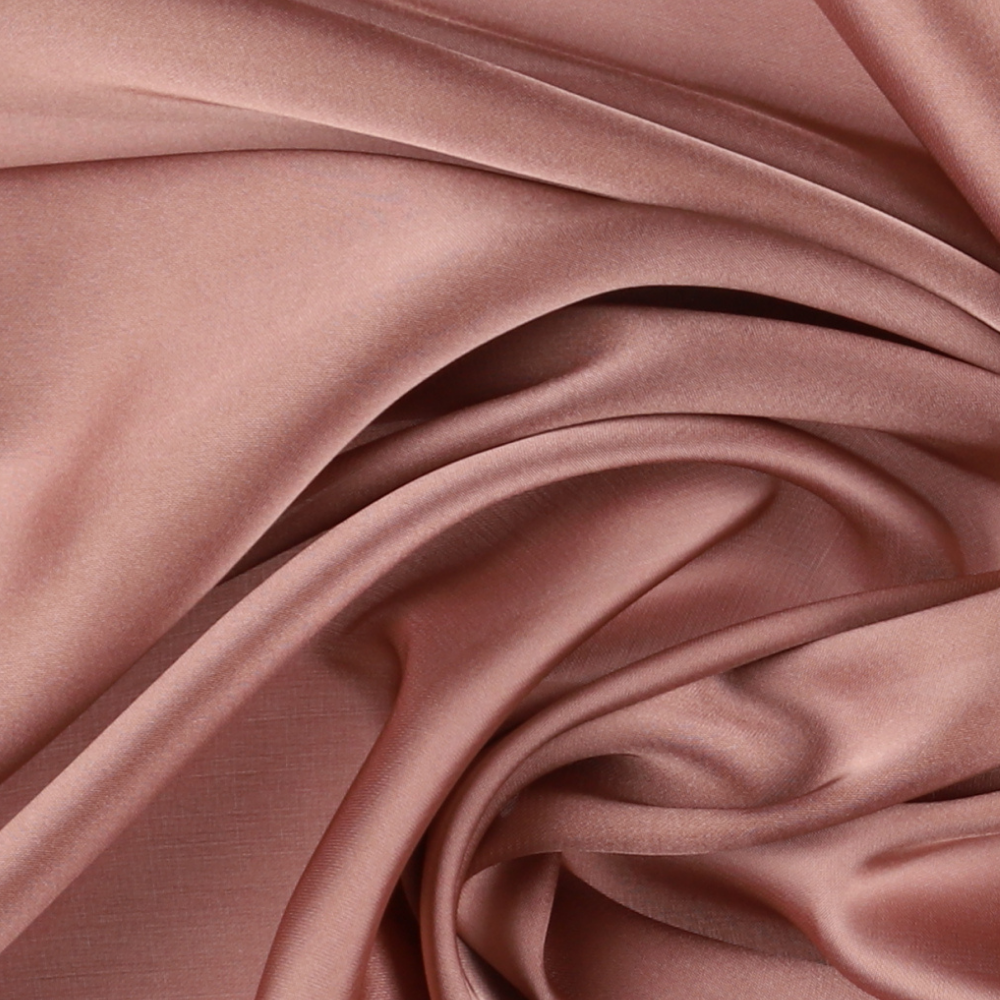
70×70 cm / 28×28 in
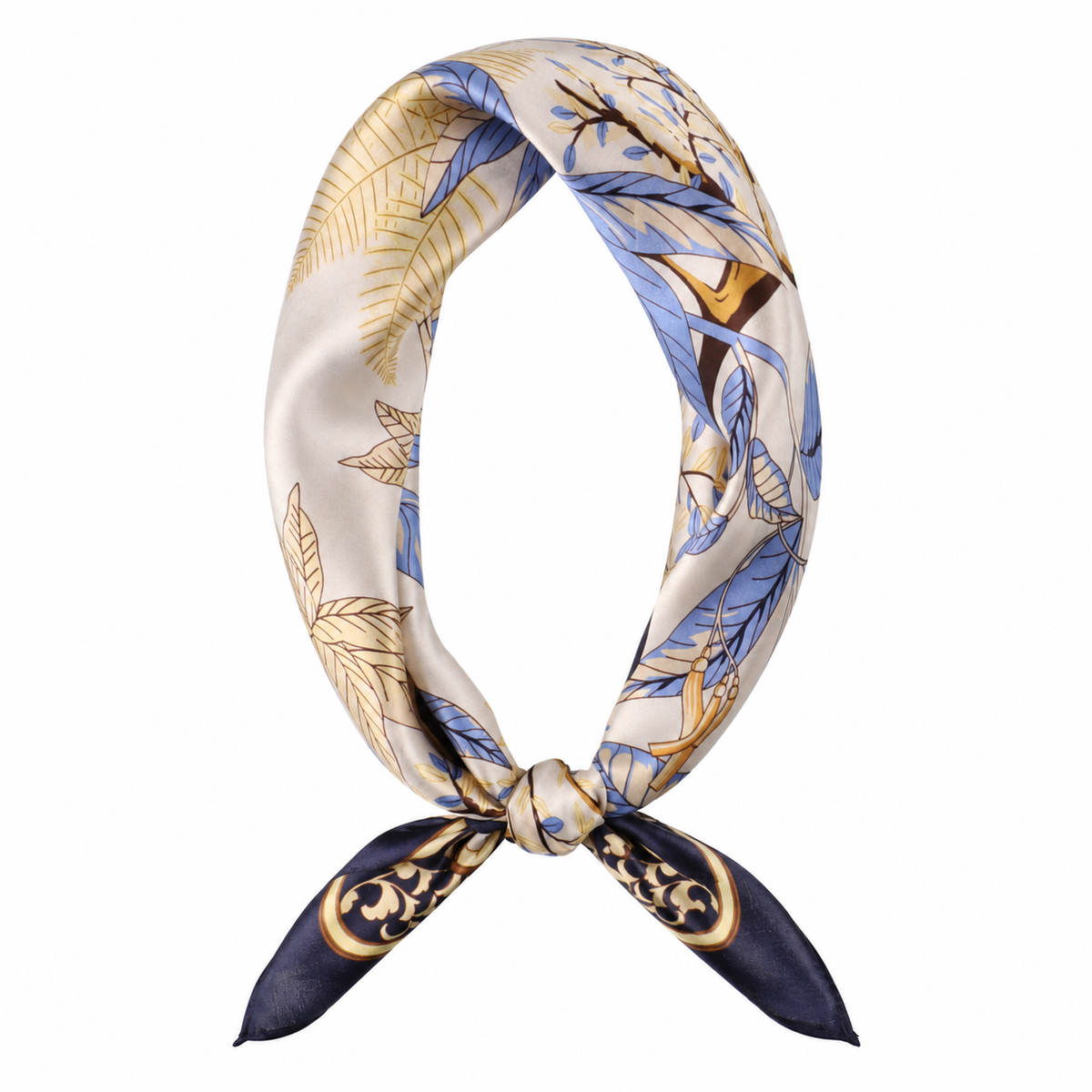
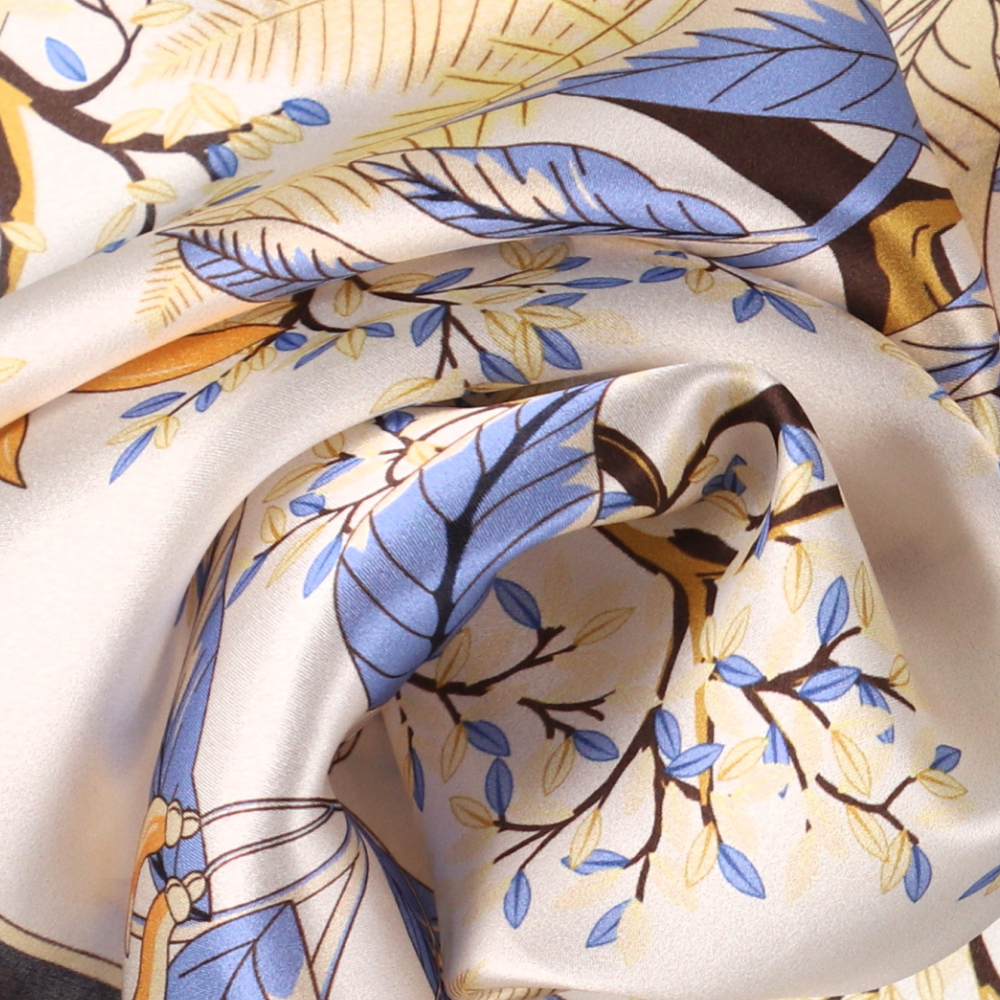
53×53 cm / 21×21 in
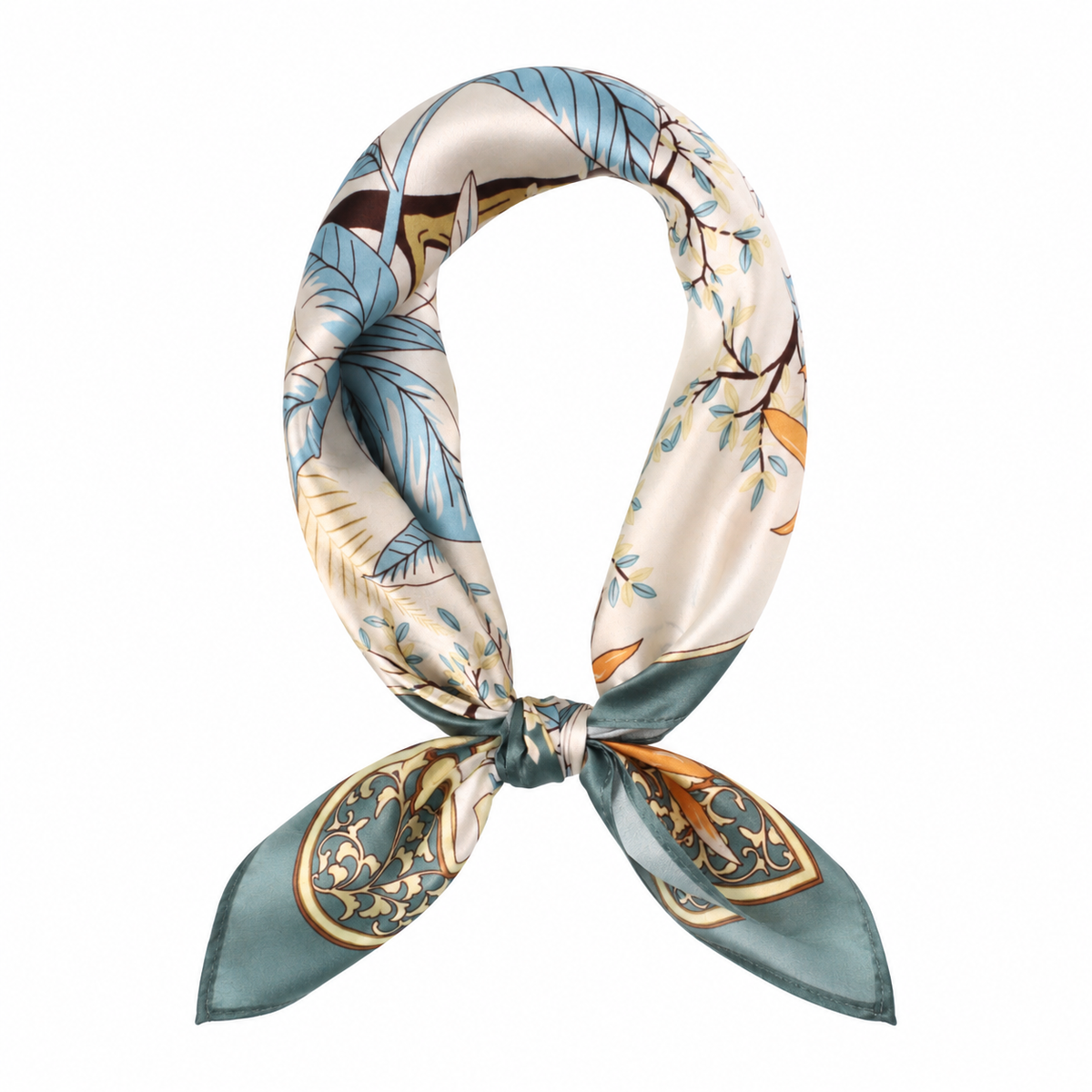
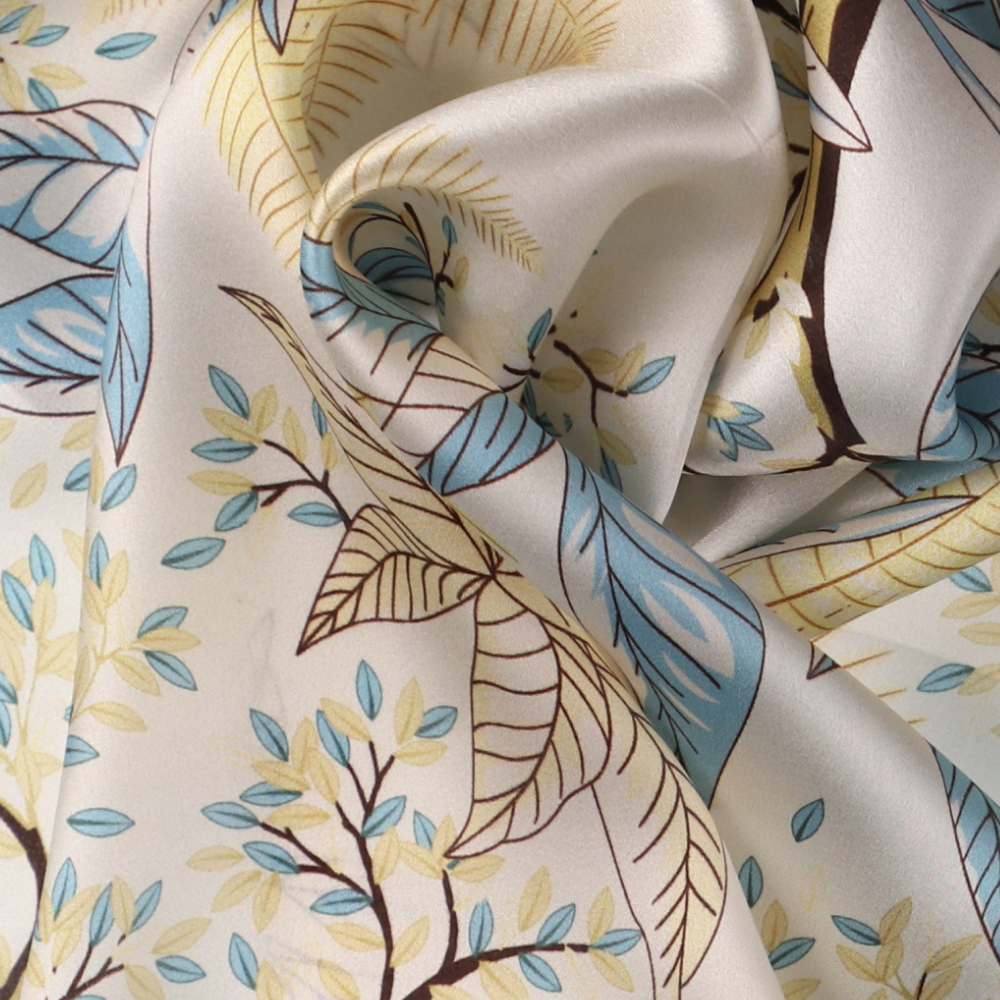
53×53 cm / 21×21 in
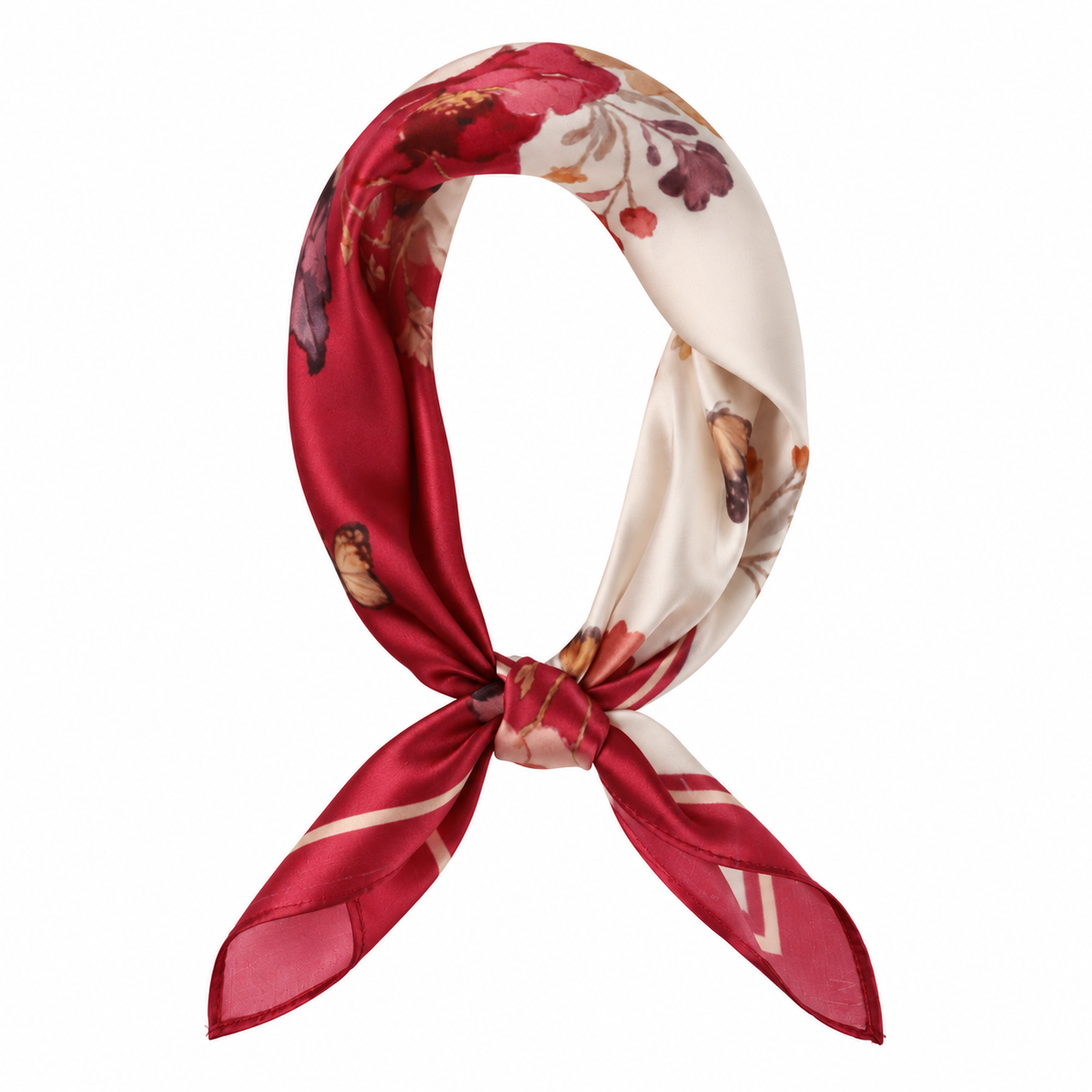
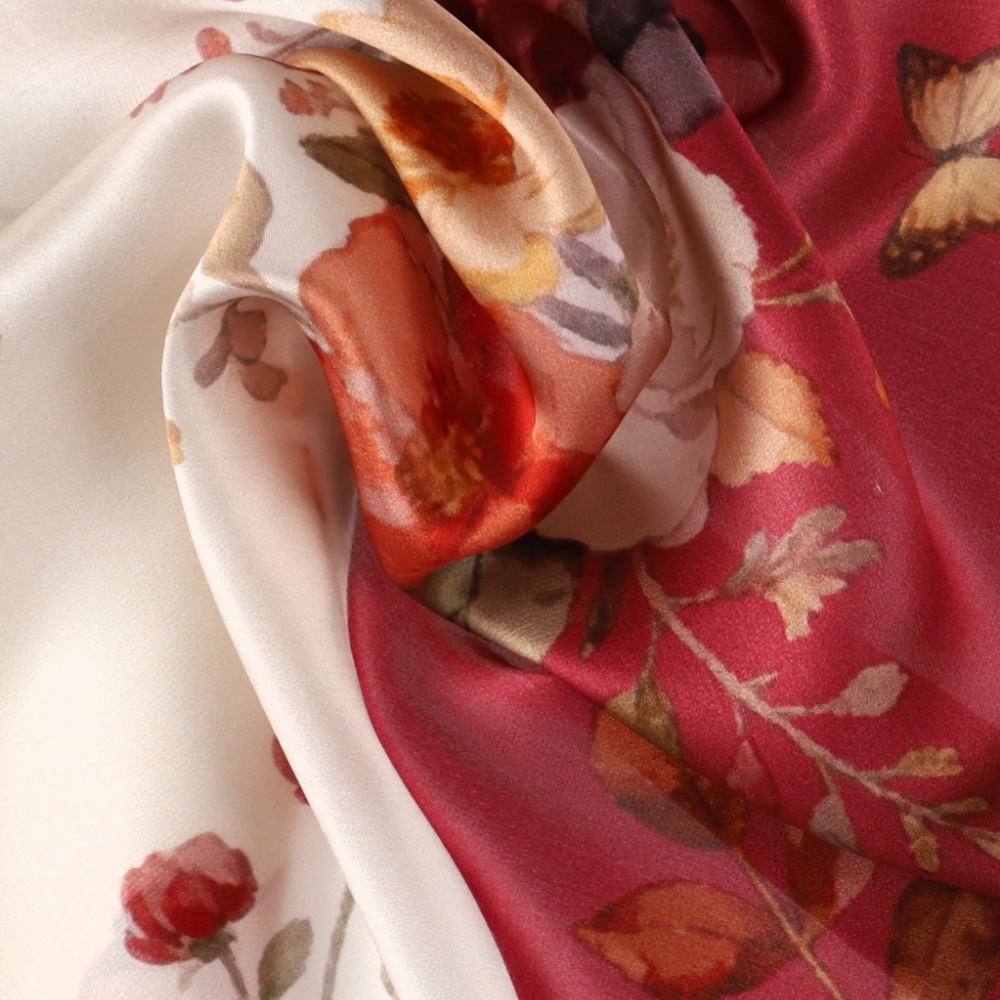
53×53 cm / 21×21 in
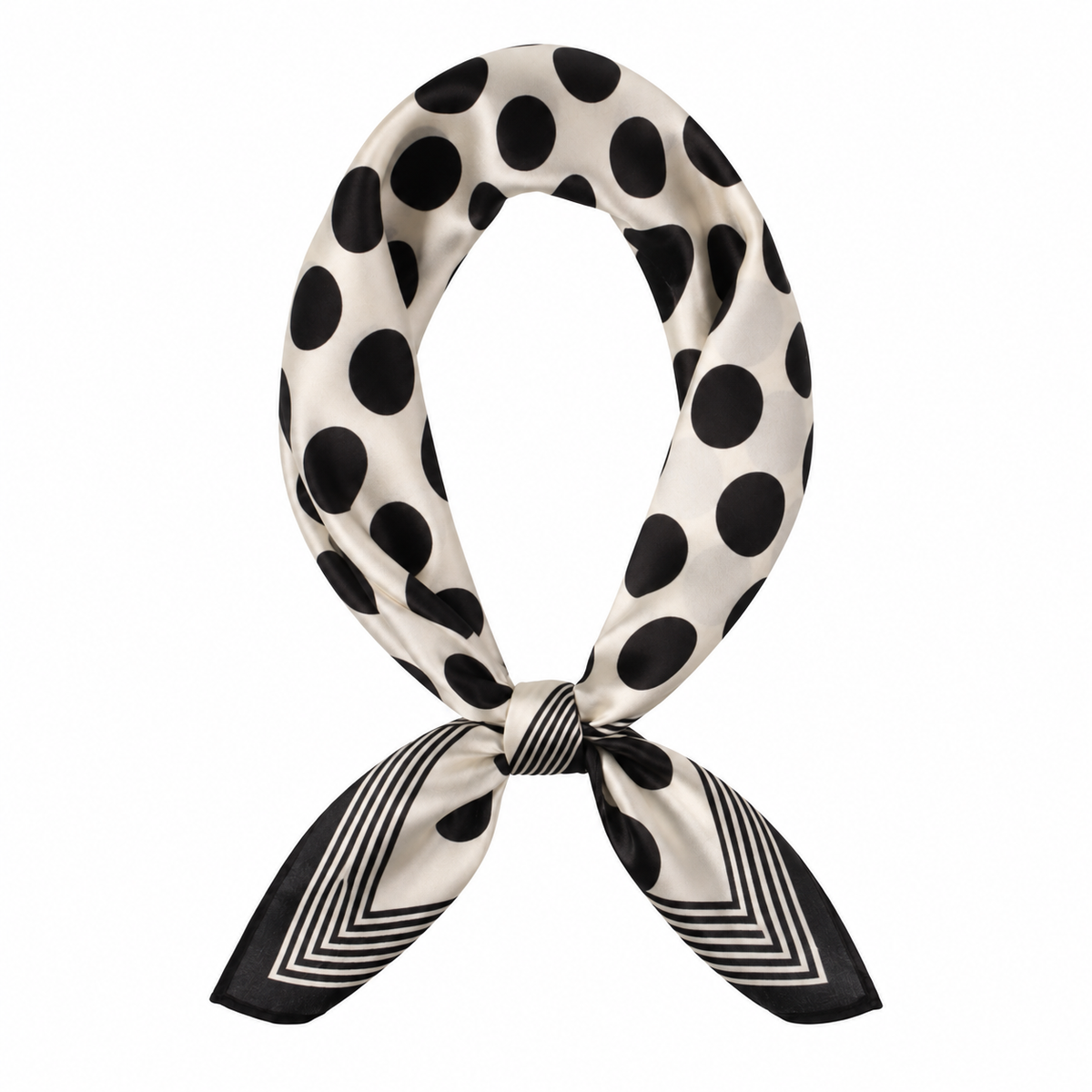
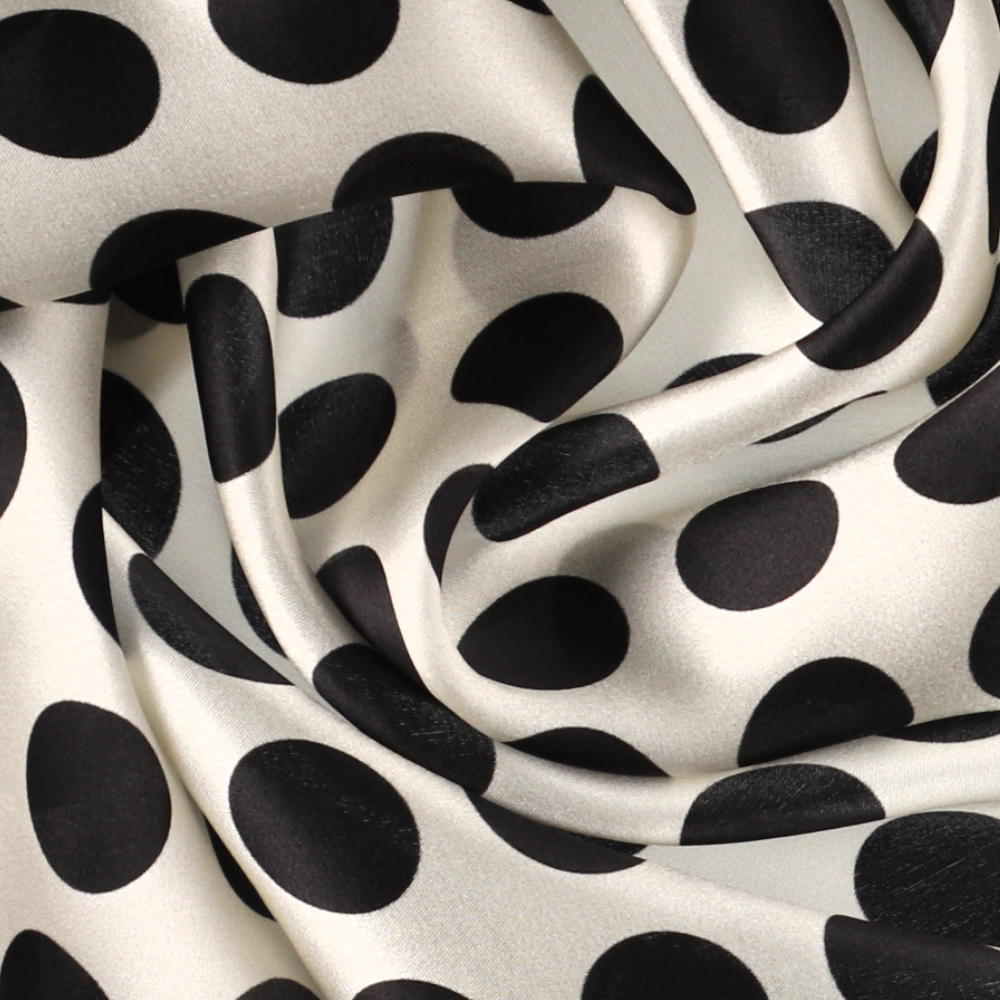
53×53 cm / 21×21 in
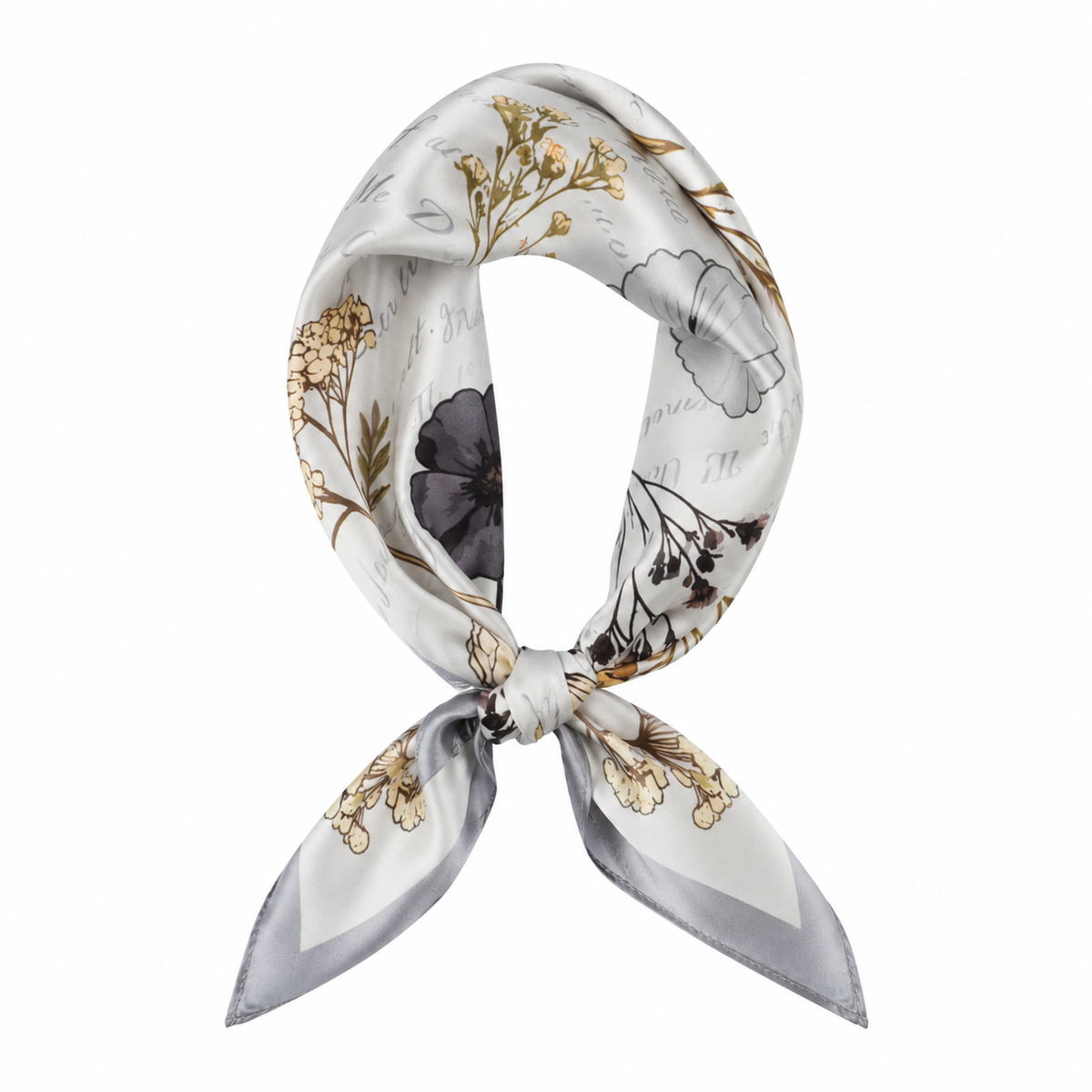
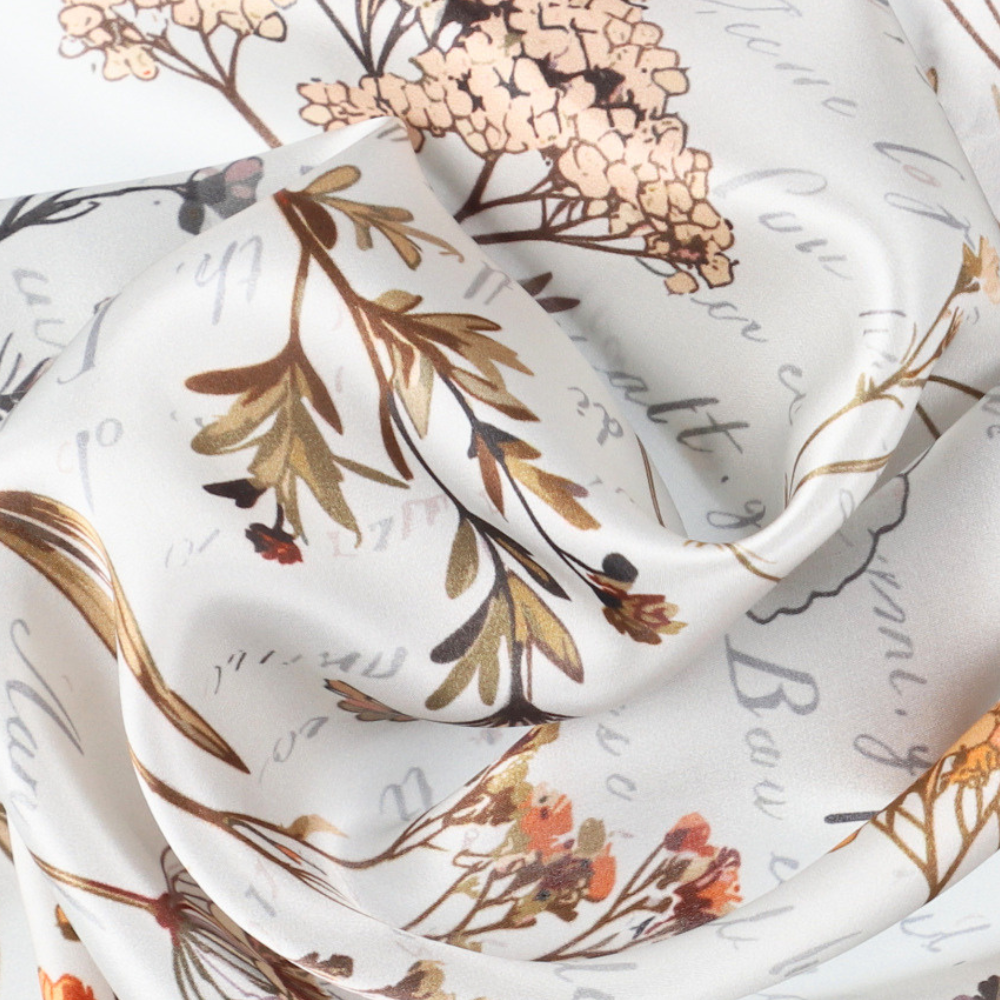
53×53 cm / 21×21 in
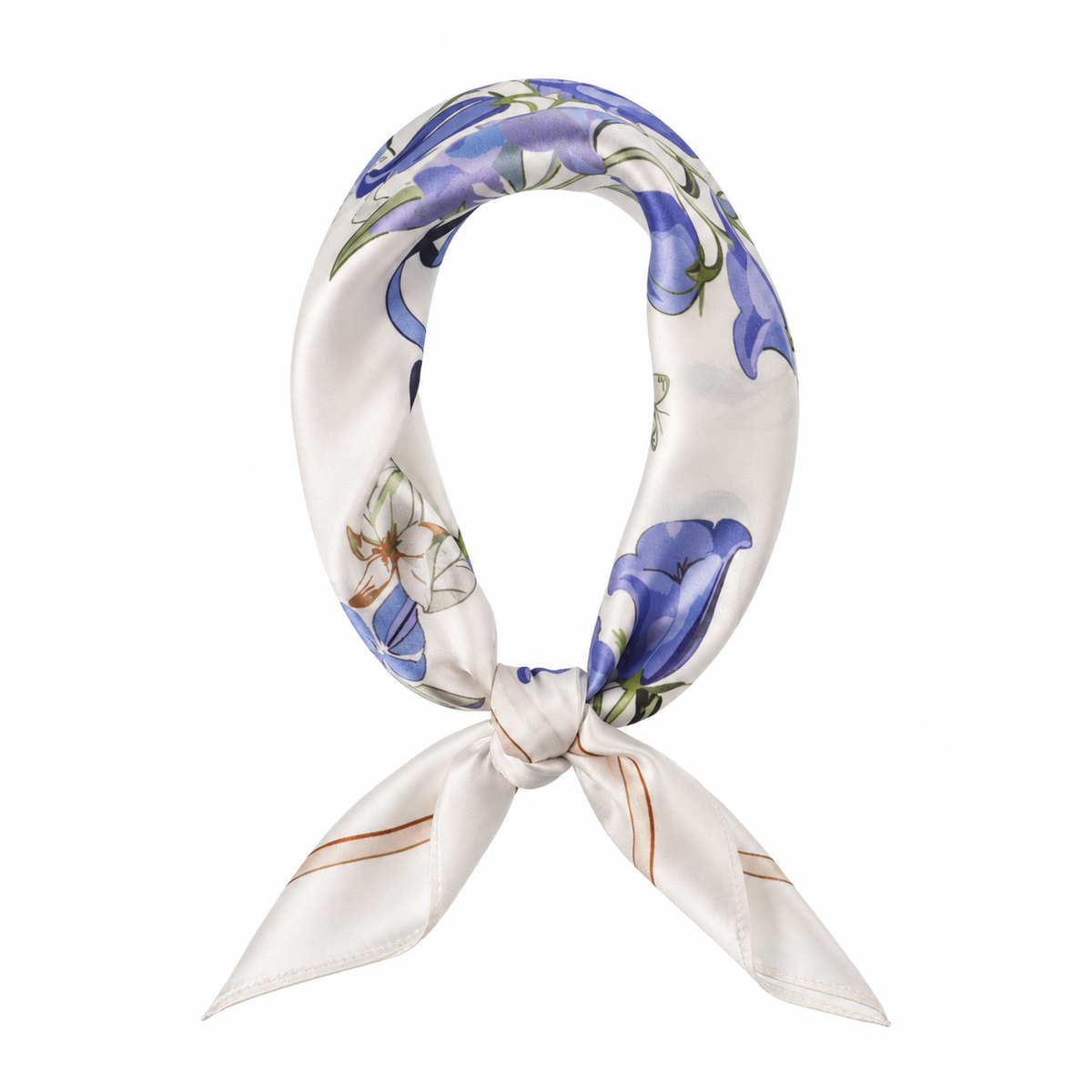
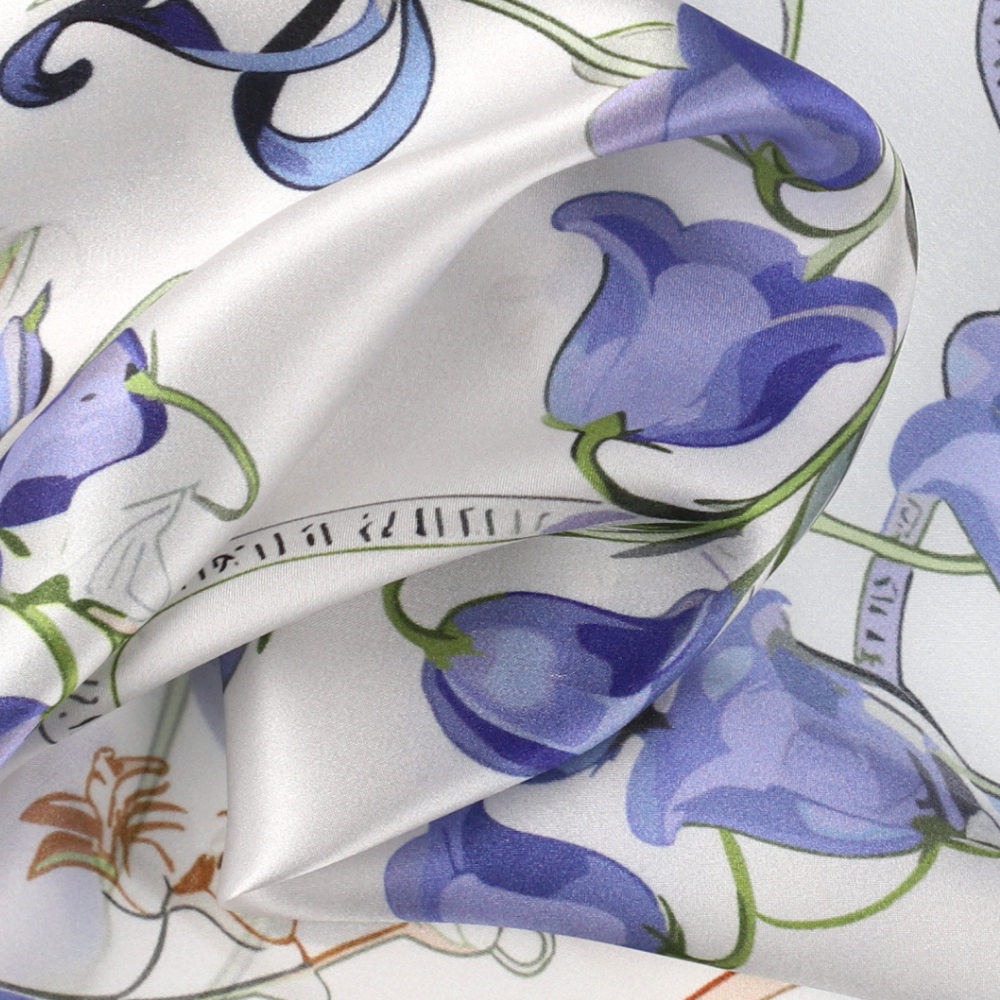
53×53 cm / 21×21 in
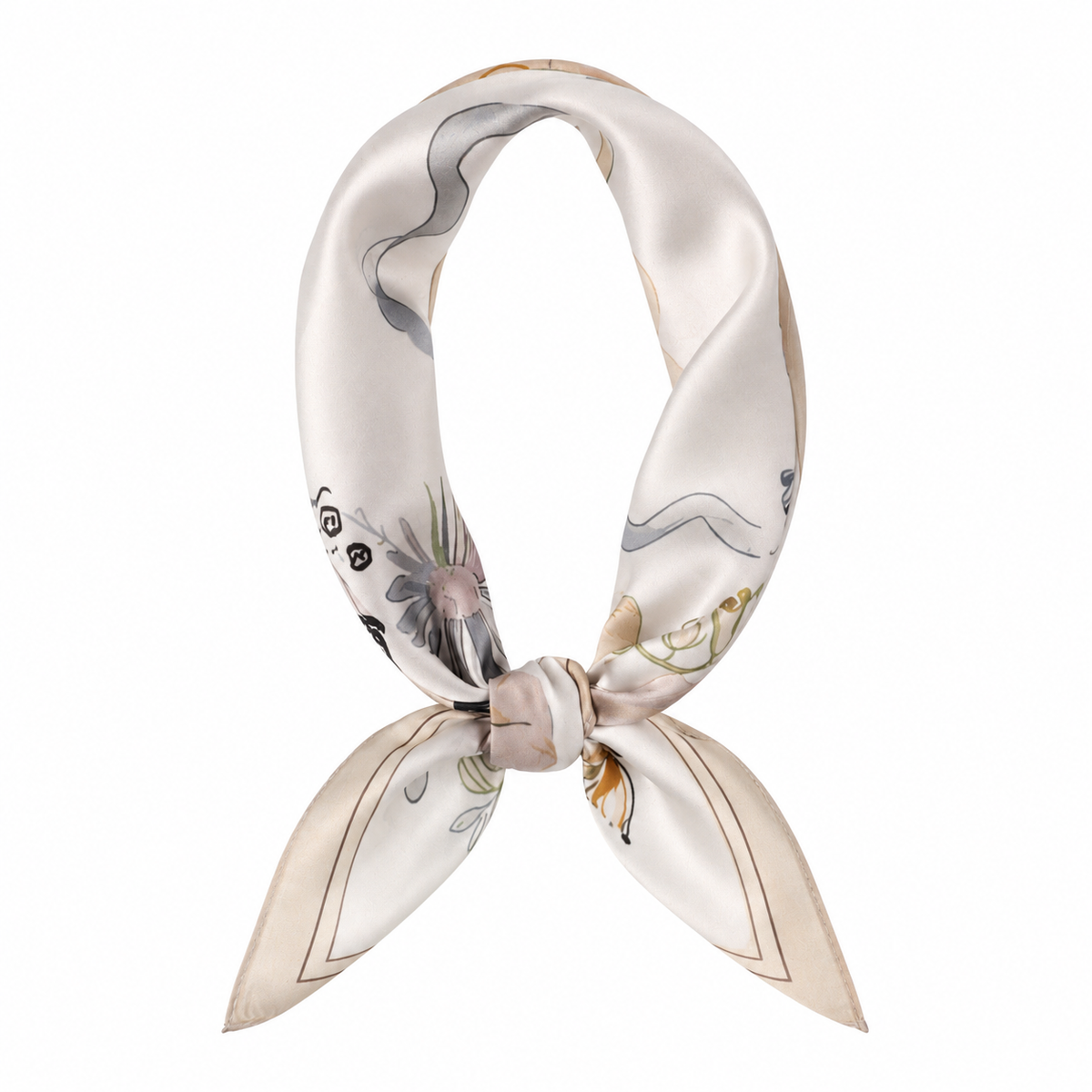
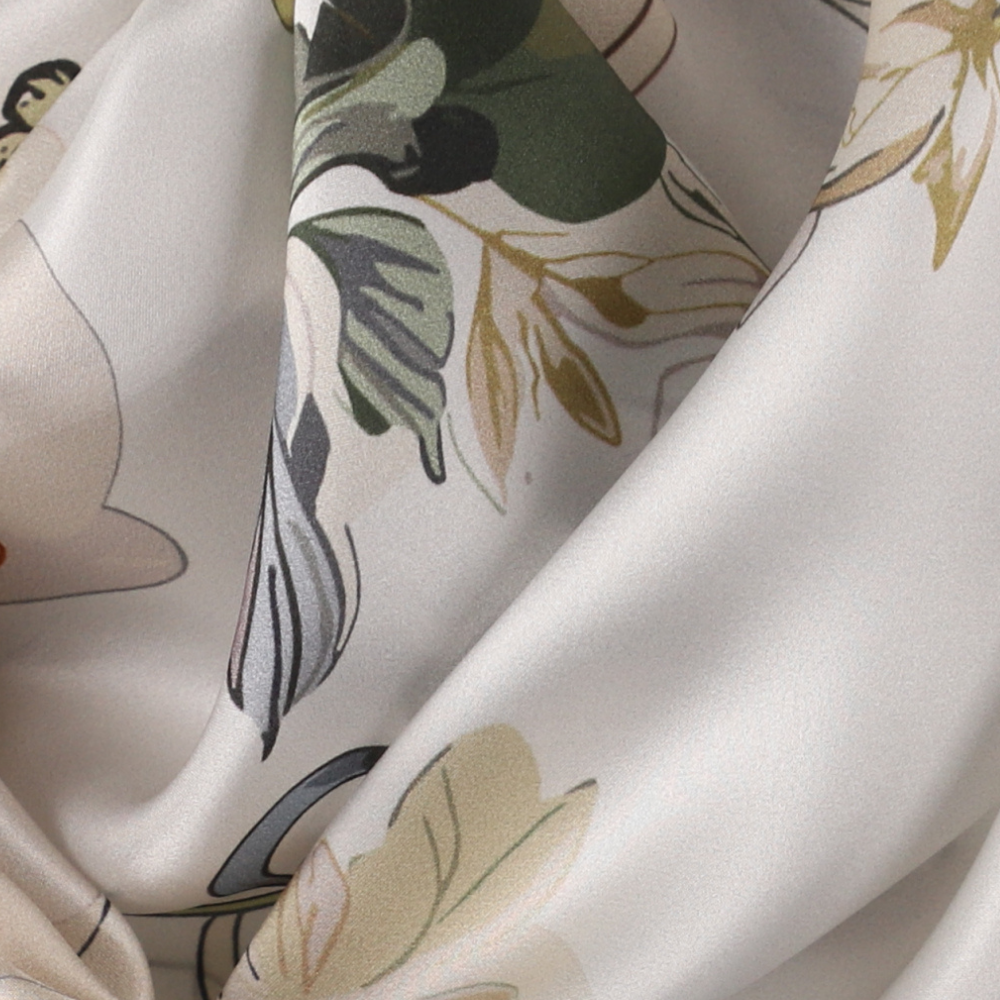
53×53 cm / 21×21 in
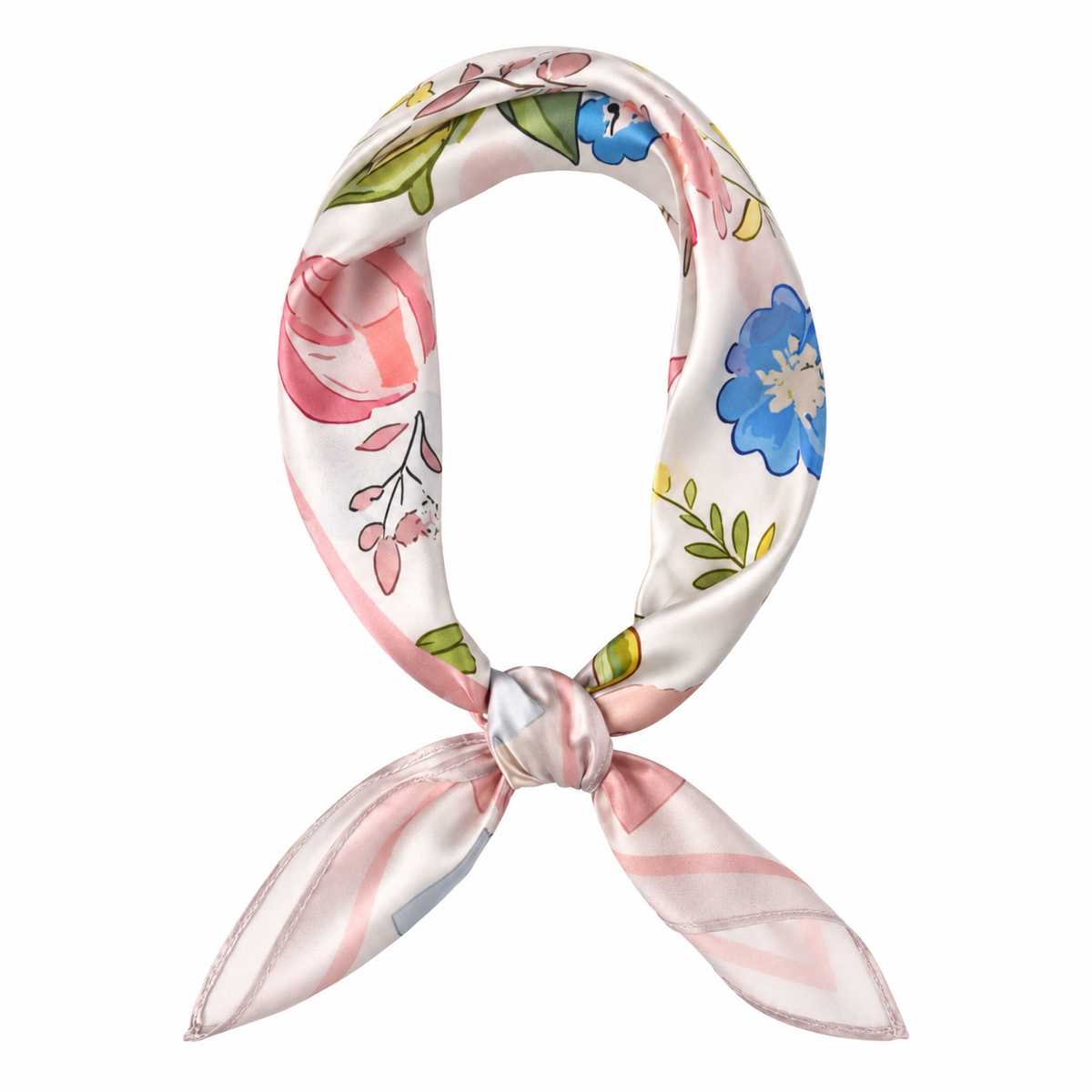
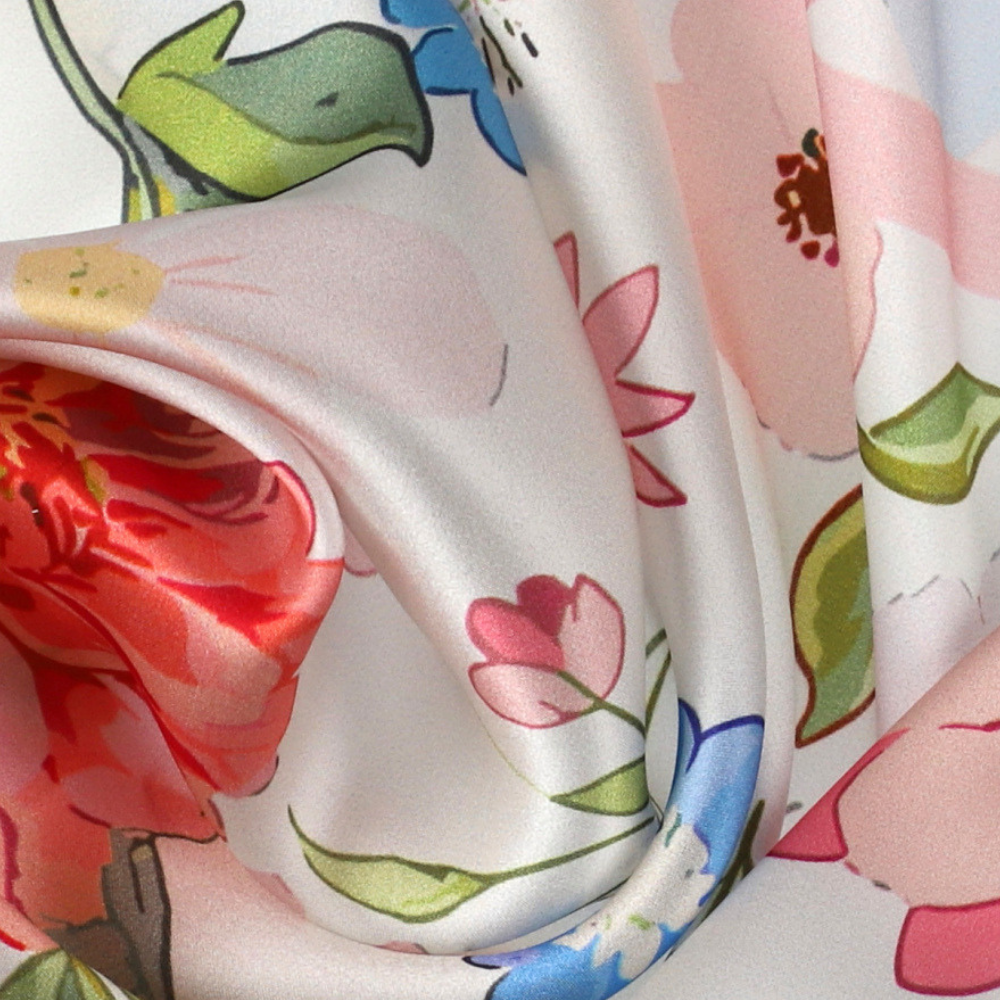
53×53 cm / 21×21 in
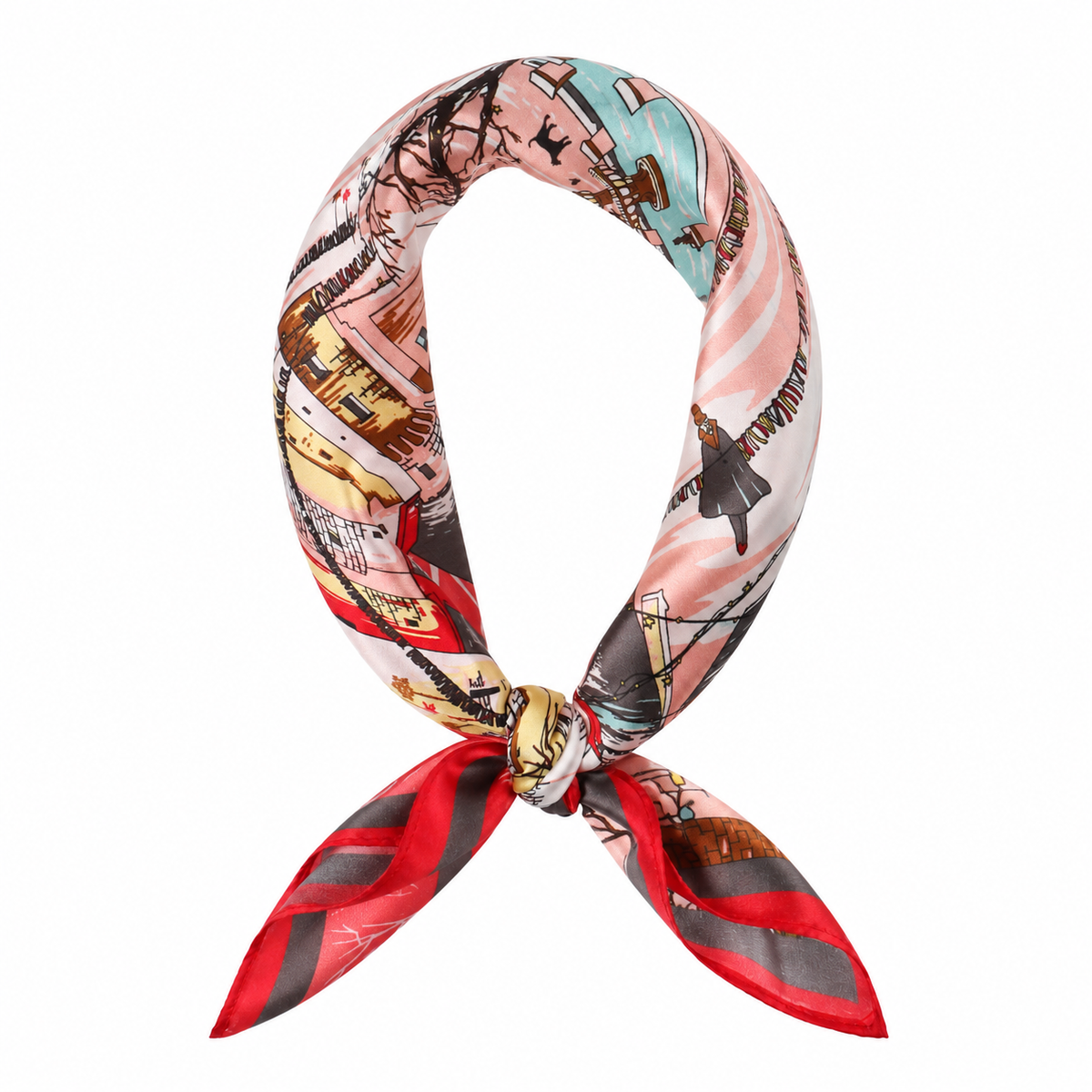
53×53 cm / 21×21 in
53×53 cm / 21×21 in
Hair neckerchief: how to choose and style this scarf in your hair
What is a hair neckerchief and why you might want one
A hair neckerchief is a small square scarf you can tie both around your neck and into your hair as a styling accessory. Hair neckerchiefs are versatile accessories that blend hair styling and fashion, and this page helps you choose the right one by size, fabric and finish, then shows you concrete ways to wear it. You will find silk, viscose and synthetic neckerchiefs suitable for tying in hair at UniqueYou. The practical benefits are straightforward: a neckerchief can add color, texture, and personality to everyday outfits, keep strands off your face, and place a gentle layer between your hair and rougher surfaces like coat collars or backpack straps.
Types of hair neckerchiefs
Different sizes, materials and edge finishes behave differently once you tie them in hair. Knowing the main types helps you pick the right form before you commit to a style.
Classic square neckerchief (approx. 50 × 50 cm)
This is the most universal size for a pony tie, a low bun accent or a folded headband. Fold it into a narrow band for a subtle line of colour; fold it diagonally for more coverage on days when your hair needs concealing. A small scarf can create a subtle accent while a larger scarf makes a stronger statement, so the 50 cm square sits firmly on the "subtle" end. Pair it with a white shirt and jeans for a polished casual look, or add it to a simple summer dress to bring in a second colour without layering jewellery.
Larger square neckerchief (approx. 70 × 70 cm)
At 70 cm per side you have enough fabric to wrap a turban, tie a babushka-style head scarf, or cover a full low bun with visible tails. This size suits medium and long hair when you want the neckerchief to do more than accent; wide headscarves can make bold fashion statements and are excellent for covering hair. The extra surface also means more of the print is visible, making it a good pick for statement motifs you want people to notice.
Narrow oblong scarf for hair
A long scarf in a narrow cut (roughly 8 to 15 cm wide, 130 to 200 cm long) works as a wrapped headband, a braid accent or a decorative tie around a high ponytail. Skinny twilly scarves are designed to be wrapped around ponytails or incorporated into braids, so if you dislike bulk on the scalp, this format delivers a clean line of colour with minimal material. Long, narrow scarves are effective as decorative accents in hairstyles; try one around the base of a high ponytail, tied as a side bow, or woven once around a low bun.
Silk neckerchiefs for hair
Silk hair wraps and satin squares create a luxurious sheen and protect hair from friction. A silk scarf glides over strands because silk has the lowest dynamic friction coefficient among common scarf fabrics (approximately 0.132 in lab measurements, versus roughly 0.163 for polyester satin). That smooth surface makes silk a natural fit for evening hairstyles, office looks and any occasion where you want a refined finish. Silk and satin neckerchiefs are ideal for elegant and polished looks. Several UniqueYou silk neckerchiefs move easily from hair to neck to handbag handle without looking out of place.
Everyday viscose and synthetic neckerchiefs
Viscose and polyester options are easy to wash, often more affordable, and sturdy enough for daily use. Cotton bandanas are best for casual styling and stay anchored in hair without slipping; a similar grip applies to matte-finish synthetics, which hold a knot more firmly than silk in headband or bandana styles. Cotton bandanas give a streetwear or casual vintage feel, while smooth polyester satin leans closer to the silk look at a lower price point. Reach for these on holidays, during workouts, or paired with denim jackets and casual shirts.
What to look for in a hair neckerchief
When you plan to wear a neckerchief in your hair rather than just at the neck, a few details carry more weight: size relative to your hairstyle, how the fabric feels against the scalp, and how the edges sit when folded.
Size and proportions
Choosing the right neckerchief type depends on hair texture and the desired fashion statement. For a ponytail or braid accent, squares around 45 to 55 cm give you enough tail length for a visible knot once folded. For a headband, fold a 50 to 70 cm square on the diagonal, then roll; anything shorter than about 45 cm may not reach around your head. For full coverage (babushka, turban wrap), start at 70 cm and go up to 90 cm or beyond for thick or very long hair. Check the product dimensions on the page before choosing a styling idea so the fabric matches the hairstyle you have in mind.
Material and how it feels on hair
Silk scarves reduce hair damage compared to cotton because the continuous filament structure creates fewer raised edges that catch cuticles. Viscose sits between silk and polyester in friction (coefficient around 0.137), with a slightly matte hand that some women prefer for grip. Synthetic satin mimics the sheen of silk but handles moisture differently and can generate more static on dry winter days. Instead of guessing from photos, check product descriptions and care labels; they usually specify fibre content and weight.
Edges, seams and finishing
Flat, softly rolled hems matter when a scarf crosses the hairline or sits behind the ears. Narrow rolled edges are comfortable in headband styles because they stay thin under a knot. Wider or stiffer hems create corners that stick out in a bandana fold. Look at close-up product photos to assess how thick the seam is before you shop; an unfinished or heat-cut edge will feel different from a hand-rolled silk hem.
Colours and patterns for hair styling
Color choices in neckerchiefs should complement the wearer's wardrobe for a coordinated look. Contrast matters: a light scarf reads clearly against dark hair, while deep jewel tones stand out on fair or grey hair. Small, dense prints blend into intricate braids; large motifs are easier to see in a simple ponytail or a single-fold bandana. Repeating one colour from your outfit (blazer lining, bag, shoes) in the neckerchief ties the look together without matching everything literally. Wearing a vibrant scarf can make a bold statement when paired with a simple outfit.
How to choose the right hair neckerchief for you
Once you know the types and features, the decision comes down to a few personal criteria.
Hair length and thickness - For thick or long hair, pick a larger square (70 cm+) or a longer oblong so you have enough fabric to wrap and still tie a secure knot. Short hair pairs better with small squares or narrow bands that add colour without overwhelming the cut.
How you plan to wear it most often - The Pony Tie is a simple scarf style for ponytails and only needs a 50 cm square or a narrow strip. Head scarf styles that cover the crown (babushka, turban) require 70 cm or more. Decide your primary use first, then branch out.
Occasion and dress code - Neutral prints in muted tones work with office shirts and blazers. Saturated colours and bold patterns suit weekends, summer outings and casual looks. Head scarves can enhance both casual and formal outfits, so the distinction is pattern scale and colour intensity rather than the accessory itself.
Scalp and hair sensitivity - If your scalp reacts to pressure or rough textures, choose smooth, lightweight fabric like silk or fine viscose and avoid pulling the knot tight. Alternate the position of the knot so the same spot on the hairline is not stressed every day.
Care and upkeep - Silk often needs hand washing or a delicate machine cycle. If you plan to wear a neckerchief in your hair daily, a viscose or synthetic option that you can toss in a regular wash may be the more practical choice.
Simple ways to wear a neckerchief in your hair
Below are concrete ideas you can try without a tutorial. Each one takes under two minutes once you have done it once.
Ponytail and braid accents
Wrapping a scarf around a ponytail elevates a casual look into something polished and intentional. The fastest version: secure a low ponytail with an elastic, then tie a 50 cm square around the elastic with a simple knot or small bow. For a high ponytail, wrap a narrow scarf around the base two or three times and tie the ends into a short tail. Incorporating a scarf into a braid adds dimension and a bohemian flair to the hairstyle; lay one edge of the scarf along one of the three strands and weave it through a standard three-strand braid.
Hair neckerchief as a headband
The Twisted Headband style uses a folded scarf tied at the nape. Fold a square scarf diagonally, then roll it into a strip about 3 to 5 cm wide. Place the centre at the crown and tie the ends at the nape, tucking them under your hair. A headband made from a square scarf creates a retro aesthetic and keeps flyaways at bay. A small front knot or bow placed slightly to the side works with T-shirts, shirts and simple dresses. This style is practical with sunglasses because nothing presses on the temples.
Bandana and babushka styles
Head scarves can conceal bad hair days effectively. Fold the neckerchief diagonally into a triangle and tie it at the back of the neck to cover the top of the head in sunny weather. The Babushka style ties a scarf under the chin for coverage; the babushka style is popular for its simplicity and elegance, evoking Grace Kelly stepping out of a convertible in the 1950s. Head scarves can be worn for casual outings, but they also add vintage character to a trench coat or structured blazer. Both options work well for second- or third-day hair when full styling is not on the agenda.
Low bun and chignon wraps
The Low Bun style wraps a scarf around a bun for elegance. Take a narrow or medium-width scarf, loop it once around a low bun, and tie the ends underneath so they are hidden or left as short tails. For more coverage on cooler evenings, loop the scarf once around the head from front to back, then cross the ends under the bun. Smooth silk fabric slides easily as you arrange the bun, making this a reliable option for dinner out or office days.
Styling a neckerchief with everyday outfits
Three scenarios to try: (1) White shirt, jeans, a 50 cm printed silk scarf tied around a low ponytail. (2) Linen summer dress with a narrow oblong scarf woven into a side braid. (3) Blazer and simple top with a 70 cm scarf folded into a wide headband. The same hair neckerchief can move from neck in the morning to hair in the afternoon by simply re-tying the knot. Wearing a head scarf can add a stylish flair to outfits without requiring any other jewellery. Browse UniqueYou neckerchiefs by colour family to find a shade that repeats accents from your wardrobe.
Frequently asked questions about hair neckerchiefs
Quick answers to the questions women ask most often about choosing, tying and caring for neckerchiefs used in hair.
Can any neckerchief be used as a hair neckerchief?
Most small scarves can be tied in hair, but comfort depends on size, material and edge finishing. Very thick winter scarves or stiff wool items are usually too bulky. Light, flat neckerchiefs with smooth rolled hems work best. Narrow neckerchiefs can be folded into headbands for an understated, versatile look.
Which size works best for tying a neckerchief around a ponytail?
Squares around 50 × 50 cm or narrow oblong scarves are the easiest for ponytails and braids. Once folded, check that the remaining length leaves at least 5 to 8 cm of tails for a visible knot or bow. Head scarves can be styled in numerous versatile ways, but the pony tie style is great for quick, stylish looks when you are short on time.
How do I keep my hair neckerchief from slipping?
Tie the scarf over an elastic hair tie for extra grip in ponytails and buns, similar to how a scrunchie holds hair. In bandana and headband styles, secure the fabric with two bobby pins near the ears or behind the knot, especially if your hair is freshly washed and very smooth. Choosing a slightly textured fabric (cotton, matte viscose) also helps the scarf stay anchored.
Will wearing a neckerchief in my hair damage it?
Silk scarves are ideal for protecting hair from wind and rain and create less friction than rougher fabrics. The key factors are fabric smoothness and tension: avoid tying knots too tightly, skip tight wraps on damp hair, and alternate between different tying positions so one part of the hairline is not stressed every day. Head scarves protect hair from wind and rain when made from a suitable material.
How should I wash and store a hair neckerchief?
Follow the care label for each fabric. Silk typically needs hand washing or a gentle machine cycle in a mesh bag; viscose and synthetic scarves usually tolerate a standard 30 °C wash. Dry scarves flat rather than hanging them, and store them folded loosely instead of tightly rolled. Permanent creases along fold lines are hard to smooth out once they sit right at the hairline.
Explore hair-ready neckerchiefs at UniqueYou
Once you know your preferred size, fabric and tying method, choosing a hair neckerchief takes minutes rather than guesswork. Browse UniqueYou neckerchiefs, filter by colour and pattern, and compare dimensions with the hairstyles above. Start with one versatile item that works both at the neck and in hair; once you know what you reach for most, add bolder colours and larger formats to your collection.
FINEST MATERIALS
Softness, comfort and attention to detail.

Express Delivery
Within 24 hours by courier to your home or a pickup point.
EASY RETURNS
Shop with confidence, with the option to return.
SECURE PAYMENTS
Choose your preferred payment method.