
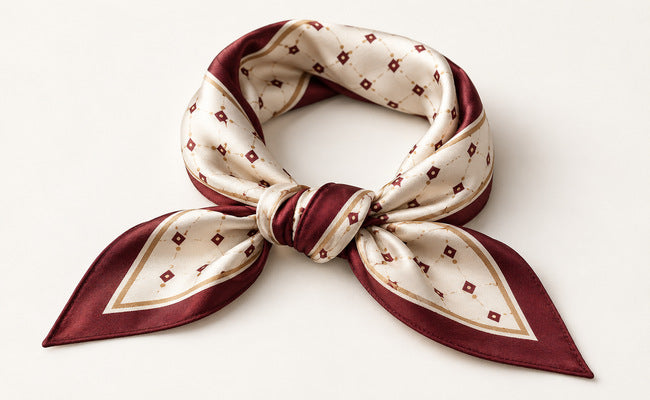

White shawls
White Shawl
What you'll find in the "white shawl" collection
This collection gathers white and ivory shawls and wraps in materials ranging from lightweight viscose to warm wool and cashmere, sized and finished for both daily outfits and formal occasions. UniqueYou focuses on women's accessories, and here you can browse white shawls suited to layering over a coat, draping across bare shoulders with a dress, or adding a soft accent to a blouse or blazer. A white shawl is versatile, increasing elegance for various styles; the differences between models come down to fabric, dimensions, shade, and finishing detail.
Types of white shawls in UniqueYou
"White shawl" covers a broad range of formats: sheer silk stoles for summer receptions, thick wool wraps for winter coats, lace-trimmed pieces for evening wear. Below is a quick map of the selection.
Lightweight white shawls for everyday wear
Thin, breathable fabrics define this group: viscose, cotton, cotton-modal blends, and light wool. Classic rectangular shawls can be draped, wrapped, or looped around the neck with the ends hanging loose over a jacket or T-shirt. Sizes of white shawls include 180 × 70 cm and 90 × 90 cm, and in this weight category you rarely feel extra bulk under a trench coat or office blazer. Various fabrics contribute to the functionality of a shawl in different climates; cotton and viscose keep you cool in spring and summer, while a light merino blend transitions into early autumn.
Elegant white evening and bridal shawls
White shawls can be made from silk, wool, or cashmere, and for weddings, baptisms, and formal dinners the choice often narrows to silk, satin, or fine lace. Embellished shawls add sophistication for bridal or gala attire; a lace border or metallic thread catches light without competing with the dress itself. Lace shawls add a romantic layer without overwhelming a dress.
Shade matters here more than anywhere else. Snow-white pairs with cool-toned gowns; ivory and cream sit better against warmer fabrics. Cashmere is ideal for winter weddings and formal evening events, while chiffon is lightweight and ideal for summer evenings. Silk shawls work well for spring and summer events when you need coverage without warmth.
Warm white winter shawls and wraps
Heavier wool, wool-cashmere blends, and chunky knits belong in this category. Pashmina shawls provide excellent warmth and insulation; pashmina refers to a finer grade of cashmere, and it is typically softer than standard cashmere. Merino wool is breathable and warm for outdoor daytime events, making it a practical choice for walks, markets, and weekend outings in cold weather.
Formats here run large: blanket-style wraps up to 140 × 140 cm, ponchos, and capes that double as outerwear. A cream or off-white wrap over a dark navy or charcoal coat creates visible contrast and lifts a winter outfit without adding strong colour. Faux fur wraps are suitable for winter events and provide a high-impact look when draped over the shoulders of a simple dress.
Decorative white shawls with lace, embroidery or fringe
White shawls can feature tassels, lace, or embroidery, and in this subcategory the surface detail is the point. Lace and crochet provide a vintage look with intricate designs. Long fringe adds movement; metallic or gold thread catches light at a dinner table or theatre foyer.
Pick a decorative shawl when your outfit is simple and needs one focal accessory rather than layered jewellery. Occasions that suit this type: holiday gatherings, family celebrations, evening receptions. One practical note: long tassels and open lacework can catch on coat zippers or bag hardware, so these pieces reward a bit of attention when worn on an active day.
What to look for when choosing a white shawl
Comfort and appearance depend on four specifics: material, dimensions, shade of white, and edge finishing. Each product card in the collection lists exact fabric composition and size; the guidance below helps you read those details with a clear purpose.
Material and seasonality
Lighter fabrics (cotton at roughly 80–200 GSM, viscose, silk, modal blends) breathe well and dry fast; they work from late spring through early autumn. Silk weight is measured in momme: thinner silks (6–10 momme) drape like a veil, while heavier silks (14–16 momme) hold shape and cover more. Pashmina shawls are suitable for winter wear due to warmth, and pashmina is generally hypoallergenic and suitable for sensitive skin.
Warmer materials (pure wool at 200–500 GSM, cashmere, alpaca blends) insulate well under or over a coat but require more careful handling. A white bridal shawl for a winter ceremony should be wool, cashmere, or a blend with faux fur trim; a thin silk layer will not keep shoulders warm during an outdoor photo session in December.
Size, shape and drape
Size and shape are crucial when choosing a shawl for draping. A standard rectangular shawl around 100 × 200 cm covers shoulders and allows a full loop around the neck. A narrower stole (70 × 200 cm) sits flatter under a coat collar. Triangle wraps have a natural drape and fit across the shoulders without bunching at the neckline. Larger square formats (110 × 110 cm or wider) double as light blankets or capes.
Compare any listed dimensions against a shawl you already own. That comparison makes it easier to judge how a new piece will sit with your coat, blazer, or dress.
Shade of white and level of opacity
Snow-white (cool undertones) contrasts cleanly against black, navy, and charcoal. Ivory and cream (warmer tones) blend with beige, camel, and gold jewellery. For a wedding dress, matching the shawl's shade to the gown's fabric prevents the two whites from clashing in photographs.
Opacity varies with fabric weight. A thin silk or chiffon shawl may reveal skin or a dress's embroidery underneath, creating a layered effect. A dense wool or lined wrap covers completely. Folding a sheer shawl in half before draping it can reduce transparency without adding stiffness.
Details and finishing touches
Fringe, rolled hems, satin borders, and lace edging change the character of a shawl as much as its fabric does. Long tasselled fringe adds movement and a relaxed feel; a satin hem reads as polished and evening-ready. Decorative finishes pair best with plain clothing: a heavily embroidered shawl over a beaded dress creates visual competition, while the same shawl over a solid-colour top becomes the outfit's centrepiece.
Practical consideration: lace edges and long fringe require gentler handling. If you plan to wear the shawl daily under a coat, simpler edging lasts longer.
How to choose the right white shawl for you
The features above translate into a few decision points. Use these to narrow the collection quickly.
Occasion – A white shawl can be styled for various occasions. For a summer garden party, a light silk or chiffon stole in snow-white keeps the look airy. For a winter wedding, a pashmina or cashmere wrap in ivory provides warmth without losing elegance. For daily commutes, cotton or viscose blends in a plain finish hold up to frequent wear.
What you'll wear it with – Under a coat, choose a thinner, narrower shawl that sits flat at the collar. Over a sleeveless dress, a wider rectangle or square covers shoulders without slipping. With a blouse or turtleneck, a smaller square (square scarf format, around 90 × 90 cm) knotted loosely at the neck adds texture without bulk.
Warmth and volume preferences – White shawls can enhance both casual and formal outfits, but thicker materials add visible layers. If you dislike bulky necklines, lighter fabrics and moderate lengths (around 180 cm) keep the profile slim. If you want a cocooning wrap for cold evenings, a blanket-format shawl in wool or cashmere delivers that comfort.
Shade of white and your wardrobe – Cool wardrobe colours (black, grey, navy) pair with bright or snow-white. Warm tones (beige, tan, gold accessories) look more cohesive with ivory or cream. Silver jewellery reinforces cool whites; gold jewellery favours warm off-whites.
Care and durability – Hand wash or professionally clean pashmina shawls; avoid machine washing pashmina to prevent damage. Silk and fine wool also benefit from hand-washing or dry cleaning. Synthetic blends tolerate machine wash on a gentle cycle, which matters if you plan to wear the shawl several times a week. White fabrics show stains faster than darker ones, so check the care label before buying.
Frequently asked questions about white shawls
Below are answers to common questions shoppers ask when choosing a white shawl.
Which white shawl should I choose for a wedding dress?
Match the shawl's shade to the gown: pure or snow-white for cool-toned dresses, ivory or cream for warmer fabrics. Check the shawl's opacity against the dress's neckline; if the bodice has lace or embroidery you want visible, a sheer silk layer works. If you need full coverage, choose a denser fabric. For summer ceremonies, silk or chiffon keeps weight low. For winter, cashmere or a wool blend provides insulation without sacrificing luxury. Prices for white shawls range from £3.99 to £110.00, so there are options for every wedding budget.
Will a white shawl work with a winter coat without getting dirty too quickly?
A thick wool or blended-fibre shawl resists surface dirt better than fine silk or open lacework. After wearing it outdoors, shake off debris and hang the shawl to air. Avoid contact between the fabric and foundation or lipstick at the collar line. Follow the care instructions on the product label; wool blends often tolerate a cold hand wash, while delicate fibres need professional cleaning.
How do I style a white shawl so it doesn't look too formal?
Drape it loosely once around the neck and let both ends hang over a denim jacket or leather moto jacket. Fold a rectangular shawl in half lengthwise to create a narrow band and tuck the ends inside a zip-up jacket for a relaxed scarf effect. Choose a matte-finish cotton or viscose model without lace or metallic thread; the simpler the material and edge, the more casual the result.
Can I wear a white shawl all year round?
Yes, provided you switch fabrics by season. Silk and cotton blends suit spring and summer. Wool, cashmere, and pashmina handle autumn and winter. White shawls are suitable for both casual and formal occasions, so having at least two (one lighter, one warmer) covers most situations across the calendar.
How should I care for a white shawl to keep the colour bright?
Wash white shawls separately from darker items. Avoid applying perfume or makeup directly onto the fabric. Store folded in a drawer or on a shelf away from direct sunlight; prolonged UV exposure yellows natural fibres. For silk, lace, or cashmere, use a mild detergent and hand wash in cool water, or take the shawl to a professional cleaner. Synthetic blends are more forgiving and usually safe on a delicate machine cycle.
Browse white shawls in UniqueYou
A white or ivory shawl pairs with most wardrobe colours and works across seasons when you pick the right fabric weight. As you browse the collection, check each product's material, dimensions, and shade of white, then picture the shawl with a specific coat, dress, or jacket from your own wardrobe; that mental test is the fastest way to find a perfect match.
FINEST MATERIALS
Softness, comfort and attention to detail.

Express Delivery
Within 24 hours by courier to your home or a pickup point.
EASY RETURNS
Shop with confidence, with the option to return.

SECURE PAYMENTS
Choose your preferred payment method.