
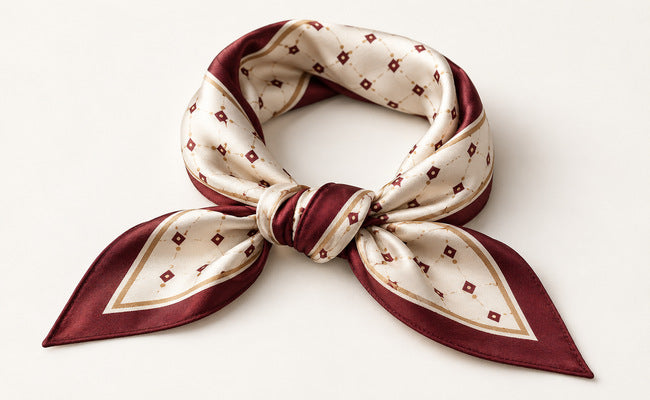

Viscose scarves
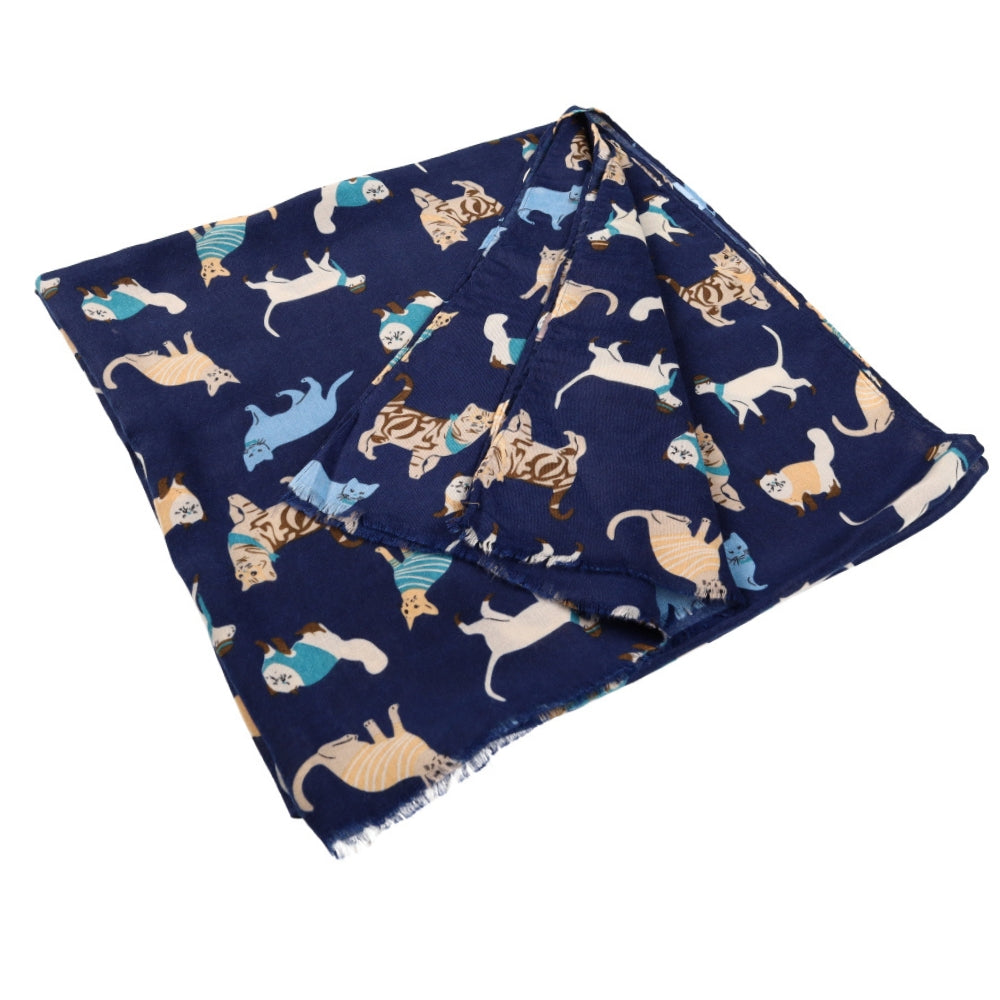
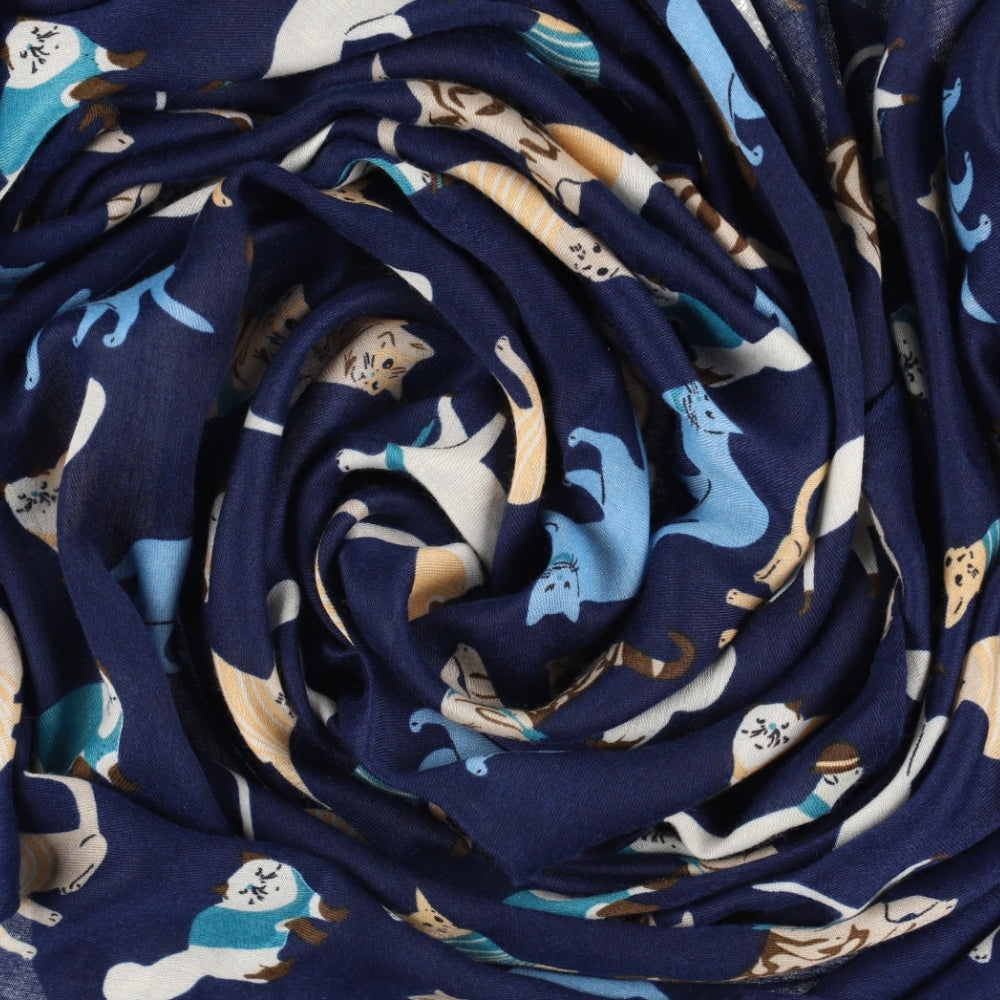
Viscose scarf – how to choose and style this lightweight accessory
What is a viscose scarf and when to choose it
A viscose scarf is any scarf, wrap or shawl where viscose makes up a significant part of the fiber content. Viscose – also known as rayon or cupro – is a semi-synthetic fiber made from natural sources like bamboo and cotton pulp, processed into yarn that creates a smooth, silk-like surface with excellent drape. The result is a lightweight yet gently insulating accessory that works equally well draped over a denim jacket on a city walk as it does paired with a dress for a family dinner.
At UniqueYou, viscose scarves come in a range of sizes and thicknesses – from airy, almost transparent pieces perfect for spring layering to denser wraps that add comfortable coverage on cooler autumn days. The exact composition of every item is always visible on its product card, so you can compare pure viscose models with viscose blends before you add anything to your basket.
Why choose viscose over wool or silk? Viscose is affordable compared to silk or cashmere while offering elegance, softness and a flowing drape that sits close to the body without bulk. It is highly breathable and moisture-absorbent, which makes it ideal for transitional seasons due to its lightweight warmth. Wool gives more insulation in deep winter; silk has a distinctive sheen for formal occasions. But when you want a soft, versatile layer for everyday and office wear – one that pairs with coats, cardigans and blouses without adding heavy volume – a viscose scarf is often the most practical pick.
Types of viscose scarf available at UniqueYou
Viscose scarves in this collection differ in size, weave and pattern, so knowing the basic types helps you narrow down the products found in the category. Below are the main formats you will see as you sort and filter through the range.
Lightweight rectangular viscose scarves for everyday wear
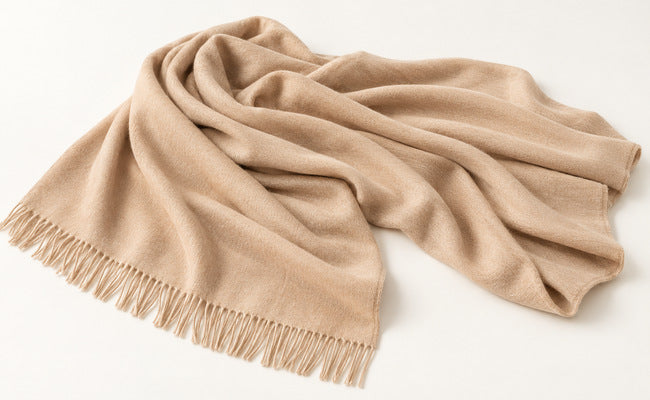
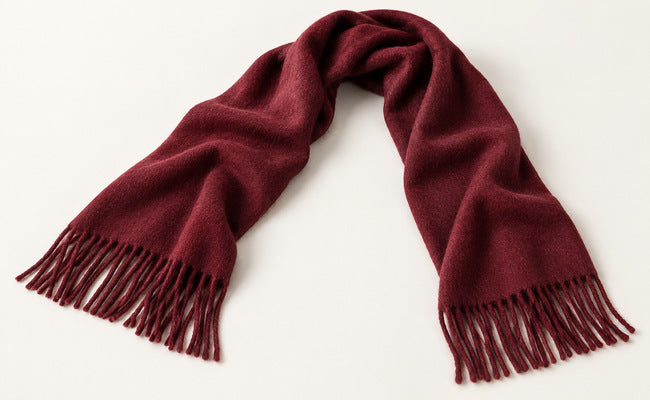
These are classic long scarves, typically around 150–180 cm in length and 30–50 cm in width, made from viscose or viscose blends in a light weave. Woven scarves like these are soft and lightweight for comfort, easy to wrap once or twice around the neck, or to drape loosely along the front of a coat. They suit day-to-day situations – a commute to work, city walks, meetings after hours – whenever you want a gentle layer close to the neck without bulky volume. The long ends hang visibly, which makes them a simple way to pull an outfit together.
Delicate square viscose scarves and neckerchiefs
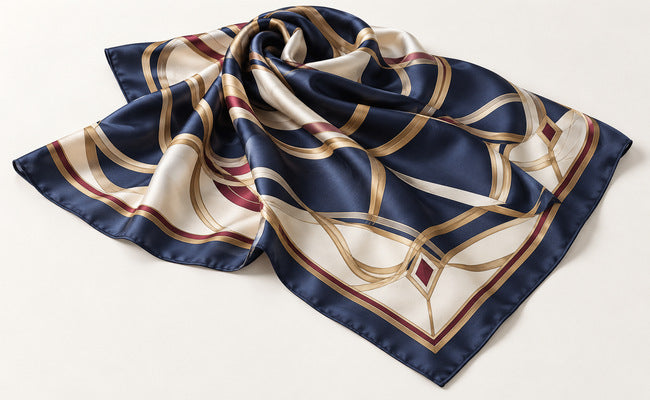
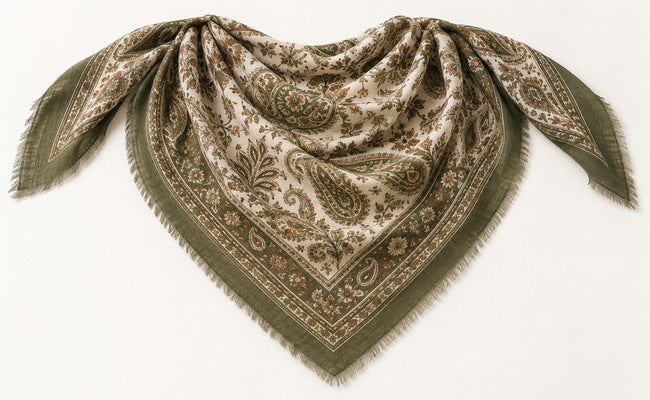
Smaller square formats – from compact neckerchiefs of about 50–60 cm to more generous 70 × 70 cm or 90 × 90 cm pieces – work at the neckline of a shirt, with a blazer or inside the collar of a lightweight sweater. Folded diagonally into a triangle or rolled into a narrow band, a square viscose scarf changes character with every fold, revealing different parts of its print or border. Many square items in UniqueYou's offer feature prints and decorative edges that give you several looks from a single piece.
Viscose shawls and stoles for dresses and special occasions
Larger viscose formats – wider and longer than everyday scarves, sometimes reaching 90 × 200 cm – are designed to be laid over the shoulders like shawls. Viscose drapes softly, so a shawl can discreetly cover shoulders and upper arms with a dress for an evening out, a celebration or a more formal event, without adding stiffness. The same shawl can later be worn casually with jeans and a shirt, making it one of the more versatile pieces in a wardrobe.
Patterned viscose scarves as a colour accent
Patterned scarves add vibrant colors to outfits – florals, geometric motifs, abstract prints or soft colour gradients, all based on viscose fabric. The fiber absorbs dyes deeply, creating vibrant colors and sharp prints that hold their visual impact across the piece. Each scarf features unique hand-printed designs, so no two items look exactly the same. One strong patterned viscose scarf can become the main accent in a simple outfit – for example with a plain dress, trench coat or classic denim and a white T-shirt. When choosing, look for at least one colour in the pattern that repeats in the clothes you already own.
What to look for when choosing a viscose scarf
The word "viscose" on a label doesn't tell the whole story. Width, length, thickness, blend and pattern all affect how a scarf feels and looks on you. Below are the attributes worth checking before you choose.
Composition: pure viscose vs viscose blends
In UniqueYou's offer, viscose can appear alone or in a mix with other fibers – for example cotton, modal, polyester or nylon. The exact composition is always in the product details. A cotton blend may give a slightly drier touch and more structure; modal can enhance softness and drape further. Some blends include a small percentage of silk or wool for added sheen or warmth. If you are sensitive to certain fibers or want a scarf for a specific season – say, a lighter blend for warmer months – comparing compositions on the product cards is time well spent.
Size and shape: rectangle or square
A long rectangular viscose scarf (around 180 × 70 cm) is easier to wrap around the neck and wear with coats – the extra length lets you loop it, and the ends fall to a flattering line. A square (70 × 70 cm to 90 × 90 cm) works well near the neckline or as a small accent on shoulders or a handbag. Think about how you want to wear your scarf most often: tight around the neck, loosely draped, or as a shoulder cover – and let that guide the shape.
Weight and weave: airy vs more covering viscose scarves
Viscose scarves can range from very thin, almost transparent weaves ideal for spring and summer to slightly denser weaves better suited for cooler days. Lightweight pieces typically fall in the 80–120 GSM range, while shawls and stoles intended for more coverage may exceed 150 GSM. You can assess weight from product photos – visible transparency, how the fabric falls on the model – and from any season notes on the card. Pairing ideas: an airy viscose scarf with a denim jacket or short trench; a denser weave with a wool coat or thicker cardigan.
Colour and pattern: matching your wardrobe
Solid-colour viscose scarves are easier to pair with printed clothes; patterned pieces can enliven plain outfits. Start from items you already own – a beige coat, navy blazer, black dress – and look for viscose scarves that repeat or contrast with those colours. Shades like indigo, plum, pink and red can introduce energy near the face, while neutral tones stay versatile across seasons. Choosing patterns with at least one familiar shade (cream, black, navy) increases the number of outfits a single scarf can serve.
Finishing details: edges, fringes, prints
Viscose scarves in this category may differ in finishing: classic stitched edges, delicate fringes, printed borders or motifs placed near the corners. Fringes add a more casual character; clean edges feel more minimal; decorative borders draw attention when the scarf is folded as a triangle or narrow band. Check close-up photos on the product card to see how the finishing will look in everyday wear, especially near the neckline or on the shoulders.
How to choose the right viscose scarf for you
The best viscose scarf depends on how and where you plan to wear it – with outerwear, at the office, with dresses, or as a small accent. Start from your habits, not from the scarf itself, and the right pick becomes clearer.
Key decision criteria
Main use (coat, work outfit, dress, casual) - A longer viscose scarf suits coats and cardigans; a smaller square works near the neckline for shirts and blazers; a larger shawl format fits dresses and more formal occasions. Scarves can enhance both casual and workwear styles when you match format to context.
Preferred style: subtle or statement - Solid or softly patterned viscose scarves blend smoothly into calm outfits, while strong prints or contrasting colours become the main accent over simple clothes.
Season and layers - Viscose is ideal for transitional seasons. Airy, thinner viscose works well in spring and summer or indoors at the office; slightly denser viscose blends are more comfortable on cooler days under a coat.
Favourite colours in your wardrobe - Align scarf colours with what you already wear. Repeat the colour of a coat or bag, or add one contrasting shade – perhaps a vibrant pink or deep plum – that you know you like near your face.
Care preferences - Proper care is essential to prevent viscose from shrinking or losing shape. Check the care label on the product card and choose a scarf that fits your routine; if you prefer easy maintenance, a viscose blend with cotton or modal may be more forgiving.
Styling ideas: how to wear a viscose scarf with what you already own
Think of your viscose scarf as a way to refresh existing clothes rather than as a reason to change your whole wardrobe. A single well-chosen piece can work across several outfits you already have.
With a coat or trench
A long viscose scarf worn loosely along a classic camel or navy coat, with ends falling vertically, slightly lengthens the line of the outfit and draws the eye. On cooler mornings, fold it once and wrap it closer to the neck for extra comfort, leaving a bit of fabric visible over the lapels. Colour approaches: calm, tone-on-tone combinations (beige coat + ecru viscose scarf) or more vivid contrasts (grey coat + patterned viscose scarf with burgundy or green). Patterned scarves can be draped over shoulders for style when you step indoors and remove the coat.
With a shirt, blouse or blazer
A square viscose scarf folded into a triangle or narrow band can sit at the open neckline of a white shirt or silk-like blouse, adding colour without heavy layers. Wearing a viscose neckerchief inside a blazer, so that a strip of print or colour appears between the lapels, is a simple source of visual interest for office outfits and meetings. With patterned blouses, it is usually easier to reach for a solid viscose scarf in one of the colours already present in the print.
With dresses and knitwear
A larger viscose shawl can lightly cover shoulders with a simple dress for dinners, celebrations or theatre, and later be worn casually with jeans and a sweater – making it one of the most hard-working pieces in the category. Smaller viscose scarves pair well with classic crew-neck or V-neck knitwear, tied close to the neck or worn slightly lower depending on how much pattern you want visible. Balance texture: smooth viscose with chunky knitwear, or delicately patterned viscose with simple jersey dresses.
As a subtle accent: hair, bag, wrist
Smaller, lighter viscose scarves can be tied on the handle of a handbag, used as a soft band in hair or wrapped once around the wrist. These uses work best with compact square formats – check the scarf's dimensions before planning them. Experiment with one scarf in several roles across the day to see which solution feels most natural in everyday life.
Caring for a viscose scarf
Proper care keeps viscose soft and smooth for longer, but always follow the specific instructions on the product label first – they take priority over general advice.
Washing: Hand-wash viscose items at low temperatures (max 30 °C) with a mild detergent. Avoid wringing or twisting the fabric. Viscose fibers become weak when wet and prone to damage if mishandled, so treat the scarf gently throughout the process. Viscose scarves can shrink in the wash if exposed to too much heat or agitation.
Drying: Do not tumble dry. Lay the scarf flat or hang it on a smooth surface, reshaping while damp. Keep it away from strong direct sunlight, which can fade colours over time.
Ironing and steaming: Viscose is lightweight yet provides a gentle layer of insulation, but it can crease. Light steaming or ironing on low to medium heat – ideally on the reverse side with a pressing cloth – helps restore smoothness without damaging the fiber.
Blends: Some viscose blends with cotton, modal or polyester may have different care rules. The label and product card at UniqueYou should be your main reference for each unique item in the range.
Frequently asked questions about viscose scarves
This section answers questions customers often ask when comparing viscose scarves with other materials and looking for the right format.
Is a viscose scarf suitable for winter, or only for warmer seasons?
Very thin viscose scarves work best from spring to autumn or indoors, while denser weaves and viscose blends can be worn under a coat in milder winter weather. Viscose is made from natural fibers like bamboo and cotton, so it breathes well, but it is not a heavy insulator. For frosty days, combine viscose with warmer fibers – for example wool gloves and a wool coat – using the viscose scarf more as a colour accent close to the outfit than as the only protection from cold.
Will a viscose scarf crease easily during the day?
Viscose has a tendency to crease more than some synthetic fibers, but in a scarf this is usually less noticeable because the fabric is draped and folded rather than stretched flat. Hang the scarf freely after wearing and, if needed, gently steam or iron it according to the care label settings. Patterned and textured weaves tend to hide creases better than plain, light-coloured solids.
Can I wear a viscose scarf with an elegant dress?
Yes. Viscose creates a smooth, silk-like surface that can be a refined companion for an evening dress or cocktail outfit, especially when chosen in a calm, complementary colour. Look at larger shawl formats in the category that can comfortably rest on the shoulders, and match the pattern to the character of the event – more muted for very formal occasions, more expressive for less strict dress codes.
How do viscose scarves compare to silk or wool scarves?
Viscose usually has a soft, flowing drape and is often more budget-friendly than silk, which is lighter, more delicate and carries a stronger luxury sheen. Wool gives more warmth in winter but can feel bulky and, for some, itchy. The choice depends on needs – viscose scarves work well when you want a comfortable, smooth accessory for everyday and office wear without a strong warming effect. Many shoppers who browse brands like John Lewis, White Stuff or Amazon for silk or wool products find that viscose offers a compelling middle ground.
Are viscose scarves a good idea for a gift?
A viscose scarf can be a practical gift, especially if you know the recipient's favourite colours or the kind of outerwear she wears most often. Safe directions include neutral tones like beige, grey, navy or black, or a patterned viscose scarf containing one of these shades. Check the dimensions so the scarf matches her typical style – a larger shawl for someone who wears dresses, a compact neckerchief for someone who prefers shirts and blazers.
Explore viscose scarves at UniqueYou
Viscose scarves in UniqueYou's collection range from light everyday models to more elegant shawls, with compositions, sizes and patterns clearly described on every product card. The easiest way to choose is to start from how you plan to wear the scarf and what you already have in your wardrobe – then use the filters to sort by colour, size or style.
Browse the current selection, compare products, and pick the viscose scarf that best fits your coats, dresses or favourite casual outfits.
FINEST MATERIALS
Softness, comfort and attention to detail.
Express Delivery
Within 24 hours by courier to your home or a pickup point.
EASY RETURNS
Shop with confidence, with the option to return.
SECURE PAYMENTS
Choose your preferred payment method.