
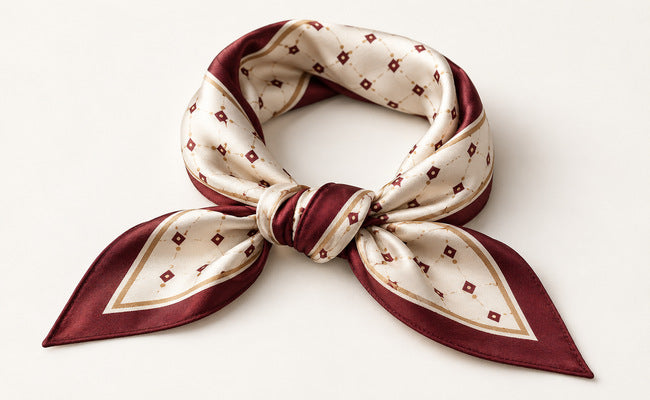

Wool scarves
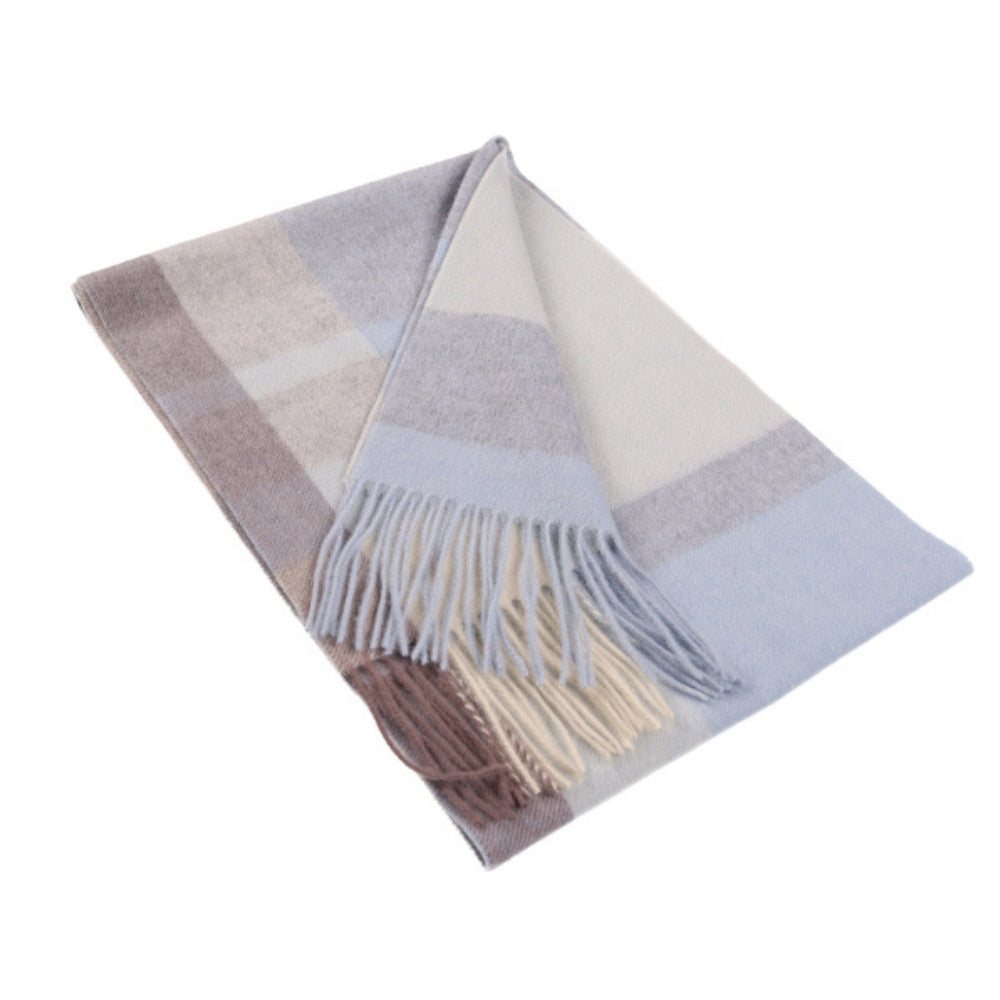
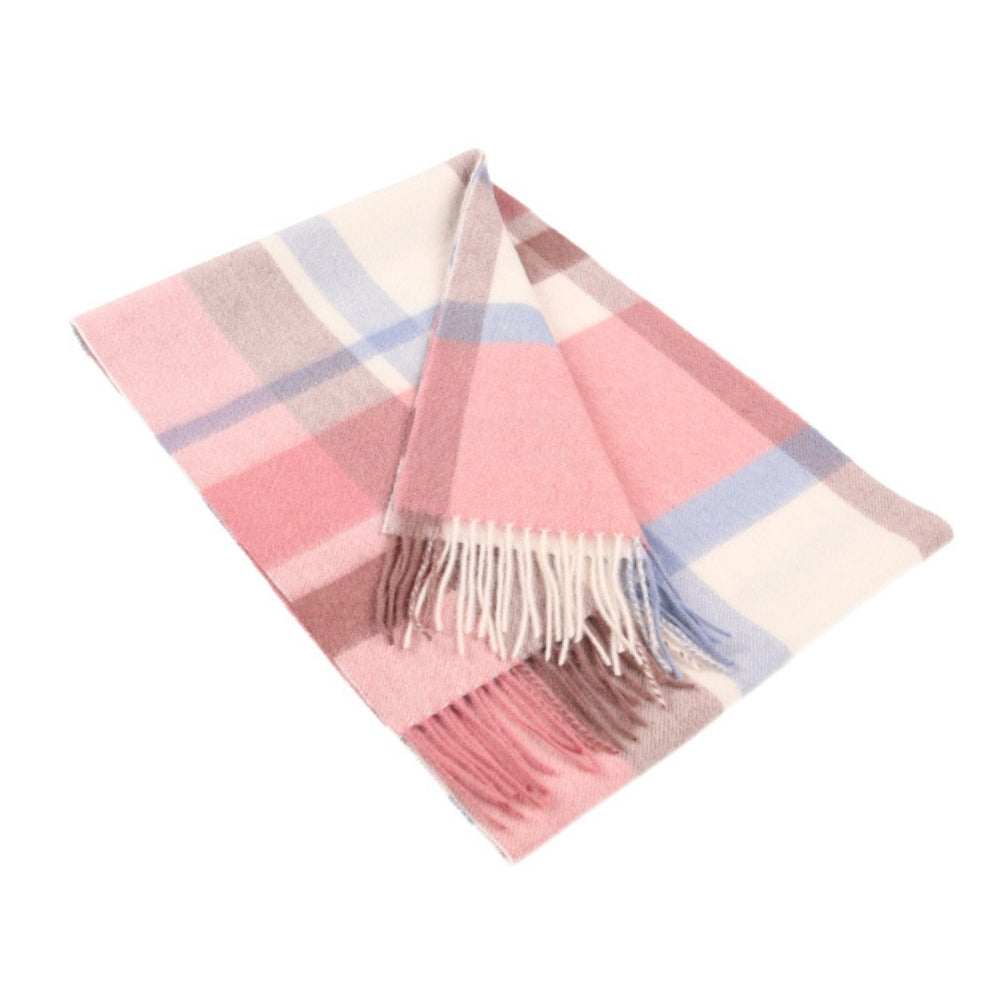
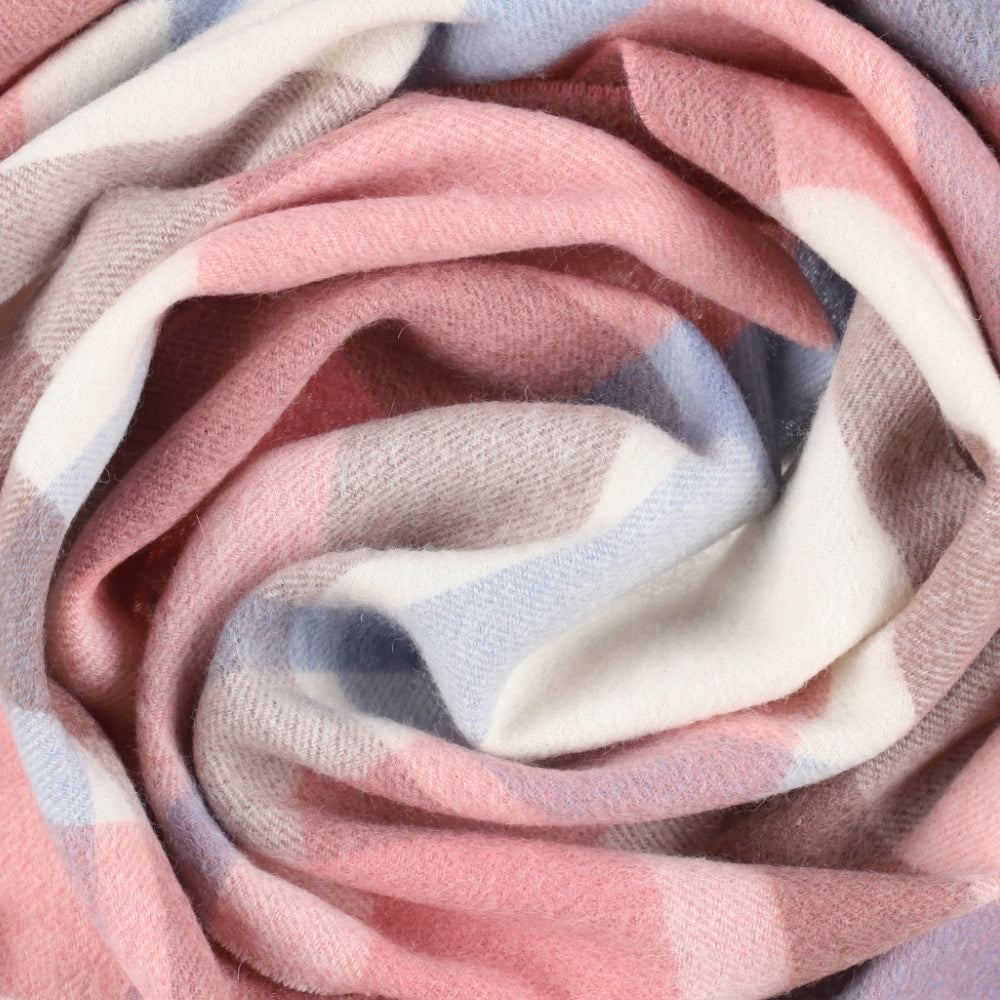
180×30 cm / 71×12 in
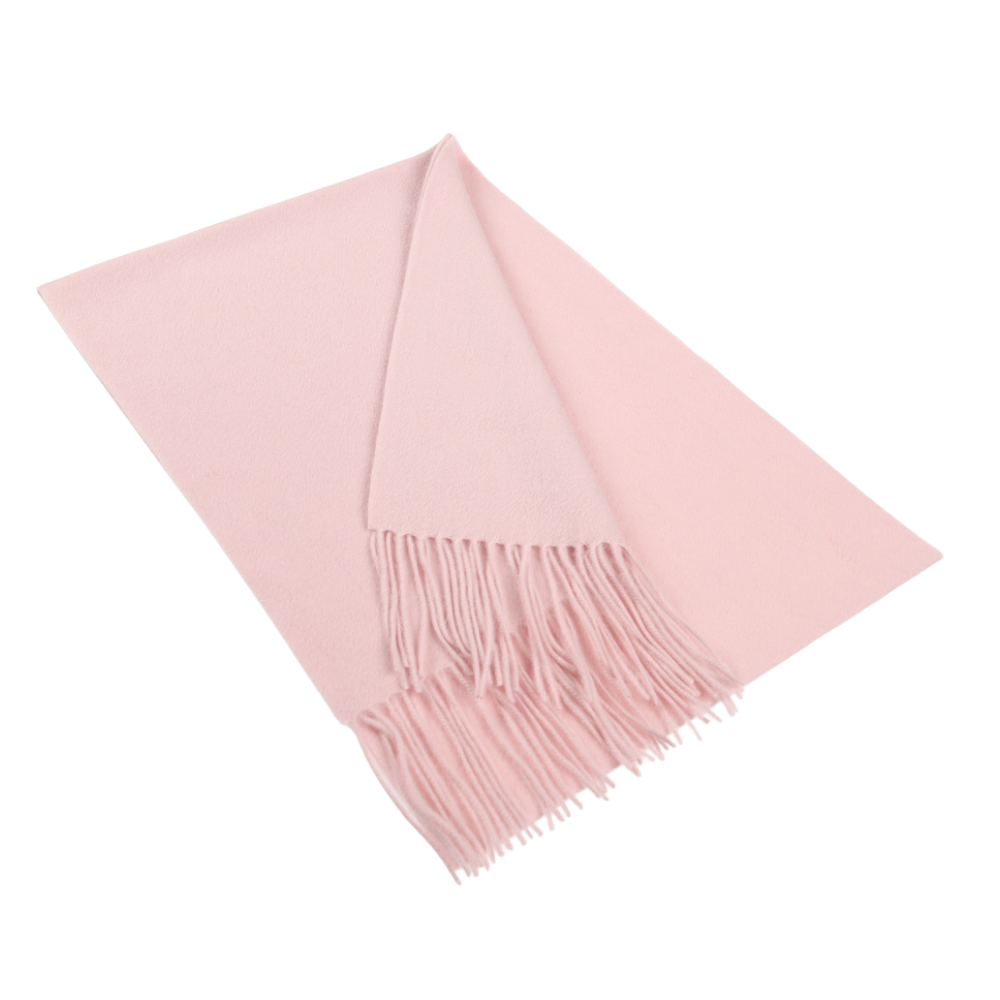
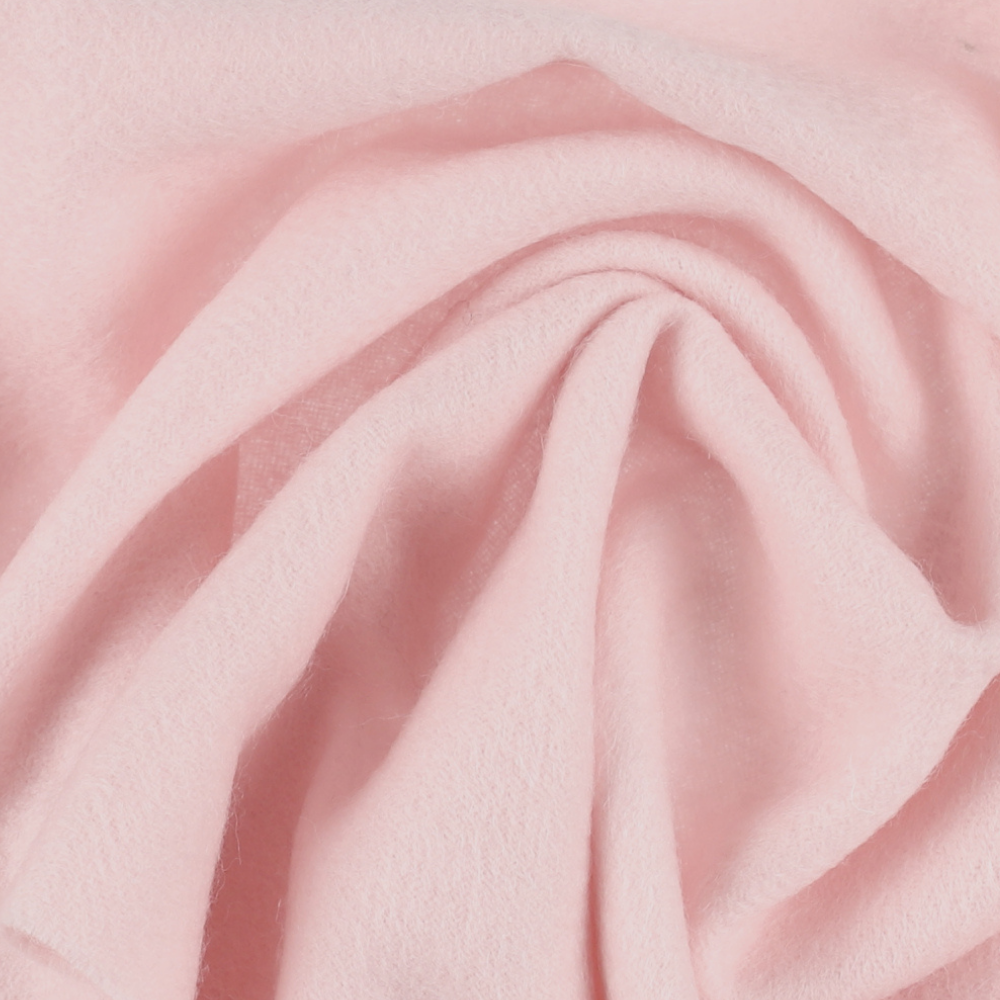
200×35 cm / 79×14 in
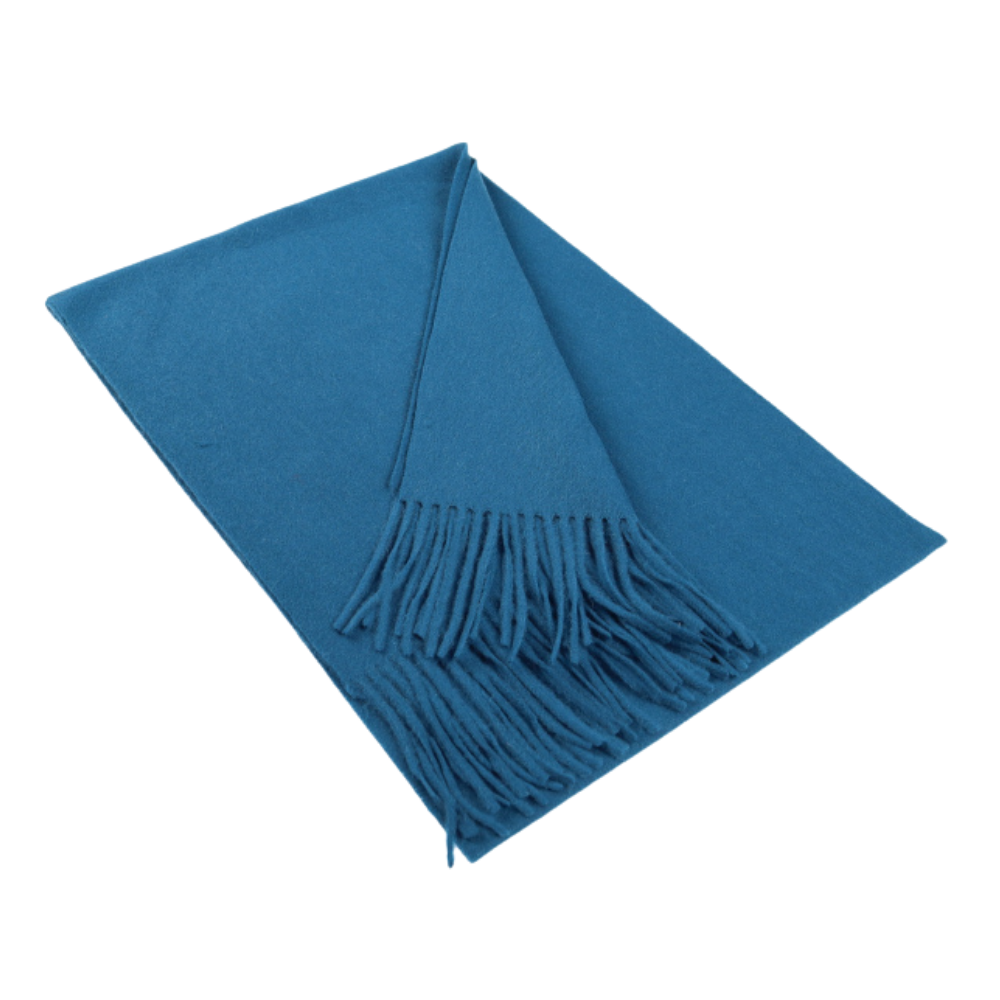
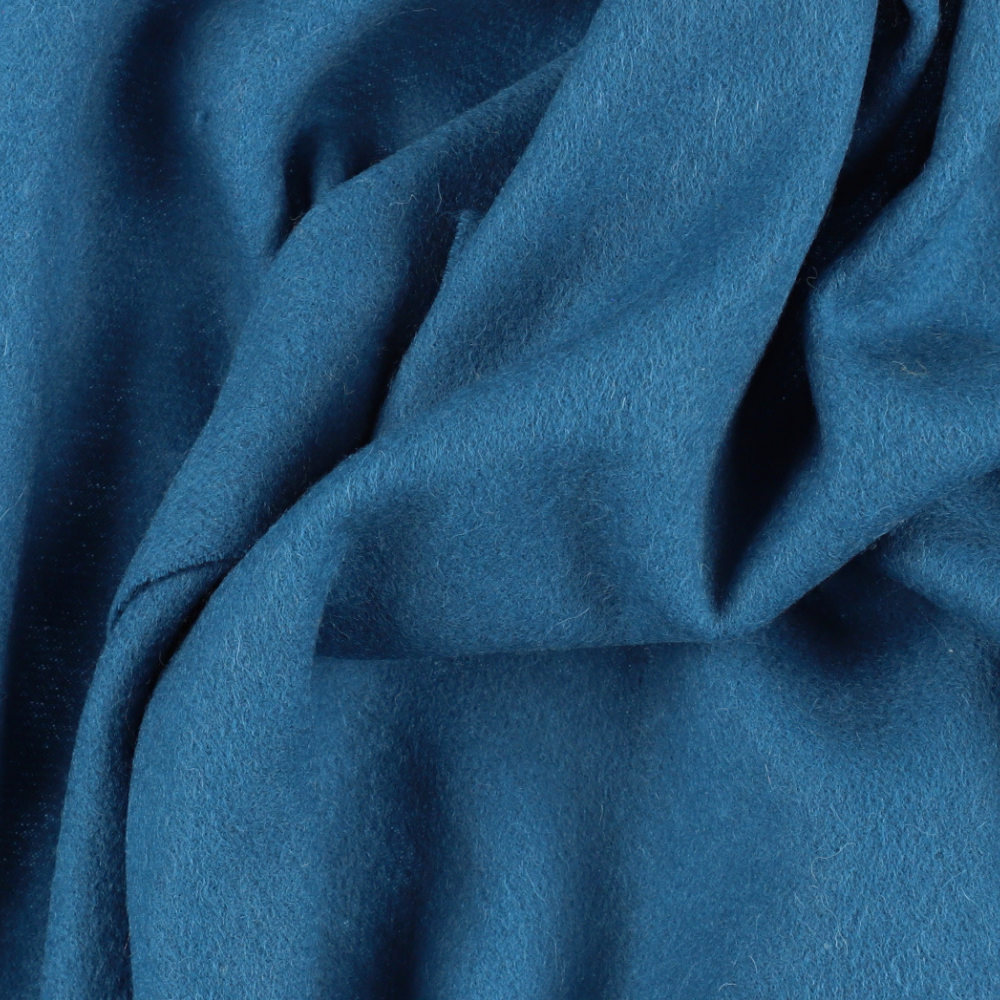
200×35 cm / 79×14 in
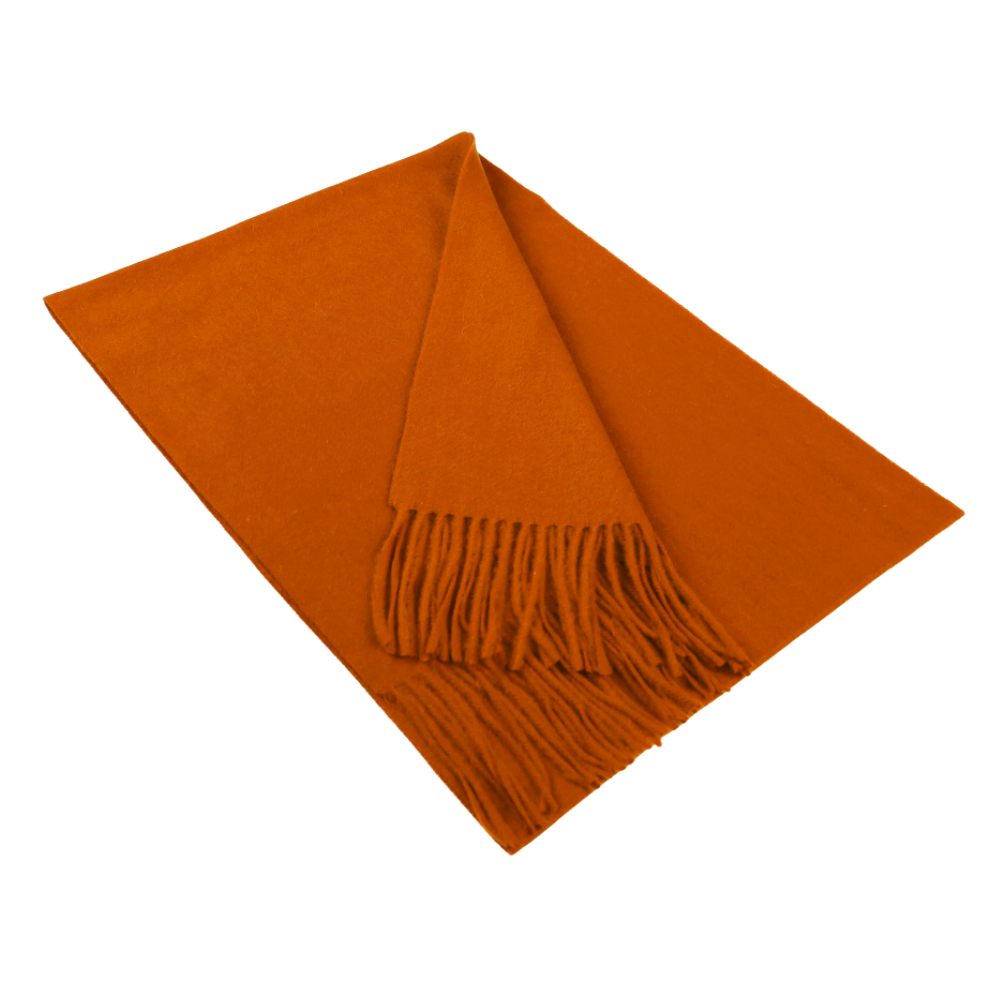
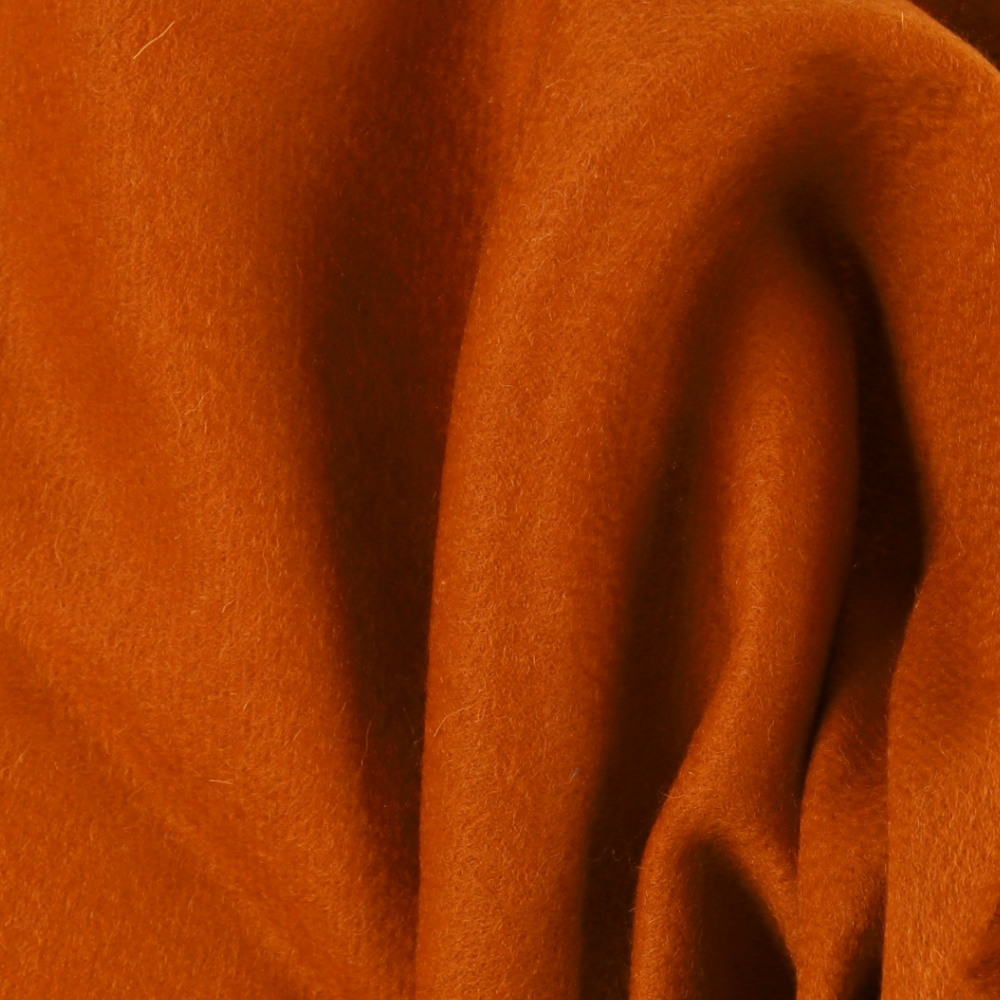
200×35 cm / 79×14 in
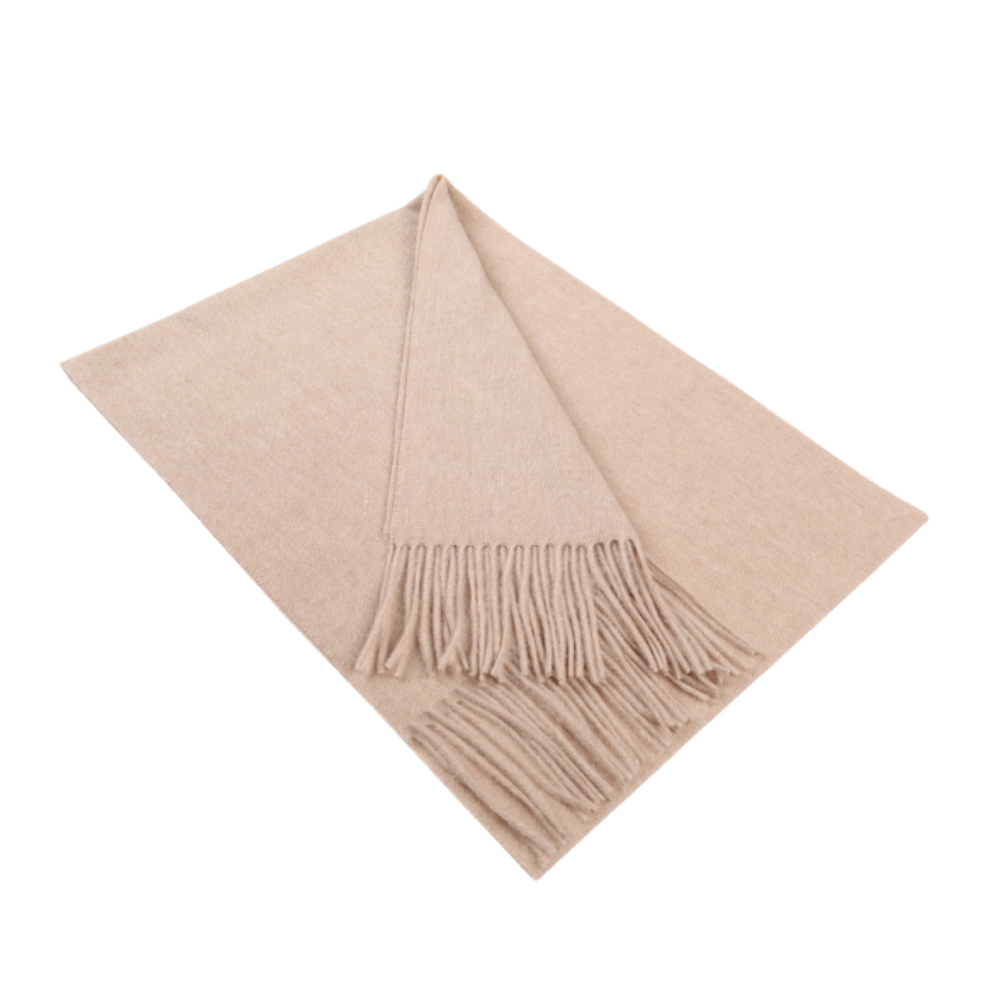
200×35 cm / 79×14 in
180×30 cm / 71×12 in
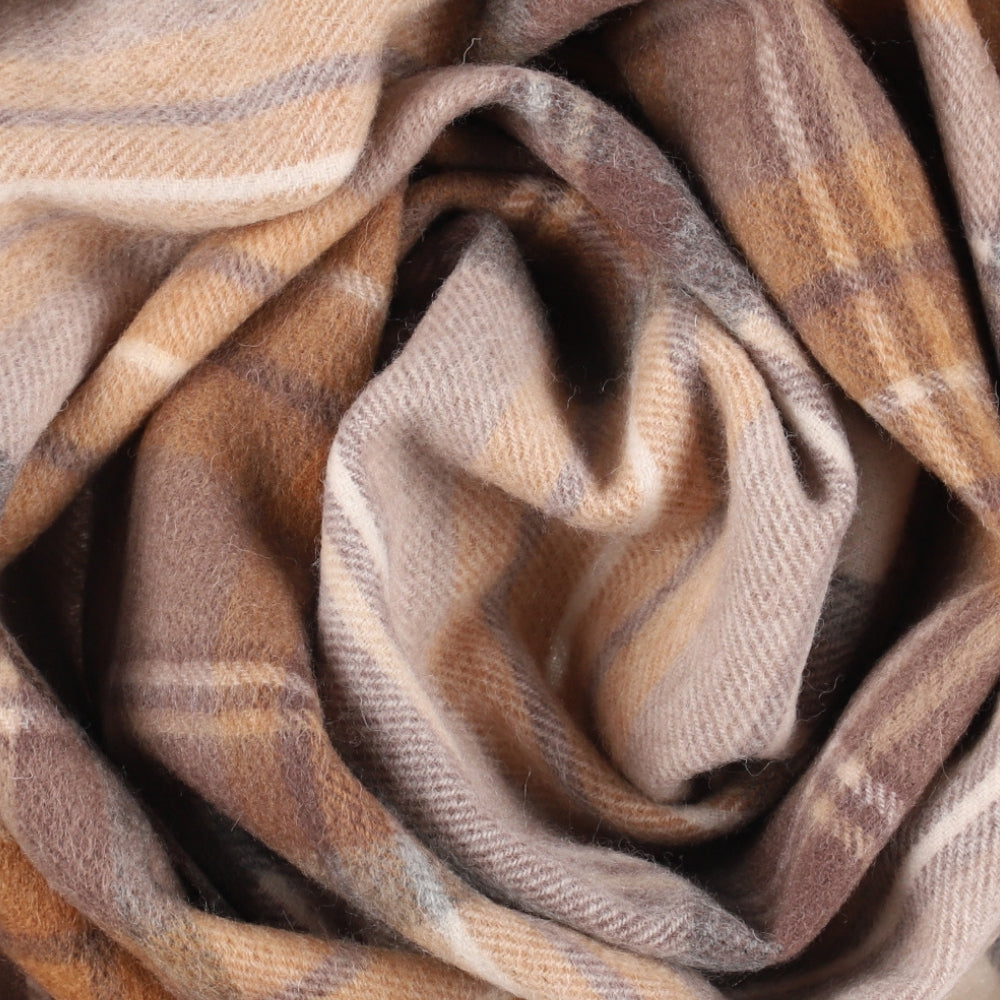
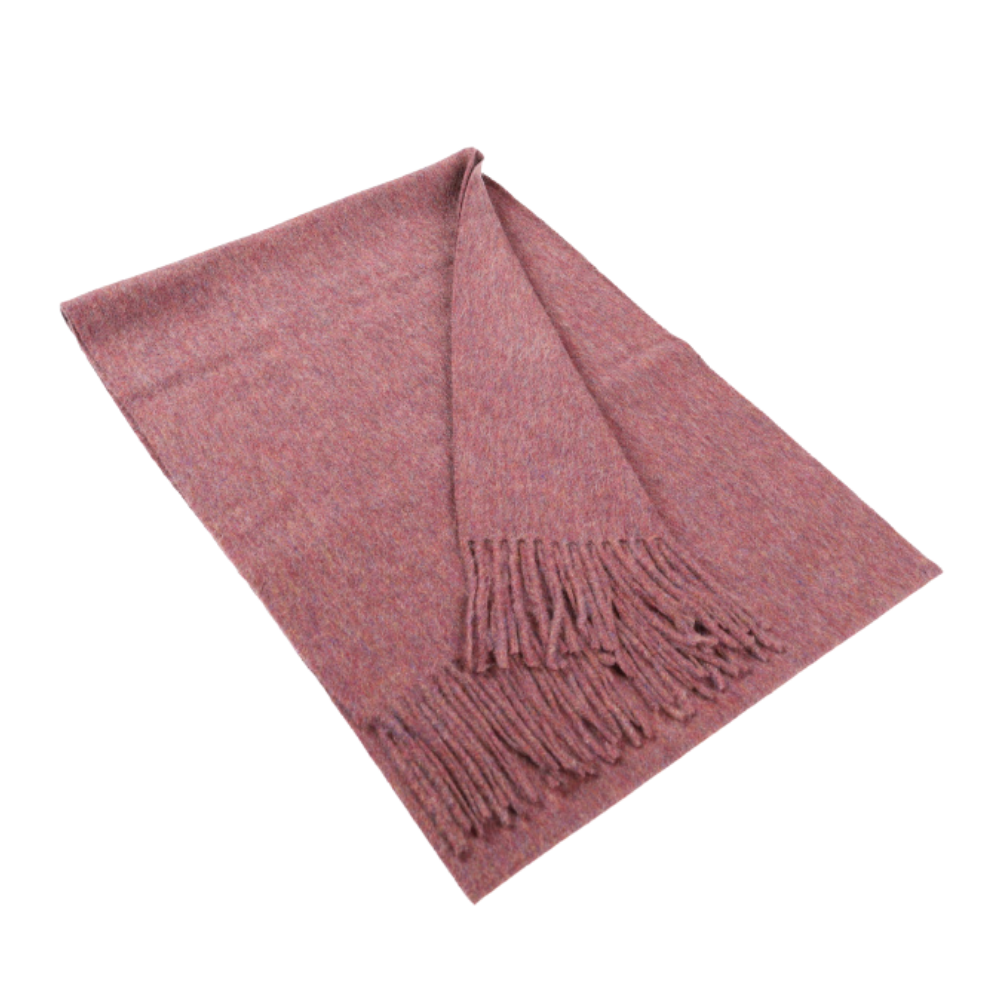
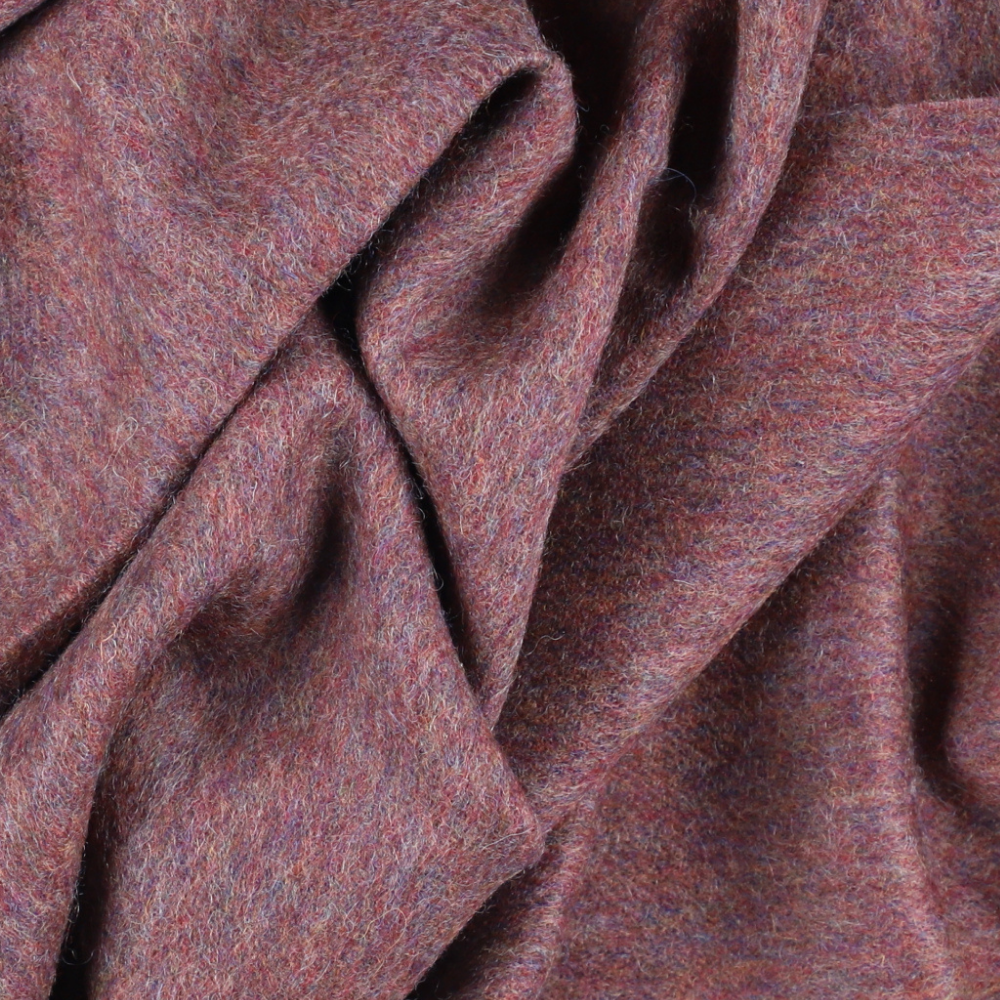
200×35 cm / 79×14 in
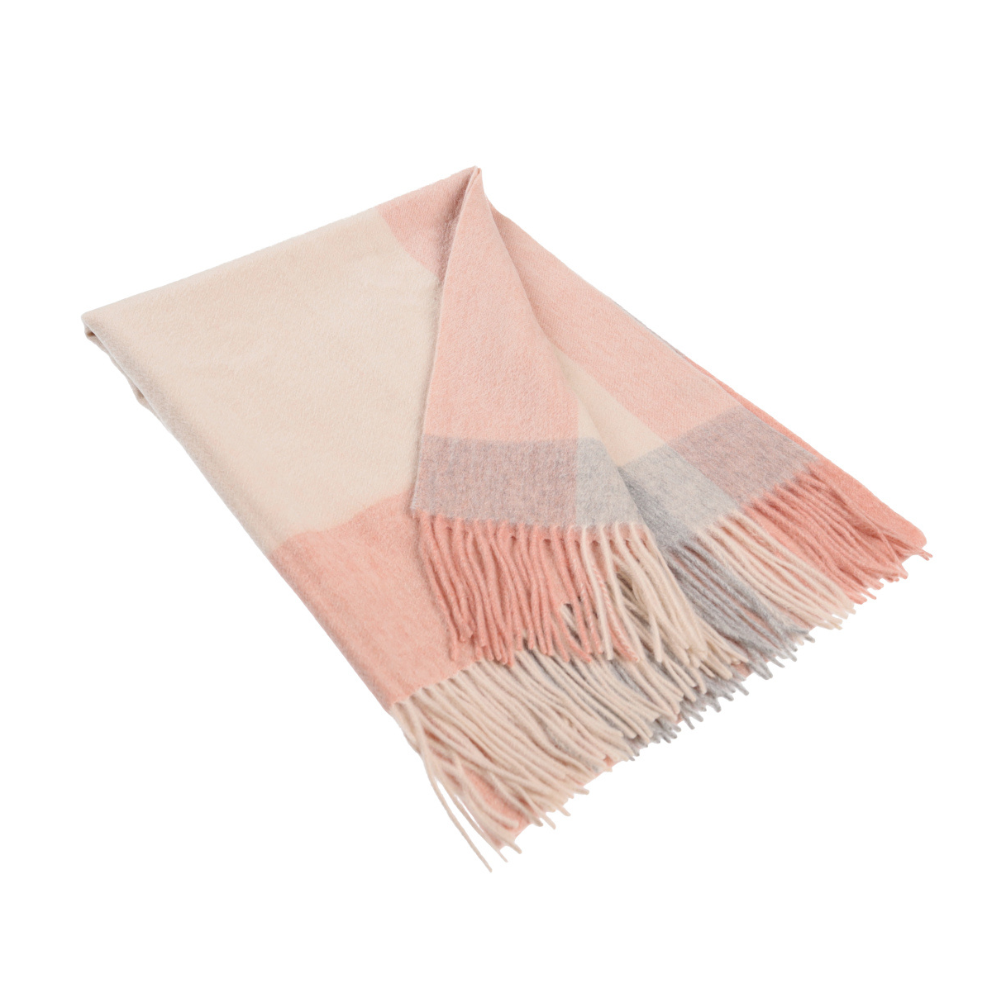
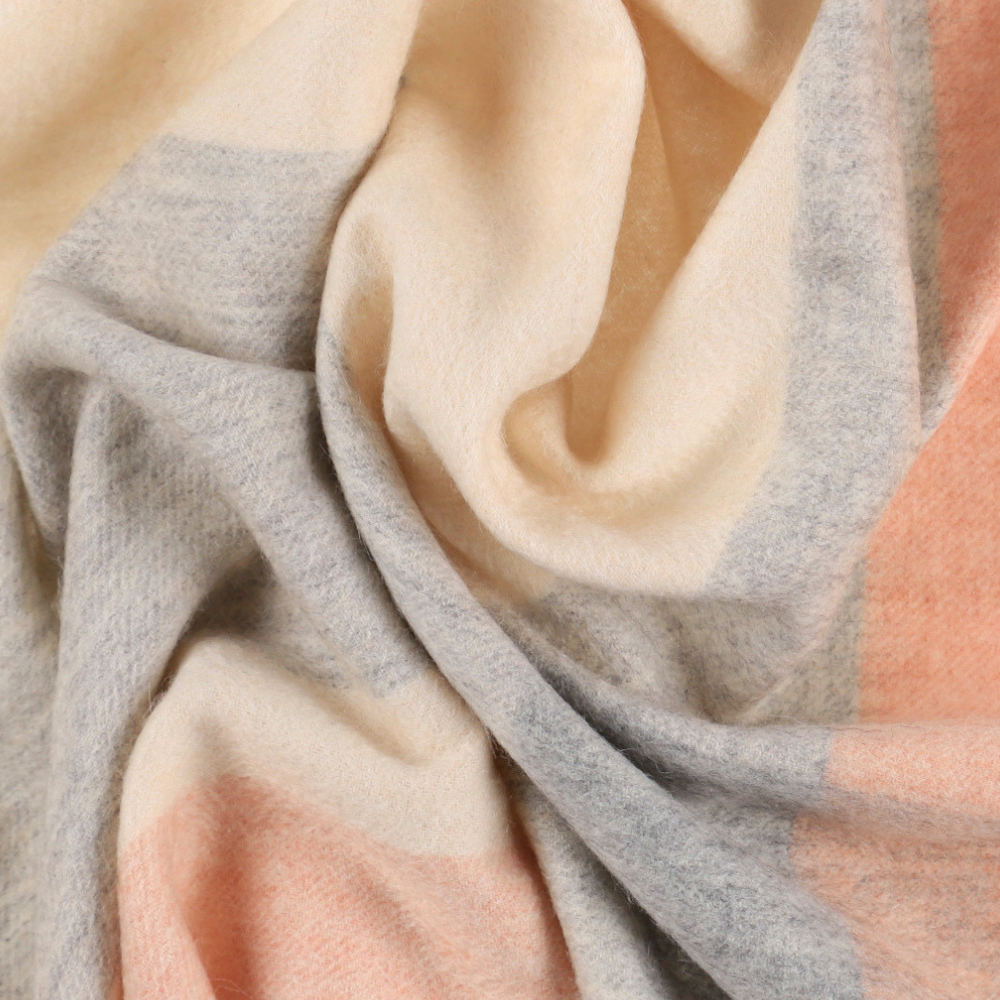
200×70 cm / 79×28 in
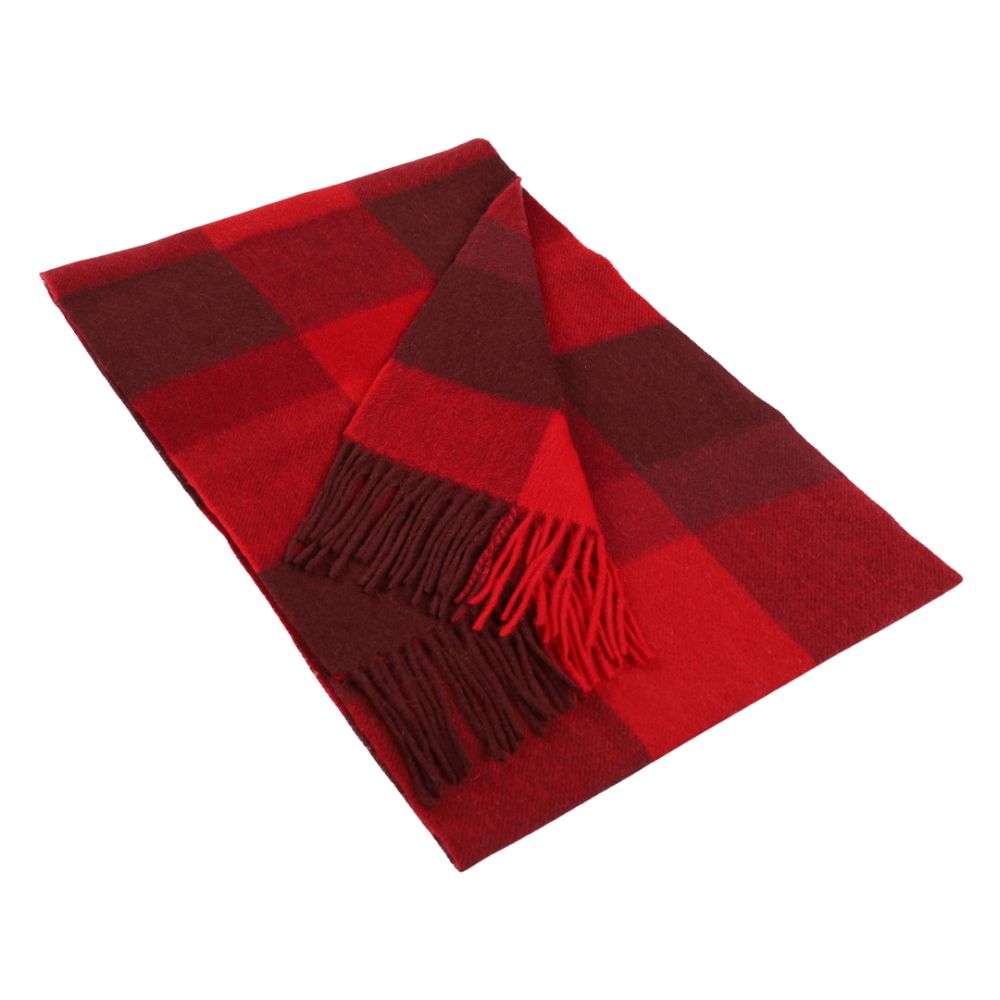
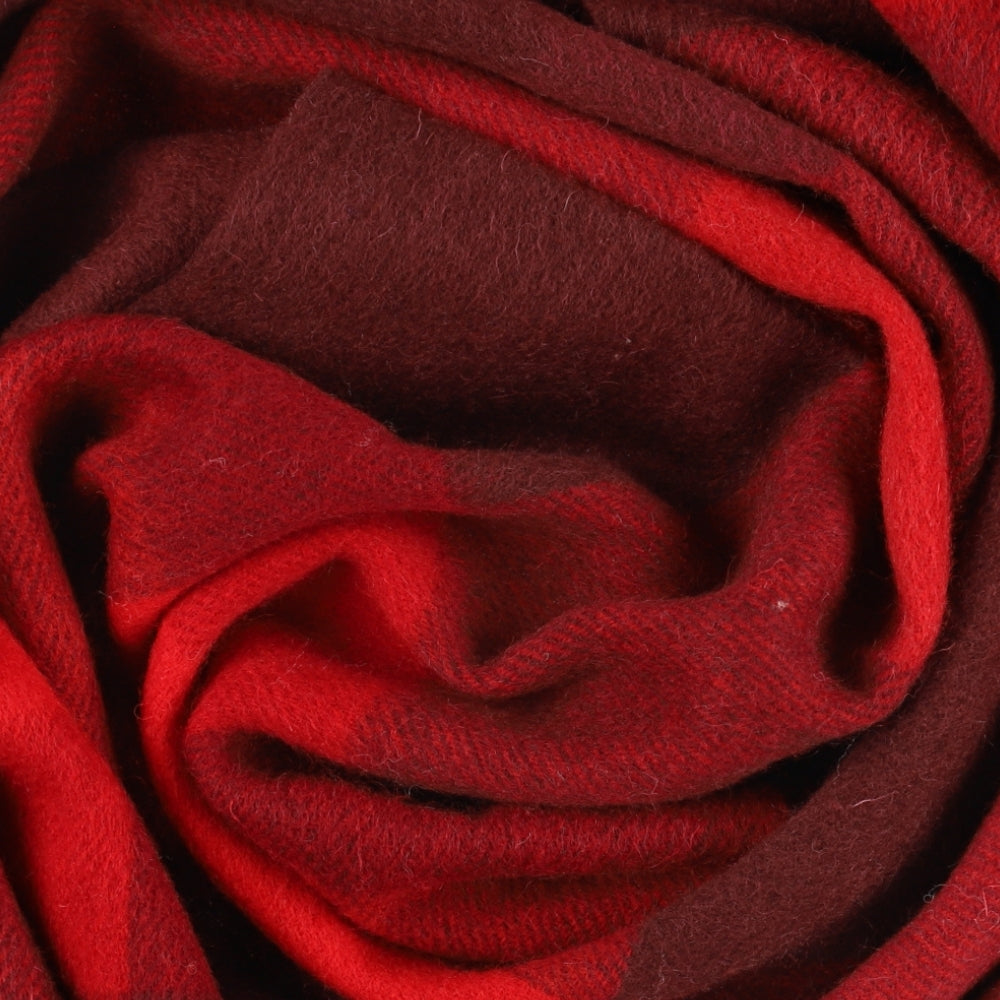
180×30 cm / 71×12 in
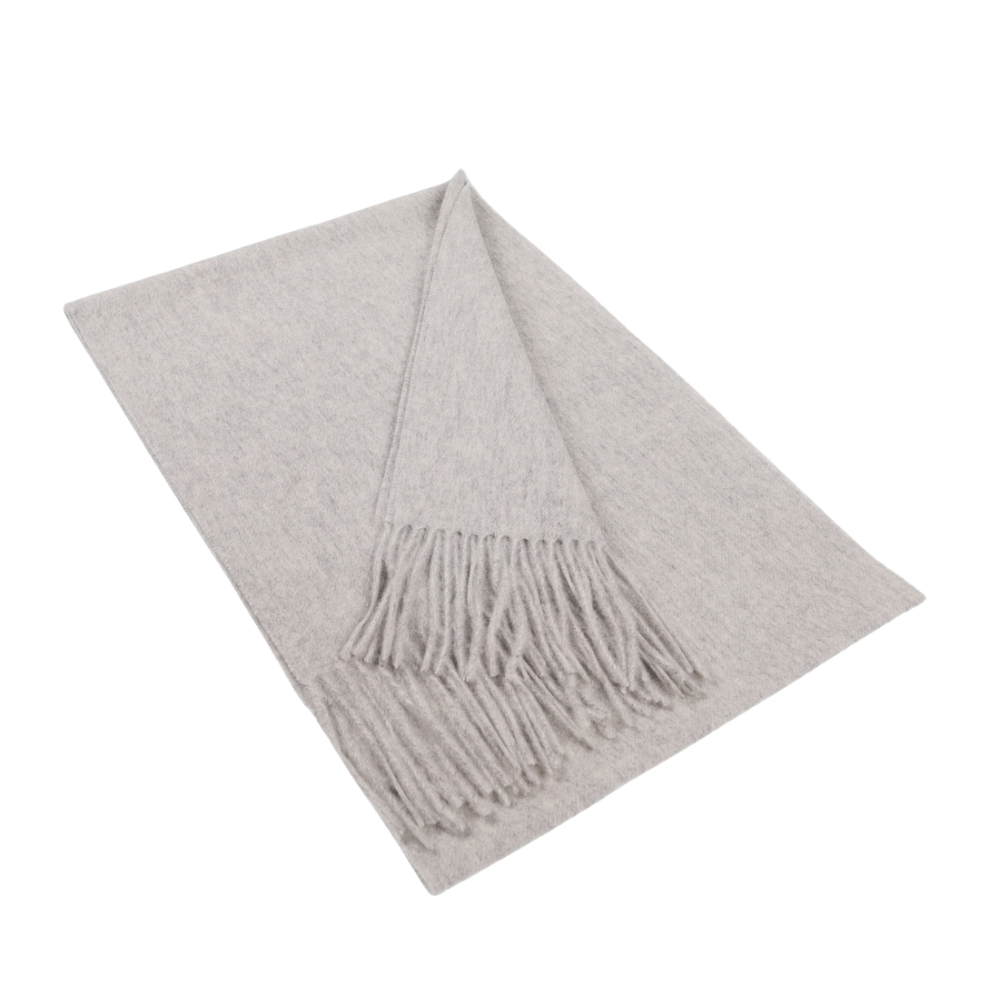
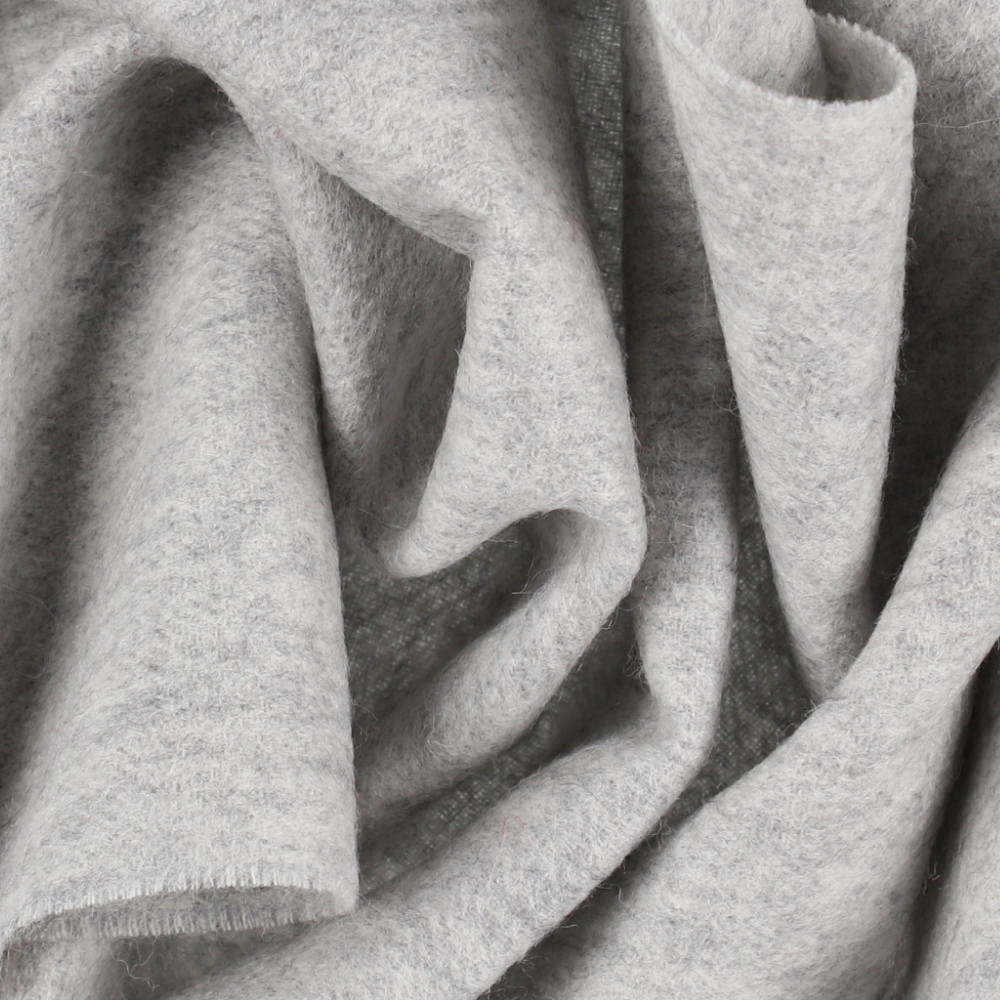
200×35 cm / 79×14 in
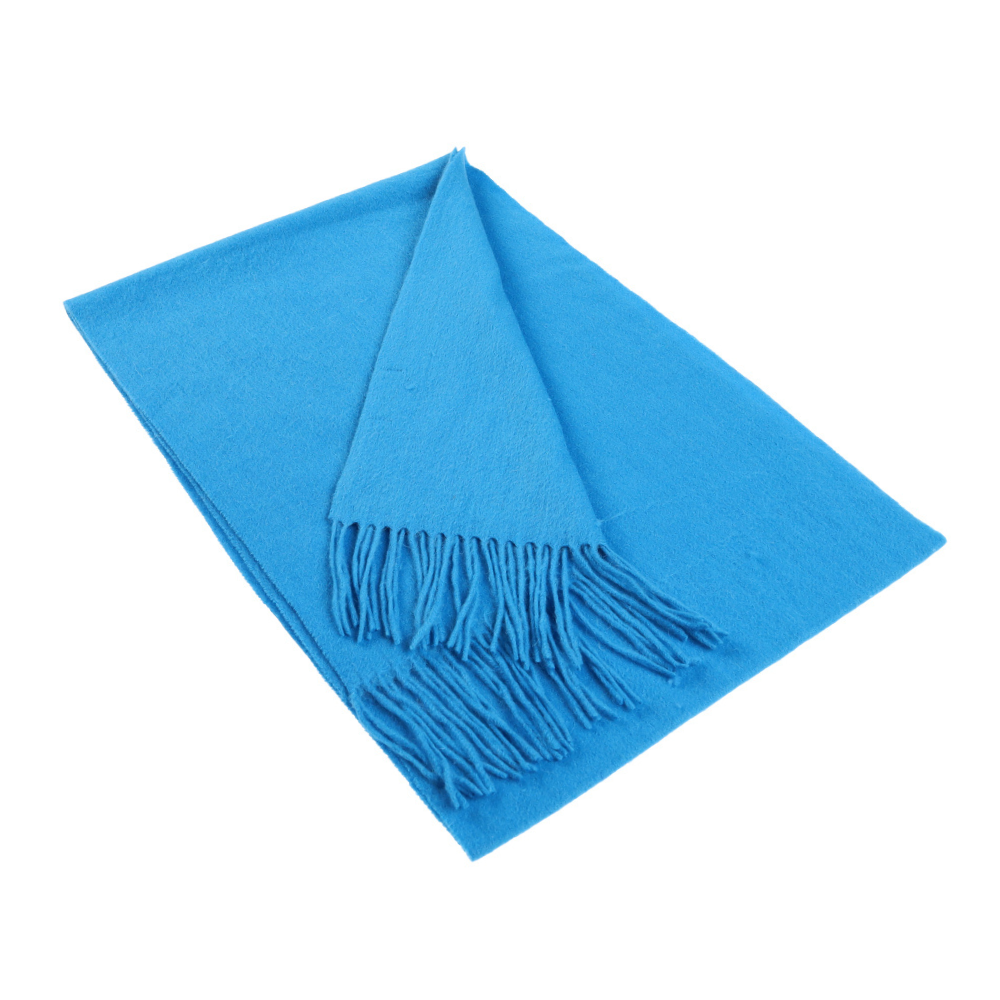
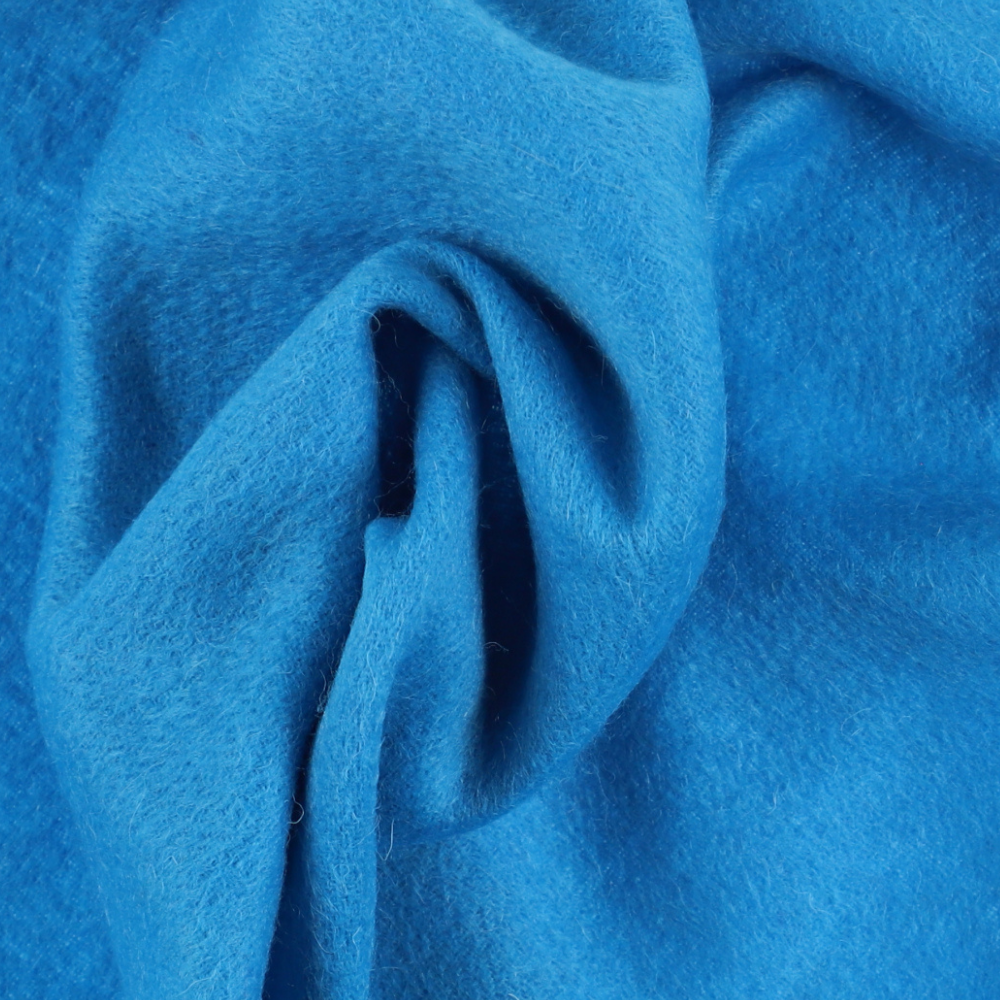
200×35 cm / 79×14 in
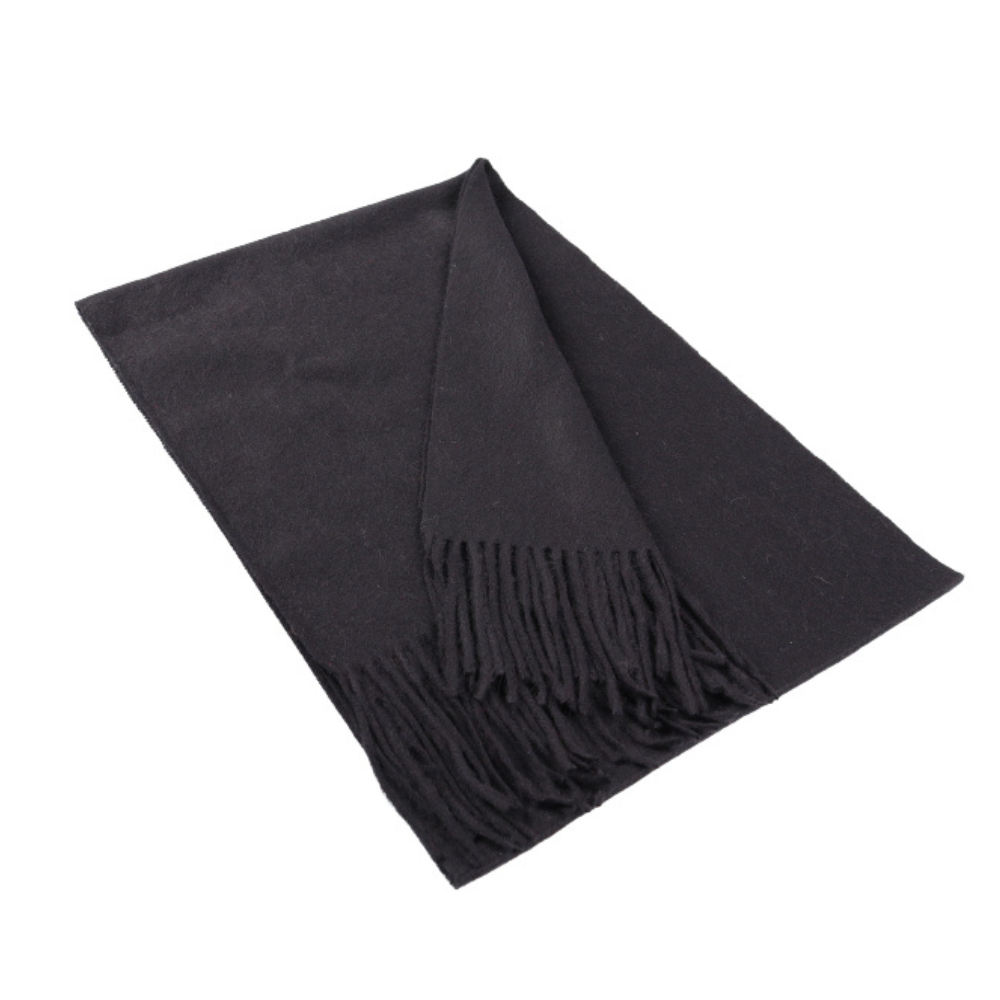
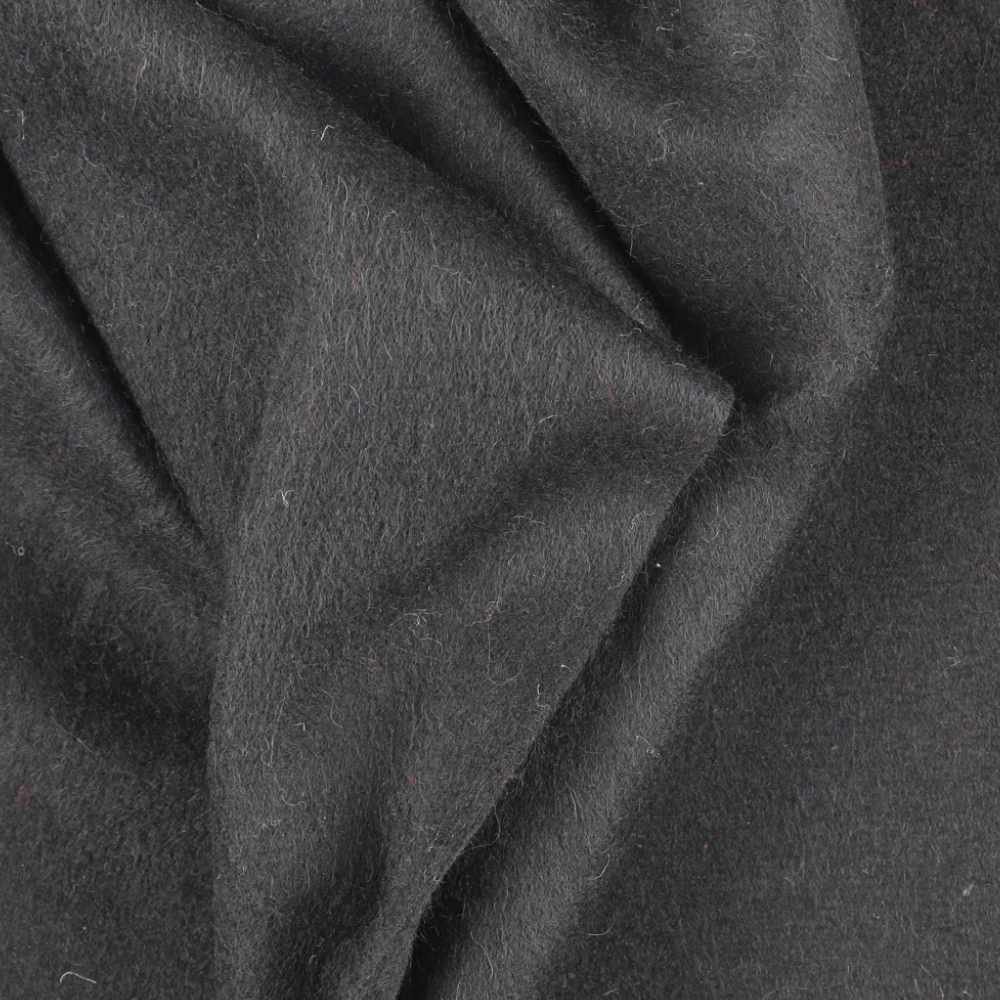
200×35 cm / 79×14 in
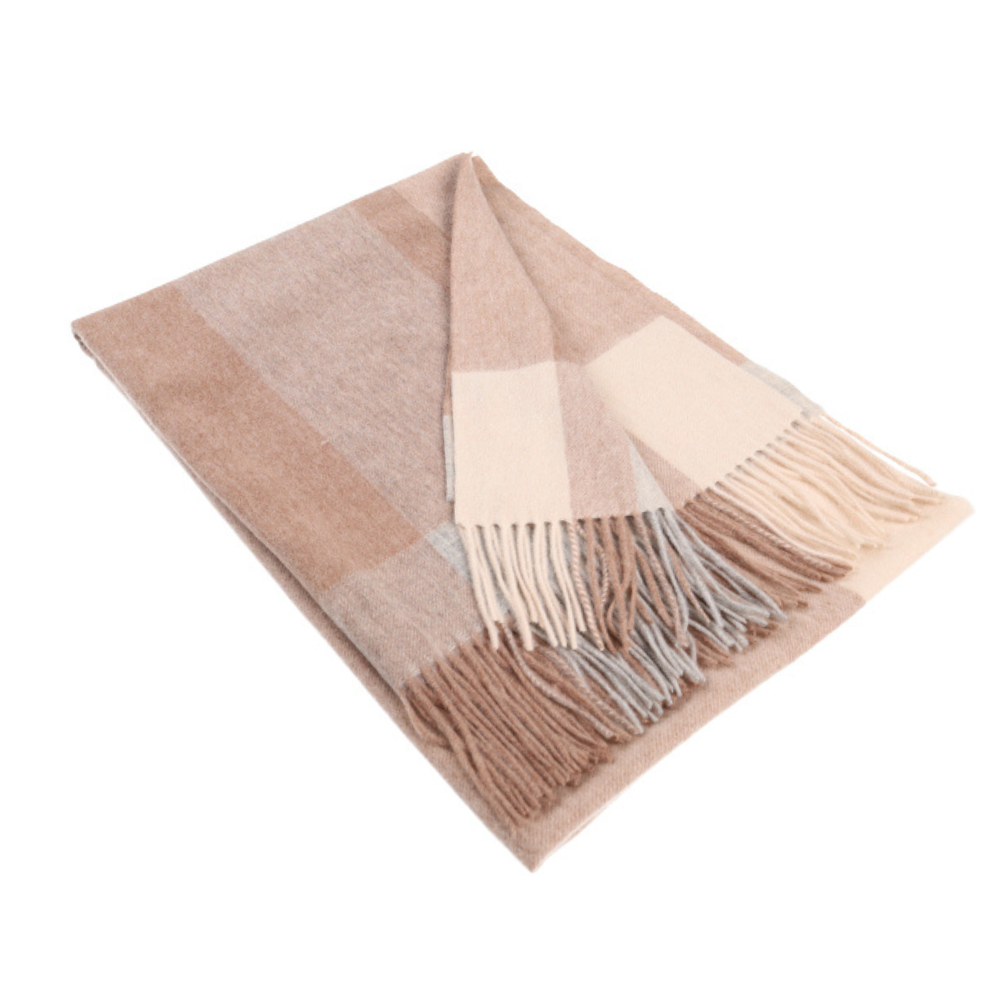
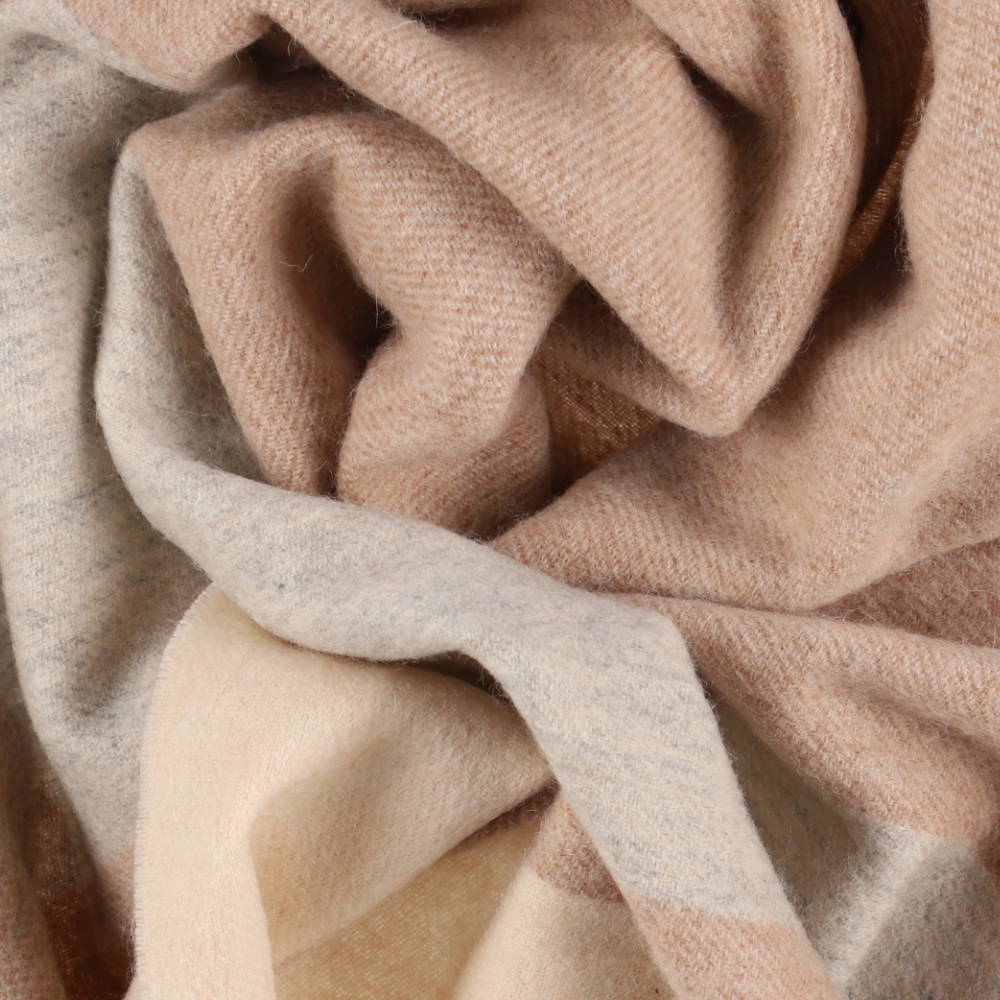
200×70 cm / 79×28 in
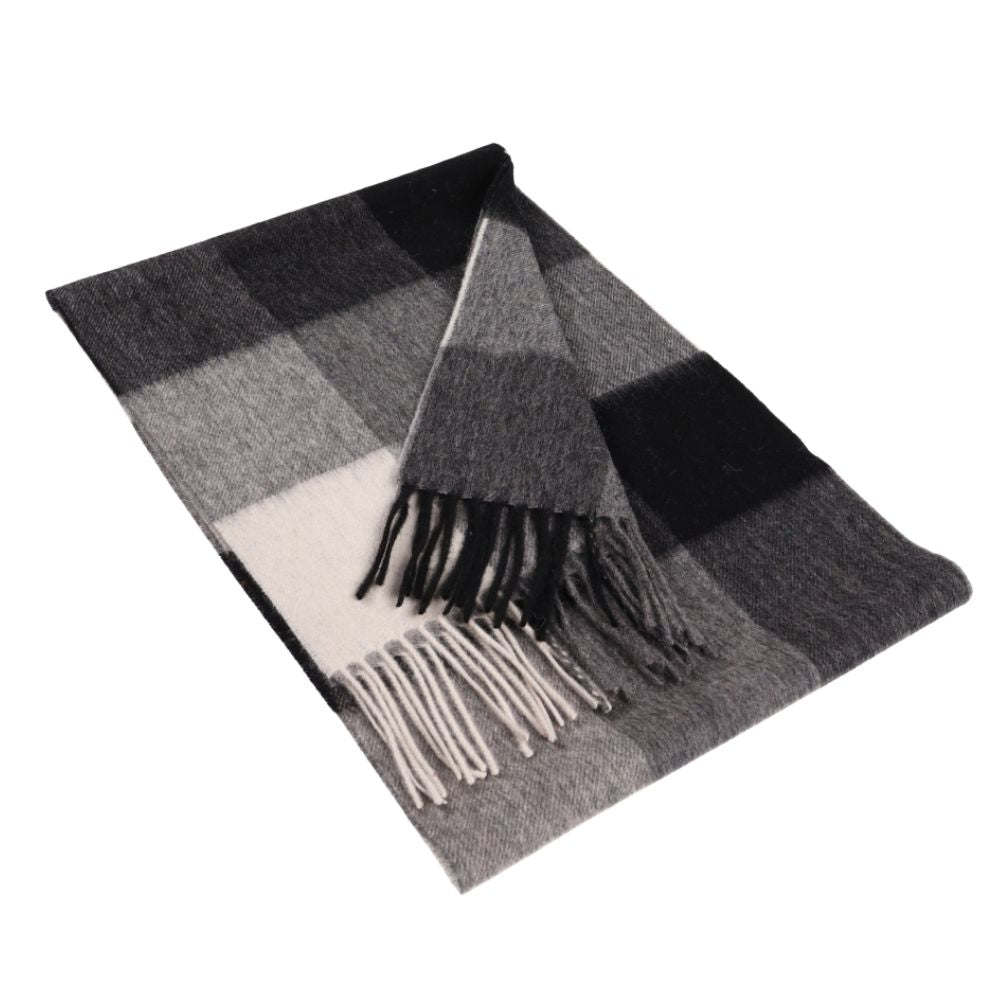
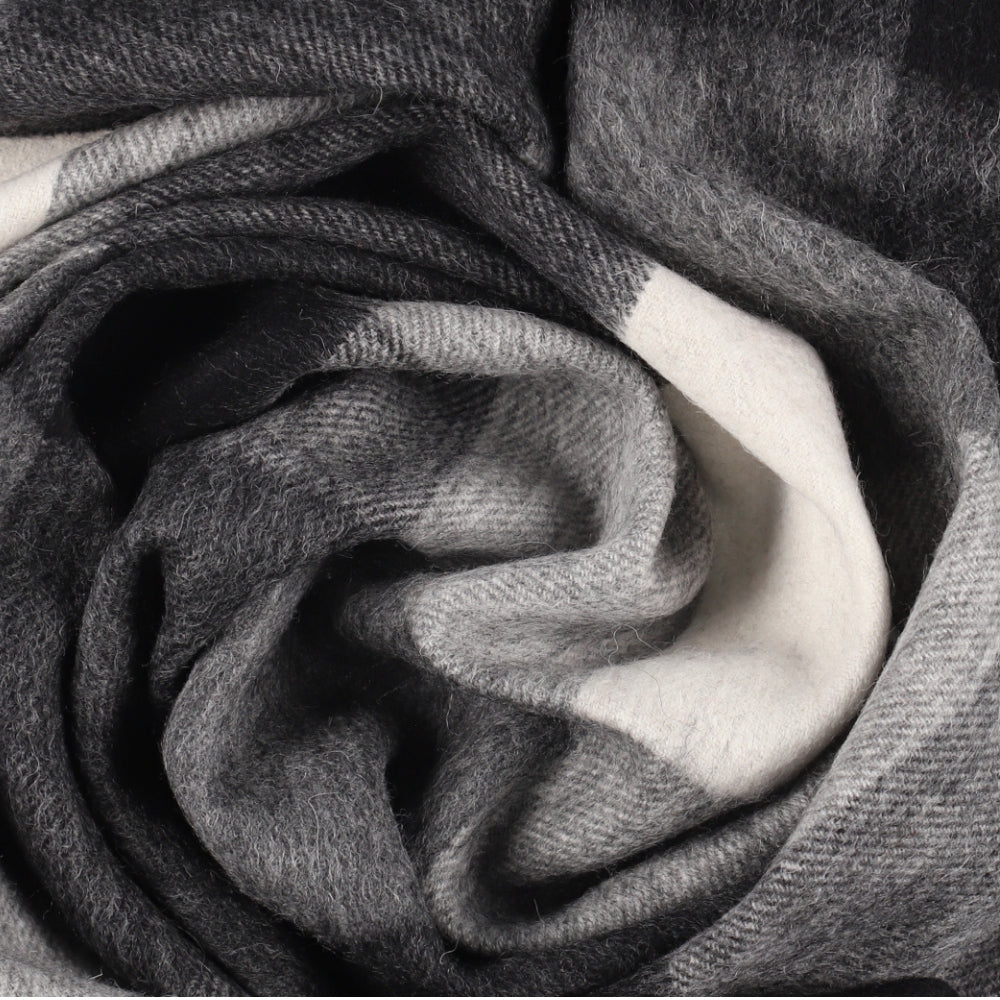
180×30 cm / 71×12 in
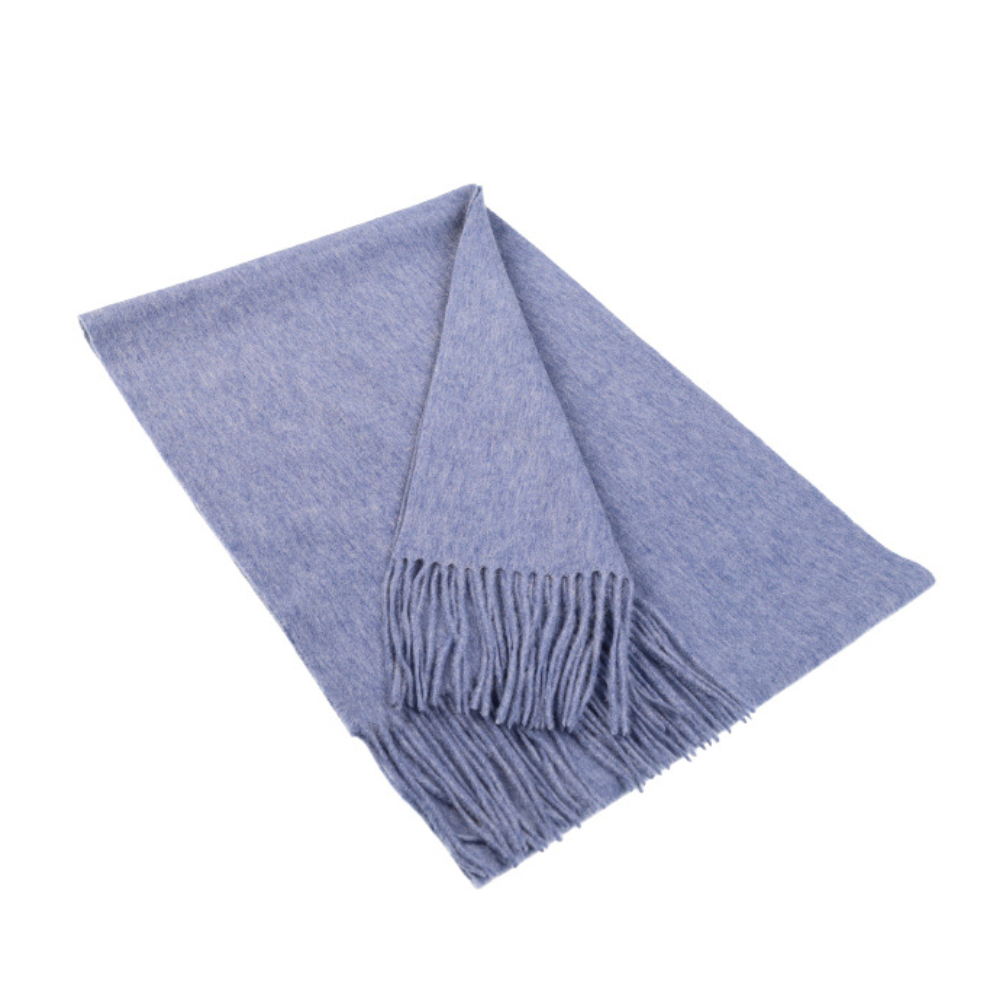
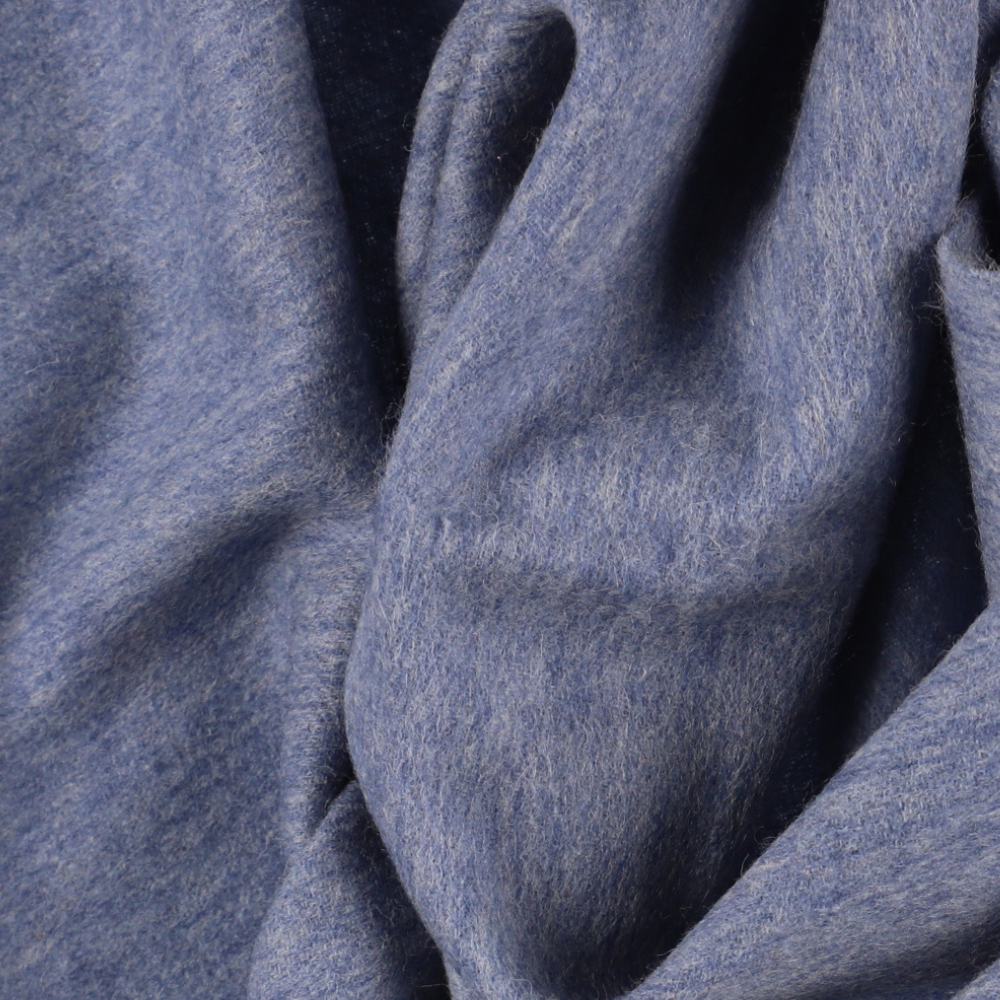
200×35 cm / 79×14 in
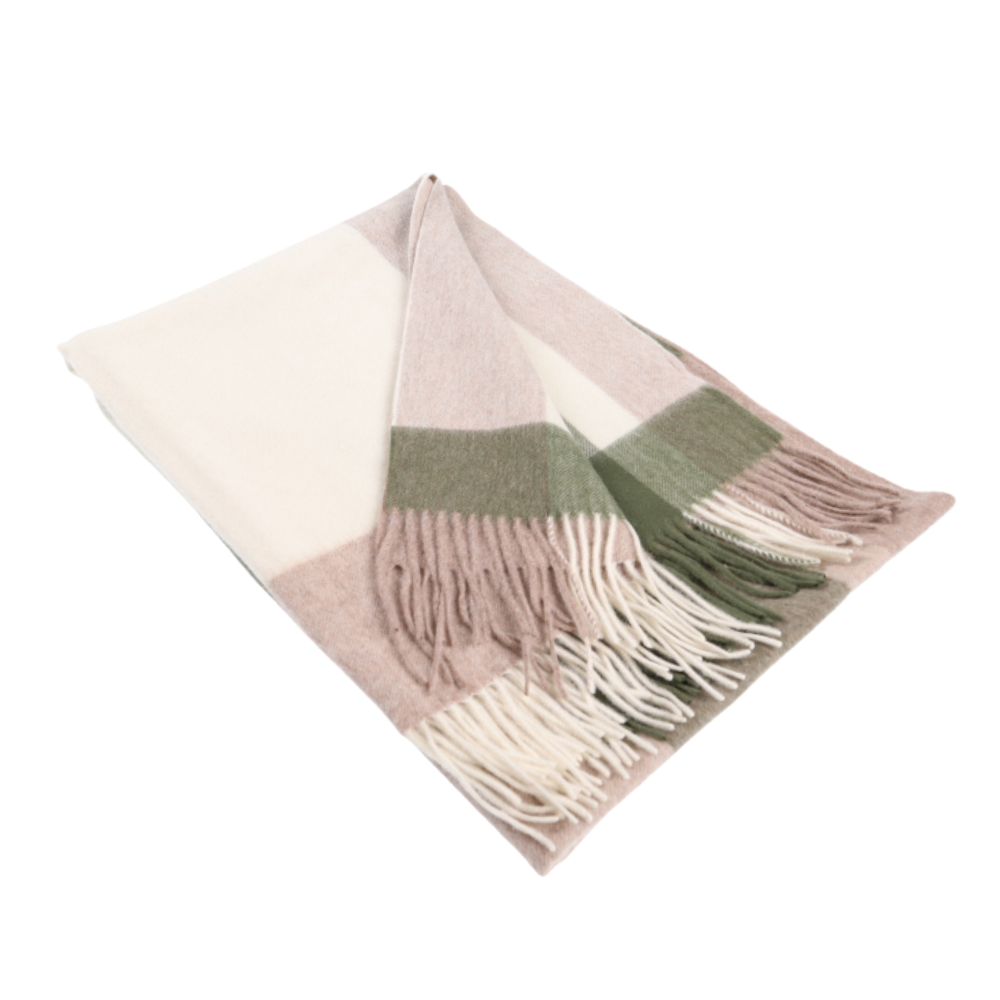
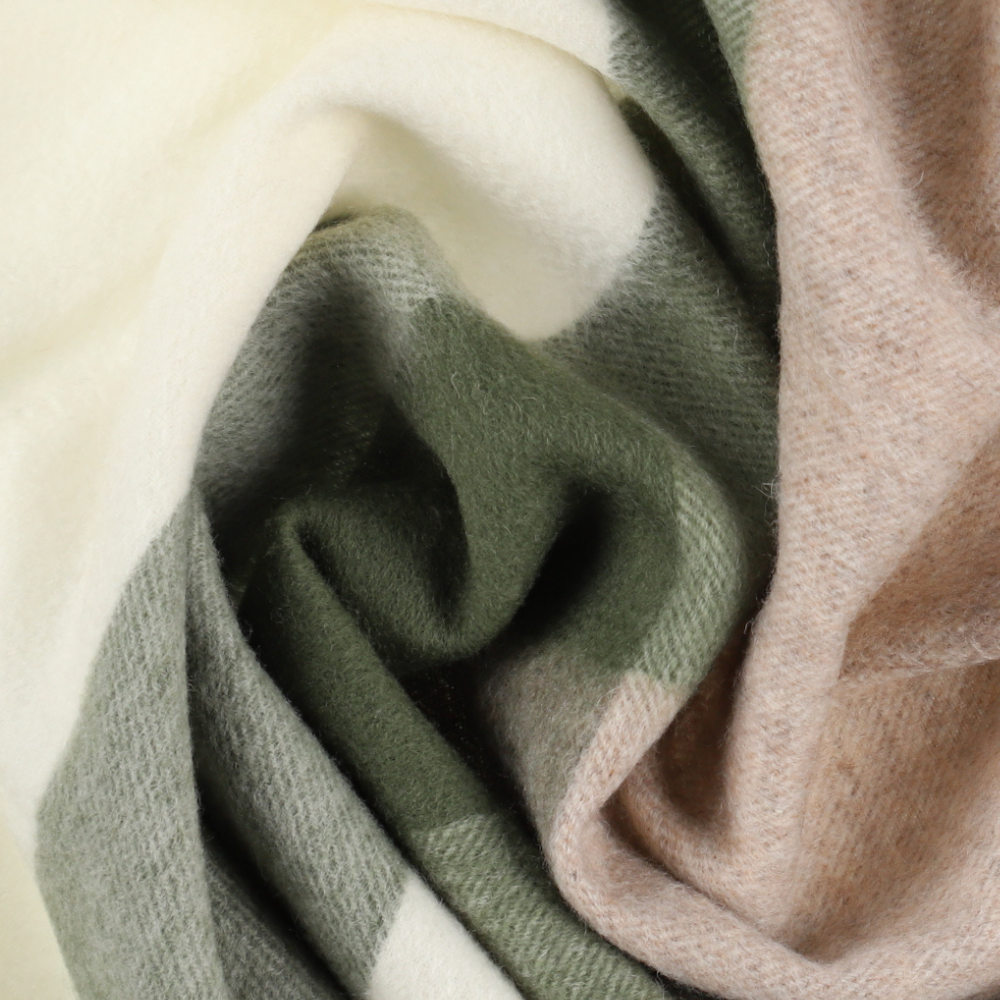
200×70 cm / 79×28 in
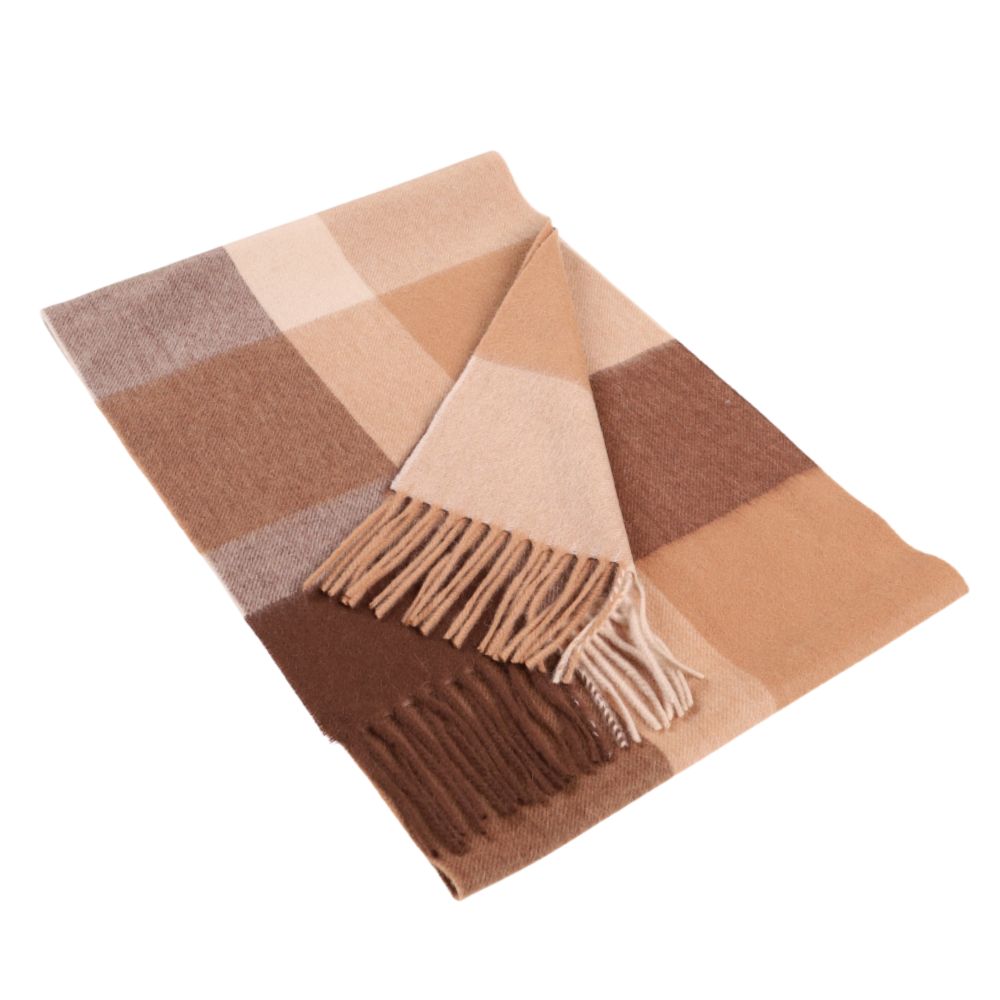
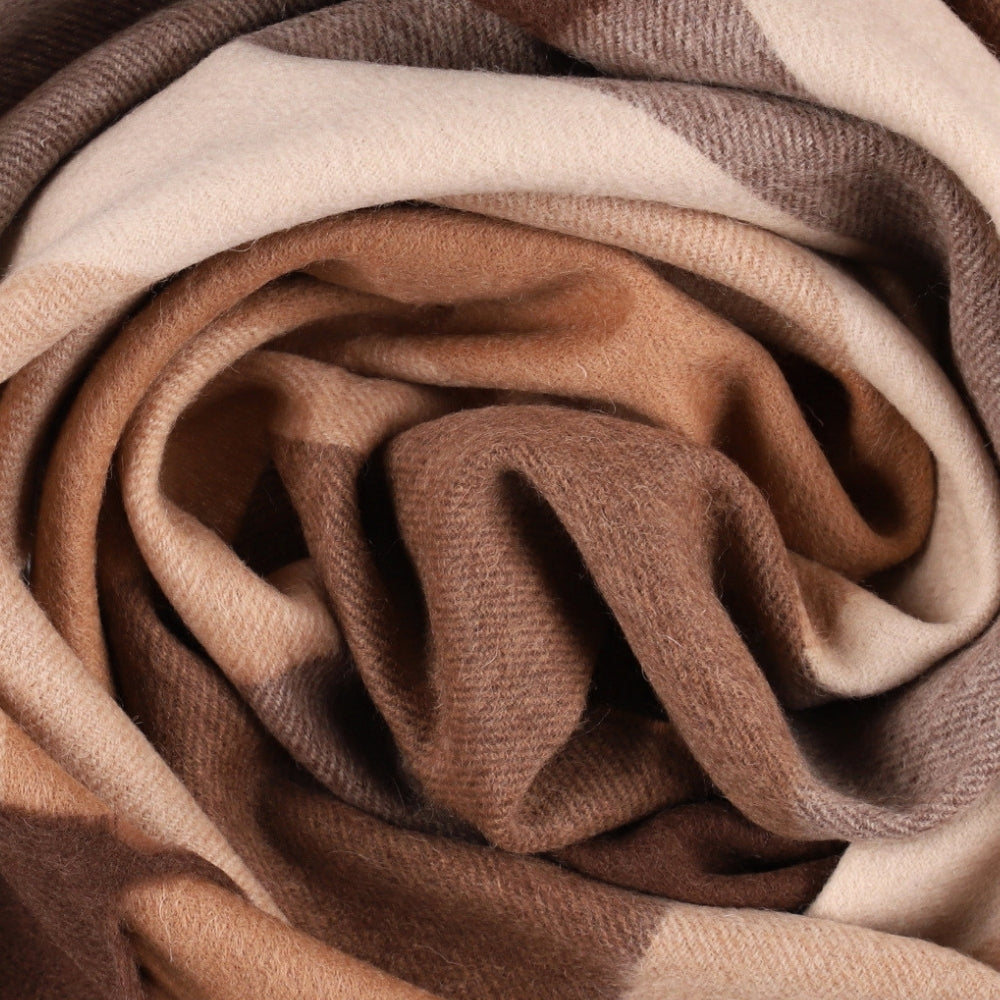
180×30 cm / 71×12 in
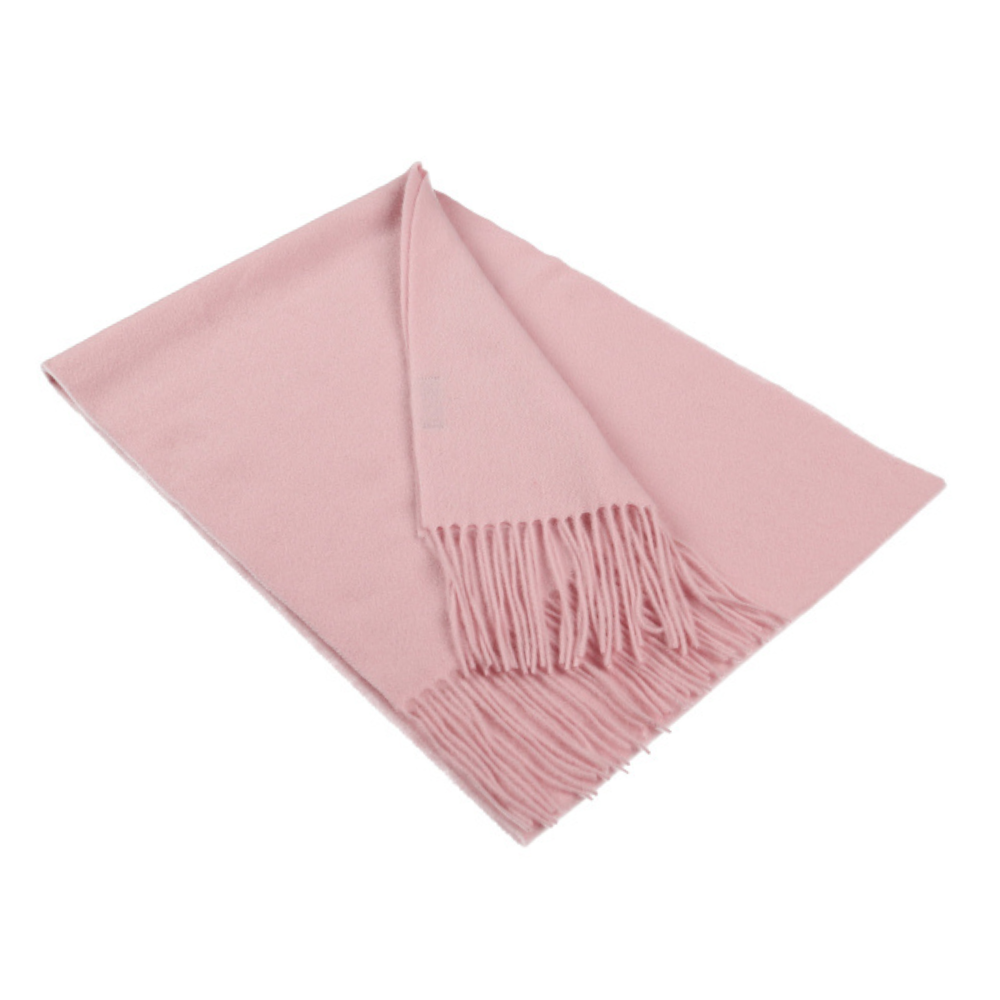
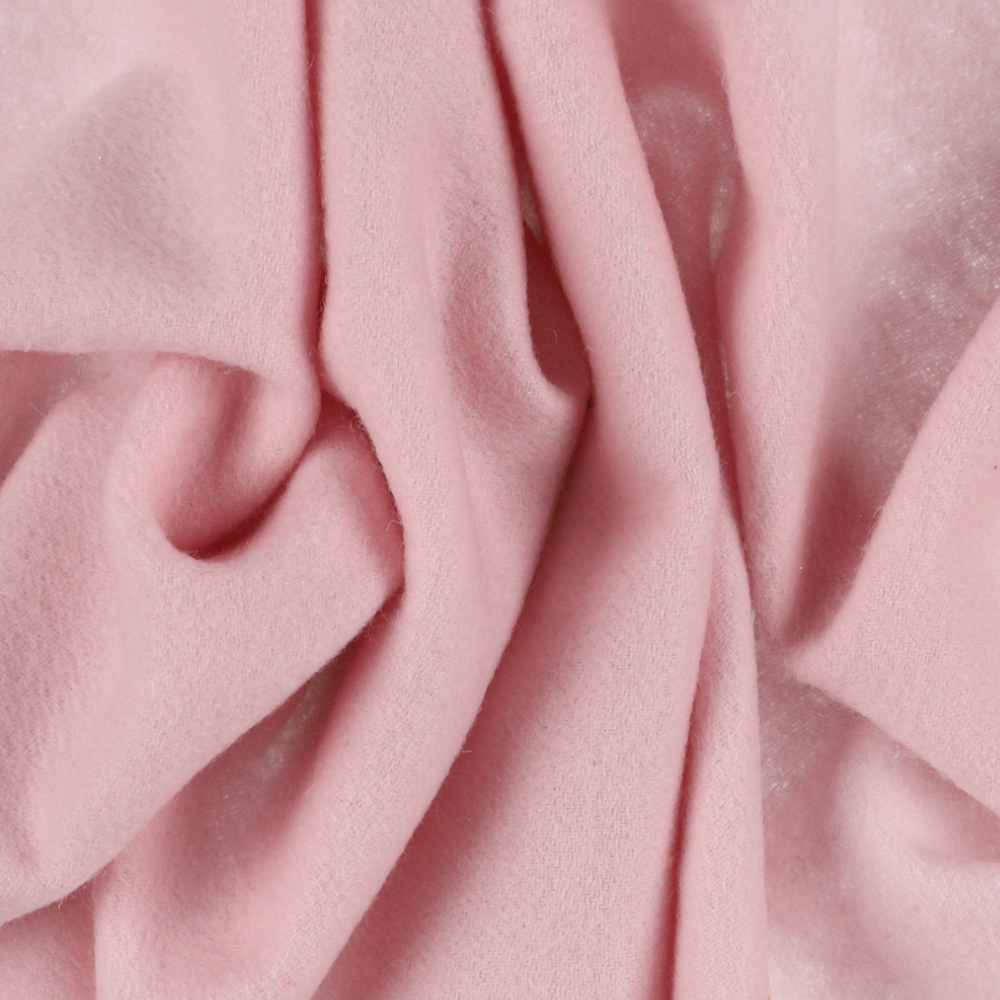
200×35 cm / 79×14 in
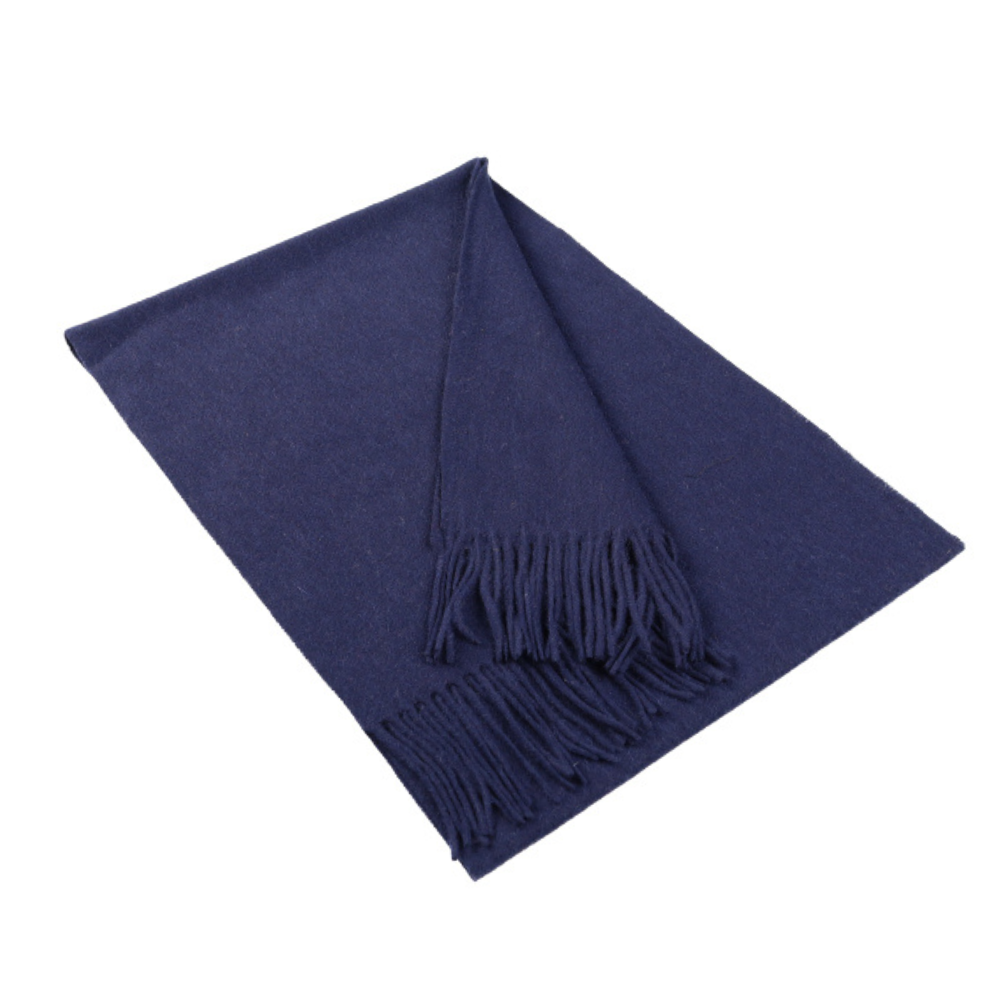
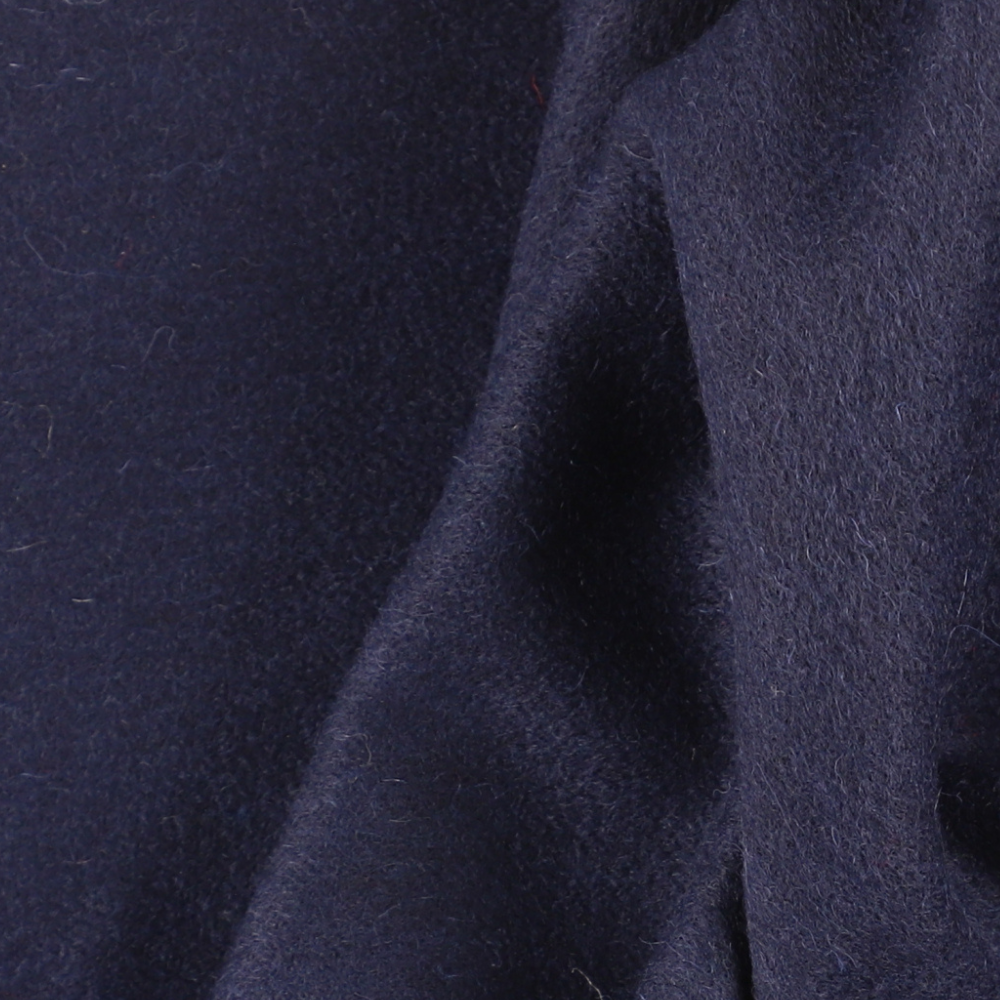
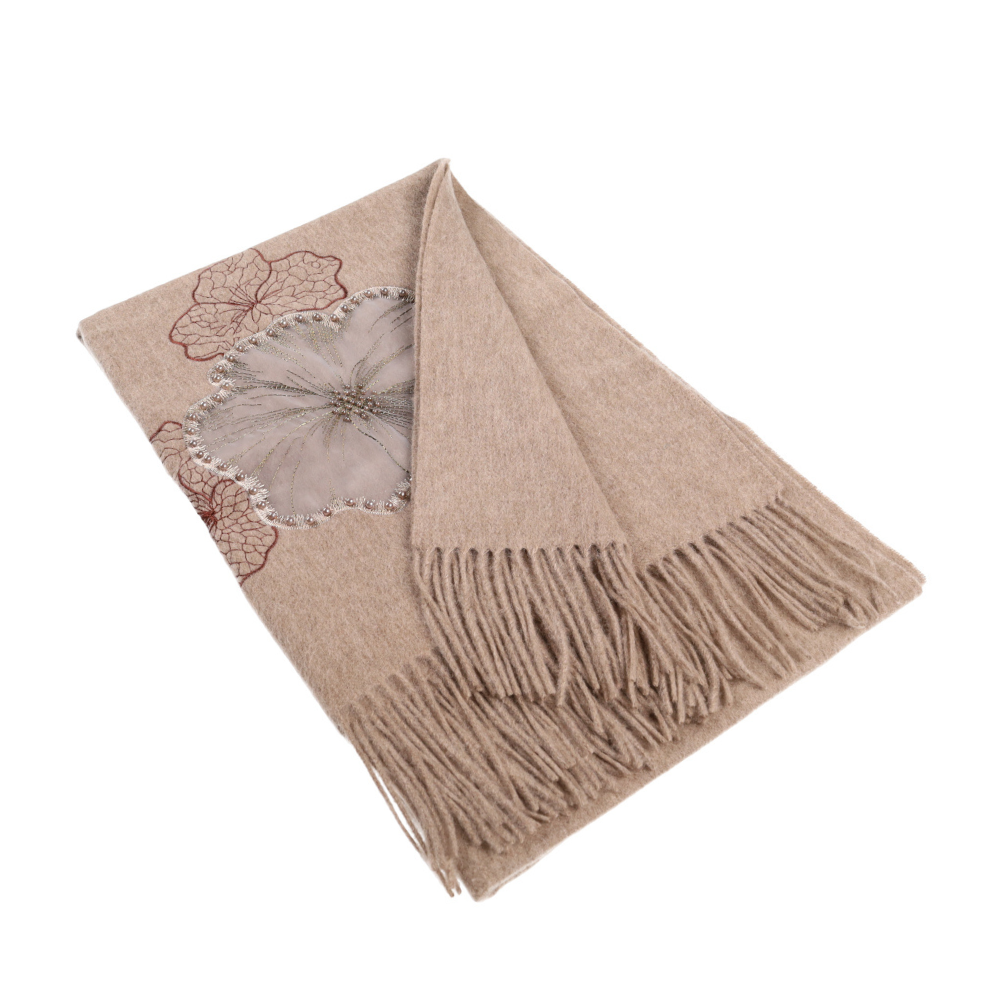
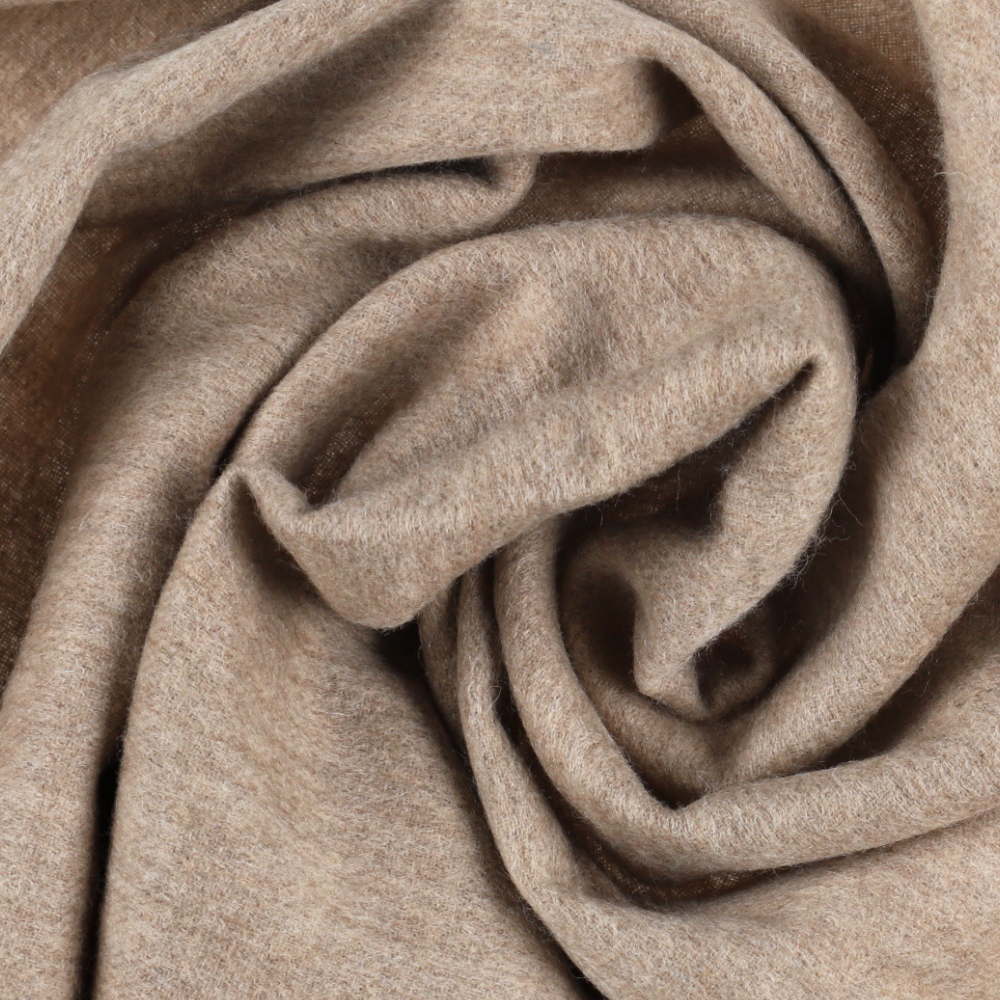
200×60 cm / 79×24 in
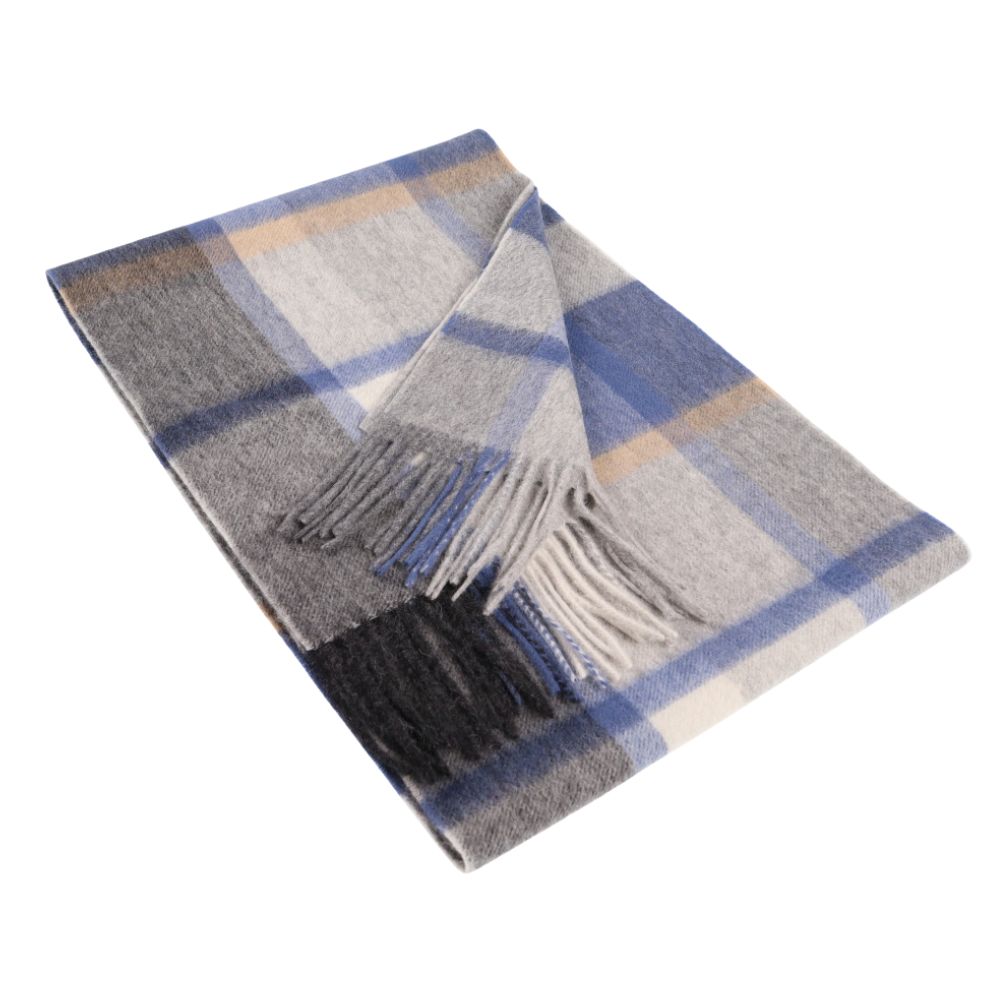
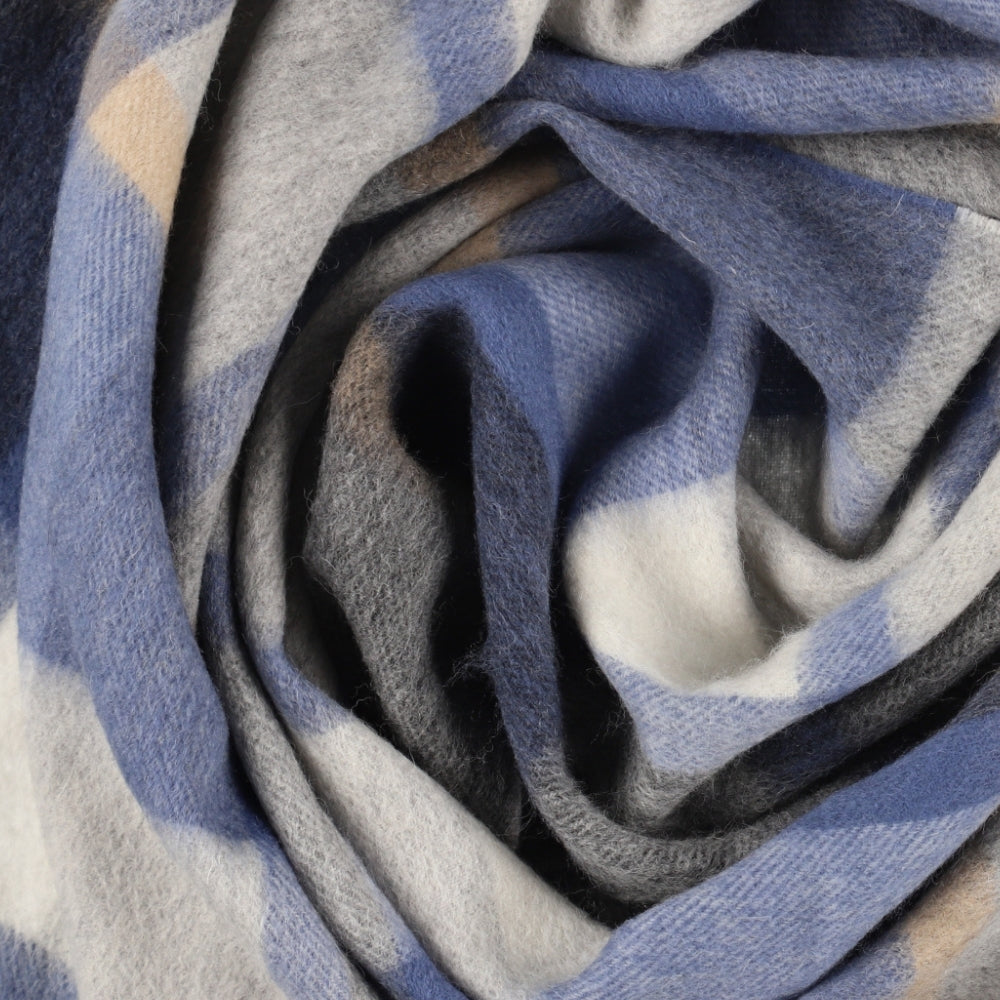
180×30 cm / 71×12 in
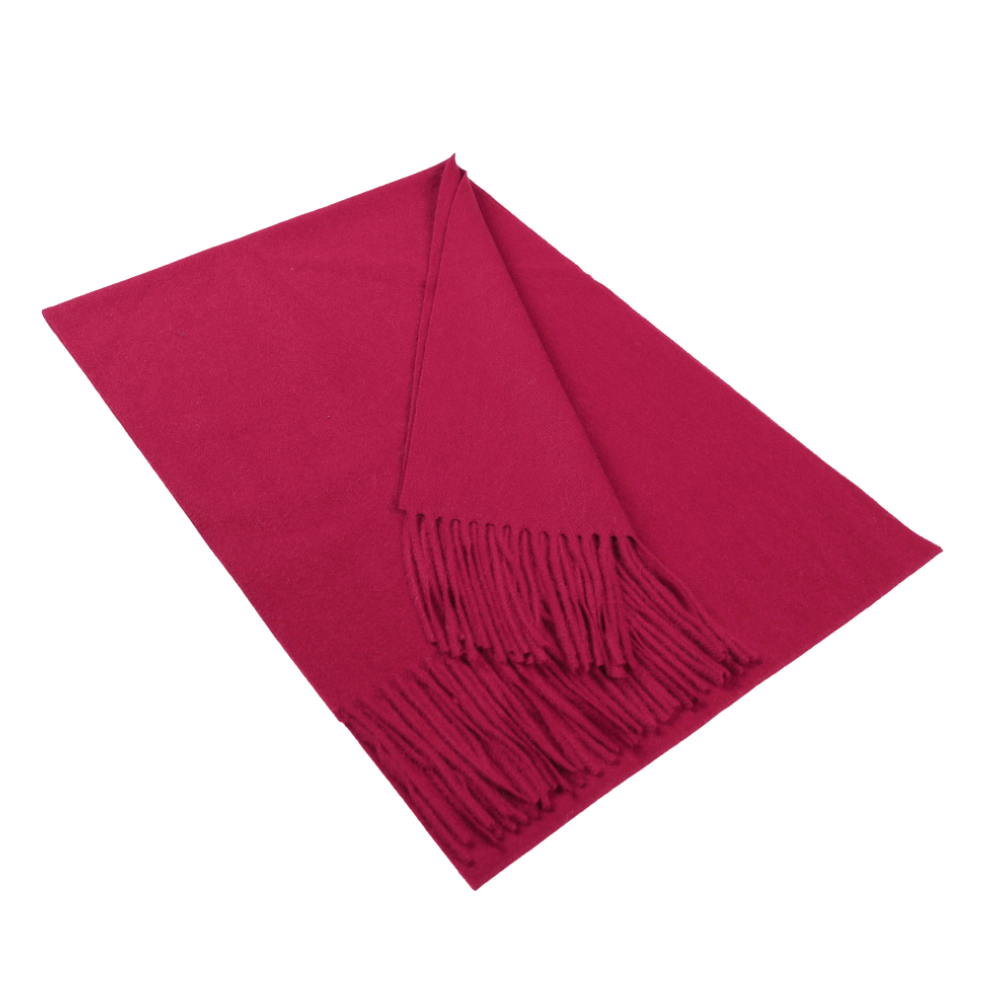
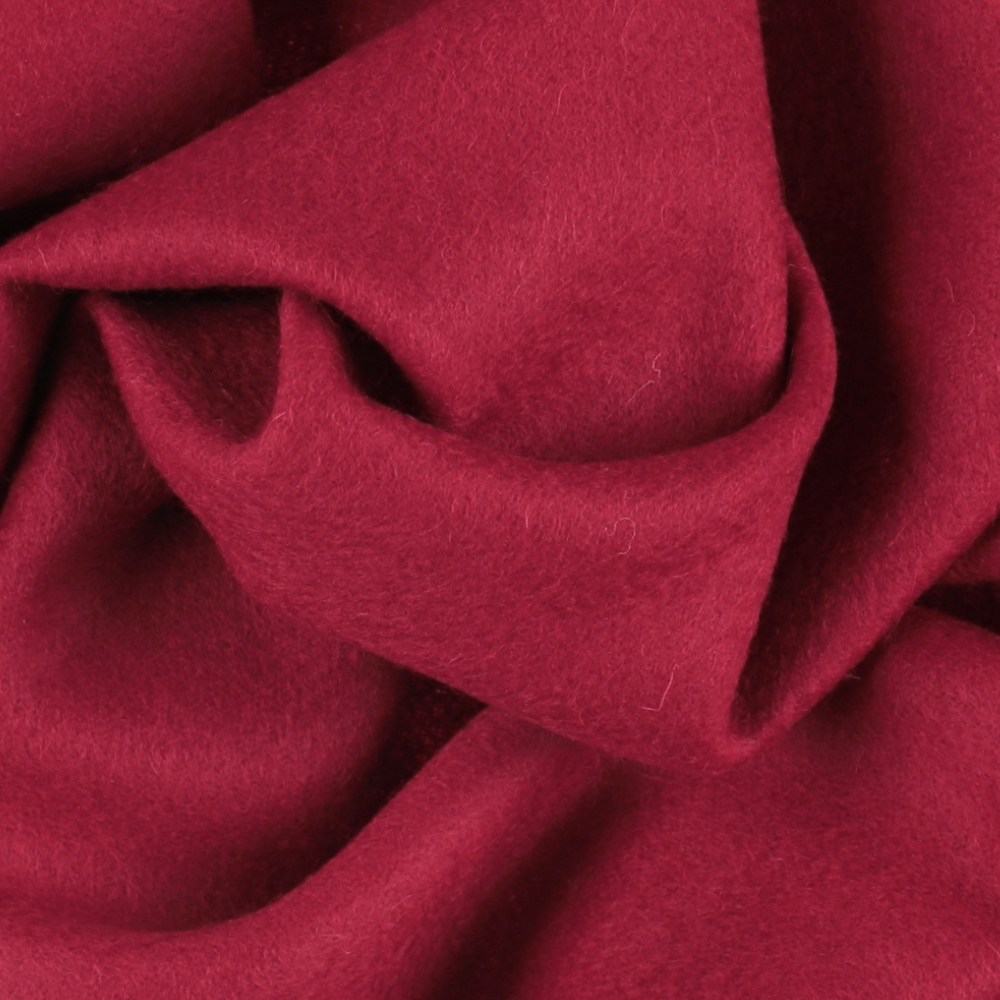
200×35 cm / 79×14 in
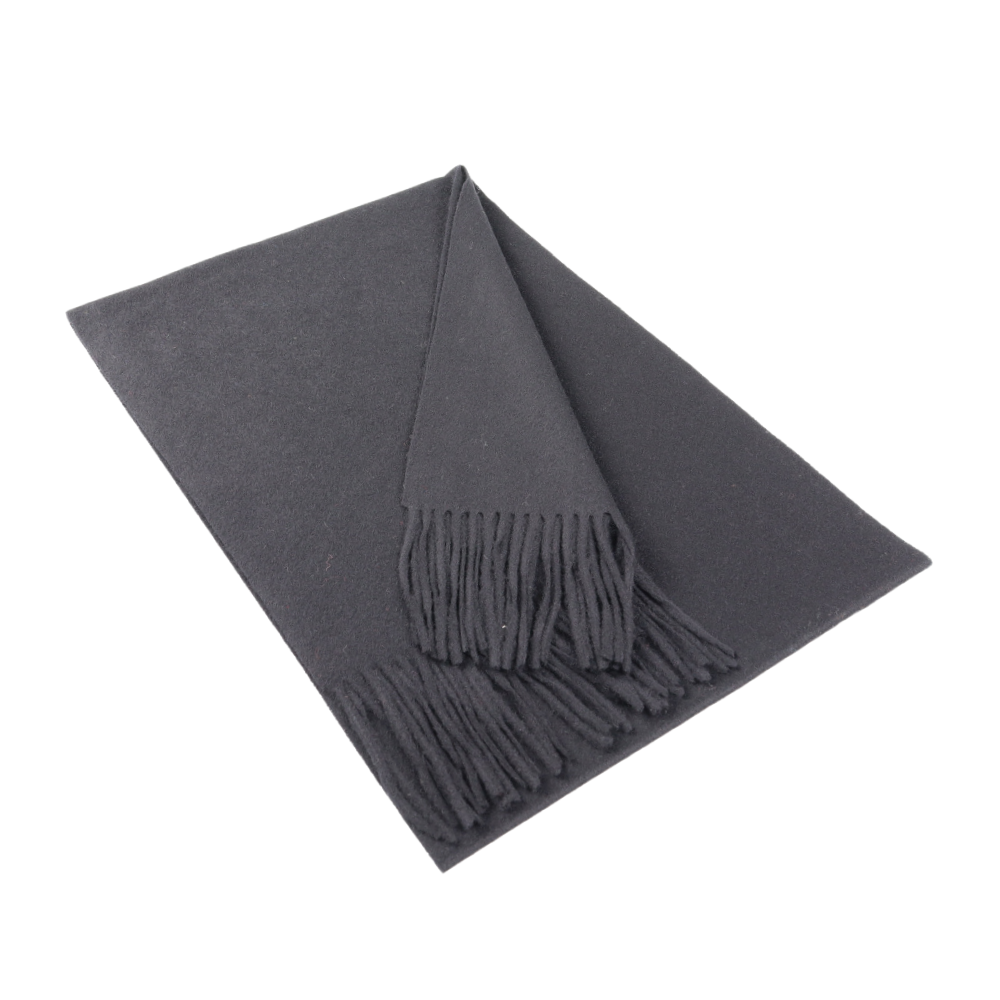
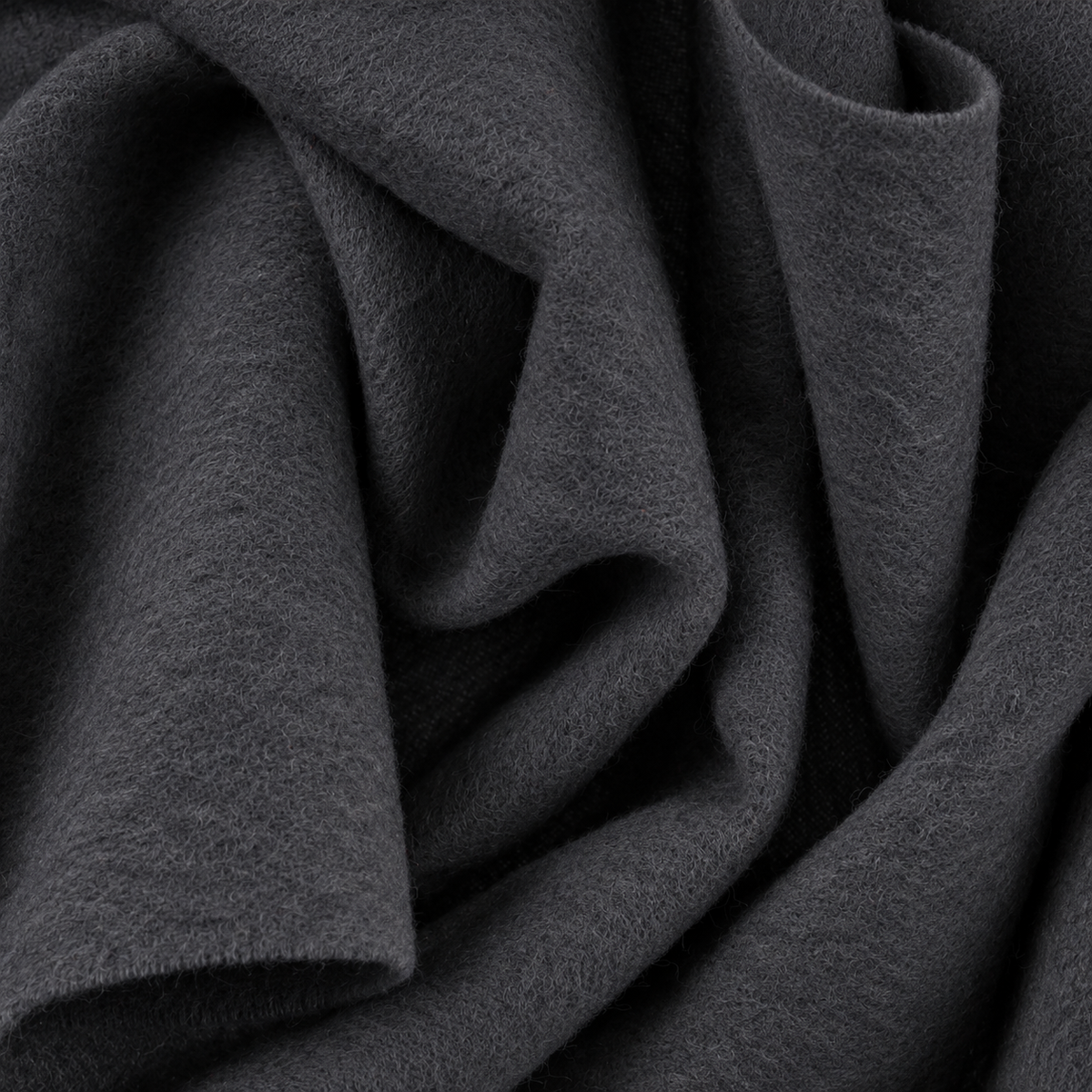
200×35 cm / 79×14 in
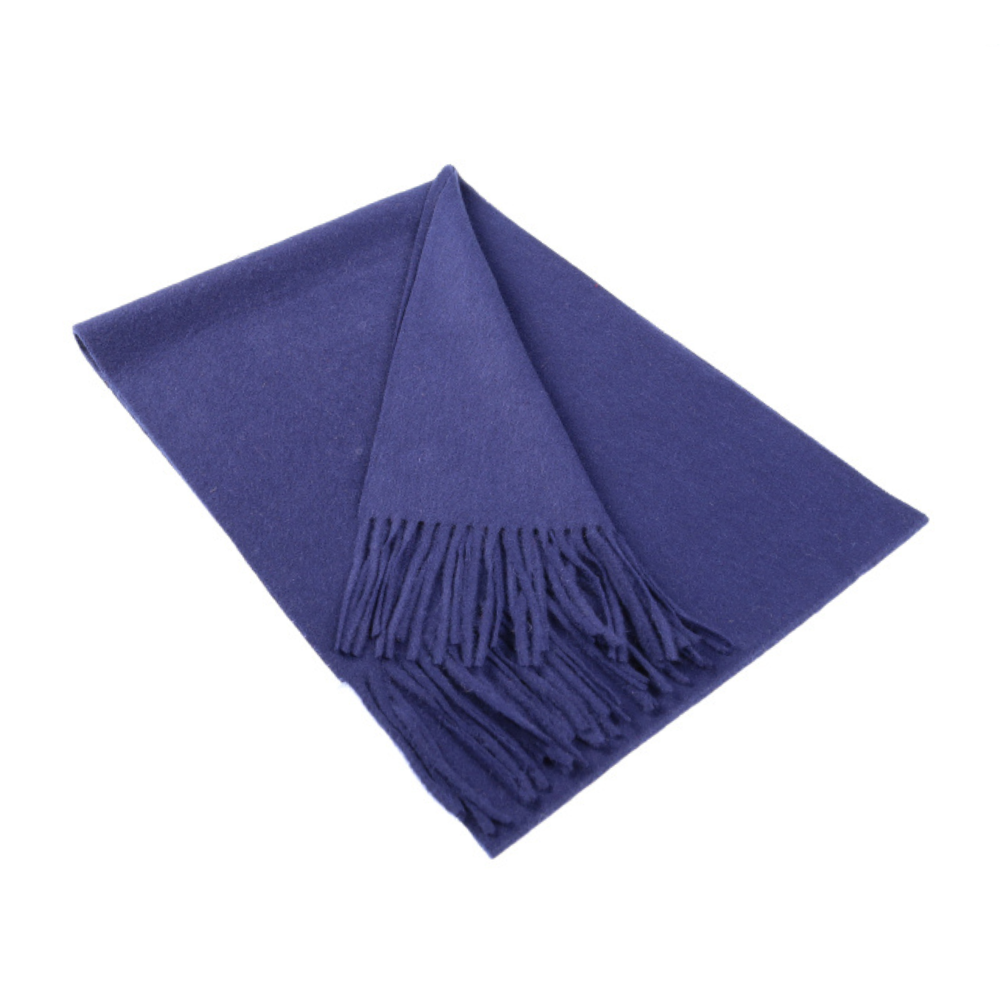
200×35 cm / 79×14 in
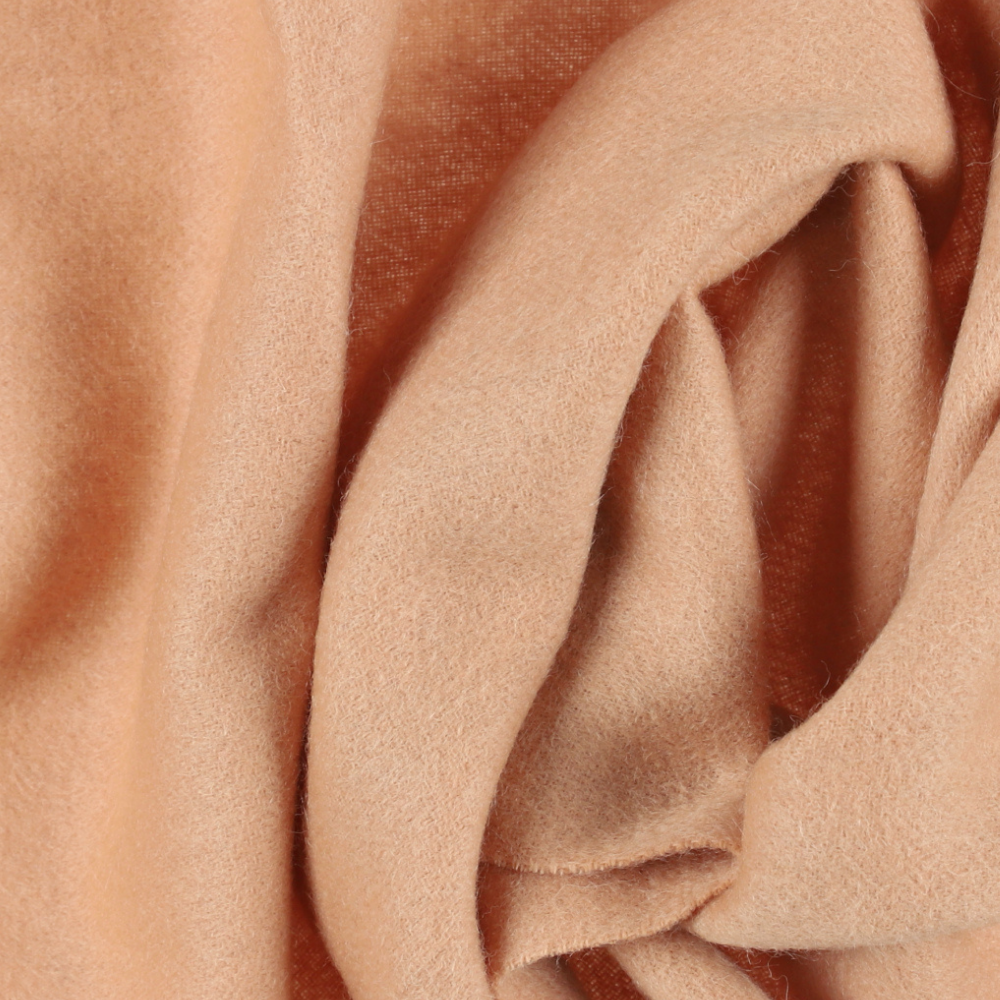
200×35 cm / 79×14 in
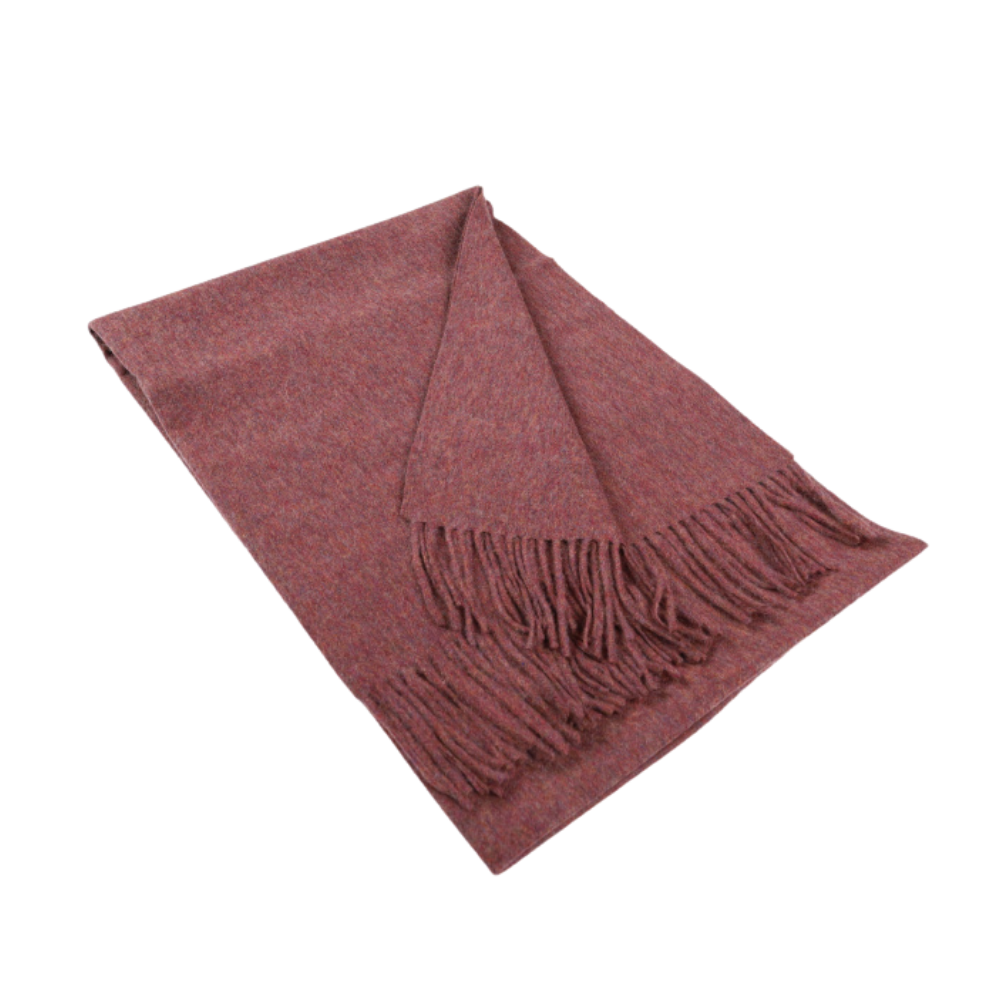
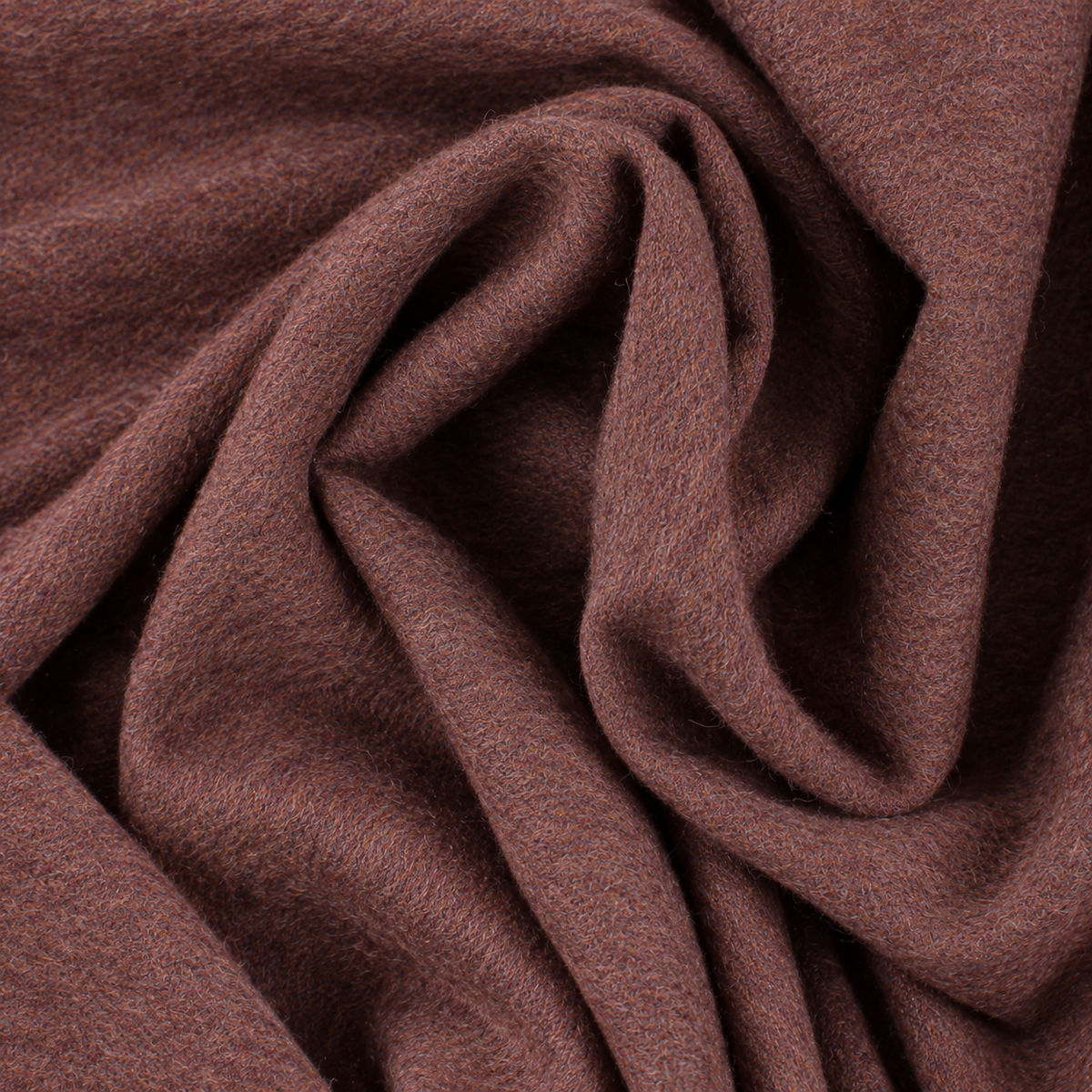
200×70 cm / 79×28 in
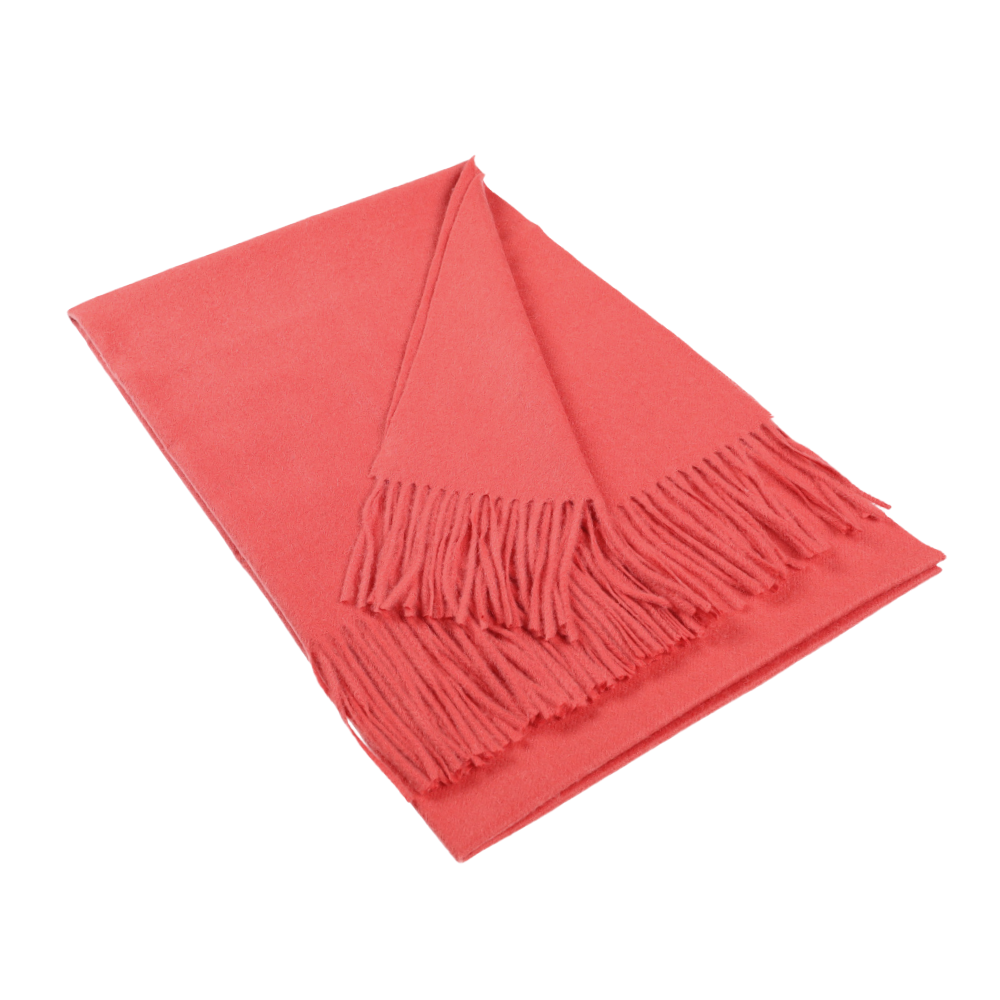
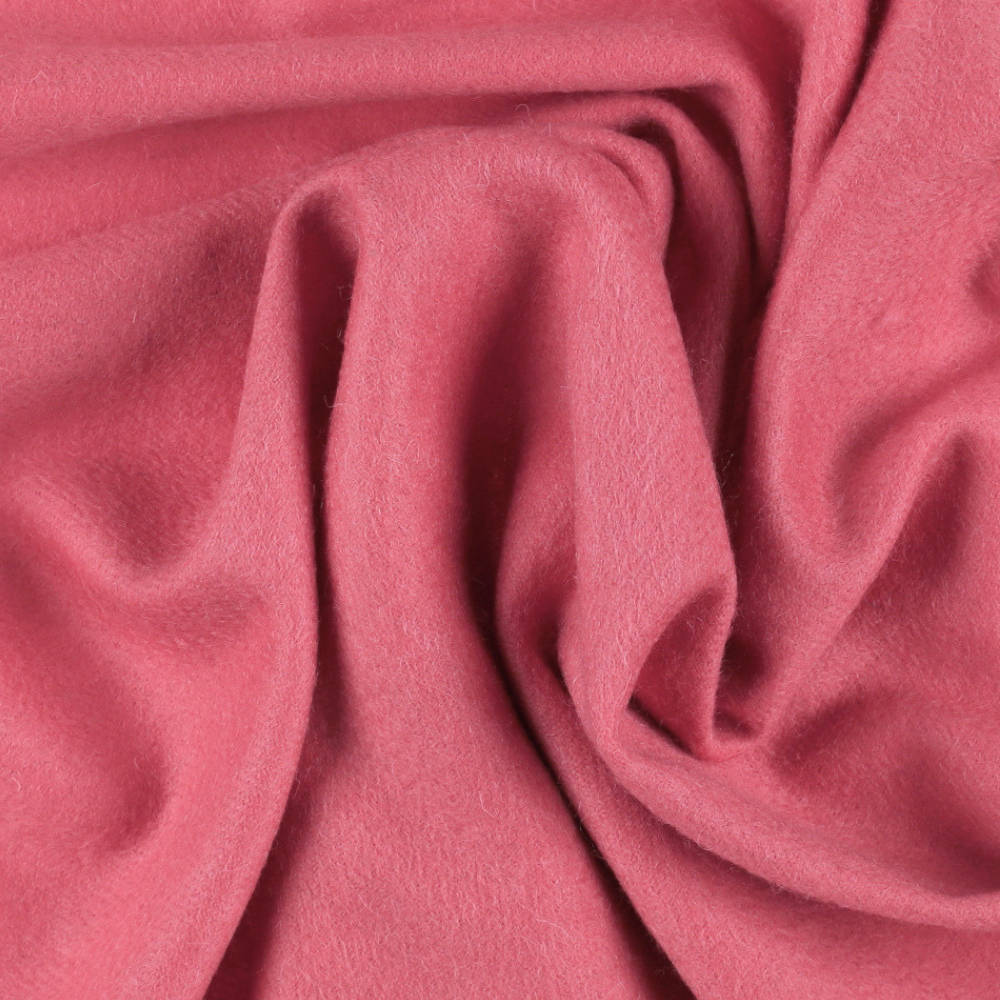
200×70 cm / 79×28 in
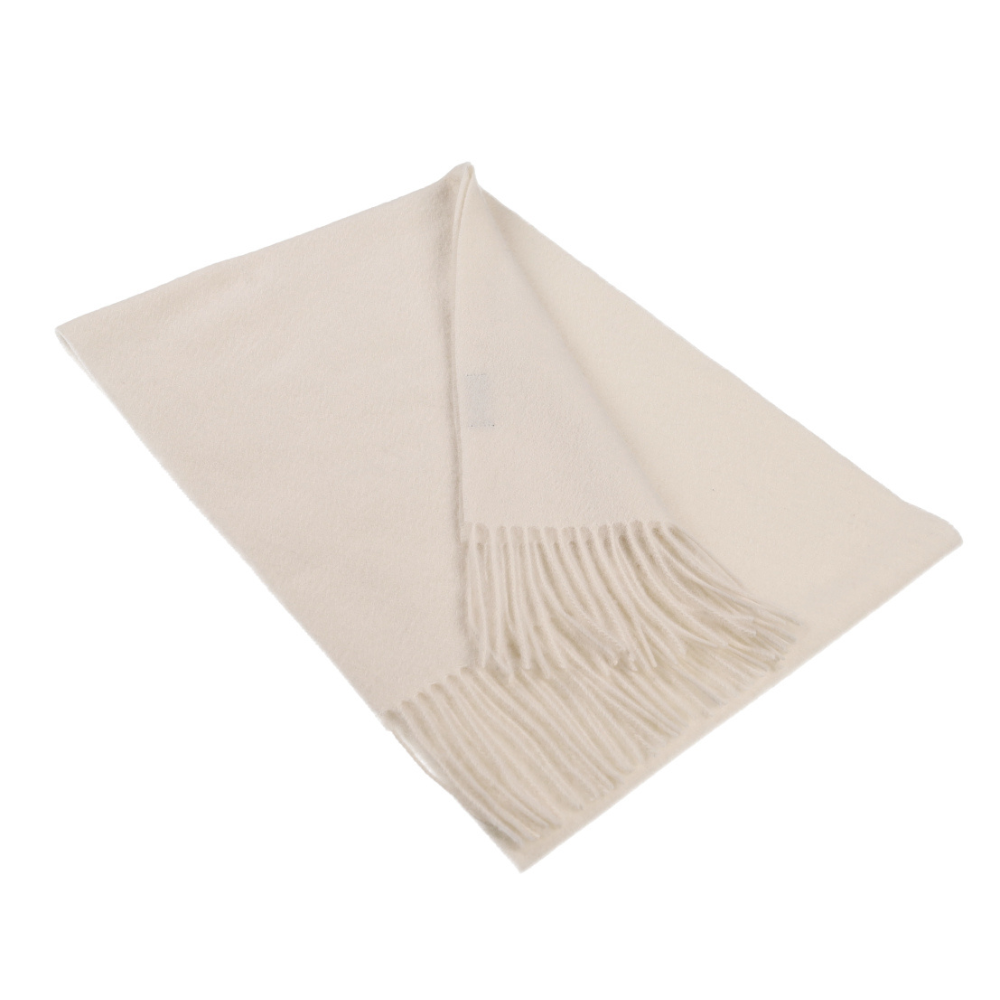
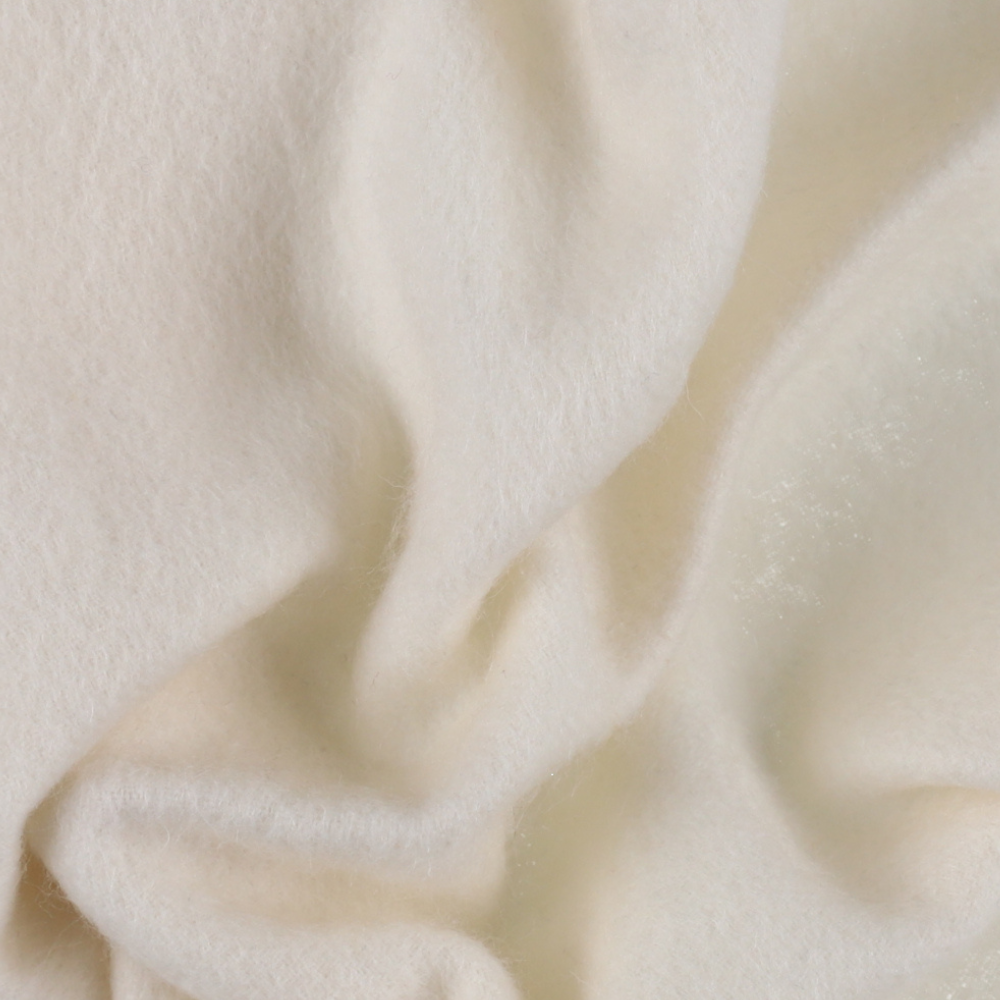
200×35 cm / 79×14 in
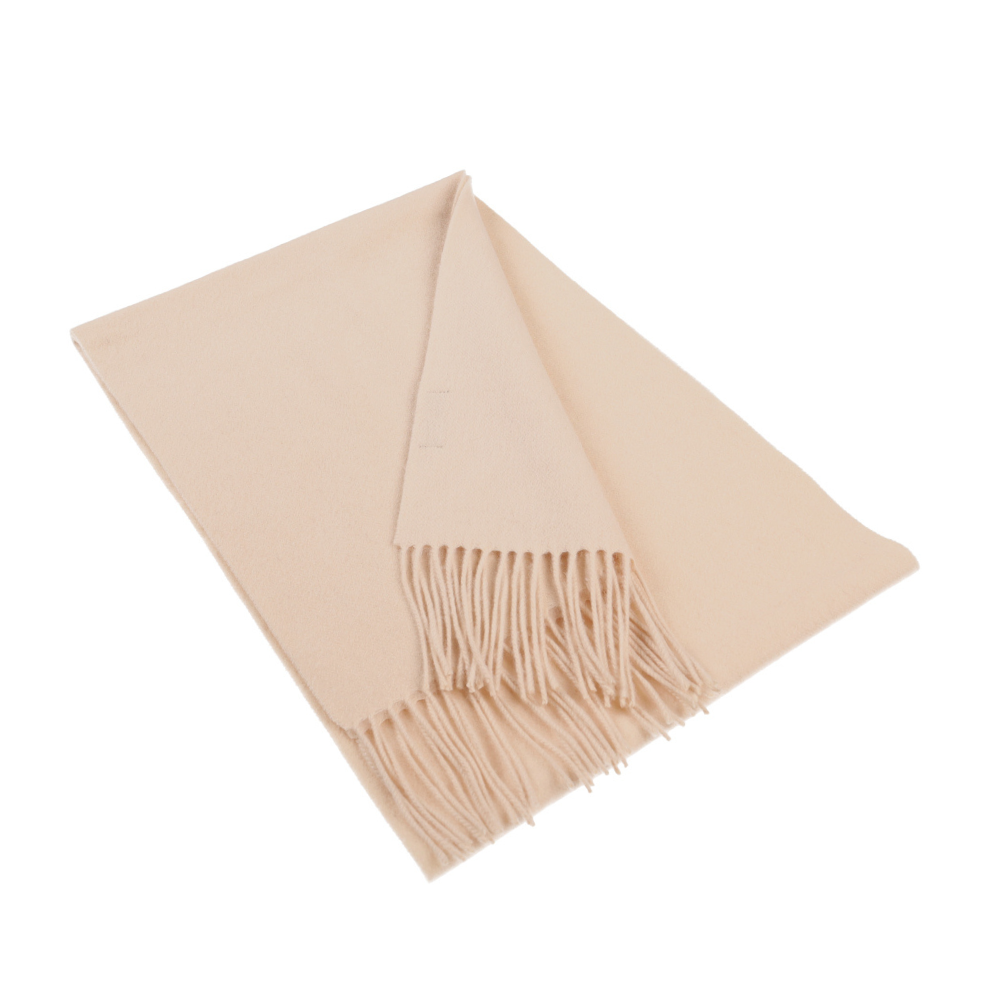
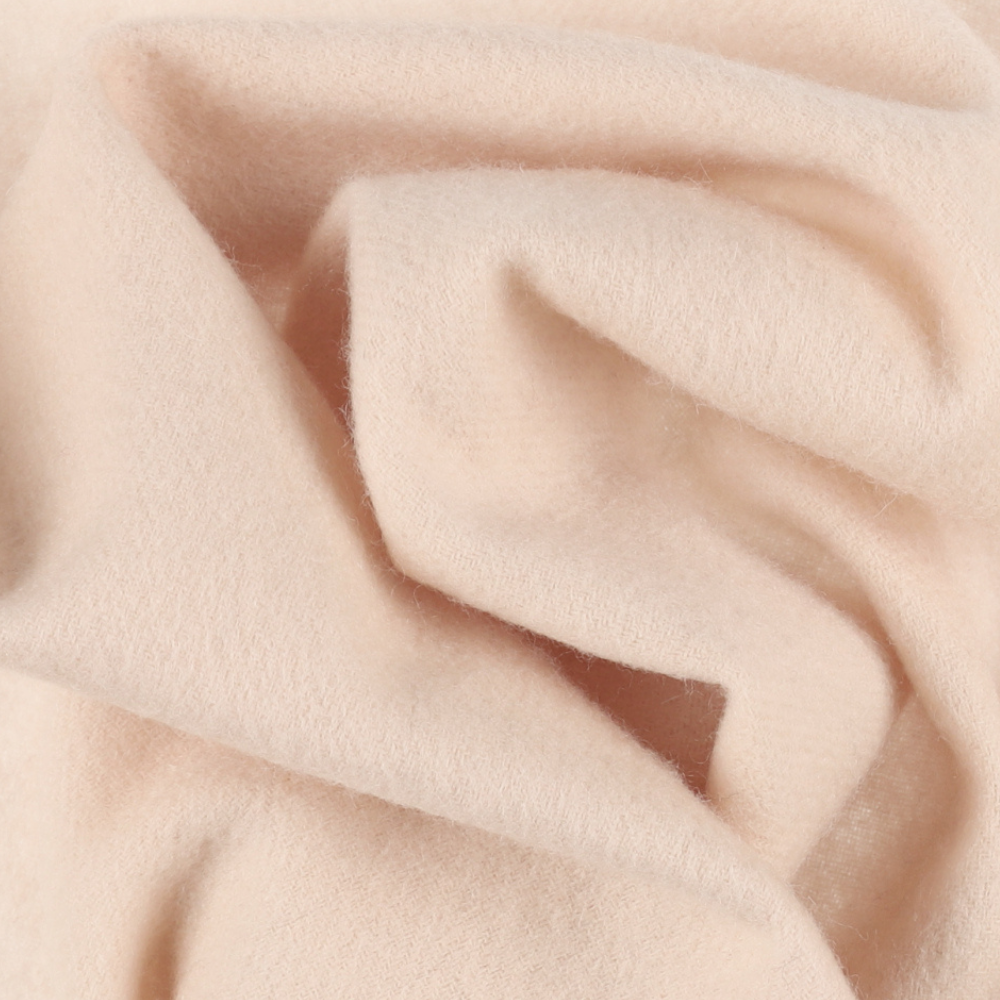
200×35 cm / 79×14 in
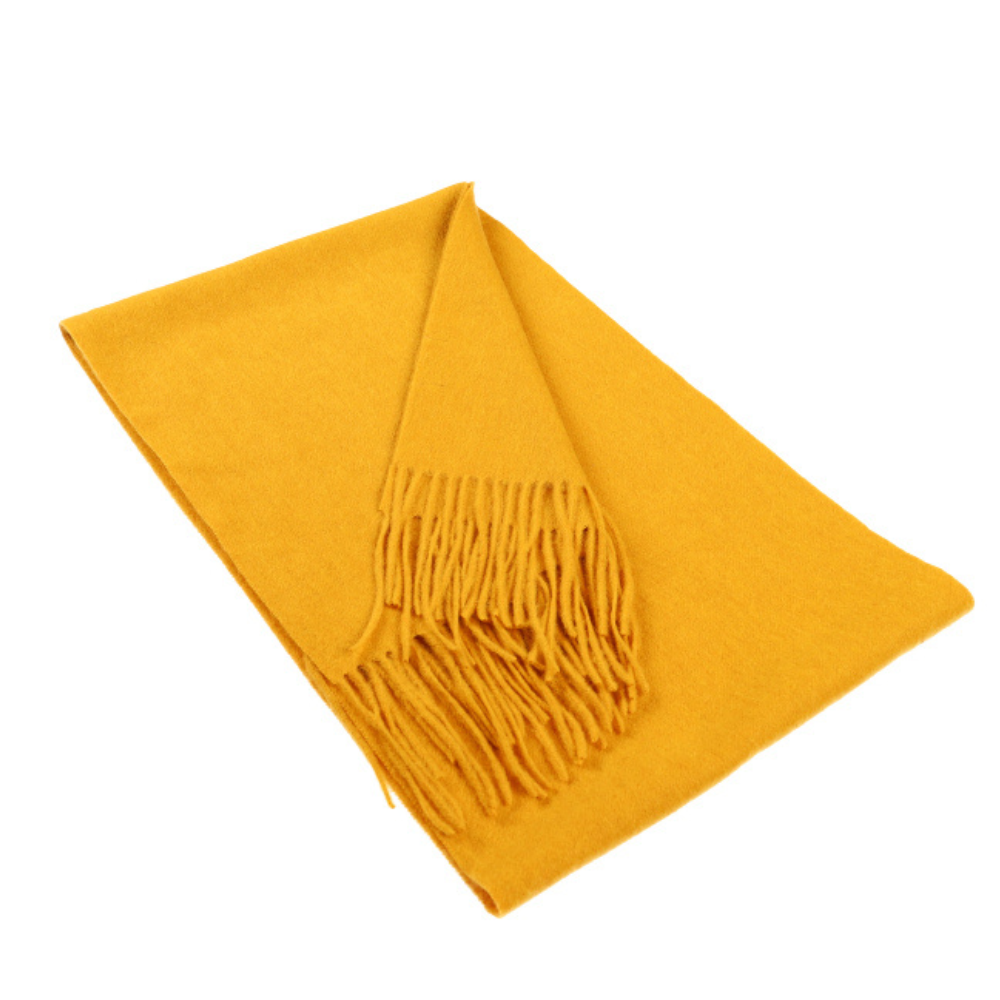
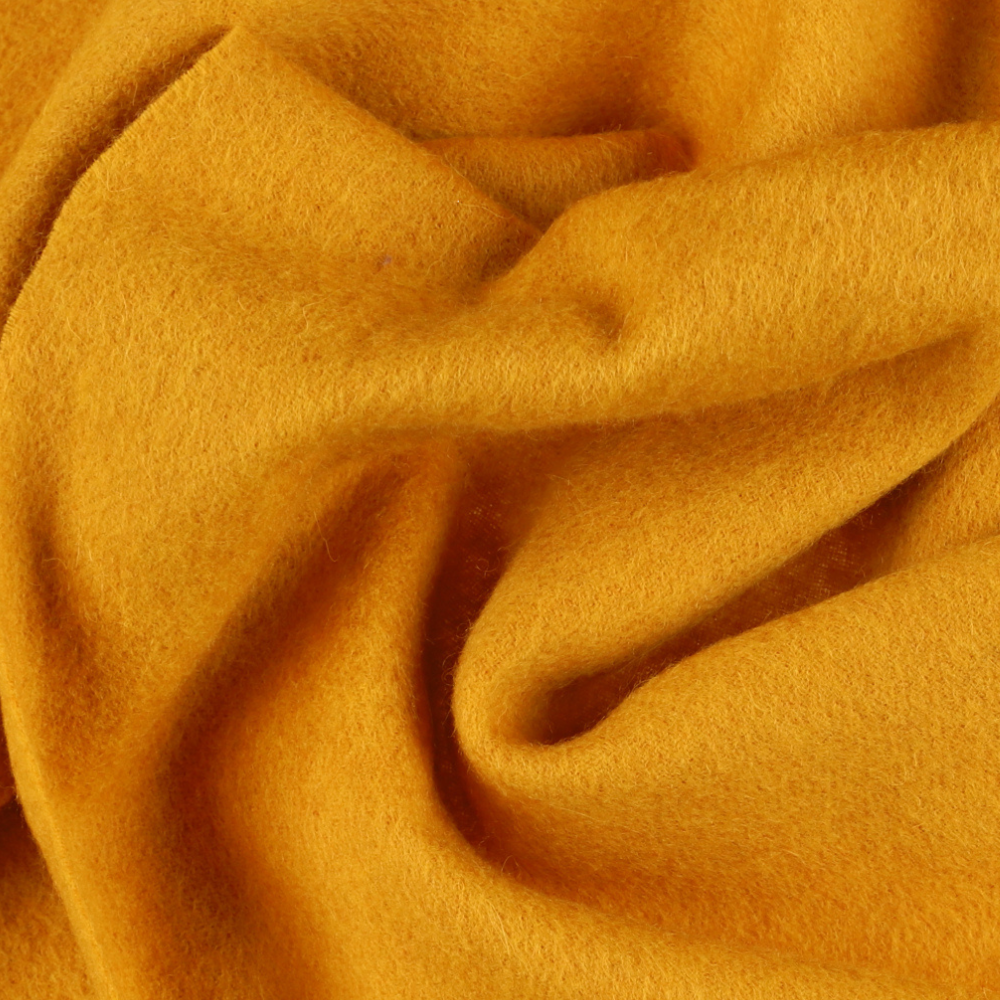
200×35 cm / 79×14 in
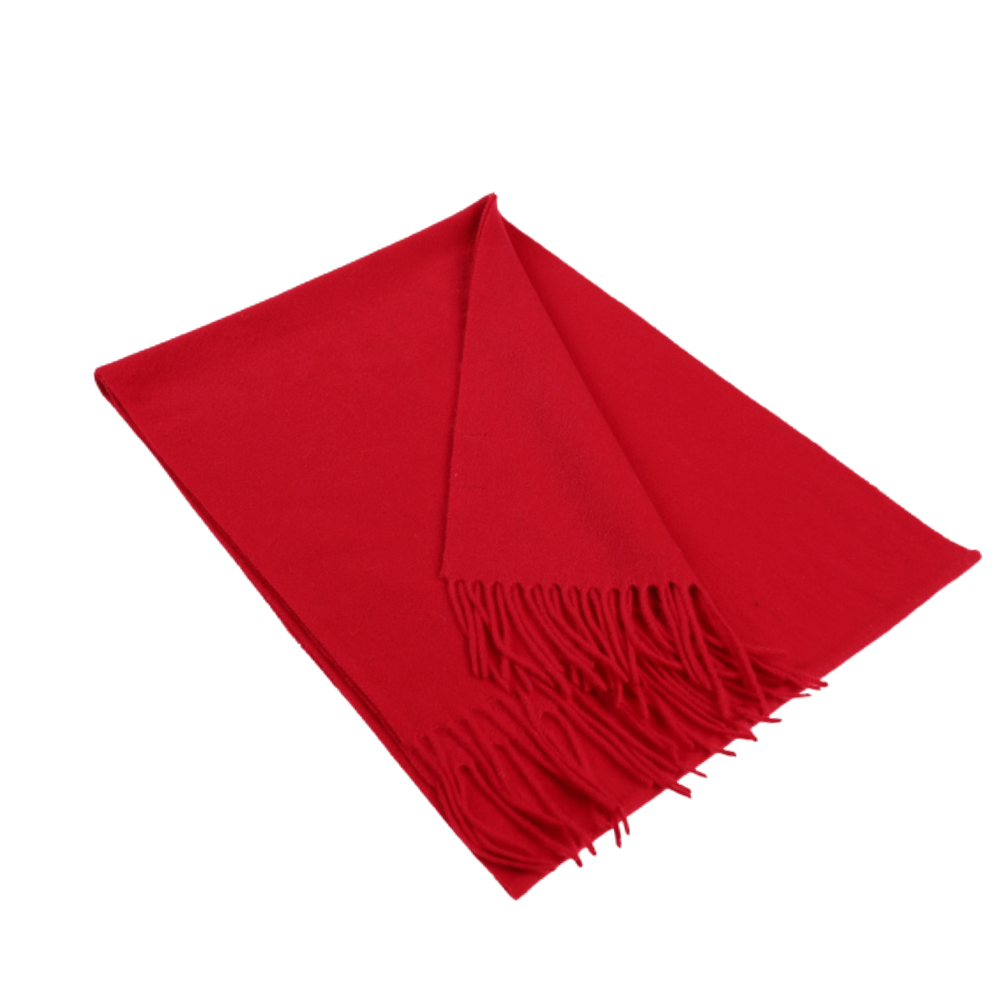
200×70 cm / 79×28 in
200×60 cm / 79×24 in
200×35 cm / 79×14 in
200×35 cm / 79×14 in
200×70 cm / 79×28 in
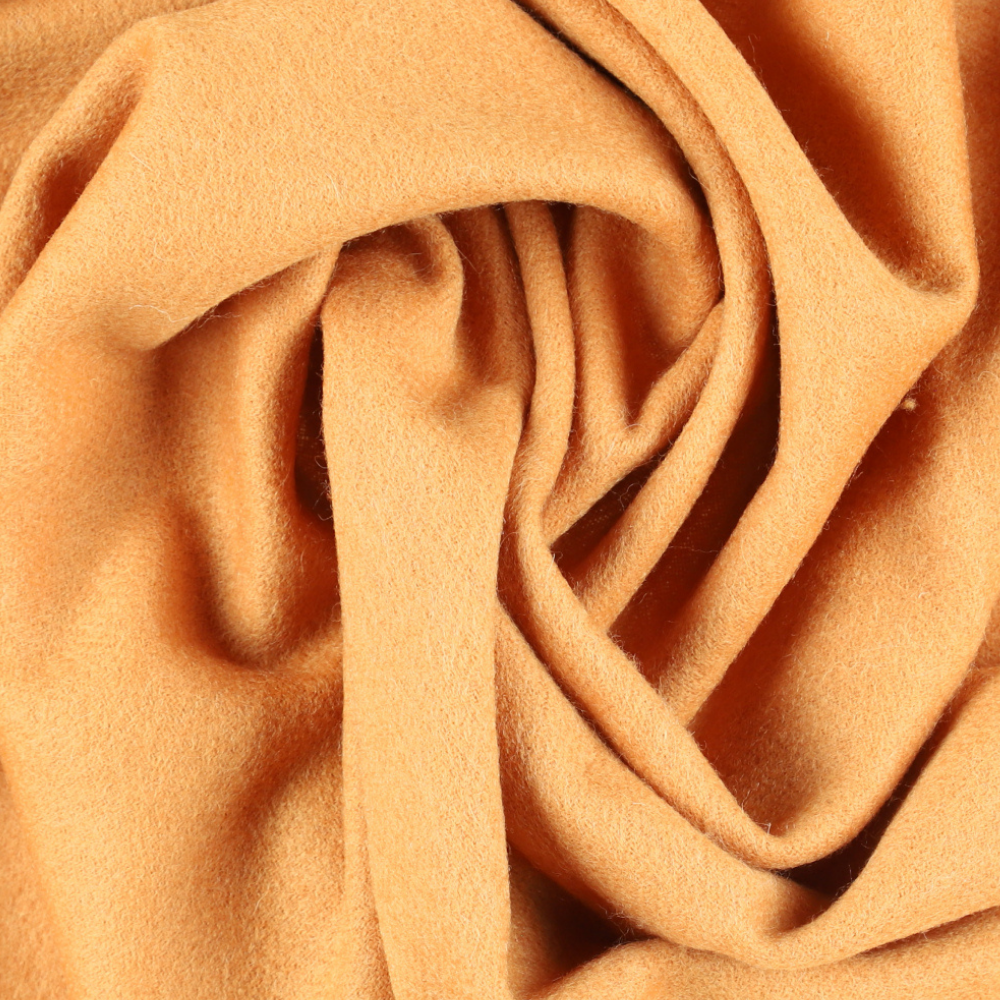
200×70 cm / 79×28 in
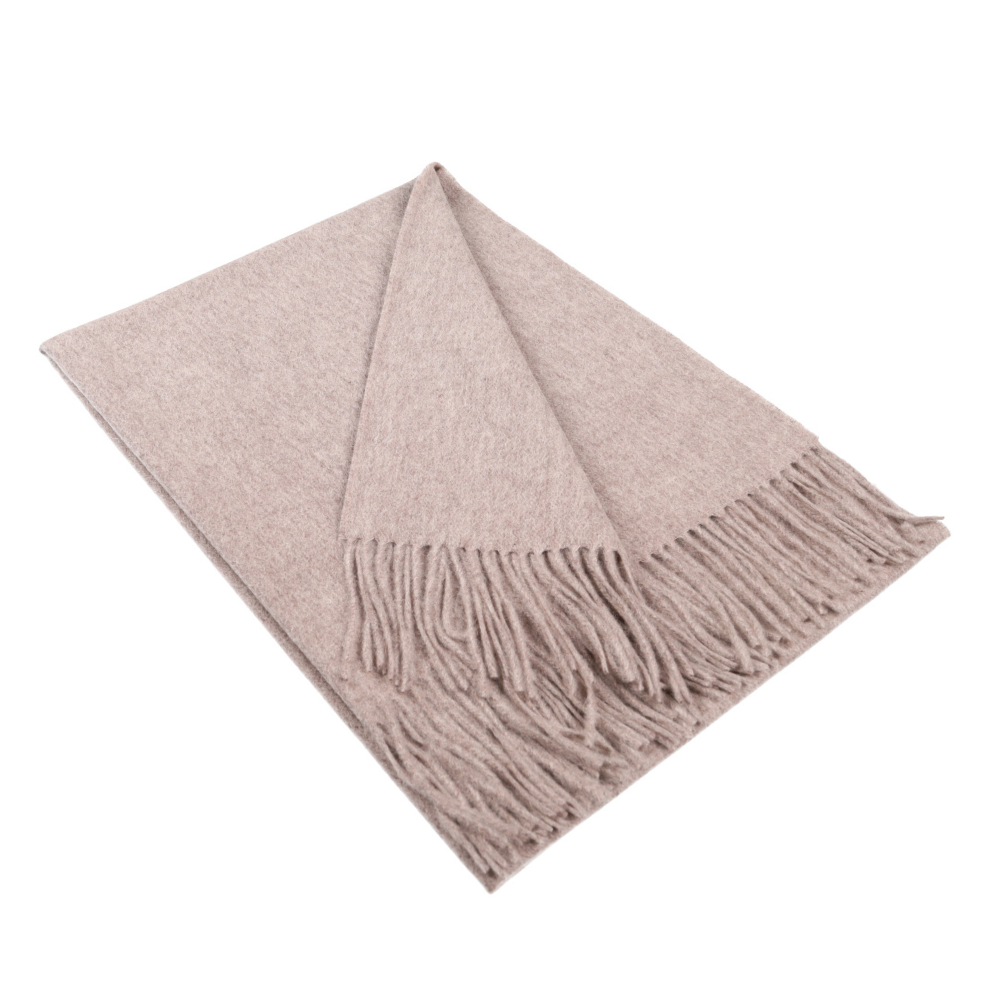
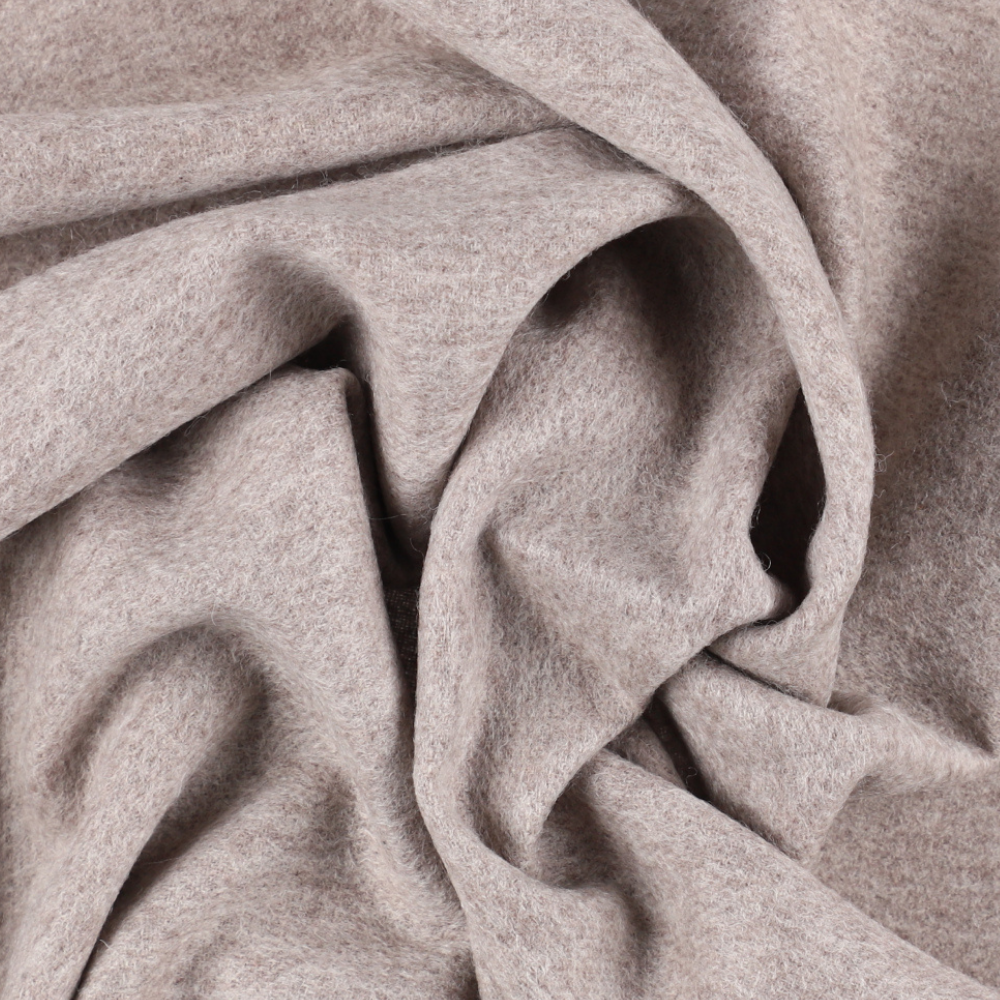
200×70 cm / 79×28 in
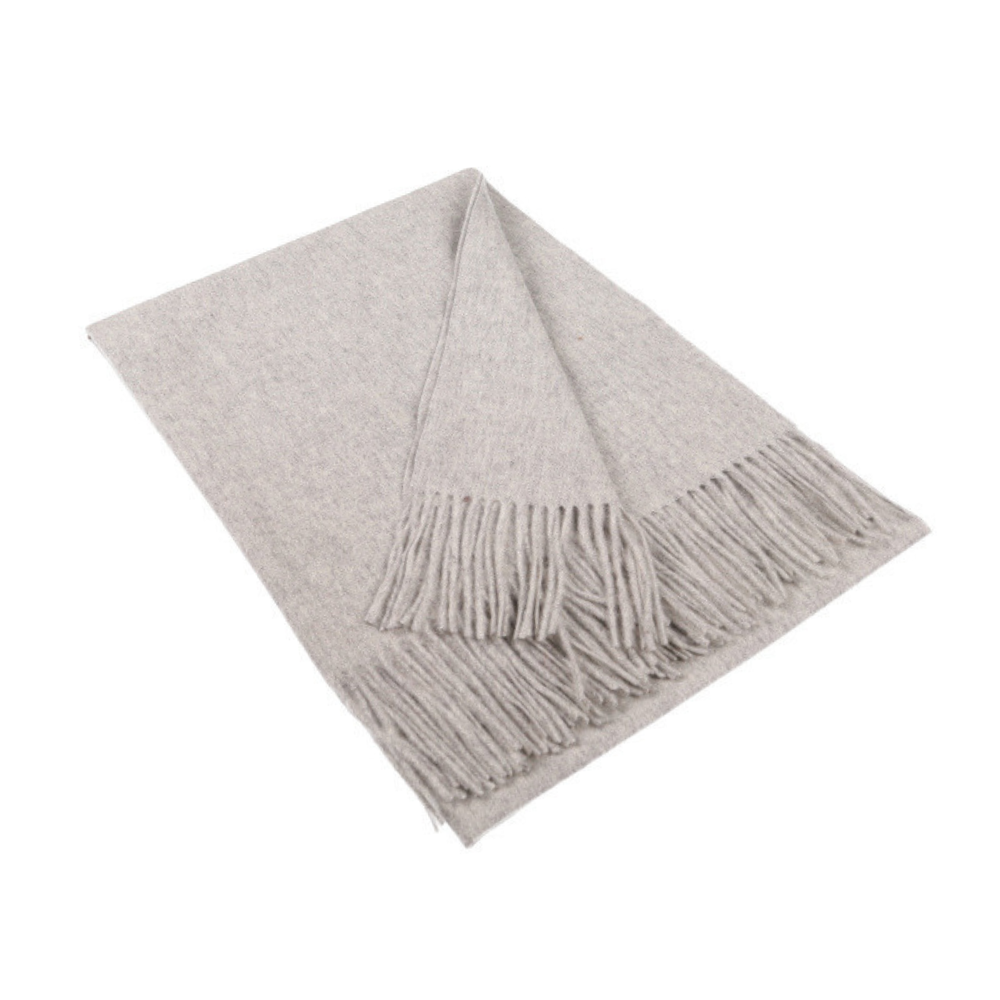
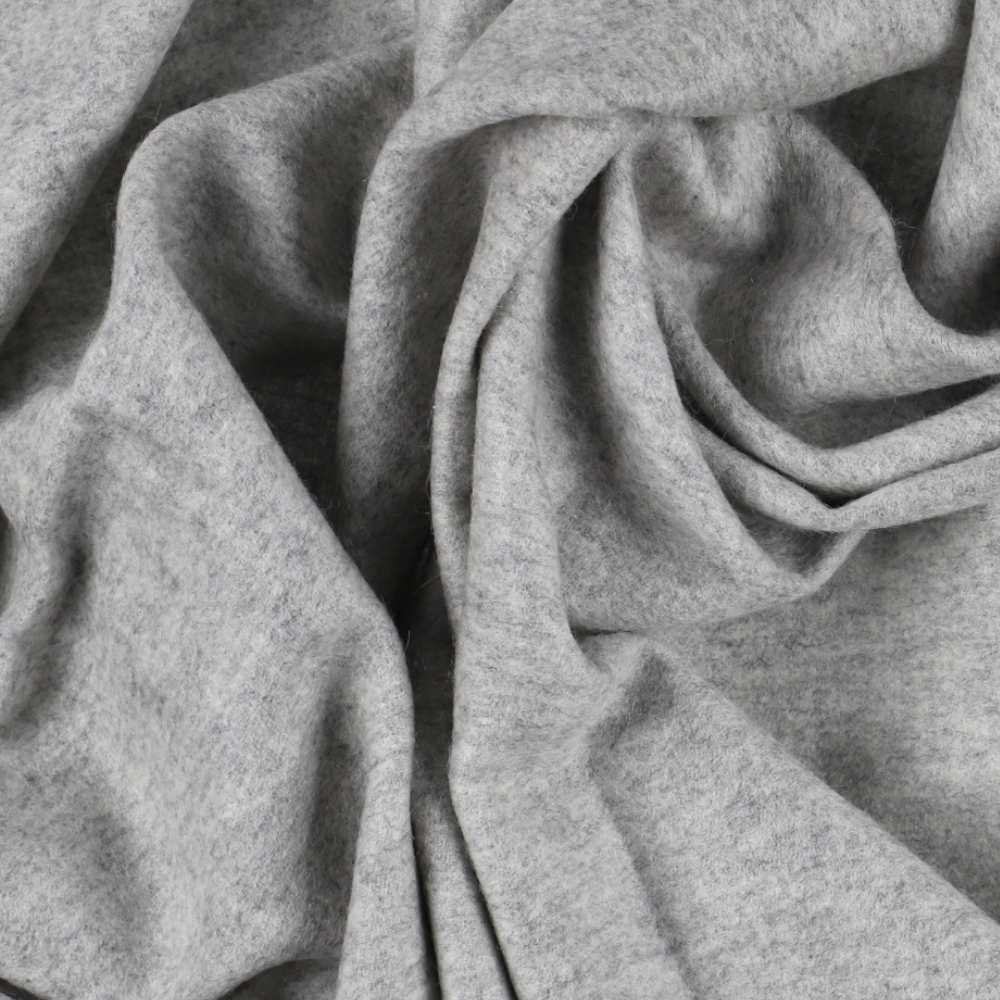
200×70 cm / 79×28 in
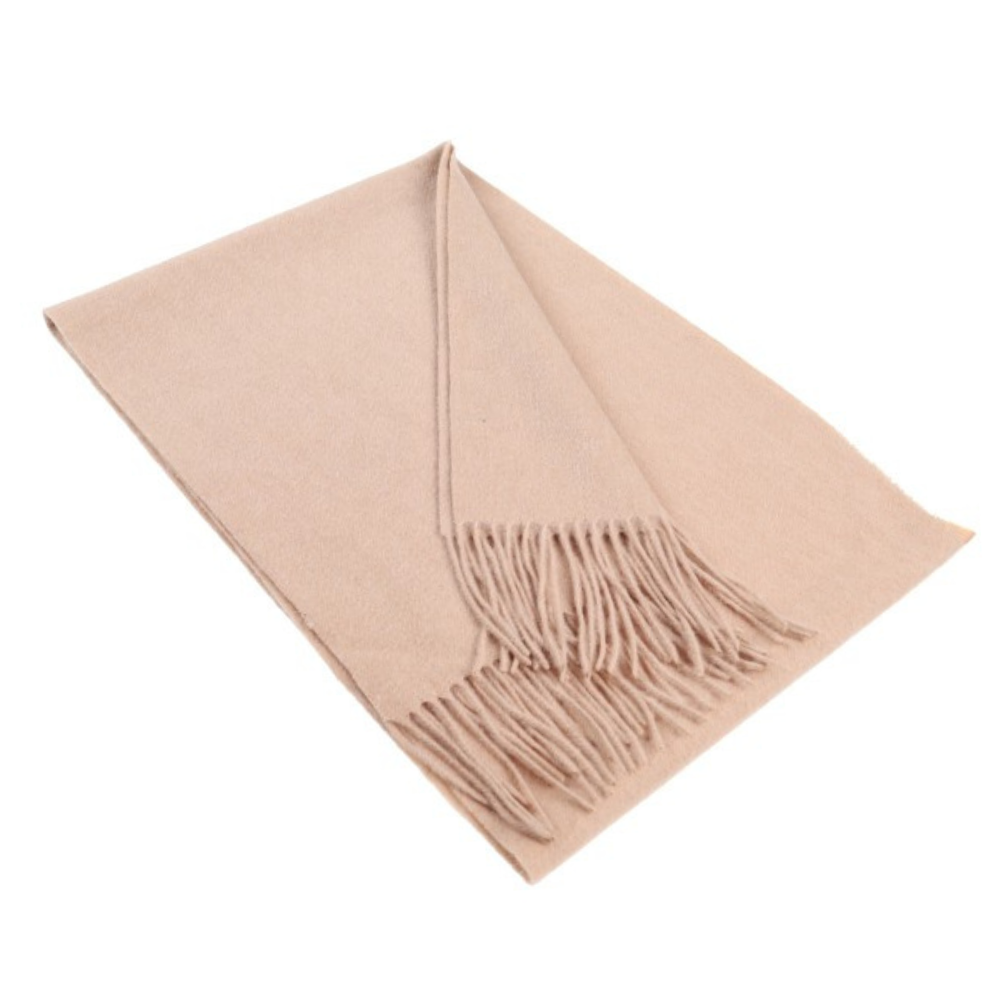
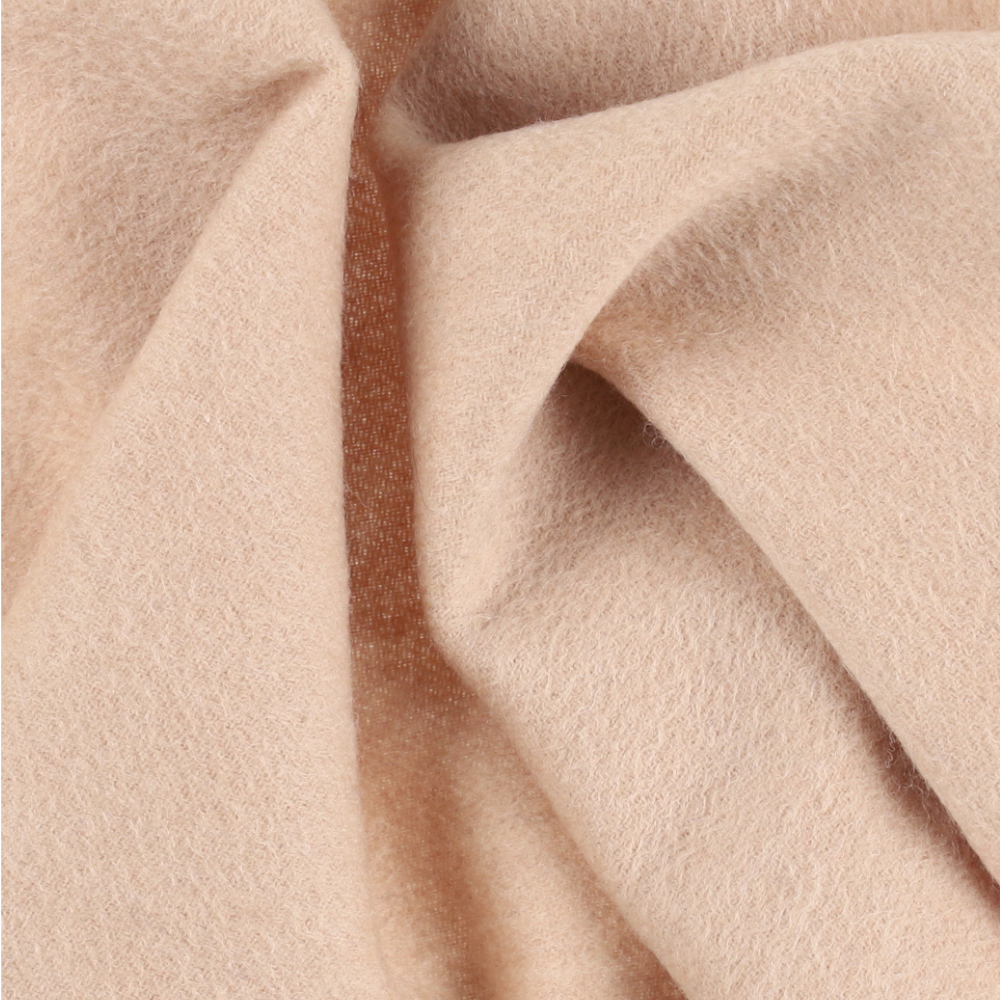
200×35 cm / 79×14 in
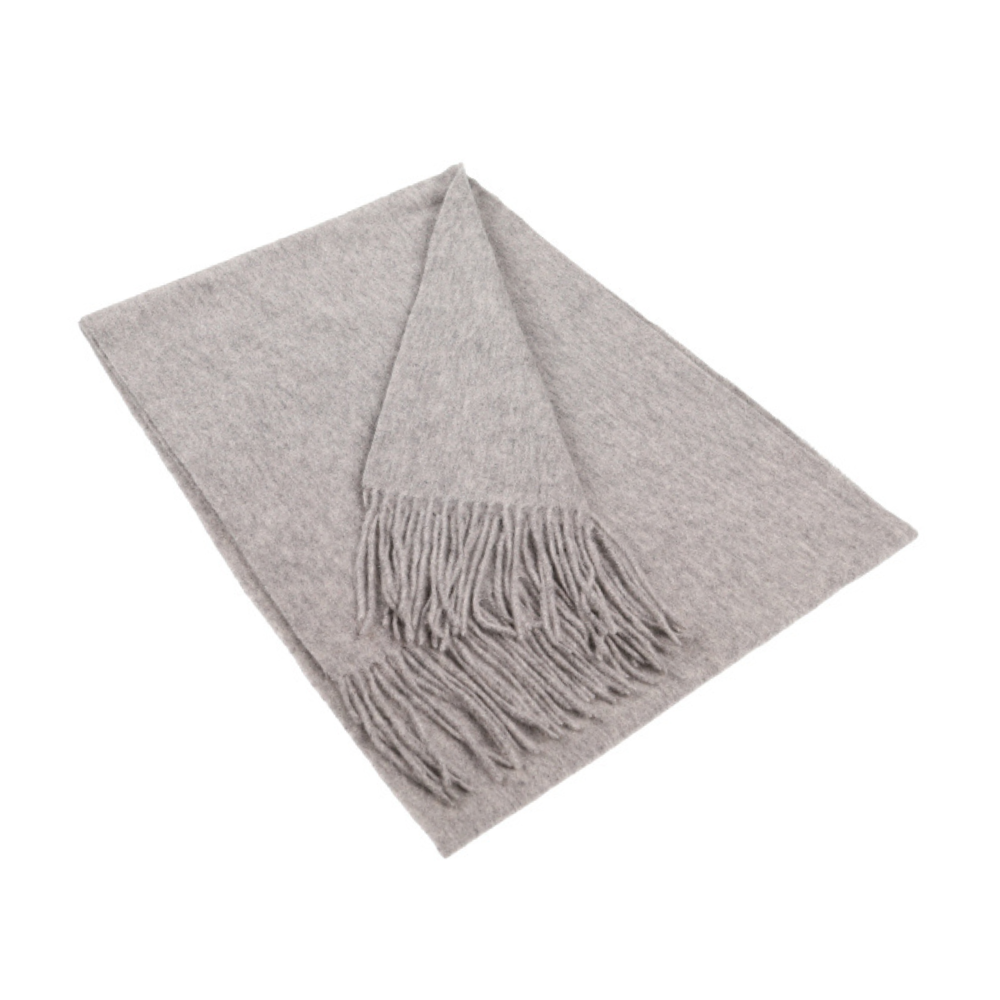
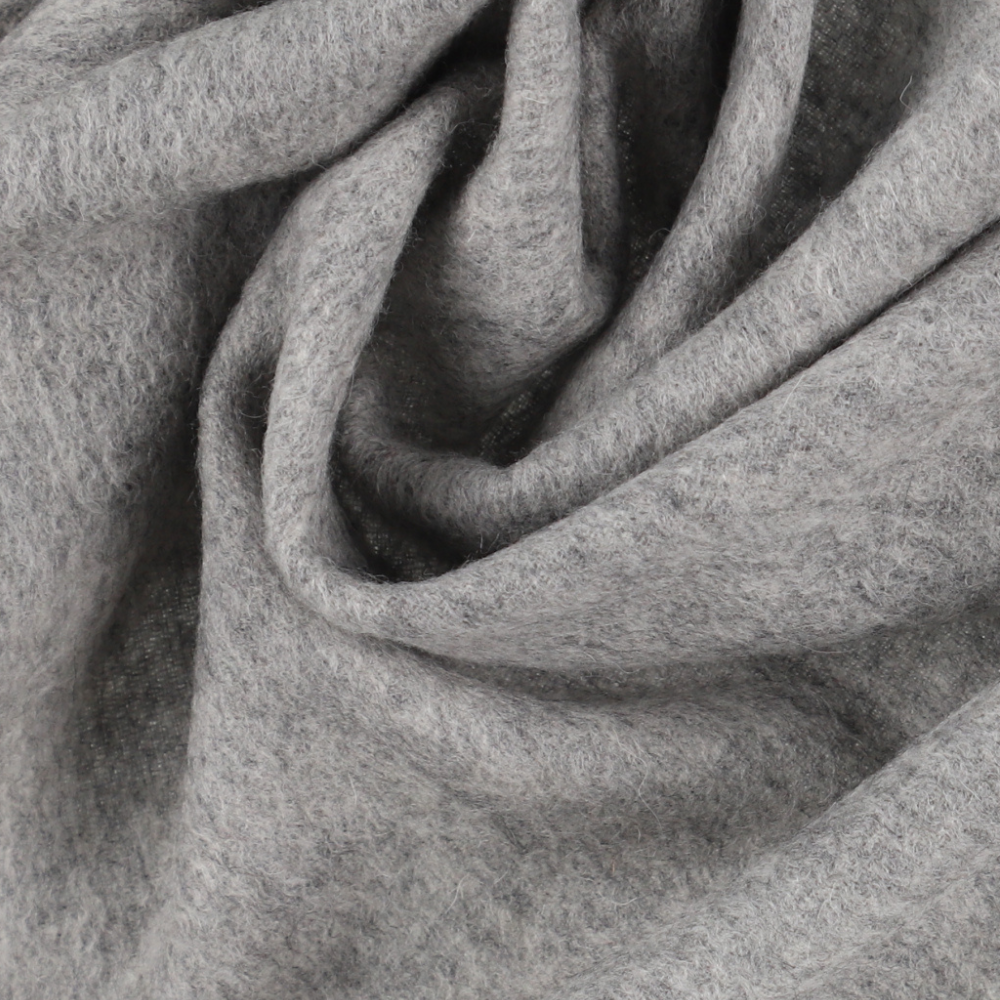
200×35 cm / 79×14 in
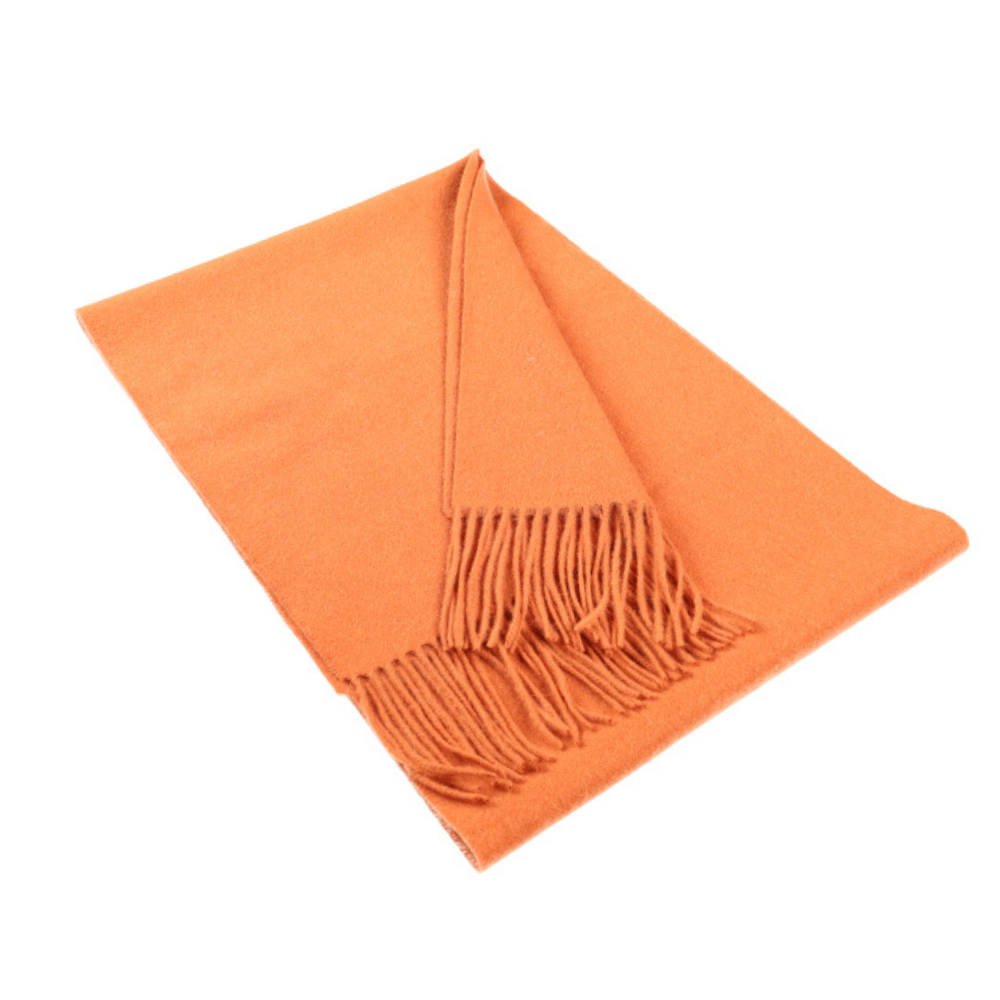
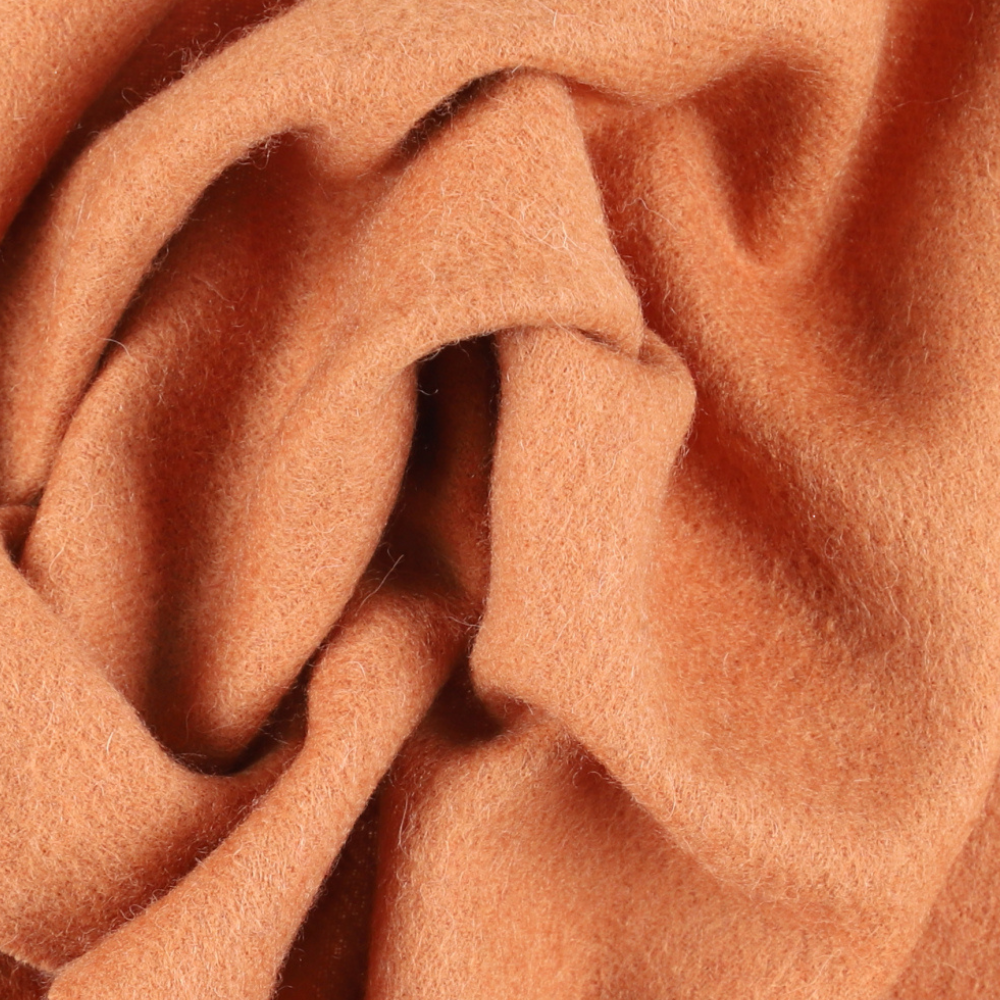
200×35 cm / 79×14 in
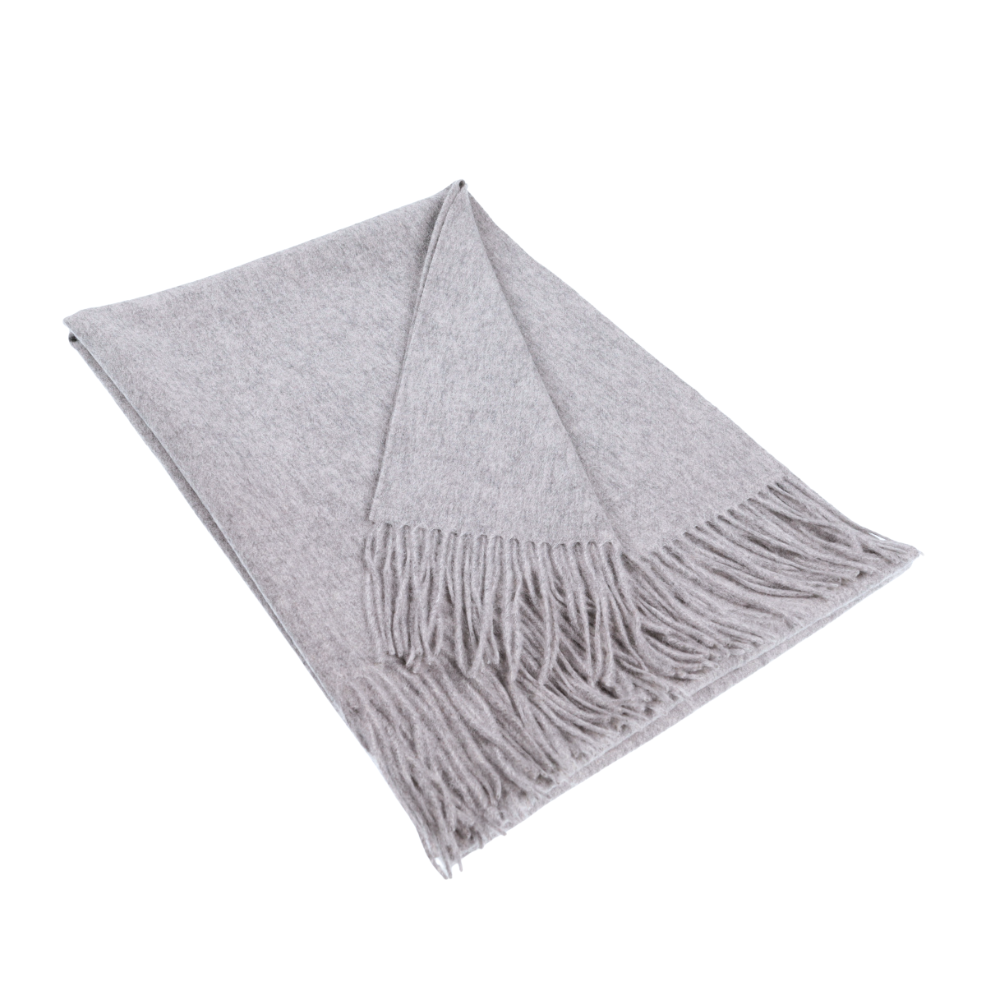
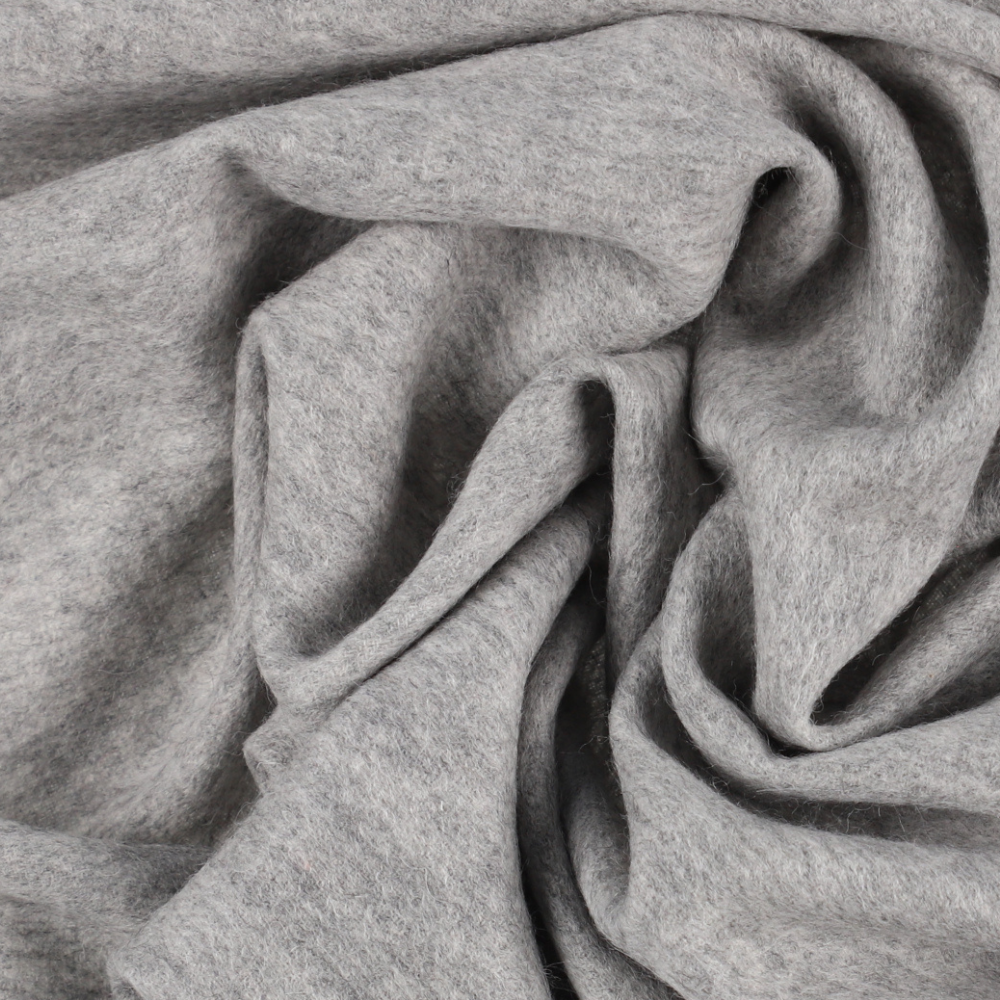
200×70 cm / 79×28 in
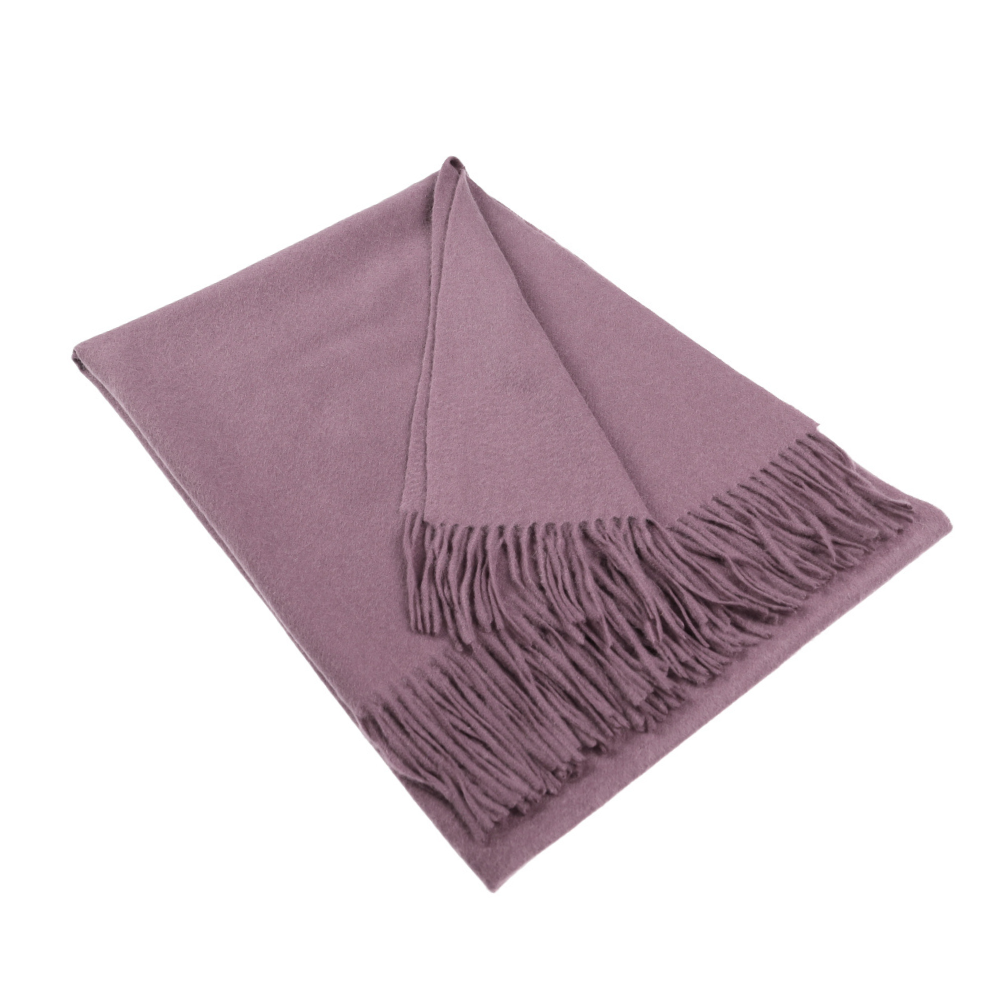
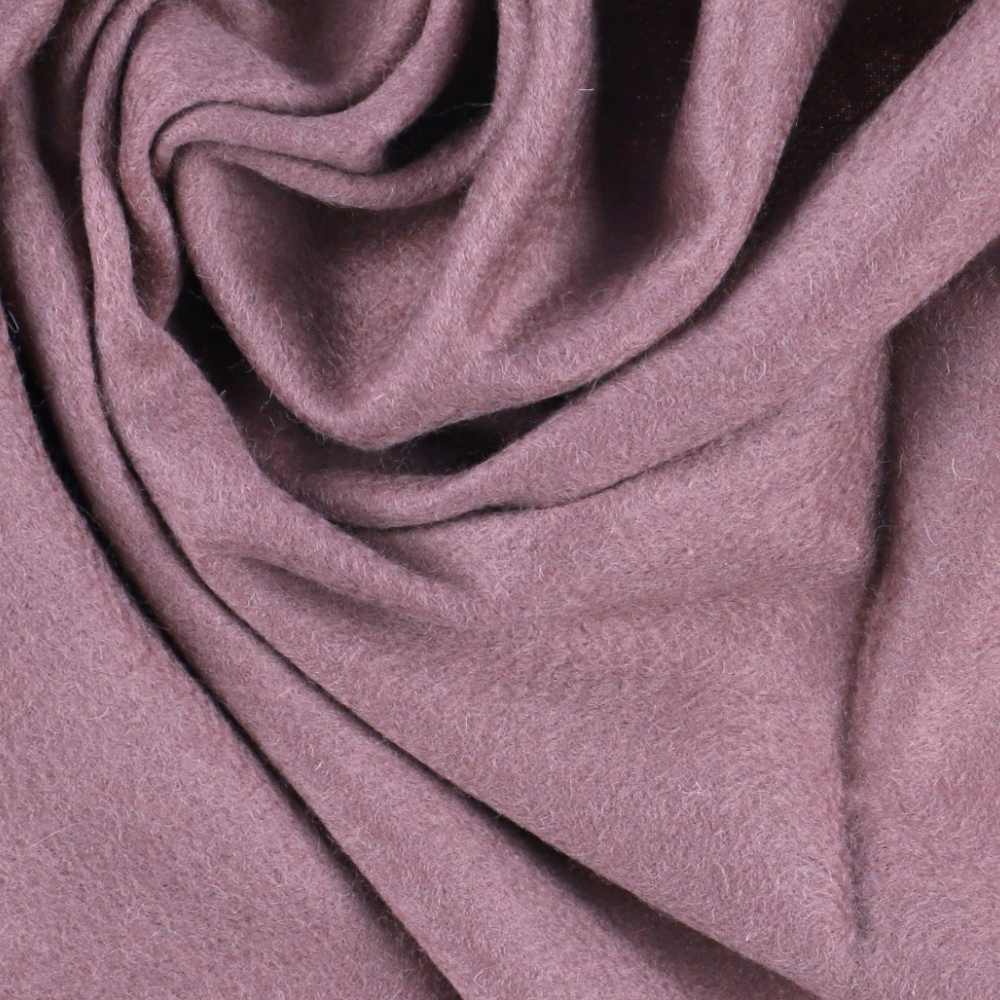
200×70 cm / 79×28 in
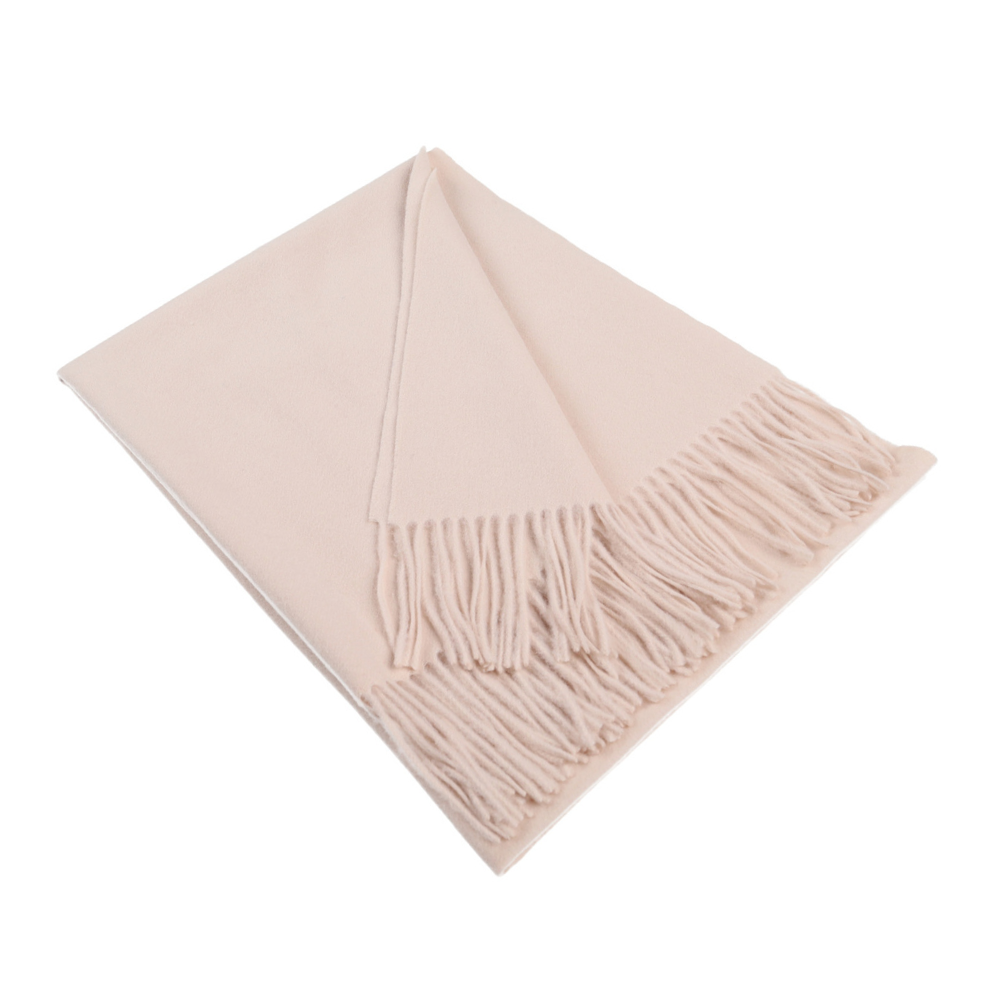
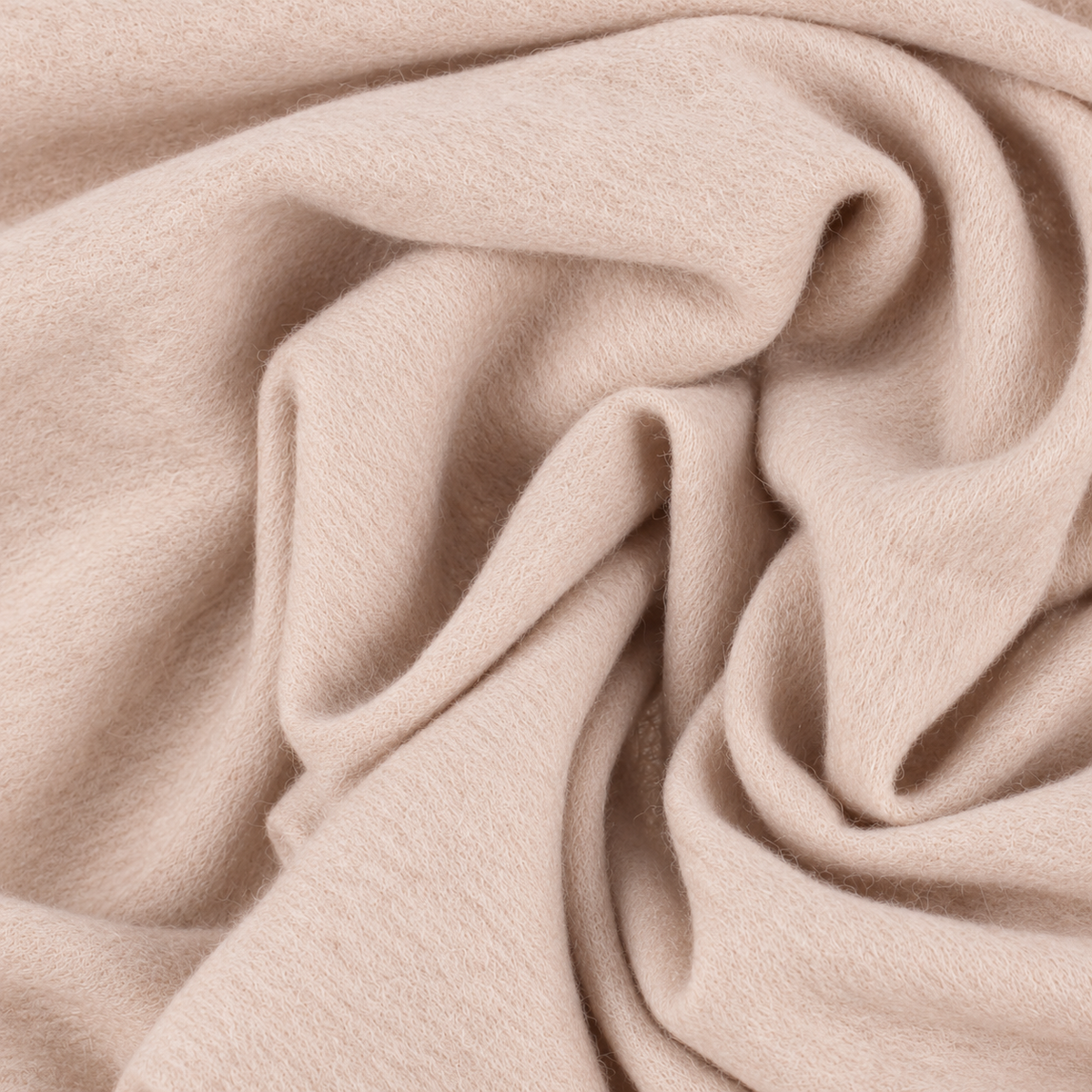
200×70 cm / 79×28 in
Wool Scarf: How to Choose the Right One for Your Wardrobe
Wool Scarves at UniqueYou
This category covers wool scarves for women, from classic winter rectangles to lighter wraps you can drape over your shoulders with a blazer or dress. Whether you call it a wool shawl or a wool scarf, the range here is designed to pair with coats, knitwear, and everyday jeans. The sections below help you match material, size, and colour to the pieces already in your wardrobe.
Types of Wool Scarf
Wool scarves at UniqueYou differ by format, thickness, and intended use. Before choosing a colour or pattern, it helps to narrow down which type suits how and where you plan to wear it.
Classic Winter Wool Scarf
A rectangular wool scarf in a denser weave, built for cold-weather layering. Wool fibers possess natural crimp that traps air pockets for thermal regulation, which makes this format reliably warm under a coat collar or wrapped twice around the neck. Chunky knitted scarves provide warmth on cold days and work well for commuting, winter walks, and everyday errands. Shetland wool is robust and excels at blocking harsh winds; lambswool provides excellent insulation and is more textured than standard wool. If your winters regularly drop below freezing, this is the type to start with.
Lightweight Wool Wrap
Thinner, wider, and often longer than a standard scarf, a lightweight wool wrap sits comfortably on the shoulders over a transitional coat, a blazer, or a sleeveless dress. Lightweight scarves are ideal for adding style in warmer weather, and they fold flat enough to carry in a bag. Merino wool is fine, smooth, and breathable with a high warmth-to-weight ratio, which keeps these wraps cosy without bulk. You can wear one as a neck scarf on a cool morning or open it across your shoulders at dinner. The versatility makes it useful from early autumn through late spring.
Patterned Wool Scarf
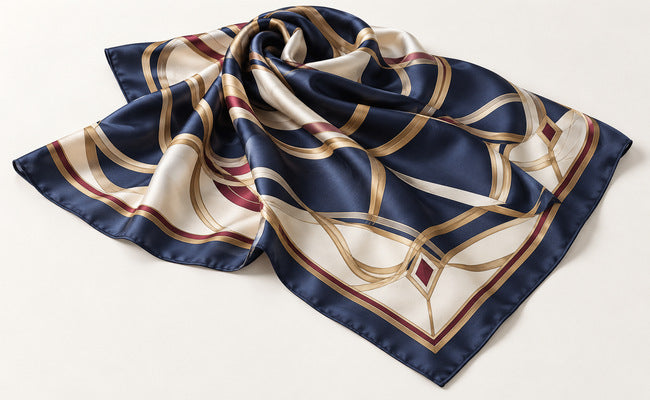
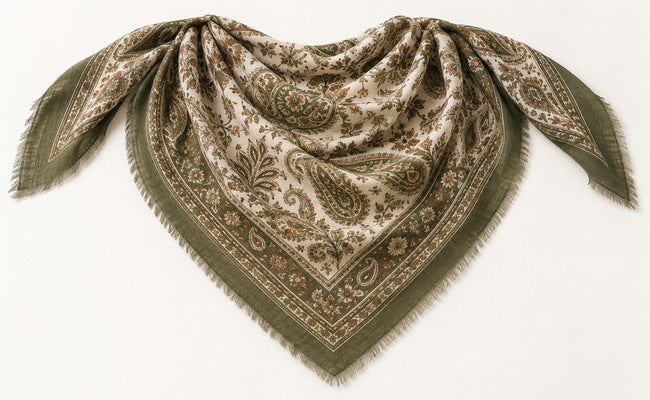
Scarves can enhance outfits with color and pattern accents, and a patterned wool scarf does exactly that. Tartan, geometric prints, or small-scale checks turn a simple coat into a finished outfit. Large-scale patterns read boldly against solid-colour outerwear; smaller motifs mix more quietly with textured knitwear. Wool scarves can feature bold patterns or understated designs, so matching one colour from the pattern to your bag or boots ties the look together without visual overload.
Wool Blend Scarves
Some scarves in this category combine wool with other fibres such as silk, viscose, or synthetics. Wool-blend scarves combine wool with other fibers for additional softness or durability, and the trade-offs vary by ratio. A wool-silk blend tends to add drape and a subtle sheen; a wool-viscose blend can feel smoother against the skin. Always check the percentage composition listed in each product card. Women's scarves can be made from wool, cashmere, or cotton, and blends widen the options further. If you see "wool blend" without percentages, look at the product description for the full breakdown.
What to Look For in a Wool Scarf
The word "wool" on a label tells you the fibre family but not how the scarf will feel, drape, or hold up over a season of daily wear. At UniqueYou, each product listing includes composition and dimensions. The points below help you read those details and decide whether a specific wool scarf fits your clothes and your way of wearing it.
Material and Weave
Wool is one of nature's best insulators, making it essential in winter wardrobes, but the type of wool and the tightness of the weave determine how warm and how soft a scarf actually feels. Cashmere is exceptionally soft, lightweight, and offers a high warmth-to-weight ratio. Cashmere and fine merino wool are ideal for luxury and sensitive skin, with fibre diameters typically between 14 and 24 microns. Alpaca wool is warmer and hypoallergenic, featuring a silky texture. Deep winter scarves made from alpaca or heavy Shetland wool insulate against cold more than standard blends do.
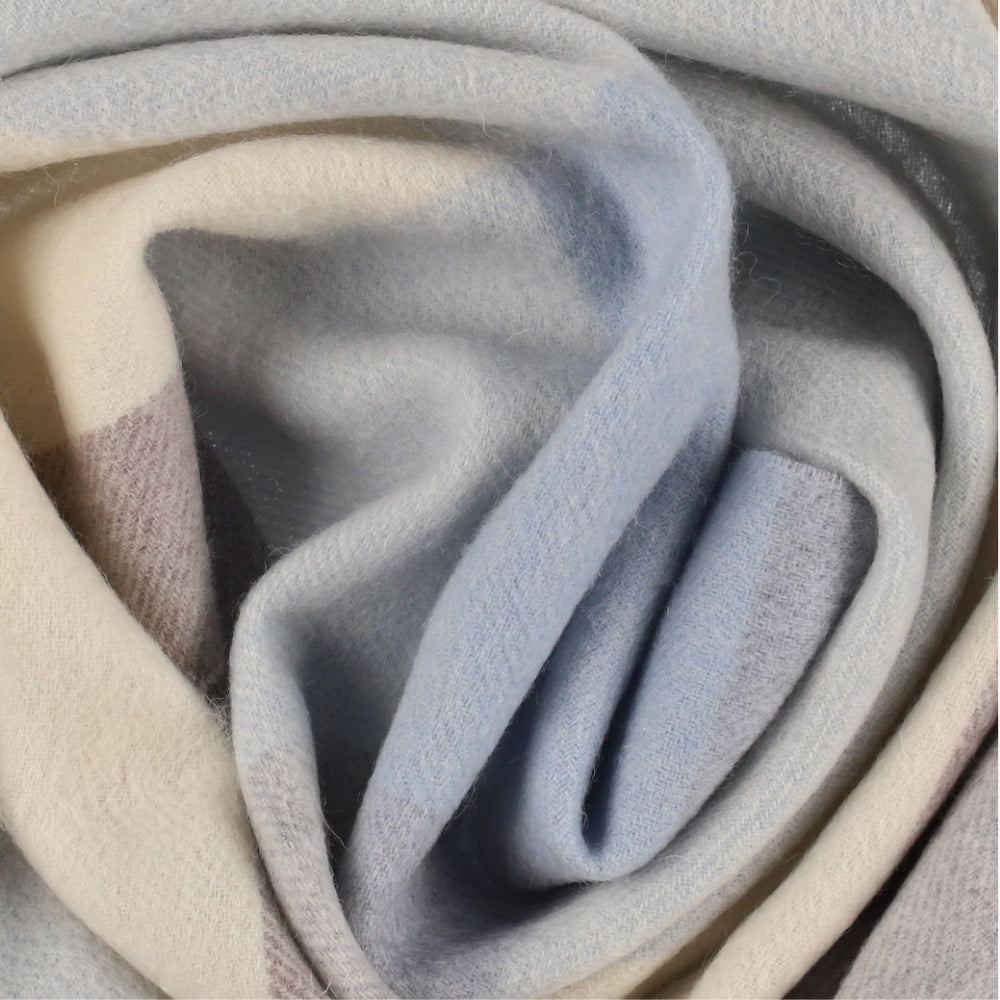
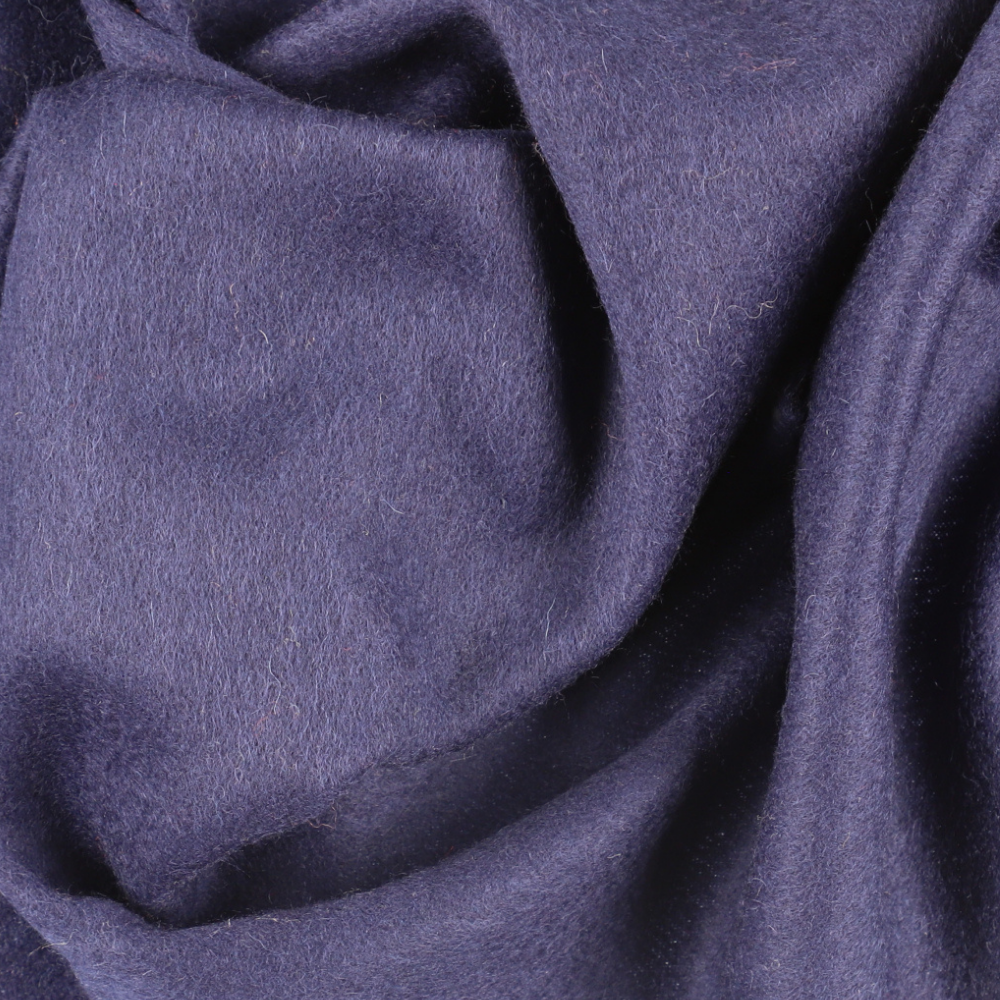
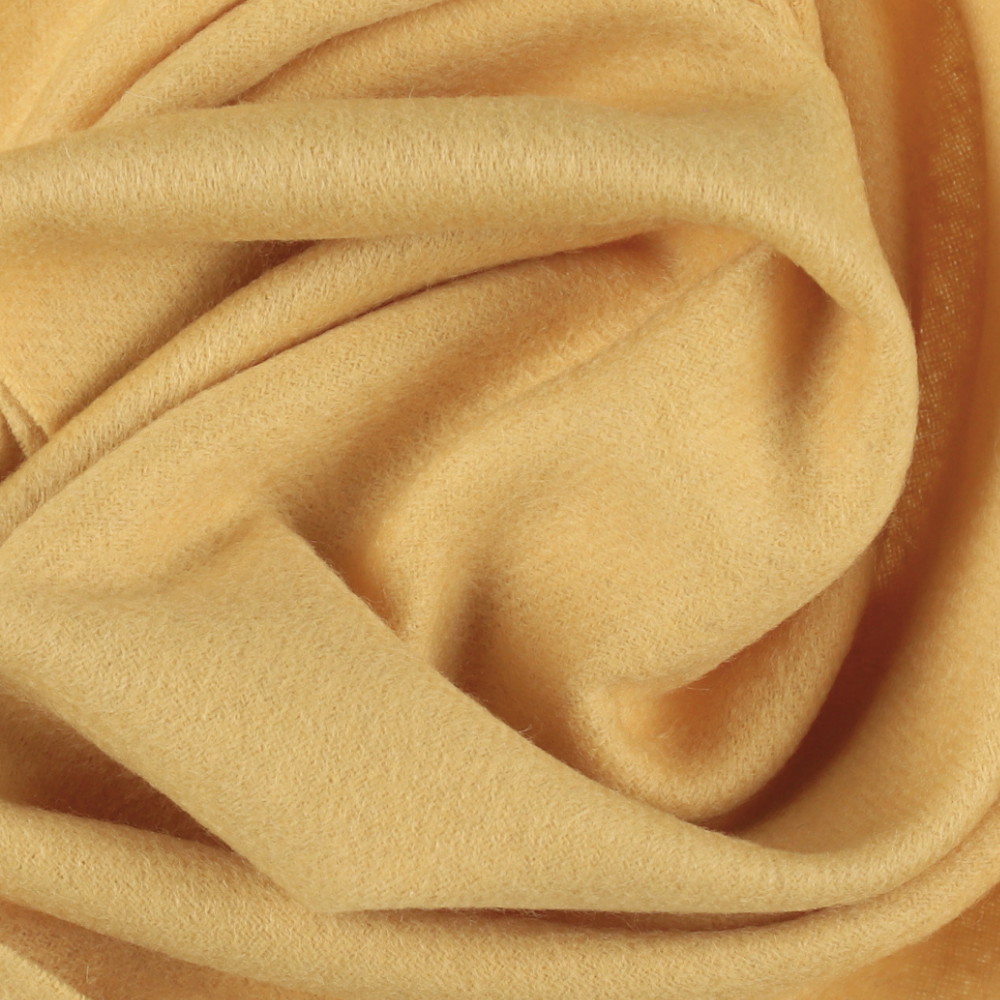
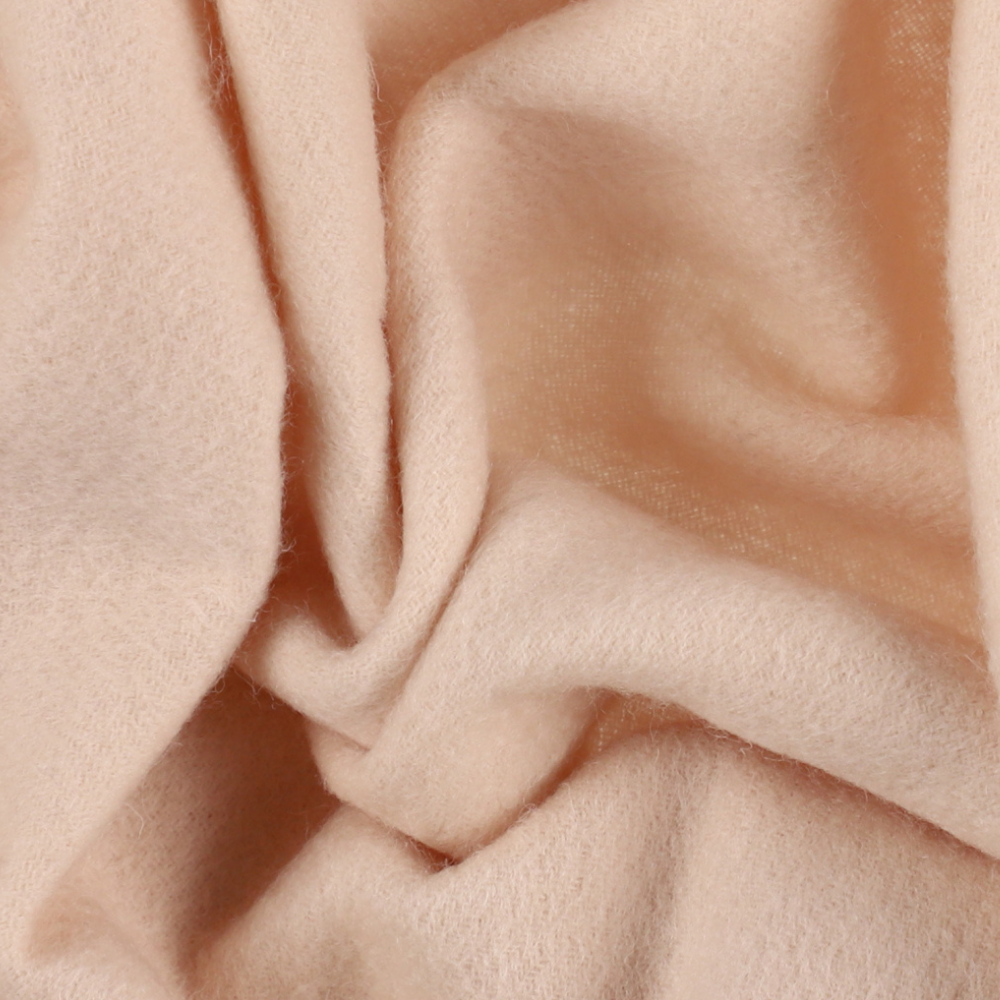
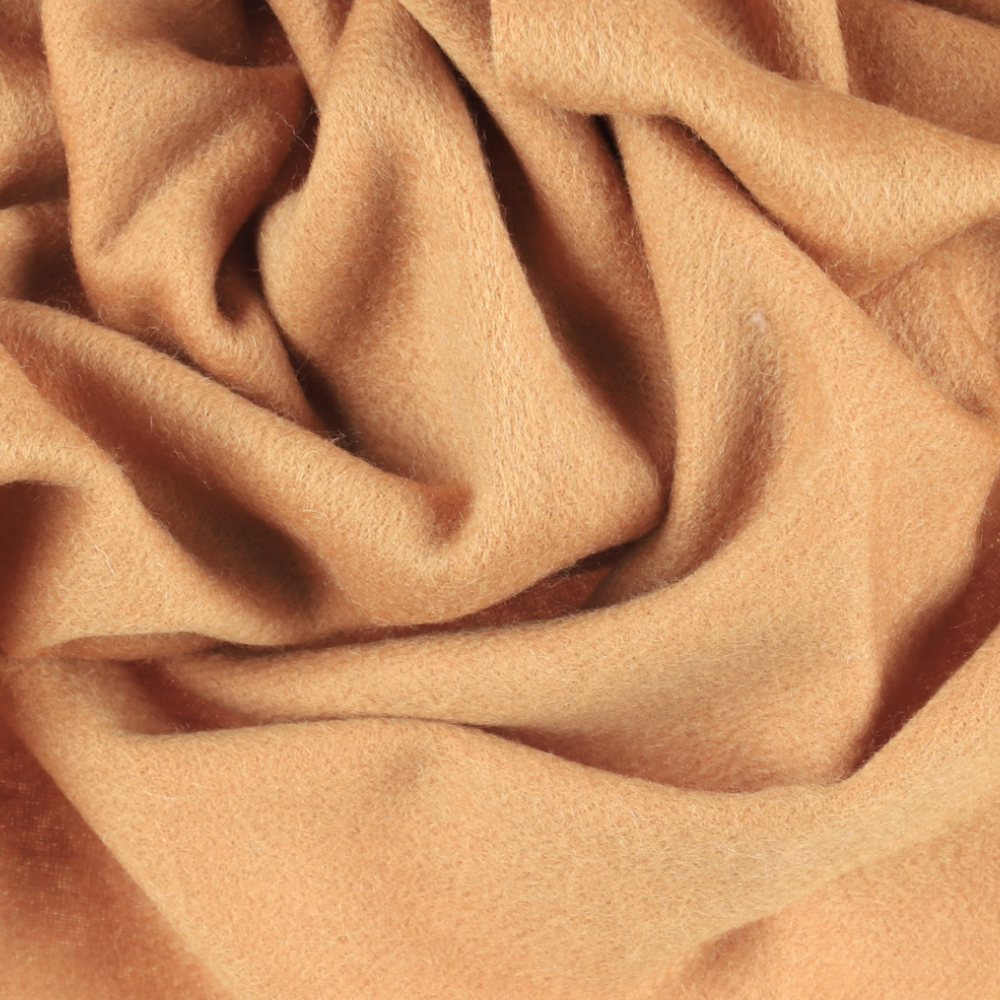
A tighter weave blocks wind and holds heat; a looser weave breathes better and sits lighter against the skin. Wool-rich yarns enhance the quality of scarves, while synthetic additions change the warmth-to-weight trade-off. Check product photos for close-ups of the fabric surface; they reveal weave density and texture more reliably than generic descriptions.
Size and Proportions
A standard wool scarf should be around 170–200 cm long for styling flexibility. At roughly 180 × 70 cm, a rectangular wool scarf wraps the neck once or twice and still leaves enough tail to tuck inside a coat. Shorter scarves (around 150 cm) sit closer to the neck and work well under high collars. Wider formats (70–100 cm) double as stoles across the shoulders.
Compare the scarf's width to the collar of your coat. A wide-lapel wool coat hides a bulky scarf easily; a fitted jacket collar needs a slimmer profile. If you plan to knot, loop, or drape, extra length matters more than extra width.
Warmth and Seasonality
Wool absorbs moisture vapour while repelling external liquid water to keep you dry. Wool is naturally moisture-wicking and temperature-regulating, which means the same fibre family works across seasons depending on fabric weight. A heavy knitted scarf pairs with a puffer jacket in January; a fine-woven merino wrap layers under a trench coat in October. Wool fibers can bend and stretch up to 30% without breaking, ensuring durability through repeated wrapping and unwinding.
Wool scarves provide warmth and breathability year-round. A thicker weave traps more still air and blocks wind; a thinner weave releases heat and avoids overheating indoors. Your personal comfort threshold matters too, so think about whether you tend to feel cold quickly or overheat in heated offices.
Colour and Pattern
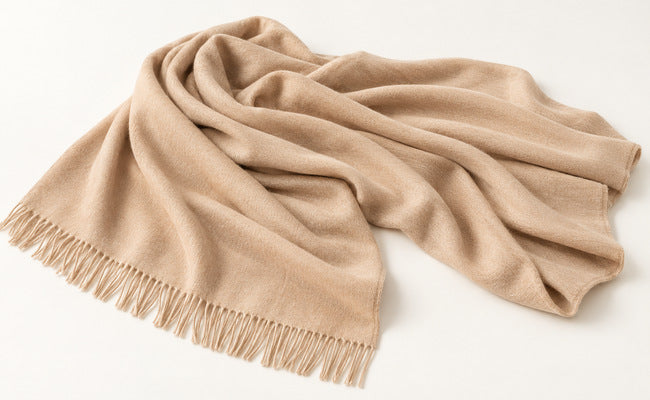
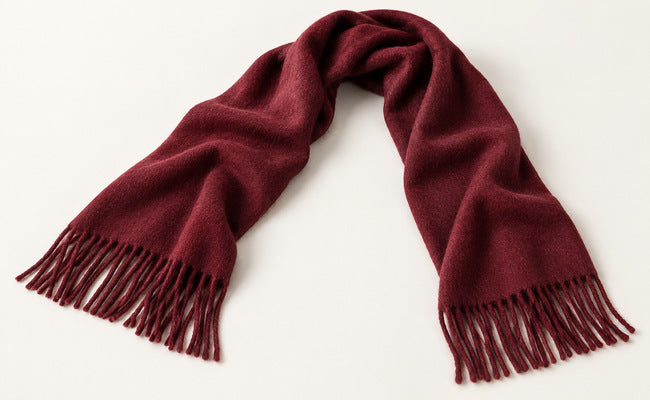
Neutral colors make wool scarves versatile for any winter outfit. A camel scarf works with black, navy, and grey coats without competing. A wool scarf can enhance a simple outfit with color; a burgundy or forest-green scarf turns a monochrome coat into something more deliberate. Scarves can be worn in various styles for different occasions, and colour choice shapes whether the scarf reads as a quiet layer or a focal point.
Two practical examples: a muted beige wool scarf against a warm-toned camel coat creates a tonal, polished look. A bold check pattern over a plain black coat draws the eye upward and adds structure. When working with patterns, pick one colour from the motif and echo it in your bag, gloves, or shoes.
Details and Finishing
Fringed edges add a relaxed, less formal feel suited to weekend coats and denim. Hemmed or bound edges look cleaner under blazers and structured outerwear. Check how fringes are attached: woven into the body of the scarf or stitched on. Wool has natural antimicrobial properties that resist odour-causing bacteria, which means a well-finished scarf stays fresh longer between washes. Wool is known for its softness and durability, and good finishing protects both qualities over time.
How to Choose the Right Wool Scarf
Narrowing from the full range to one scarf comes down to a few practical decisions. These criteria connect what you have read above to what you actually need.
Outerwear and context of wearing - A long wool coat with wide lapels accommodates a bulkier, longer scarf that wraps or tucks inside. A short jacket or fitted blazer calls for a slimmer, lighter wool scarf that does not add volume at the collar. Pair wool scarves with knitwear for added warmth when layering without a coat.
Warmth level you need - For sustained cold, choose a dense weave in heavier wool or a blend with insulating fibres like alpaca or yak down. For autumn and spring, a lighter merino or wool-silk wrap keeps you cosy indoors without overheating. Lightweight wool scarves are ideal for layering.
Style: neutral base or accent piece - Decide before you browse. A neutral scarf in grey, camel, or navy supports several coats and simplifies morning decisions. An accent scarf in a strong colour or pattern becomes the main point of an outfit. Wool scarves are versatile for both casual and formal outfits, so either approach works across settings.
Dimensions and tying method - If you like wrapping the scarf twice around your neck, look for lengths above 180 cm. A single-loop knot works with 150–170 cm. Wearing the scarf as a shoulder wrap requires width of at least 60–70 cm. Scarves can be styled as headbands or neck accessories depending on proportions.
Care and frequency of use - Wool wicks moisture away from the skin to keep it dry during cold weather, but daily wear still means occasional cleaning. Check the care label: pure wool typically calls for hand washing in cold water or dry cleaning. Blends with synthetics sometimes tolerate a gentle machine cycle. Store flat or loosely rolled rather than hanging to preserve shape. Wool scarves should be matched to the wearer's wardrobe and the intended occasion, and realistic care expectations are part of that match.
Frequently Asked Questions
Below are answers to the questions that come up most often when choosing a wool scarf.
Which wool scarf should I choose for an everyday winter coat?
A rectangular wool scarf around 170–200 cm long lets you wrap the neck once or twice and tuck the ends inside a buttoned coat. Wool scarves provide warmth and comfort in cold weather, and neutral colours like grey, beige, or navy pair with most coats without clashing. If you want the scarf to stand out, a richer tone or a checked pattern adds visual interest. Before buying, compare the scarf's width to your coat's collar; a scarf that is too wide for a narrow collar bunches uncomfortably.
Can I wear a wool scarf indoors with a blazer or dress?
Yes. Choose a thinner weave or a wool-silk blend that folds into a narrow band at the neck without adding bulk under structured shoulders. At a desk or restaurant, you can fold the scarf lengthwise and loop it loosely, or open it across your shoulders over a sleeveless dress. Chunky knitted styles are popular for winter wear, but for indoor settings a finer fabric sits flatter and breathes better through the day.
How do I care for my wool scarf so it keeps its shape?
Always follow the care instructions on the label of the specific model you buy. As a general guide: hand wash in cold water with a wool-safe detergent, avoid wringing, and dry flat on a towel away from direct heat. Do not hang a wet wool scarf; the weight of the water stretches the fibres. Store folded rather than tied on a hanger. Wool scarves add a timeless touch of luxury to outfits, and proper care keeps that quality intact season after season.
Is a wool scarf suitable for sensitive skin?
The sensation against skin depends on fibre diameter. Merino (15–24 microns) and cashmere (14–19 microns) feel smoother than coarser breeds. Alpaca wool is warmer and hypoallergenic, featuring a silky texture that suits reactive skin. If you are unsure, wearing the scarf over a shirt collar or turtleneck creates a barrier. Product descriptions at UniqueYou note fabric feel where applicable; if the scarf does not suit you after arrival, you can return it.
Can one wool scarf work with multiple coats and outfits?
A neutral-coloured wool scarf, say grey or camel, pairs with a black coat, a cream trench, and a denim jacket without looking out of place. Wool scarves can be styled for warmth or fashion, and a single well-chosen piece covers both. Before you decide, picture the scarf against at least two coats and one casual outfit you already own. If the colour or pattern connects to something in each combination, that scarf will earn regular wear across the full season.
Explore Wool Scarves at UniqueYou
Choosing the right wool scarf comes down to matching material, size, and colour to the clothes you already reach for. Browse the collection, use the filters to sort by style or colour, and find the scarf that fits your coat, your accessories, and the way you dress every day.
FINEST MATERIALS
Softness, comfort and attention to detail.

Express Delivery
Within 24 hours by courier to your home or a pickup point.
EASY RETURNS
Shop with confidence, with the option to return.
SECURE PAYMENTS
Choose your preferred payment method.