
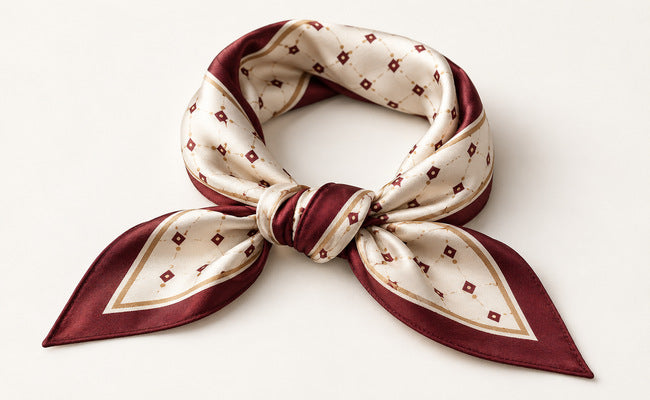

Winter scarves
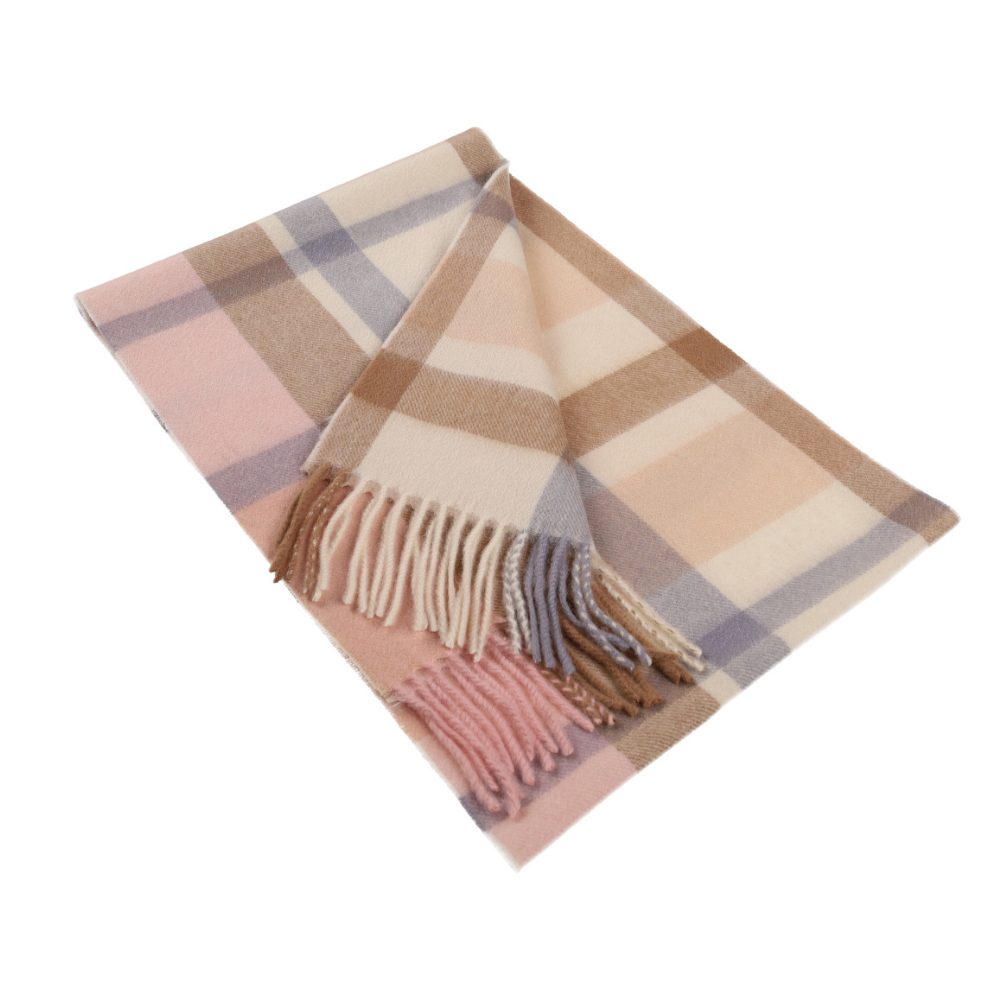
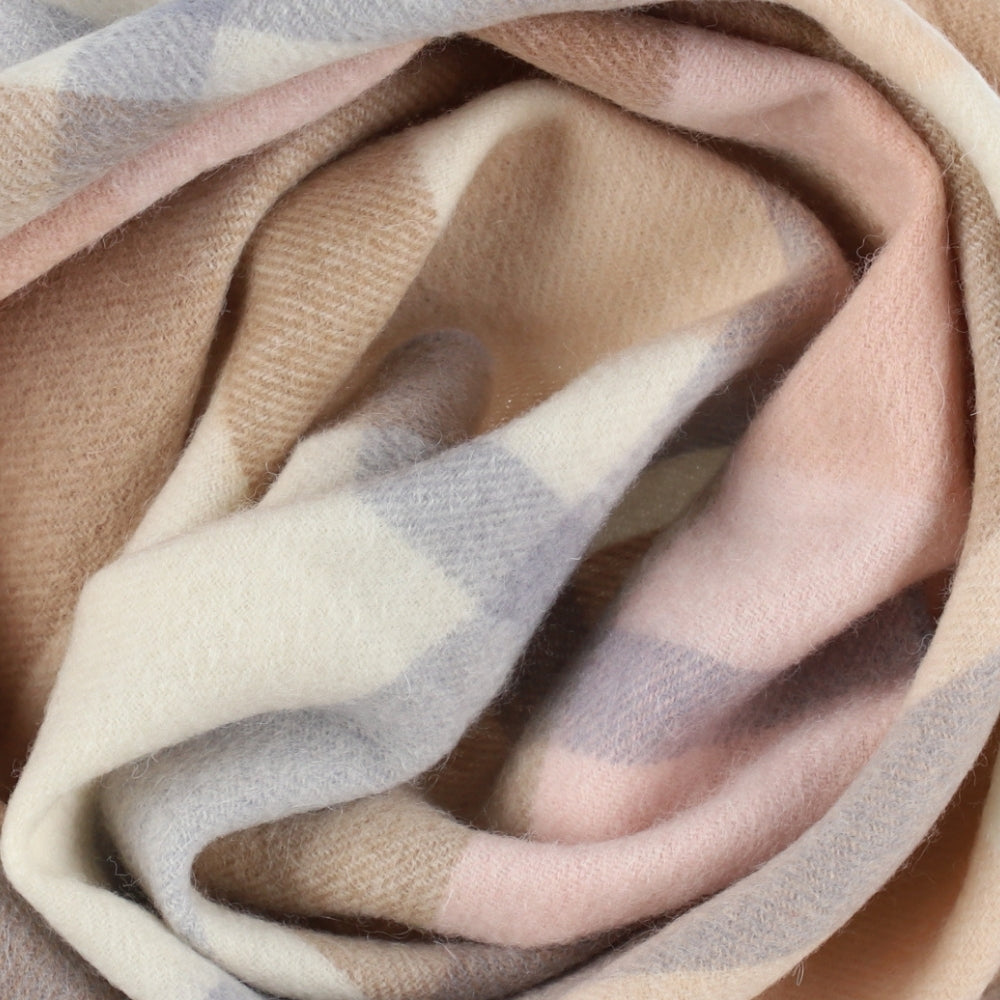
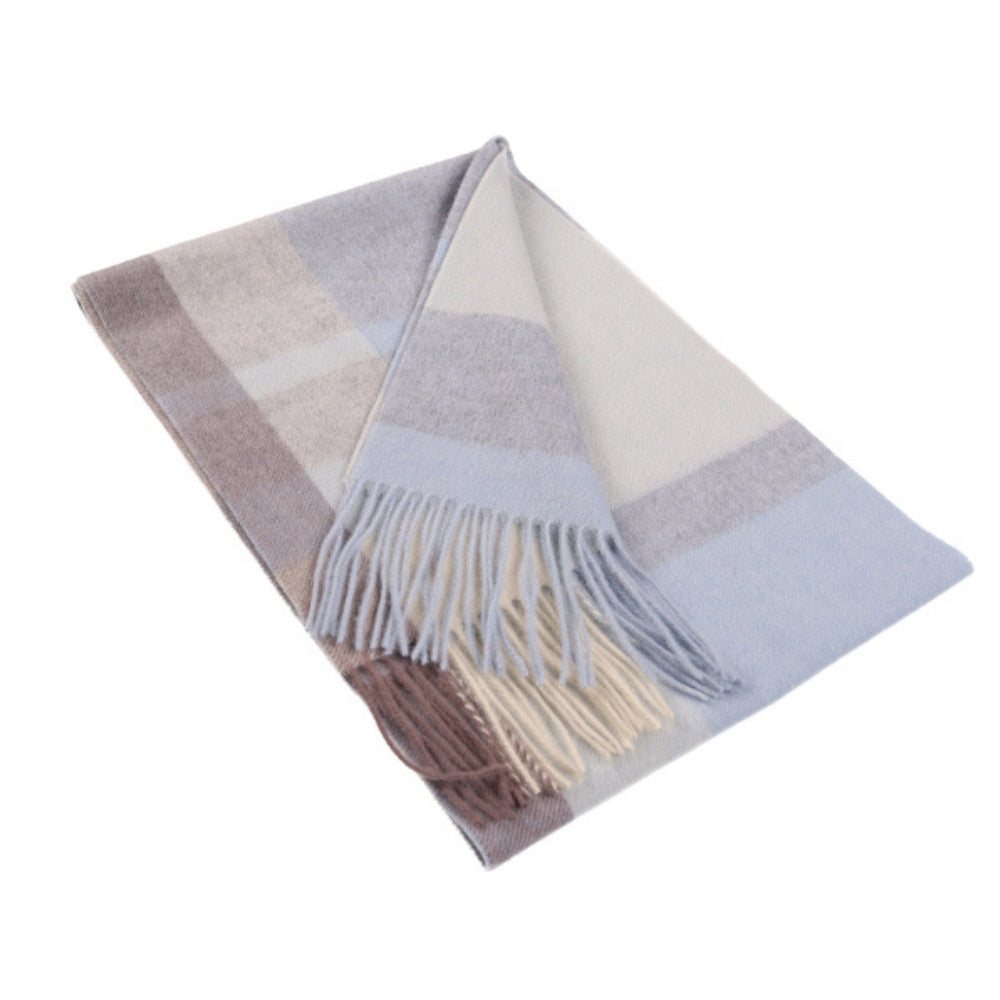
200×65 cm / 79×26 in
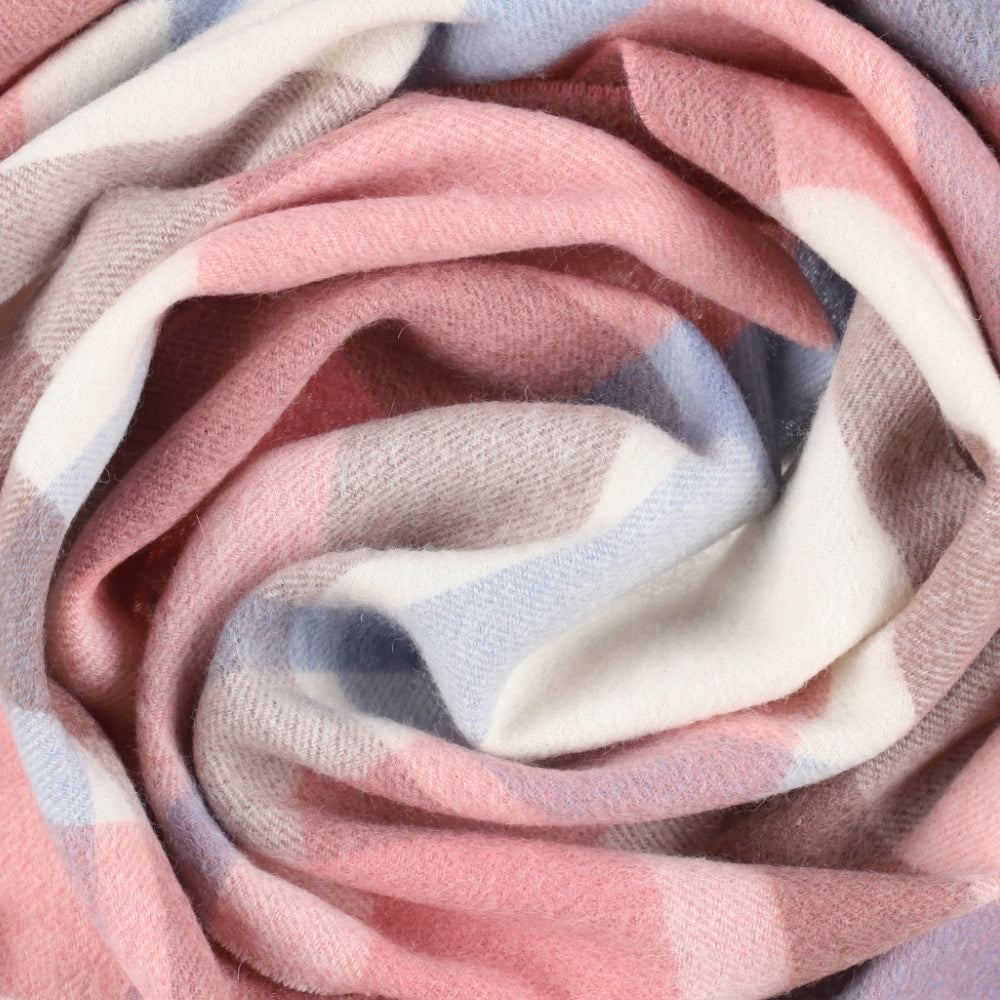
180×30 cm / 71×12 in

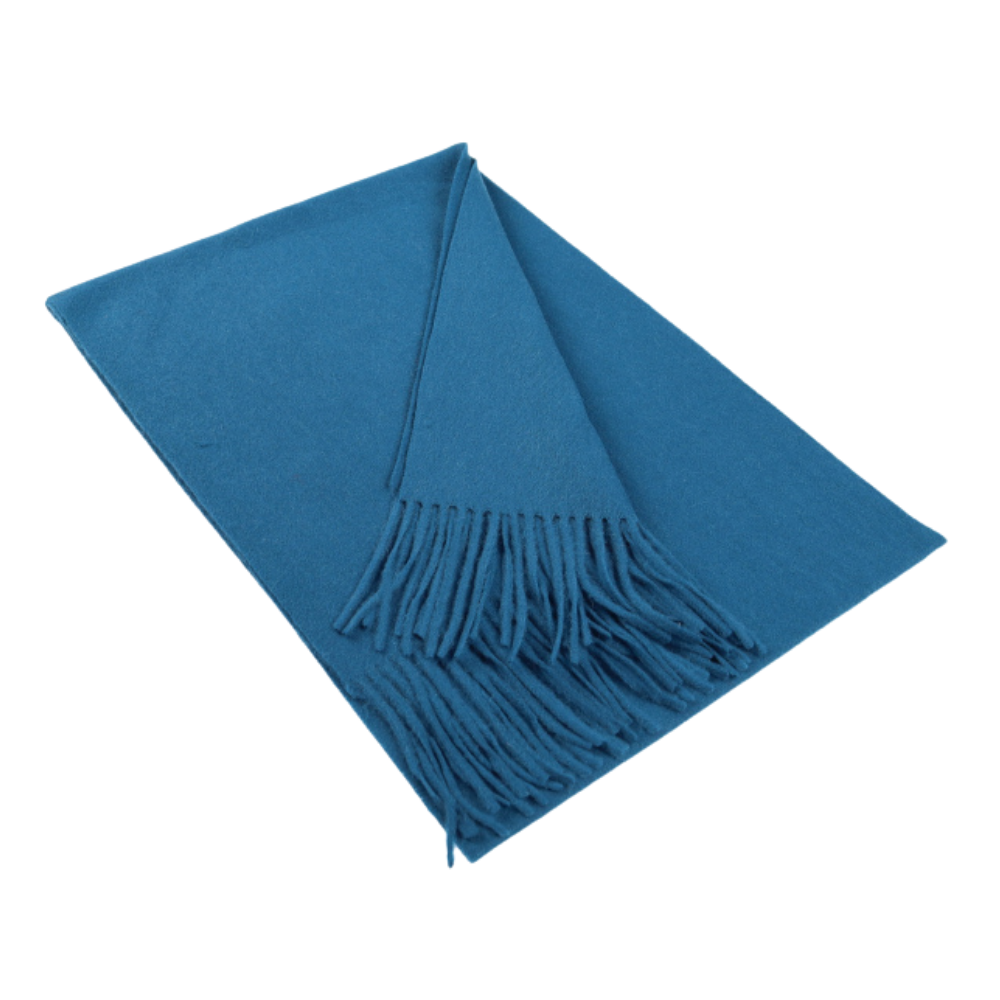
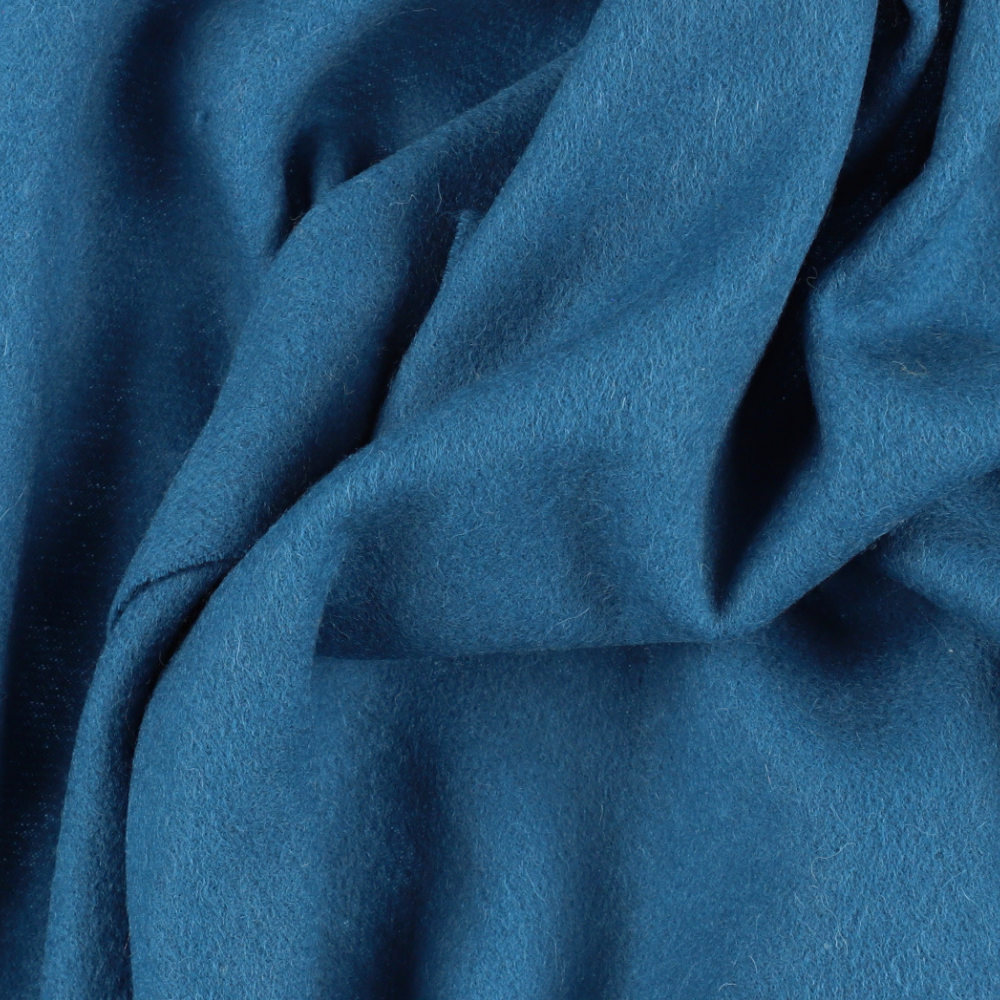
200×35 cm / 79×14 in
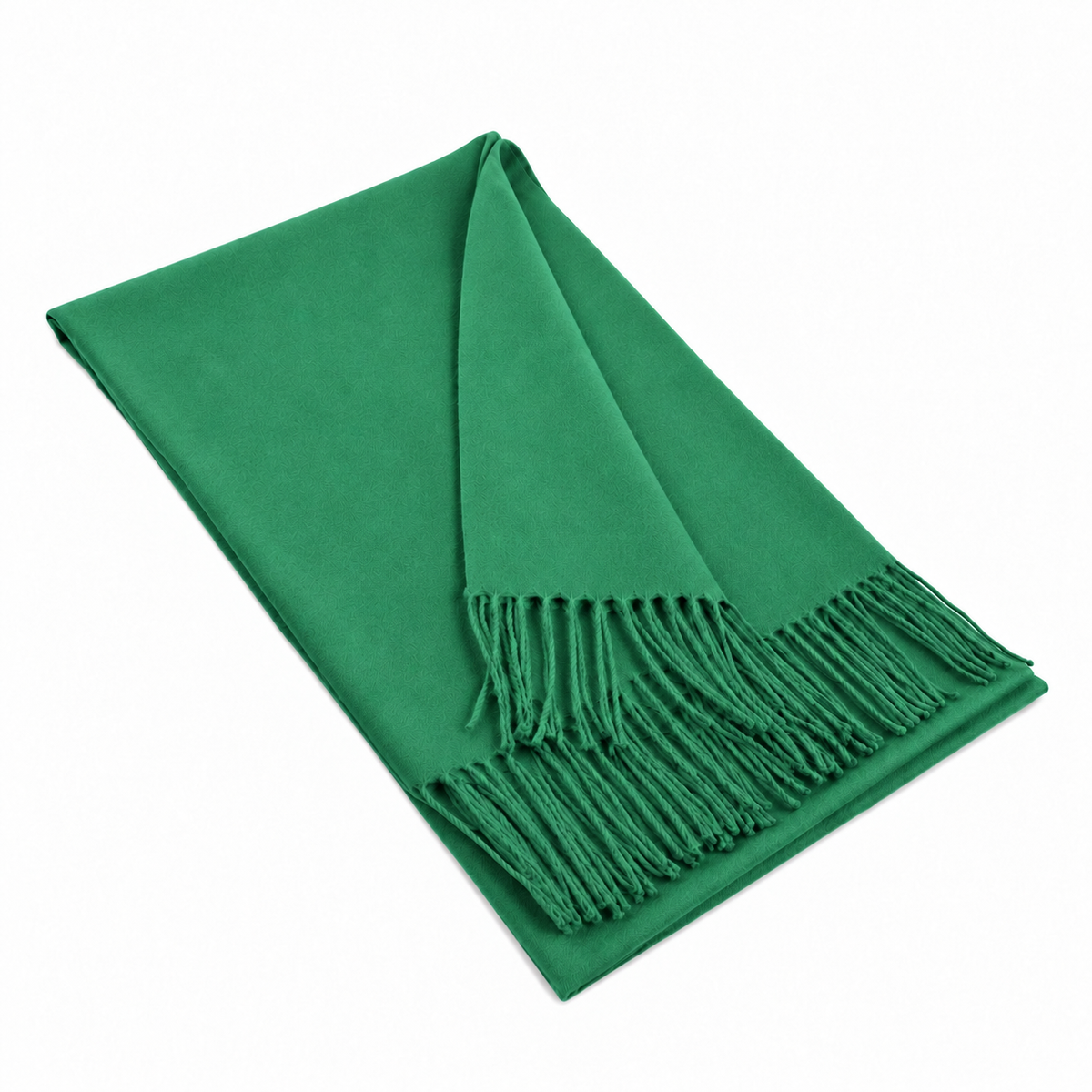
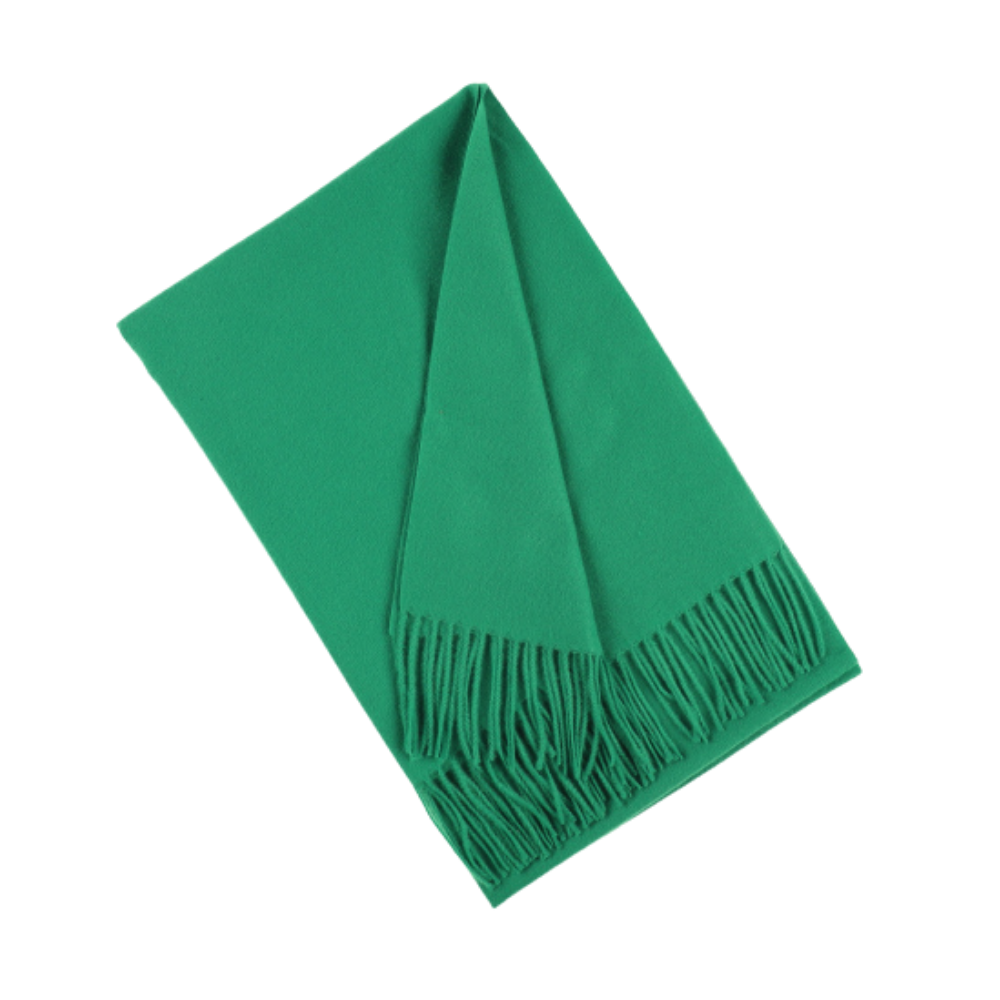
200×65 cm / 79×26 in
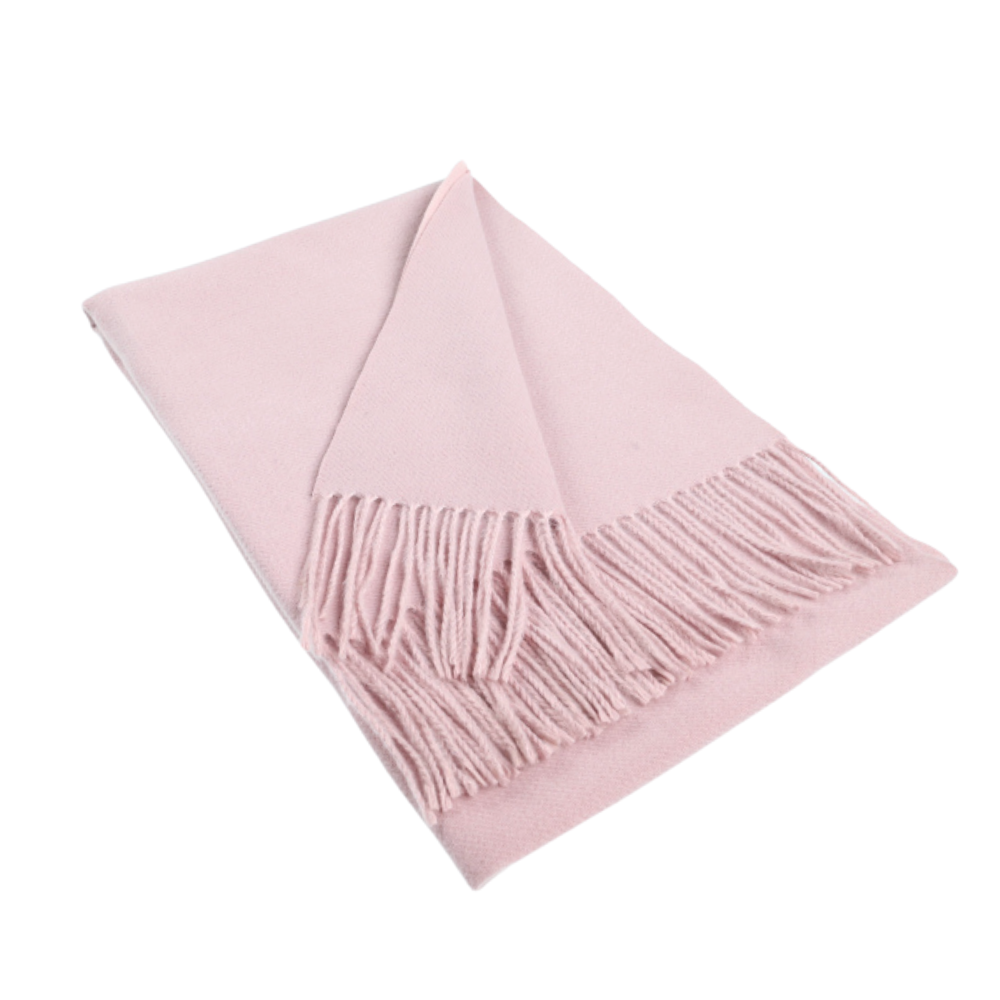
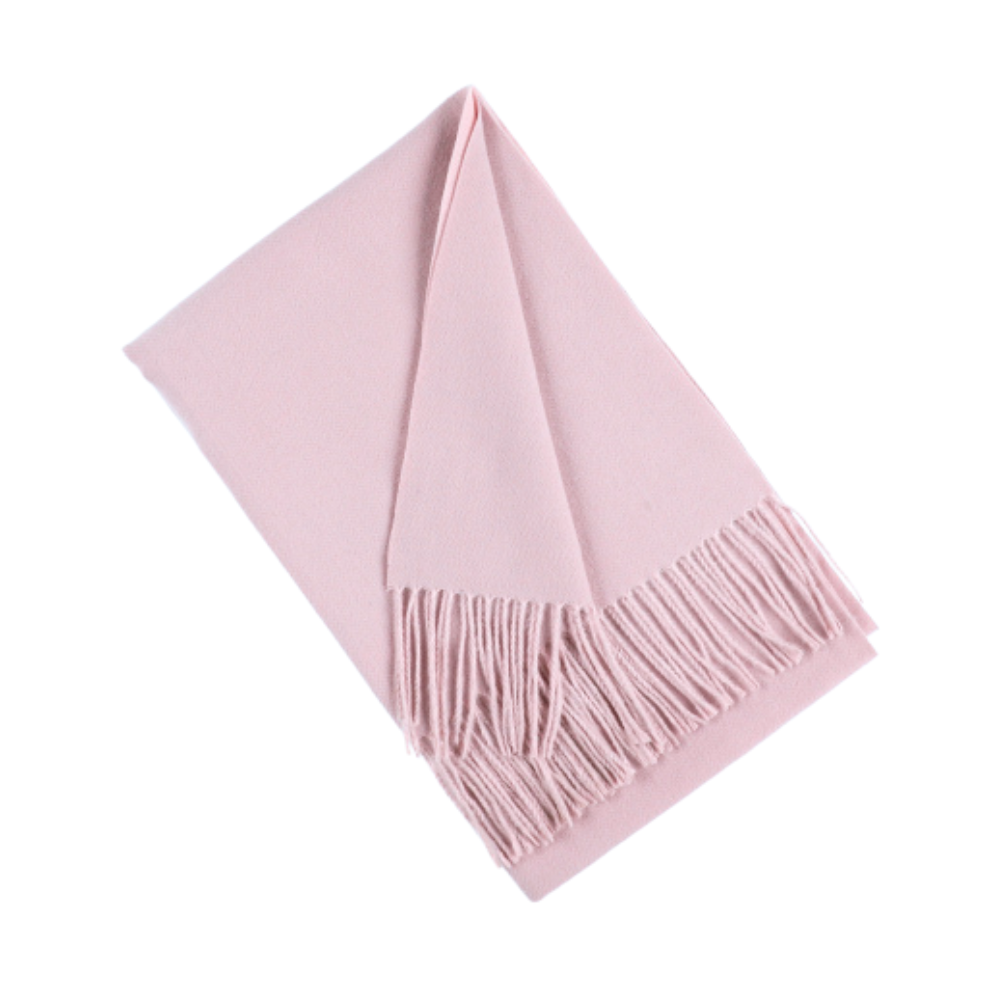
200×65 cm / 79×26 in
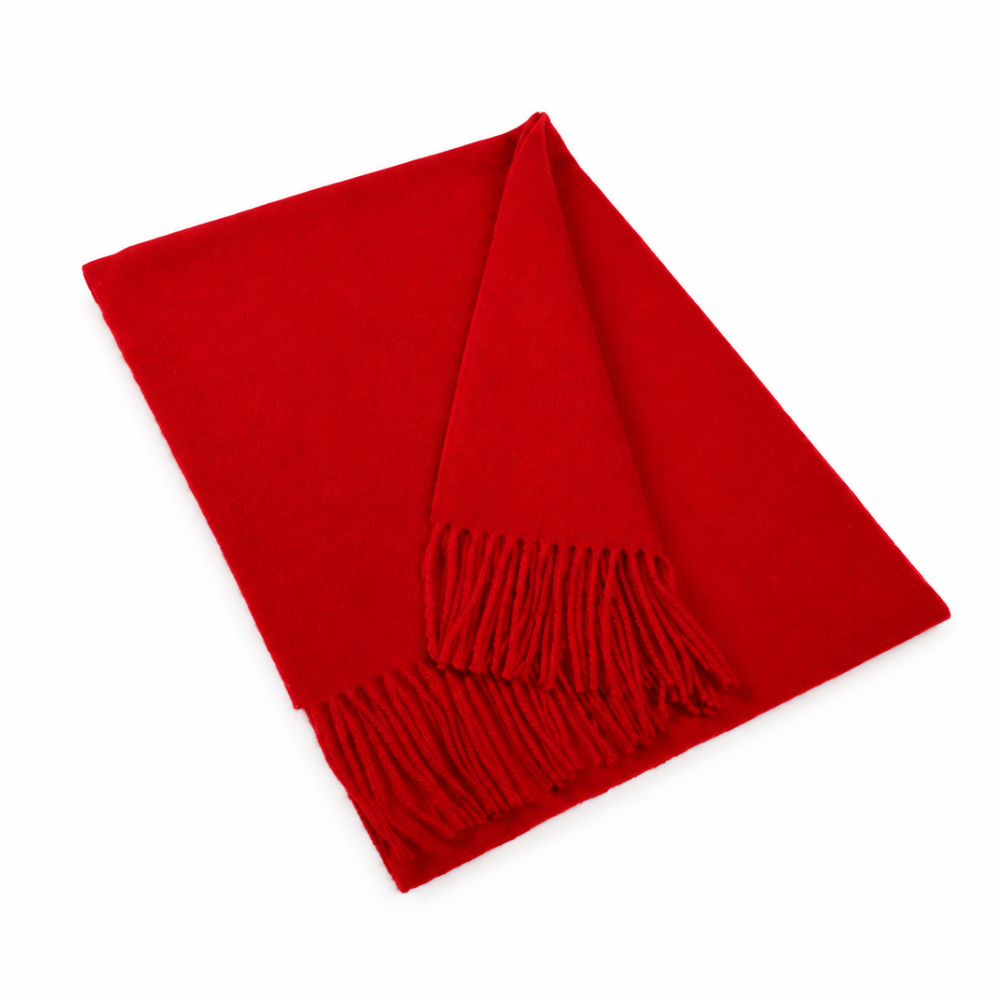
200×35 cm / 79×14 in
200×35 cm / 79×14 in
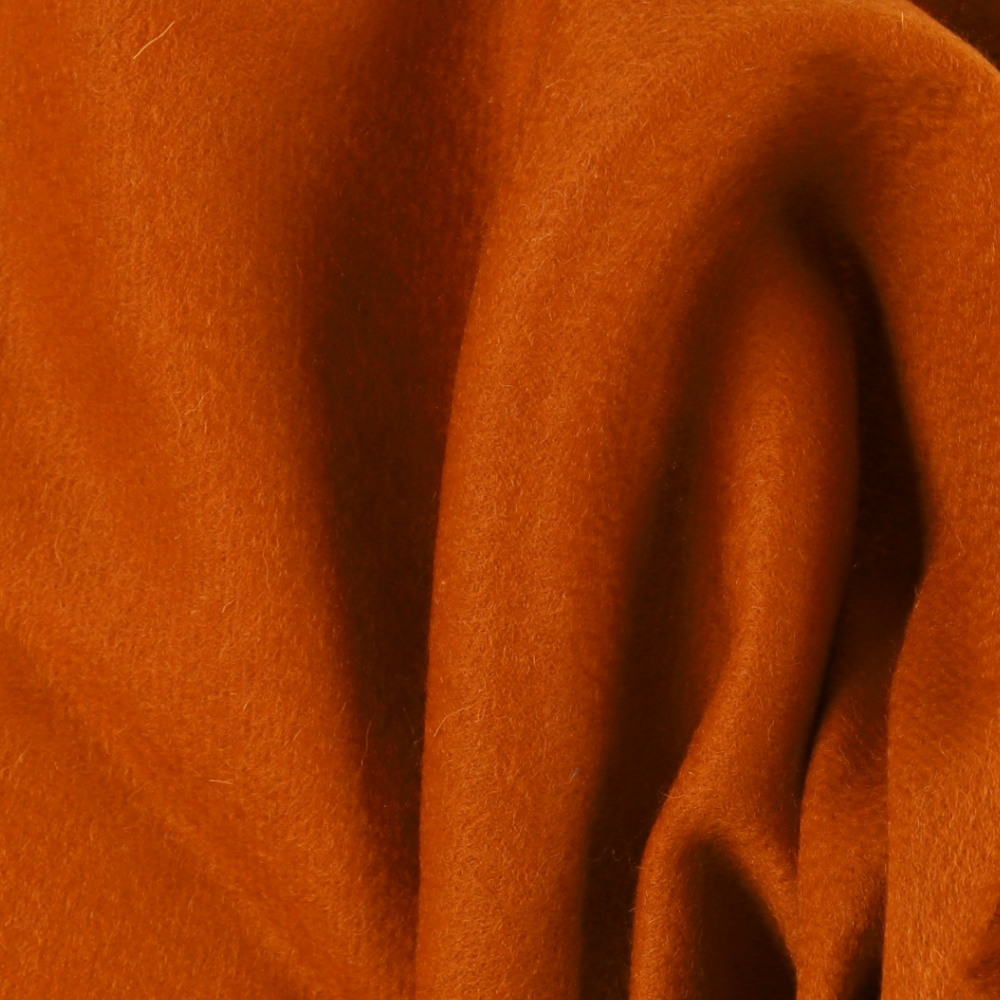
200×35 cm / 79×14 in
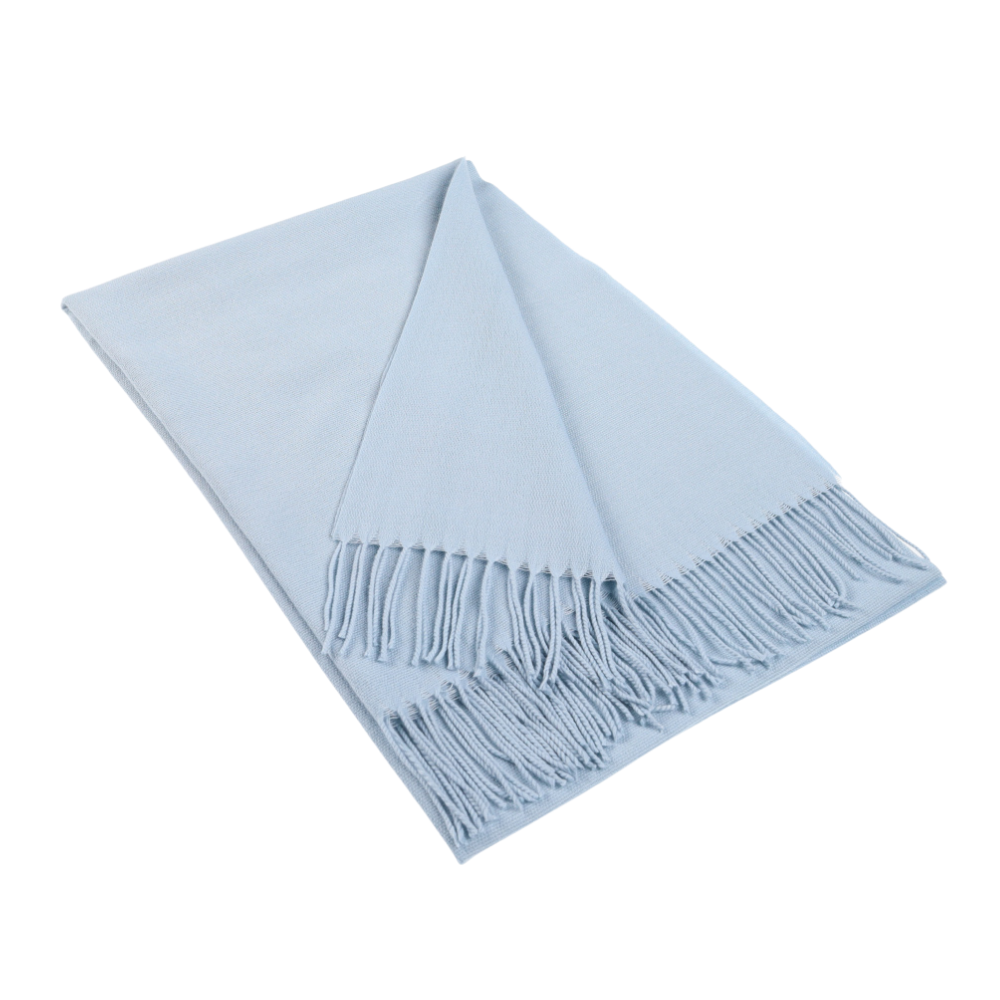
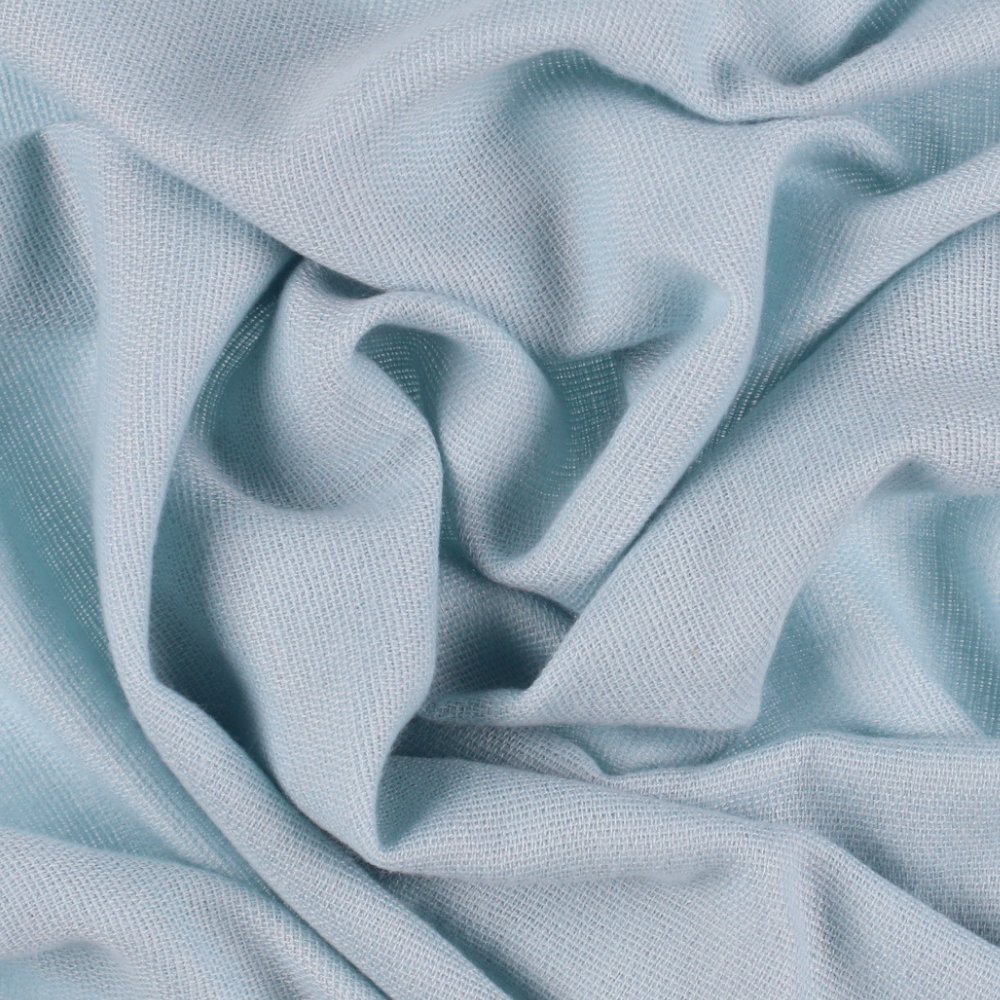
200×65 cm / 79×26 in
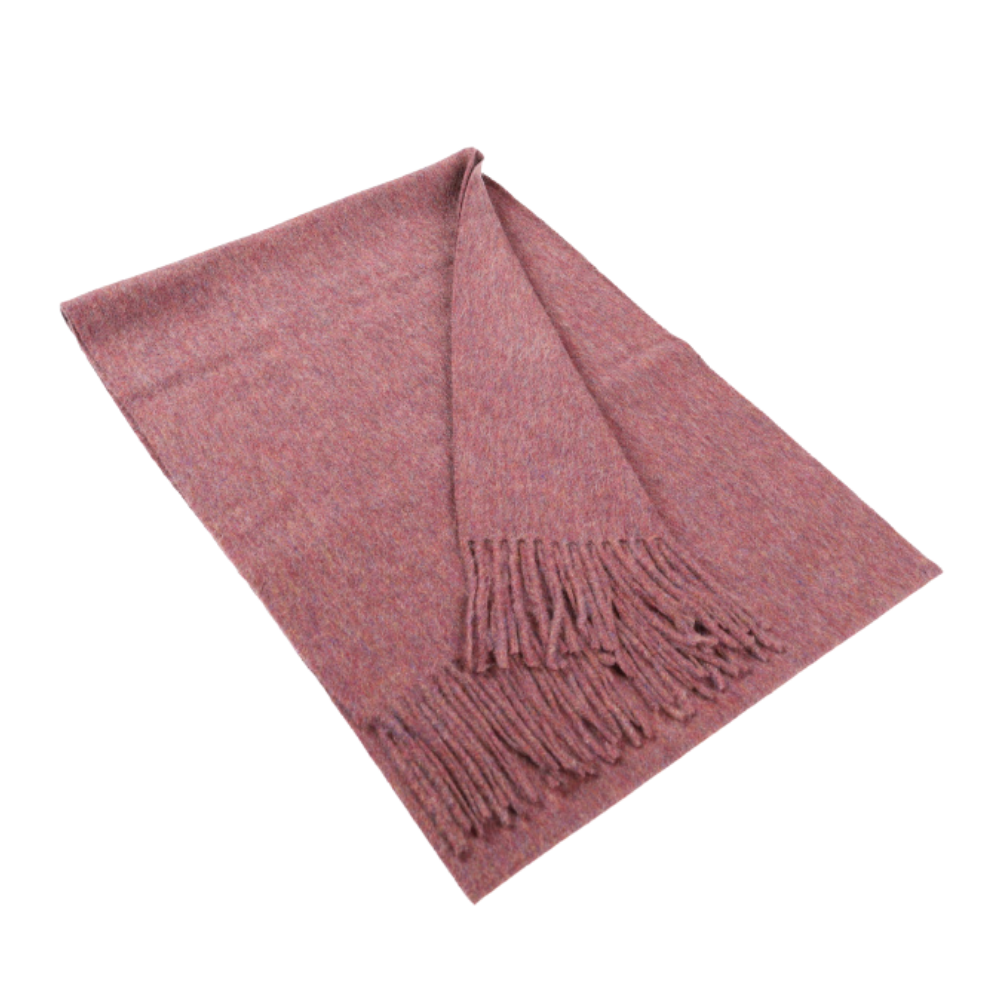
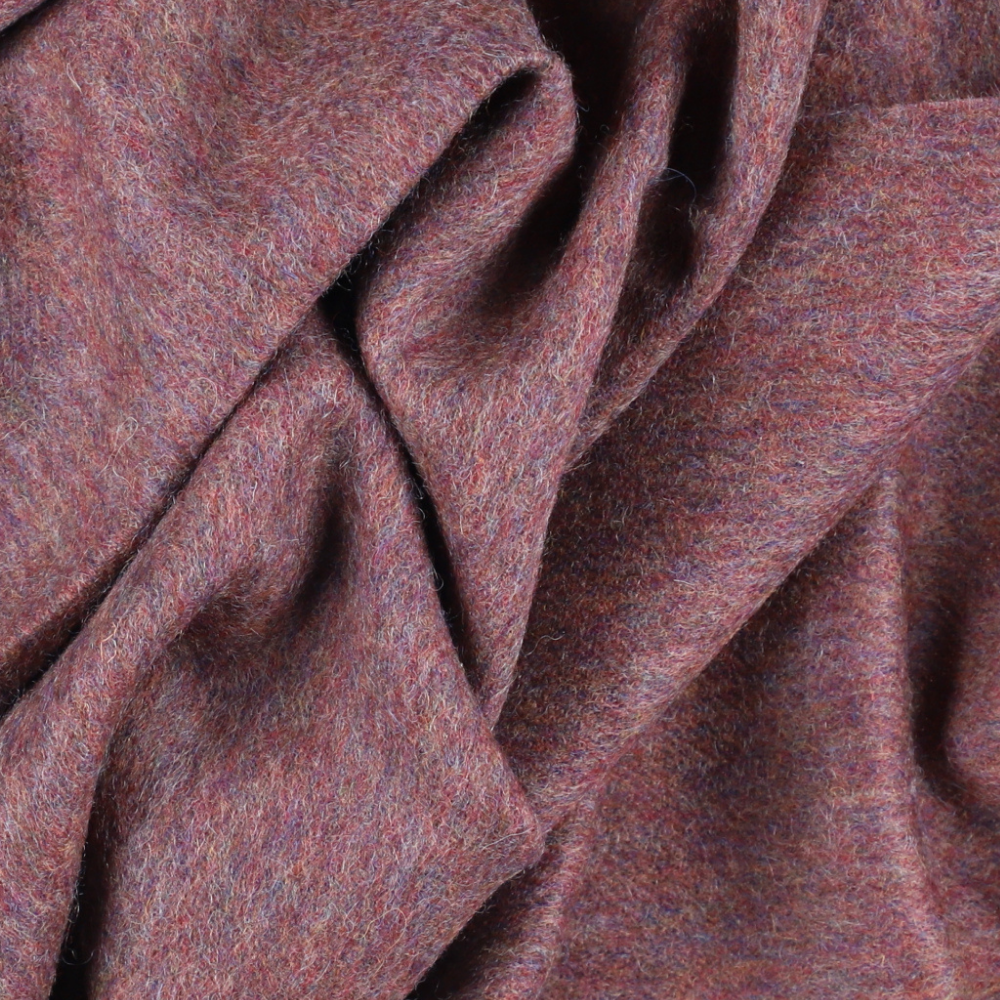
200×35 cm / 79×14 in
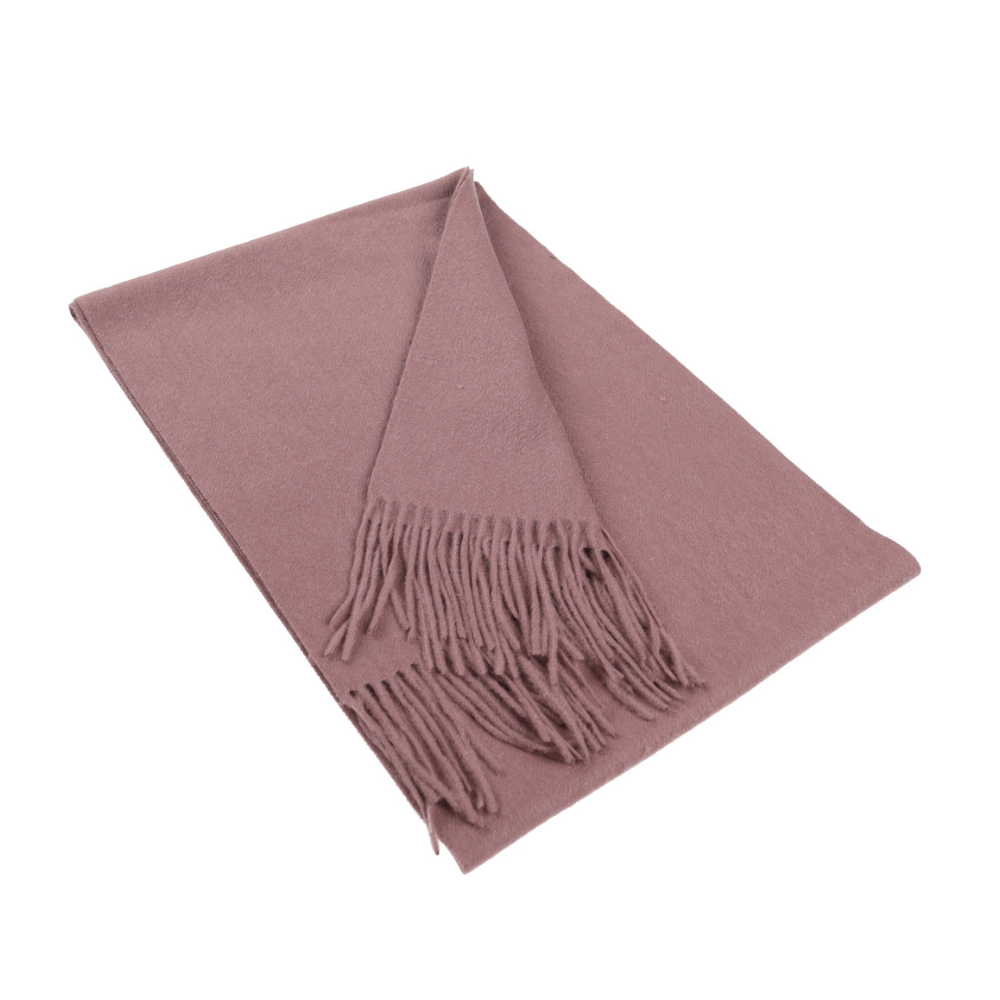
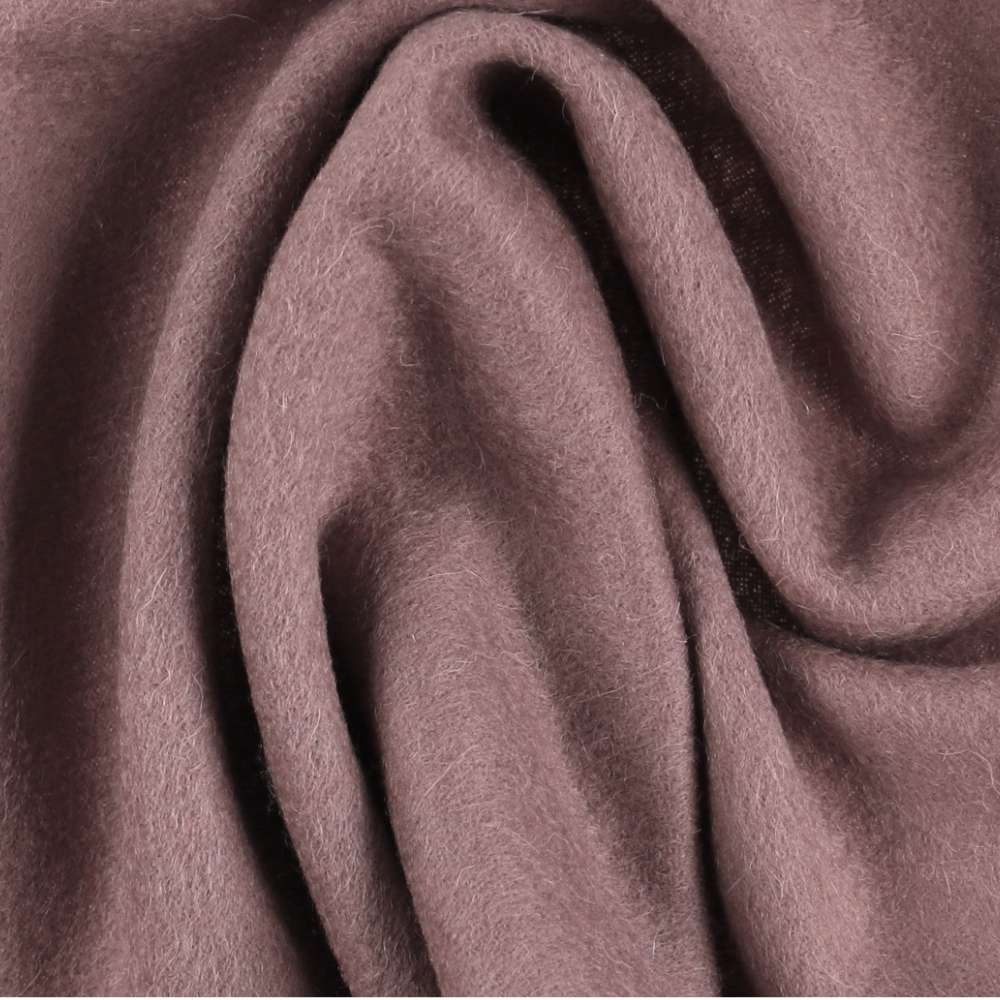
200×35 cm / 79×14 in
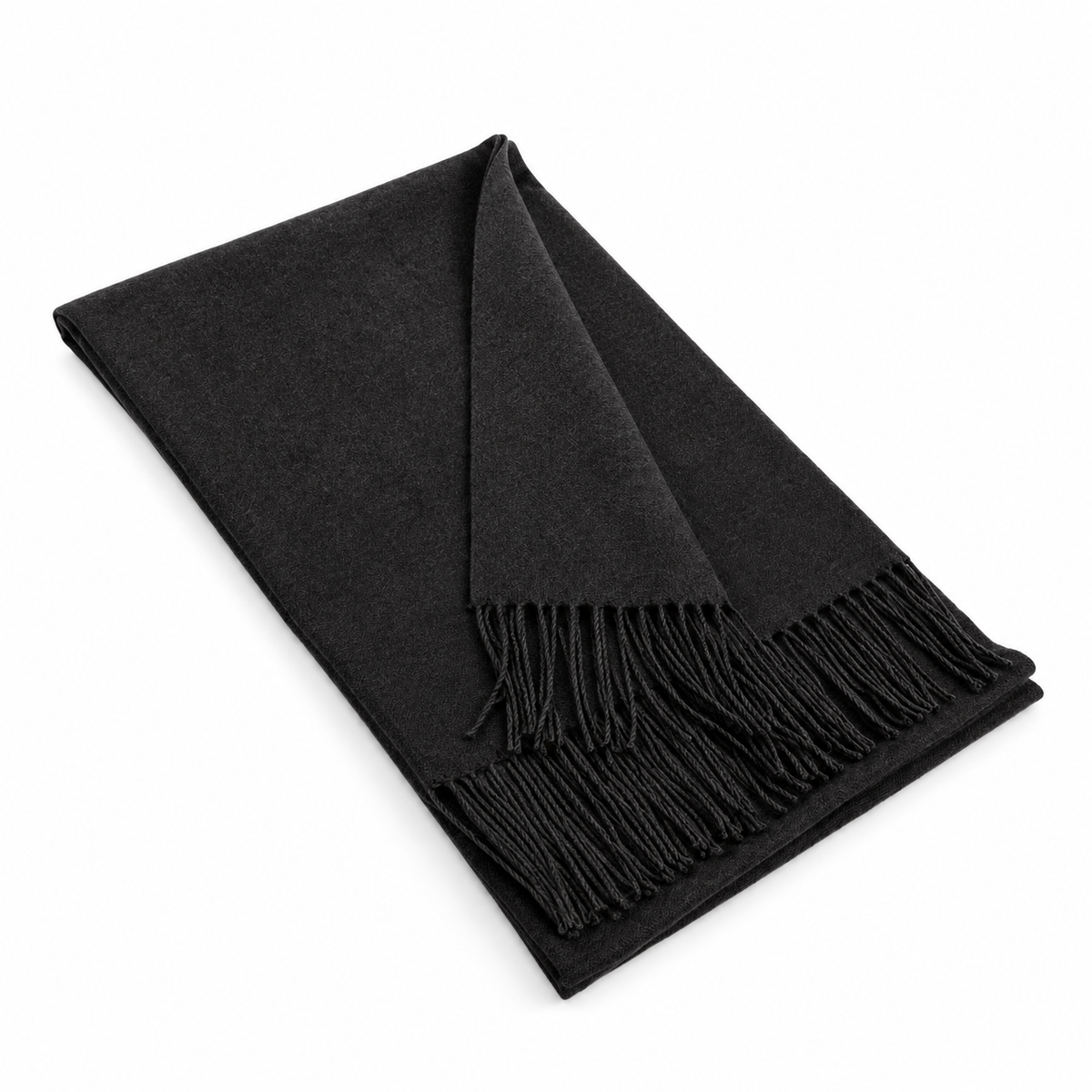
200×65 cm / 79×26 in
180×30 cm / 71×12 in
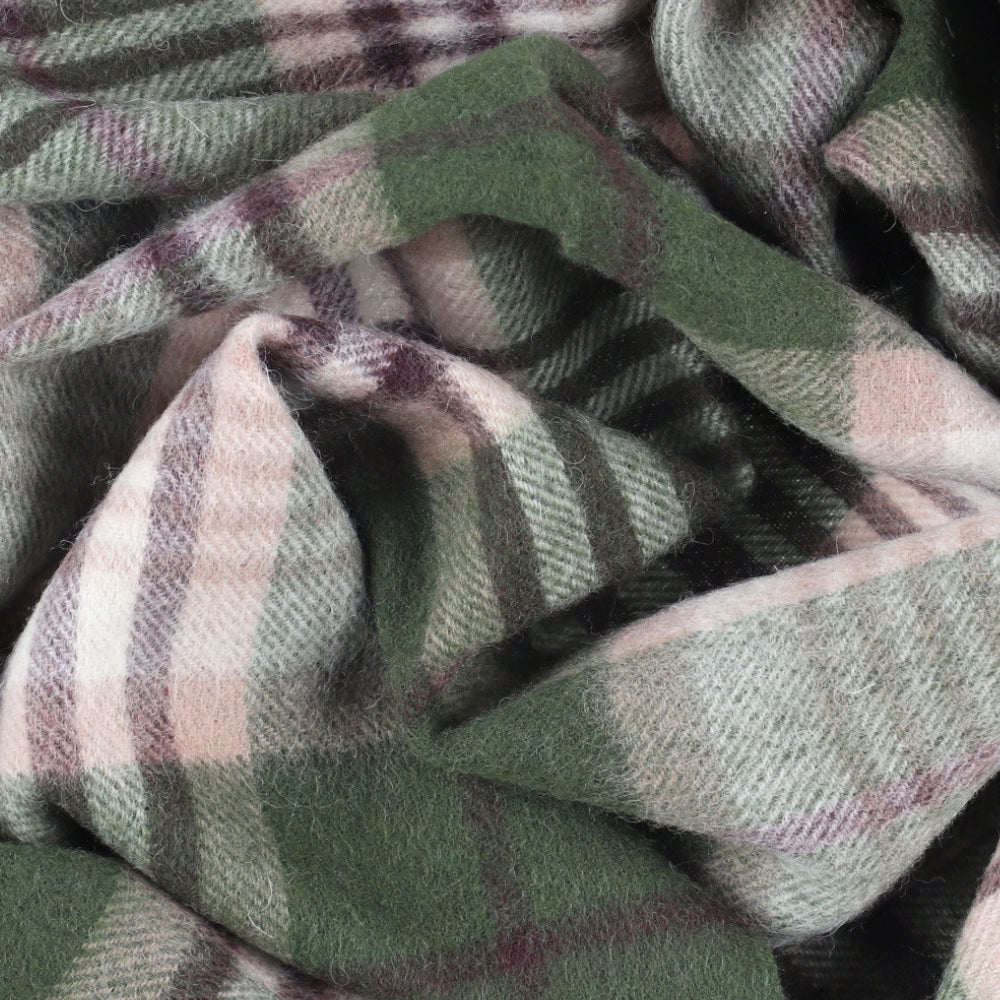
180×30 cm / 71×12 in
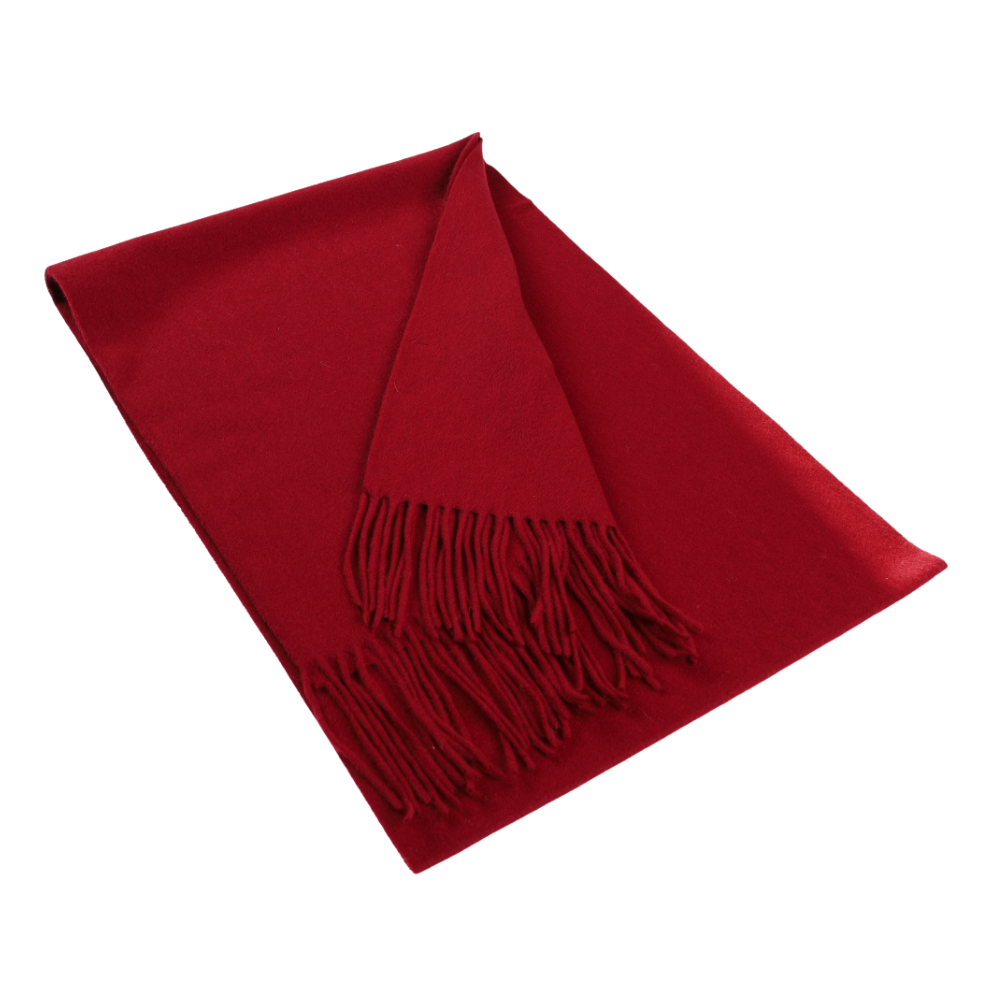
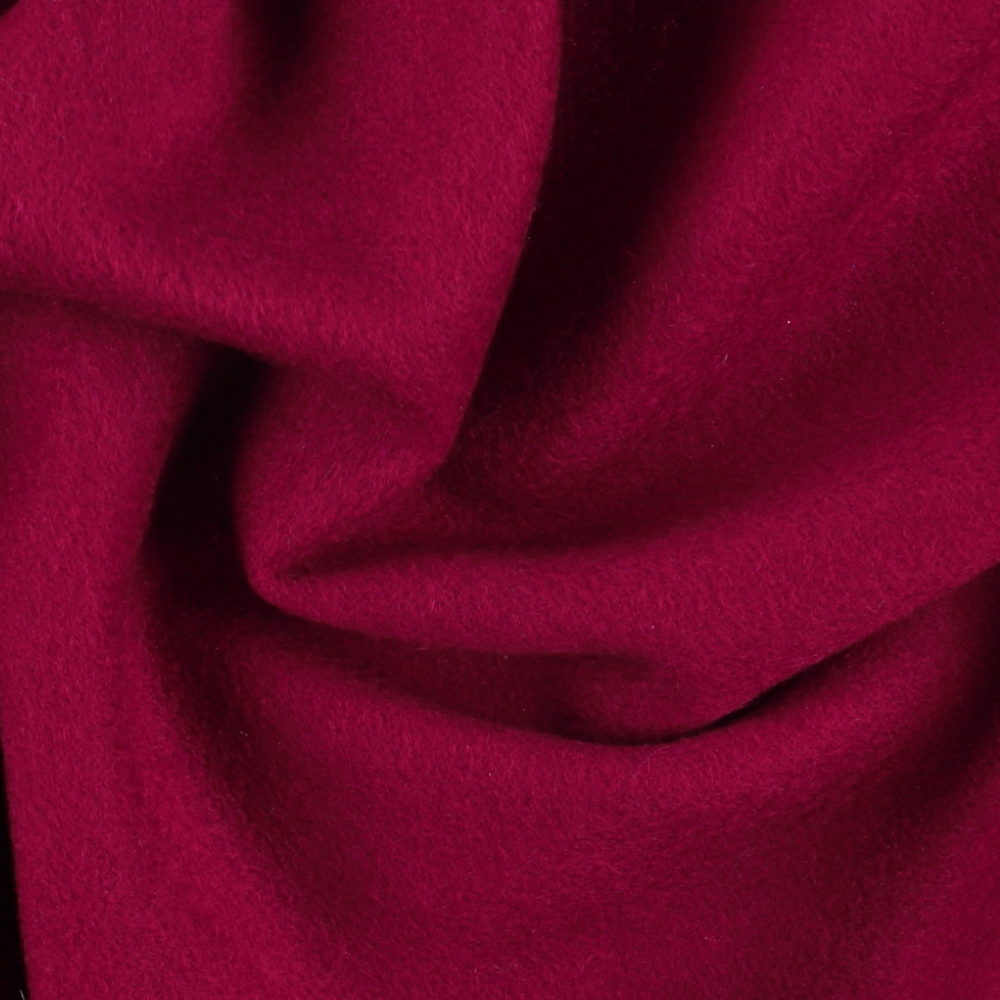
200×35 cm / 79×14 in
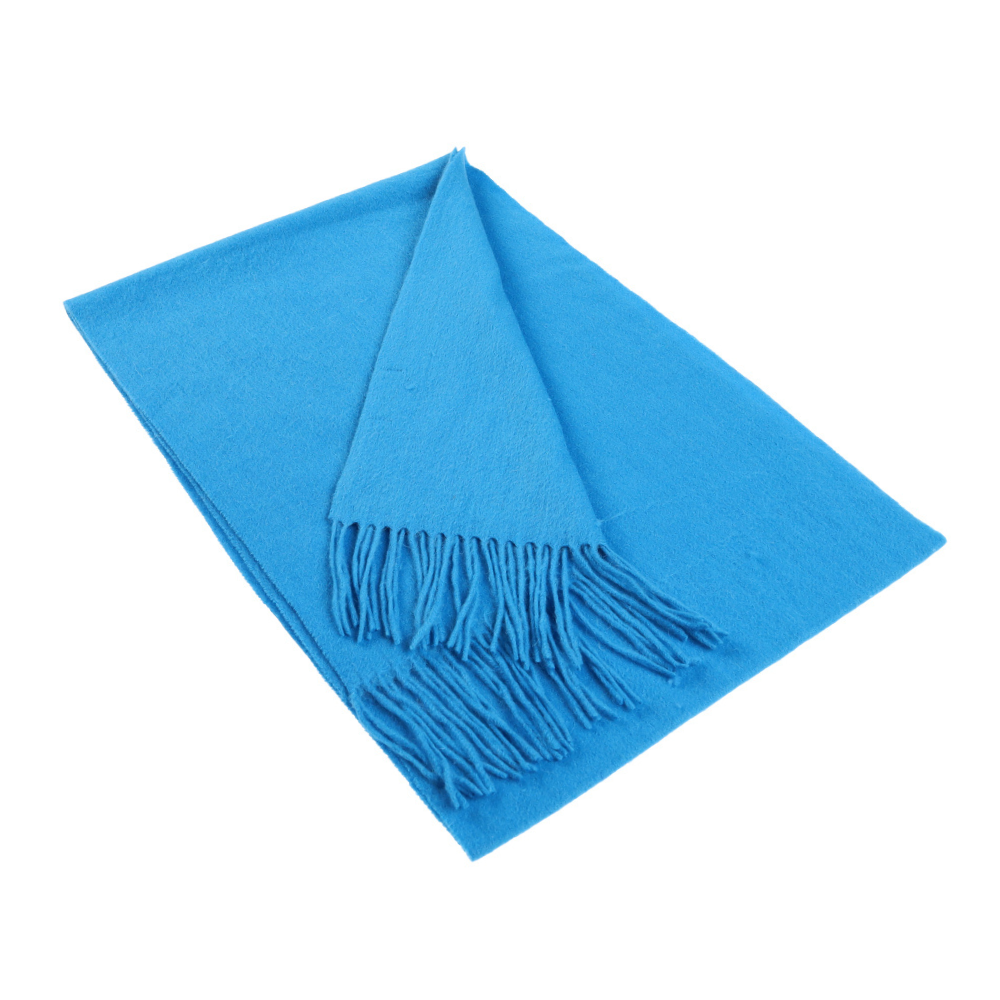
200×35 cm / 79×14 in


180×30 cm / 71×12 in
200×35 cm / 79×14 in
200×35 cm / 79×14 in
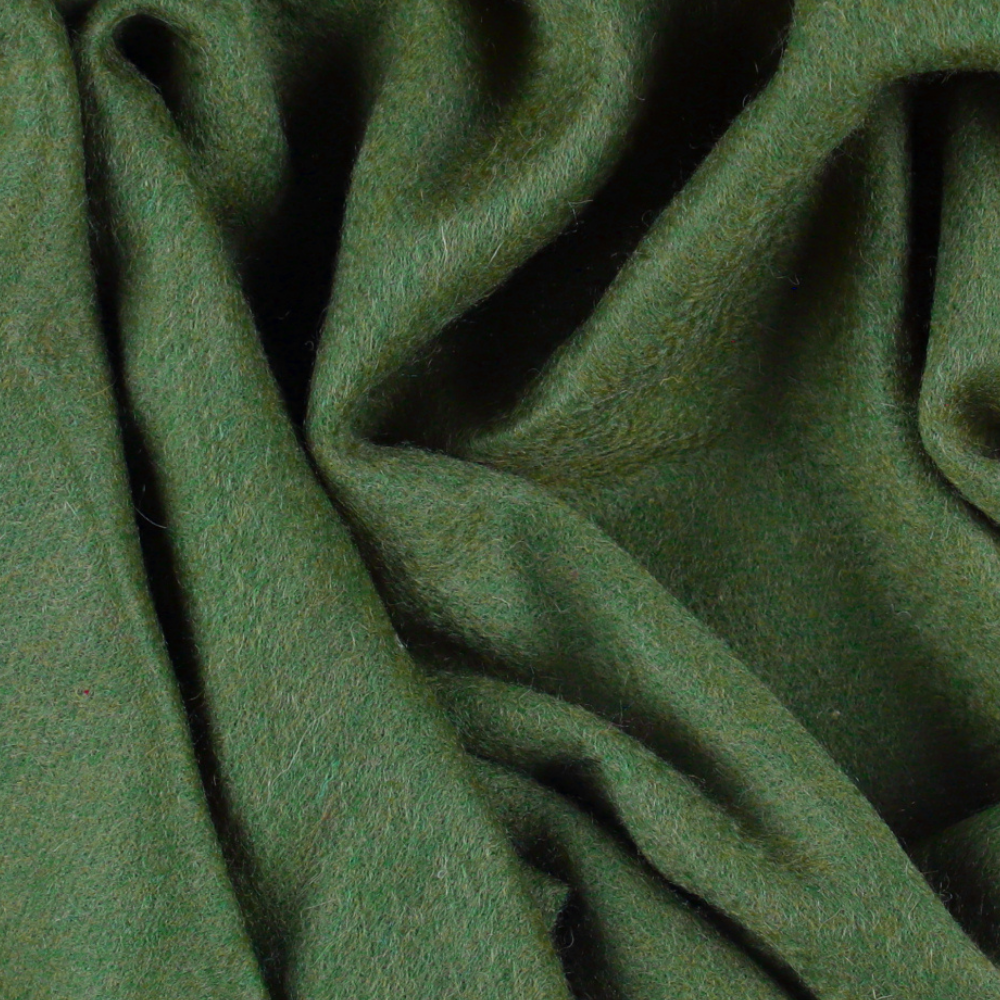
200×70 cm / 79×28 in
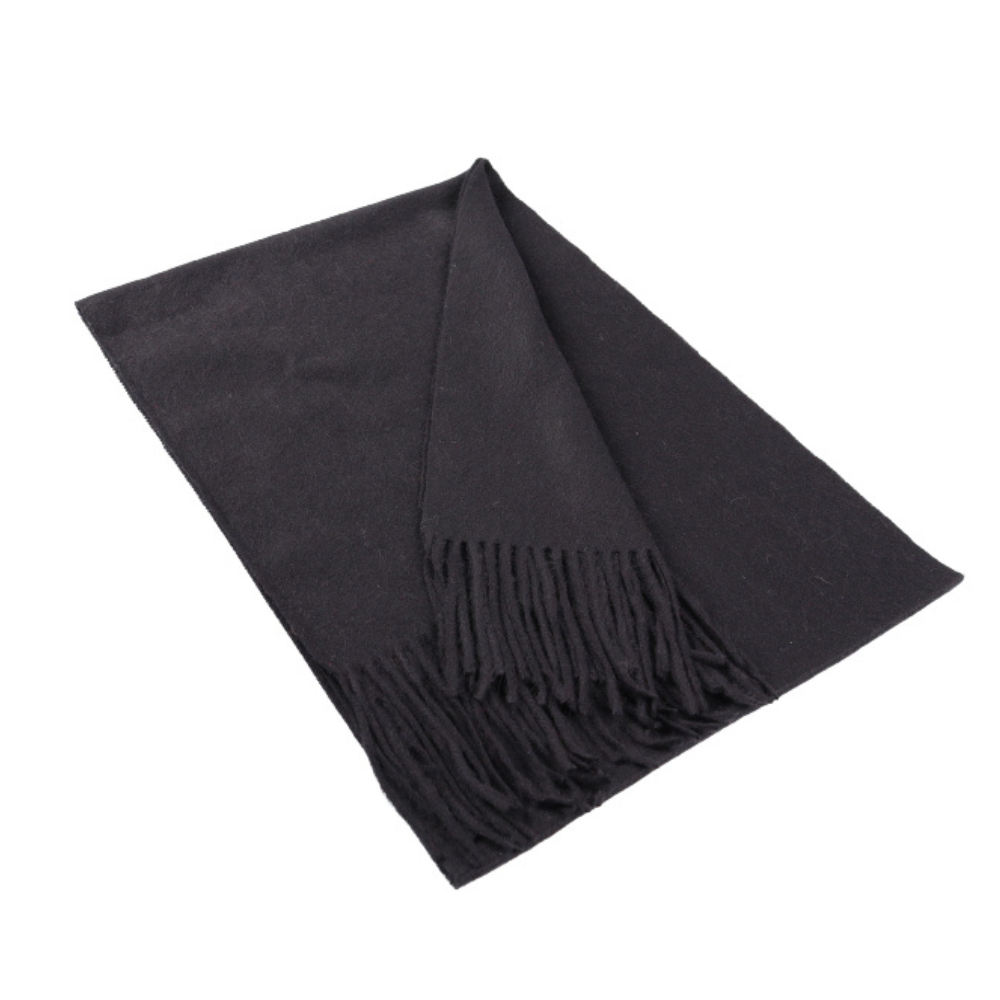
200×35 cm / 79×14 in
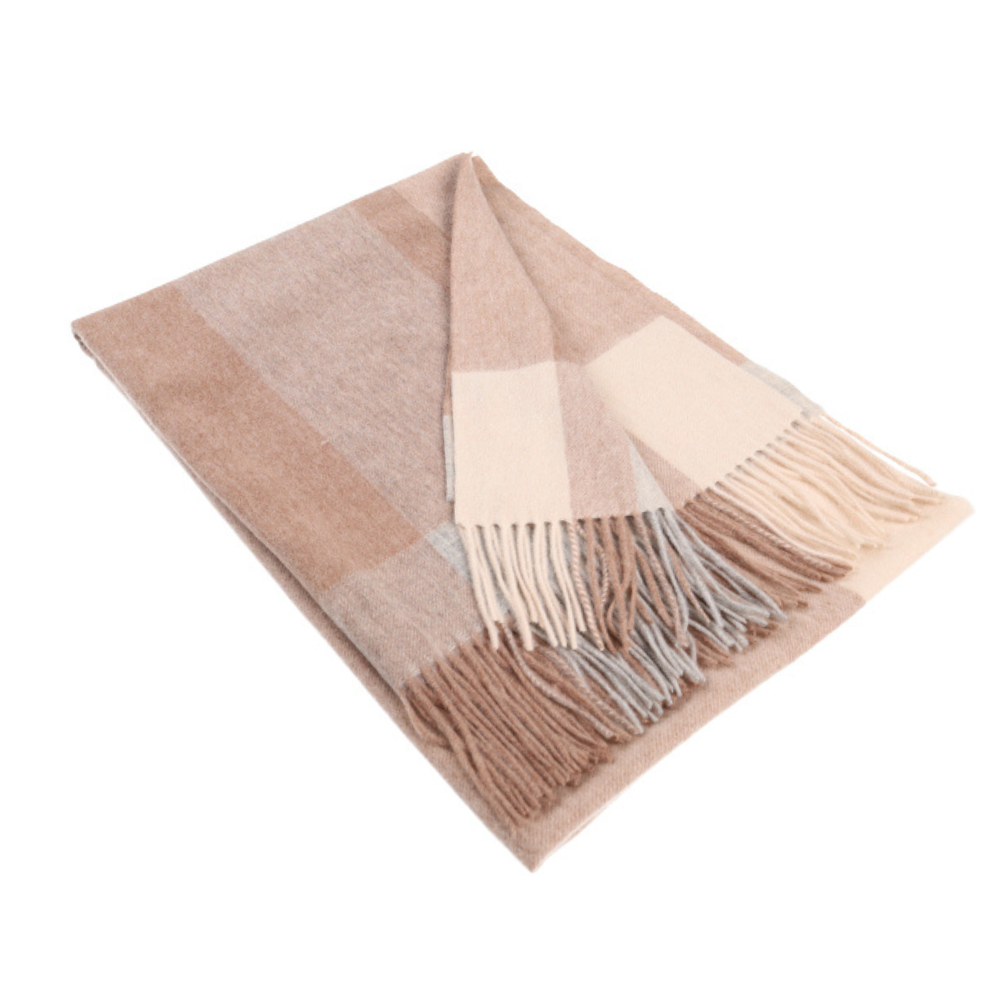
200×70 cm / 79×28 in
200×65 cm / 79×26 in
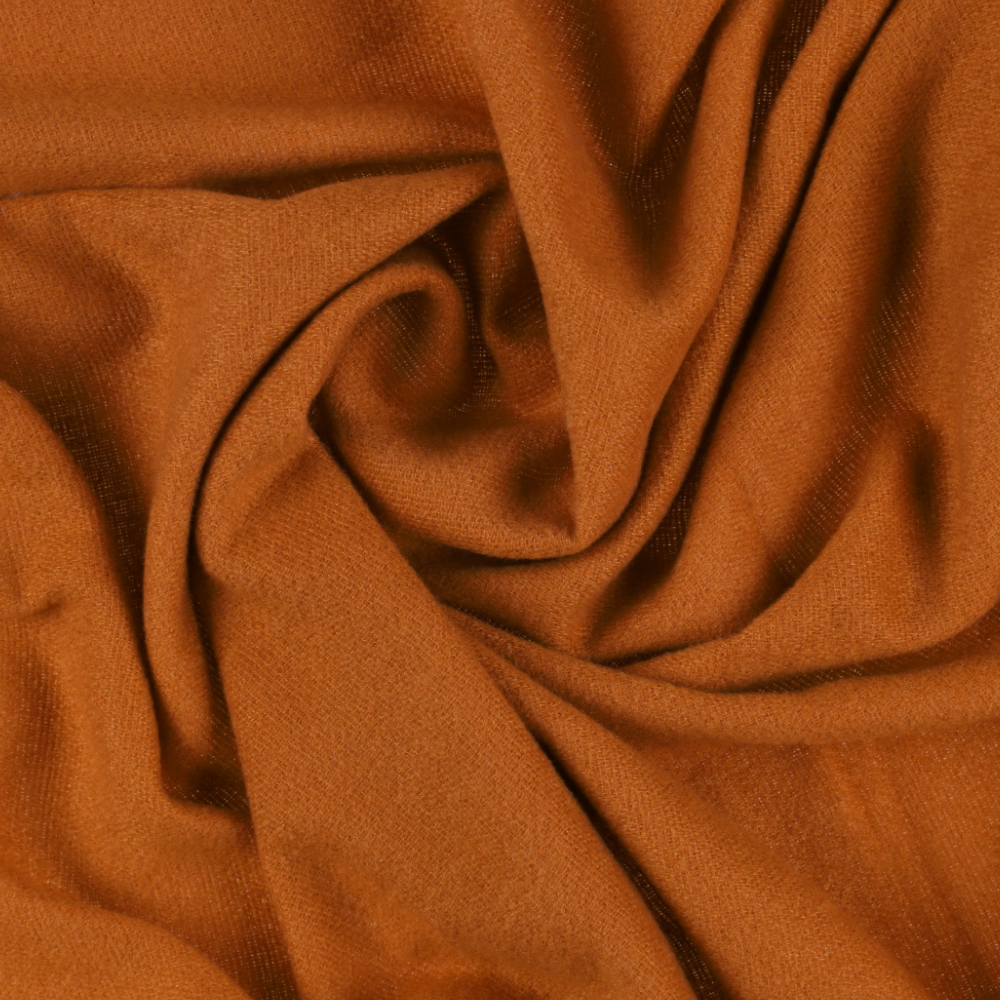
200×65 cm / 79×26 in
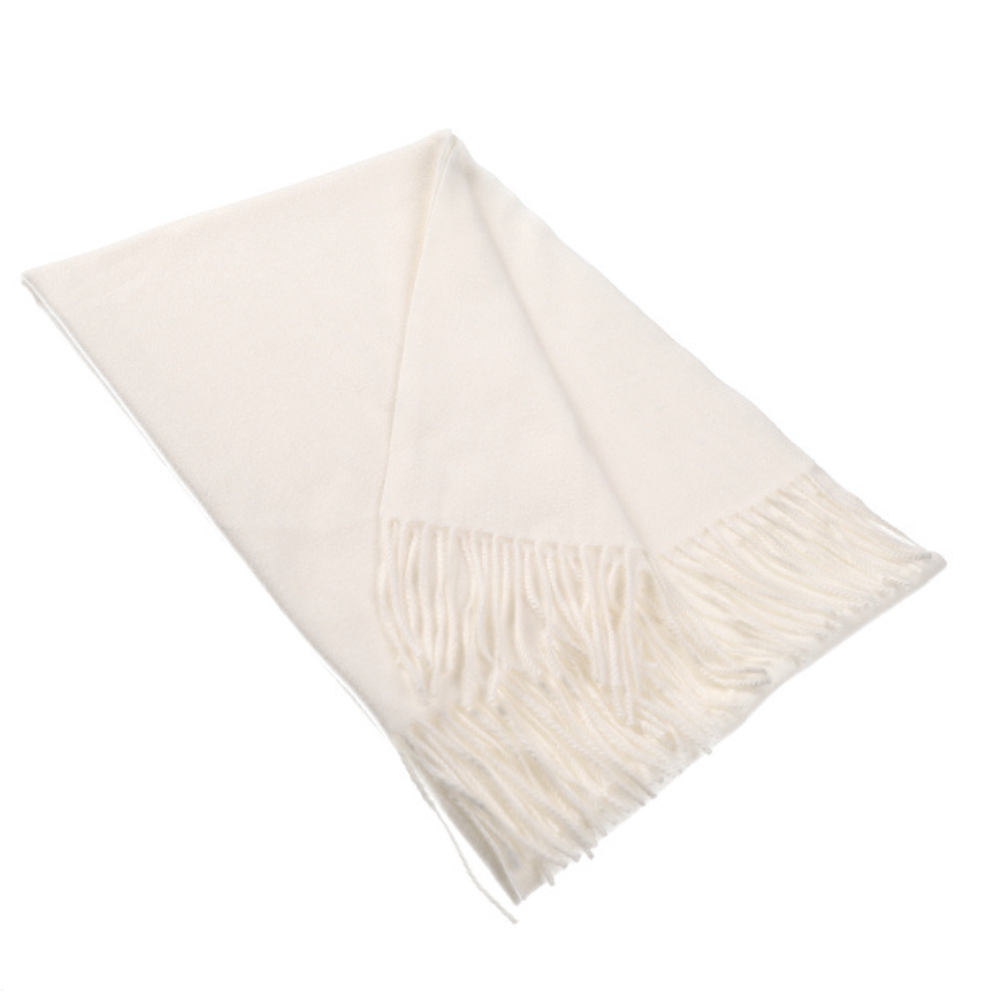
200×65 cm / 79×26 in
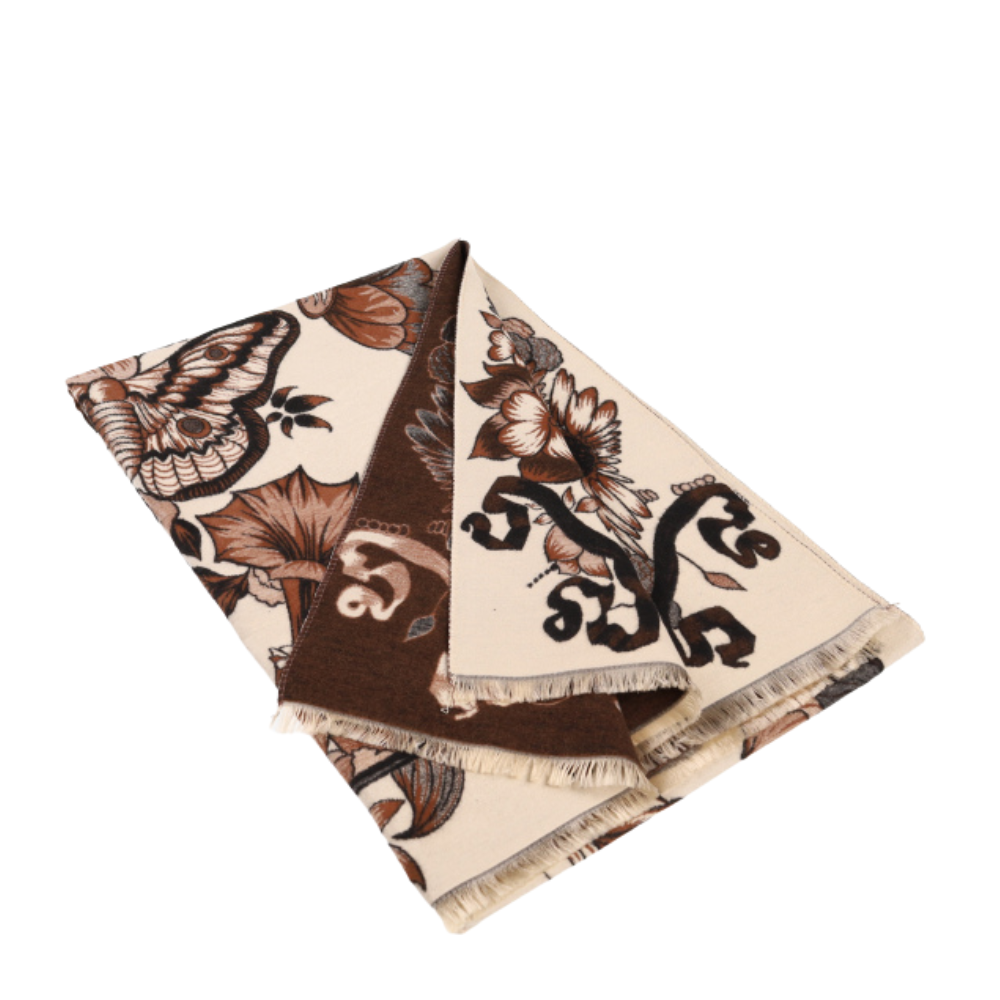
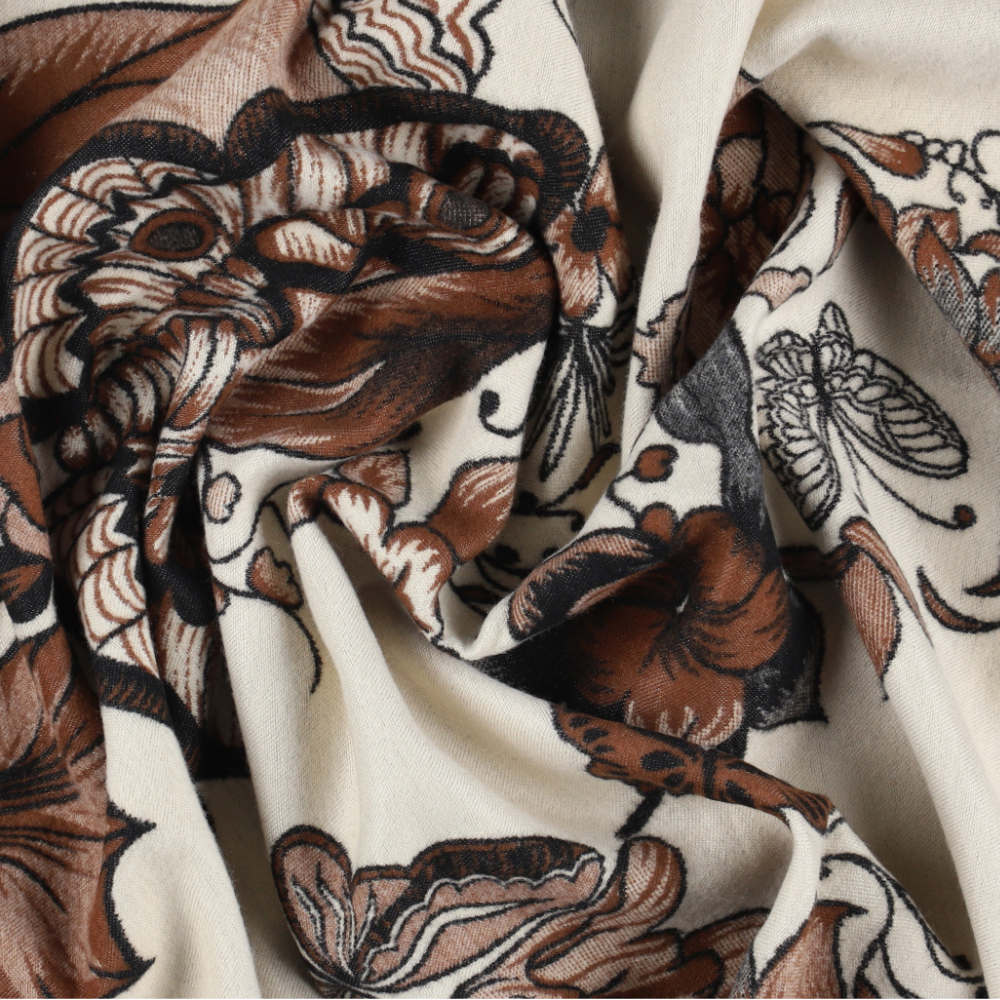
180×65 cm / 71×26 in
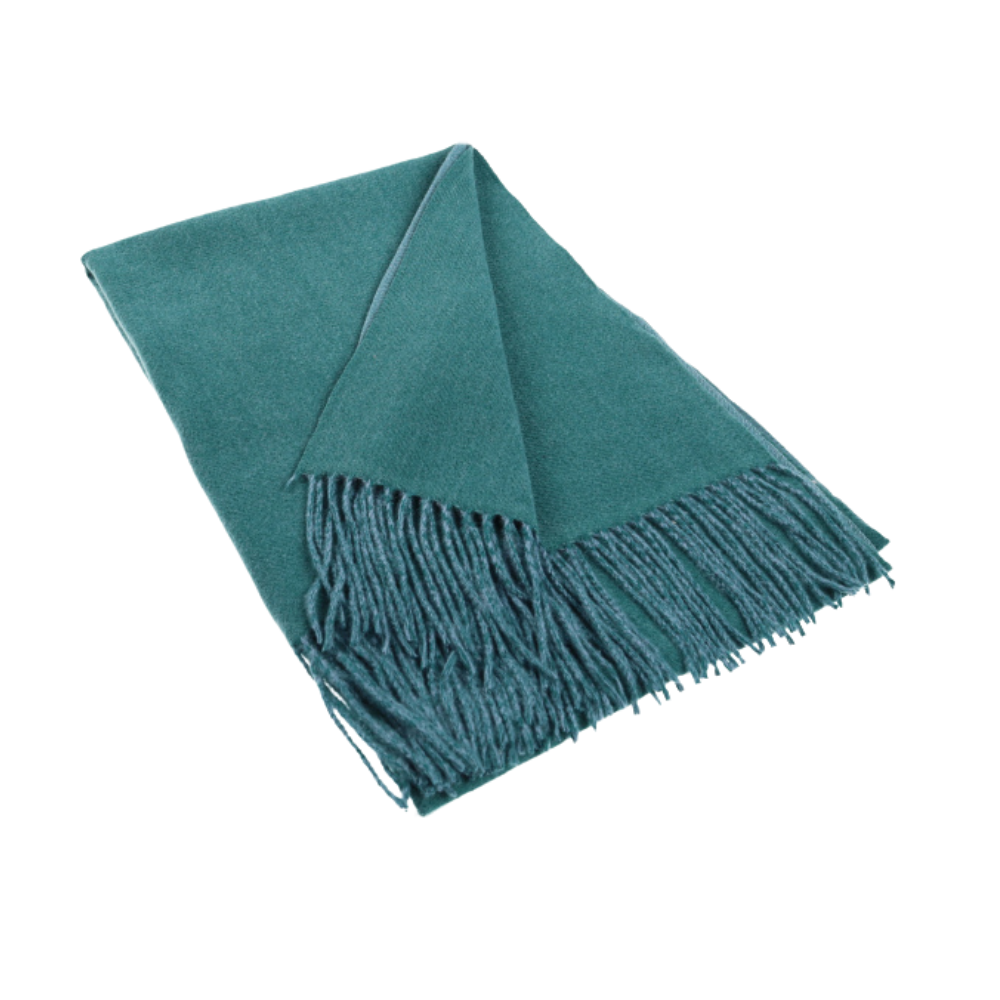
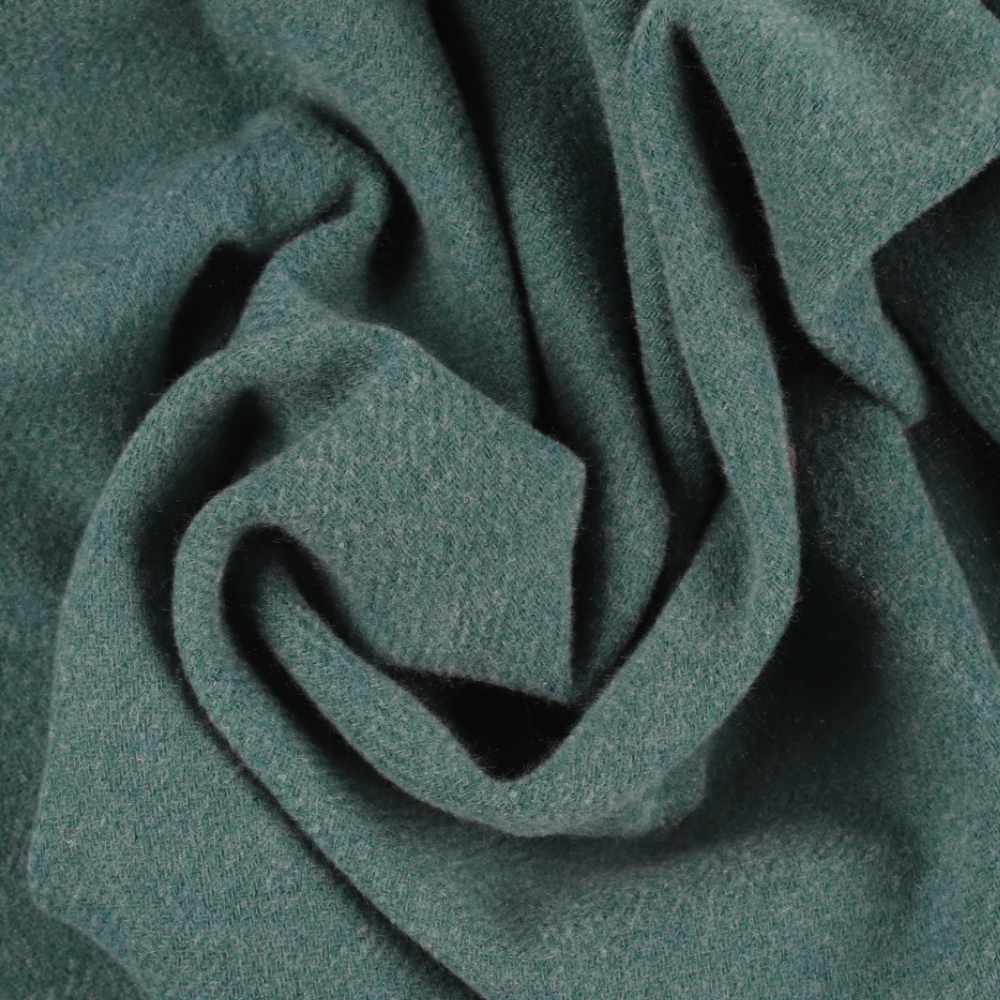
200×65 cm / 79×26 in


180×30 cm / 71×12 in
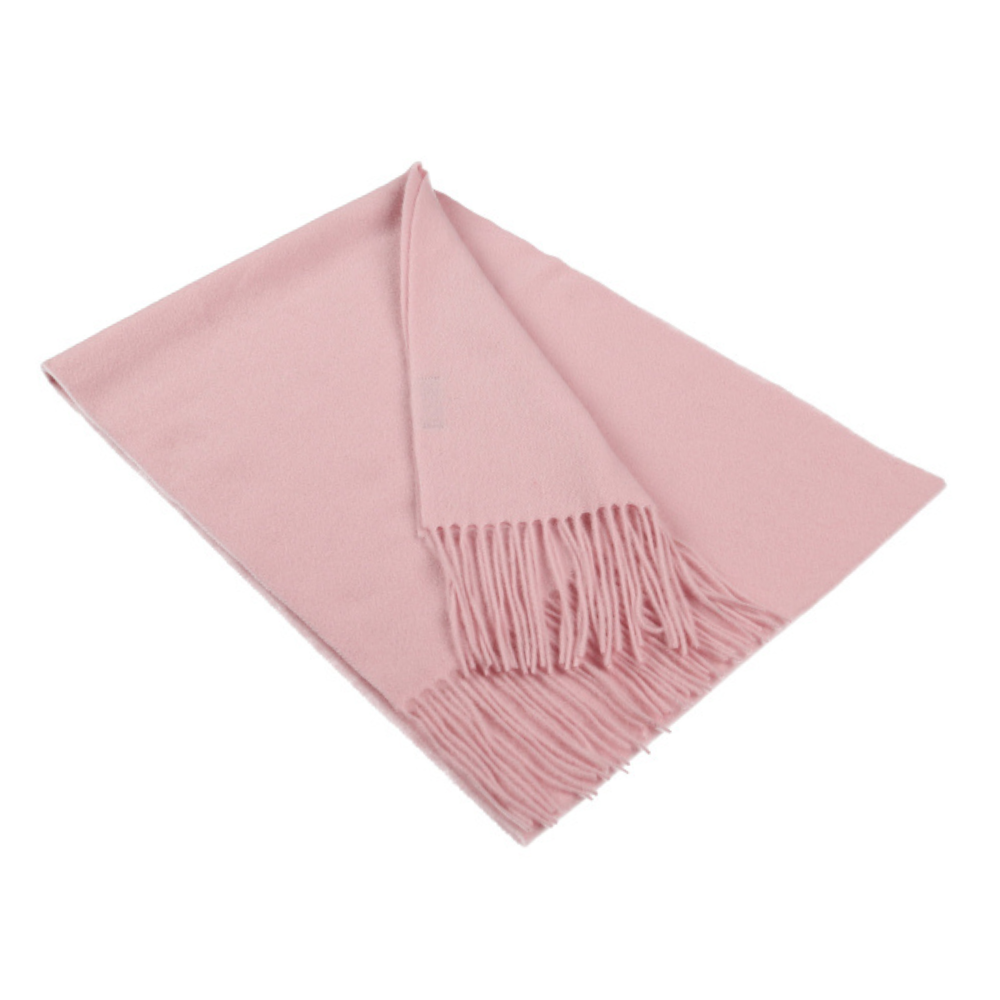
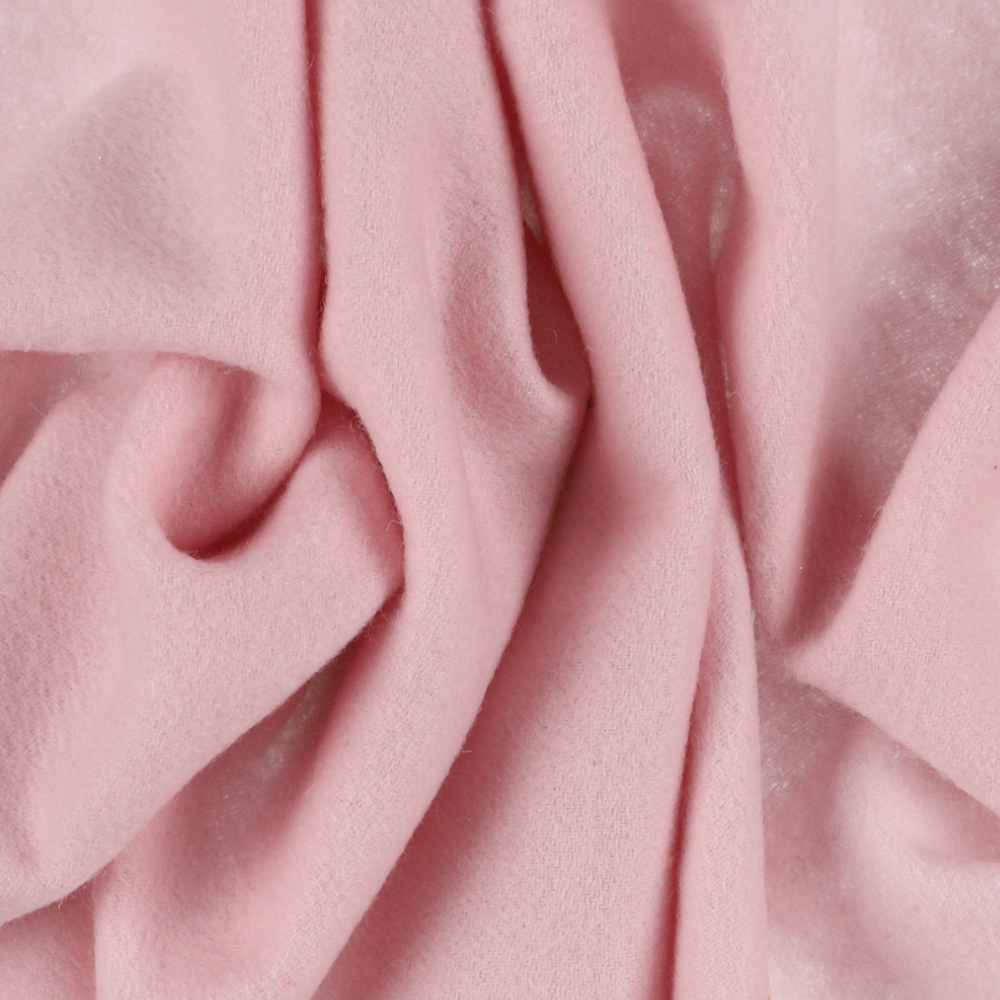
200×35 cm / 79×14 in
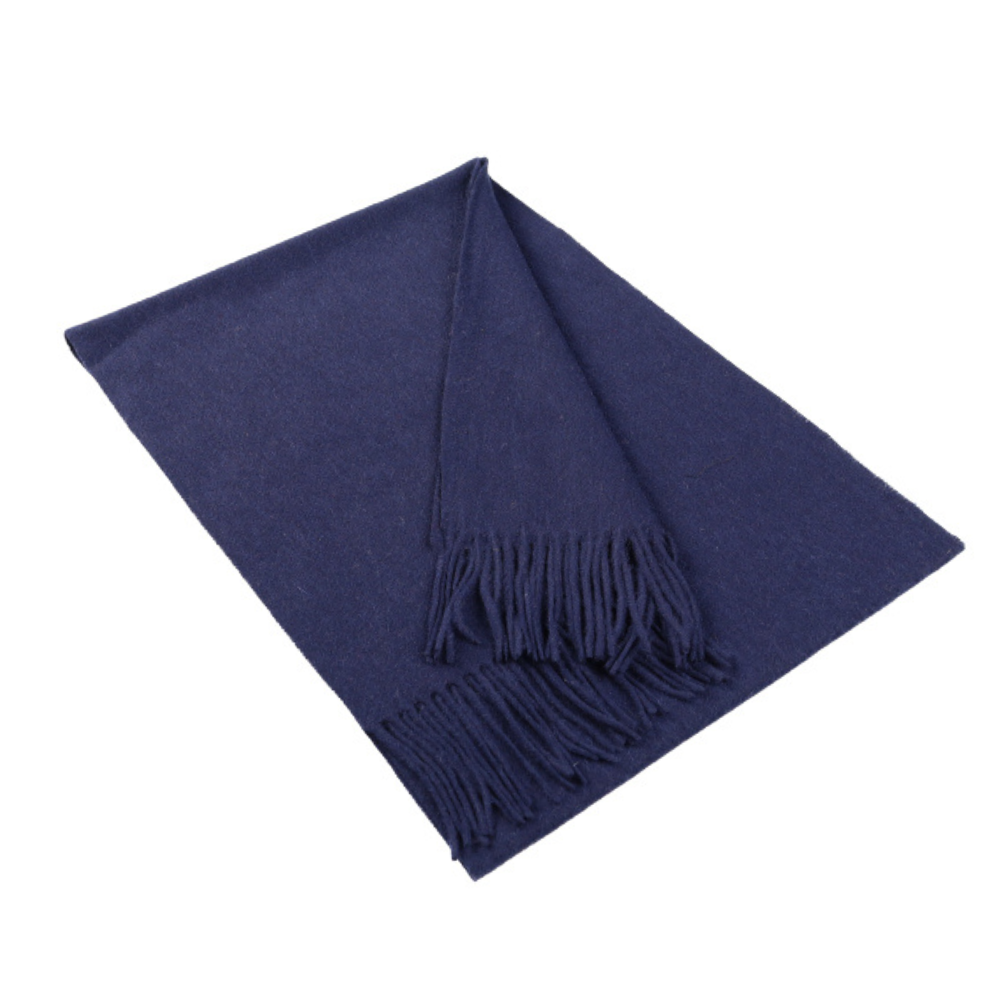
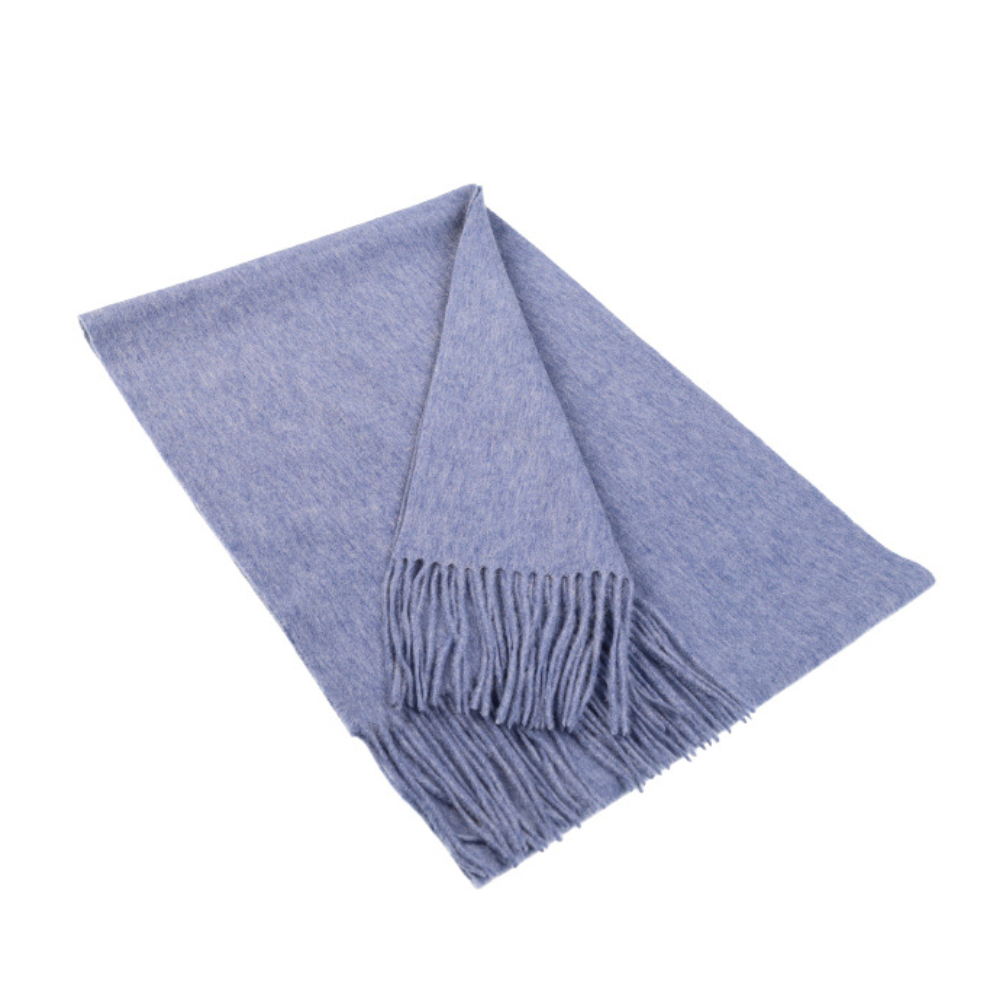
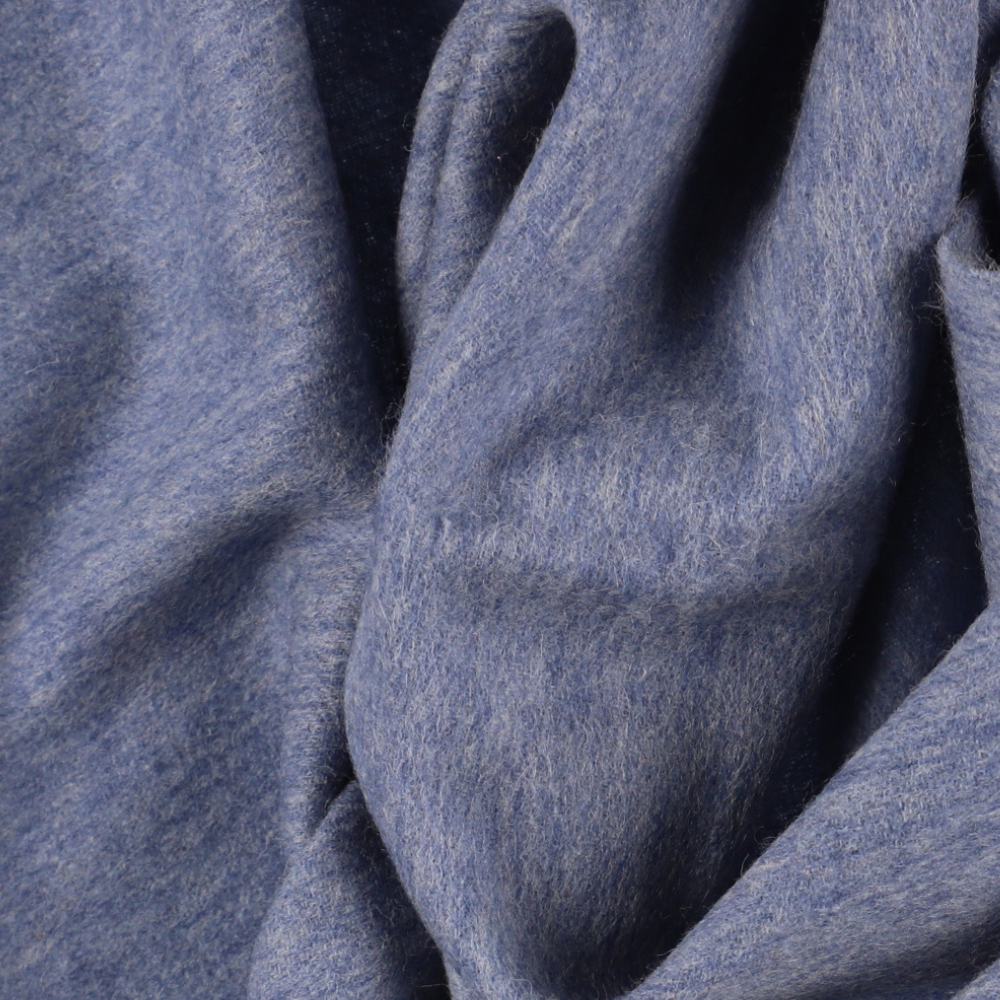
200×35 cm / 79×14 in
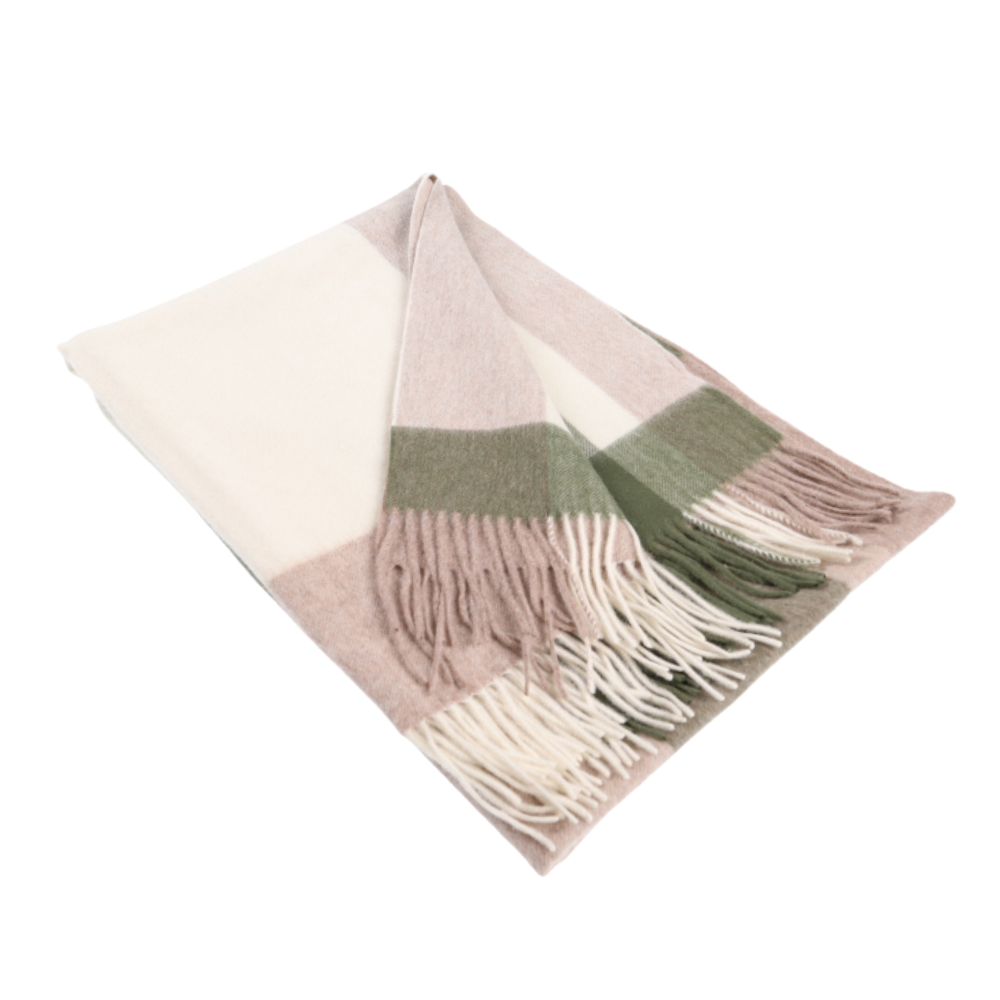
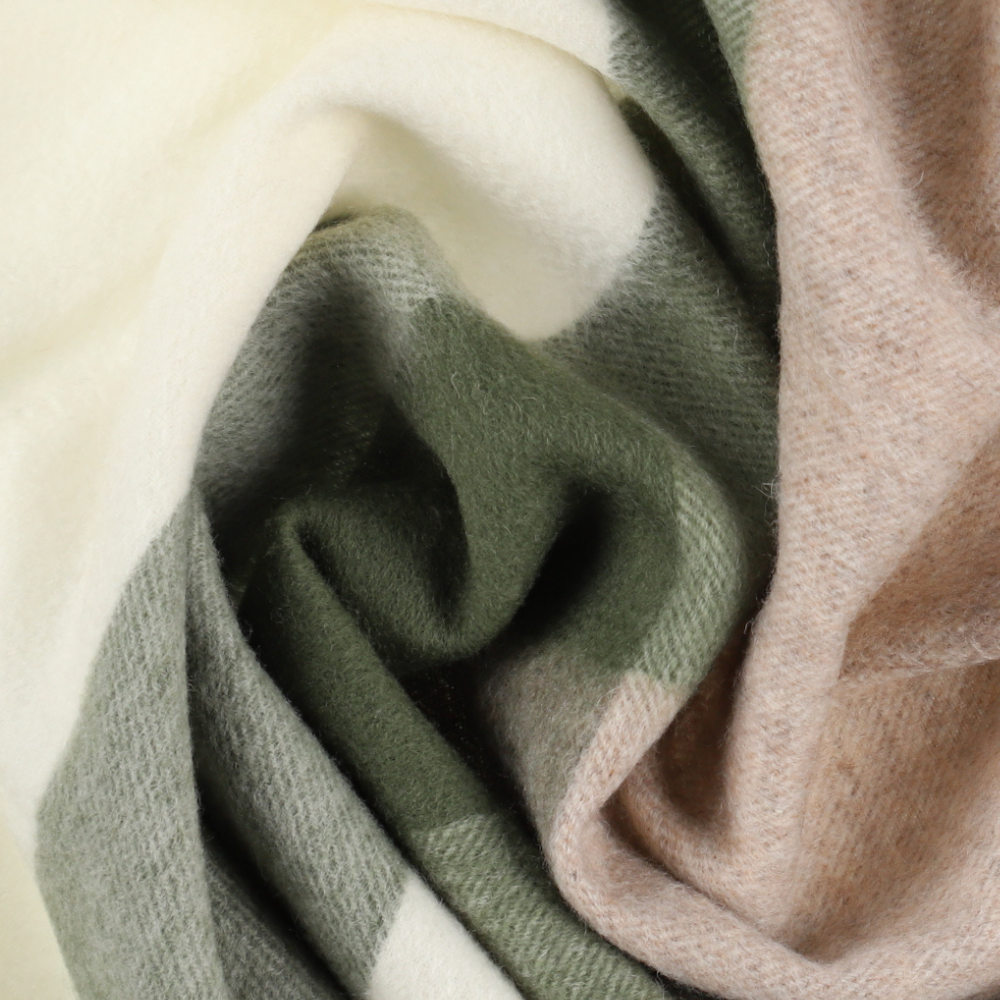
200×70 cm / 79×28 in
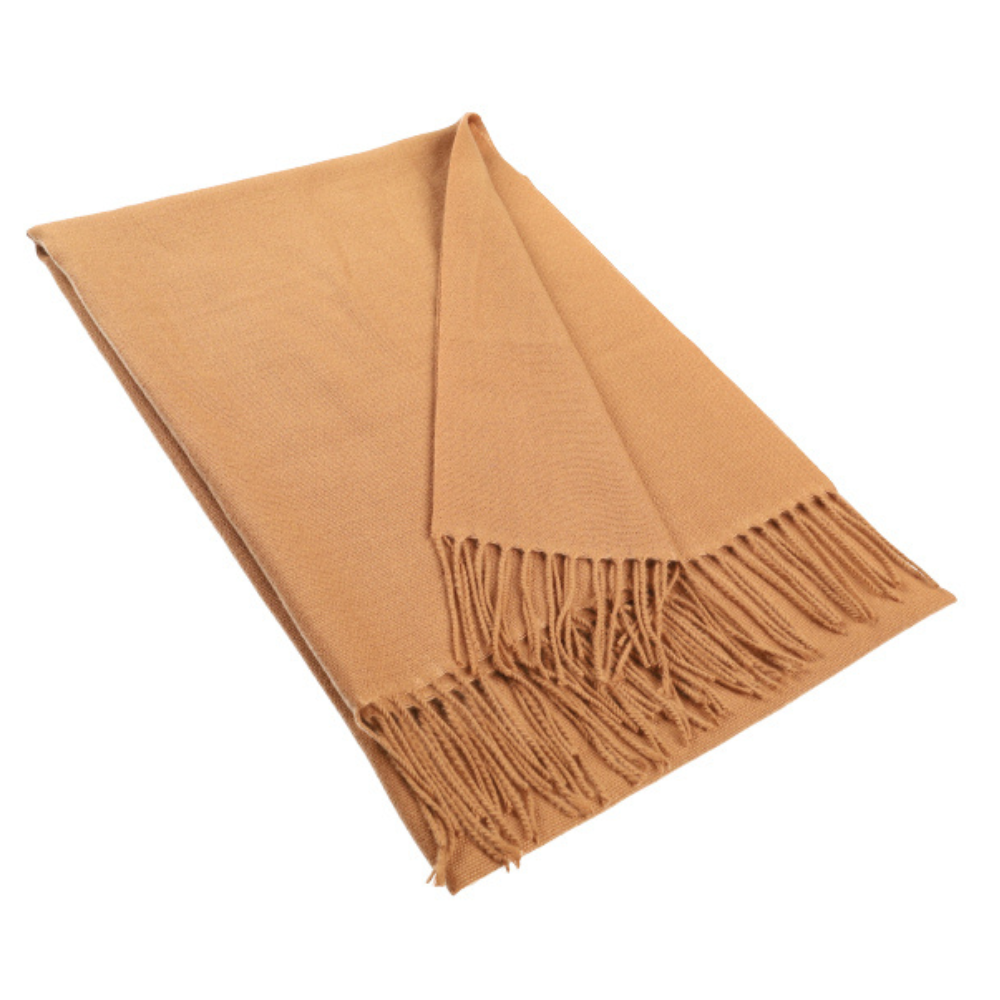
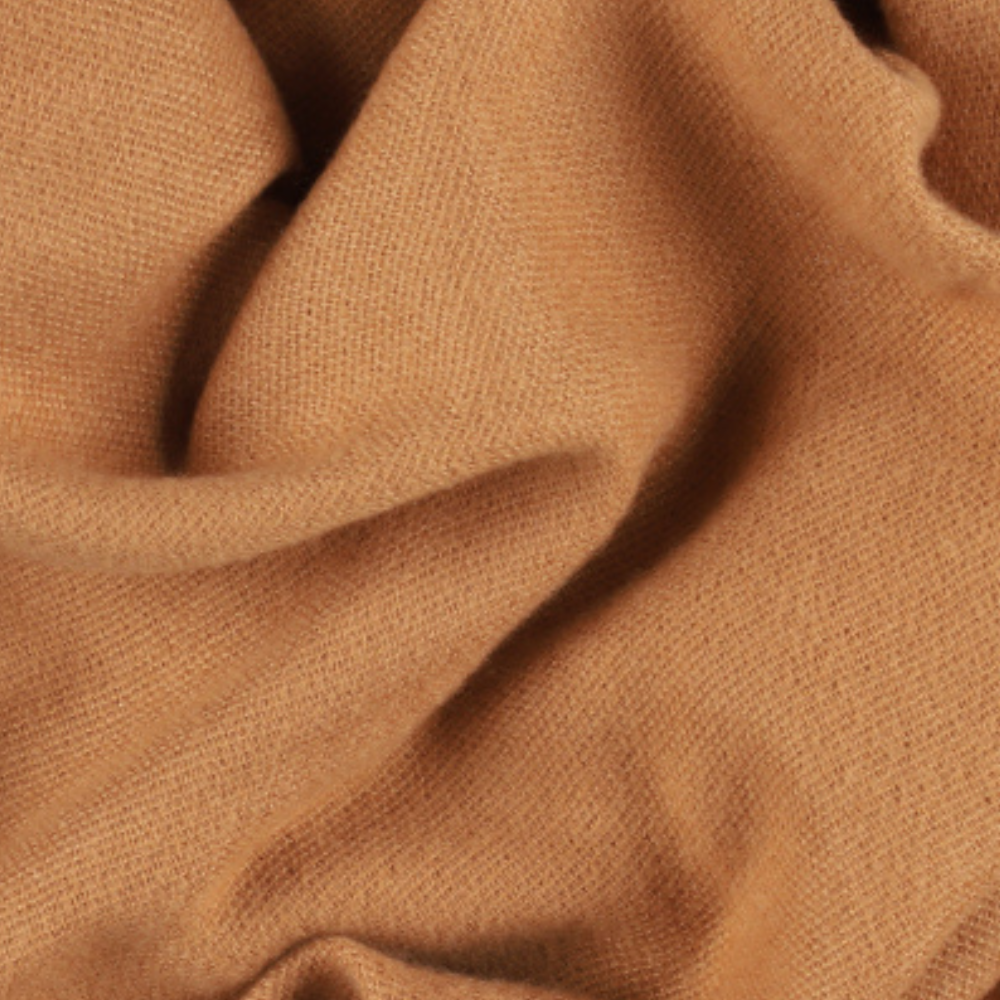
200×65 cm / 79×26 in
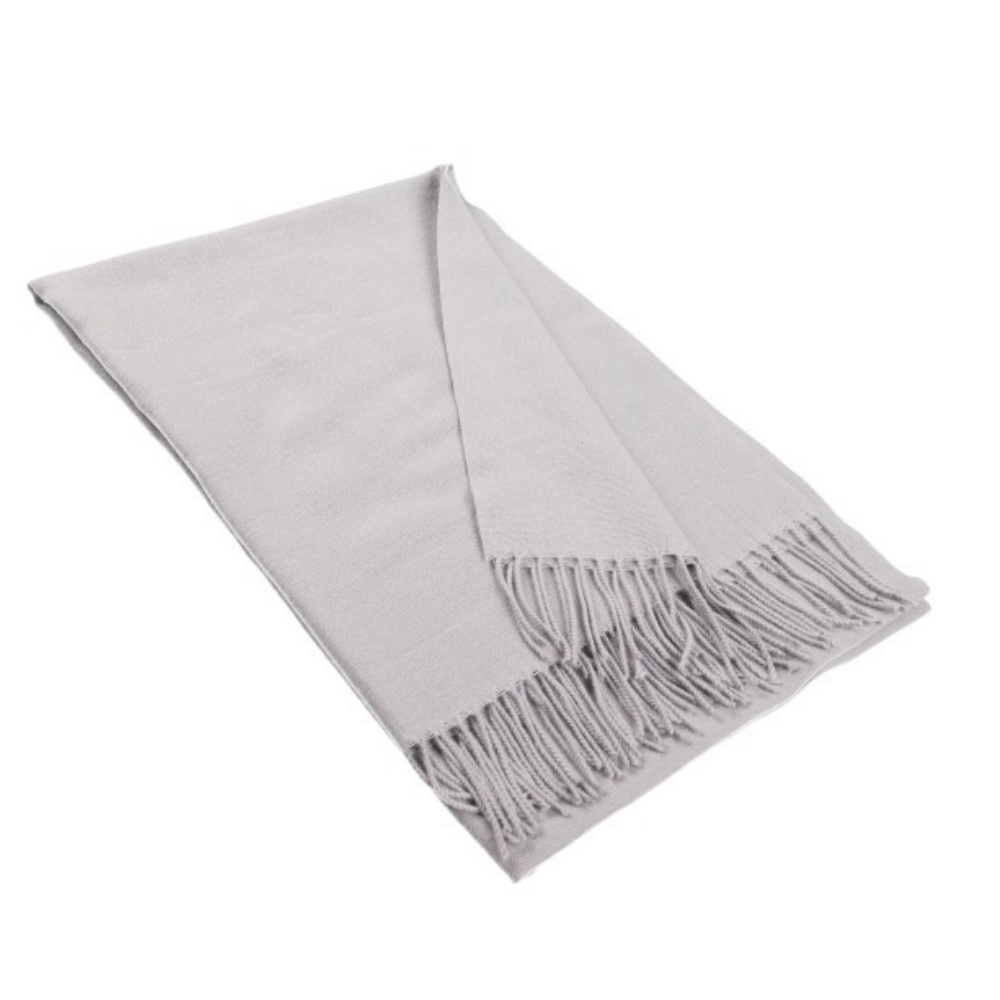
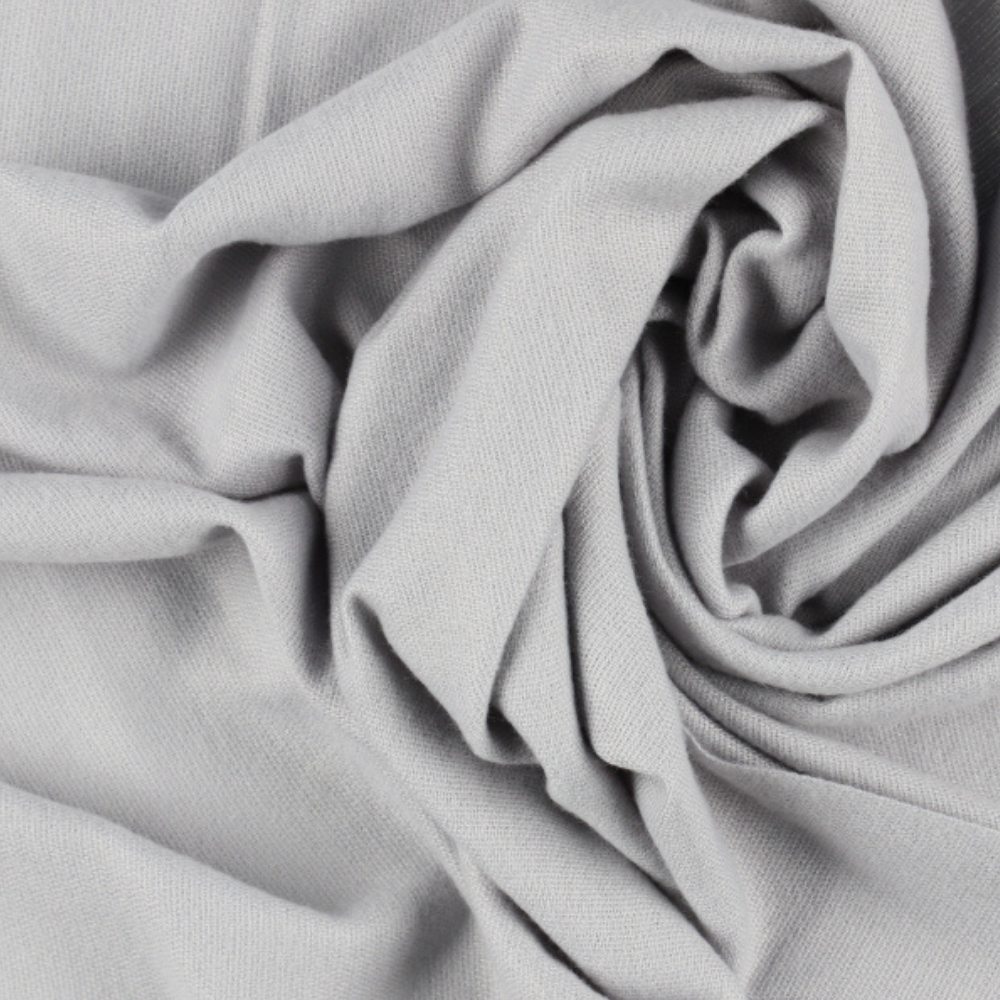
200×65 cm / 79×26 in
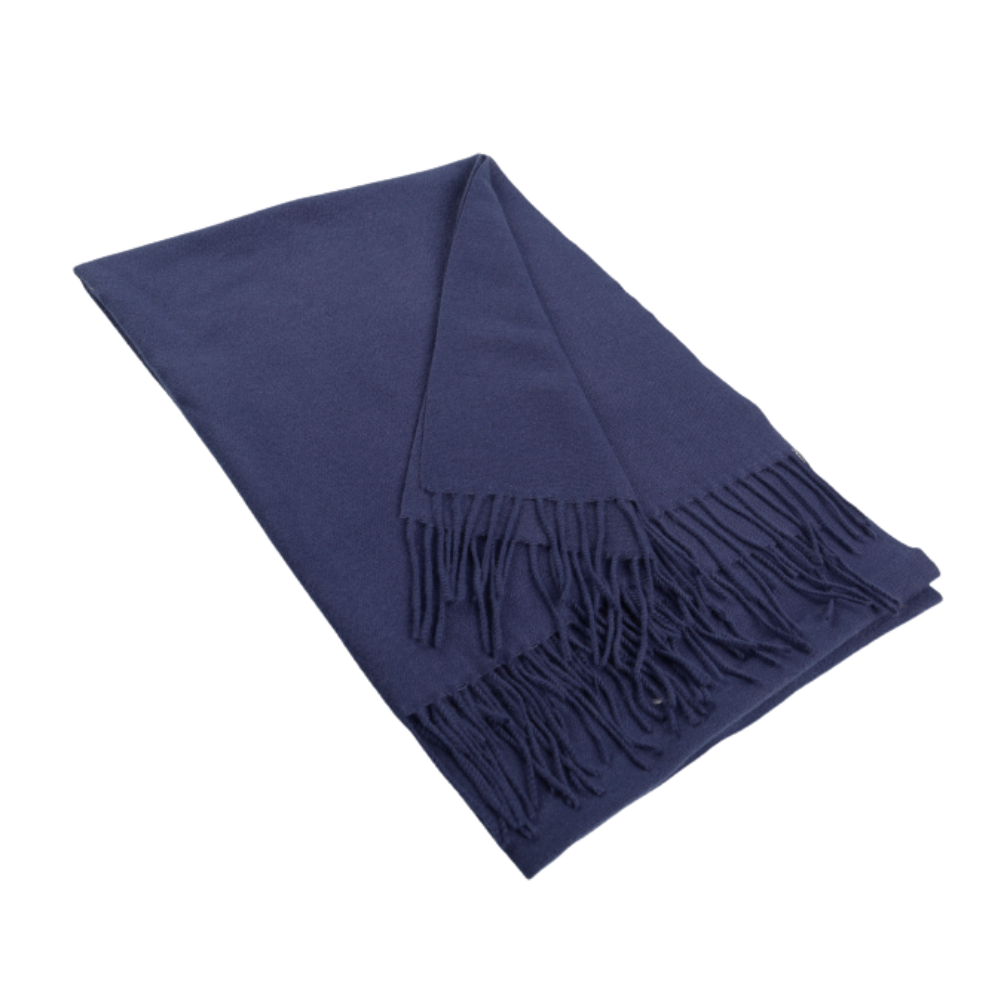
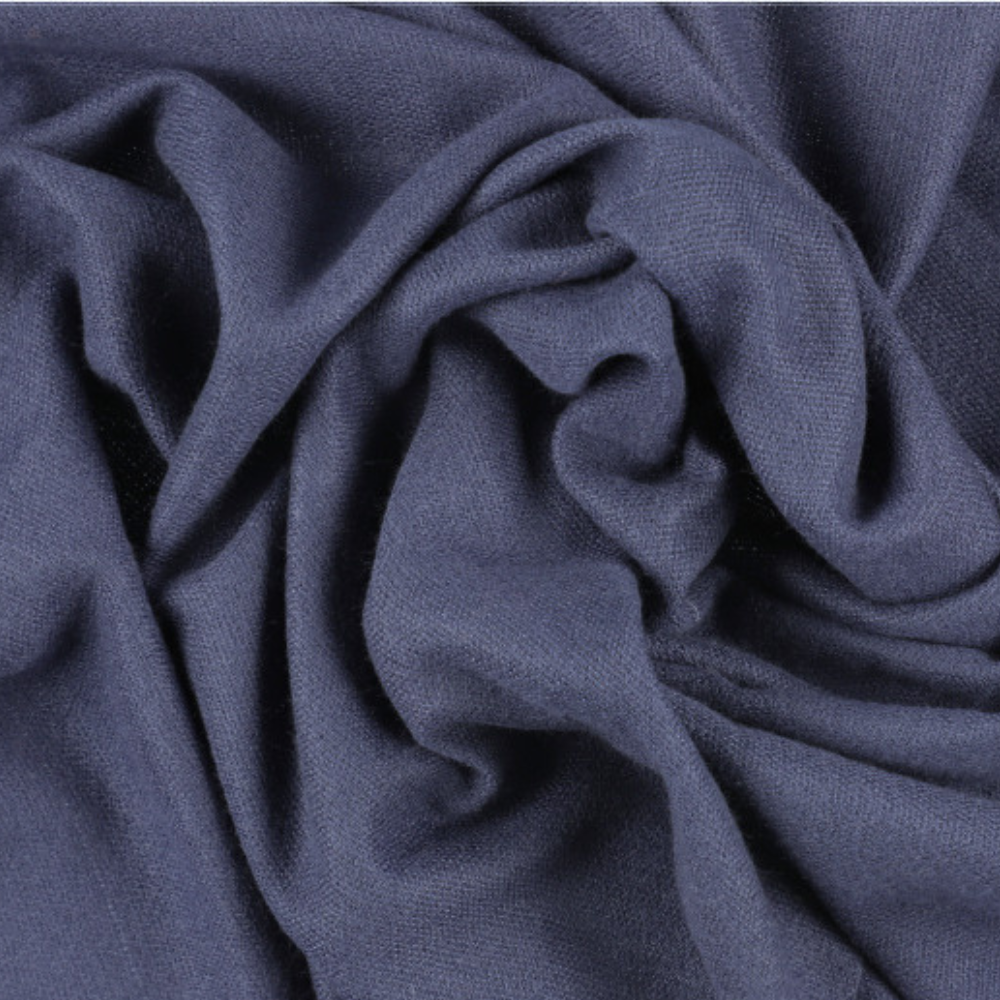
200×65 cm / 79×26 in
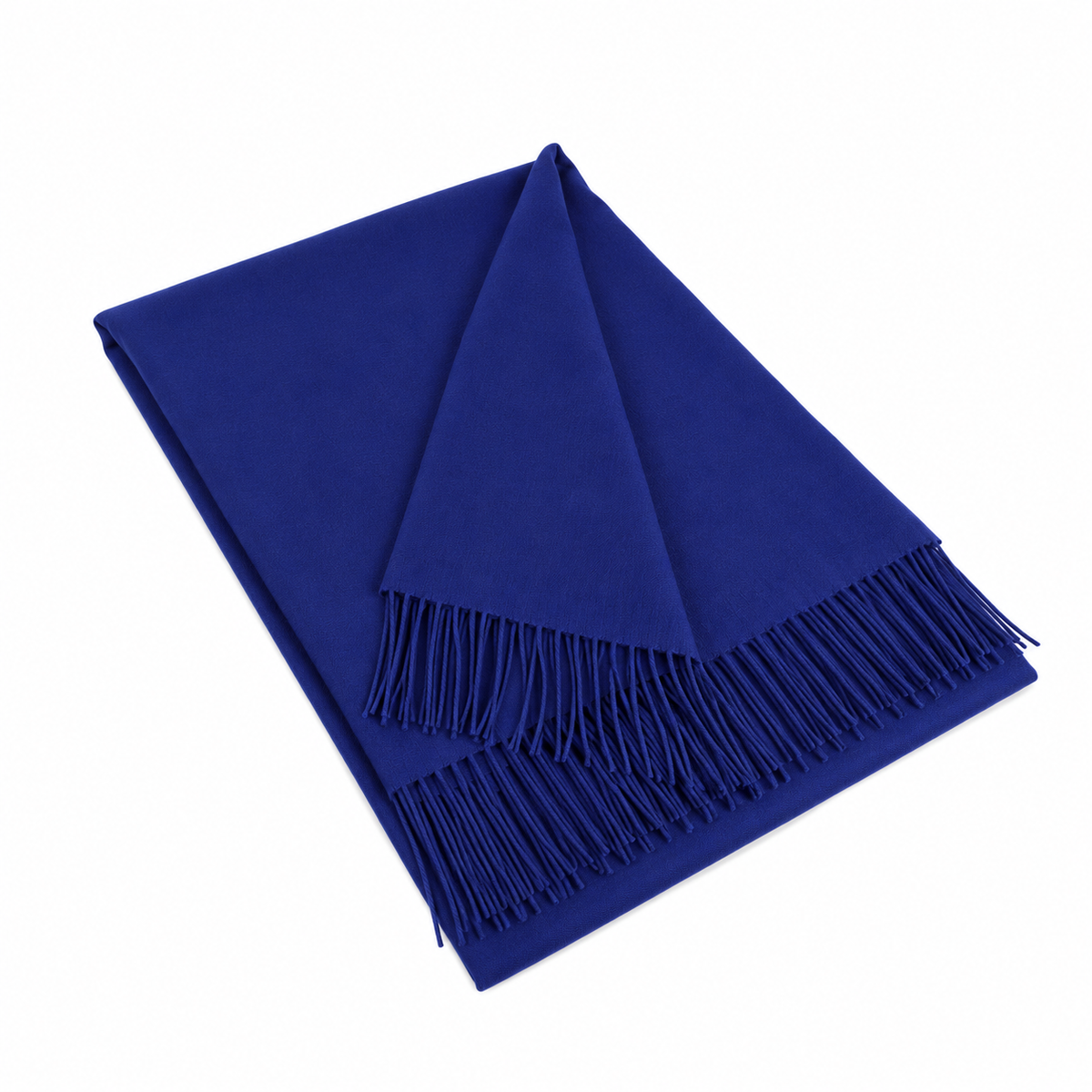
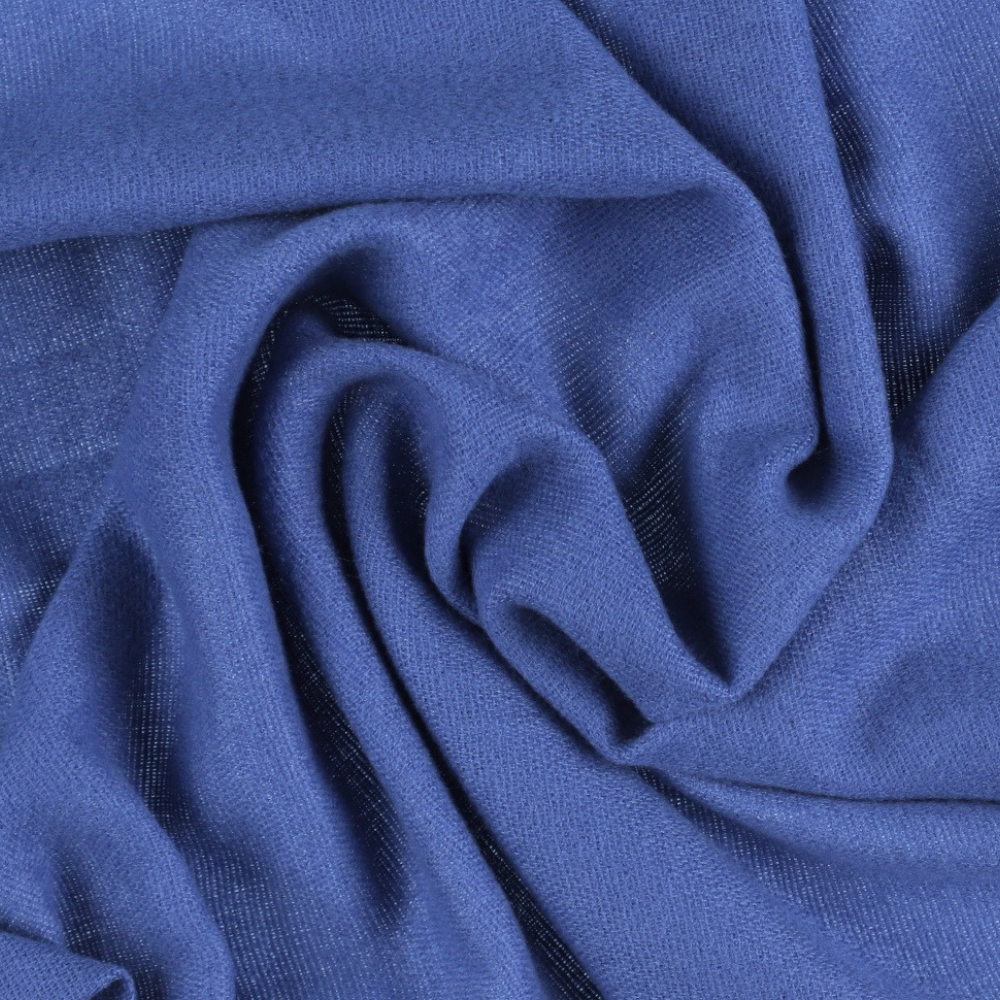
200×65 cm / 79×26 in
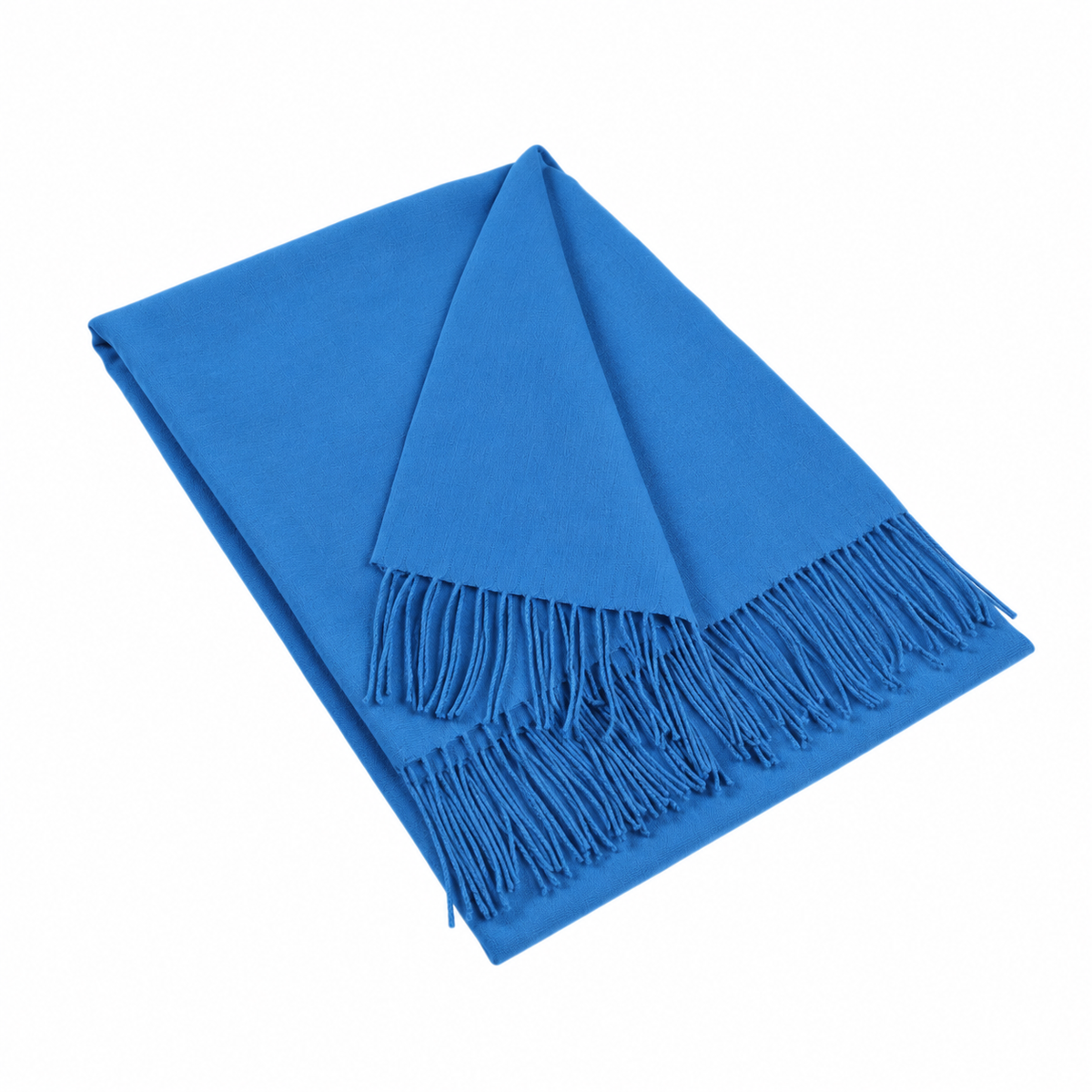
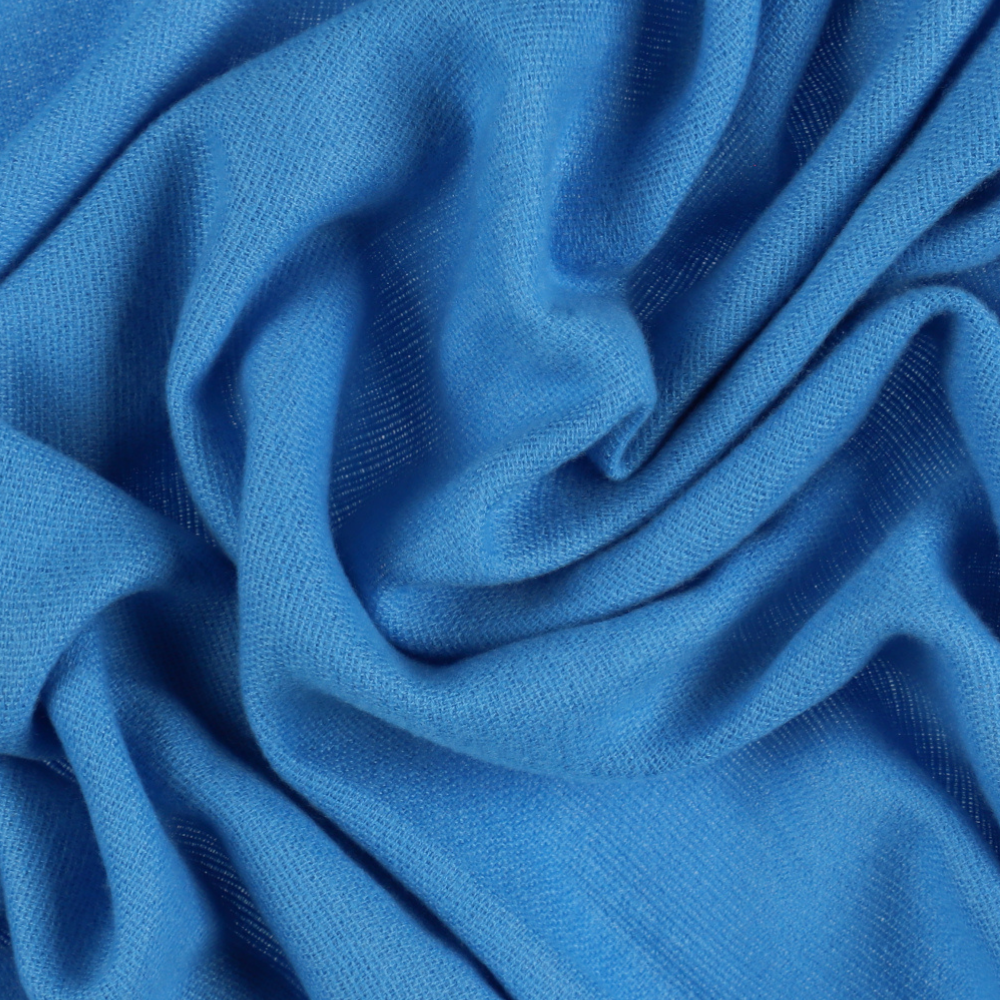
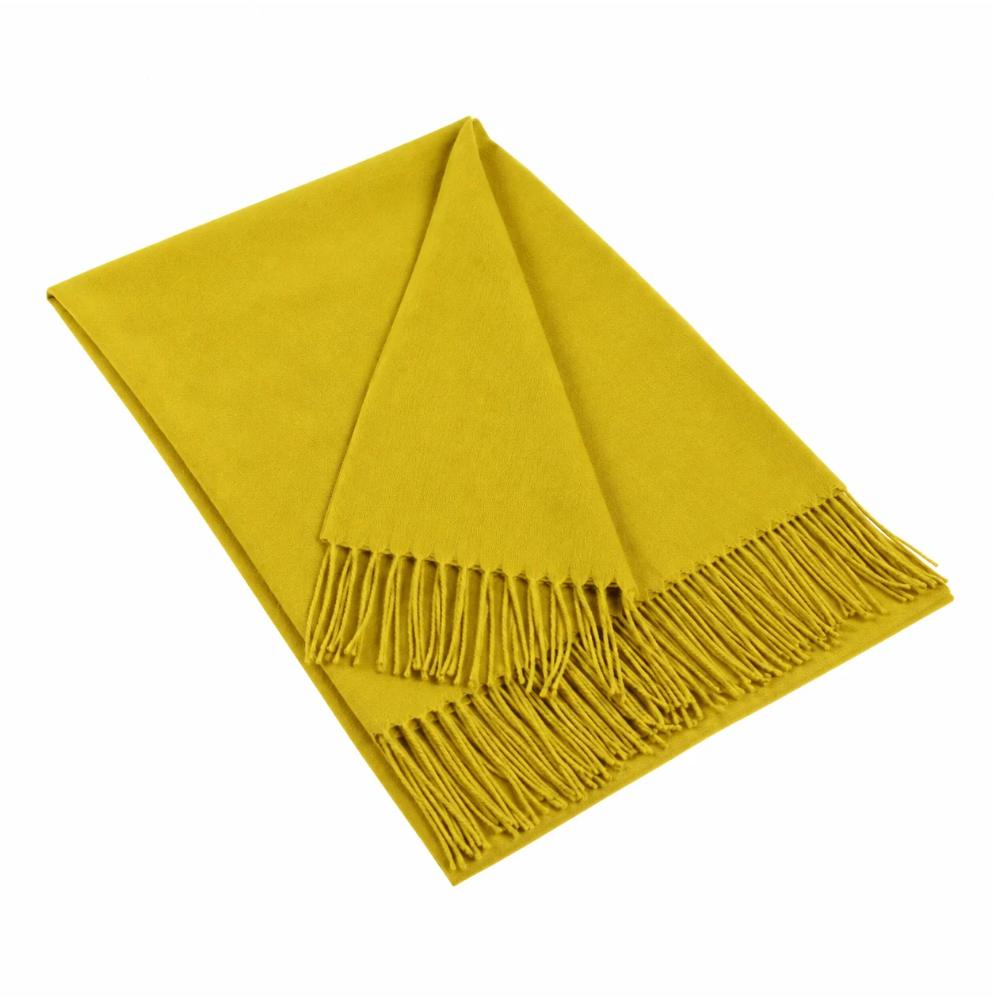
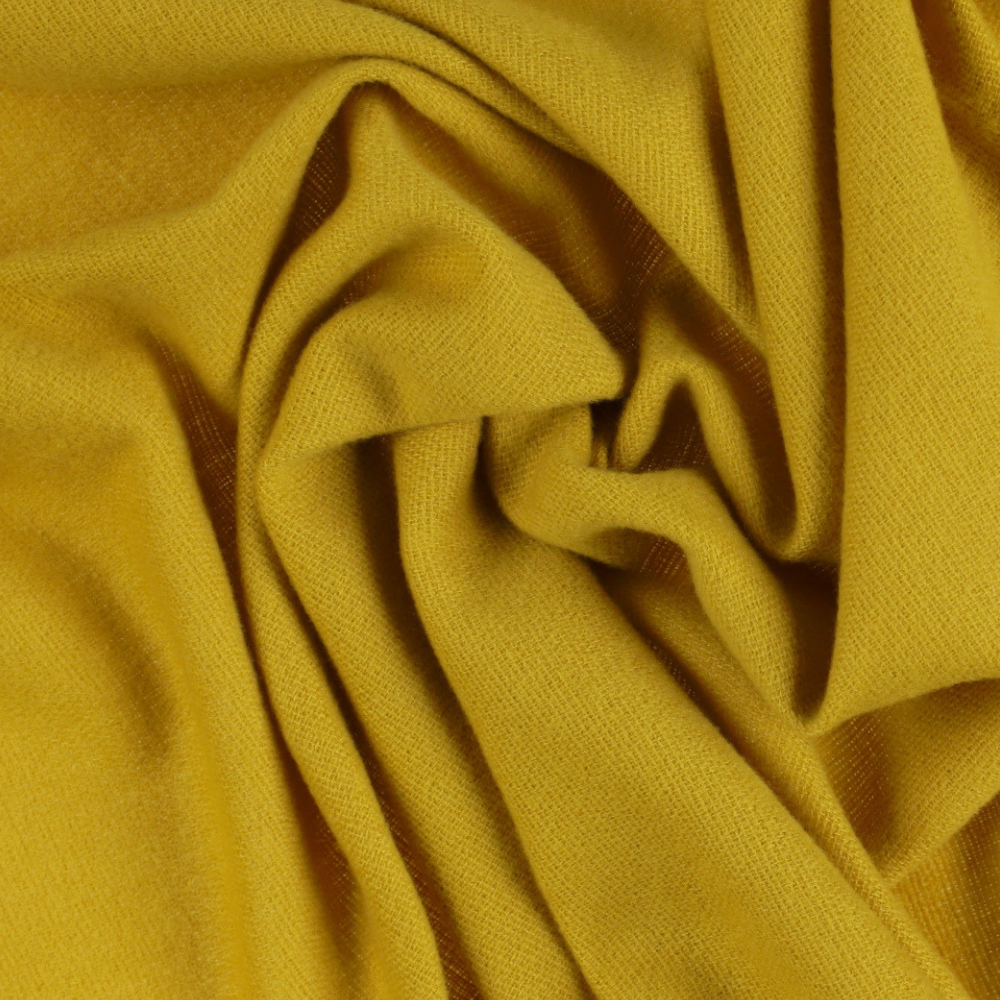
200×65 cm / 79×26 in
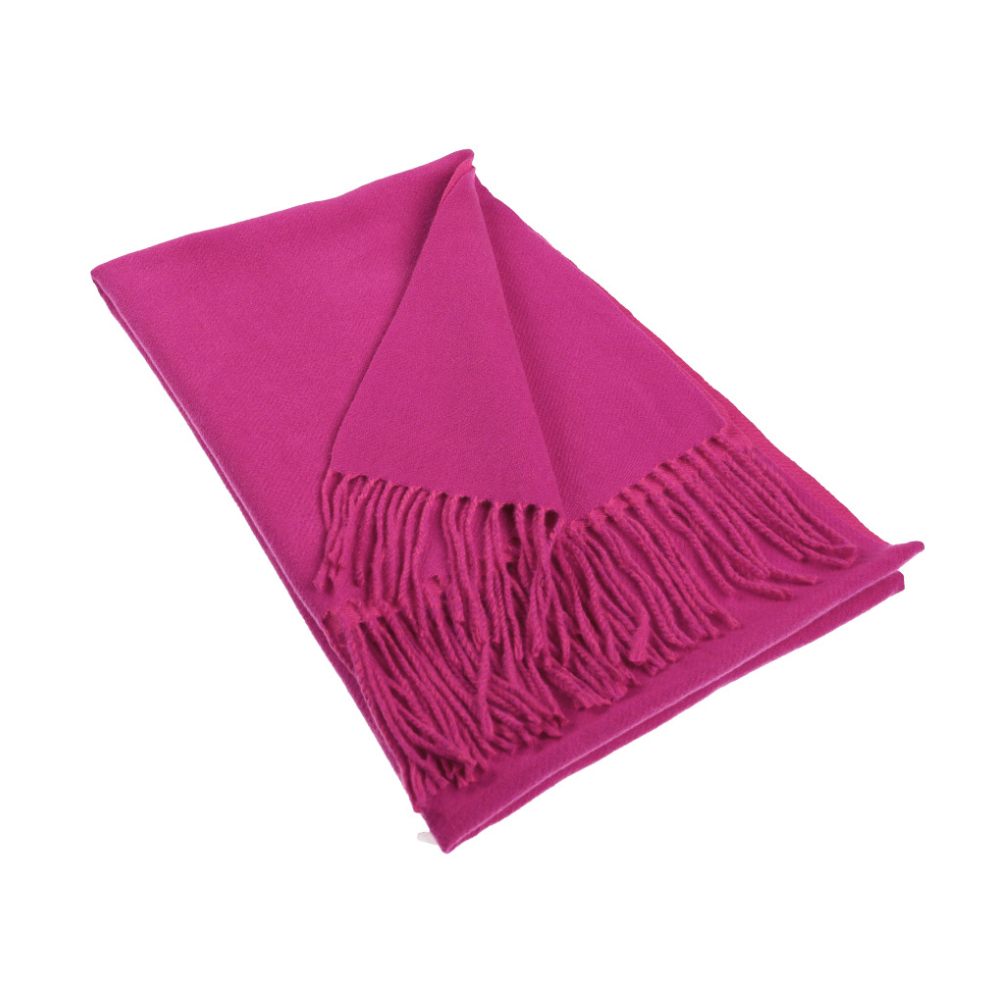
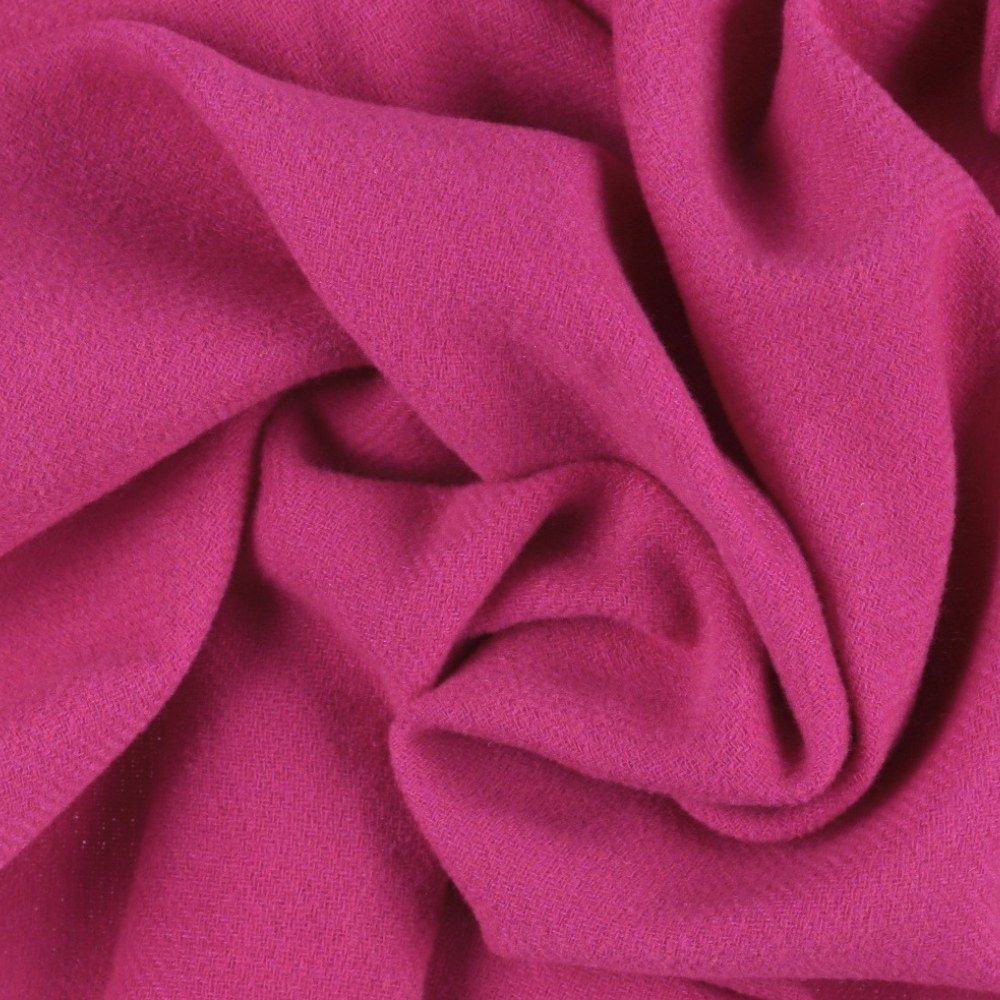
200×65 cm / 79×26 in
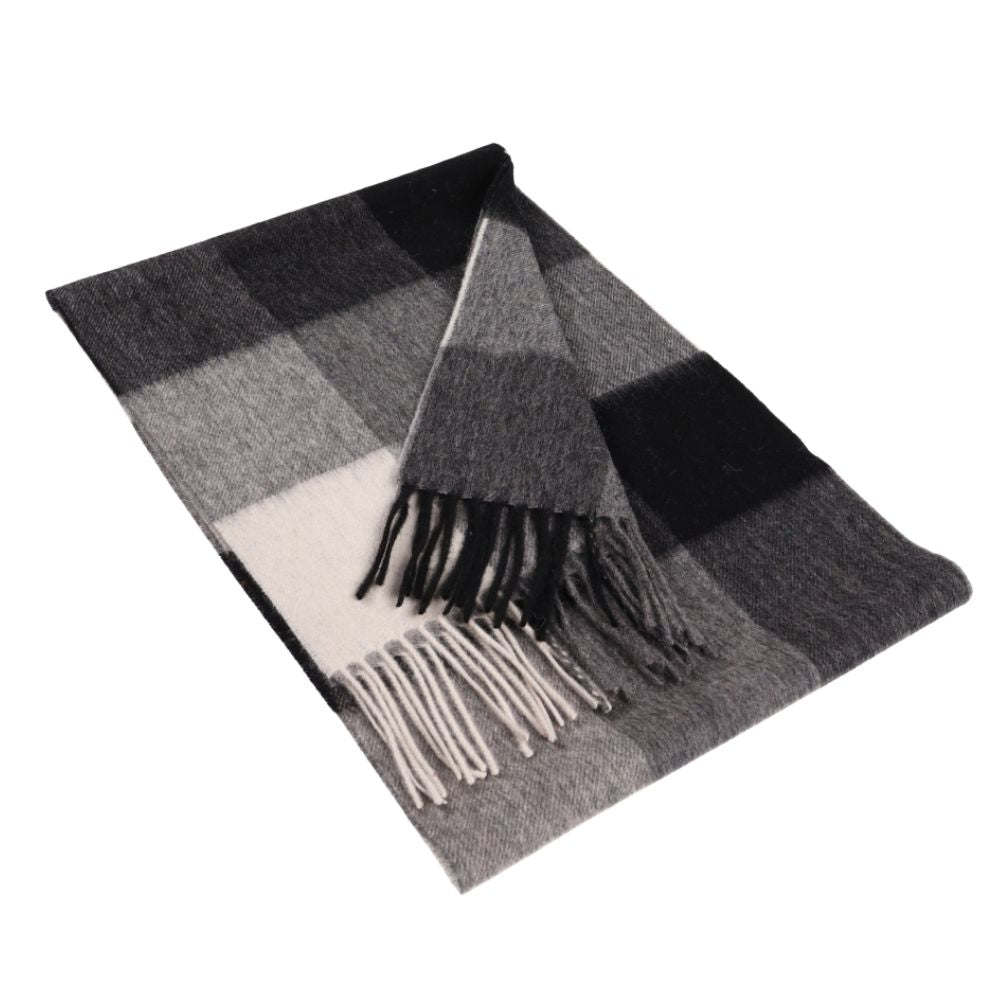
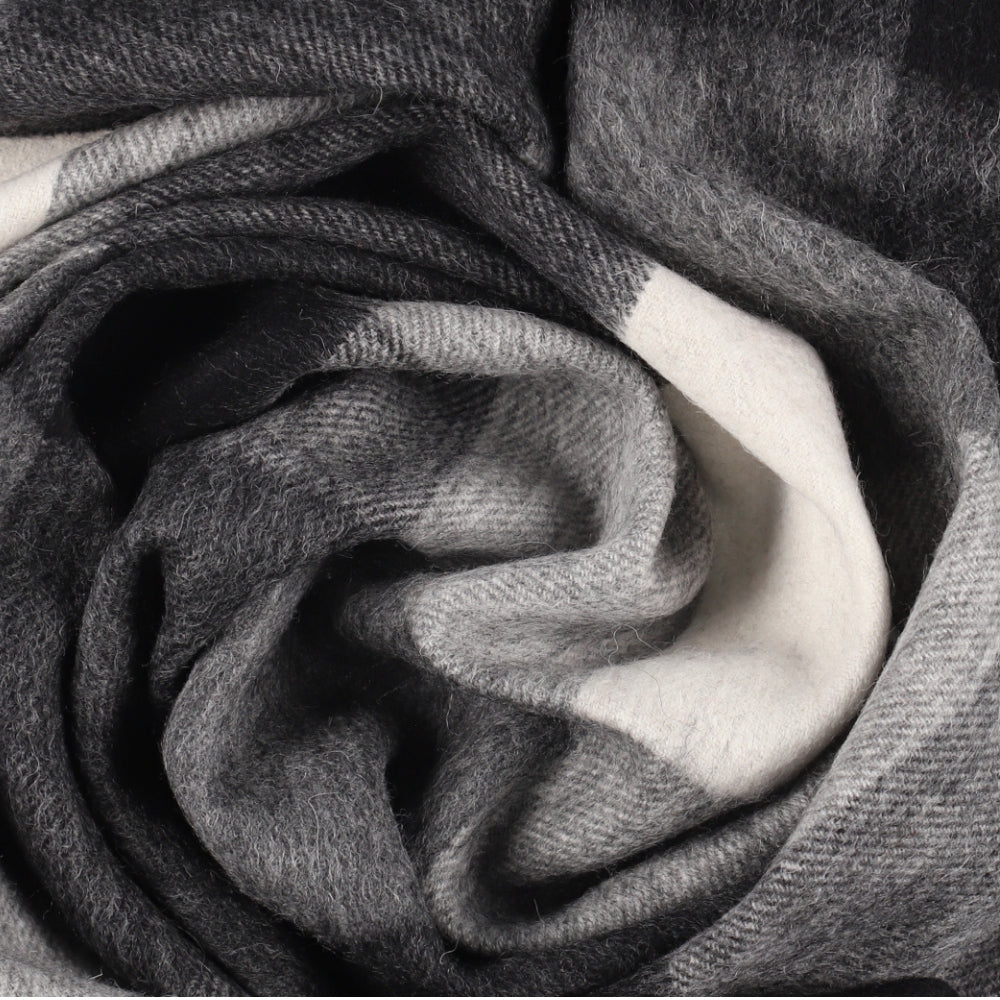
180×30 cm / 71×12 in
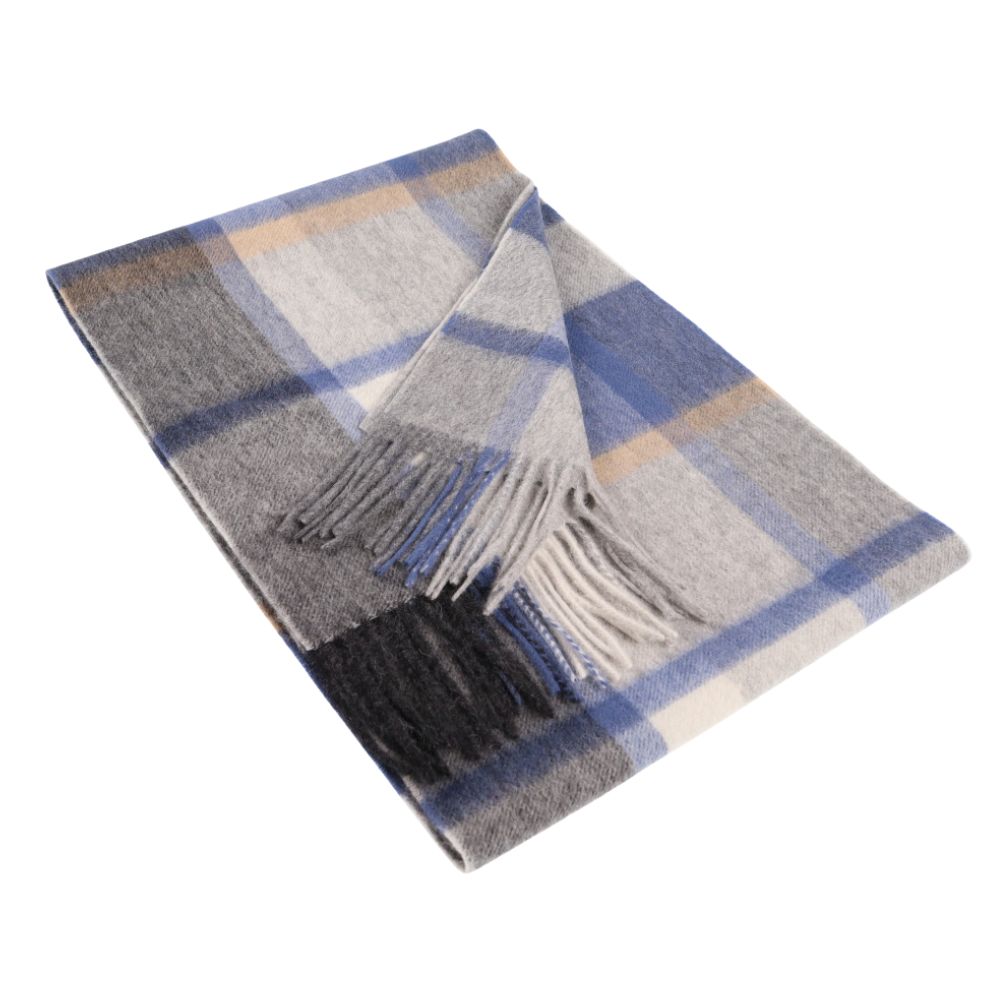
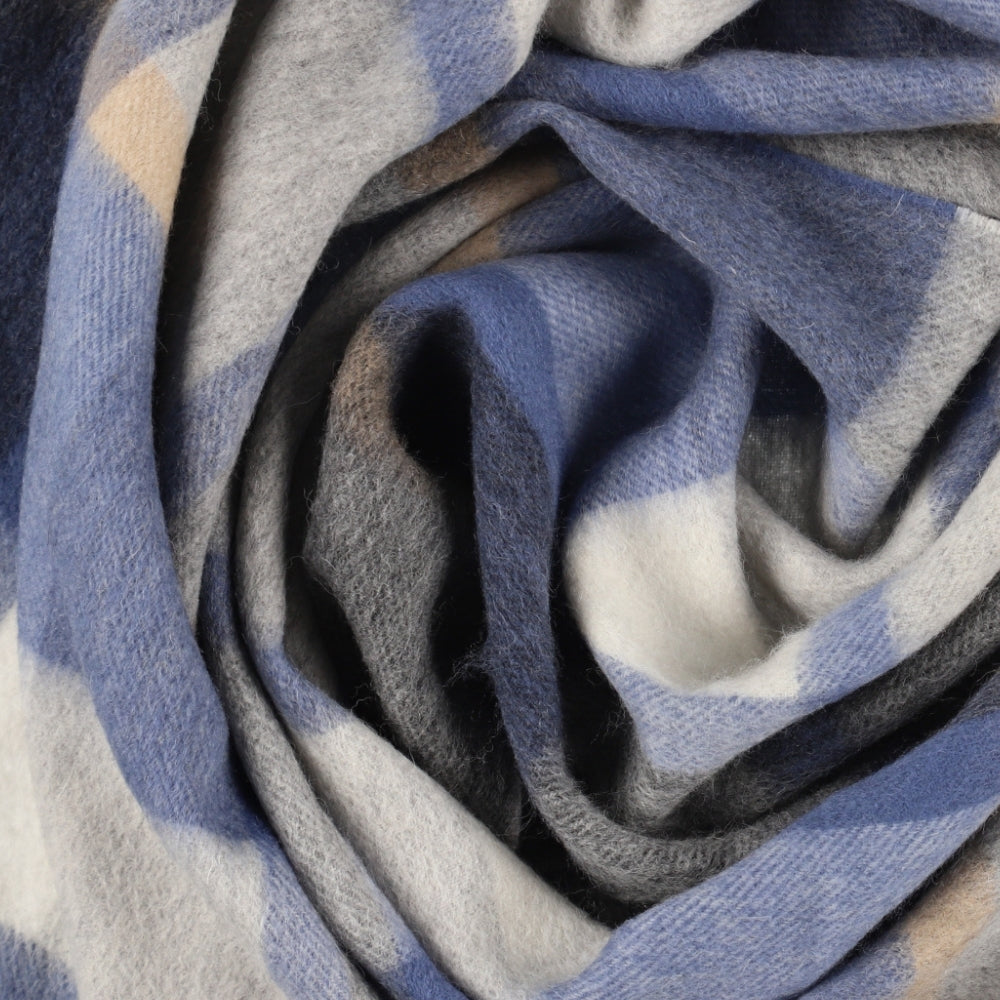
180×30 cm / 71×12 in
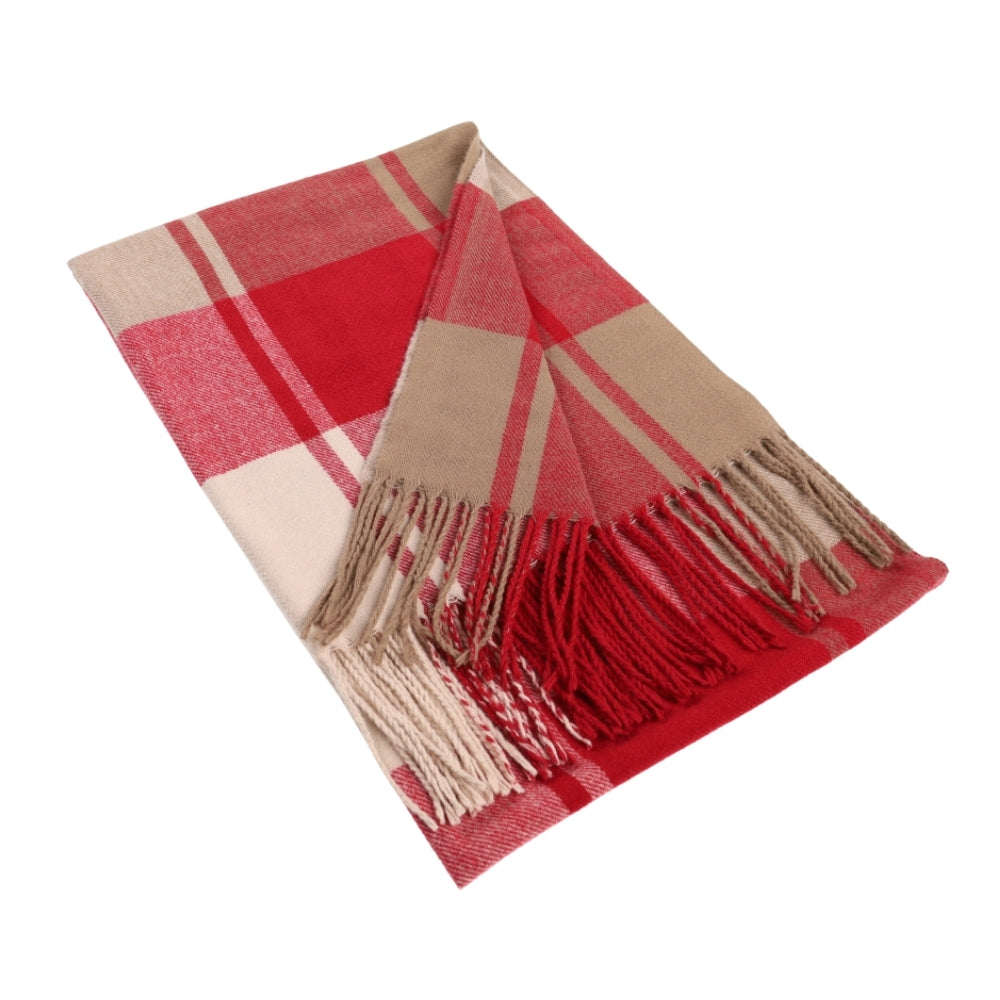
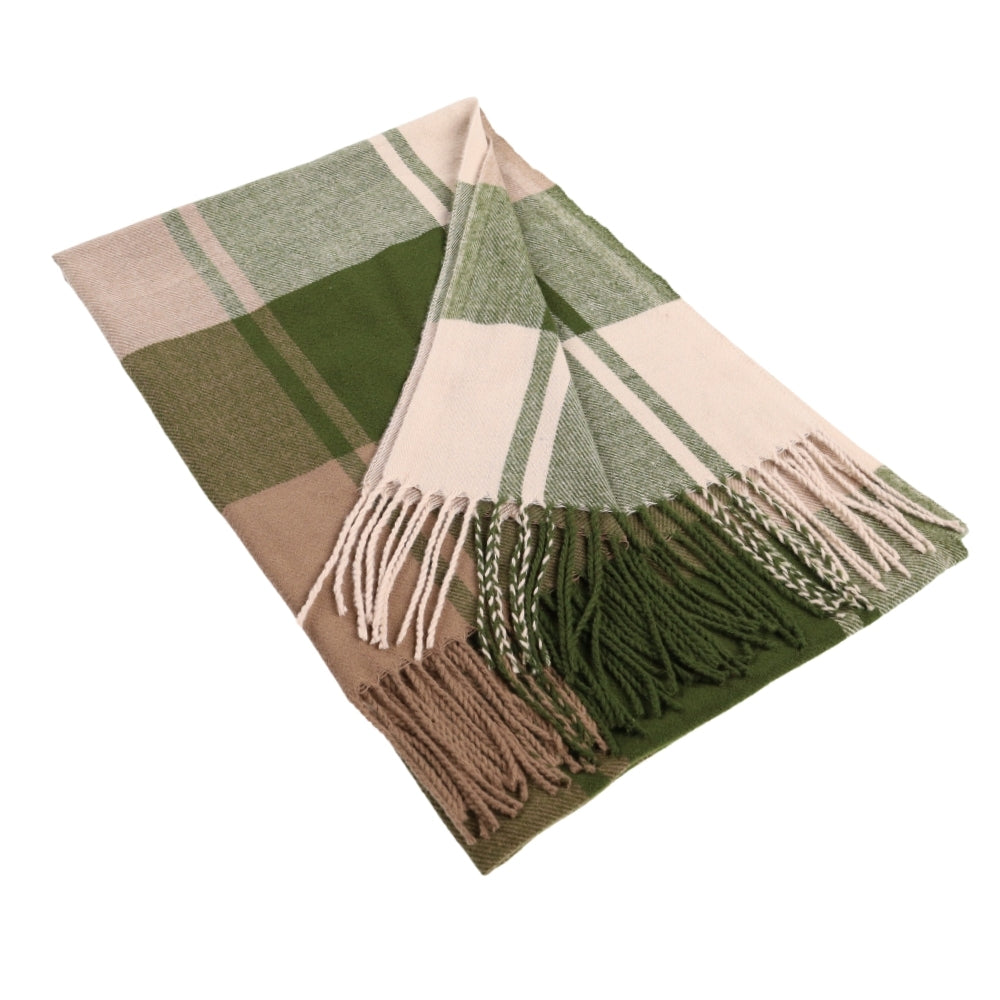
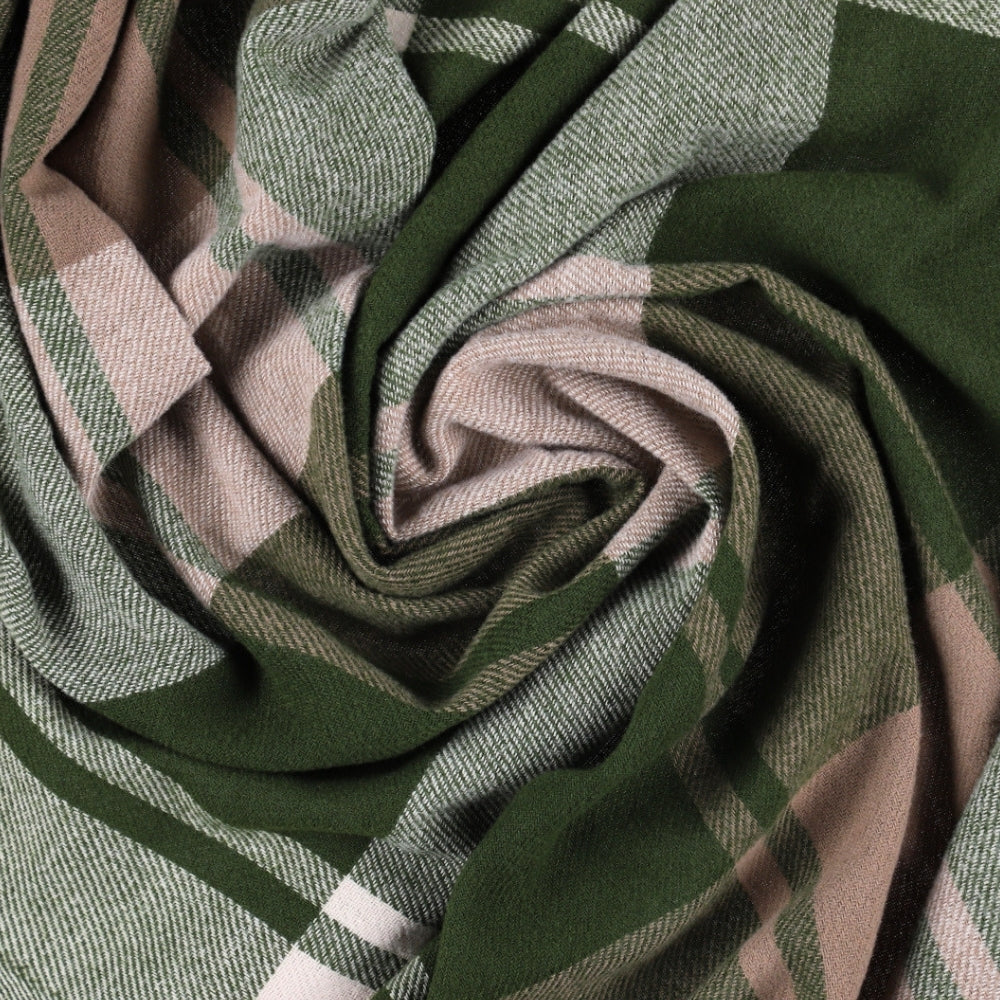
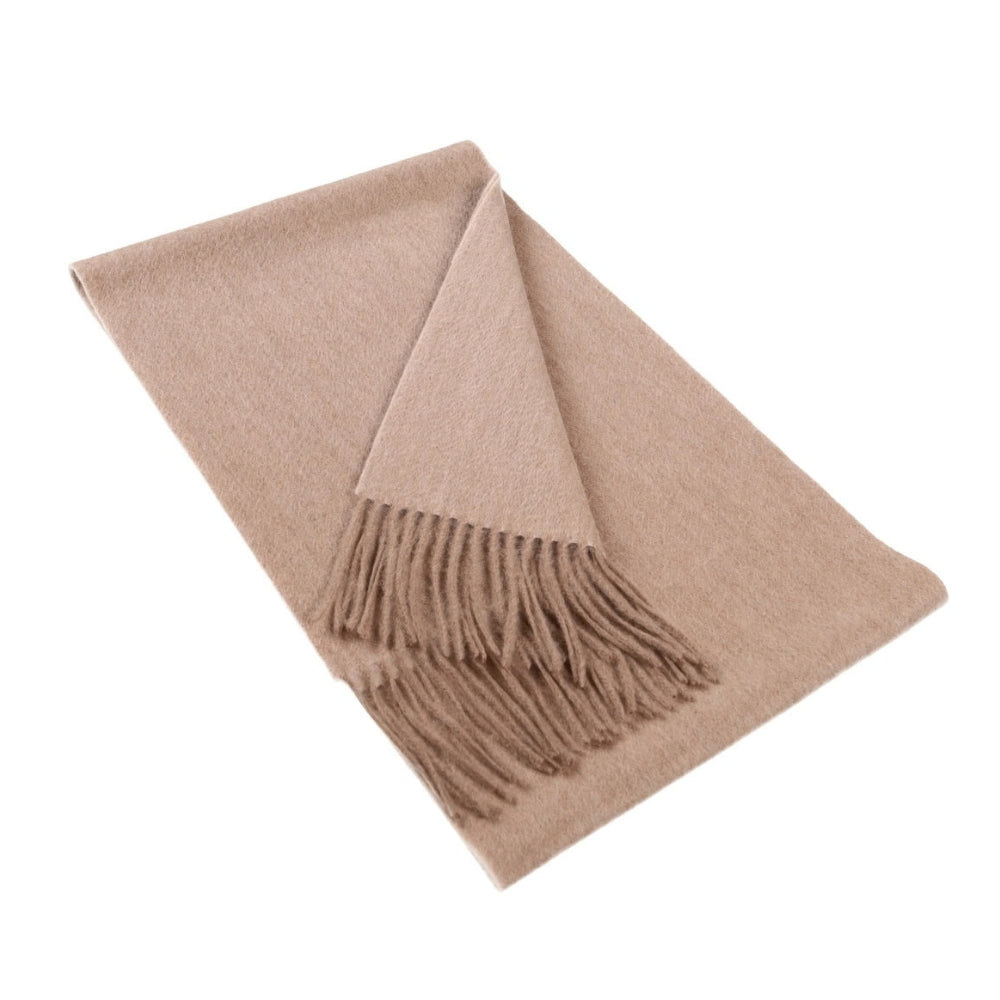
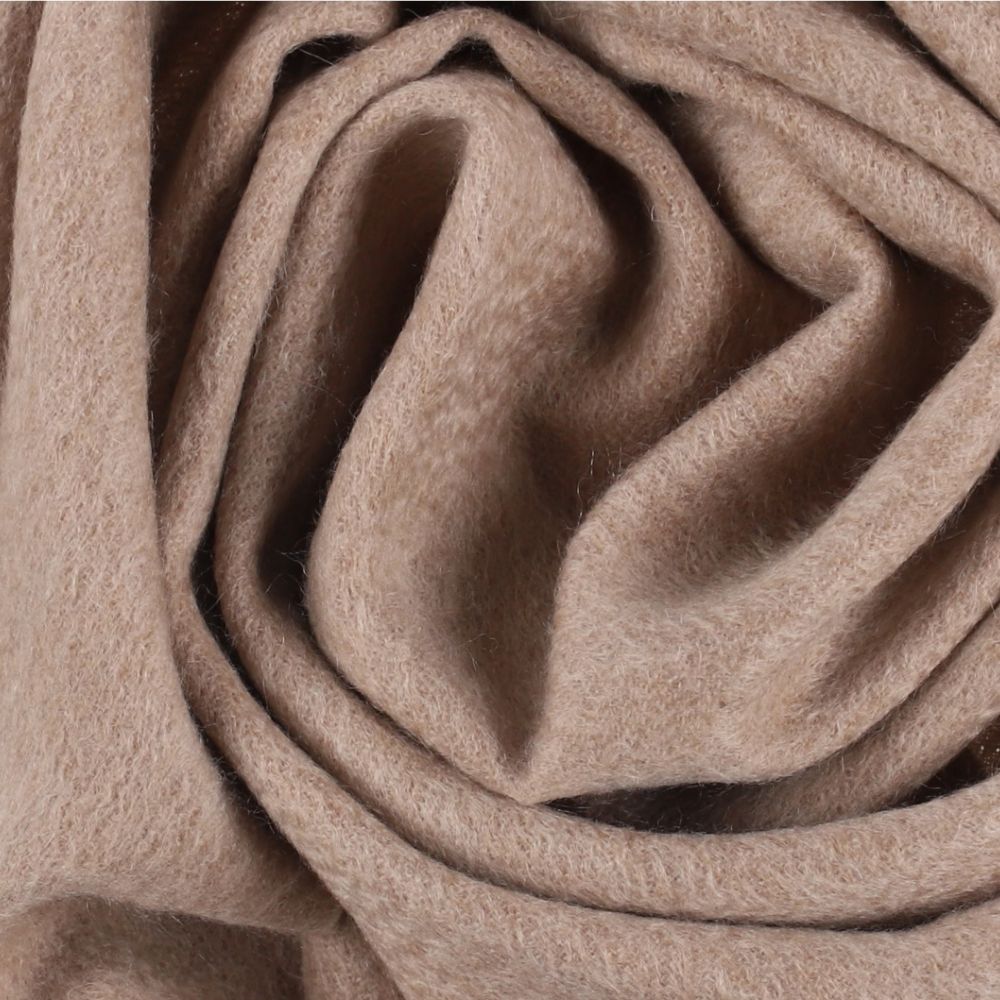
180×30 cm / 71×12 in
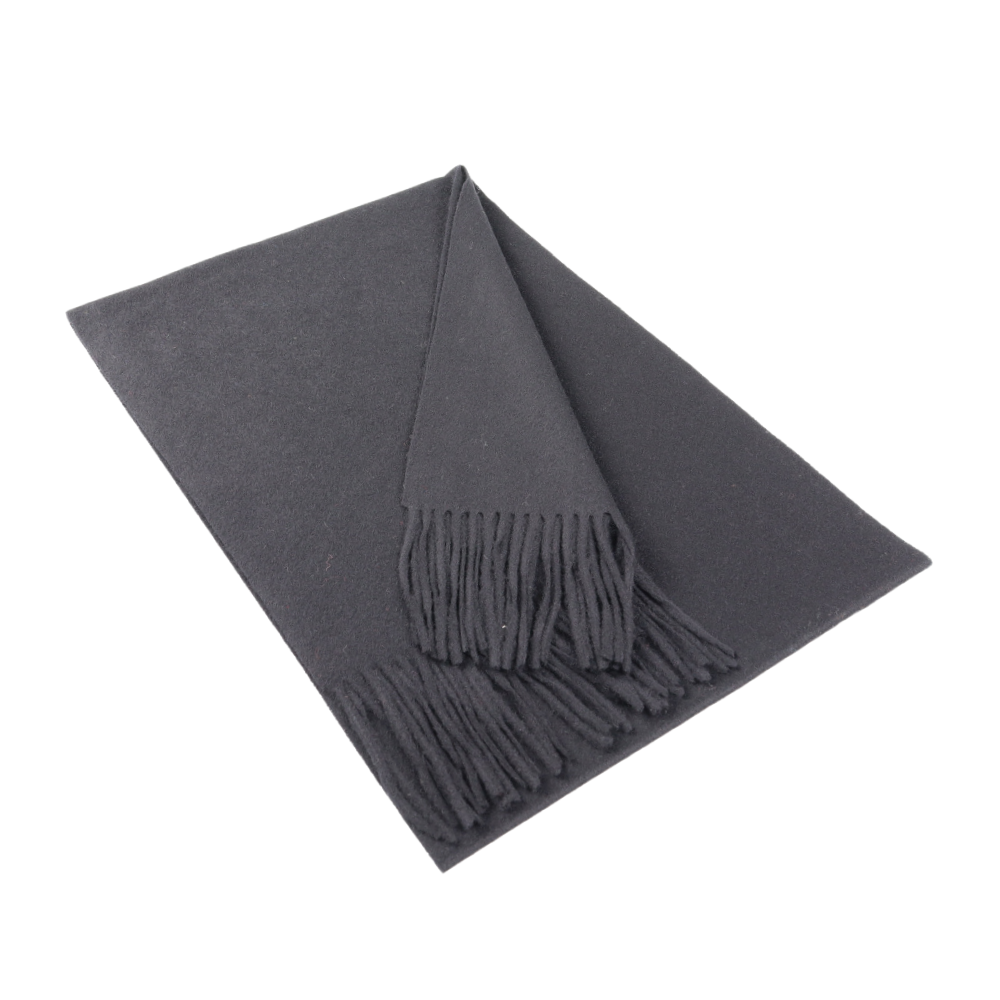
200×35 cm / 79×14 in
Winter scarf – how to choose a warm and stylish scarf at UniqueYou
Introduction
A winter scarf does two jobs at once: it offers reliable insulation against cold weather and can elevate outer layers of clothing in seconds. In this collection you'll find both thick, soft knits built for frost and neater options for the city commute or office. The guide below will help you choose the right winter scarf in terms of material, size and colour - whether you're pairing it with a structured winter coat or layering it under a hooded puffer jacket.
Types of winter scarf
Winter scarves differ in cut, thickness and size, which changes how they sit with your outerwear and how much warmth they deliver. Below are the main types you'll find in the range.
Classic long winter scarf
A straight, elongated scarf you can wrap around your neck once or twice and let the ends fall along the coat front. It works best for everyday commuting and pairs naturally with wool coats, trench coats and simple parkas - anywhere a bit of drape adds character. This type is convenient if you like changing your tying style: loose loop, knot at the front for a chic appearance, or tucked neatly inside a buttoned coat. Chunky wool scarves in this format trap air to create a thermal barrier, while lighter versions keep things streamlined.
Oversized winter shawl-scarf
A wider and often longer model that doubles as a wrap over the shoulders - think of it as a blanket-scarf hybrid. It's a strong choice when you want more fabric around your neck and chest, or when you like throwing something over a blazer or knit dress for extra coverage. Oversized blanket scarves seal out drafts completely when layered, making them ideal for the coldest stretch of the season - December through February - over a slim wool coat. Winter scarves in this format can be 180 × 70 cm in size, giving plenty of material to drape a scarf over your shoulders for a stylish look.
Snood / infinity winter scarf
A closed loop you pull over the head instead of tying, often thicker and sitting close to the neck. It works especially well with puffer jackets, jackets with hoods and active days when the scarf shouldn't slip or flap. Because there are no loose ends, you avoid bulk under a zipped jacket - practical if you prefer minimal fuss and a stable, cosy layer that stays put through wind and chill.
Fine-knit winter scarf for milder days
Slimmer, softer winter scarves that still provide warmth but carry less bulk than heavyweight knits. Medium-weight wool scarves are ideal for smart-casual outfits - think tailored coats, office layers and blazer-over-sweater combinations. They're comfortable during late autumn and early spring, when temperatures hover around 0–5 °C and you still want winter styling without a massive wrap around your neck. Choose a scarf that matches the occasion's formality level and you'll reach for this type more often than you'd expect.
What to look for in a winter scarf
Before you add a winter scarf to your basket, it helps to check a few features that directly affect comfort and how well the piece works with what you already own. Material, thickness, dimensions and colour all shape the final result.
Material and knit density
Scarves can be made from silk, cashmere, and wool - each fibre behaves differently in cold weather. Wool scarves provide warmth during winter thanks to natural air-trapping structure; cashmere is known for its softness and warmth, with fibres often measuring 18 microns or less; merino wool is soft, lightweight, and naturally insulating; alpaca fiber is stronger and warmer than sheep's wool. Viscose is often blended with other fibers for scarves to balance cost and drape. Stylish winter scarves combine natural fibers and thermal technology for the best performance. The exact composition is always listed in each product card, so check it if you're sensitive to specific fibres. A denser knit traps more air and blocks wind, while a softer, looser weave breathes easily but adds less bulk under a coat collar.
Dimensions: length and width
A long scarf - around 180 cm or more - lets you wrap it around your neck for warmth and still have visible ends along the coat. A shorter one (around 150 cm) works for simpler single loops and suits more petite frames proportionally. Width matters too: a scarf around 30 cm wide wraps the neck closely and tucks neatly, while one closer to 70 cm can cover your shoulders as well. Check the dimensions in centimetres on the product page and mentally compare them with a scarf you already own - it's the quickest way to judge the size before your orders arrive.
Colour and pattern for winter outfits
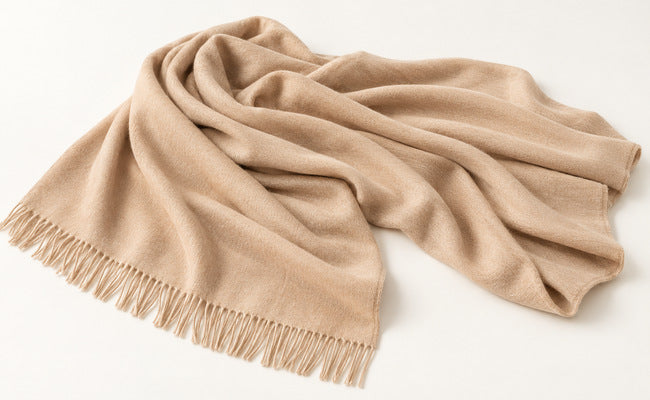
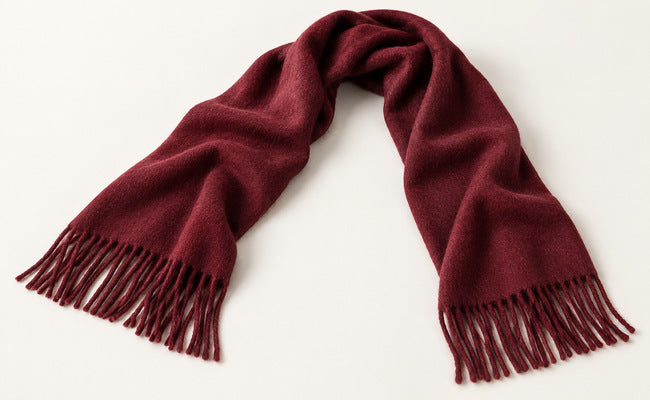
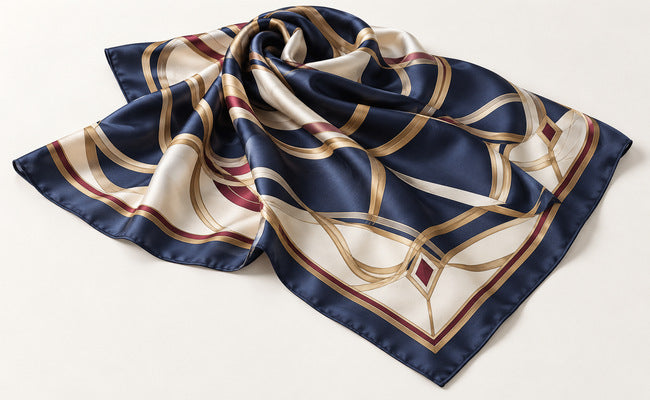
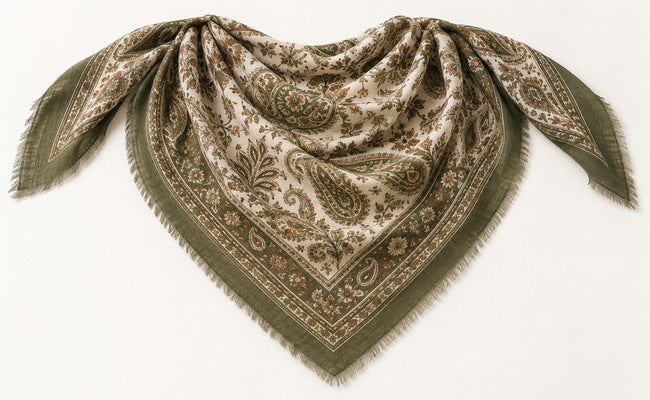
Consider the scarf's color to enhance your outfit's overall look. A winter scarf can either match the colour of your coat or introduce a contrast accent. A soft beige scarf with a camel coat creates a calm, tonal effect; a saturated red scarf with a black puffer jacket delivers a much stronger statement. Scarves can serve as a color accent in your outfit - jewel tones, burgundy or emerald green stand out against neutral outerwear. Simple patterns like checks or stripes complement plain coats well; if your jacket is already patterned, a solid-colour scarf keeps balance. For the current season, warm neutrals paired with vivid accents remain a popular edit in winter styling.
Finish: fringes, edges and thickness around the neck
Details like fringes, smooth edges or compact rolled hems change the character of a scarf more than you might expect. Thick tassels at the ends are most visible over a long coat, adding decorative movement - they suit open, unbuttoned outerwear. A plain finish sits quietly under a zipped jacket without catching or adding unwanted bulk. Encourage yourself to check product photos to see how thick the scarf looks when actually wrapped around the neck area, as thickness near the collar influences comfort throughout the day.
How to choose the right winter scarf
Turning those features into decisions comes down to a few practical questions. Think about your daily routine - the way to work, weekend walks, city trips - and match the scarf to it.
Outerwear you wear most often - For a classic winter coat, an oversized shawl-scarf or a long cashmere wrap adds elegant dimension. For a quilted puffer, a snood or narrower long scarf avoids fighting the hood. Layer a scarf with a coat for added style, adjusting the type to fit the silhouette. Chunky knits are suitable for casual coats during winter, while fine-knit options suit tailored pieces.
Level of warmth you need - Choose a thicker scarf for colder weather: dense wool or alpaca blends for frosty January evenings, a lighter merino or blend for milder days or short car commutes. Shearling or faux-fur scarves offer high wind resistance when conditions are harsh.
Preferred styling (subtle vs strong accent) - Neutral tones blend into an outfit and let your coat and bag lead; intense colours and bold patterns turn the scarf into the focal point. Scarf styling can enhance both casual and formal outfits when the colour choice is deliberate. Stylish winter scarves complement both casual and formal outfits - the key is picking the right tone.
Comfort around the neck - If you dislike a lot of fabric under your chin, a softer, narrower scarf or a looser tying style works better than a very thick oversized model. Silk scarves are lightweight and luxurious if you want minimal contact, while a generous snood with a wider circumference provides warmth without pressing in.
Frequently Asked Questions
Below are answers to the most common questions about winter scarves - their size, care and how to style them with coats and jackets.
What length of winter scarf should I choose for a long coat?
For knee-length or longer coats, a scarf around 180 cm or more lets you wrap once or twice around the neck and still have ends visible along the coat body. More petite people can comfortably wear slightly shorter scarves (around 150–170 cm) - what matters most is whether you like the proportions when you see them in the mirror.
Which winter scarf goes best with a puffer jacket with a hood?
Snoods and not-too-wide, soft long scarves are usually the most practical options, because they don't build too much volume under the hood and are easy to tuck inside the jacket. Try a simple loop around the neck, zip the jacket up, and see how much fabric you really need - that quick test saves returns.
Can one winter scarf work both for everyday wear and more elegant outfits?
Yes. A smooth, medium-thick scarf in a neutral colour - grey, navy or beige - is easiest to combine with jeans, knitwear and a classic coat alike. Choose a tone that already appears in your wardrobe so the scarf naturally connects casual and more polished sets. Scarves can be worn around the neck or shoulders, giving you different looks from a single piece.
How should I care for a winter scarf so it keeps its shape?
Always check the care instructions on the label and the product page, as different materials need different treatment. Safe general tips: gentle handwashing or a delicate programme for knits (if allowed by the label), drying flat rather than hanging, and storing folded - not on a hook - especially for heavier knits that can stretch under their own weight. A fabric shaver helps remove pilling and keeps the surface looking fresh across more than one season.
Browse winter scarves at UniqueYou
When you shop for a winter scarf, it's worth considering your favourite coat, the level of warmth you need and the colours you reach for most often. Explore the winter scarf collection at UniqueYou - compare materials, dimensions and shades to discover a model at the right price point that will stay in rotation for many winters to come. Winter scarves should complement outerwear like coats and jackets, and finding that match is easier when you know exactly what to look for.
FINEST MATERIALS
Softness, comfort and attention to detail.

Express Delivery
Within 24 hours by courier to your home or a pickup point.
EASY RETURNS
Shop with confidence, with the option to return.
SECURE PAYMENTS
Choose your preferred payment method.